
The Zambezi doesn’t begin with any great sense of purpose. It rises from a small, black, waterlogged hollow in the northwestern corner of Zambia, barely distinguishable from any other patch of damp ground in the miombo woodland. Within a few hundred metres it’s a stream. Within a few kilometres it’s a river. By the time it reaches the Indian Ocean some 2,700 kilometres later, it has carved one of the most significant wilderness corridors on the continent and earned its name — which, in the language of the Tonga people, simply means “Great River.”
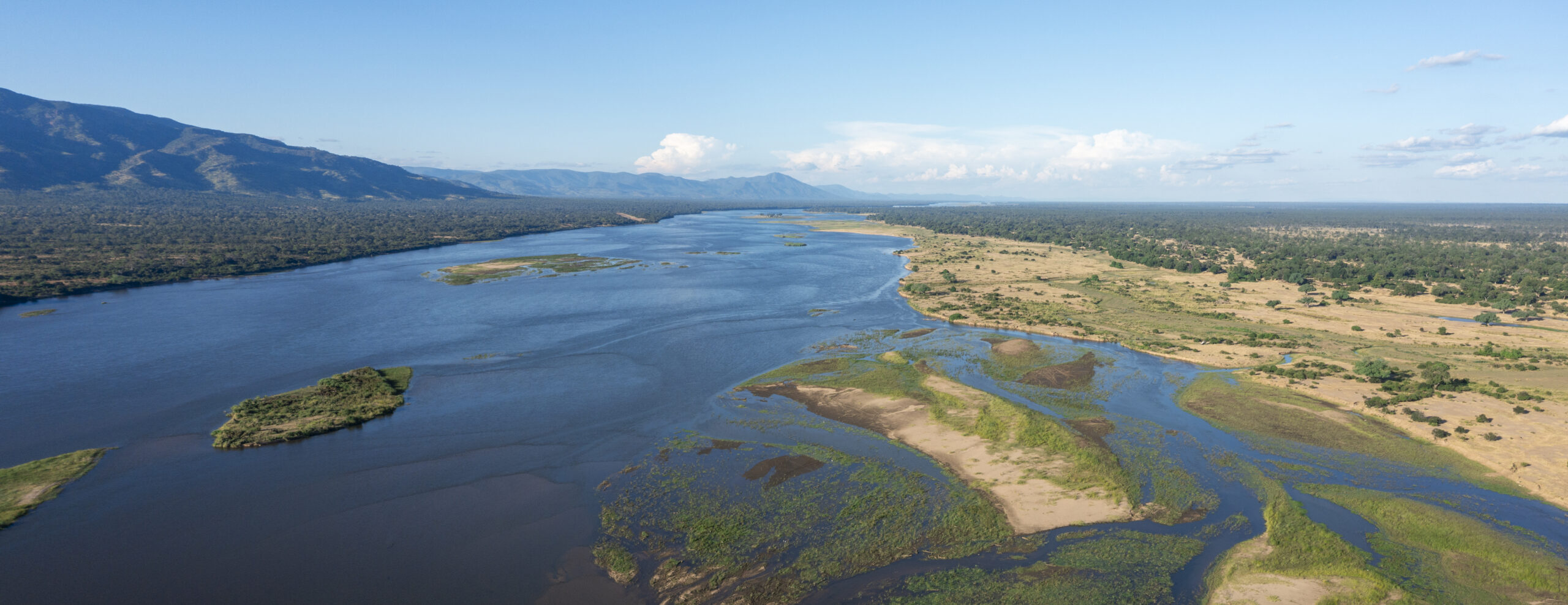
The Zambezi Valley, through which the middle section of the river runs, is the product of forces that were at work long before anything resembling modern wildlife existed here. The valley sits within the southwestern arm of Africa’s Great Rift system — the same ancient geological fracture that runs from the Red Sea all the way to the river’s mouth. The escarpments that flank the valley on both the Zimbabwean and Zambian sides rise almost 600 metres above the valley floor, and they create something remarkable: a vast, enclosed basin with its own climate, its own light, and its own particular quality of heat that anyone who has spent time here will recognise immediately.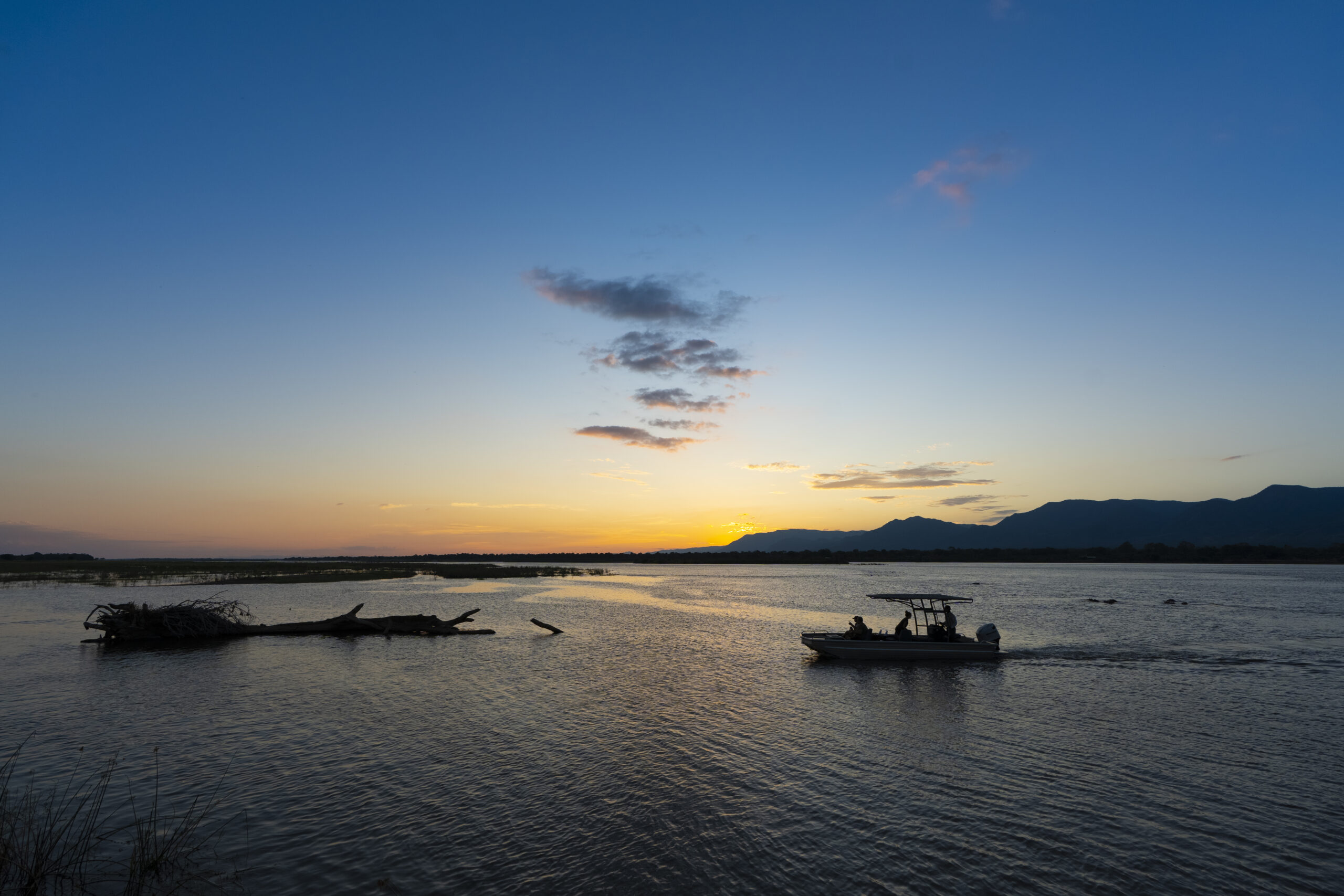
The river defines the valley’s rhythms entirely. In the wet season it floods, spreads, deposits sediment, and retreats, leaving behind the floodplains and oxbow pools that sustain everything from hippopotamus to elephant to the extraordinary concentrations of dry season wildlife that have made this corridor famous. On the Zimbabwean bank, four of these former river channels became permanent pools — the pools that give Mana Pools its name. Mana is Shona for four.
The park’s formal history is relatively recent. The area was gazetted as a game reserve in 1963, achieved national park status in 1975, and was declared a UNESCO World Heritage Site in 1984 — a designation that came, importantly, in direct response to a proposal to flood the entire valley as part of a hydroelectric project. The plan was dismissed. The valley survived. Since 1982, the Zambezi Society has fought consistently to keep it that way, against threats from mining, drilling and poaching that have never entirely gone away.
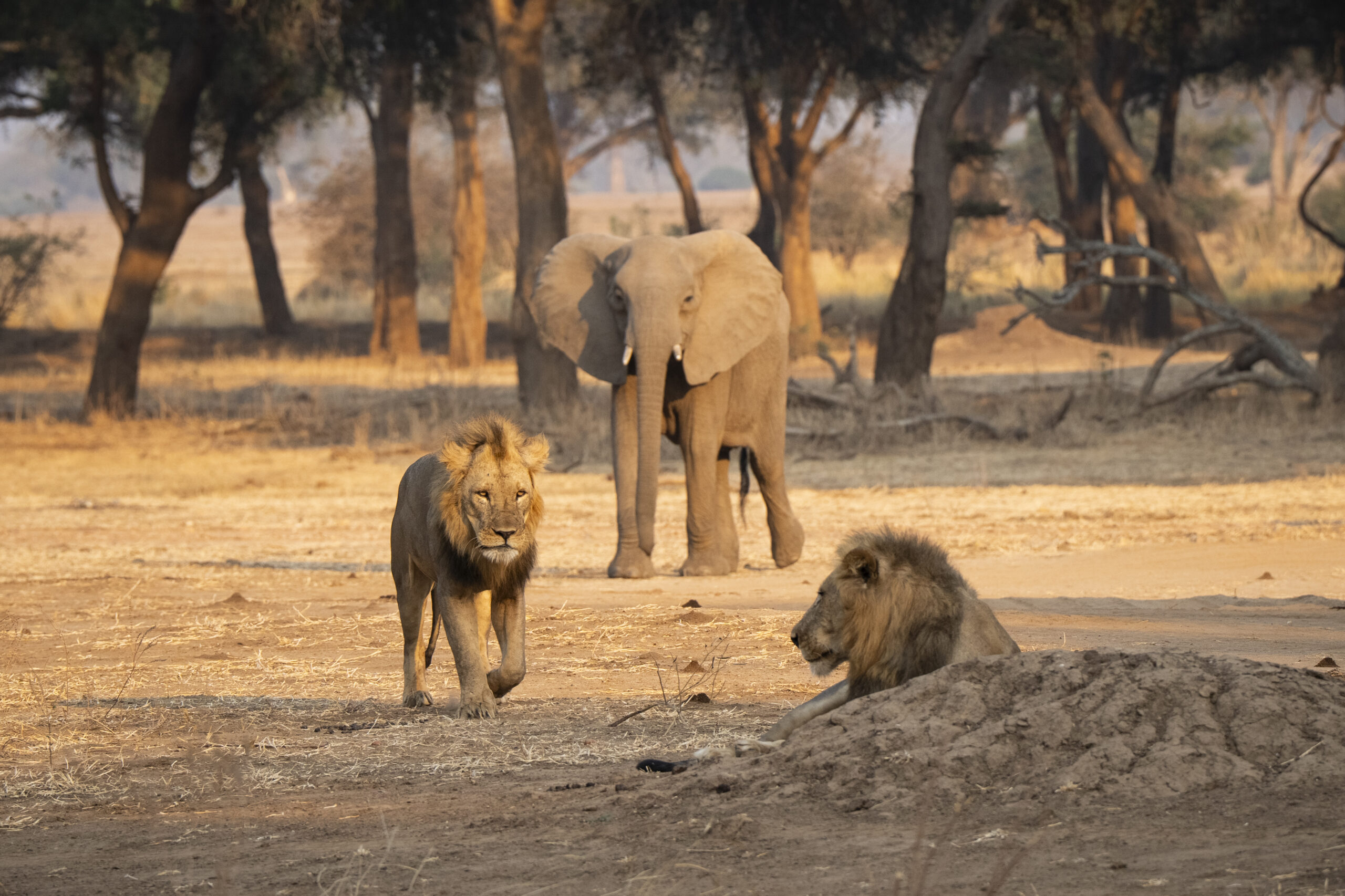
What the UNESCO designation couldn’t fully capture is the quality of the place as a wilderness experience. Mana Pools is, in the opinion of many who know African safari deeply, the finest walking safari destination on the continent. This is not an accident. Zimbabwe has long maintained one of the most rigorous professional guide licensing examinations in Africa — a test so demanding that guides who pass it are considered among the best-trained wildlife professionals anywhere. Mana has historically attracted the best of them. The result is a park where walking with elephant, lion and wild dog in open woodland is not only permitted but actively encouraged, and where the relationship between guide, guest and animal has been carefully built over decades.

Across the river, on the Zambian bank, sits the Lower Zambezi National Park — a mirror ecosystem that shares the same river, the same escarpment views, the same wildlife, and the same astonishing sense of scale. A memorandum of understanding to formally establish a transfrontier conservation area between the two parks was signed in 2023, recognising what the wildlife has always known: the Zambezi doesn’t observe national borders, and neither should the conservation framework that protects it.
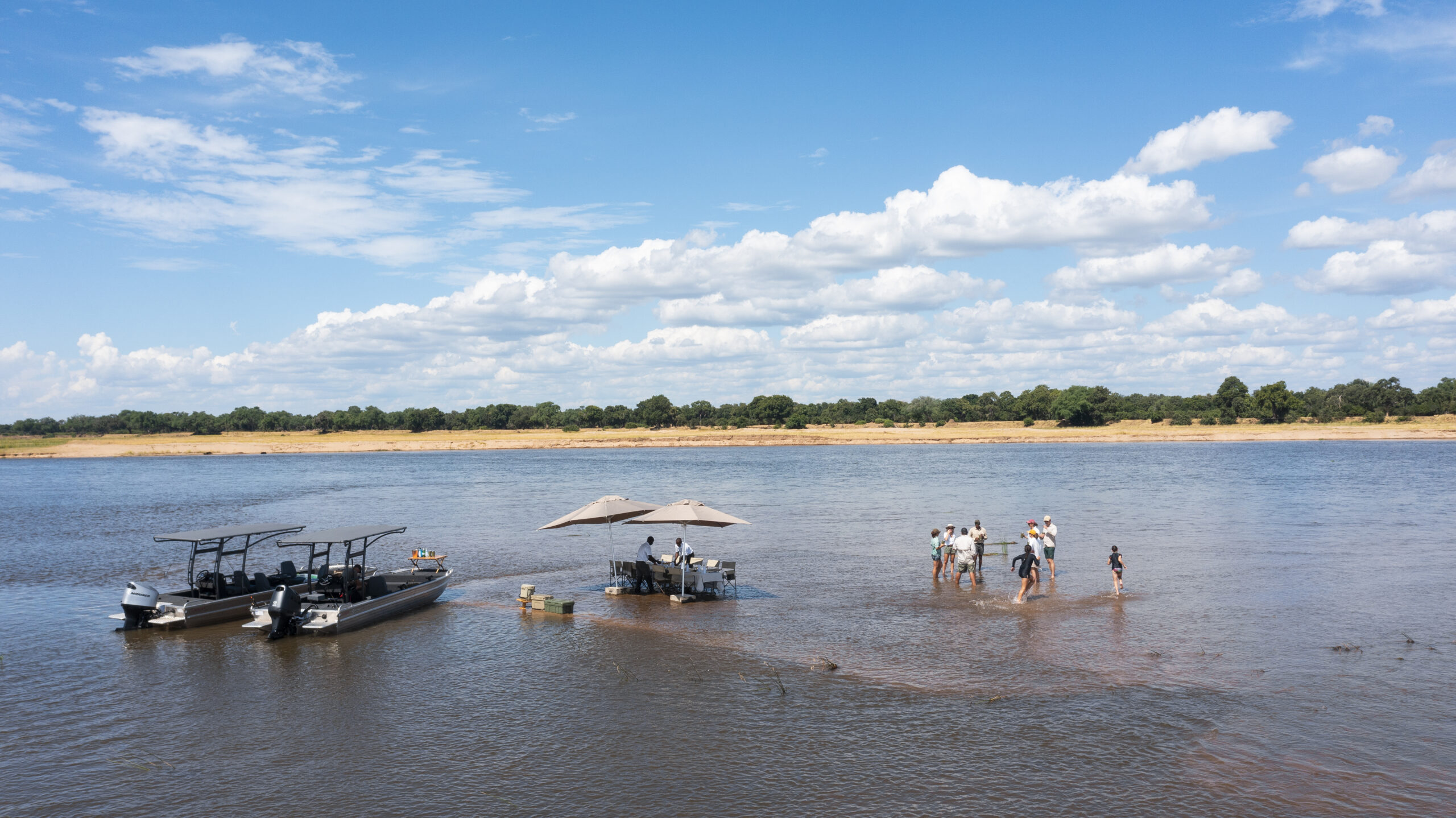
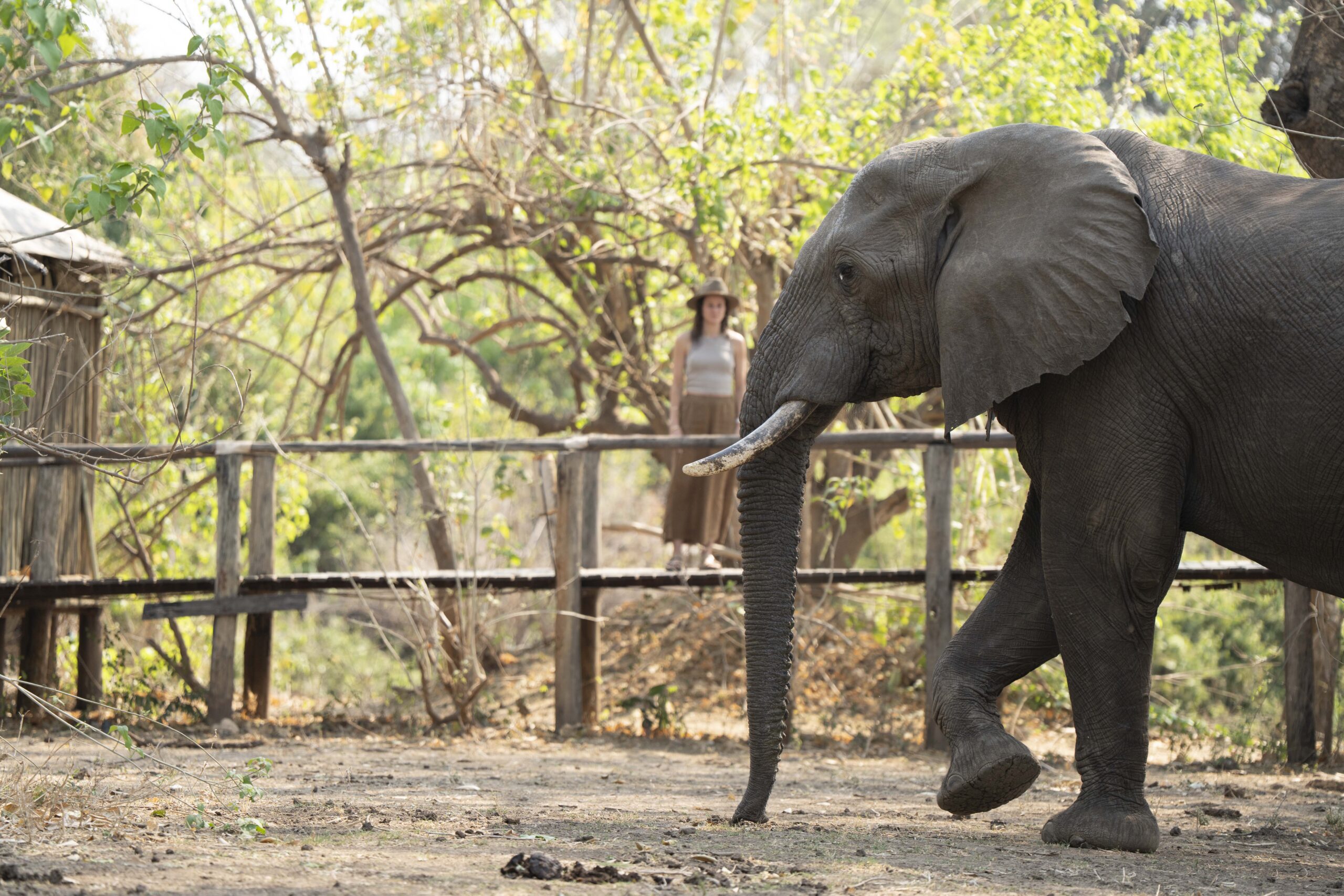
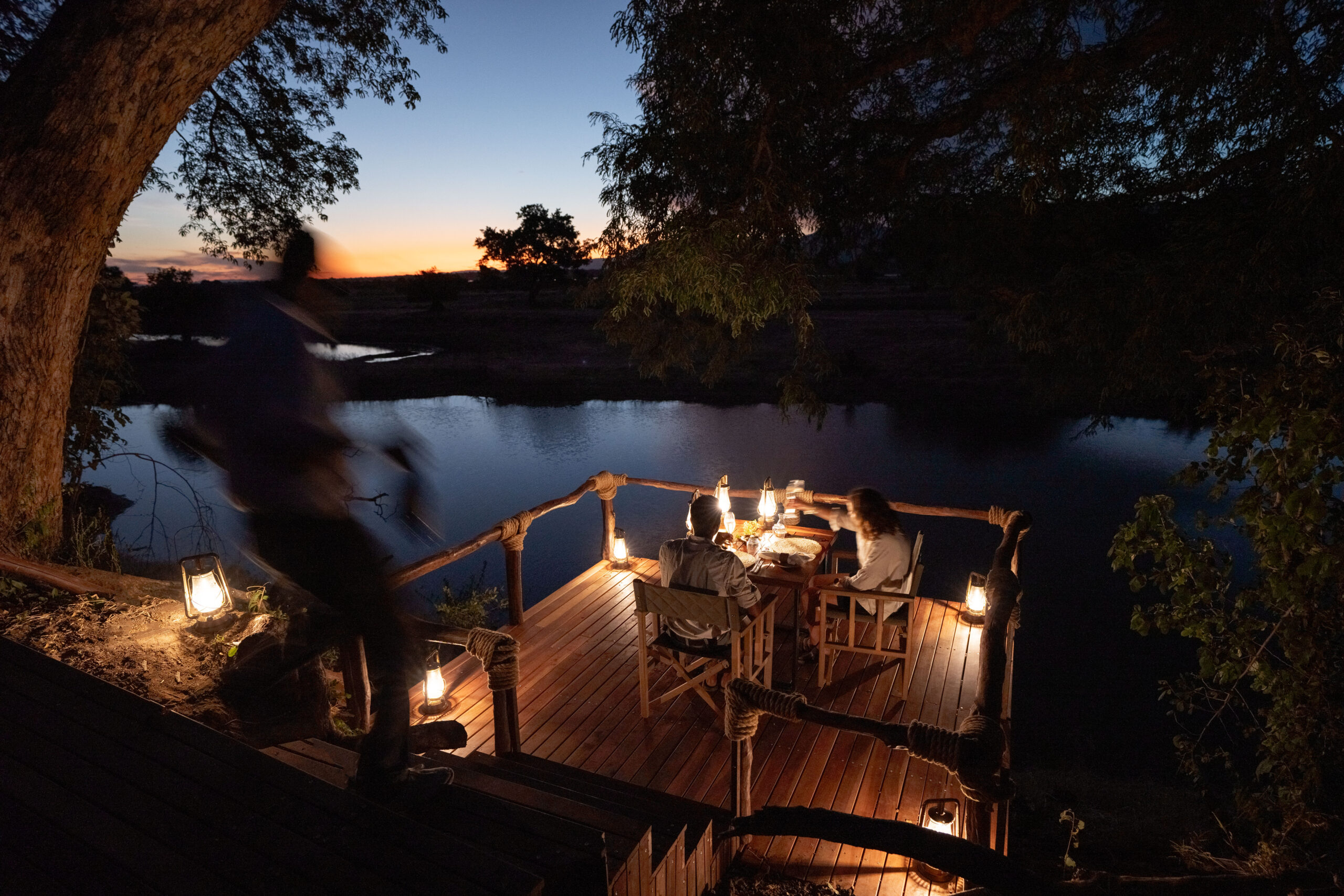
The three camps we profile in this series sit at different points along this corridor — one in the heart of the Lower Zambezi on the Zambian side, two on the Zimbabwean bank at Mana Pools. Together they represent something the valley has always done quietly and without much fanfare: offer some of the most honest, most intimate, most genuinely wild safari experiences anywhere in Africa.