Tanda Tula — What Happens When a Camp Grows Up

There’s a particular kind of safari lodge that earns its reputation not through marketing but through the quiet accumulation of people who come back. Tanda Tula is that lodge. Guests return for their fifth visit, their tenth, their sixteenth. The owners know their names. The guides remember what they saw last time. It has the texture of somewhere that has been genuinely loved into existence, which is a difficult thing to manufacture and an impossible thing to fake.
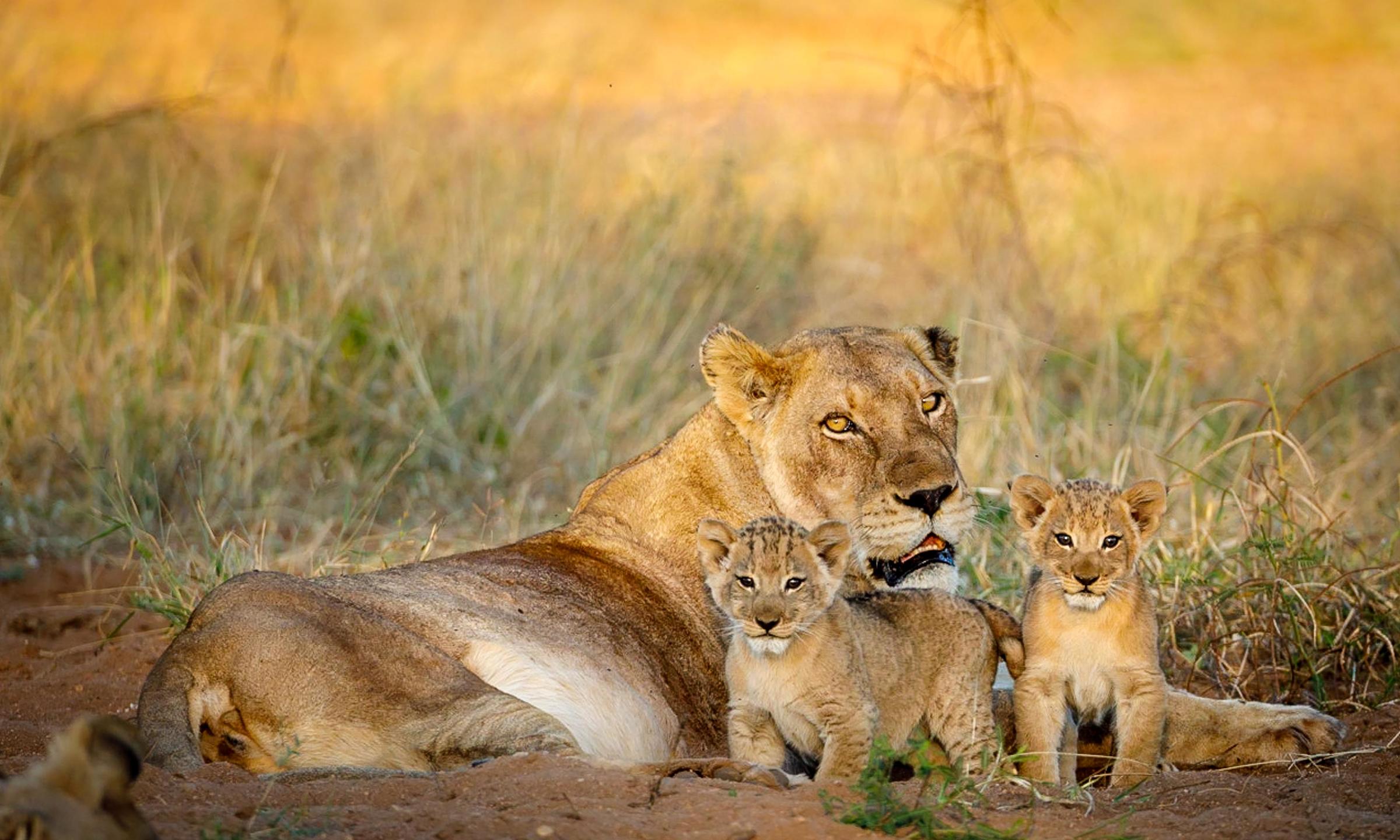
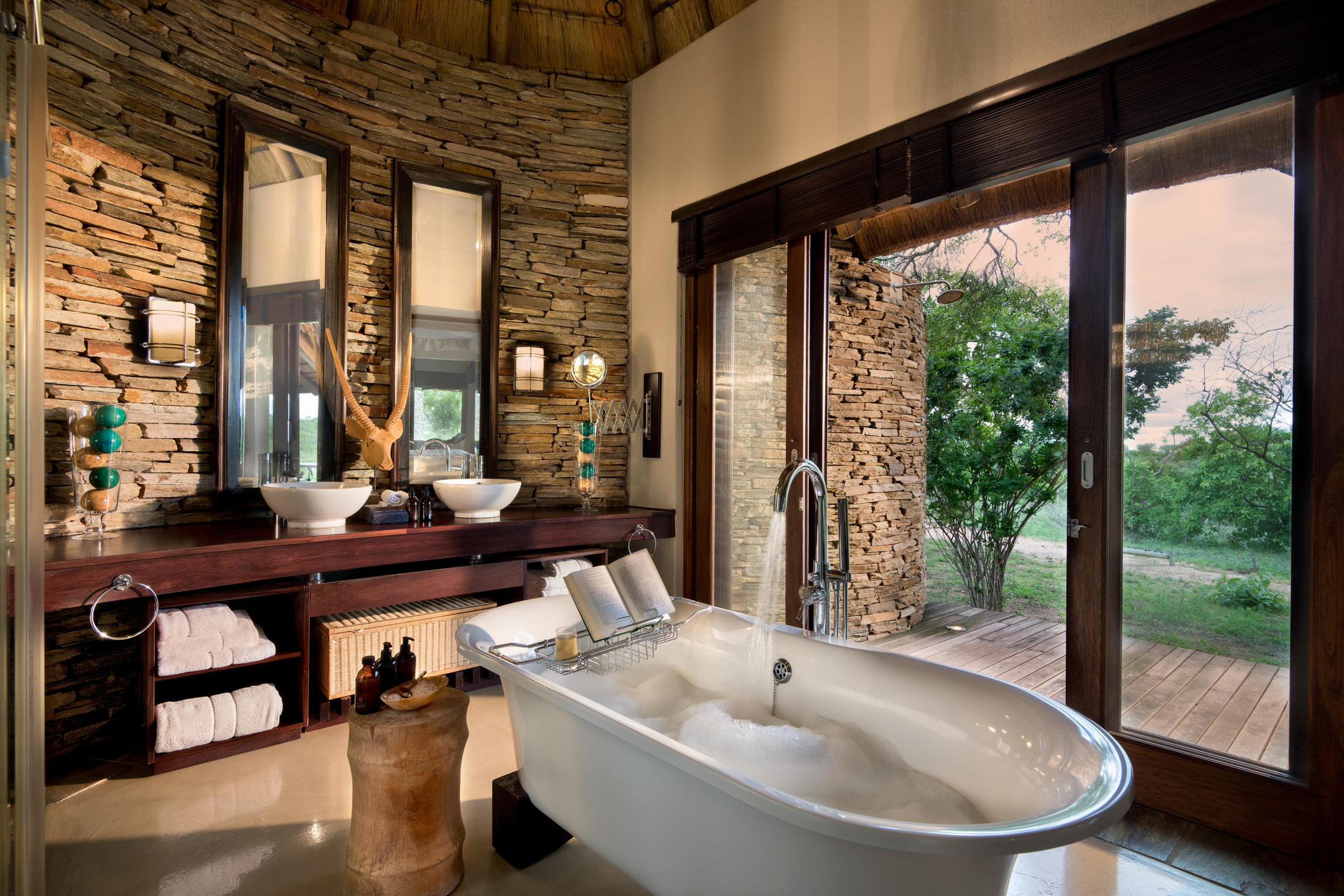
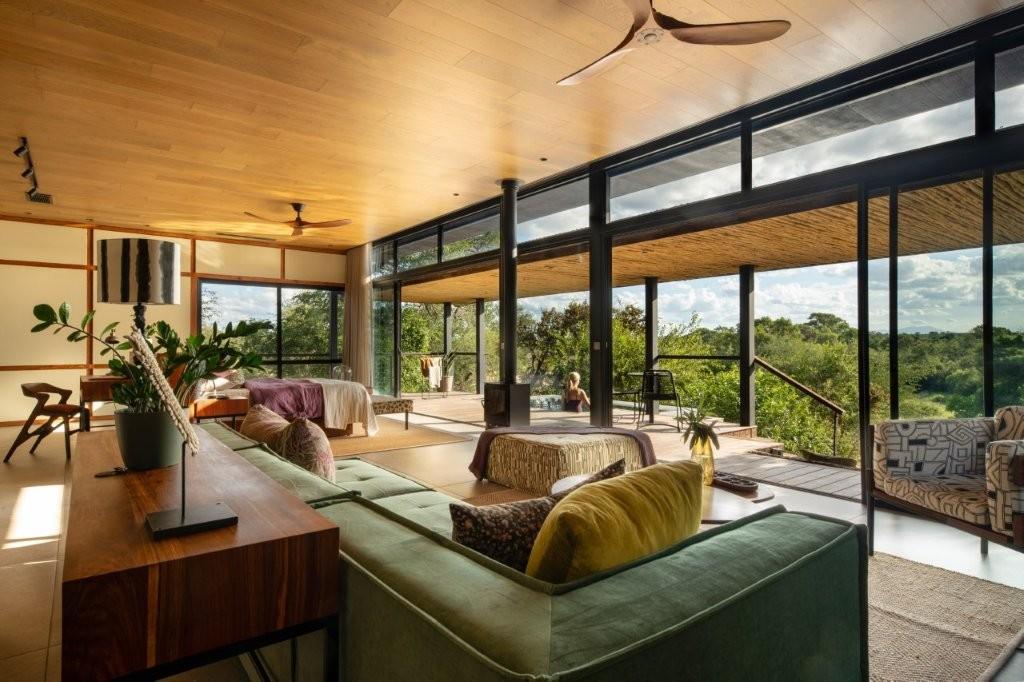
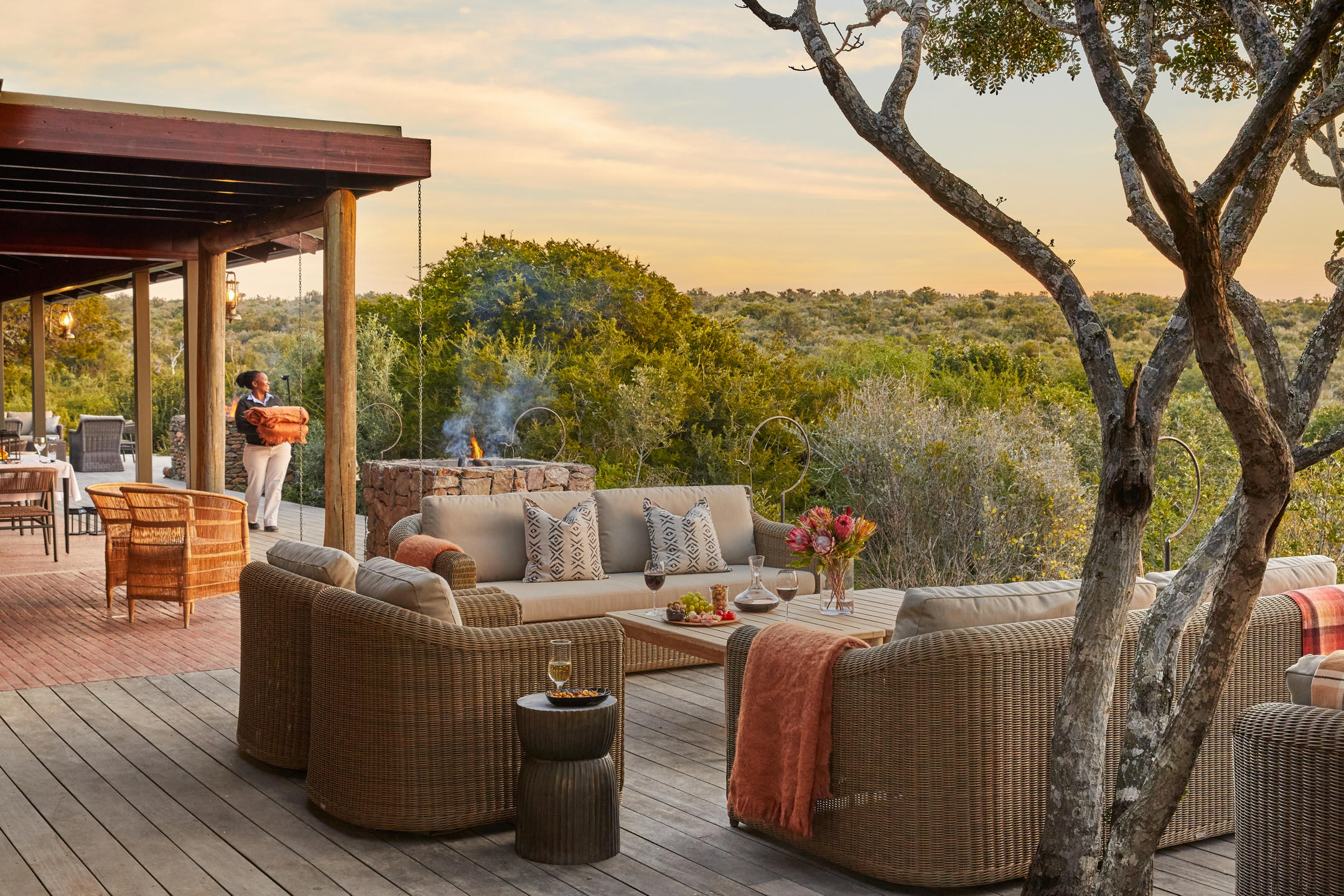
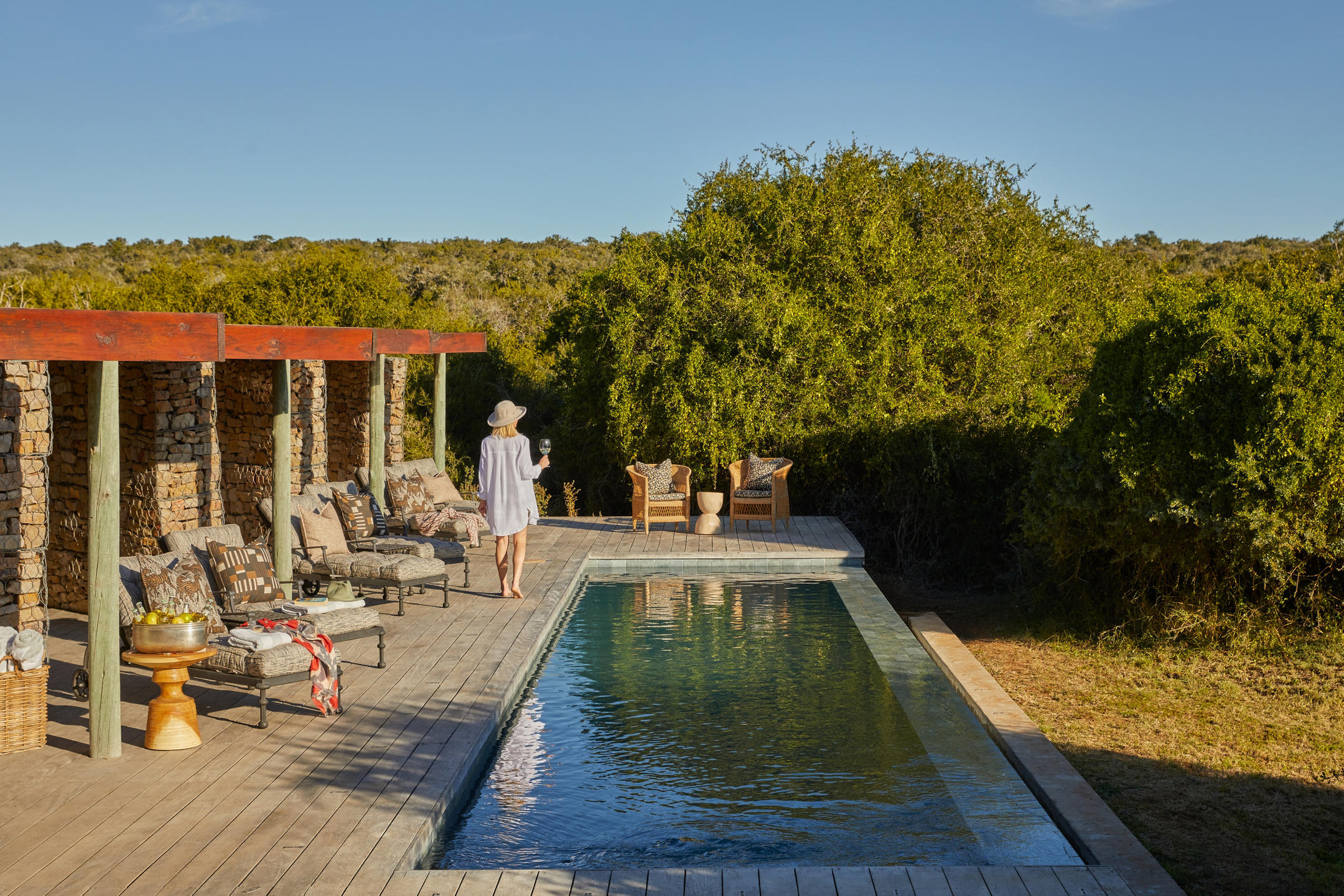
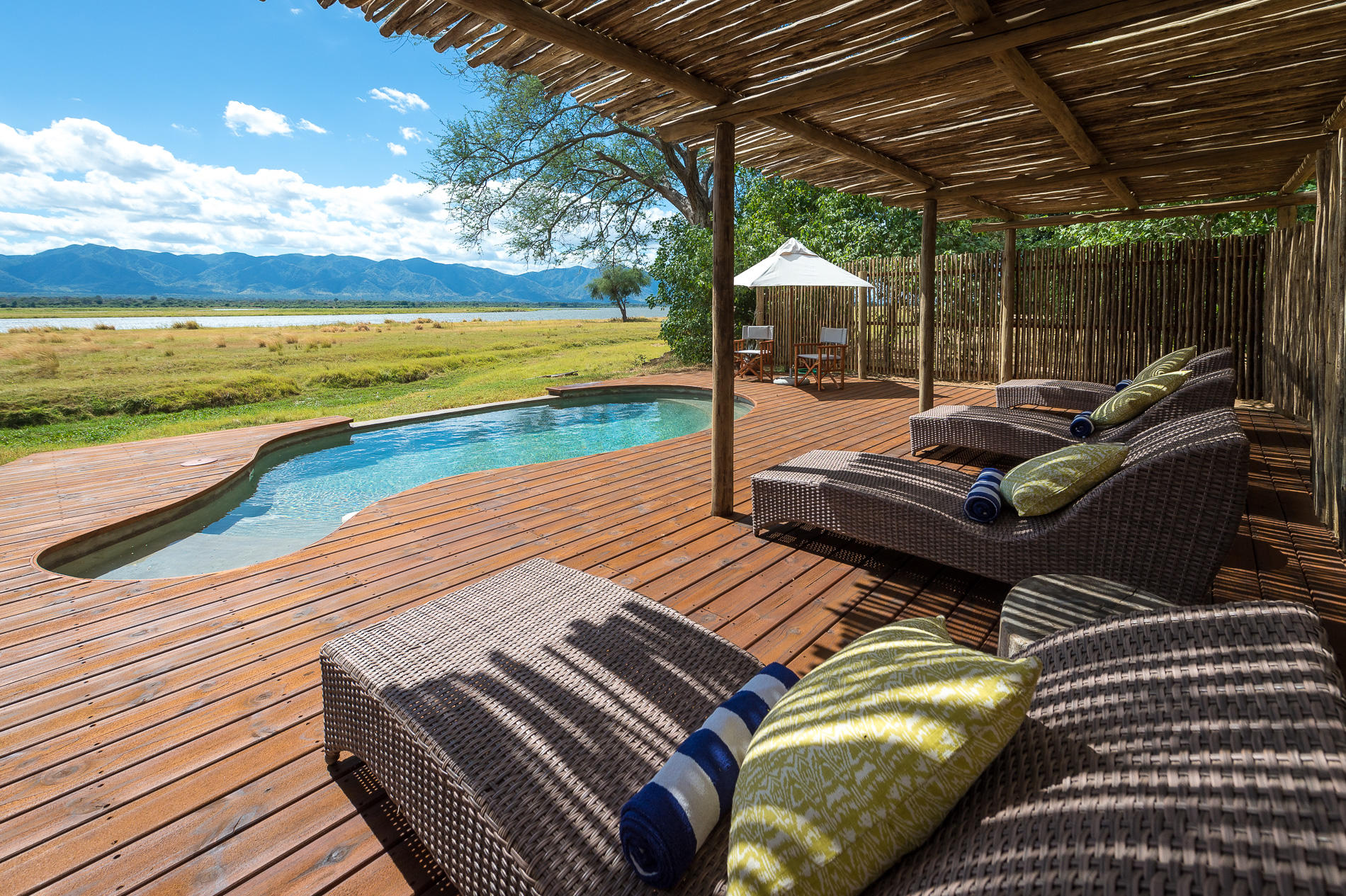
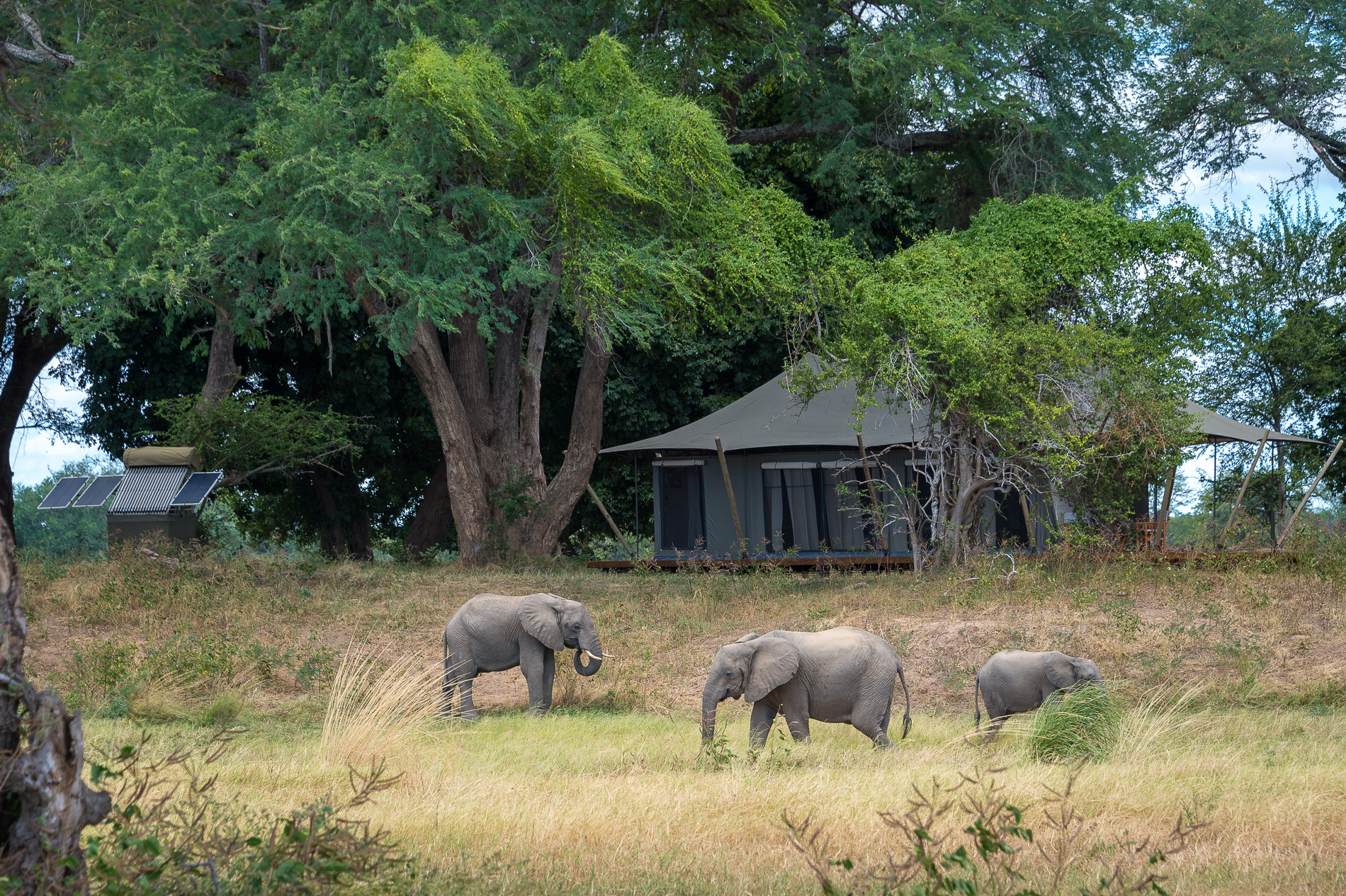
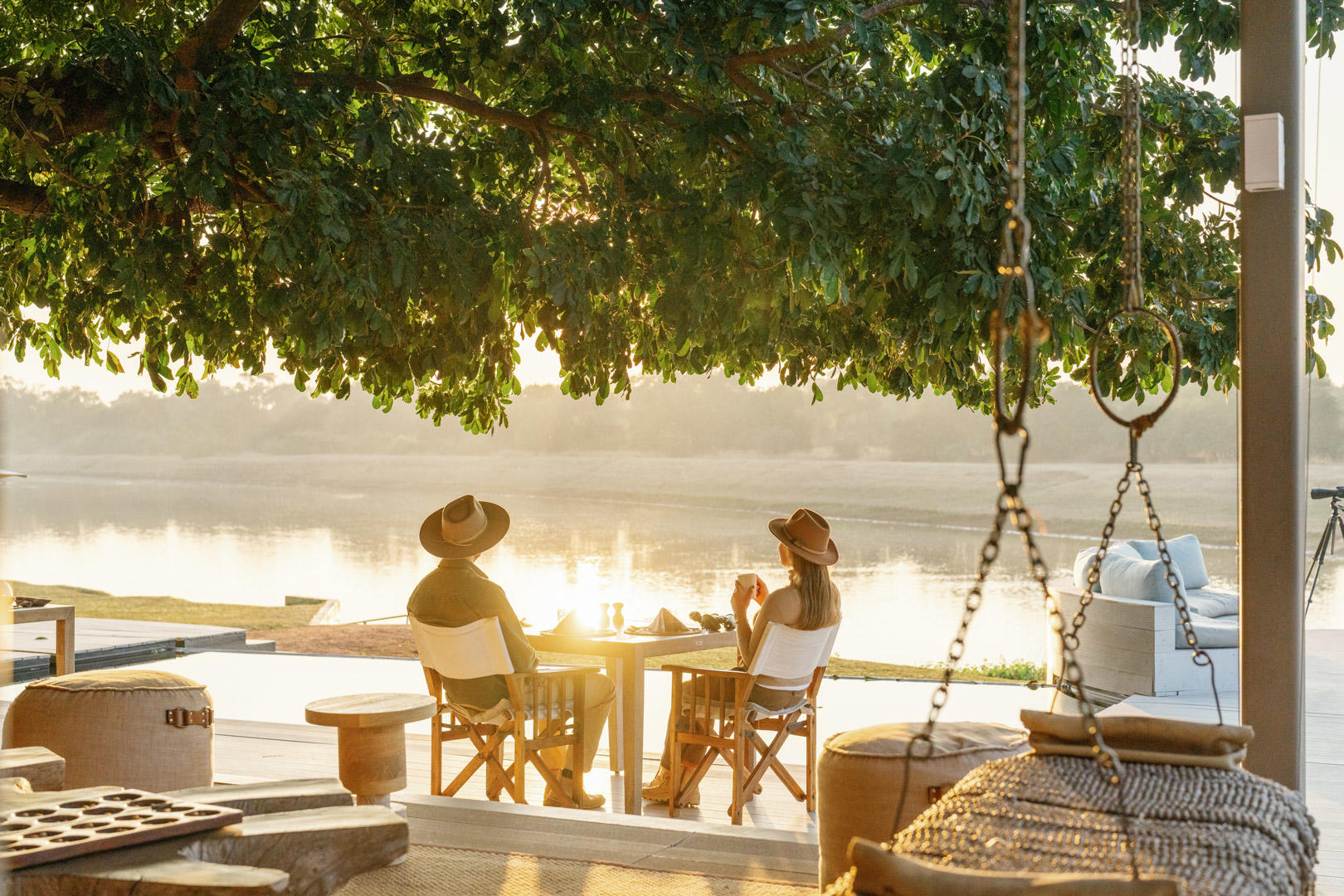
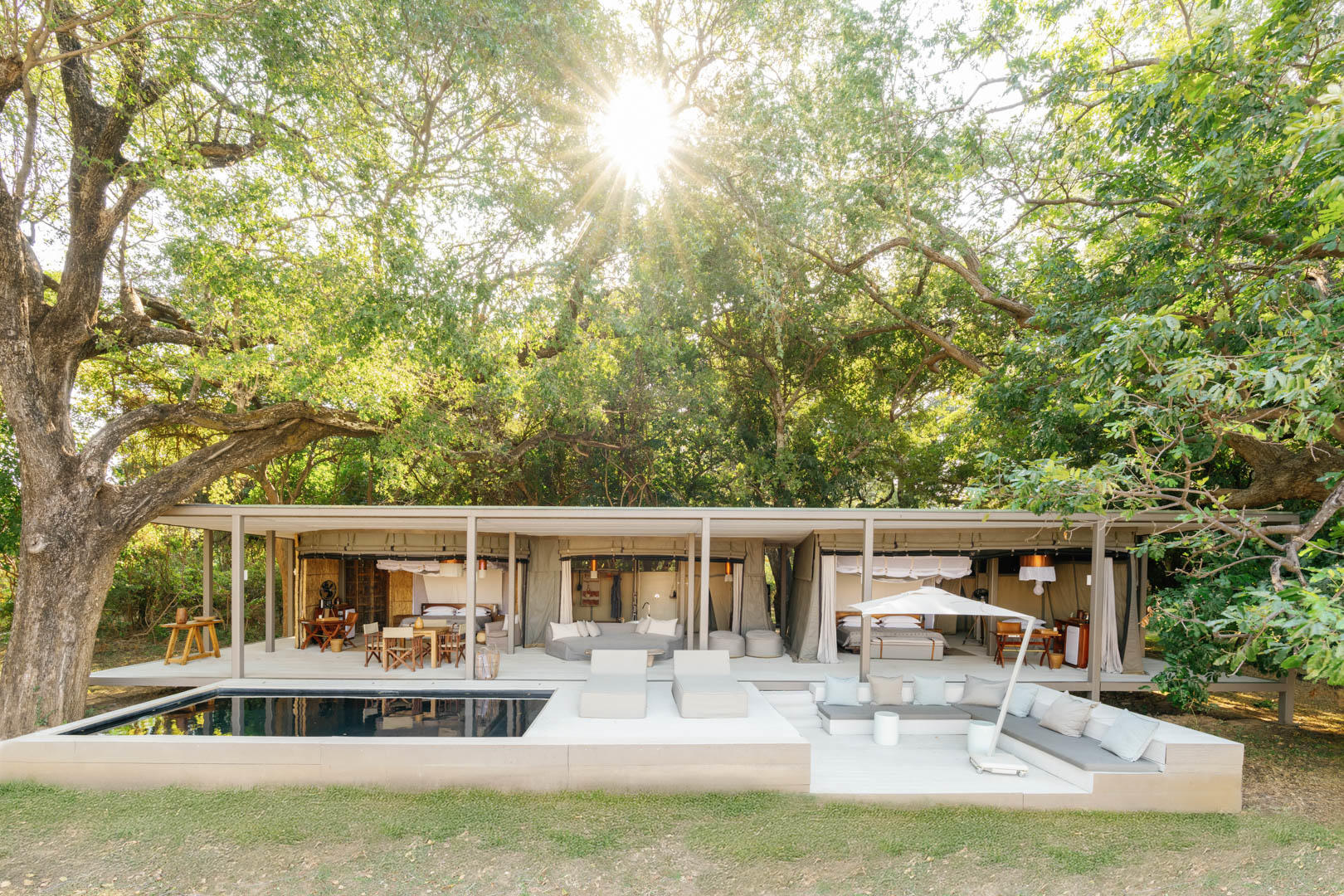
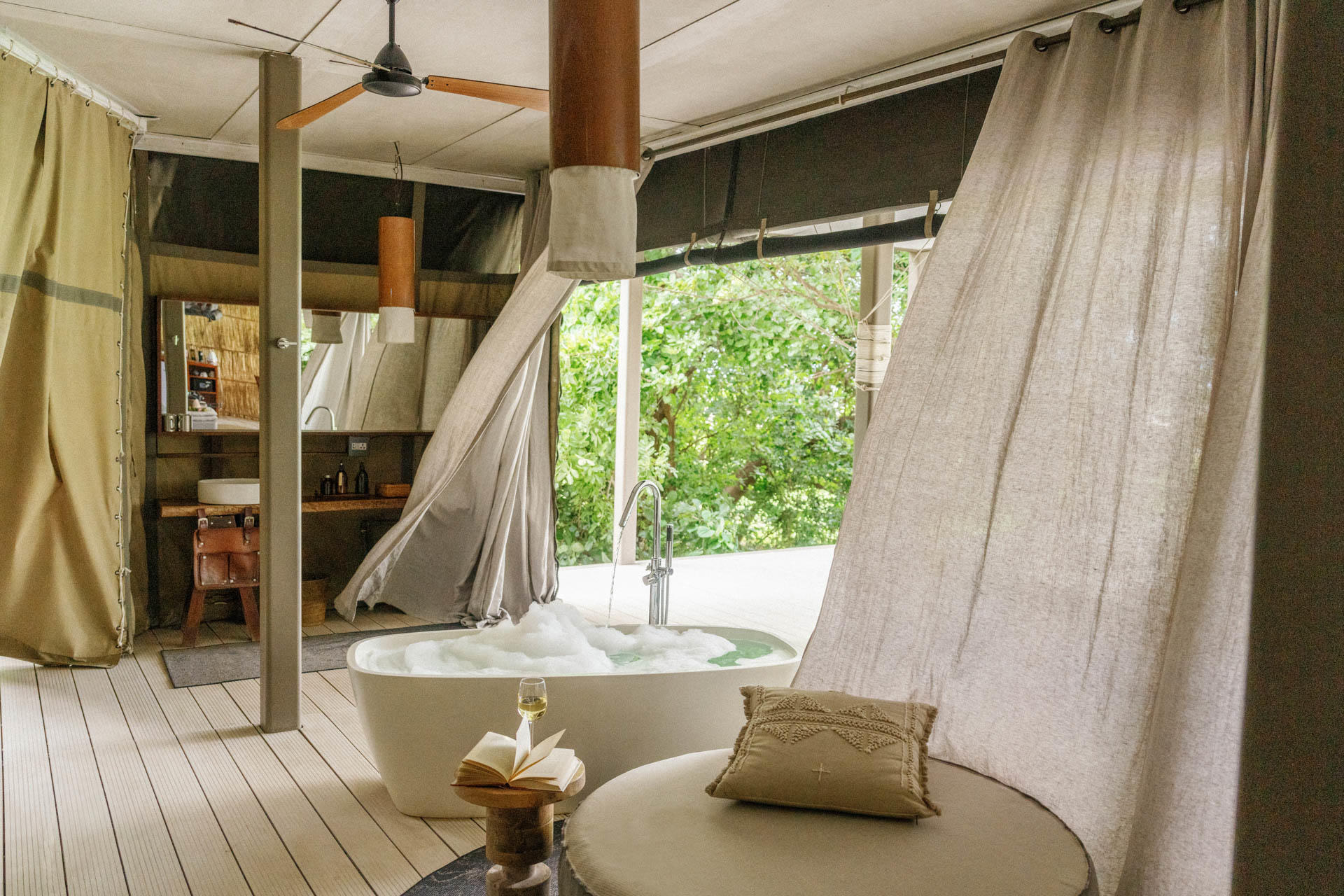
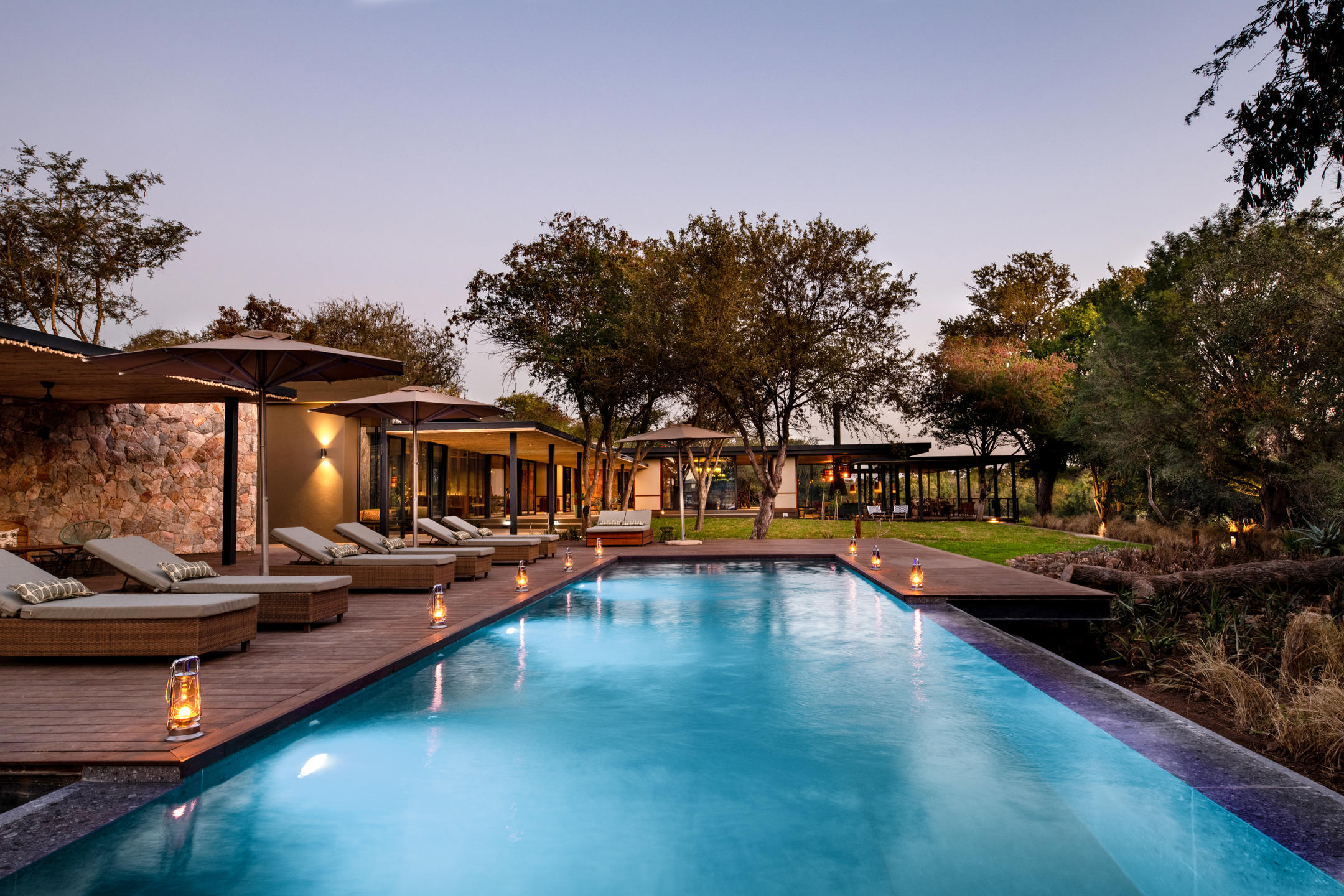
The backstory matters here. Tanda Tula began as a rustic bush camp — unpretentious, warm, focused entirely on the quality of the experience rather than the thread count of the linen. When owners Don and Nina Scott eventually rebuilt the lodge, they made a decision that not everyone in the industry gets right: they carried the soul of the old camp into the new one. The result is a property that sits at the top end of the luxury spectrum — nine suites overlooking the Nhlaralumi riverbed, each with a private plunge pool and an open-plan configuration that blurs the line between inside and outside — but that feels nothing like a corporate exercise in high-end safari. It feels like someone’s home. A very well-designed someone’s home, but a home nonetheless.

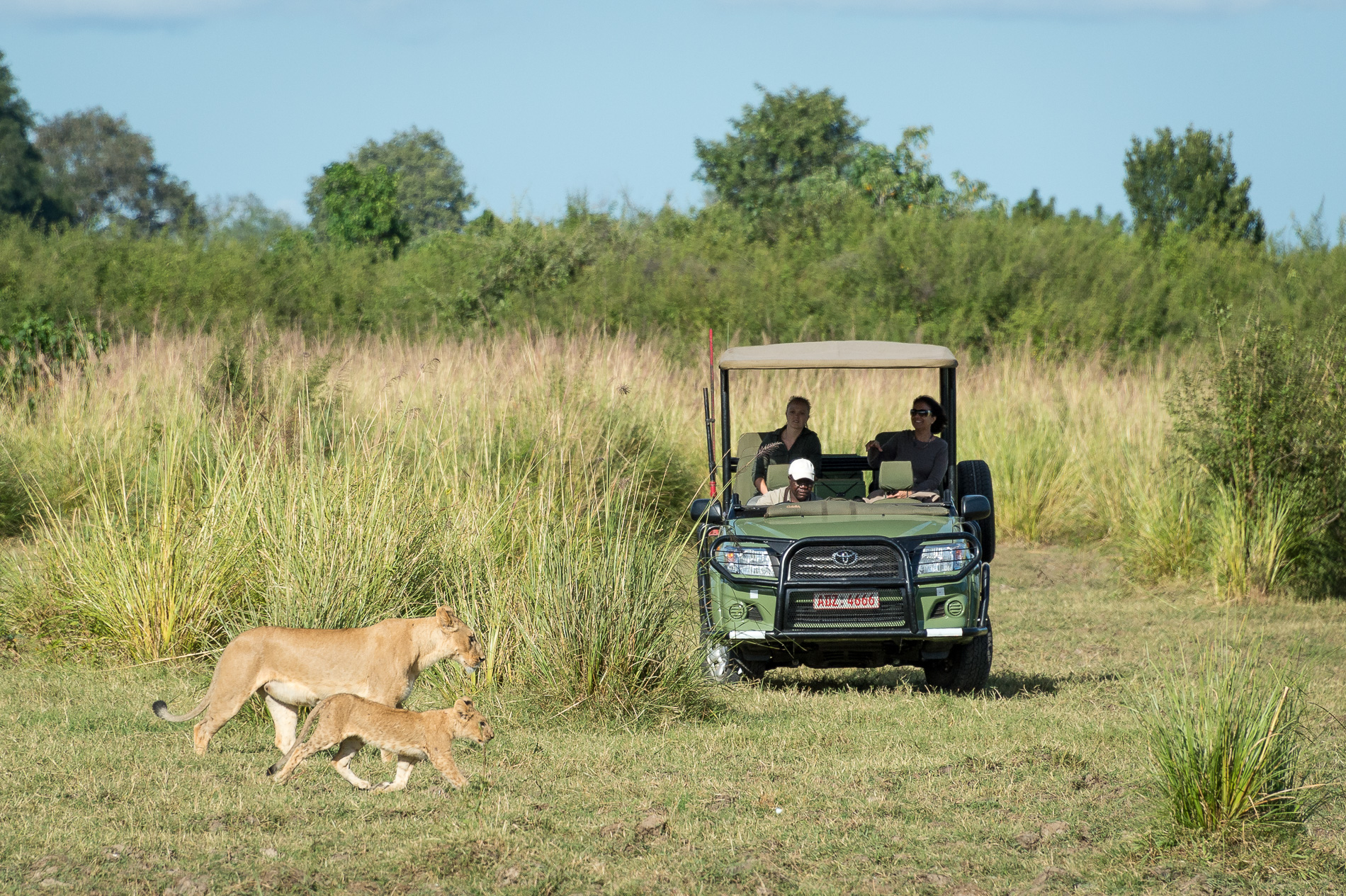
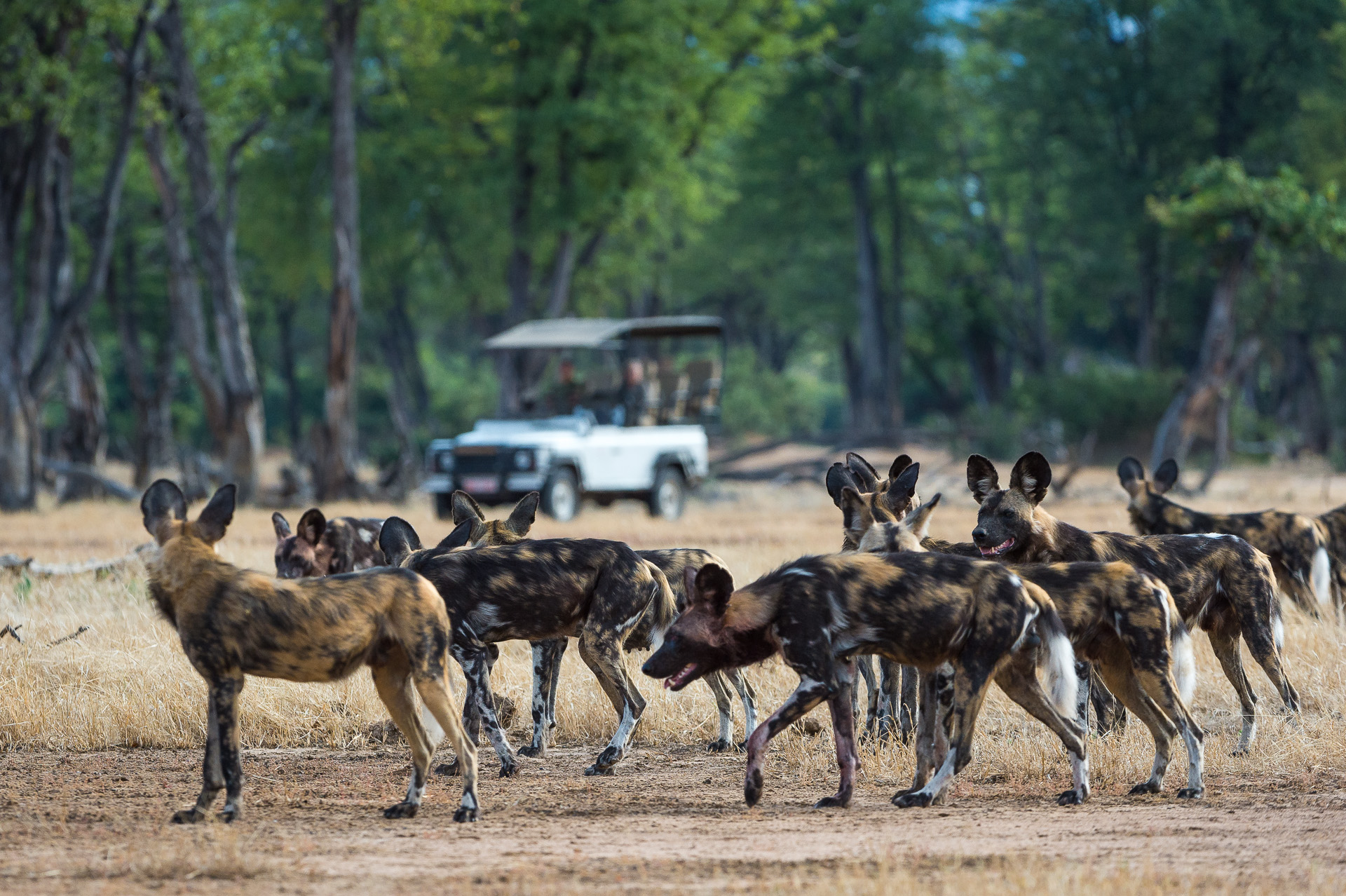
The guides are the heart of it. Rangers Scotch, Formen and Civilised — names you won’t forget — have between them more than fifty years of experience in this specific piece of the Timbavati. They know the predator territories, the wild dog pack movements, the productive waterholes, the particular morning light on the Nhlaralumi. Maximum six guests per vehicle on a game drive. Walking safaris alongside the drives. A patrol flight conservation experience for the younger guests who want something beyond a Land Rover. The game viewing here is consistently exceptional, and the low vehicle density of the Timbavati means that when you find something, you sit with it properly.
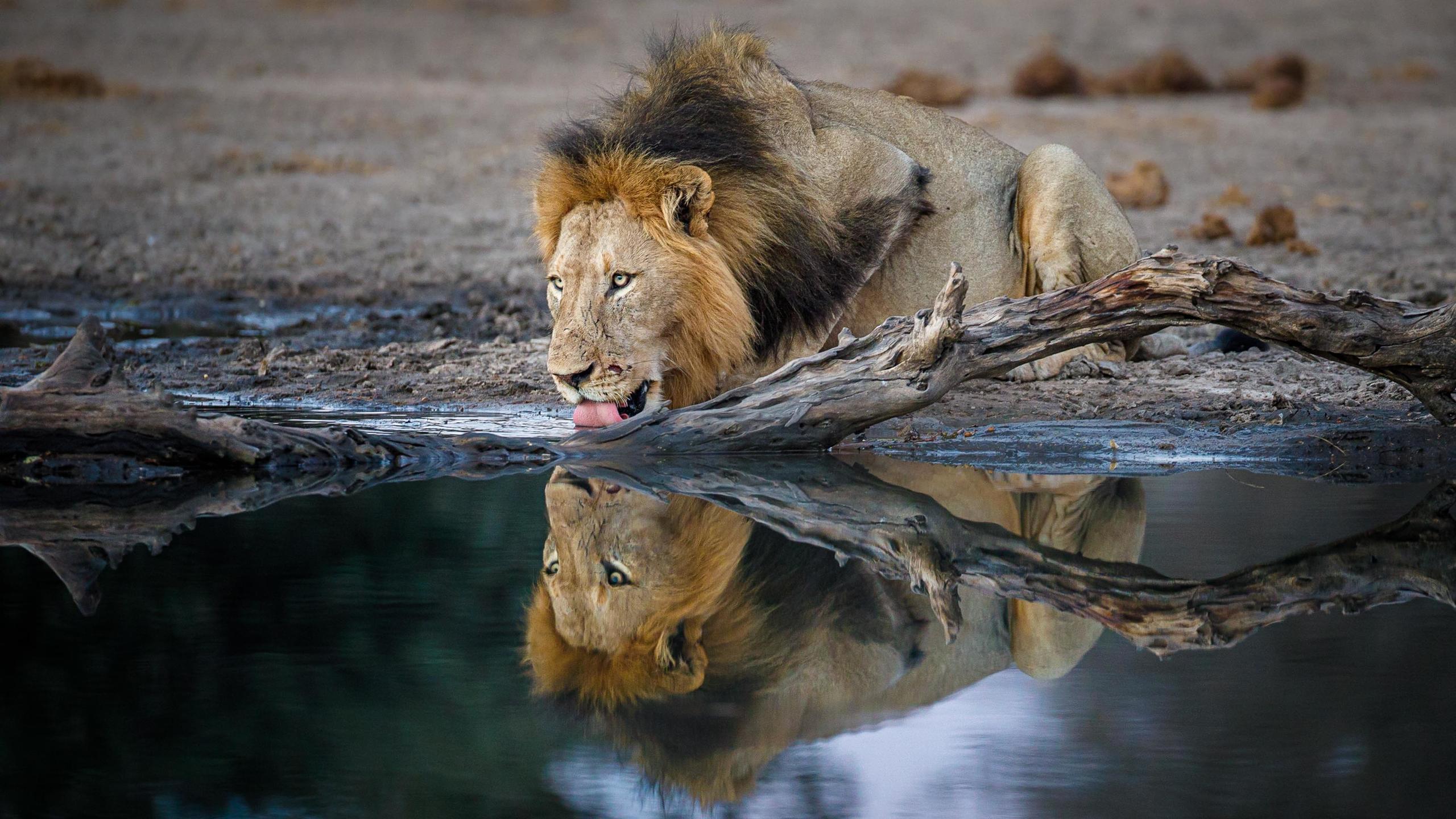
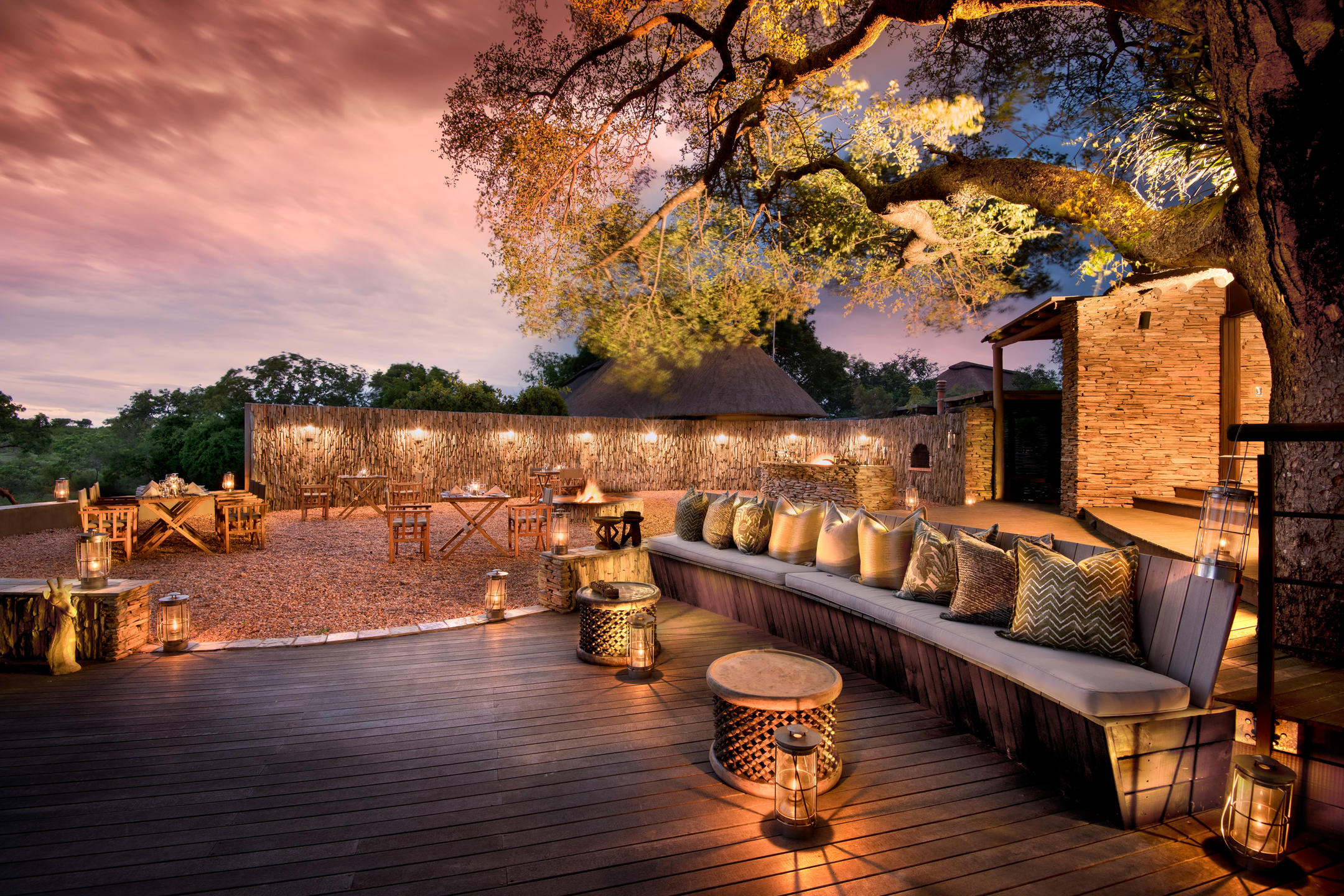
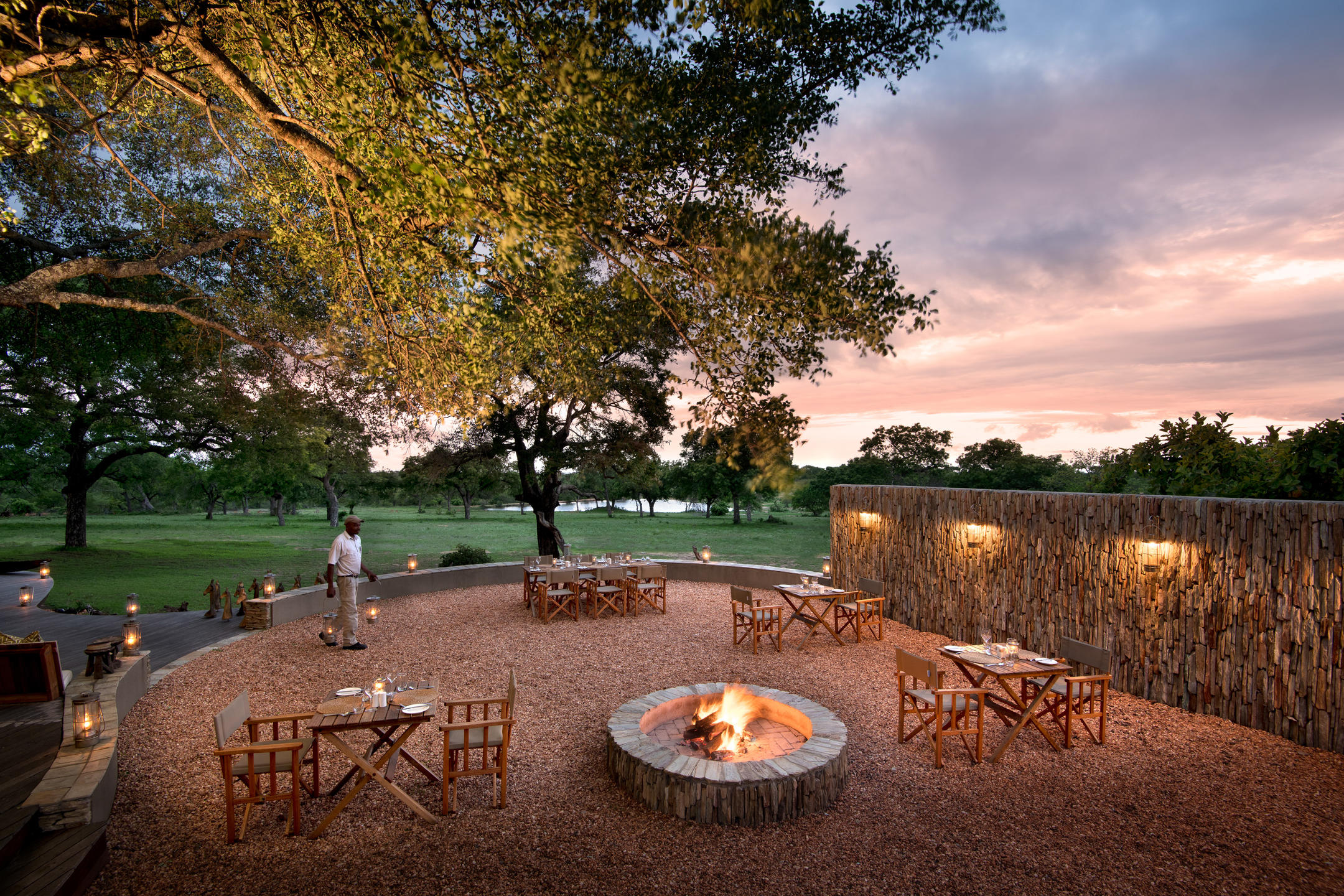
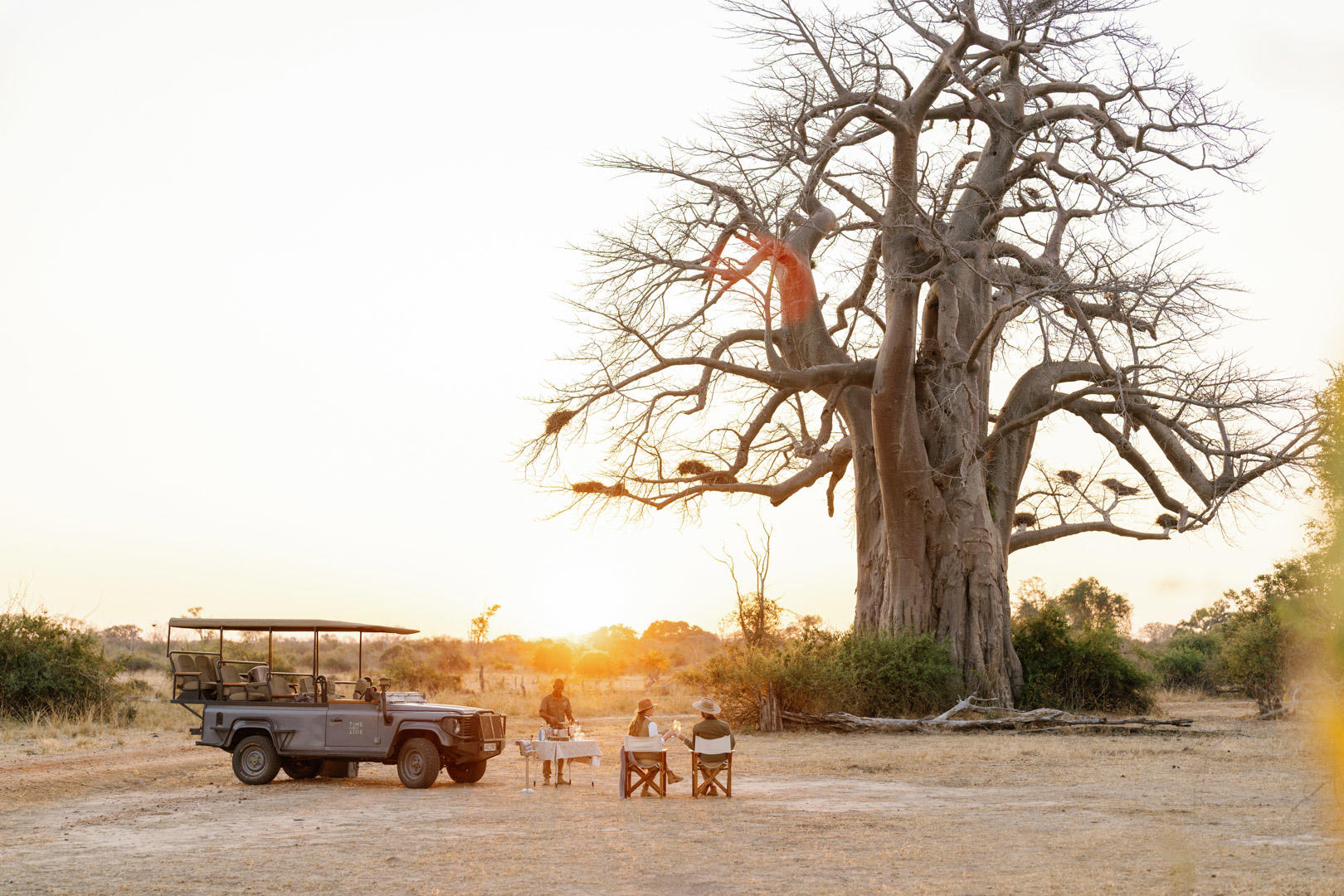
The food deserves a mention that most safari blogs neglect to give it. Chef Ryan’s kitchen was runner-up for best safari cuisine in Africa in 2024 — a detail that becomes entirely believable at the first dinner. Meals rotate between the boma, the deck, the dining room, and occasionally the riverbed itself, where a table appears as if from nowhere and the Timbavati provides the atmosphere free of charge.

Between March and October, Tanda Tula offers something that very few lodges anywhere can match: an exclusive-use bush field camp, accommodating a maximum of eight guests, that takes the experience entirely off-grid. No permanent structures, no electricity beyond what’s needed, just the Timbavati in its rawest form and a guiding team that knows it intimately. For guests who have done the luxury lodge circuit and are looking for something that goes further — this is where further actually lives.

Tanda Tula means “love and peace” in the Shangaan language. It’s the kind of name that could easily be dismissed as marketing. Spend a few days there and it starts to feel like an accurate description.
Kings Camp — Old Charm, Serious Wildlife

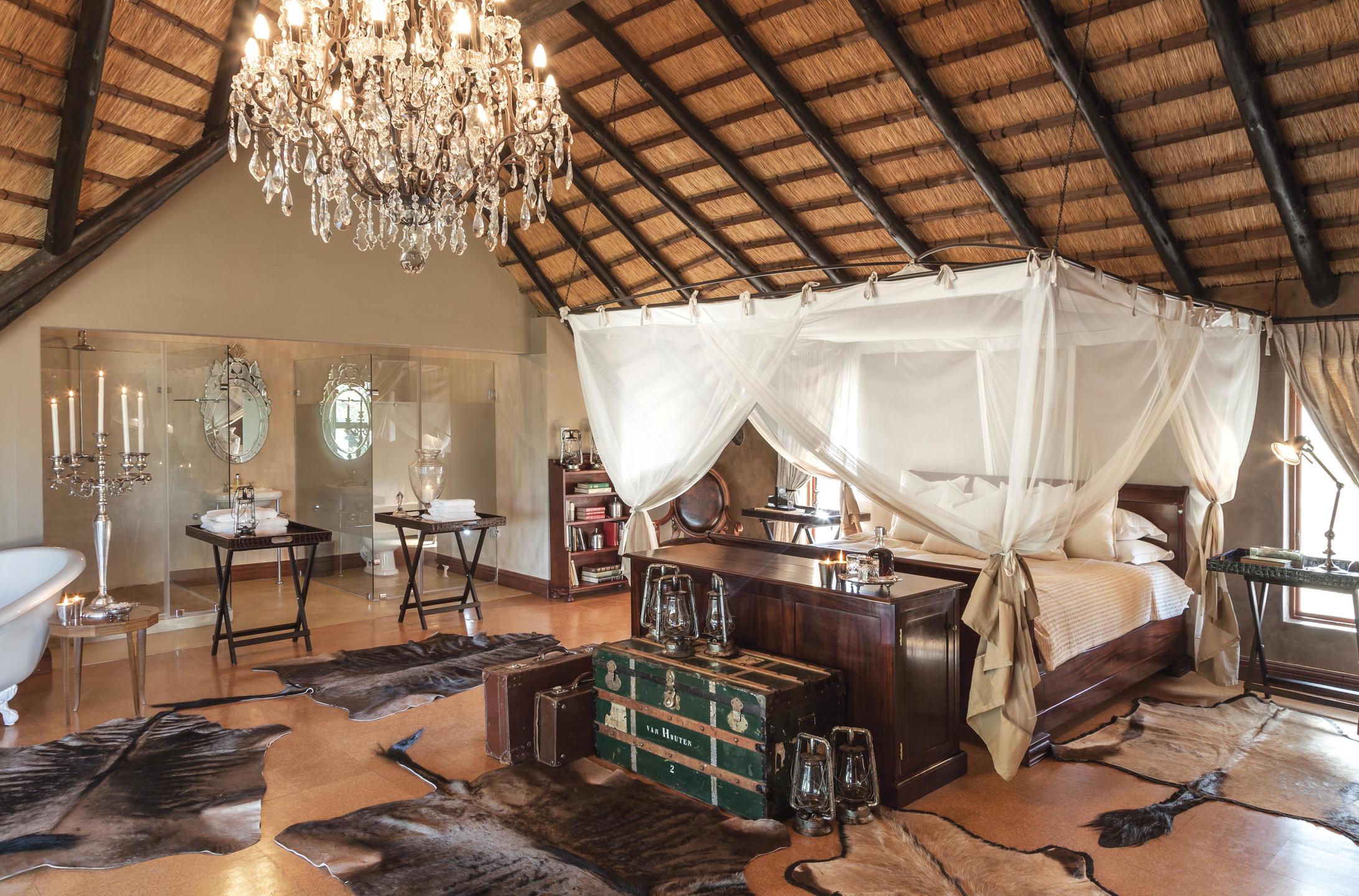
There’s a particular aesthetic that Kings Camp has committed to, and it commits fully. Colonial-era teak, dark thatch, Victorian ball-and-claw baths, a bar that looks like it belongs in a Hemingway novel. It could easily tip into pastiche, but it doesn’t — partly because the execution is genuinely good, and partly because the wildlife outside the window is so emphatically real that no amount of interior design could overshadow it.

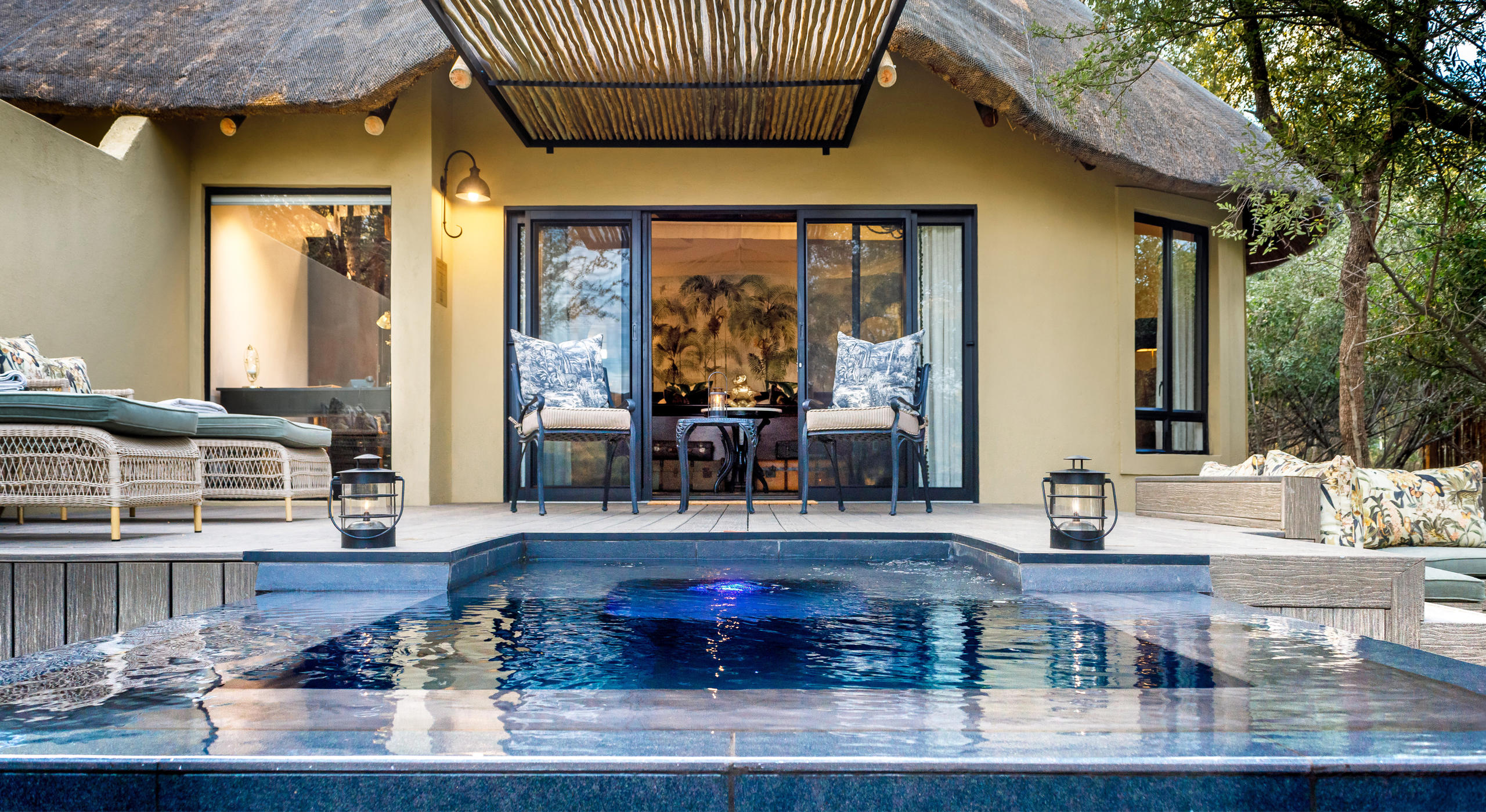
Kings Camp sits in the heart of the Timbavati, gazing out across an open savanna plain and an active waterhole that operates, around the clock, as nature’s own theatre. Elephants at dusk. Lions at midnight. A parade of antelope, buffalo and giraffe across the daylight hours. Eleven suites — including two honeymoon suites and a private villa — each with a private veranda, plunge pool and outdoor shower. Comfortable without being excessive, which is harder to get right than it sounds.

The game drives cover 100 square kilometres of traversing on a reserve that shares an unfenced border with Kruger. That last detail matters: wildlife here moves freely across a combined ecosystem of 400,000 hectares, which means what you encounter on a drive is genuinely wild and genuinely unpredictable. Kings Camp guests have consistently ticked the Big Five across repeat visits, with wild dog sightings that the Timbavati’s low vehicle density makes all the more intimate.

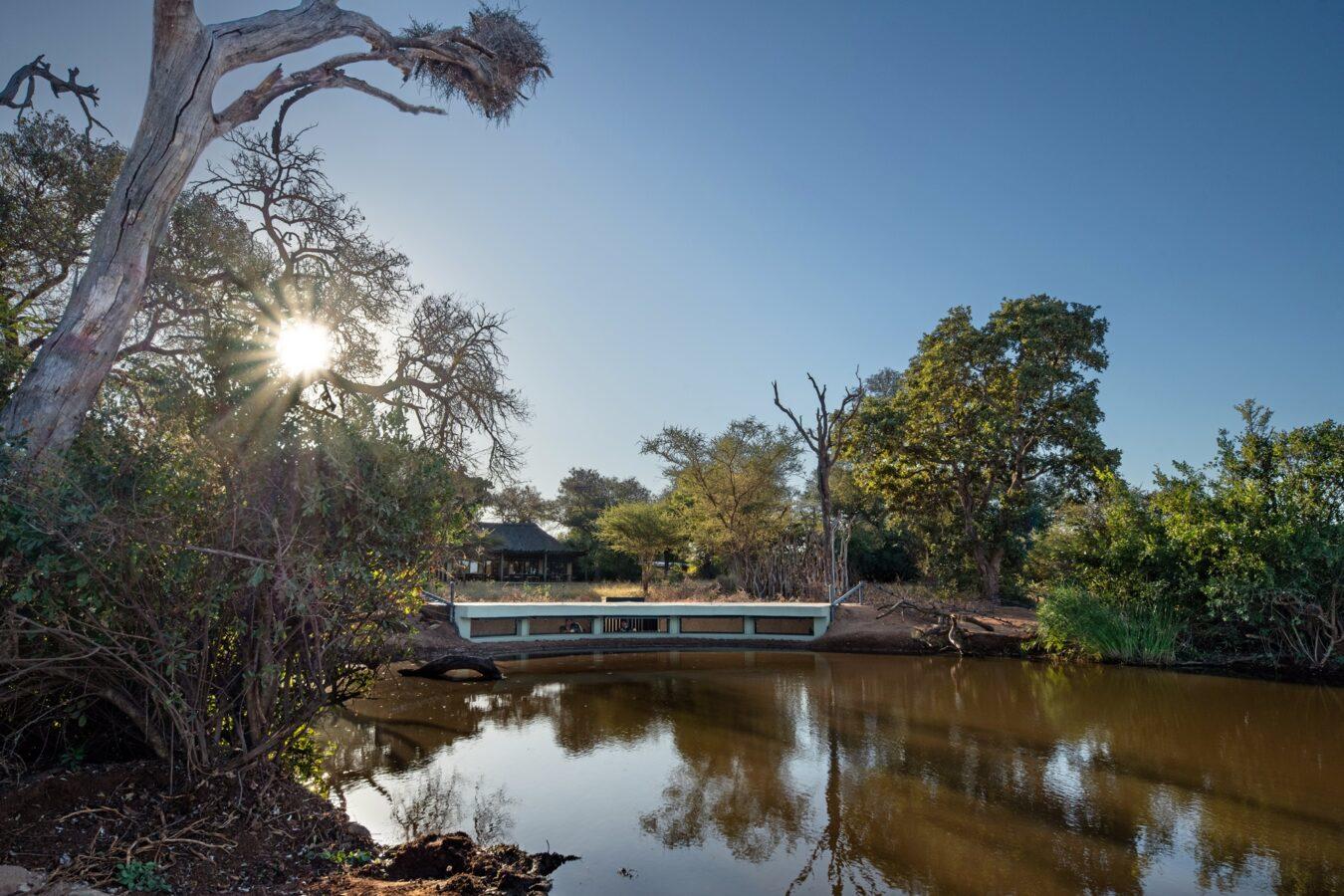
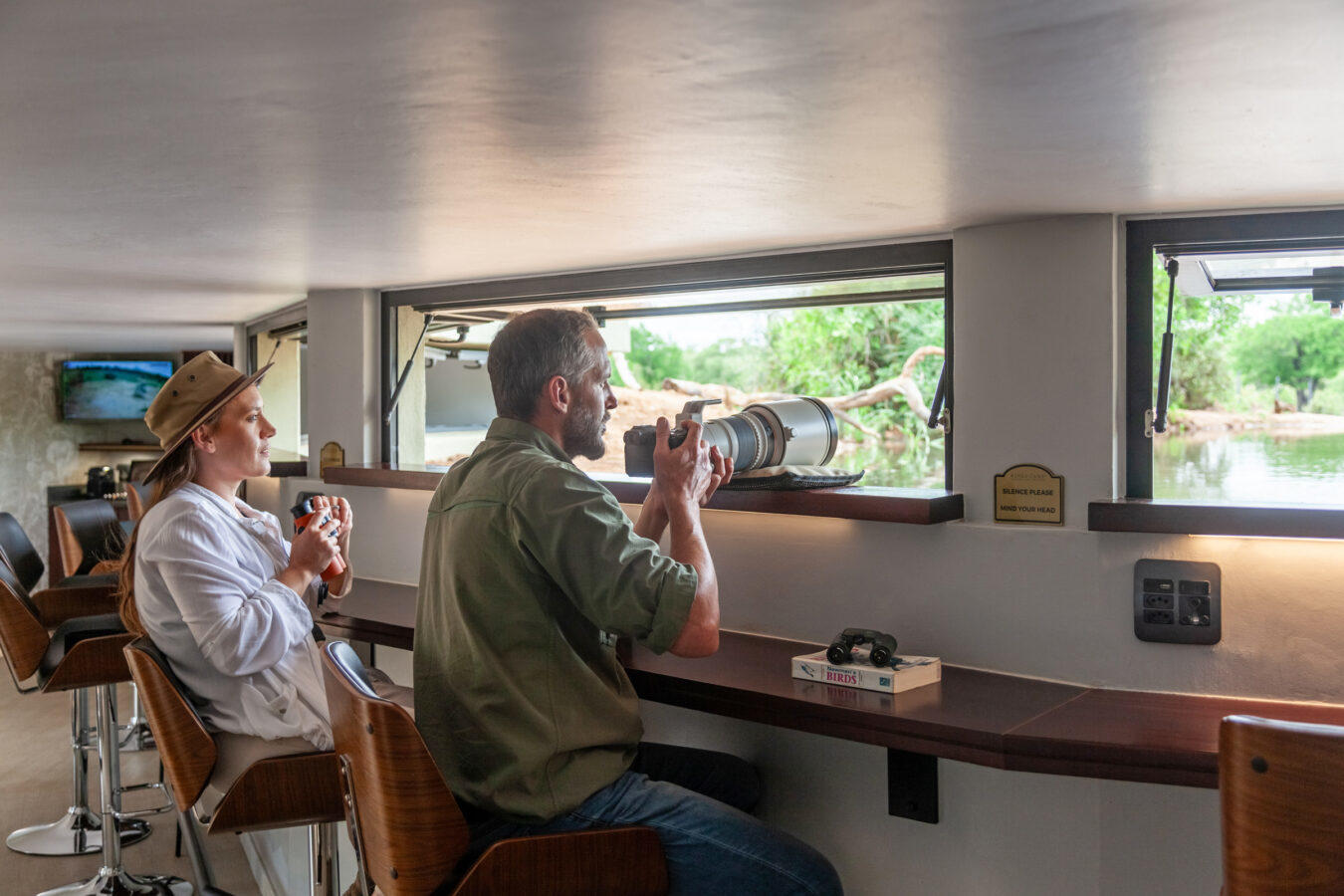
But the feature that deserves its own paragraph is The Kings Warren — an underground photographic hide built into the bank of the waterhole. You descend, settle in, and find yourself at eye level with whatever decides to drink. It’s an extraordinary perspective shift. A lion approaching a waterhole looks very different from two feet above the ground than it does from a Land Rover. Photographers in particular tend to surface from the hide slightly overwhelmed.

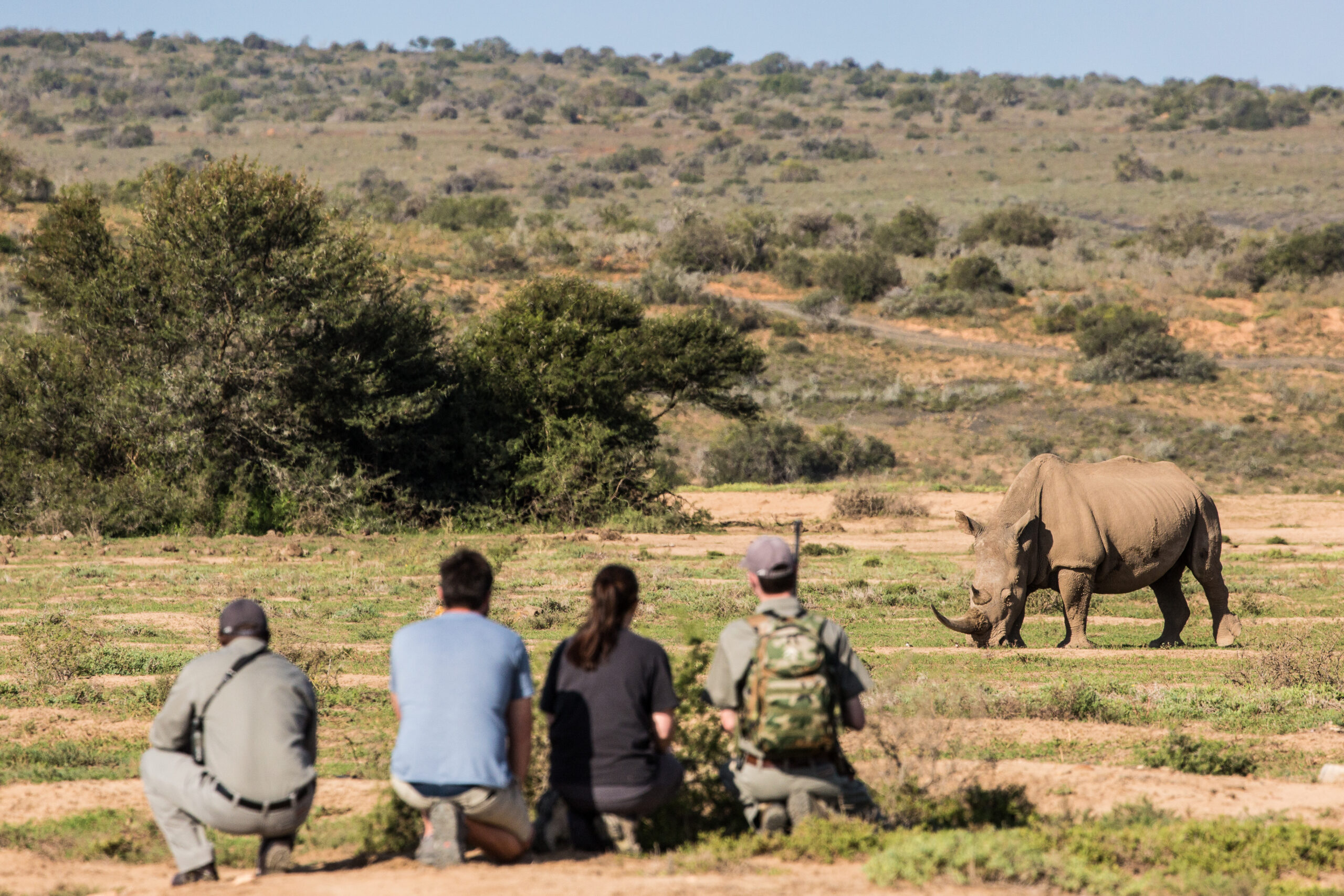
Walking safaris are offered alongside the drives, led by guides whose knowledge of the Timbavati’s predator territories and wild dog pack movements is the product of years on the same ground. This is where the smaller, more focused operations consistently outperform the famous names — the guides have nowhere else to be, and every incentive to know this particular piece of wilderness better than anyone.

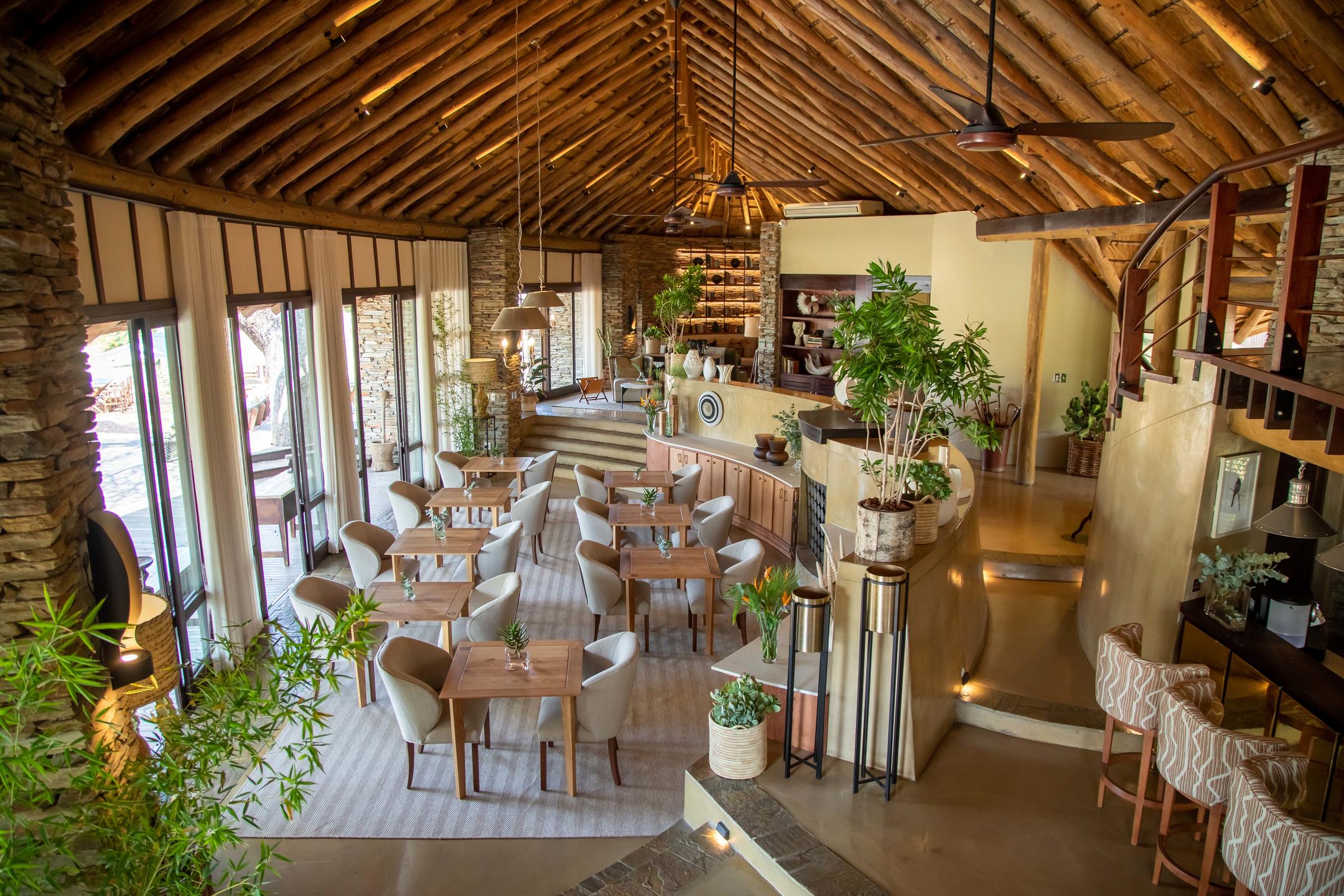
Evenings at Kings Camp have their own rhythm. Sundowners at the bar, dinners that rotate between the elegant dining room, the open terrace, and the traditional boma under the stars. A spa for those whose legs have given up after a morning walk. A library for those who haven’t. The pacing is unhurried in a way that feels deliberate rather than lazy — which is, again, harder to get right than it sounds.

Kings Camp was established in 1995, which gives it a quiet confidence that newer properties are still working towards. It knows exactly what it is, makes no apologies for it, and delivers consistently. For guests who want serious wildlife in a setting that feels genuinely warm rather than performatively luxurious — this is the place.

Makanyi — Small Lodge, Big Conviction

Somewhere in the southern sector of the Timbavati, on a section of reserve so private it shares the land with only a handful of private homes, there’s a lodge that was built entirely on conviction. In 2015, Jessica Gold left London, looked at a piece of the Timbavati, and decided she was going to build something she loved. No corporate backing, no established brand to shelter under. Just a very clear idea of what an exceptional safari lodge should feel like and the willingness to go and make it.

The result, eleven years later, is Makanyi. And it works in a way that’s slightly difficult to explain until you’ve been there.

Eight luxury suites built from native wood, thatch and stone, each with a private deck looking out over a dam that serves as a permanent invitation to the wildlife of the reserve. Elephants, lion, leopard, wild dog, the full cast of the Greater Kruger — all seen without another vehicle in sight, because the section of Timbavati that Makanyi sits in is that private. The suites themselves are open-plan, light-filled and unhurried in their design — neutral tones, custom furnishings, gas fireplaces for the cool evenings, freestanding baths that you will absolutely use. Two honeymoon suites with private plunge pools for those who need no further encouragement.

The guiding is the thing that serious safari travellers tend to come away talking about most. Guide Saki and tracker Robert have built a reputation in this part of the Timbavati for finding what other vehicles can’t — wild dog sightings in particular, which is a species that rewards patience and intimate reserve knowledge in equal measure. Off-road access on a private concession means you go where the animal is, not where the track permits. It sounds like a small thing until you’re the vehicle that follows a leopard into thick bush while everyone else watches from the road.

The wine cellar deserves its own mention because at Makanyi it has clearly been taken seriously by someone with strong opinions. South African wines, selected with actual care, served at sundowners that the rangers occasionally upgrade with a wine tasting stop in the bush — a detail that guests describe with a frequency that suggests it has become something of a signature.

Chef Amos runs a kitchen that has attracted the kind of reviews that lodge kitchens almost never get. Every meal — and guests are specific about this — is fresh, considered and genuinely good. He comes out of the kitchen to talk to guests at every meal, which tells you something about the culture of the place. It’s a lodge where the people who work there are invested in it in a way that tends only to happen when ownership cares.

Makanyi sits in a section of the Timbavati that the reserve itself describes as incomparable. Given what the Timbavati as a whole offers, that’s not nothing.

The Timbavati — The Quiet Side of Kruger

Most people, when they think of a South African safari, think of the Sabi Sand. And fair enough — it’s extraordinary. But there’s a reserve sharing its western border with Kruger that has been quietly going about its business since 1956, with fewer lodges, lower vehicle density, and a backstory that the Sabi Sand simply can’t match.

The Timbavati Private Nature Reserve covers 53,000 hectares of wilderness in Limpopo, sitting unfenced along Kruger’s western boundary. That unfenced border matters. It means animals move freely — elephant, lion, leopard, wild dog — across a combined ecosystem of 400,000 hectares, with no wire to interrupt them and no artificial concentration of wildlife around a lodge waterhole. You find them where they are, which is how it should be.

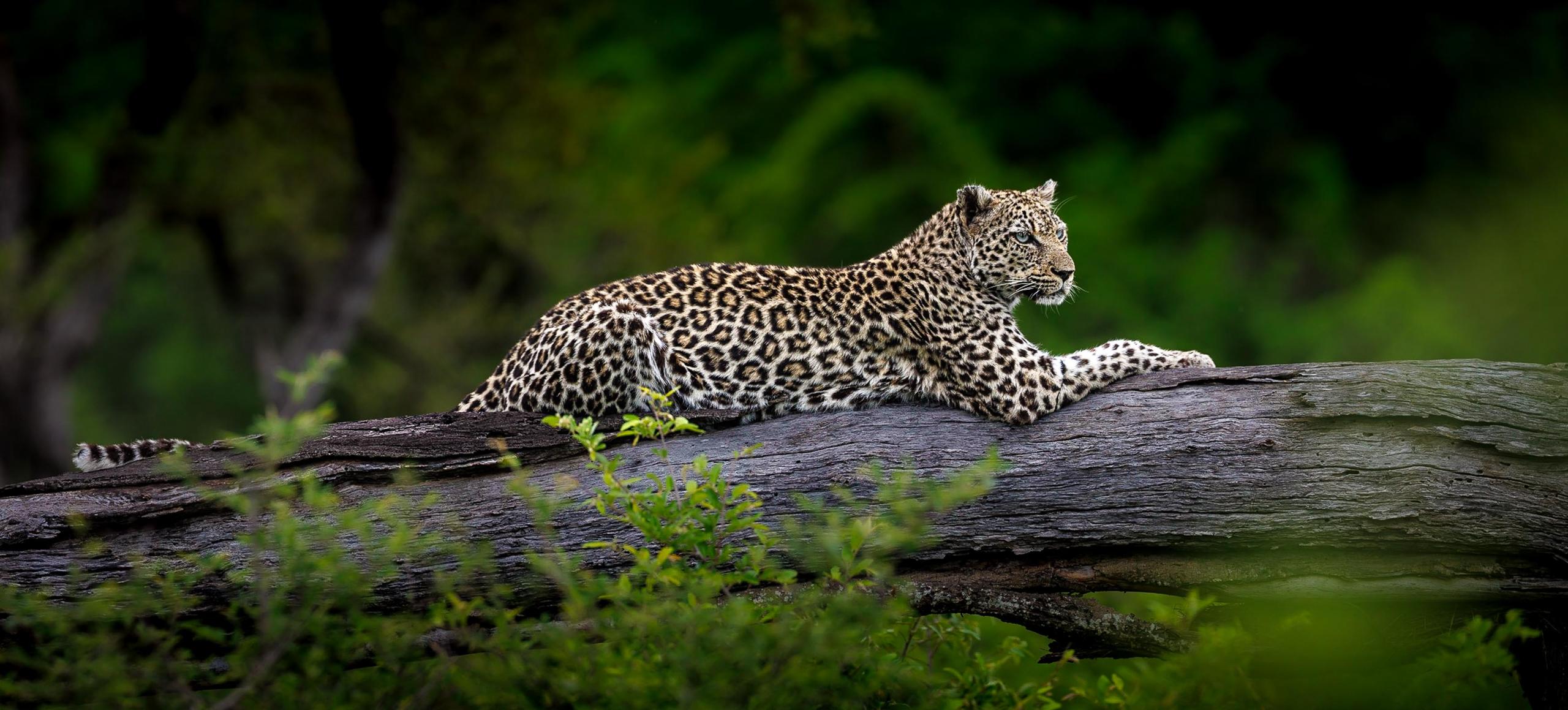
The name comes from the Xitsonga language: “the place where something sacred came down to Earth from the Heavens.” It’s a dramatic name, but the Timbavati earned it. In 1975, a researcher named Chris McBride was leading a project in the reserve when something happened that had never been recorded before. A lioness gave birth to white cubs. Not albino — leucistic, with pigmented eyes and pawpads and a coat the colour of winter grass in pale light. The world took notice immediately, and not always for the right reasons.

McBride’s book, published in 1977, brought global attention. What followed was less triumphant. White lion cubs began disappearing — captured for zoos, hunting facilities, private collections. The gene carriers were selectively removed from the wild population. By the late 1990s, white lions were effectively extinct in their natural habitat — the very place they had evolved. It took decades of advocacy, led in large part by a documentary researcher named Linda Tucker who had her own remarkable encounter with white lions in 1991, to bring them back. Reintroduction efforts eventually succeeded. Cubs were born again in the Timbavati in 2006, 2008, 2009, and 2011. In 2018, three new white cubs were born to the Birmingham Pride within the reserve. And then, in early 2026, a three-month-old white cub was discovered in a den along the Zebenine Riverbed — the first white lion born in the Timbavati in over a decade. A literal one-in-a-million event, given the recessive gene must be carried by both parents to produce a white cub.
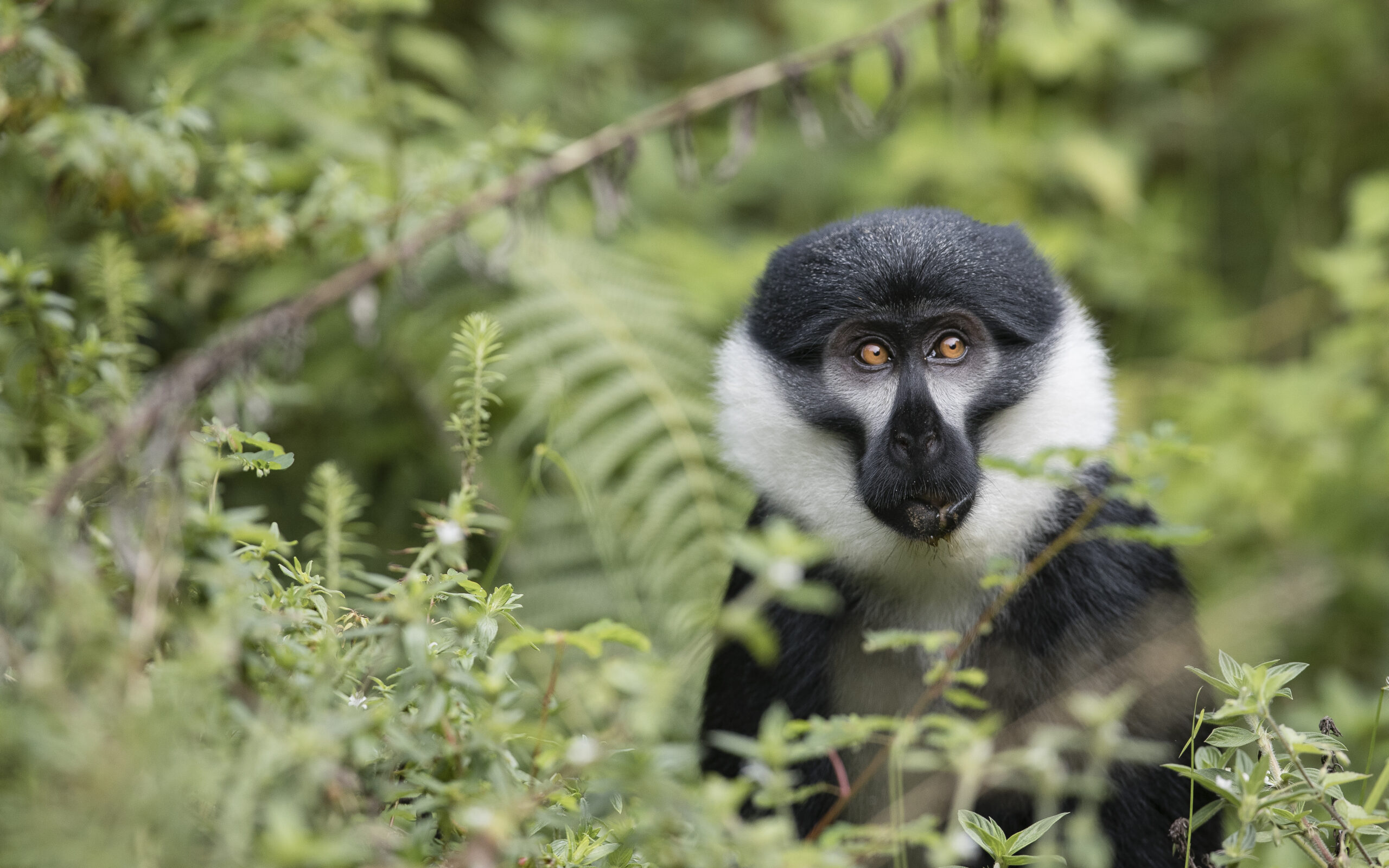
That’s the thing about the Timbavati. It carries its history in a way that very few wild places do.

But the white lions are only part of the story. The reserve is home to exceptional wild dog packs, prolific elephant herds, and the full complement of big cats — all experienced with a fraction of the vehicle pressure you’d encounter in some busier reserves. The landowners who formed the Timbavati Association in 1956 made a deliberate choice to limit the number of lodges operating in the reserve, and that decision has compounded in value ever since. There are only eighteen lodges across 53,000 hectares. The maths speaks for itself.


The lodges themselves — and we’ll profile three of the finest in this series — are not the famous names. They don’t need to be. Kings Camp, Tanda Tula and Makanyi have built their reputations quietly, through exceptional guiding and the kind of personal service that only comes from small, focused operations with something to prove.
This is not the loud, well-marketed side of the Greater Kruger. It is, by some distance, the better one.

Mwiba Lodge — Tanzania’s Best Kept Secret

There’s a particular kind of satisfaction that comes from knowing about a place most people don’t. Mwiba Lodge, tucked into a private wildlife reserve on the southern border of the Serengeti, is that place. Ten tented suites, 130,000 acres, and no other camps anywhere near it. If exclusivity is something safari operators throw around loosely, Mwiba earns the word.

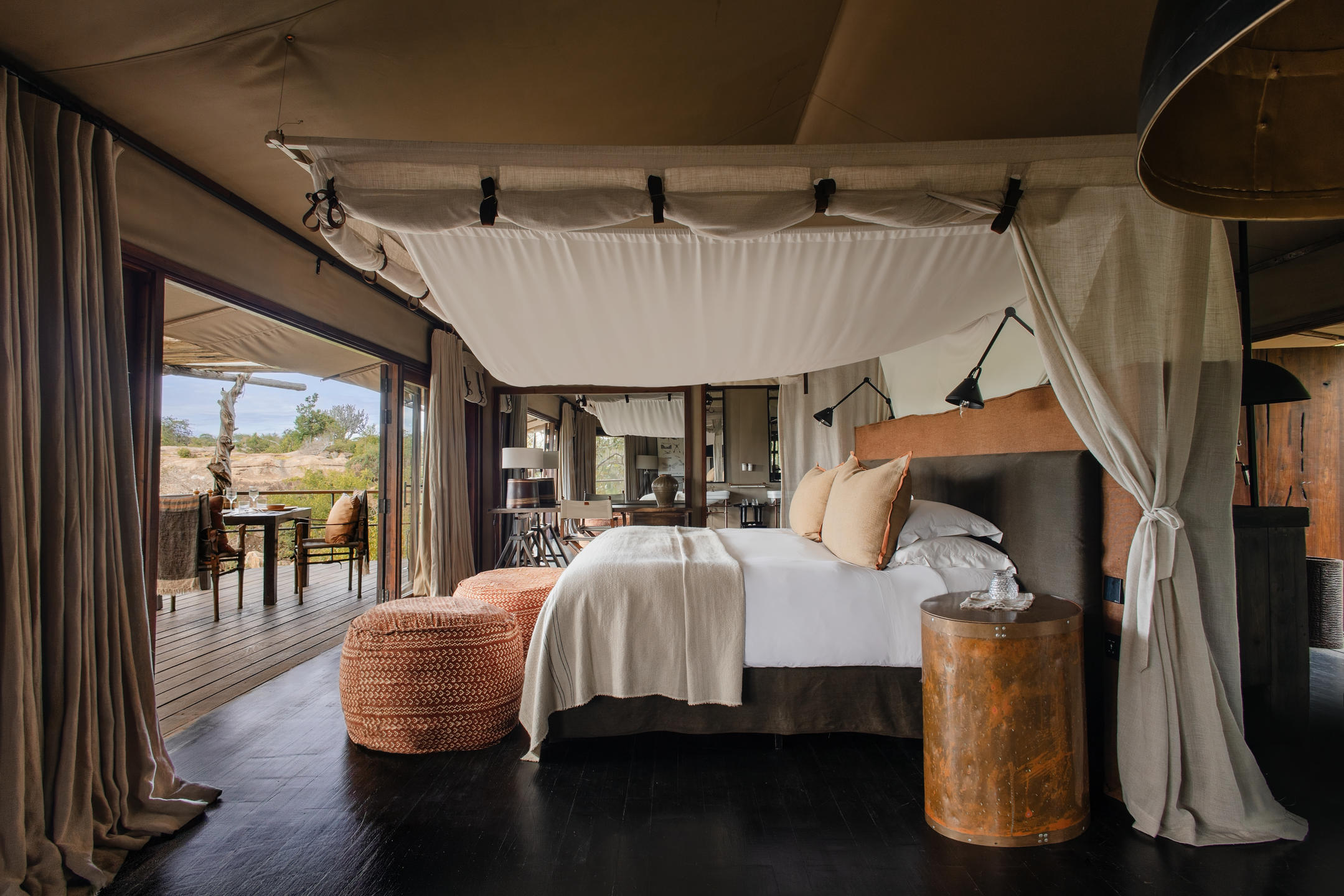
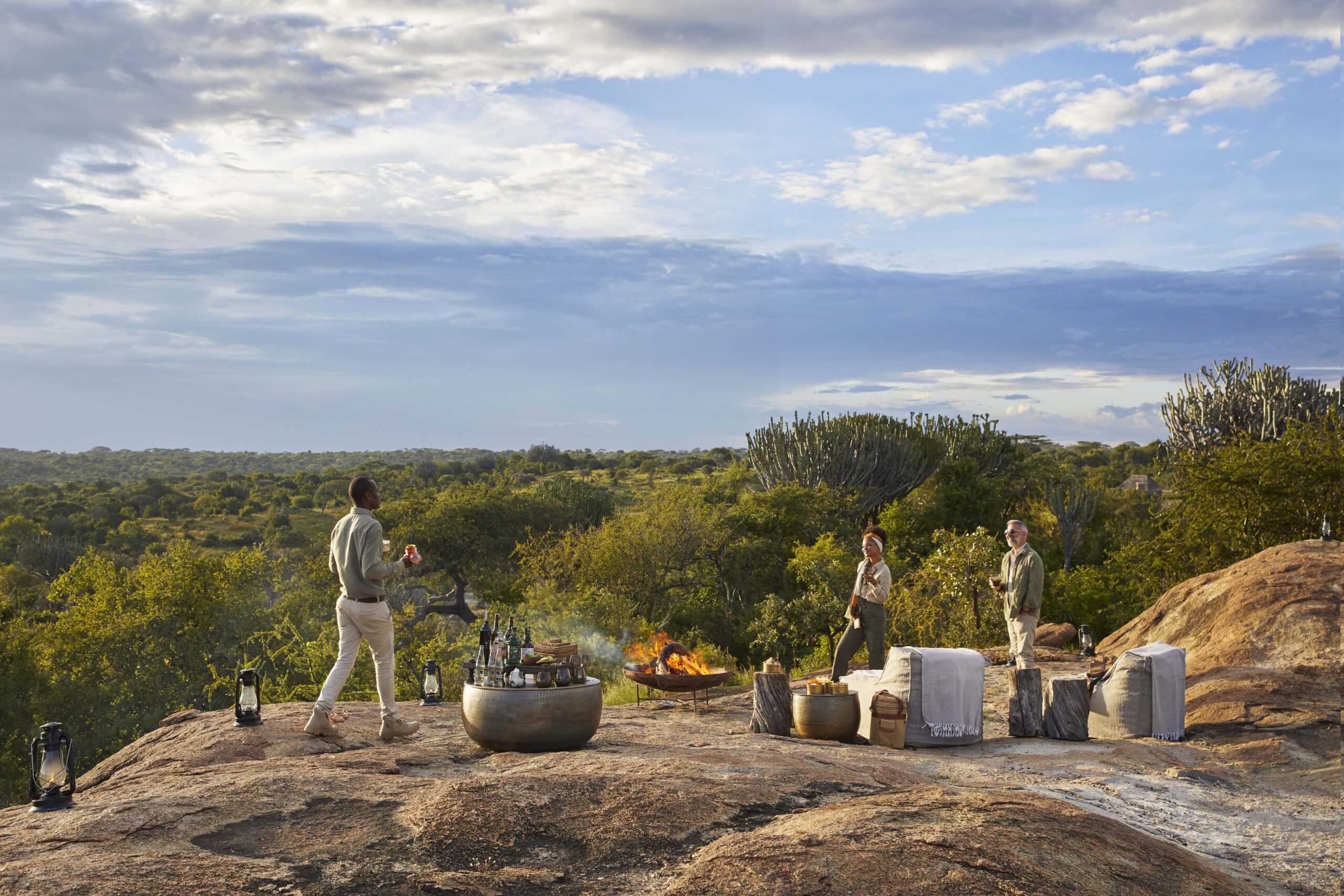
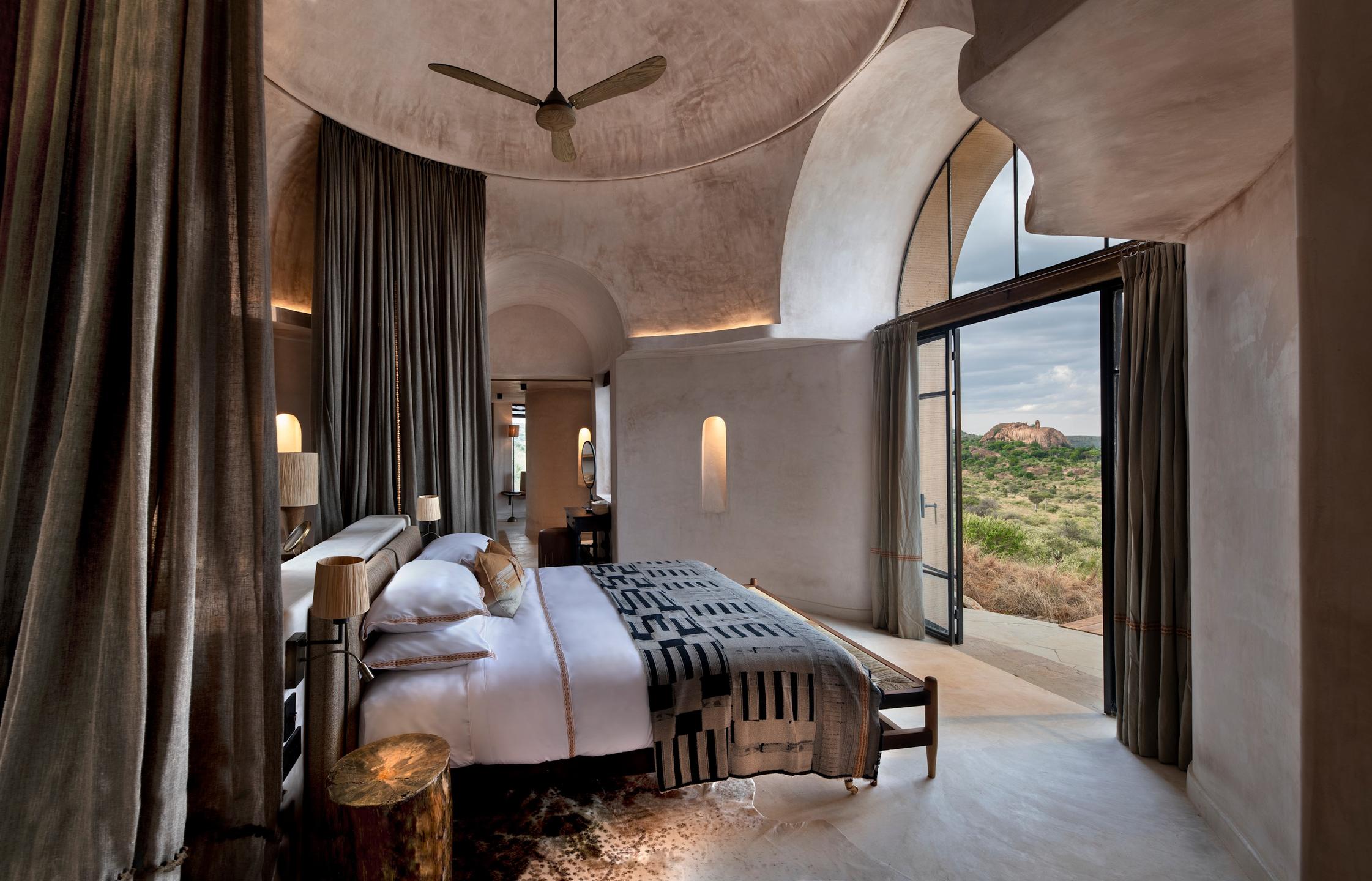
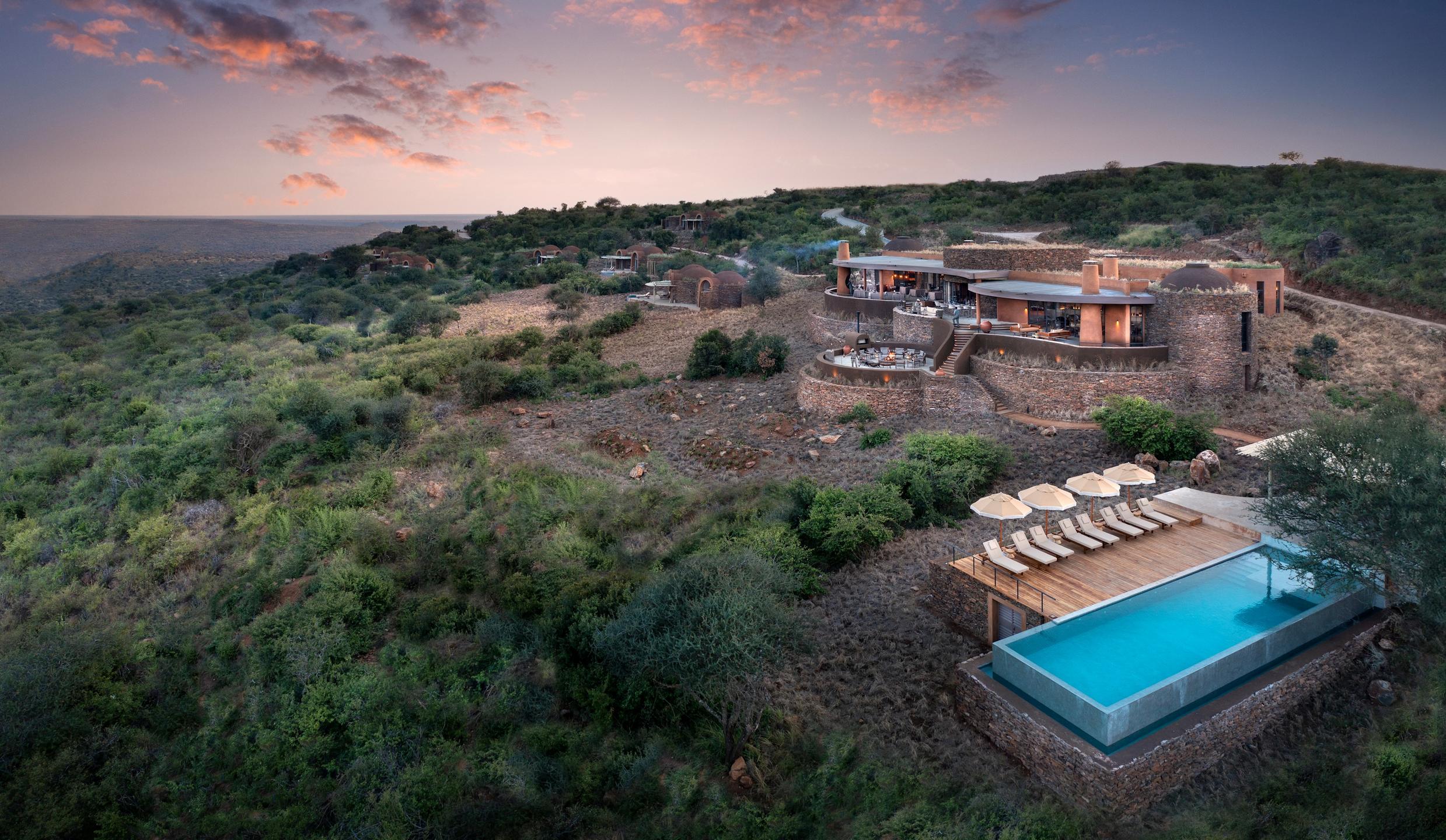
The lodge itself sits perched on granite boulders above the Arugusinyai River gorge, connected by winding wooden walkways that feel like they grew out of the landscape rather than were built on top of it. The suites are generous without being showy — expansive decks, soaking tubs positioned to face the bush, outdoor showers, the kind of beds you need a moment to commit to leaving. The design lets the setting do the talking, which is a smart call given the setting.

But what really separates Mwiba from the crowded northern circuit isn’t the hardware. It’s the freedom. Every guest gets their own private guide and vehicle. There are no set schedules, no convoy of Land Cruisers jostling for position at a kill. You go where you want, when you want, for as long as you want. For anyone who’s spent time trying to enjoy a leopard sighting with six other vehicles parked around it, that matters more than it sounds.

The wildlife corridor here connects the southern Serengeti to Lake Manyara and the Ngorongoro highlands, which means the diversity of what you’ll encounter is genuinely surprising. Elephant, lion, cheetah, wild dog — all on a reserve where the only tyre tracks in the road are probably yours.

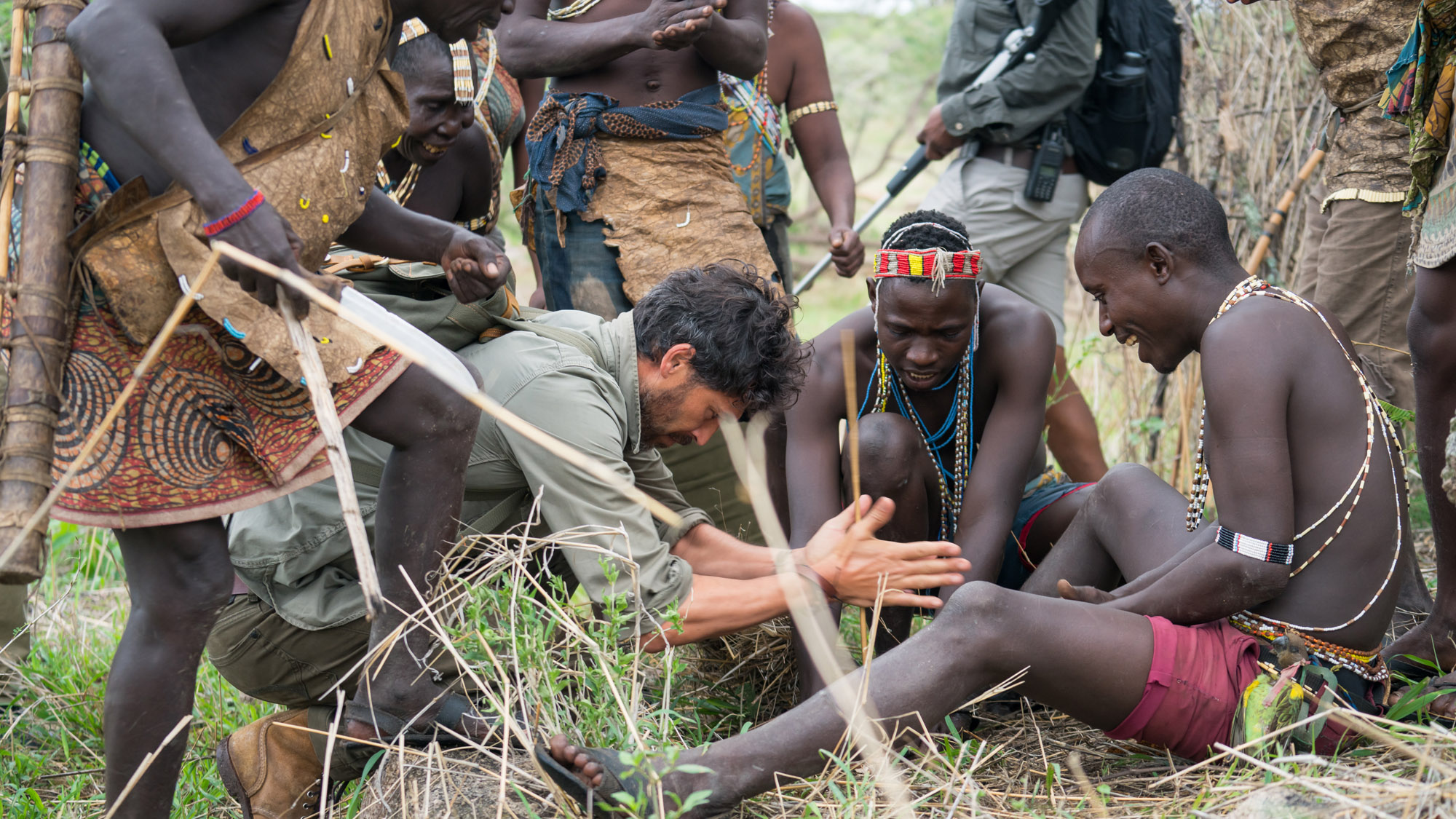
Then there’s the Hadzabe. One of the last remaining hunter-gatherer tribes in Africa, they’ve lived around Lake Eyasi — a short helicopter flight from the lodge — for tens of thousands of years. A morning spent with them, watching them hunt with handmade bows in the acacia scrub, has a way of quietly rearranging your priorities. It’s not a performance put on for tourists. It’s a way of life that has remained largely unchanged, and being invited into it, even briefly, is a privilege worth the journey alone.

The helicopter deserves its own mention. Mwiba is the only lodge in Tanzania with a permanent helicopter on site, which opens up a level of exploration most safari-goers never access — flights over the Serengeti plains, down into the Rift Valley, across to Lake Eyasi. It turns an already exceptional stay into something that feels almost unreasonably good.
Mwiba recently joined the Auberge Collection alongside sister property Chem Chem, which makes combining the two lodges on a single Tanzania itinerary a seamless and logical exercise. Different ecosystems, complementary experiences, and a level of consistency across both properties that makes planning straightforward.

The honest question with any safari lodge is whether it lives up to what’s written about it. Mwiba does, and then some. It’s the kind of place that doesn’t need to shout about itself. The guests who find it tend to come back — and tend not to tell too many people about it either.

Jack’s Camp — A Different Kind of Africa

There’s a version of Africa that most safari-goers never see. Not because it’s hard to reach — it’s a straightforward charter flight from Maun — but because it looks nothing like what they came for. No lush delta, no big trees, no thick bush. Just white. A vast, shimmering, ancient white that stretches to the horizon in every direction and makes you feel simultaneously very small and very lucky to be standing in it.

The Makgadikgadi Pans are the remnants of one of the largest lakes ever to exist on earth. When it dried up — roughly ten thousand years ago — it left behind a salt crust the size of Switzerland and a silence that is genuinely difficult to describe to someone who hasn’t heard it. Jack’s Camp sits on its edge, and has done so, in one form or another, since 1993.

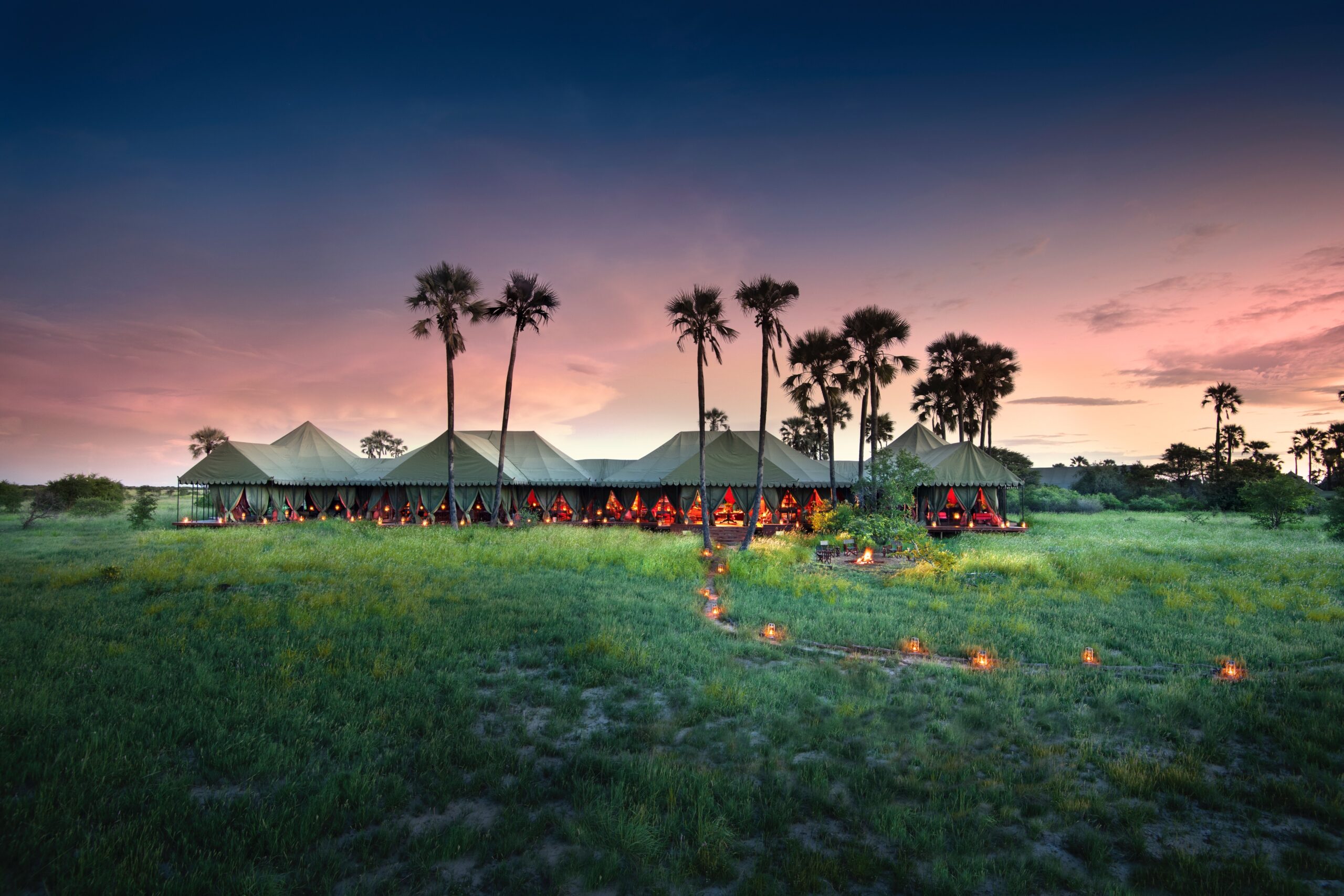
The camp itself is a deliberate act of personality. Nine green canvas tents furnished with Persian rugs, brass fittings, copper basins, and natural history cabinets curated by owner Ralph Bousfield — a man who has spent his life collecting interesting things from interesting places. The mess tent houses a 36-seater dining table that served as an officer’s mess in the 1820s. There’s an antique billiard table. A library. A cabinet of curiosities that rewards a slow afternoon of browsing. It looks and feels like the kind of place an eccentric explorer would have set up if he’d had excellent taste and an unlimited budget, which is essentially what happened.

The activities are where Jack’s really earns its reputation for being unlike anywhere else. The meerkats alone justify the trip — a habituated group that emerges each morning from their burrows and treats guests with complete indifference, using them as convenient elevated platforms from which to scan for predators. It is, objectively, one of the more charming wildlife interactions available on the continent.

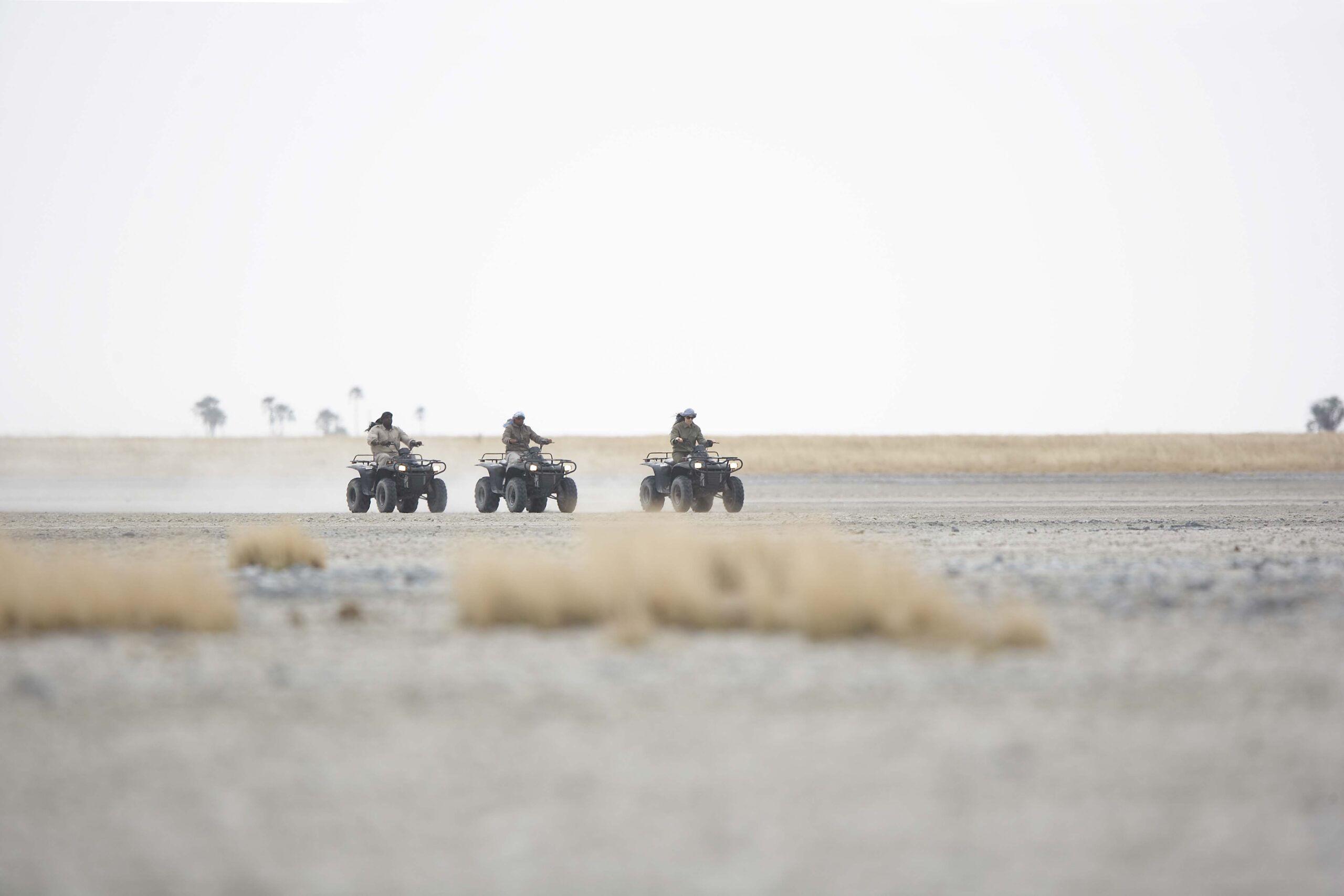
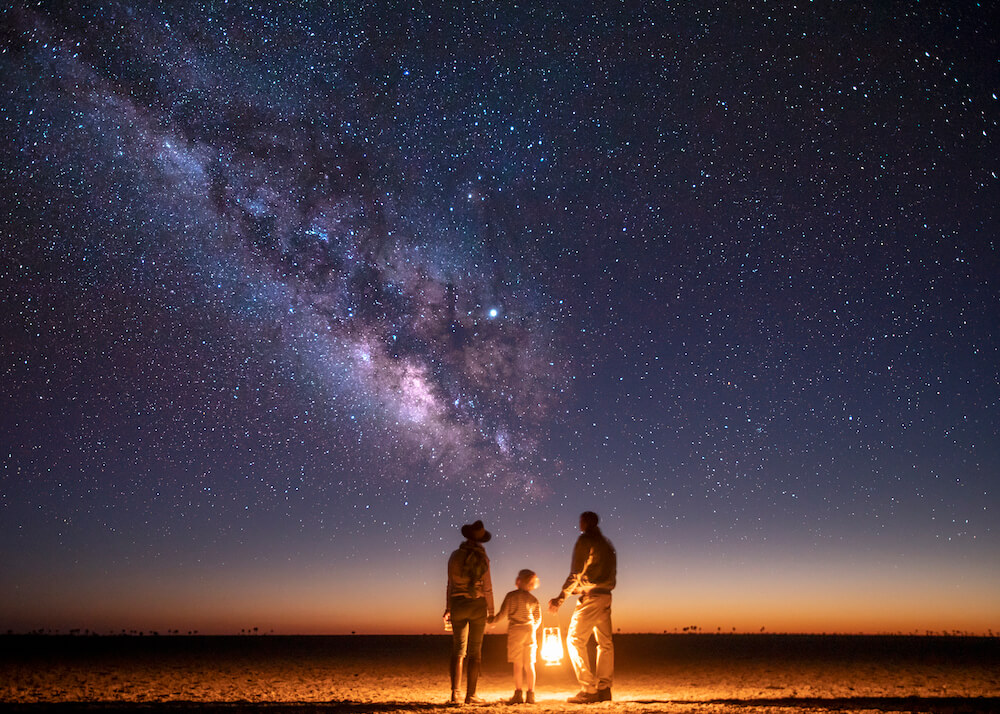
Then there’s quad biking across the salt flats — not a gentle pootle, but a proper sunrise run across a landscape so flat and featureless that you lose all sense of speed and distance. Walking with the San Bushmen, who have lived in and around the Kalahari for tens of thousands of years, brings a human dimension to the experience that most safaris simply don’t offer. And sleeping out on the bare pans under a sky with zero light pollution — the Milky Way so dense it looks almost architectural — is the kind of night that makes everything else feel slightly ordinary by comparison.

The wildlife is different too. Forget the Big Five checklist. Jack’s is brown hyena, Kalahari lion, oryx, aardvark, bat-eared fox. During the green season, the zebra migration — Africa’s second largest — brings tens of thousands of animals onto the grasslands surrounding the pans, followed closely by the predators that track them.

A word of honest advice: if your idea of a perfect safari is maximum game density and a different species every ten minutes, Jack’s Camp is probably not your place. But if you want something that genuinely couldn’t exist anywhere else on earth, and that you’ll find yourself struggling to explain properly when you get home — this is it.

Singita Kwitonda — Where the Mountain Comes to You

Rwanda surprises people. They arrive expecting something — usually a vague sense of the continent’s familiar safari rhythms — and find instead a country that is green, cool, mountainous, and unlike anywhere else they’ve been. Kigali is spotless and orderly. The roads work. And in the northwest, rising out of mist-draped forest on the edge of Volcanoes National Park, Singita Kwitonda is waiting.

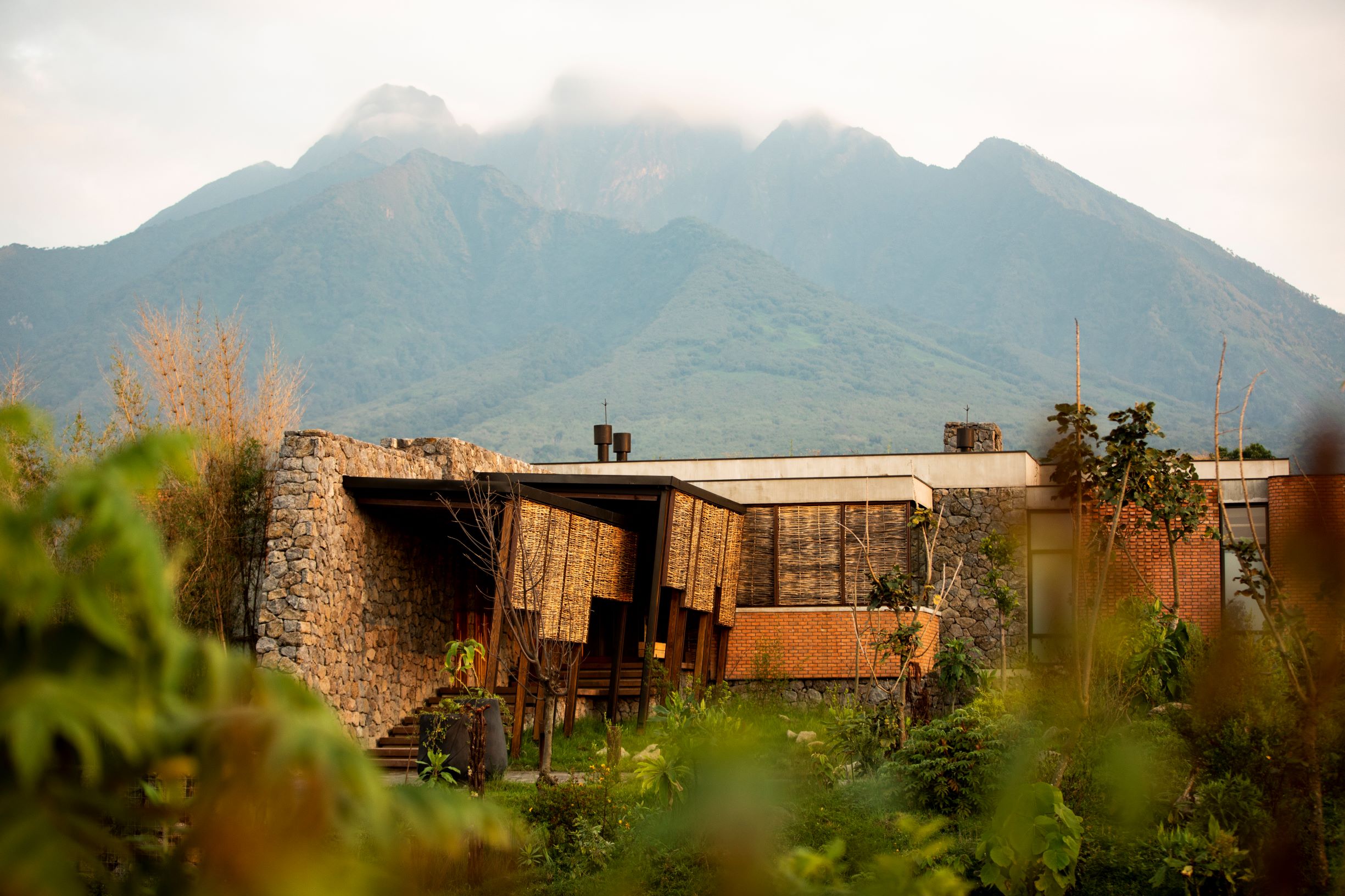
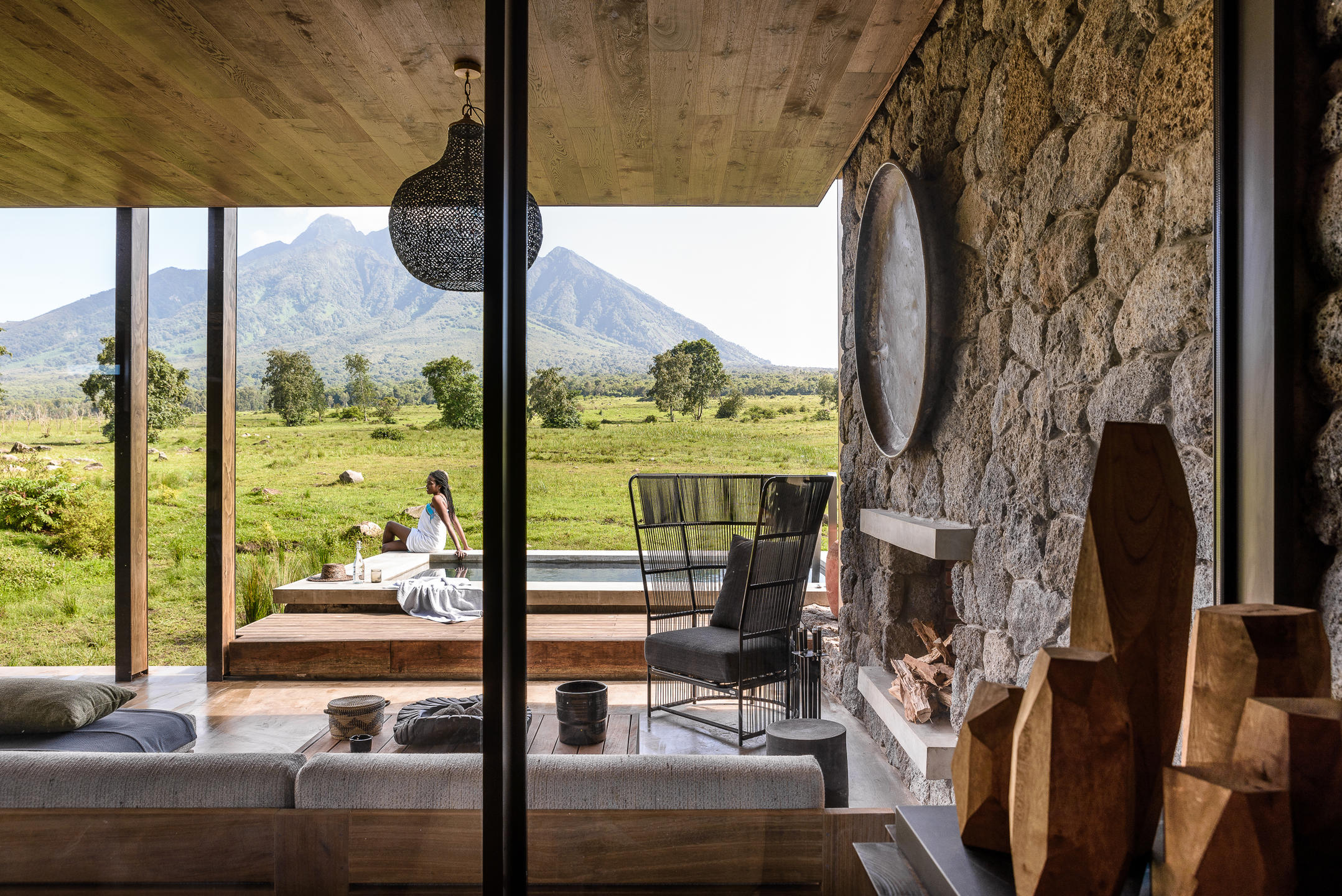
The lodge sits on 178 acres that share a direct boundary with the park — a detail that sounds like marketing copy until you understand what it actually means. The gorillas are not somewhere out there beyond a gate and a long drive. They are, in the most literal sense, next door. On a clear morning, standing on your suite’s private deck with a cup of coffee and views of the Sabyinyo, Gahinga and Muhabura volcanoes filling the horizon, that proximity feels almost implausible.

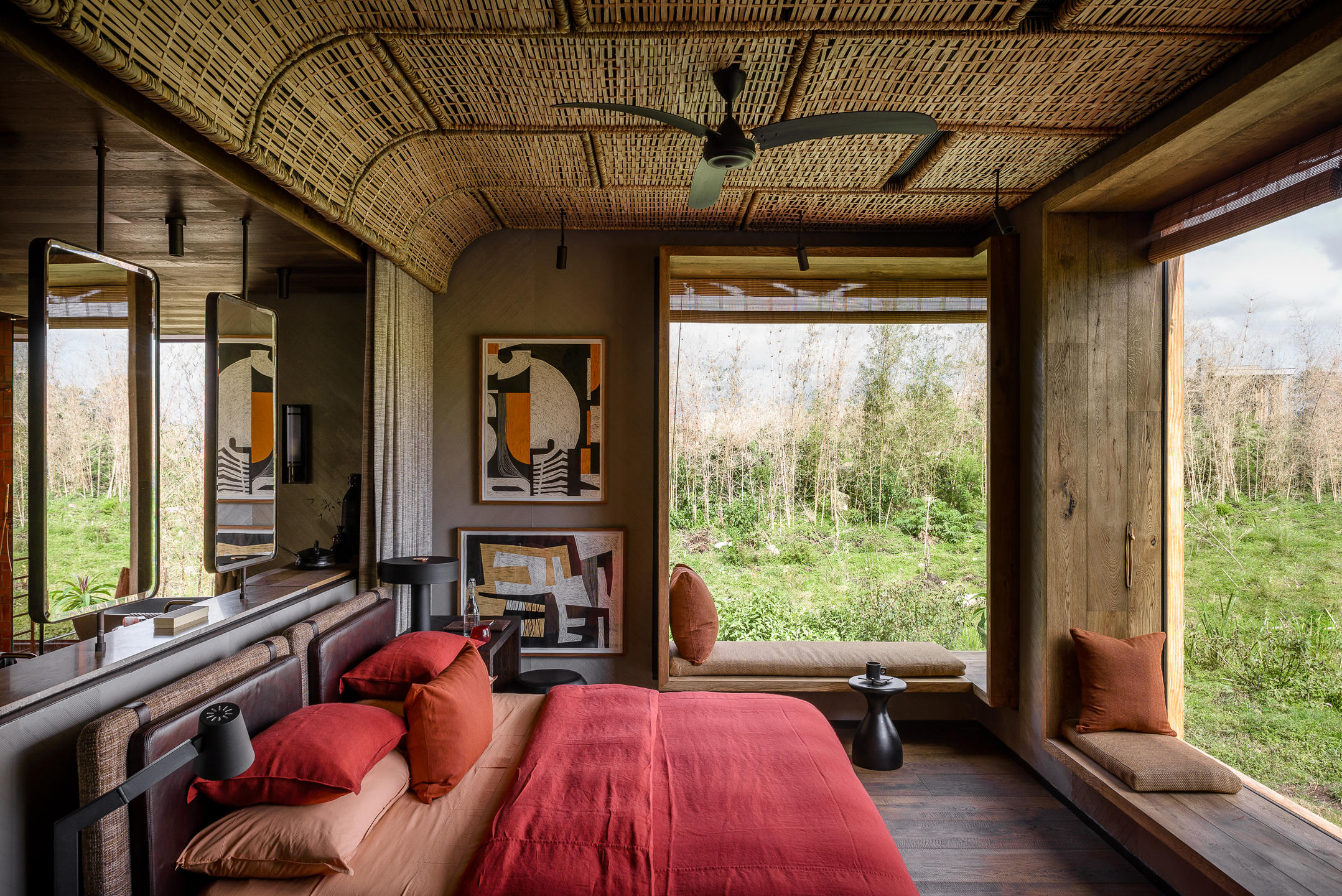
Eight suites, each with a heated plunge pool and both indoor and outdoor fireplaces — because at 2,000 metres above sea level, the evenings are cooler than most guests expect. The interiors draw on Rwandan craft traditions: woven ceilings, hand-fired terracotta brickwork made by local artisans, timber-framed windows wide enough to make the landscape feel like a living room fixture. It is unmistakably Singita — precise, considered, nothing wasted — but it wears Rwanda on it in a way that feels genuinely earned rather than decorative.

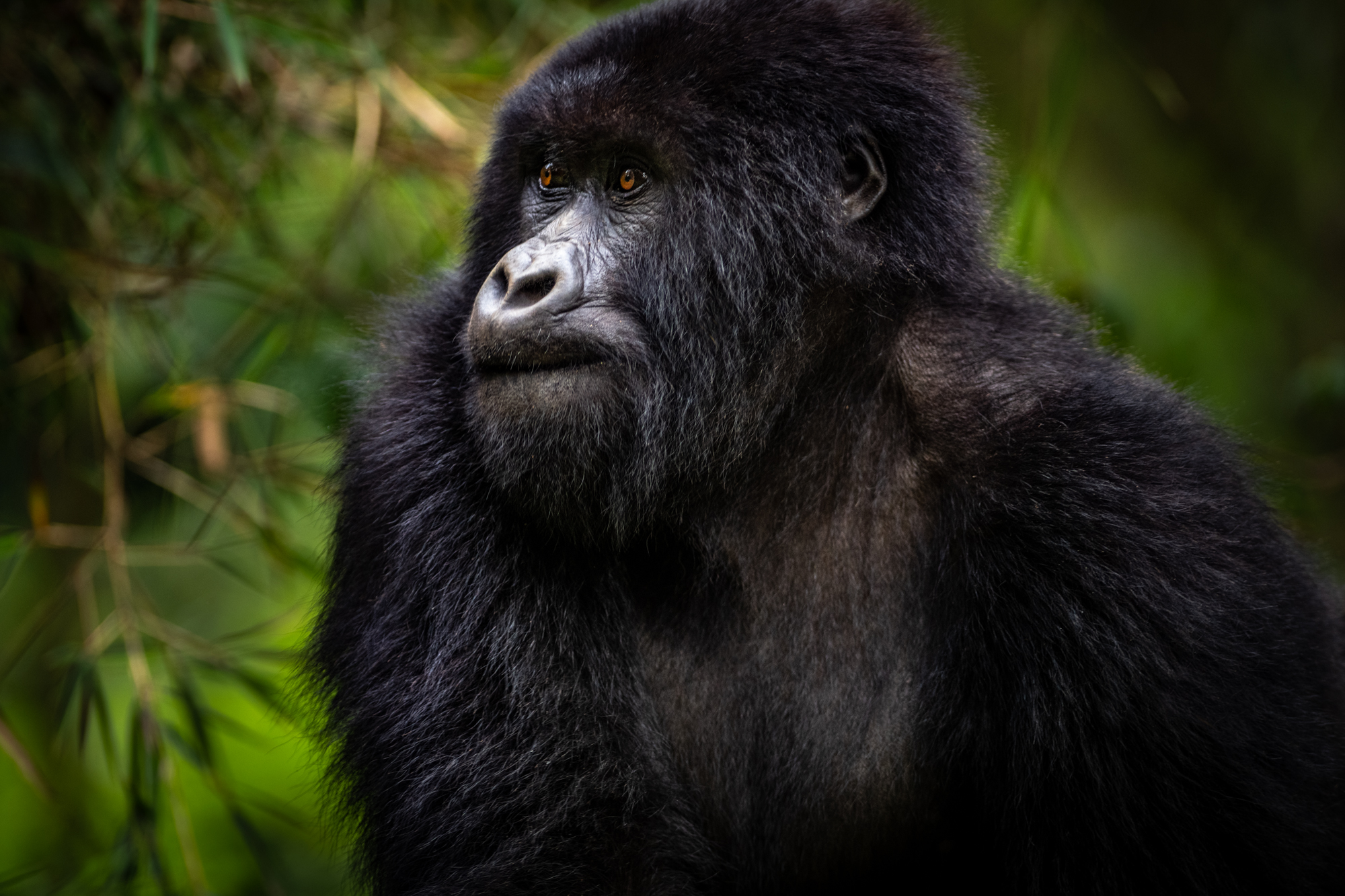
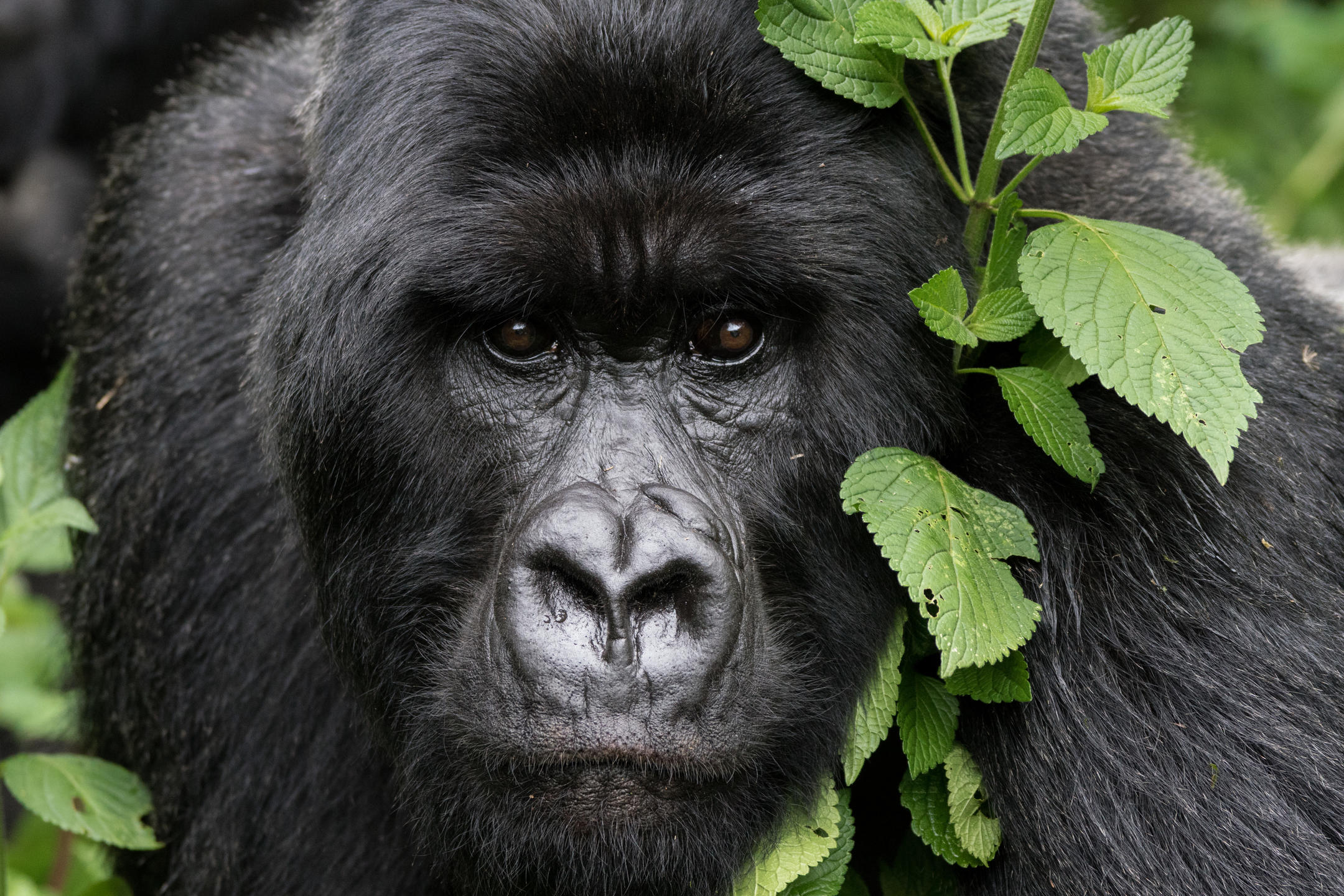
The gorilla trek is, of course, the reason most people come. An early start, a drive to the park headquarters, a briefing, and then you’re on foot into the forest. The terrain varies — some days it’s relatively gentle, other days you’re pulling yourself up through dense vegetation on a steep volcanic slope — and nobody can tell you in advance exactly how long it will take. The gorillas are where they are. When you find them, and you will, the hour you’re permitted to spend with them passes in approximately four minutes. This is not an exaggeration. It is, for many people, the most affecting wildlife experience of their lives. The scale of them, the intelligence in their eyes, the complete indifference with which a silverback regards you — it rearranges something.

But Kwitonda is not purely a one-trick property. The conservation lounge traces the story of the land from Dian Fossey’s research through to the ongoing work to expand gorilla habitat — Singita is actively working to convert agricultural land on the park’s border back into forest. Golden monkey trekking offers a different but equally compelling primate experience. There are cultural visits, walking trails through eucalyptus forest, and a kitchen garden that supplies a meaningful portion of what ends up on the plate.

The name deserves a mention. Kwitonda was a silverback gorilla known for his gentle nature and quiet authority, who roamed these forests for years before his death. The lodge was named in his memory. It’s a small detail, but it tells you something about how Singita approaches this particular place. They’re not just running a luxury property adjacent to something remarkable. They’re trying, with genuine seriousness, to be part of what keeps it remarkable.

For the right traveller — curious, physically willing, and open to an Africa that looks nothing like the one on most safari brochures — Kwitonda is quietly unmissable.

&Beyond Suyian — The Kenya Almost Nobody Knows

Most people who go on safari in Kenya go to the Mara. And the Mara deserves its reputation — the migration, the lions, the sheer volume of wildlife on those open plains. But there’s a version of Kenya that sits north of all that, quieter and considerably less visited, where the landscape shifts into something altogether different. Rocky outcrops, granite kopjes, dry sweeping valleys, and a conservancy so large that 44,000 acres of it belongs entirely to Suyian. &Beyond opened their lodge here in mid-2025, and it’s already one of the more interesting things to happen to Kenyan safari in recent memory.

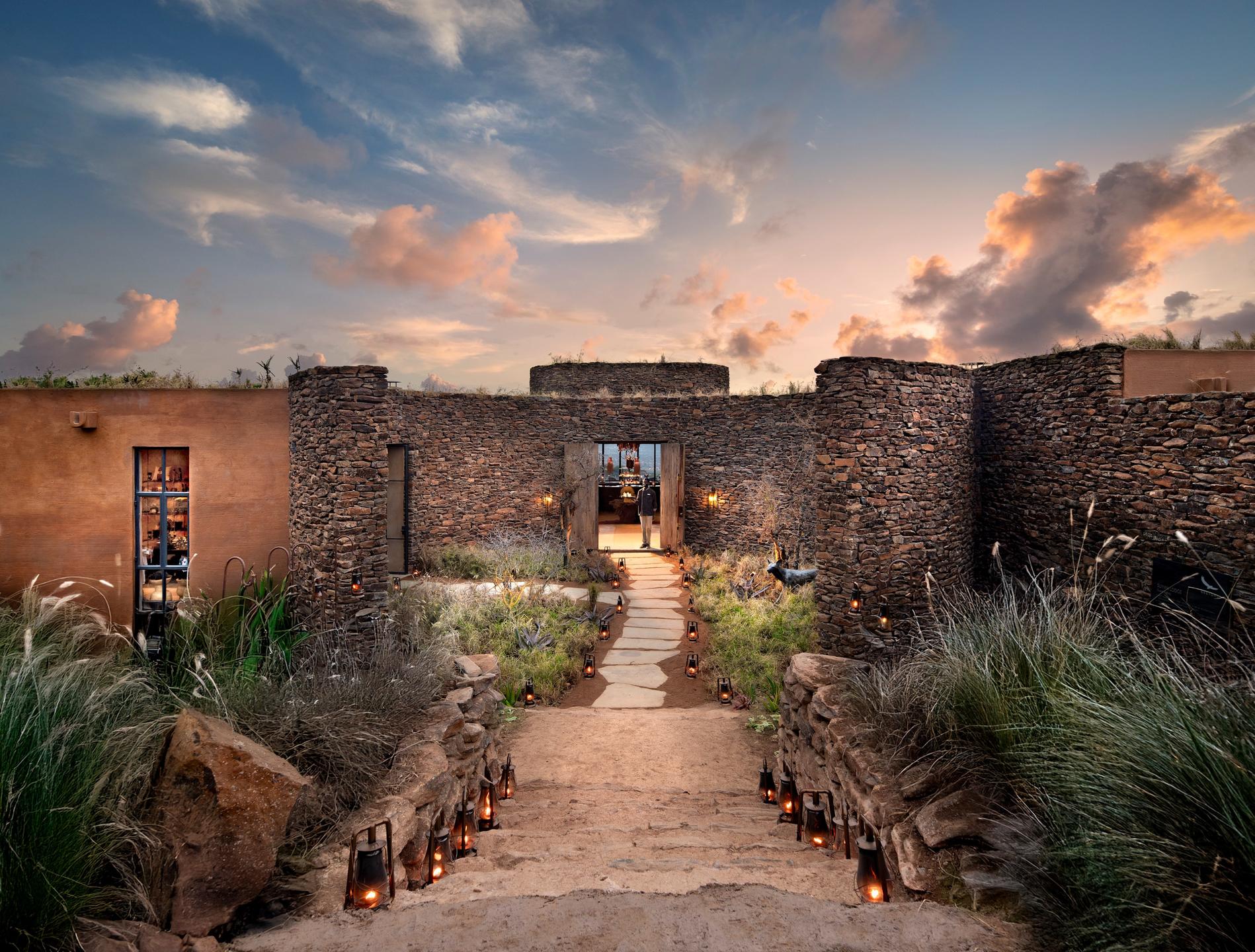
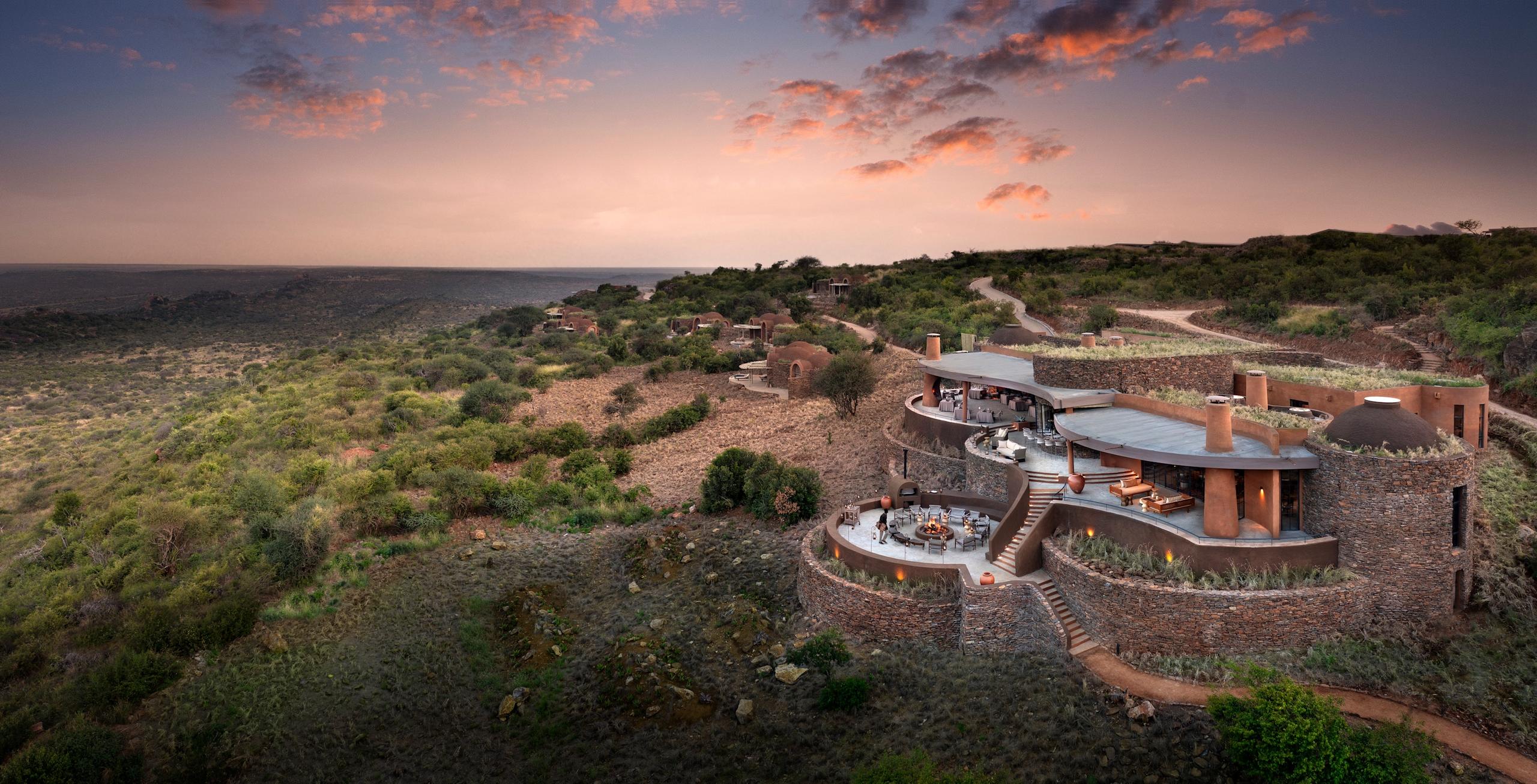
The lodge itself is striking. Low-slung domed structures tucked into the escarpment, their rounded forms and planted roofs drawn directly from the surrounding granite. Fourteen suites, each with a plunge pool, outdoor shower, and fireplace — useful at this altitude, where the evenings cool faster than guests expect. The interiors carry a philosophy &Beyond calls Afro Wabi-Sabi: natural materials, mottled textures, subtle references to the semi-nomadic Samburu culture that has shaped this landscape for generations. Someone has thought carefully about every surface, and it shows.

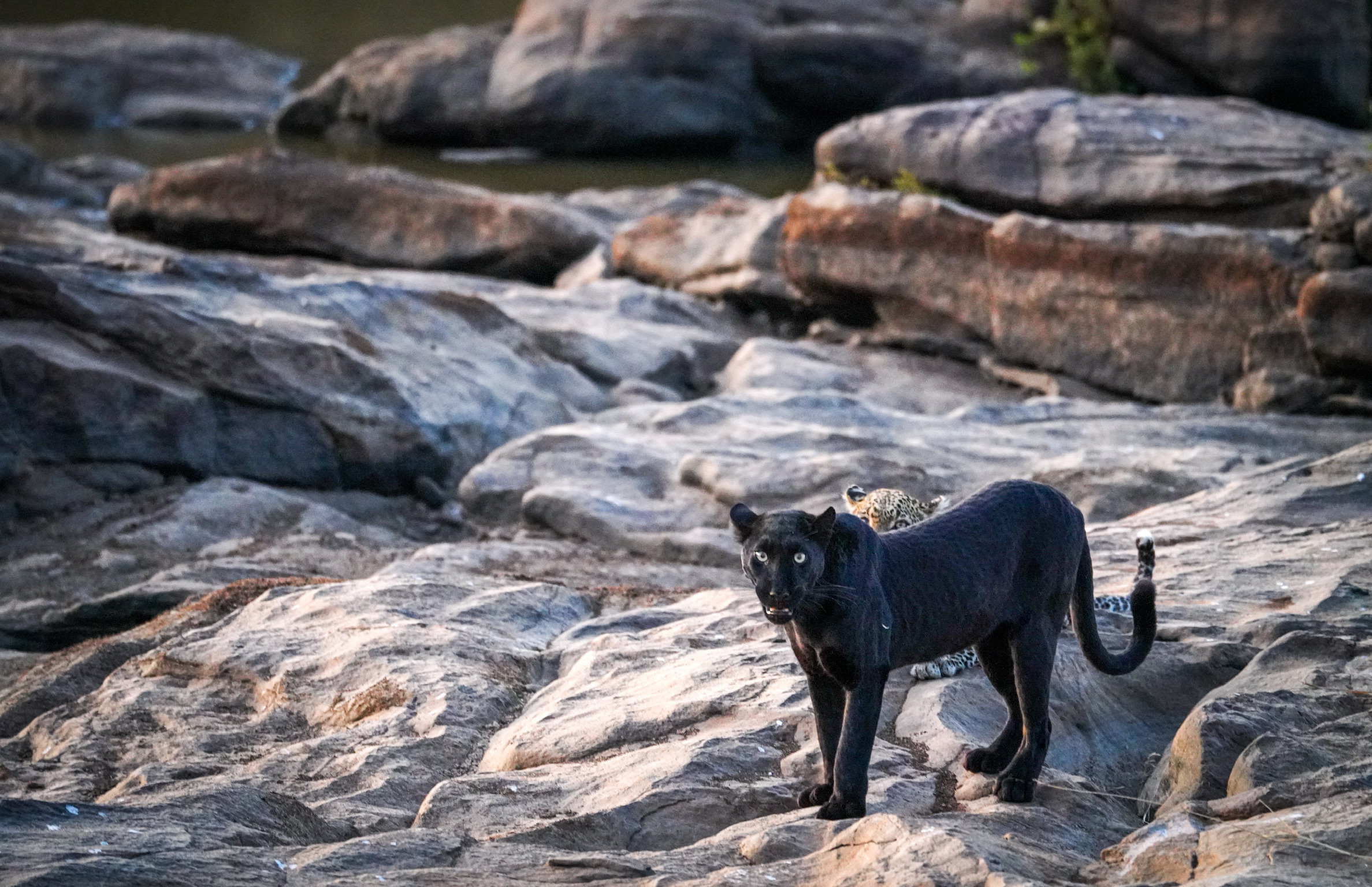
The wildlife at Suyian is not the Mara. There are no wildebeest thundering past in their hundreds of thousands, and anyone arriving with a Big Five checklist and a tight schedule will need to recalibrate. What Suyian offers instead is rarer and, for the right traveller, considerably more compelling. Grevy’s zebra, reticulated giraffe, gerenuk, African wild dog, and the animal that has become something of a symbol for the conservancy — the melanistic leopard. Black leopards are among the most elusive cats on the continent. The neighbouring conservancy is famous for one named Giza. Suyian has its own. The odds of seeing one are never guaranteed, but the fact that they’re here at all says something important about the quality of the wilderness.

The activities lean into what makes Laikipia genuinely different. Camelback safaris trace routes across the conservancy that have been walked by Samburu herders for centuries. Horse riding is available for those who prefer their wildlife encounters at a slower, quieter pace — animals tend to behave differently around horses than vehicles, and the sightings reflect that. Walking safaris, night drives, visits to the working ranch that still runs alongside the conservation operation — Suyian is a working landscape, not a sealed-off reserve, and that gives it a layered, lived-in quality that is increasingly rare.

Suyian is a young property. It opened less than a year ago, but the architecture and food have drawn consistent praise. The wildlife, by its own nature, is unpredictable. This is a lodge for people who understand that the best safari experiences are not always the ones with the most animals — sometimes they’re the ones that take you somewhere genuinely new.

Laikipia has been on the radar of serious safari travellers for years. Suyian has given it a front door worthy of what lies behind it.

What the Land Remembered — Kwandwe Private Game Reserve, South Africa

In the late 1990s, the land that is now Kwandwe was nine farms — ostrich, goat, a patchwork of fencing that had carved the Great Fish River valley into smaller and smaller parcels of agricultural use. It had been farmed for generations. By most practical measures, it had stopped being wild a long time before anyone thought to wonder whether it might become wild again. There is a particular kind of optimism required to look at degraded farmland and see a game reserve, and an even rarer kind required to actually attempt it.

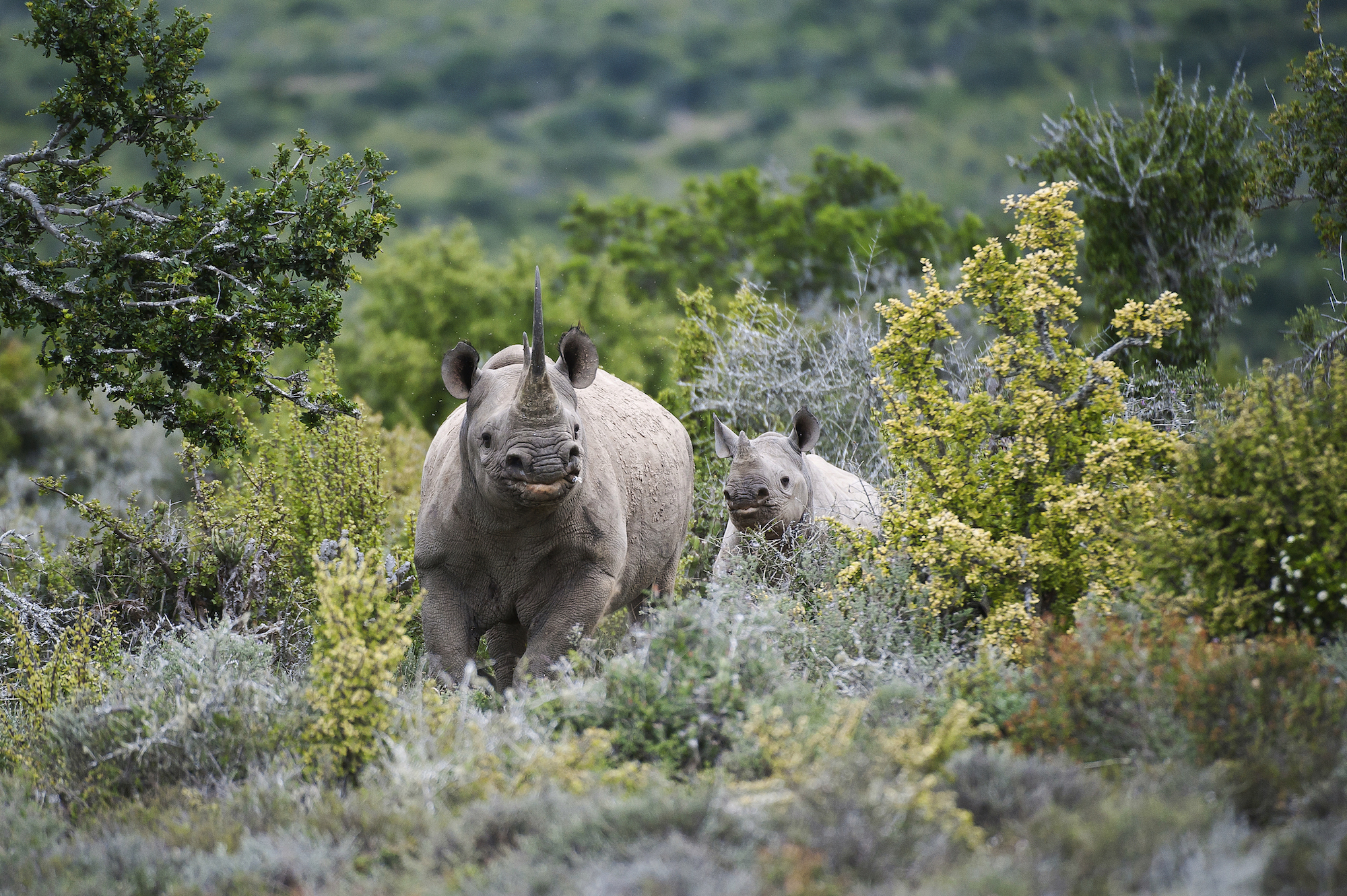
The fences came down first — all of the internal ones, dismantled to let the land begin remembering its own contours. Then came the animals: more than seven thousand of them, reintroduced over the years that followed, species by species, into a landscape that had not carried most of them in living memory. Black rhino arrived in 2000, six individuals purchased at auction and released into thicket that had no idea, yet, what to do with them. Today that population has grown into one of the most significant black rhino strongholds in the Eastern Cape, protected by a dedicated trust and monitored with a rigour that borders on the obsessive — for good reason, given what continues to be at stake for the species across the continent.

What makes Kwandwe quietly remarkable now, more than two decades on, is how complete the transformation feels on the ground. The Great Fish River valley’s semi-arid thicket is a different kind of beautiful to the classic savanna of the Lowveld — drier, denser, more textured, full of euphorbia and spekboom and the low, twisted growth that Eastern Cape conservationists have spent years learning to value rather than overlook. Lion, cheetah and leopard move through it as though they had never left. Black wildebeest and Cape grysbok graze in clearings that were, within living memory of the reserve’s older staff, planted with lucerne. The blue crane — for which Kwandwe is named, in the local isiXhosa — still nests here, a species so closely tied to this particular stretch of South Africa that its presence functions almost as a verdict on the project as a whole.

Because Kwandwe is malaria-free, it has become a particular favourite among families and first-time safari travellers wary of the logistics further north — but it would be a mistake to think of that as the headline. The headline is closer to this: an entire ecosystem, talked back into existence by people stubborn enough to believe that land doesn’t permanently forget what it once was. It simply needs, on occasion, to be reminded.

Driving out across Kwandwe at dusk, with the thicket turning copper and a black rhino moving unhurried through a clearing that was farmland within most visitors’ own lifetimes, it is difficult not to wonder what else might be possible, given enough patience and the right kind of stubbornness. The land remembered. The harder question, perhaps, is what else we might convince it to remember.

An Arrangement With Elephants — Ruckomechi Camp, Zimbabwe

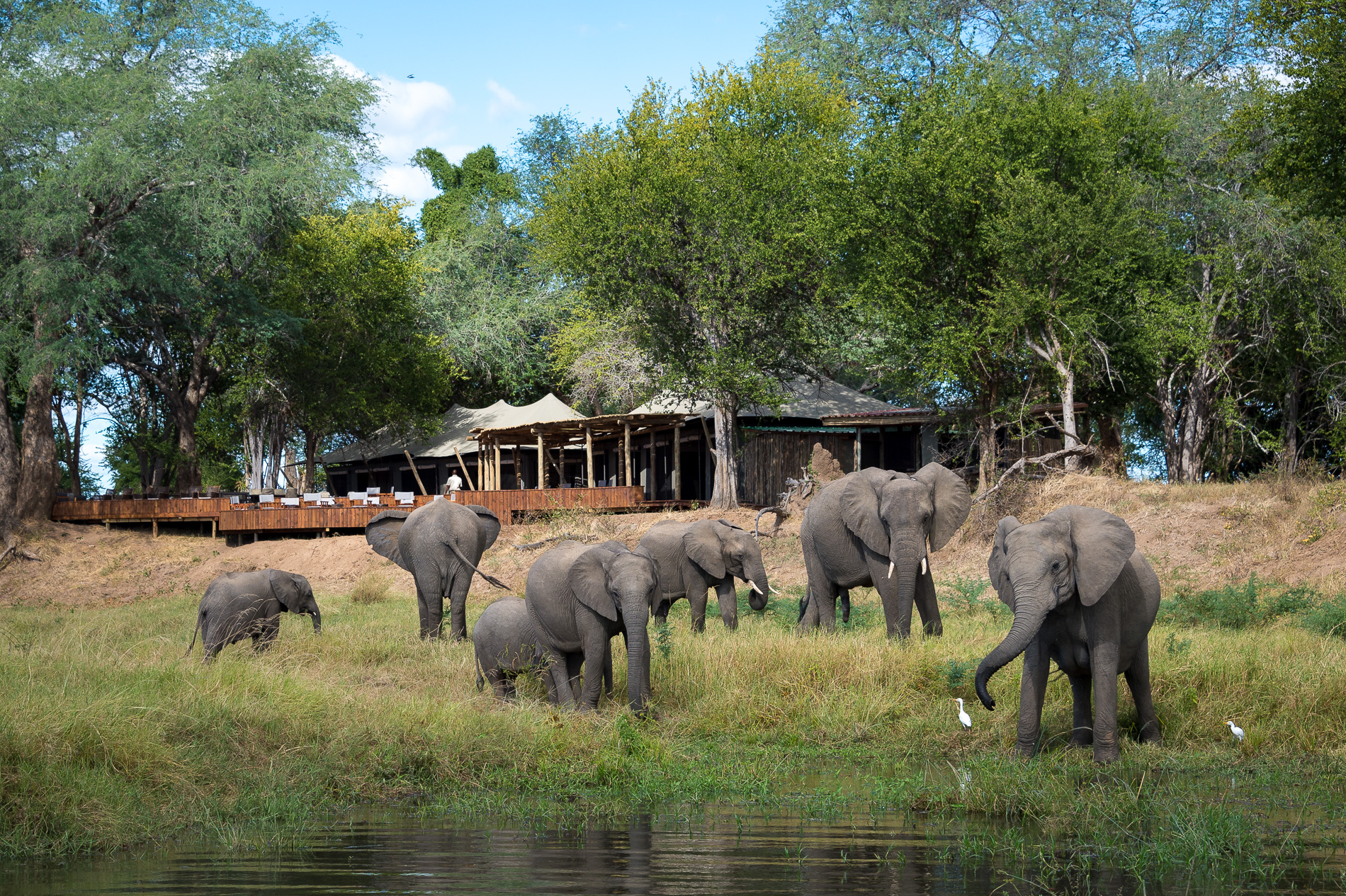
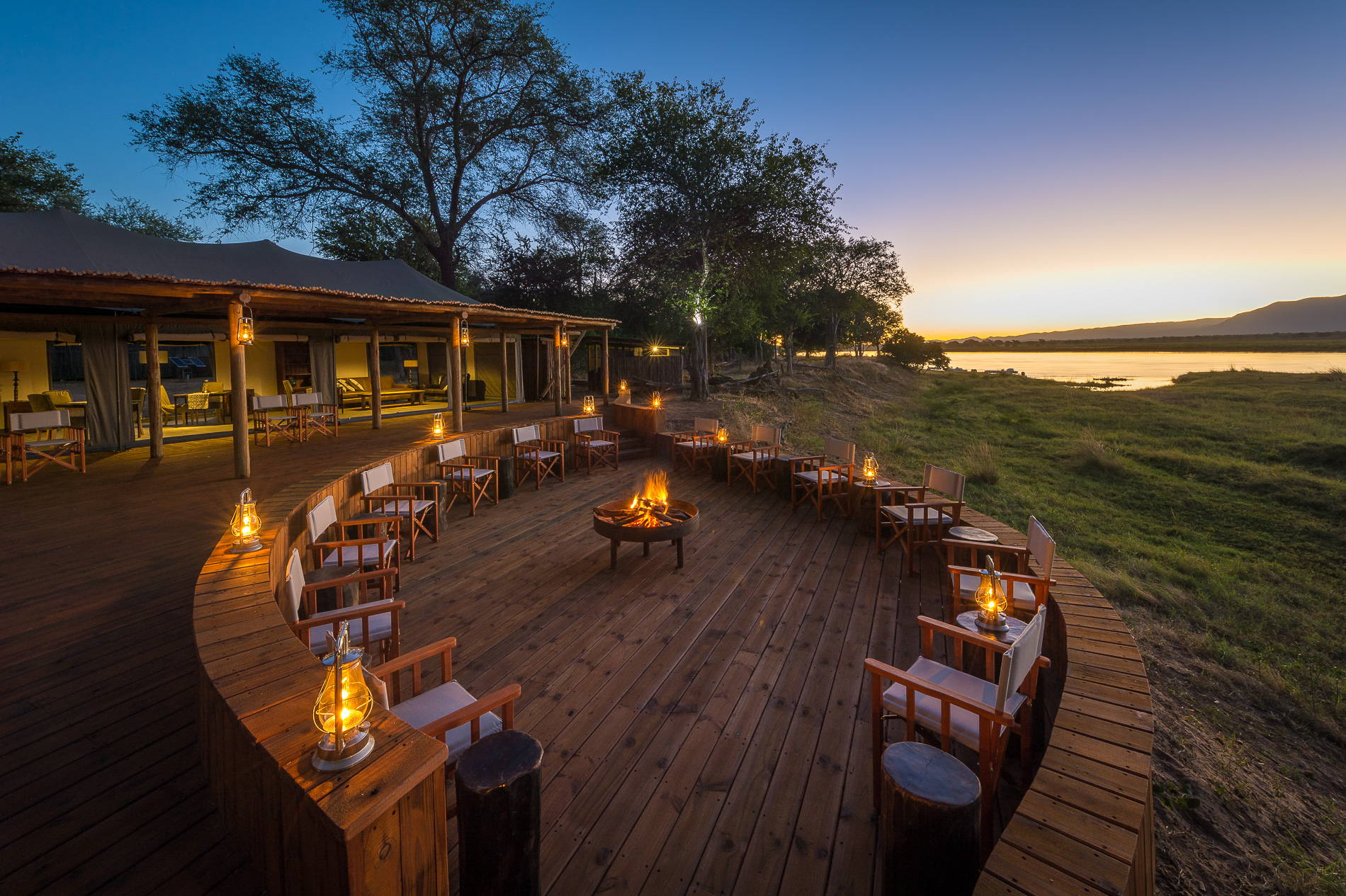
There is a particular tree along the Zambezi’s floodplain — the apple-ring acacia, known locally as the albida — that drops its seed pods in the dry season at precisely the moment the rest of the bush has nothing left to offer. Elephants have understood this for longer than anyone has been keeping records, and they organise entire days around it. Ruckomechi Camp, tucked into a private concession on the western edge of Zimbabwe’s Mana Pools National Park, happens to have been built beneath a particularly fine grove of them. Which means, in practice, that the elephants come to camp. Not occasionally, and not as a curiosity laid on for the cameras. As a matter of routine, the way one might call in at a regular café.

It takes most guests a day or two to stop being startled by this. A bull will wander between the tents at midday, entirely unbothered, working through a low branch with the unhurried focus of someone who has done this ten thousand times before. The camp’s answer is not to intervene but to make room — chairs angled politely out of the way, conversations paused mid-sentence, nobody especially alarmed. Mana Pools is one of the very few places in Africa where this kind of proximity is considered not reckless but simply how the wildlife works here, on its own terms, with people permitted to watch from close enough to feel the air move.

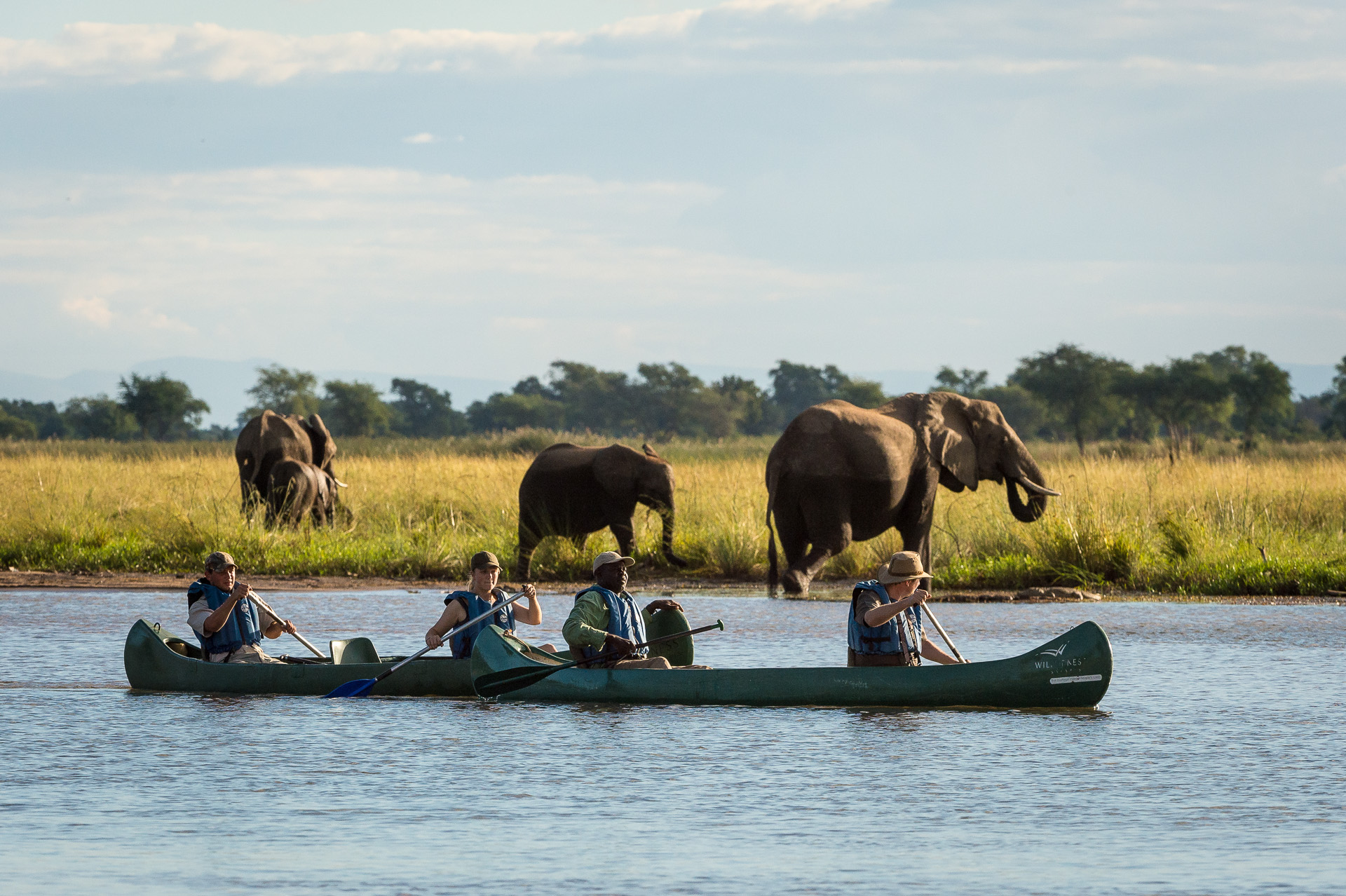
The wider floodplain is where Ruckomechi properly reveals itself. Wide, flat, threaded with the kind of ana forest that gives Mana Pools its particular green-gold light, it draws an unusual concentration of predators through the dry season — lion, leopard, and increasingly, African wild dog, which have found a stronghold here that has become one of the most reliable in the region. Walking safaris move through this landscape at the pace it deserves, led by guides trained to read a floodplain the way a sailor reads weather, while canoe safaris drift down a stretch of the Zambezi so still in places that the only ripples are the ones you’ve made yourself.

What separates Mana Pools from the rest of the Zambezi valley is its UNESCO World Heritage status, granted not for grandeur but for the specific, irreplaceable ecology of this floodplain system — and Ruckomechi’s private concession plays an active part in protecting it, funding the anti-poaching patrols and research that keep the wild dog population recovering rather than retreating. None of this is advertised loudly. It simply happens, the way the elephants simply arrive, as part of an arrangement that long predates the camp and will presumably outlast it.

In the late afternoon, with the heat finally loosening its grip and the floodplain turning the colour of weak tea, it becomes easy to forget that any of this required explaining. The elephants are not performing for anyone. They were here first, and they have simply allowed the camp to stay.

A Quiet Inheritance — Chinzombo Camp, Zambia

In the 1970s, a game ranger named Norman Carr kept a rainy-season camp on a ridge above the Luangwa River, named after the snuffbox tree that grew there in abundance. Carr is the reason the walking safari exists at all — he pioneered it here in the Luangwa Valley decades earlier, having persuaded a local chief to set aside tribal land as a game reserve, and having decided, somewhat radically for the time, that the best way to understand this landscape was to get out of the vehicle entirely and let it happen at eye level. He called the place Chinzombo. It was never meant to be permanent. It became, eventually, something close to legend.

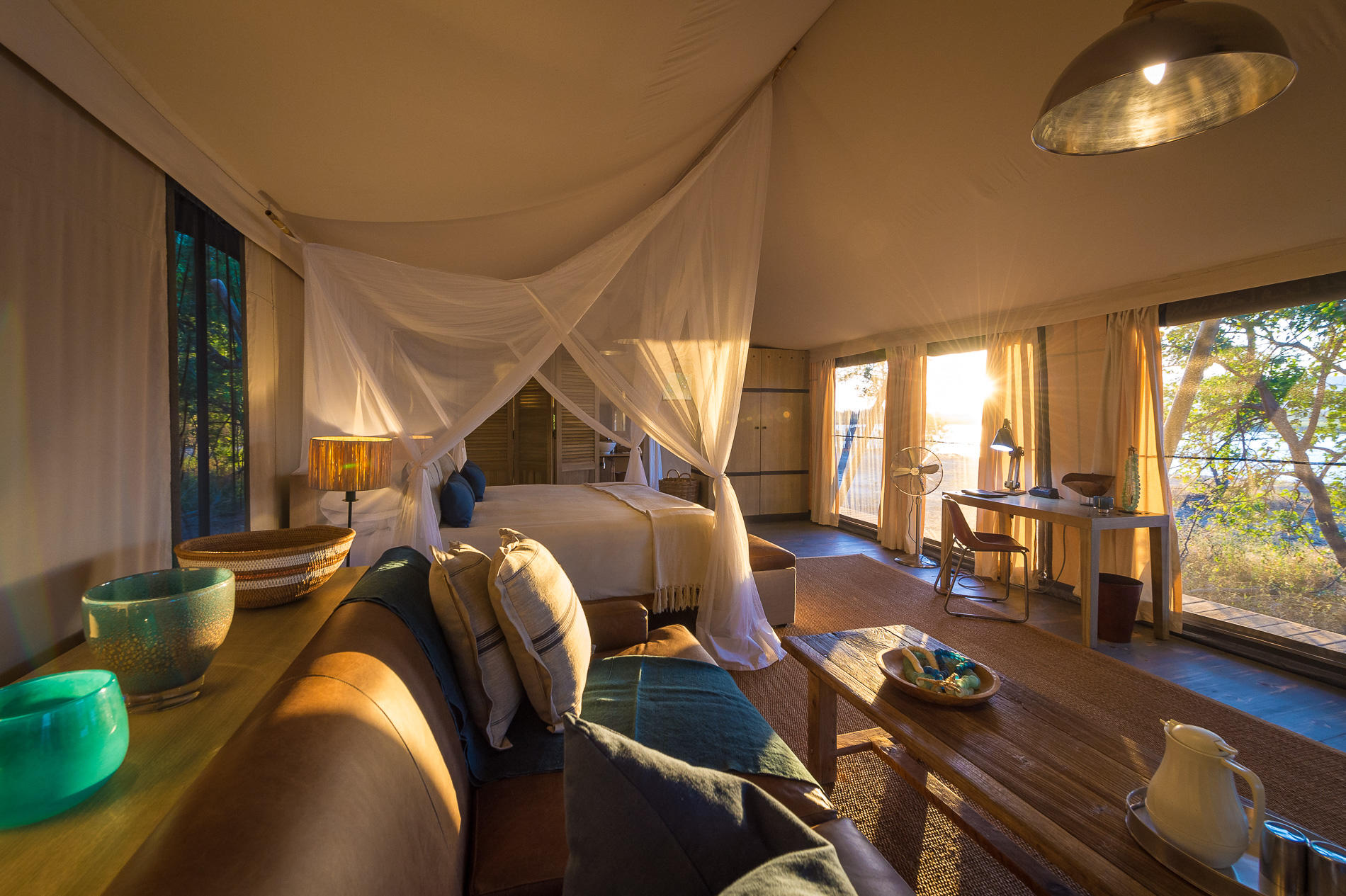
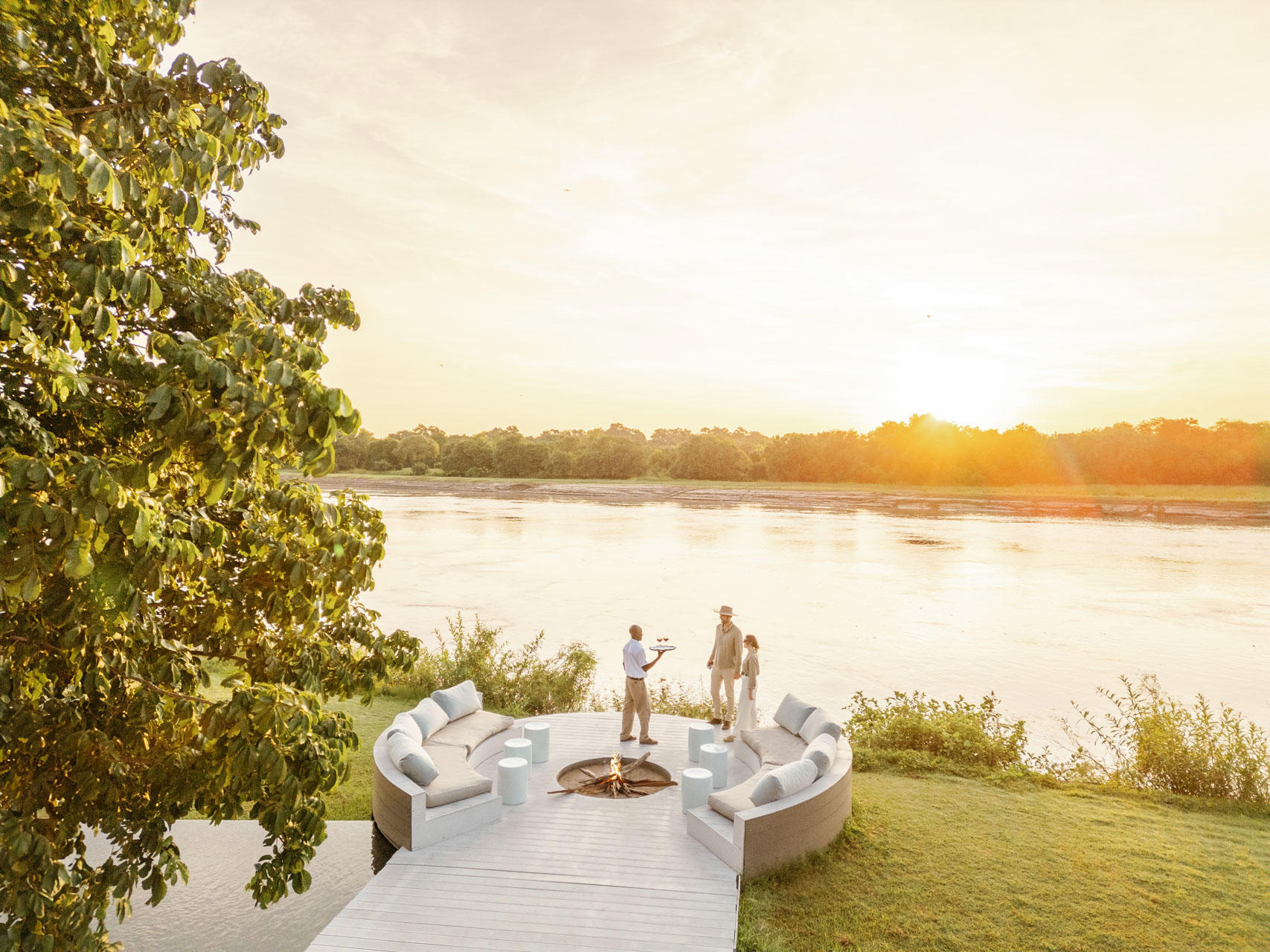
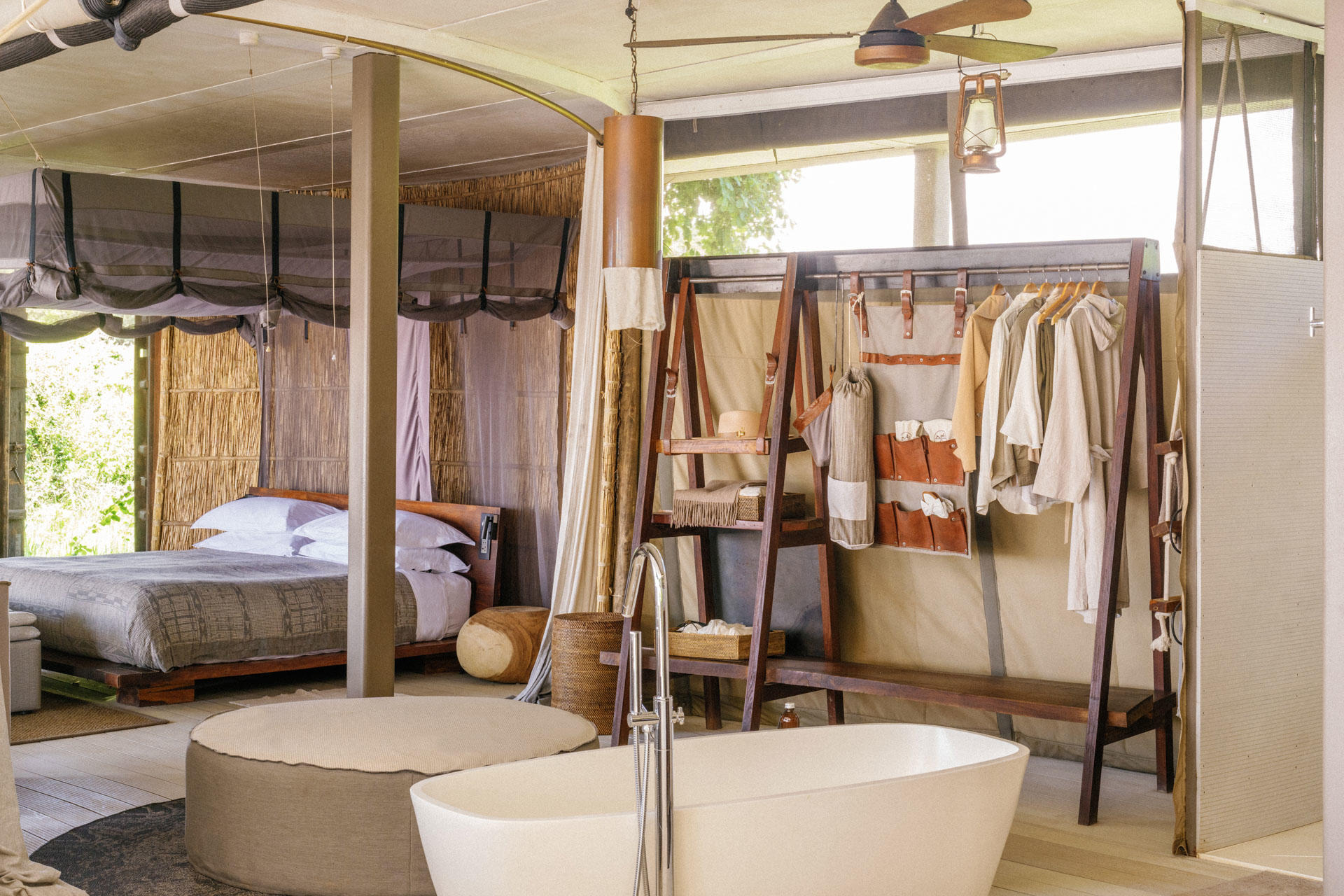
The camp that carries his name today is not a recreation. It is something more interesting: a continuation, built on the same stretch of river, that has taken everything Carr believed about this valley — that walking is more honest than driving, that wildlife deserves attention rather than spectacle, that the Luangwa rewards patience above all else — and rebuilt it for a different era, with rather better plumbing. Six tented suites rest beneath a canopy of ancient trees on the riverbank, each one designed with enough restraint that the view does most of the talking. There are private pools and soaking tubs angled toward the water, but the architecture seems almost apologetic about its own comfort, as though aware that the real luxury here was always going to be the bush itself.

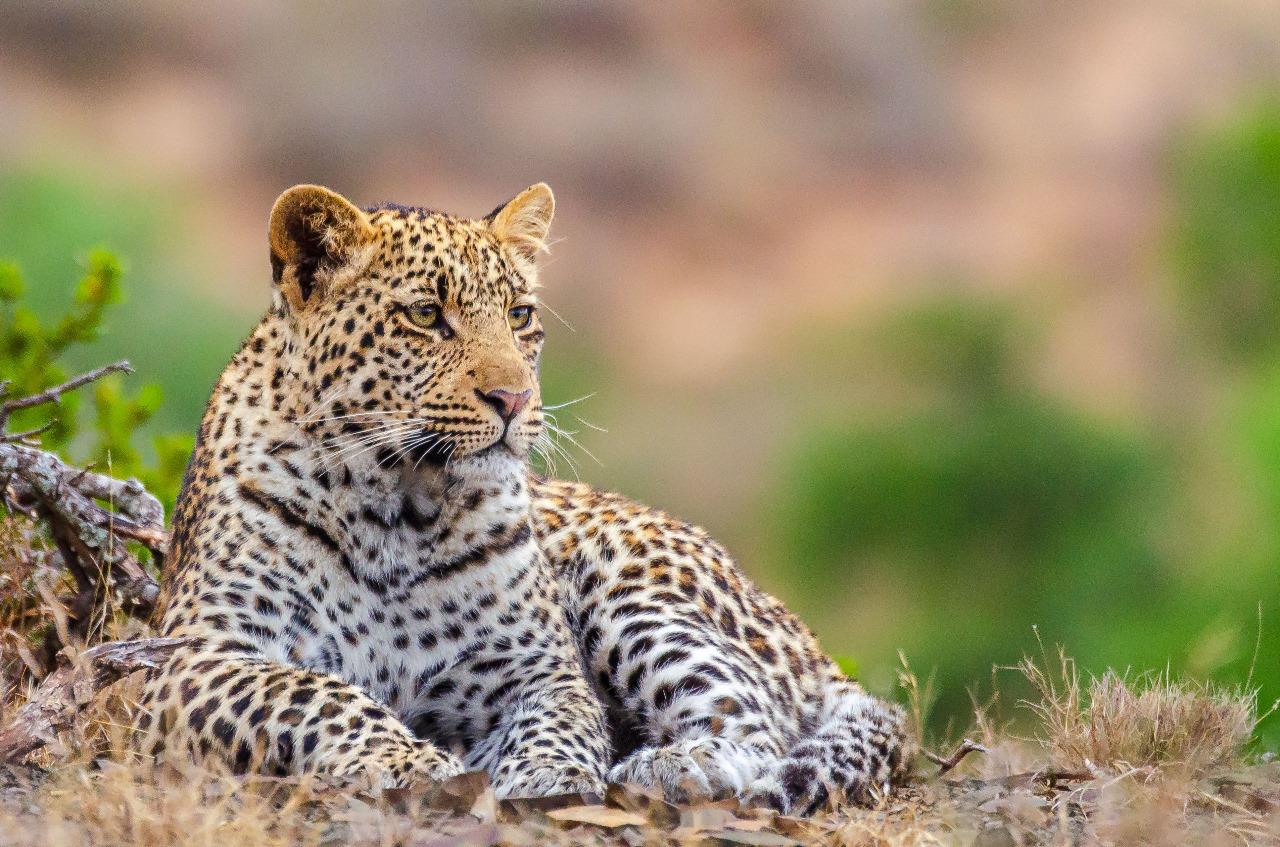
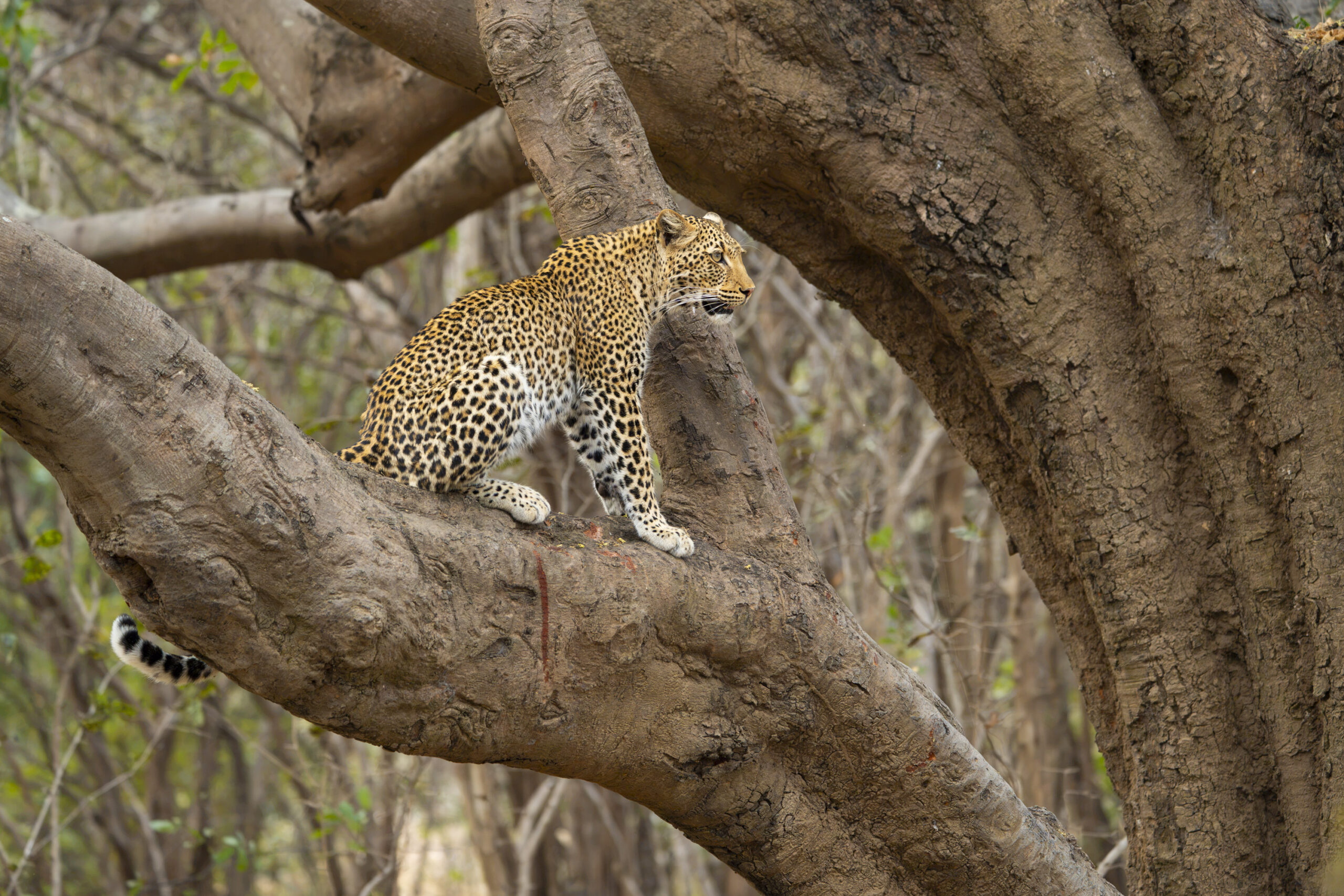
South Luangwa has long been called the Valley of the Leopard, and the reputation holds. The riverine thicket that lines the Luangwa is some of the most reliable leopard country left on the continent, and Chinzombo’s guides — many of them trained in a tradition that traces directly back to Carr’s original walking trails — read it with a fluency that turns a quiet afternoon into something extraordinary without anyone quite noticing the shift. Game drives cover the wider floodplain, thick with hippo and elephant and the kind of birdlife that makes ornithologists go quiet mid-sentence, while access by boat opens up stretches of river that the vehicles can never reach.

What lingers, though, isn’t really the leopards or the river or even the six beautifully unfussy tents. It’s the sense of being inside an idea that someone else had first, decades ago, in a much rougher version of this exact spot — and that the idea turned out to be right. Carr believed wildlife tourism could fund its own conservation, long before anyone had a name for that. He believed the Luangwa deserved to be walked, not just photographed through glass. Chinzombo, for all its polish, still operates on that same quiet conviction.

Some places improve with age. Fewer of them manage to keep their founder’s argument intact while doing it. Chinzombo, somehow, has done both — which may be the truest kind of tribute a landscape can pay to the person who first understood it.

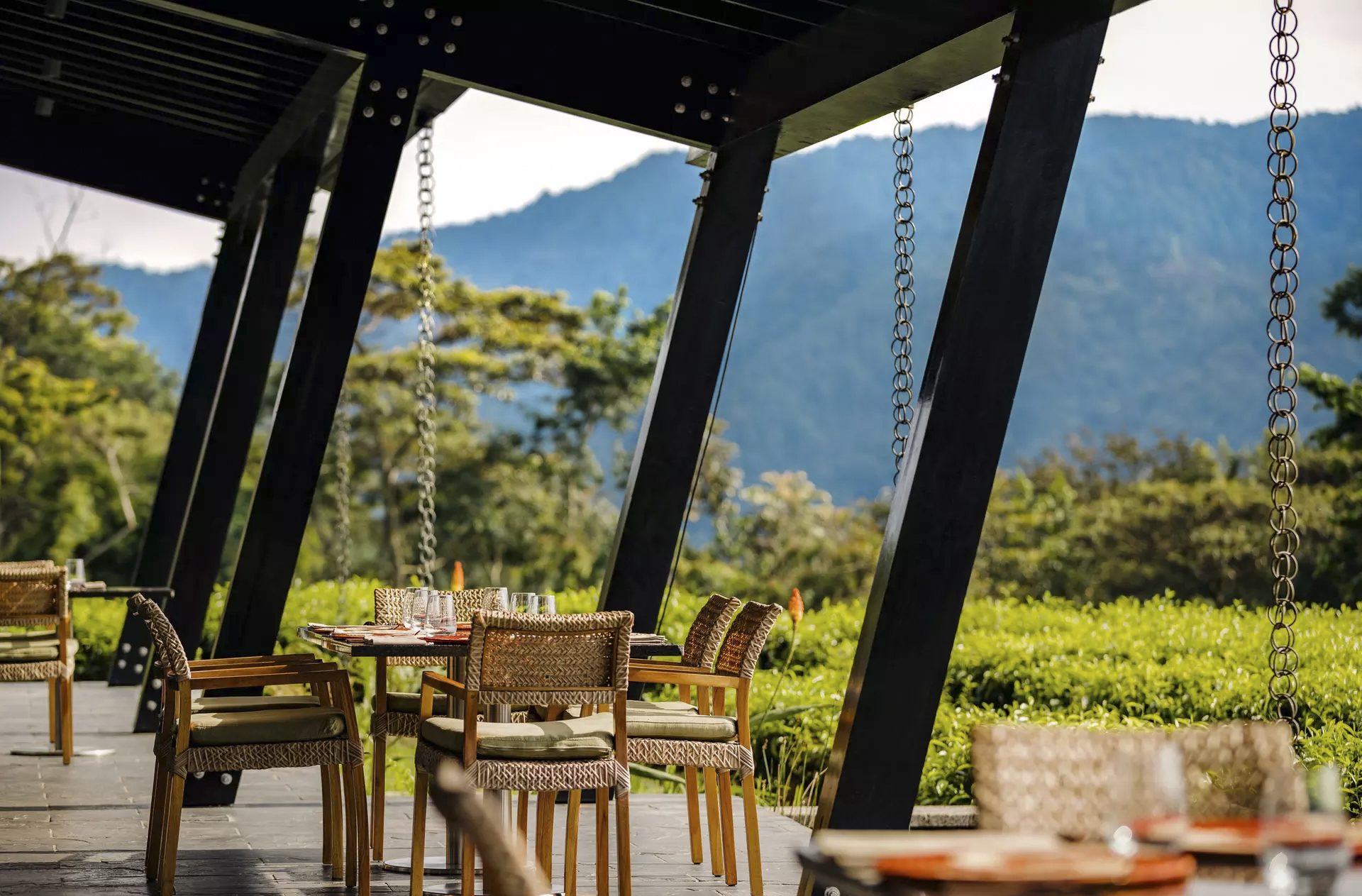
The Forest Before the Fields — One&Only Nyungwe House, Rwanda

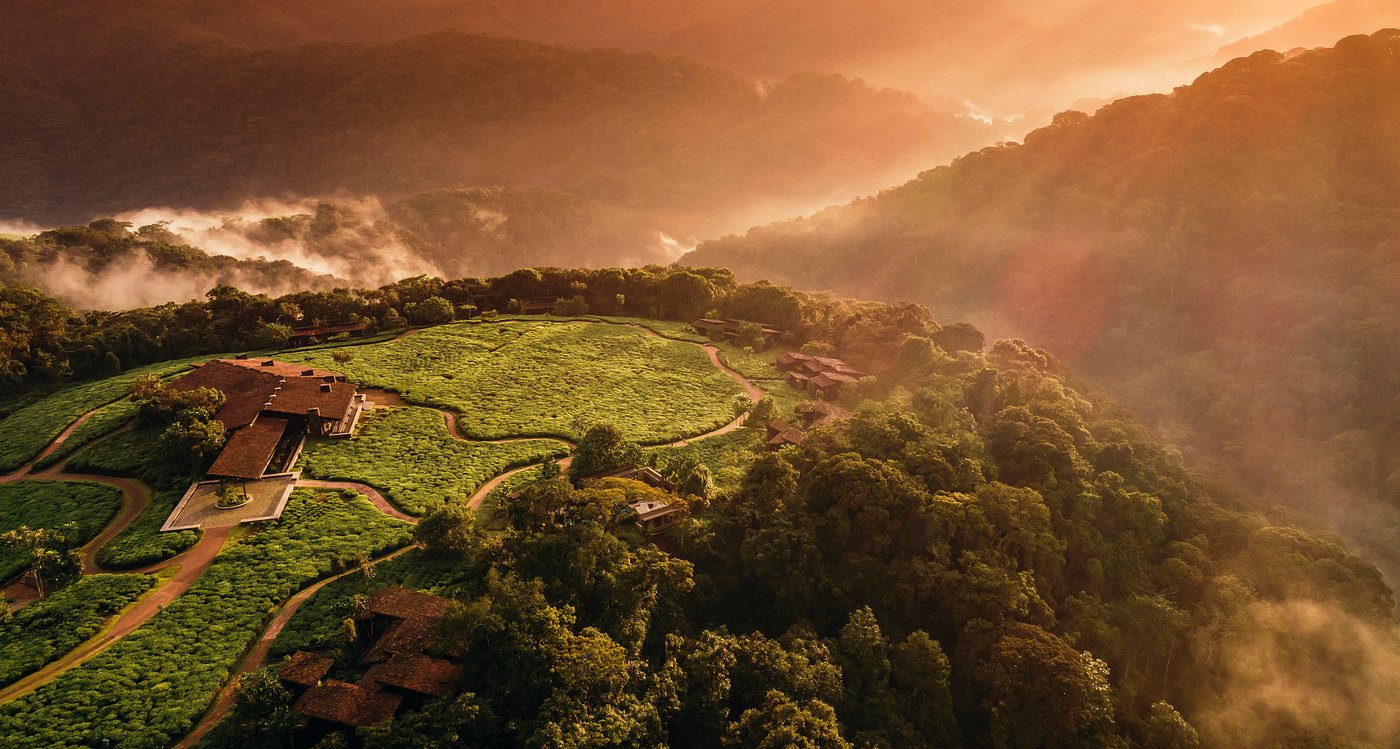
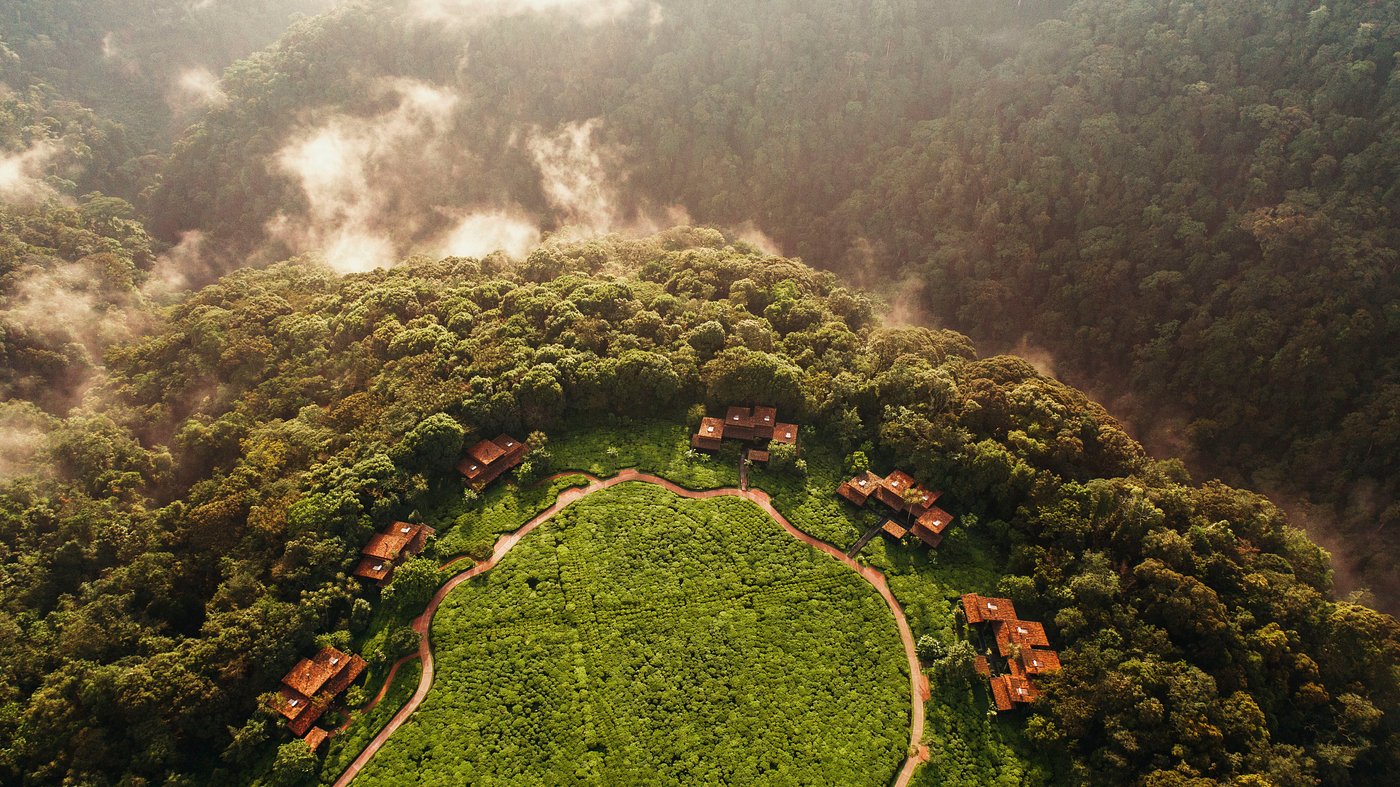
The drive into Nyungwe is a lesson in contrast long before the forest itself appears. The road climbs through Rwanda’s southwest in a wash of green — tea plantations laid out in neat, contoured rows, hills terraced with the kind of agricultural discipline that has earned this country its reputation as one of the tidiest on the continent. And then, with very little warning, the cultivated green gives way to something older and considerably less organised. A wall of rainforest rises out of the hillside, dense and tangled and entirely indifferent to the order around it, as though the tea fields had been quietly guarding something they were never quite allowed to touch.

What they have been guarding is one of the oldest rainforests in Africa — a montane ecosystem so ancient that some botanists believe it may have survived the last ice age largely intact, sheltering plant lineages that have vanished almost everywhere else on the continent. Nyungwe holds over a thousand plant species, eighty-five types of mammal, and thirteen species of primate, more than 300 species of bird, dozens found nowhere else on earth. It is, by most measures that matter, one of the most biologically significant forests left standing anywhere.

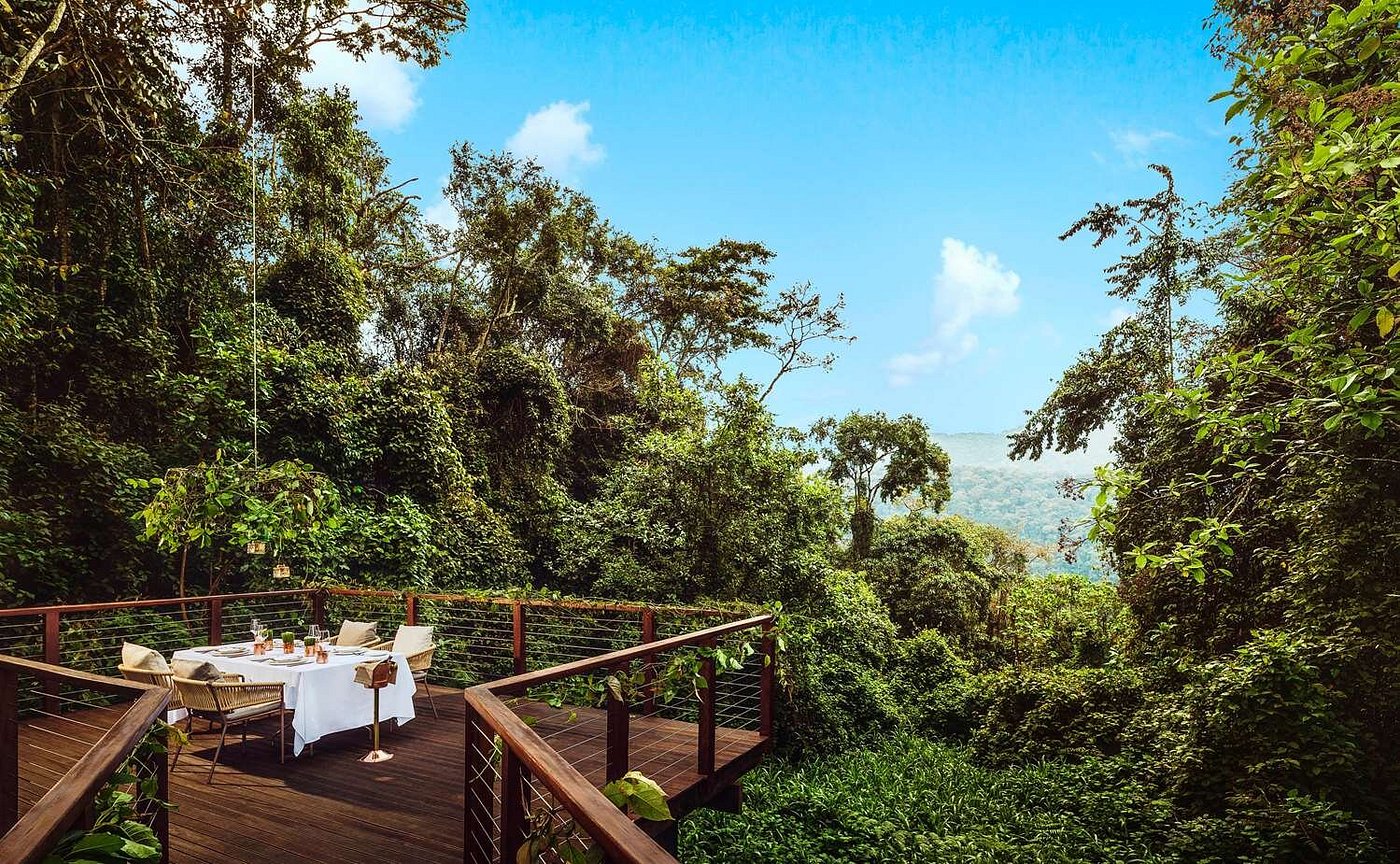
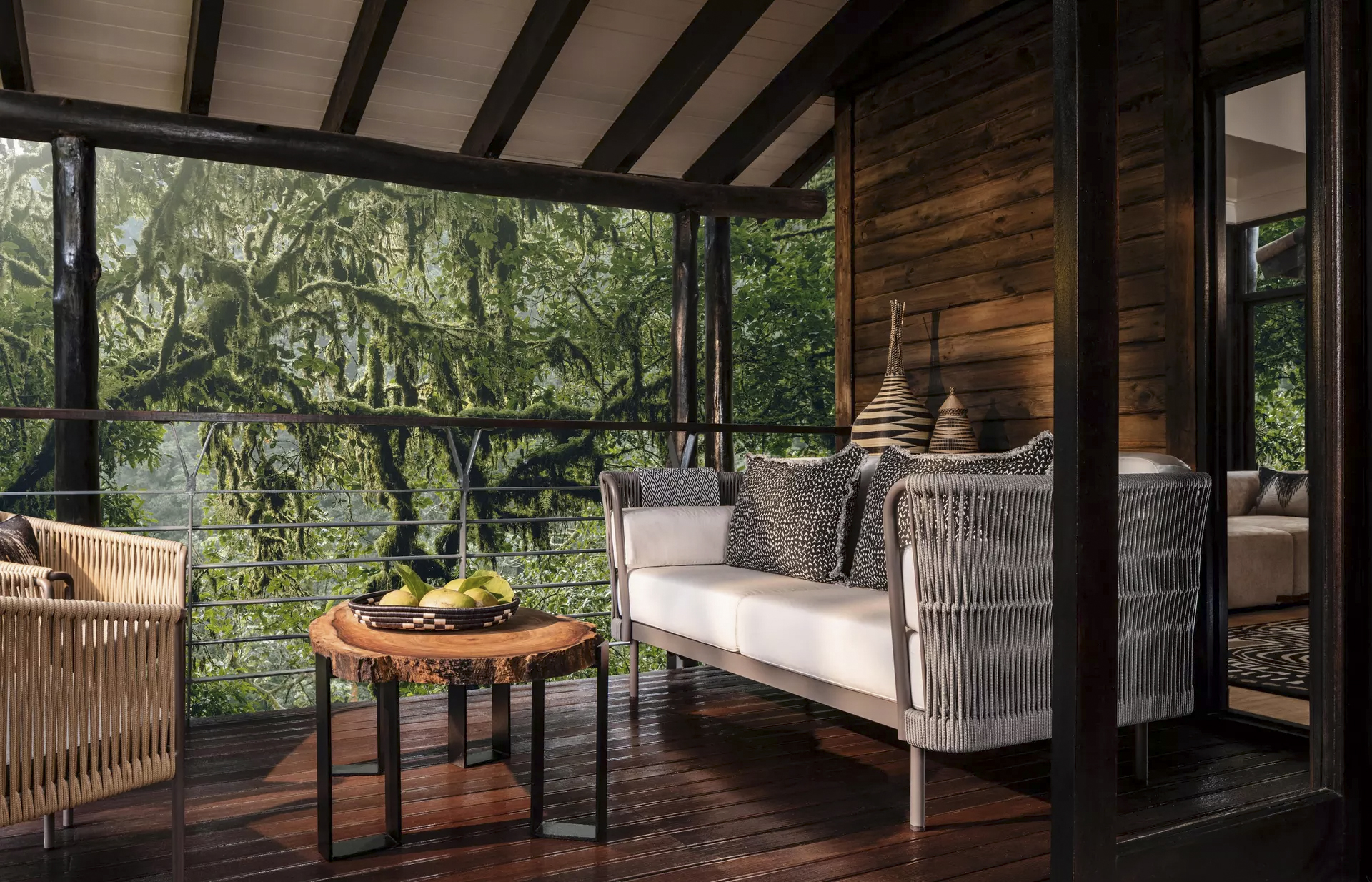
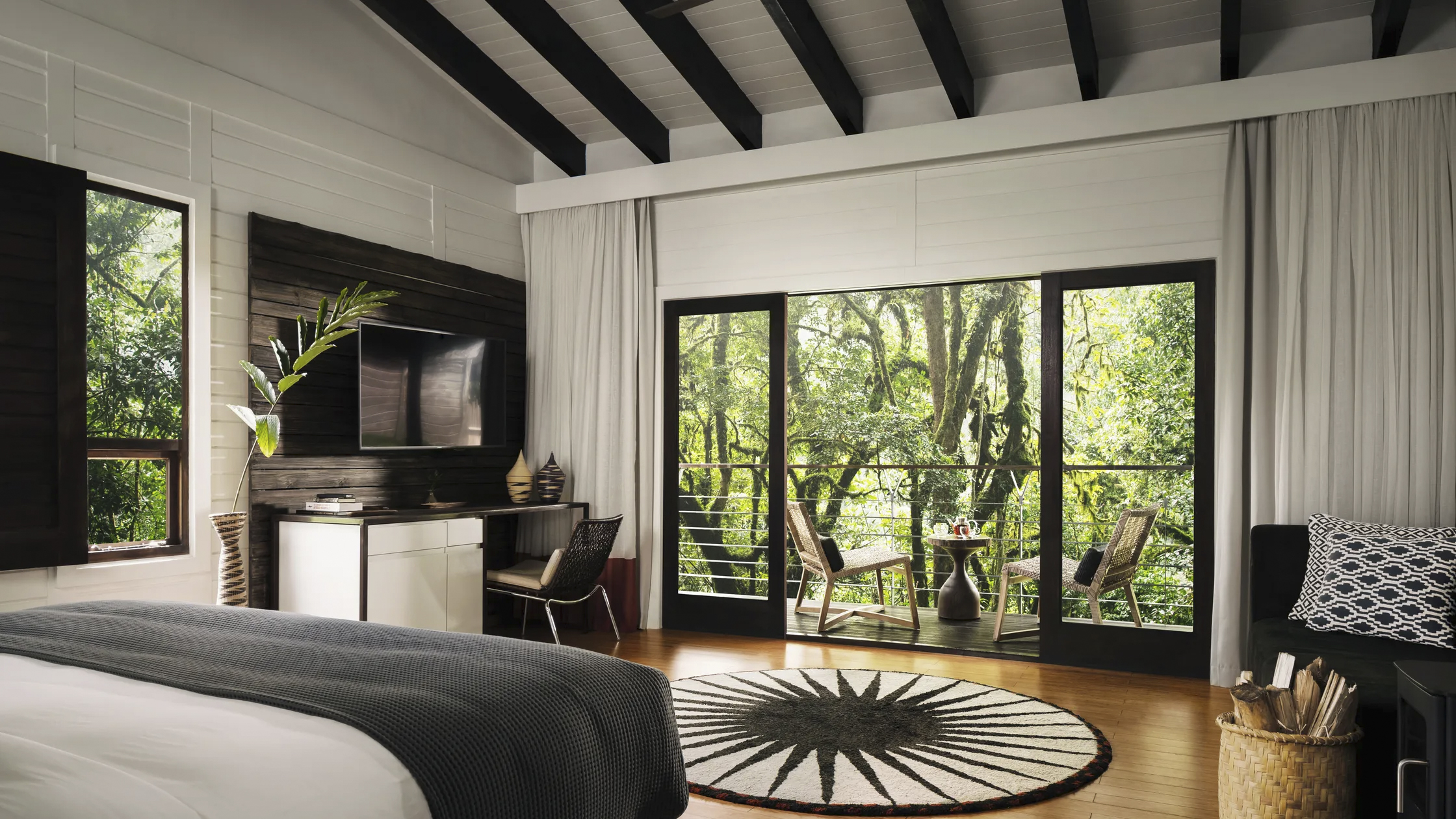
One&Only Nyungwe House sits at the forest’s edge among the very tea plantations that frame the approach, which turns out to be a rather elegant piece of design logic: guests wake up inside the cultivated landscape and walk out into the wild one. The villas are spacious and quietly luxurious in the way the brand tends to do well, but the real architecture worth discussing is the forest’s own — particularly the canopy walkway, suspended sixty metres above the ground between towering trees, the only structure of its kind in East Africa. Crossing it is disorienting in the best possible way: the forest floor disappears, the canopy becomes the world, and birds that spend their entire lives above the ground suddenly make a great deal more sense.

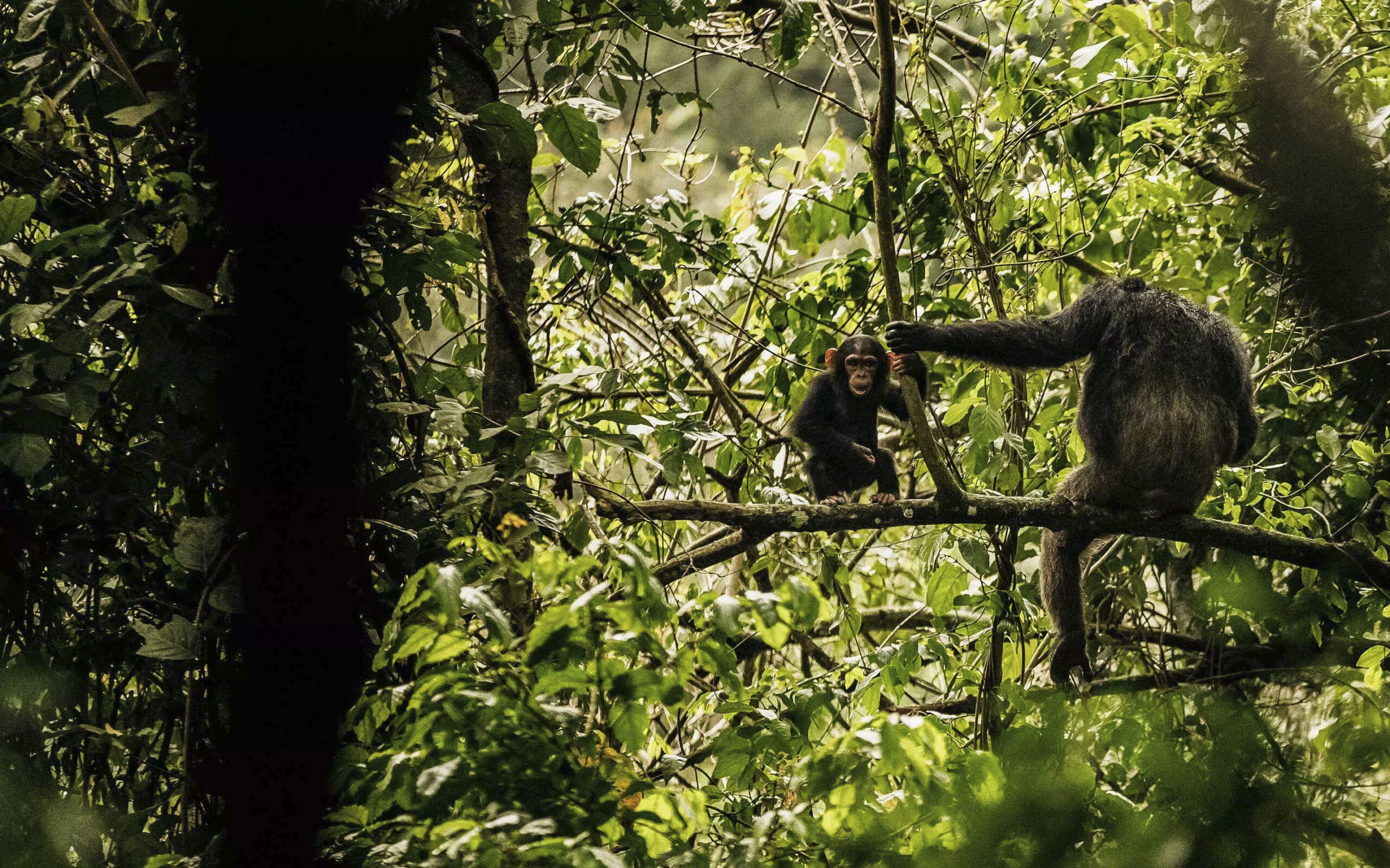
The chimpanzees are the other reason people come. Nyungwe is home to several hundred of them, tracked daily by expert guides through dense, often steep terrain that demands a kind of fitness most safari activities don’t require — and the reward, when a group is found, is an encounter considerably quieter and more contemplative than anything possible on the open plains. There is no vehicle to retreat to. Just the forest, the chimpanzees going about their business at a slight remove, and the particular vertigo of realising how closely we are related to creatures we’ve spent so little time actually watching.

By evening, back among the tea plantations with the forest a dark shape against the last light, it is tempting to think of Nyungwe as a destination defined by what surrounds it — Rwanda’s gorillas get the postcards, after all, and Nyungwe is often an afterthought even within its own country. But that gets the relationship backwards. The tea fields are the afterthought. The forest was here first, and it has simply allowed everything else to grow up around its edges, on borrowed time it never asked for and shows no particular sign of relinquishing.

Ol Donyo Lodge – Kilimanjaro’s Wild Shadow

There are places in Africa that feel like they were designed by accident — where some ancient geological tantrum threw up a landscape so unlikely, so otherworldly, that the brain takes a moment to catch up with the eyes. The Chyulu Hills are one such place. Born of volcanic activity relatively recently (in geological terms), their dark lava rock and improbably green slopes rise from the semi-arid plains of southern Kenya like something out of a half-remembered dream, and it was Hemingway himself who is said to have been so moved by them that he described them as the most beautiful hills in Africa. High praise from a man who spent a good deal of time on the continent.

Ol Donyo Lodge sits within this landscape as if it has always been there. Constructed from the same raw lava rock that surrounds it, thatched and open to the mountain breeze, it neither announces itself nor apologises for its presence. It simply belongs. The architects behind its design understood something that many lodges get wrong: that a building should earn its place in a wild space, not impose upon it. Here, the walls feel like an extension of the earth itself.

But what strikes most guests isn’t the architecture at all. It’s what lies beyond it. From almost any vantage point at Ol Donyo, the great white dome of Kilimanjaro floats on the southern horizon — half in cloud, half in sky — an apparition so perfect it seems almost staged. At dawn, when the light is still hesitant and the air carries the cool of the night just past, there are few more arresting sights on the continent.

What sets Ol Donyo apart from many of its contemporaries, however, is an emphasis on getting out. The vehicle is a starting point, not the destination. Guests are actively encouraged to ride on horseback across the open plains, to walk the volcanic ridgelines with an expert guide, to feel the red earth of Maasai country underfoot rather than simply passing over it behind glass. There is a fundamental philosophy at work here — that Africa is most deeply felt when experienced with all the senses, and that the best way to truly understand a landscape is to move through it slowly, on its own terms.

The 275,000-acre Mbirikani Group Ranch on which the lodge sits is Maasai land, and that matters. It means that when the lions roar at night, or a herd of elephants drifts past in the half-light of morning, the people who have called this land home for generations are the ones who benefit most from that encounter. The conservation work supported by every stay here — including the protection of some of the last wild-roaming black rhinos in Kenya — is not a brochure footnote. It is woven into the very fabric of the place.

Nights at Ol Donyo can be spent beneath open African skies on the rooftop star beds — an experience that has a quiet way of resetting one’s perspective completely. There is something about lying under a canopy of stars in a landscape this ancient and this alive that reminds you, without any fanfare whatsoever, of exactly where you stand in the order of things.

Which, it turns out, is a remarkably good place to be.

On The Rock – Lamai Serengeti, Tanzania

The Serengeti needs no introduction. Its name alone is enough to conjure something — a golden expanse of grass, a sky stacked with cloud, the distant rumble of a million wildebeest moving as if the plains themselves had come briefly alive. Most people know the Serengeti before they’ve ever seen it, and most people experience it from somewhere in its vast and well-travelled centre.

The northern reaches are different. Quieter in vehicle traffic, bolder in topography, and framed to the north by the Mara River — the final barrier in the wildebeest’s annual circuit, where crocodiles the size of dining tables wait with a patience that can only be described as geological. The Kogatende region up here feels, in some important way, less curated than the rest. More indifferent. More itself.

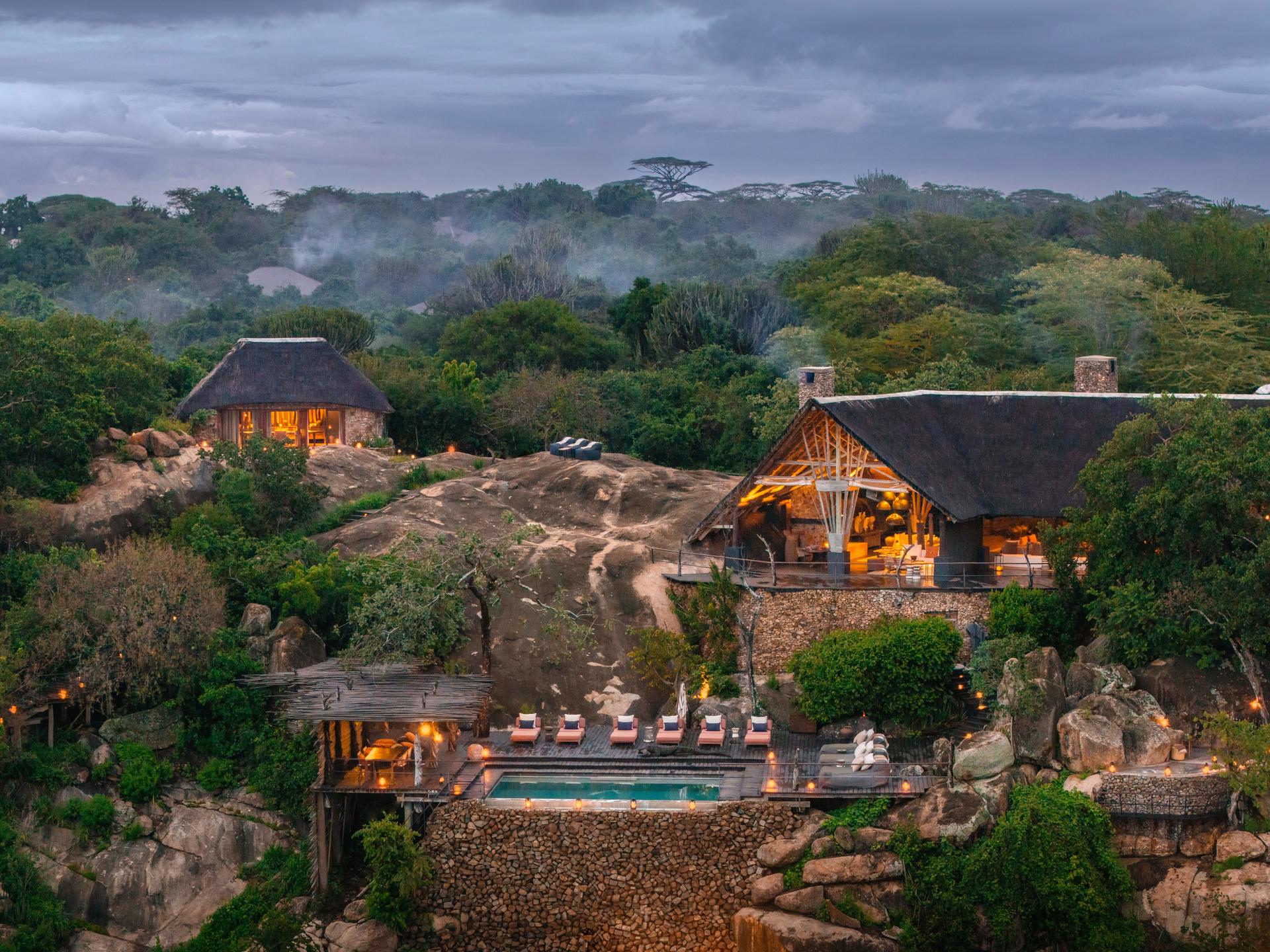
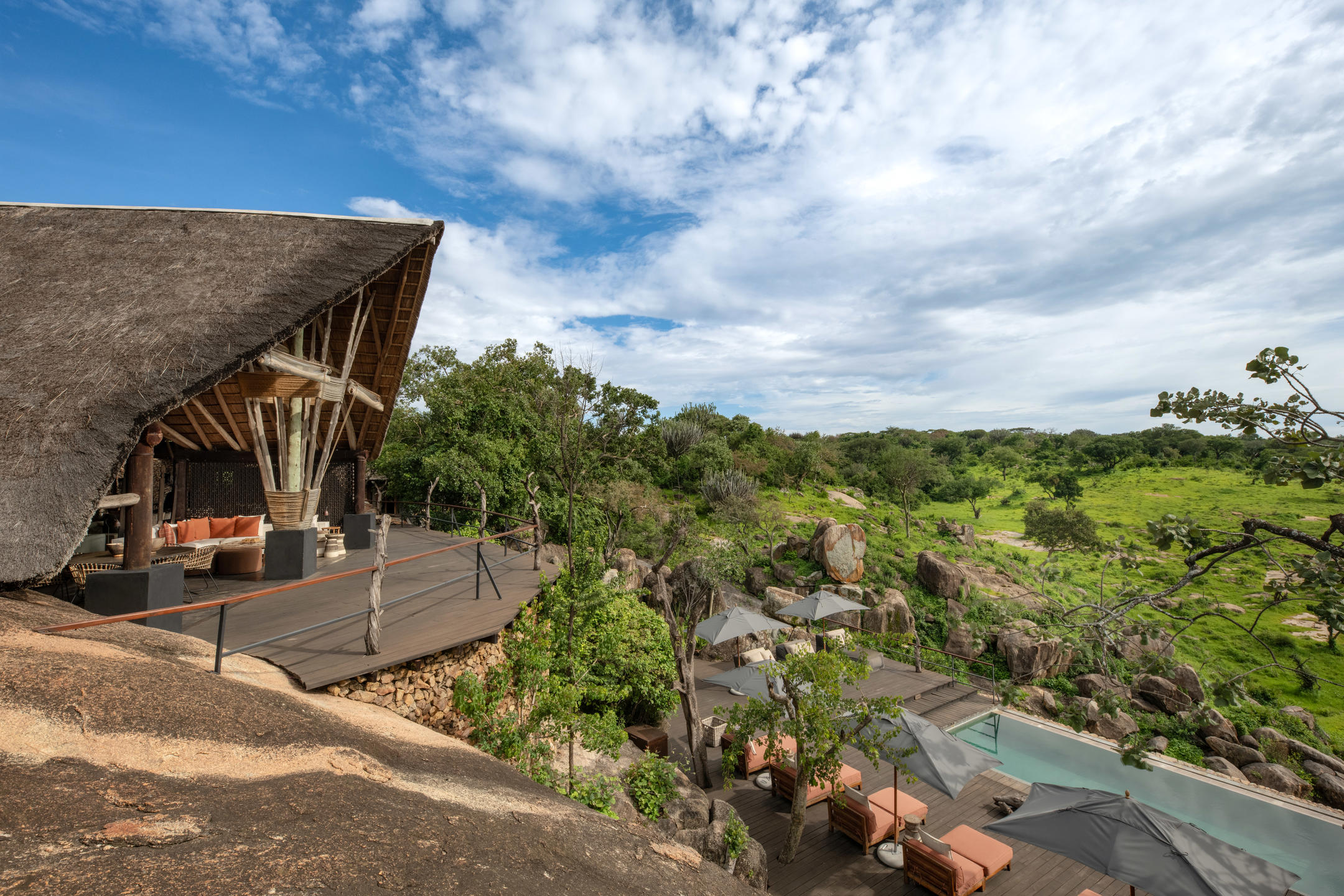
Lamai Serengeti sits on the Kogakuria Kopje — an ancient granite outcrop that rises from the surrounding plains and offers, from its highest points, a view of the Serengeti that the ground simply cannot provide. The camp was designed to inhabit the kopje rather than conquer it, with massive boulders becoming walls and room dividers, the rock itself doing half the architect’s work. Sitting on a veranda here, with the Mara River valley spread below you and the horizon running uninterrupted in every direction, the effect is that of an accidental observatory — one that has been in place, in one form or another, since long before anyone thought to build on it.

Walking is central to the Lamai experience, and the kopje is ideal terrain for it. Between July and October, when the short grass plains are open and the wildebeest are moving north, guests on foot can work within surprisingly close range of animals that would bolt at the sound of an engine. The kopje itself, threaded with paths that wind through ancient granite formations and patches of shade, reveals a miniature world of lizards and birds and plant life that a vehicle would crush without noticing. Down on the plains below, the scale shifts entirely.


Those same months bring the Migration river crossings, twenty minutes from camp — one of the more extraordinary things that nature produces on a regular schedule. Tens of thousands of wildebeest gathering at the bank, surging forward in a wave of collective decision-making that seems both impossible and inevitable at once, the crocodiles below cutting through the chaos with a terrible efficiency. It is the kind of spectacle that stays with people for the rest of their lives, and Lamai’s position on the Kogakuria Kopje places guests closer to it than almost anywhere else in the Serengeti.


The furniture is locally made, the food sourced from within the country, the guiding among the finest in East Africa. These things matter. But what Lamai really offers is simpler than any of it: a rock, a view, and a landscape old enough to make even the Great Migration — that ancient, ceaseless turning of the wheel — feel like something happening right on schedule.


Why Safari Photographers Build Their Day Around Light

Spend enough time on safari, and a pattern begins to emerge. The early mornings feel sharper, the late afternoons seem to stretch, and the middle of the day, while still beautiful, lacks a certain depth that is difficult to define.

The difference is light.

Golden hour, that brief window just after sunrise and before sunset, is when the landscape changes most completely. It is not simply softer light, but more directional light. It creates contrast, reveals texture, and gives shape to scenes that might otherwise feel flat.

In Africa, this transformation is particularly pronounced. Dust suspended in the air catches the light and holds it, creating a warm glow that softens edges and adds atmosphere. Grass reflects gold instead of white. Water becomes a mirror, carrying colour and movement rather than glare. Even familiar scenes begin to feel layered and dimensional.

Wildlife responds to this shift as well. Predators move more actively in cooler temperatures, using lower light to their advantage. Herbivores feed and travel, taking advantage of reduced exposure. Birds fill the air, adding motion and sound to a landscape that can feel still during harsher hours.

For photographers, this creates both opportunity and responsibility. Golden hour is not a time to react, but a time to anticipate. You begin to think about where the light will fall, how a subject will move through it, and what the background will contribute to the image. Positioning becomes critical. A small adjustment can change everything.

And then, just as quickly, it disappears. The sun rises higher or drops below the horizon, shadows shorten, and the landscape returns to something more neutral. Still beautiful, still compelling, but without the same depth or intensity.

This is why safari days are built around light. Early mornings are not about discipline. They are about access. Late afternoons are not just for sundowners. They are about holding onto the last usable light before it fades completely.

Because when light, subject, and timing align, the result is more than a photograph. It is a moment that carries atmosphere, emotion, and memory all at once.

It is also about patience, about waiting longer than feels necessary for something that may never happen. It is about trusting the process of light and behaviour to eventually meet. Sometimes they do, and sometimes they do not. But when they do, the image holds something far greater than the moment itself. It holds the feeling of being present in a place that is constantly shifting and entirely alive.