
There is a particular tree along the Zambezi’s floodplain — the apple-ring acacia, known locally as the albida — that drops its seed pods in the dry season at precisely the moment the rest of the bush has nothing left to offer. Elephants have understood this for longer than anyone has been keeping records, and they organise entire days around it. Ruckomechi Camp, tucked into a private concession on the western edge of Zimbabwe’s Mana Pools National Park, happens to have been built beneath a particularly fine grove of them. Which means, in practice, that the elephants come to camp. Not occasionally, and not as a curiosity laid on for the cameras. As a matter of routine, the way one might call in at a regular café.
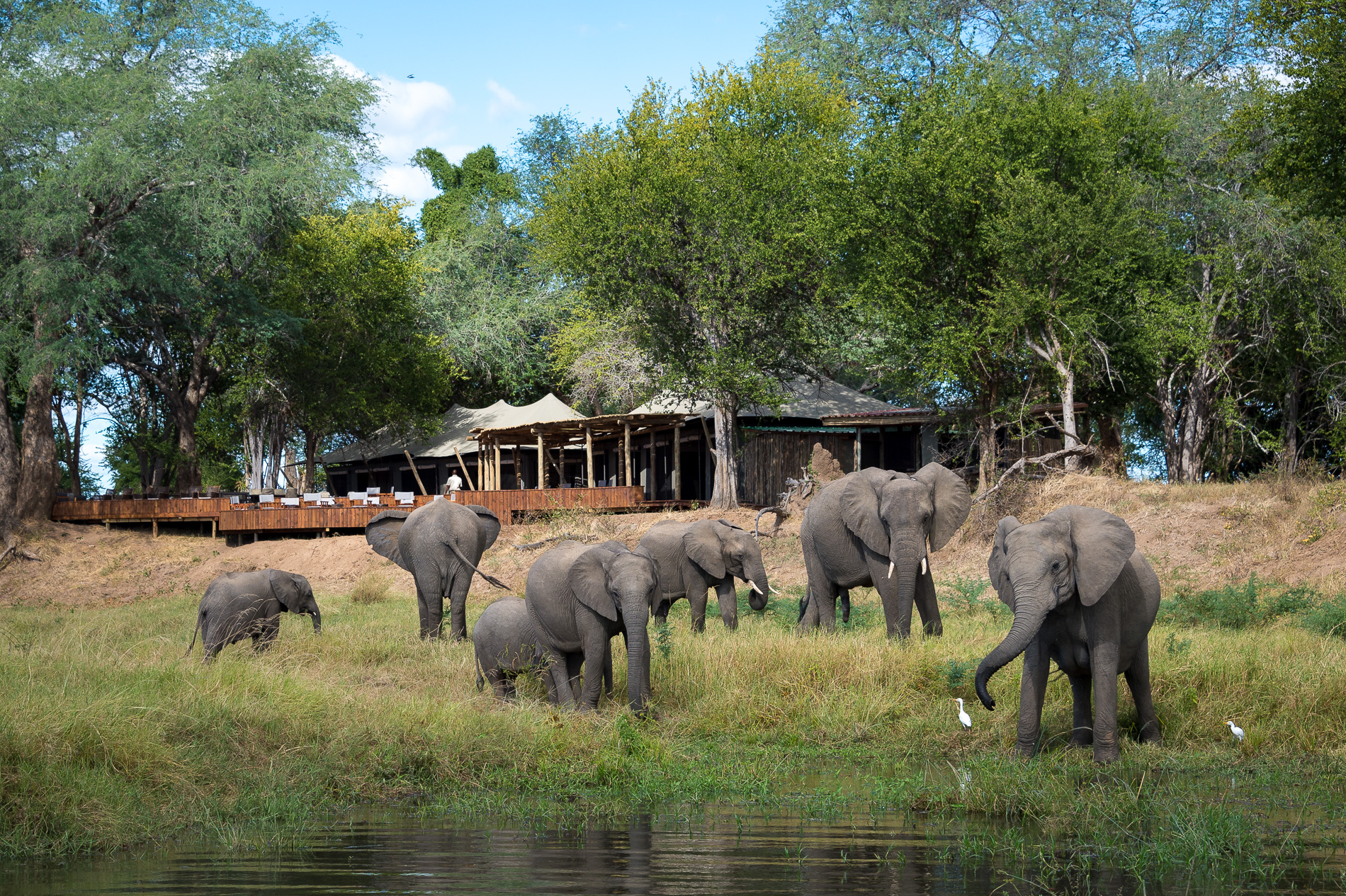
It takes most guests a day or two to stop being startled by this. A bull will wander between the tents at midday, entirely unbothered, working through a low branch with the unhurried focus of someone who has done this ten thousand times before. The camp’s answer is not to intervene but to make room — chairs angled politely out of the way, conversations paused mid-sentence, nobody especially alarmed. Mana Pools is one of the very few places in Africa where this kind of proximity is considered not reckless but simply how the wildlife works here, on its own terms, with people permitted to watch from close enough to feel the air move.
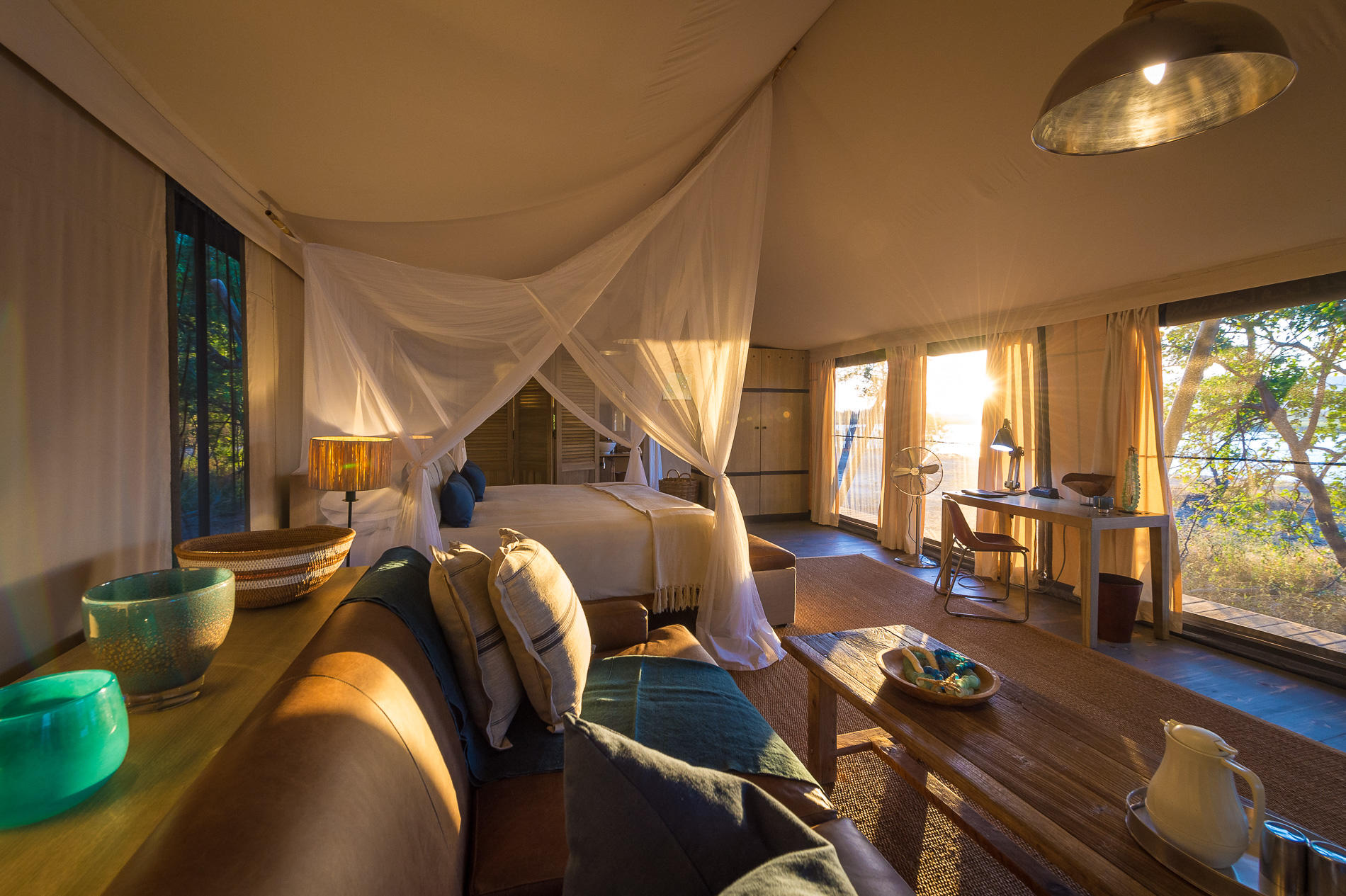
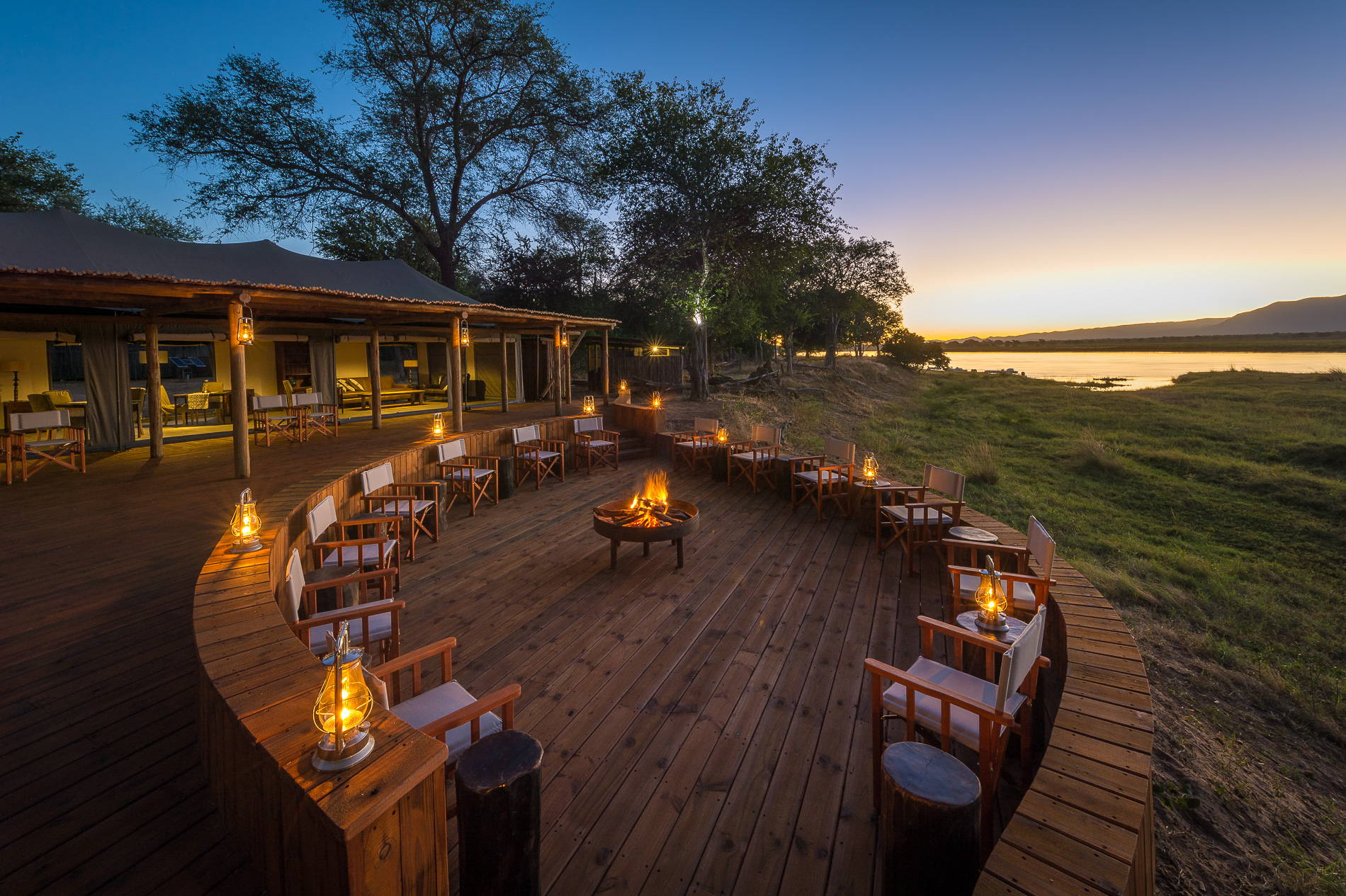
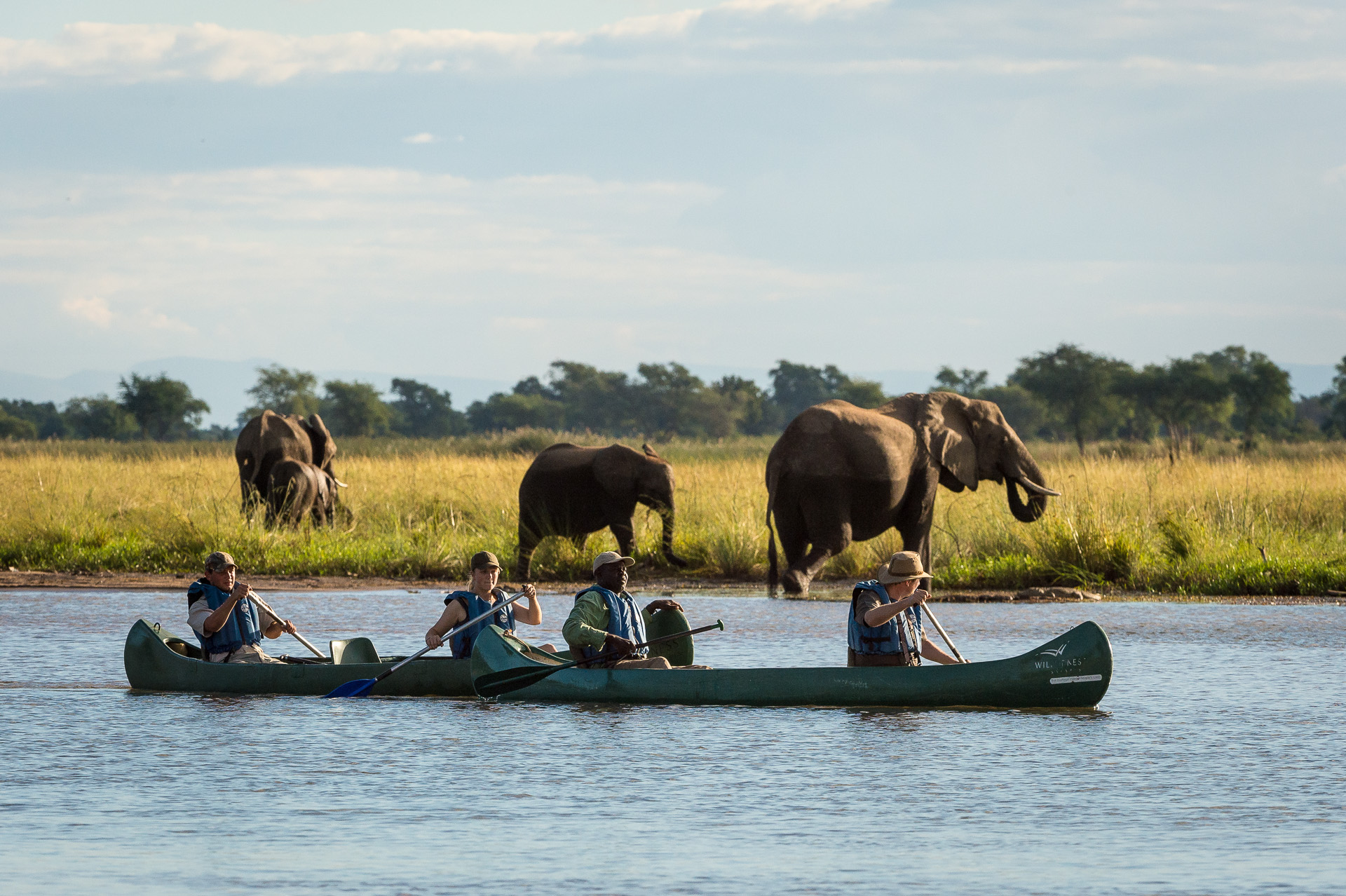
The wider floodplain is where Ruckomechi properly reveals itself. Wide, flat, threaded with the kind of ana forest that gives Mana Pools its particular green-gold light, it draws an unusual concentration of predators through the dry season — lion, leopard, and increasingly, African wild dog, which have found a stronghold here that has become one of the most reliable in the region. Walking safaris move through this landscape at the pace it deserves, led by guides trained to read a floodplain the way a sailor reads weather, while canoe safaris drift down a stretch of the Zambezi so still in places that the only ripples are the ones you’ve made yourself.
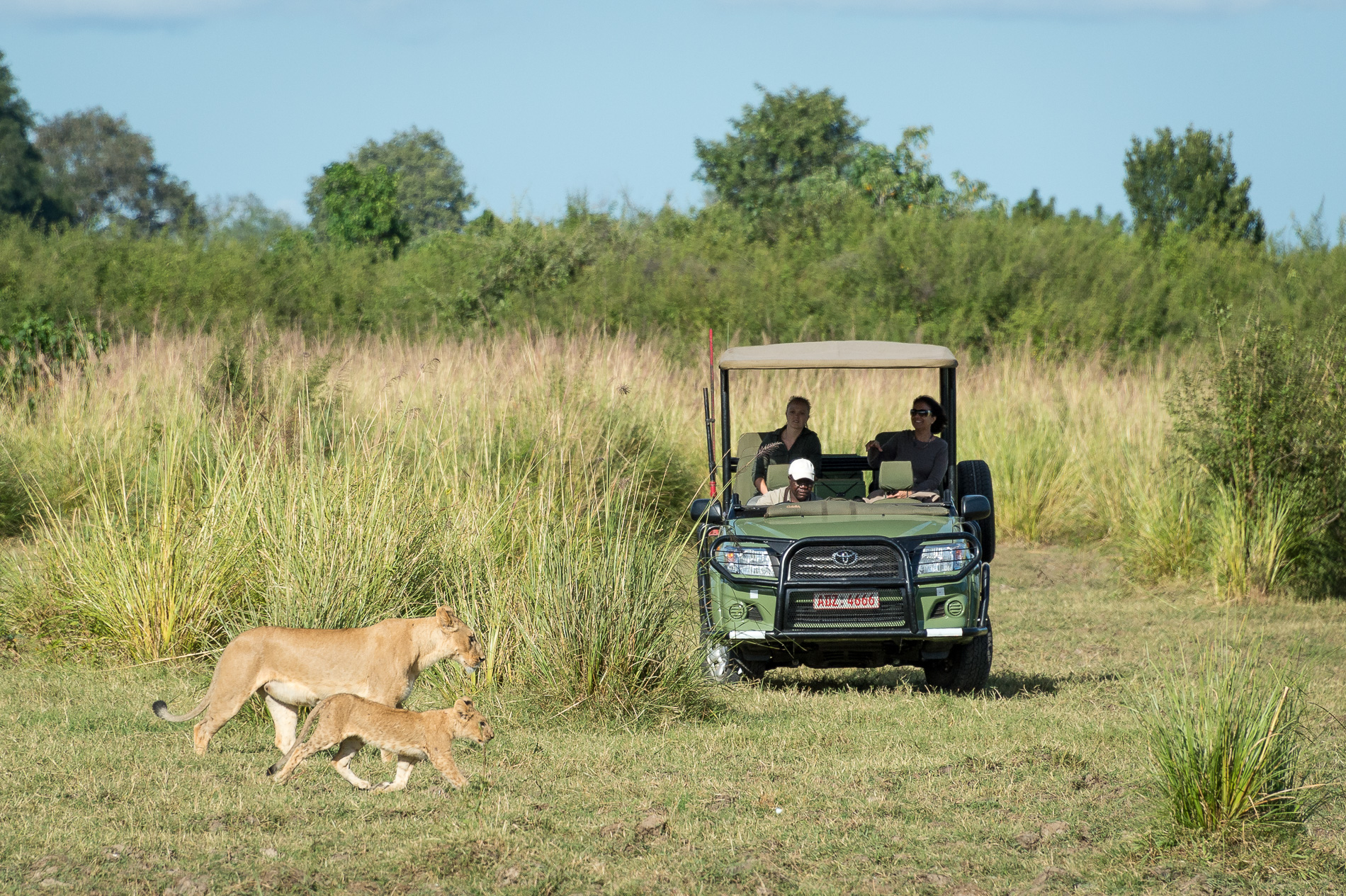
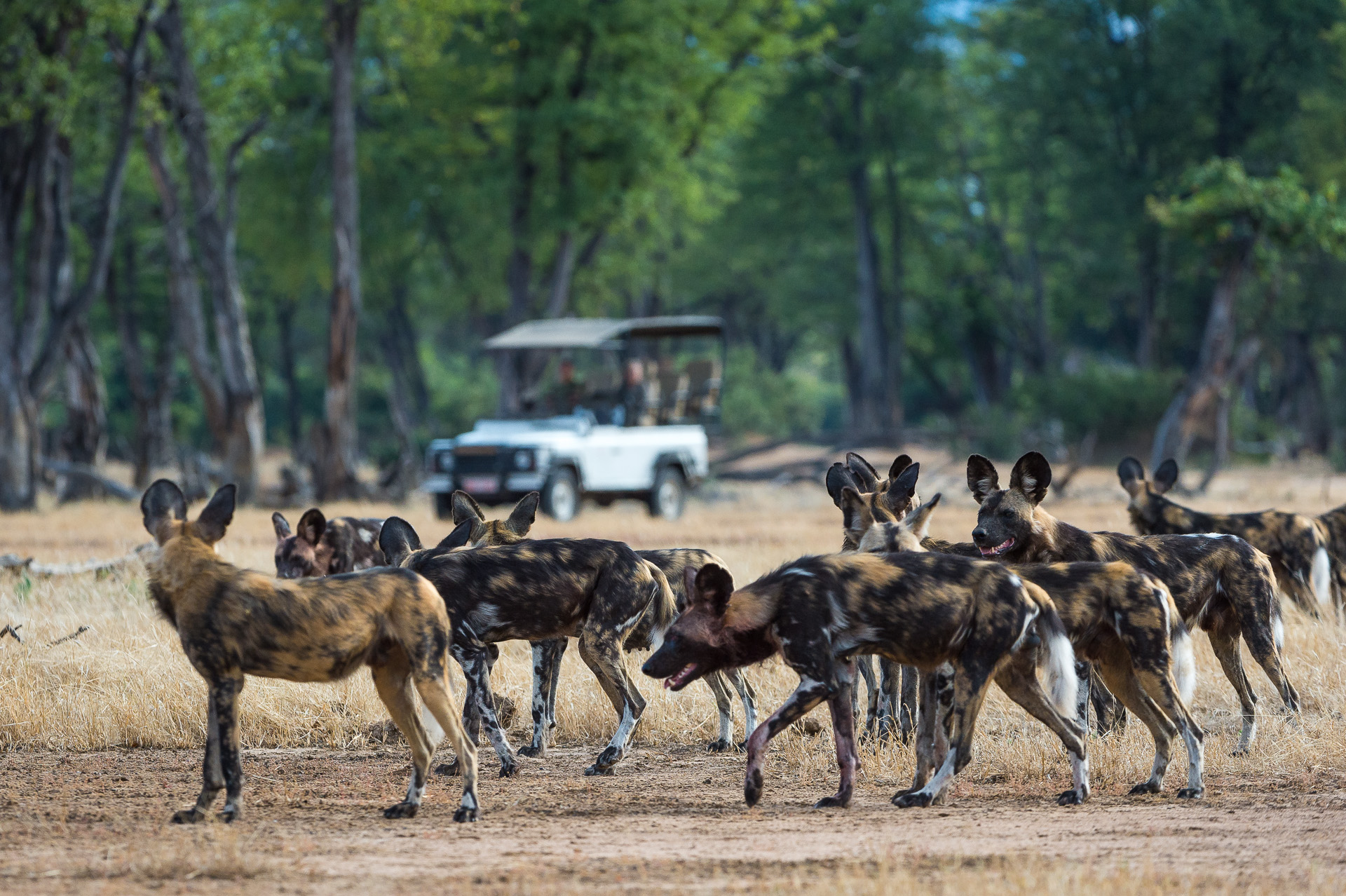
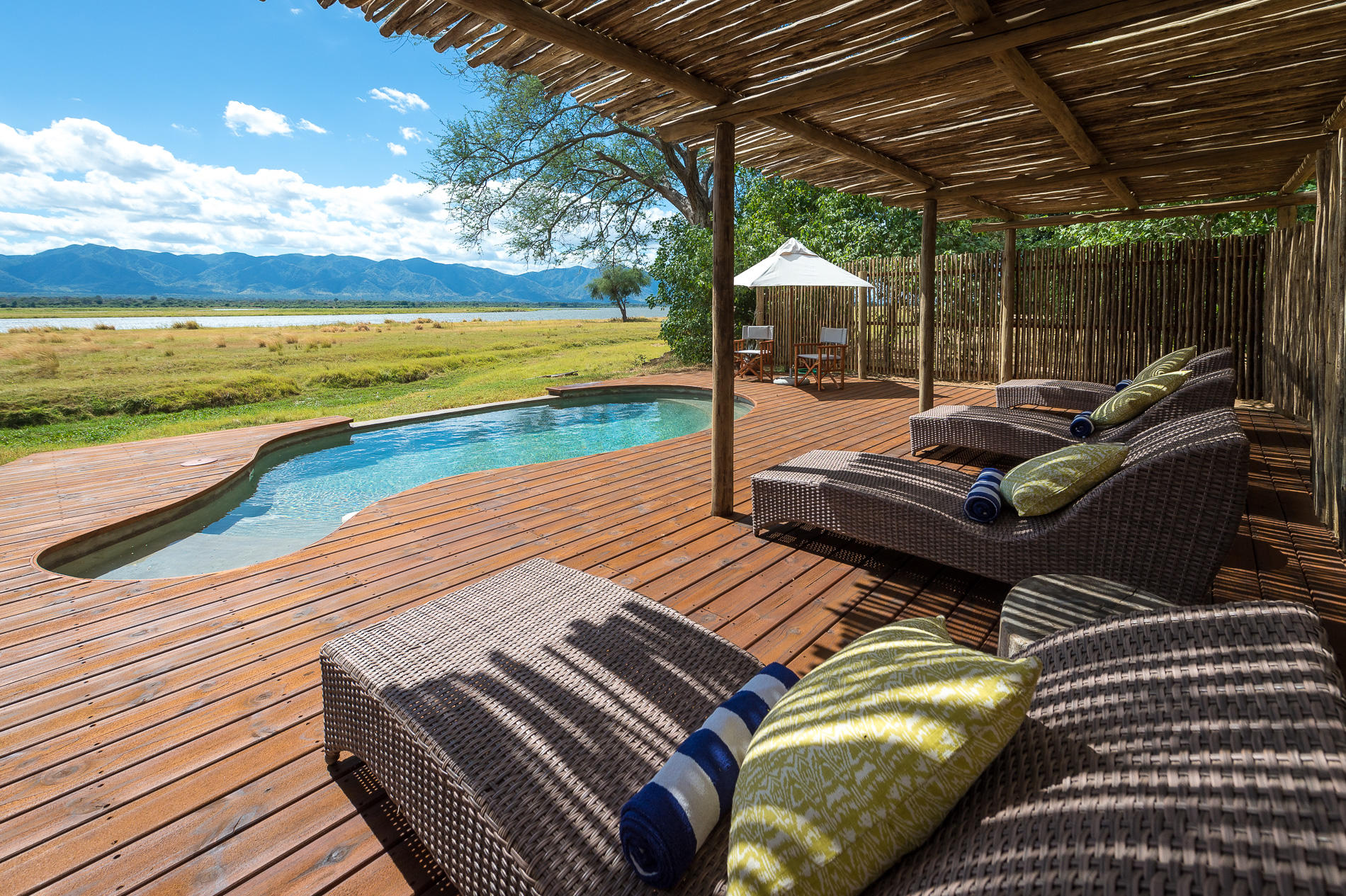
What separates Mana Pools from the rest of the Zambezi valley is its UNESCO World Heritage status, granted not for grandeur but for the specific, irreplaceable ecology of this floodplain system — and Ruckomechi’s private concession plays an active part in protecting it, funding the anti-poaching patrols and research that keep the wild dog population recovering rather than retreating. None of this is advertised loudly. It simply happens, the way the elephants simply arrive, as part of an arrangement that long predates the camp and will presumably outlast it.
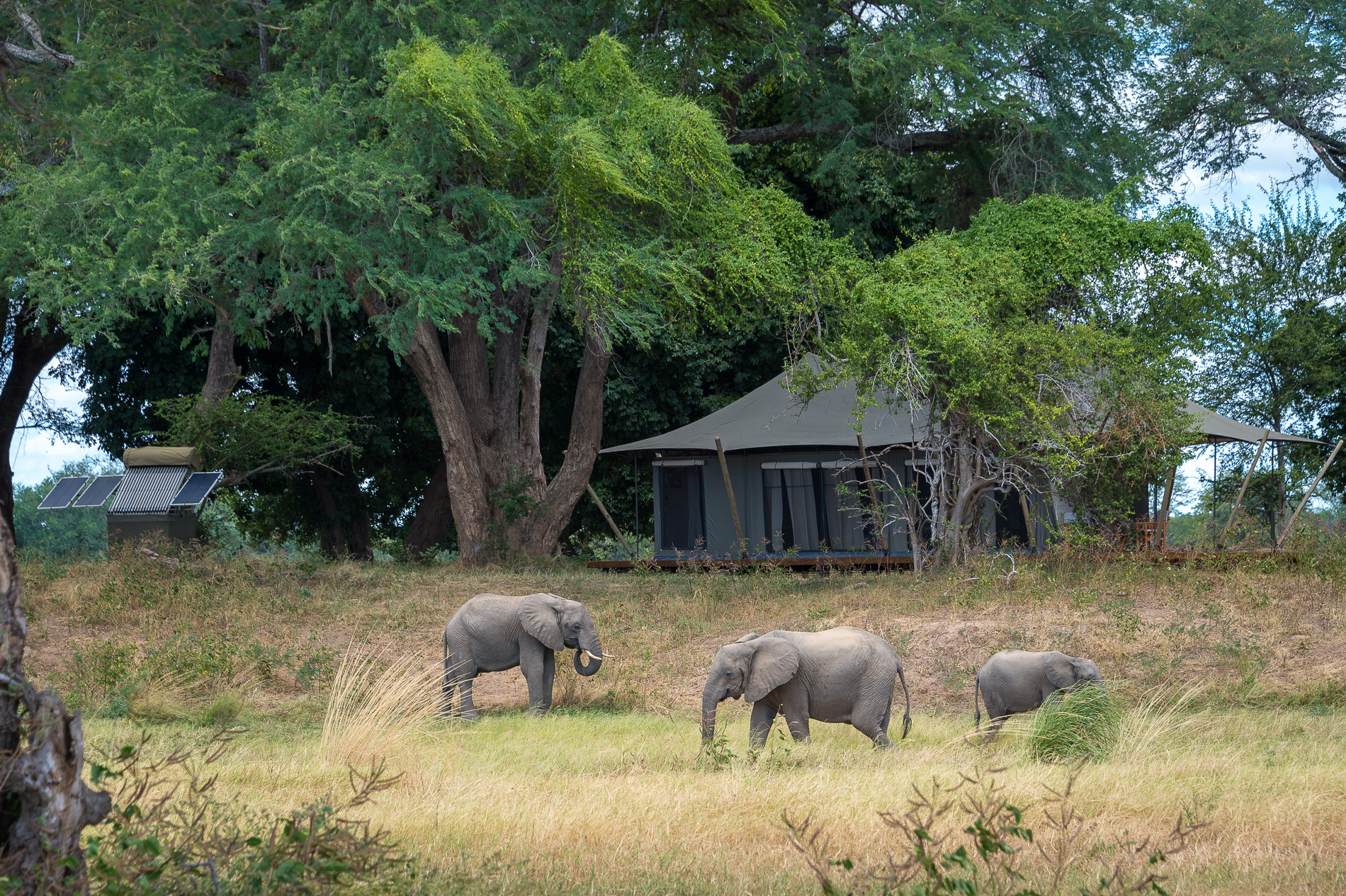
In the late afternoon, with the heat finally loosening its grip and the floodplain turning the colour of weak tea, it becomes easy to forget that any of this required explaining. The elephants are not performing for anyone. They were here first, and they have simply allowed the camp to stay.