Saseka Tented Camp: Where Light Learns to Behave

Some lodges borrow from the bush. Saseka seems to collaborate with it.

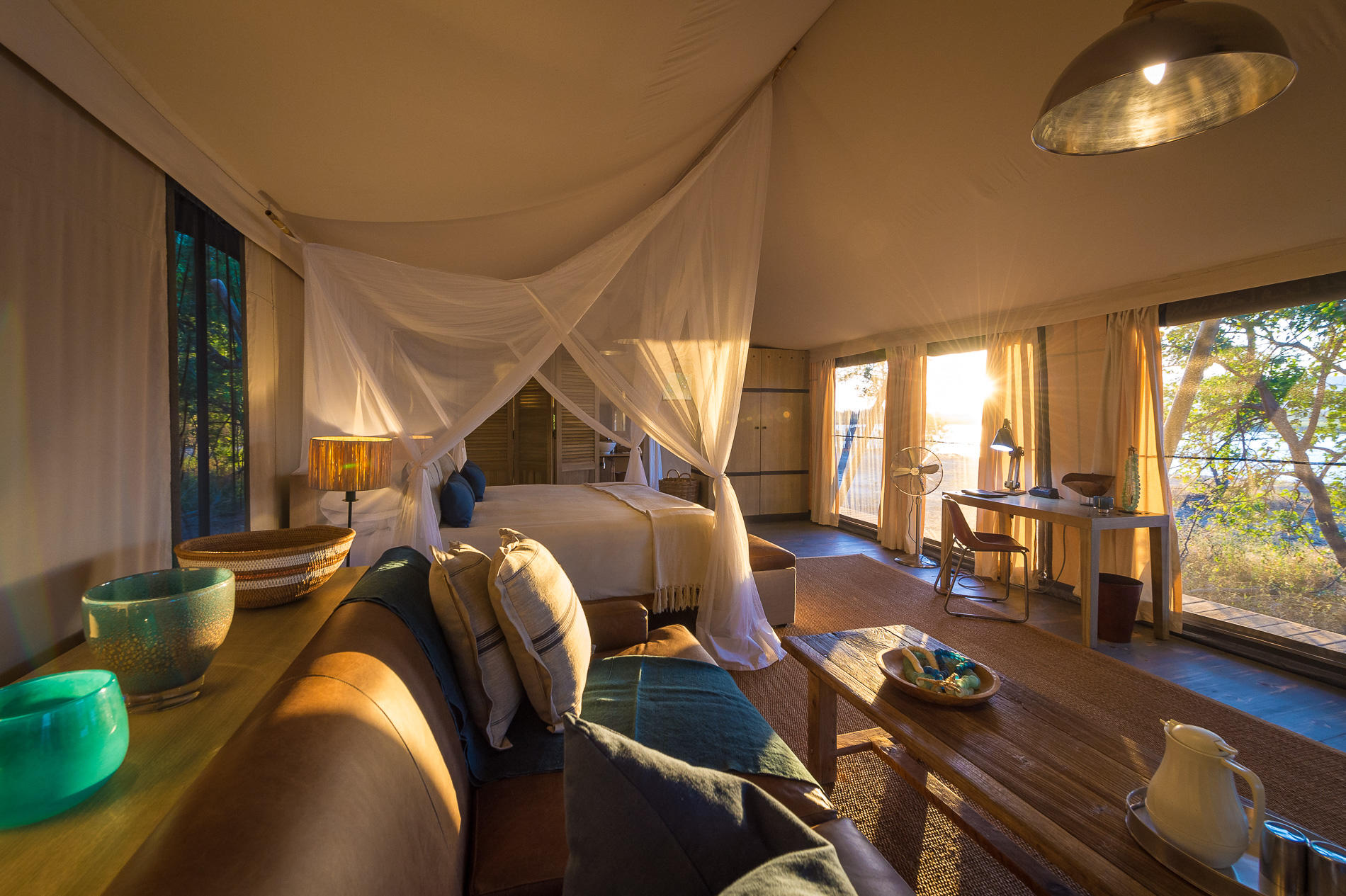
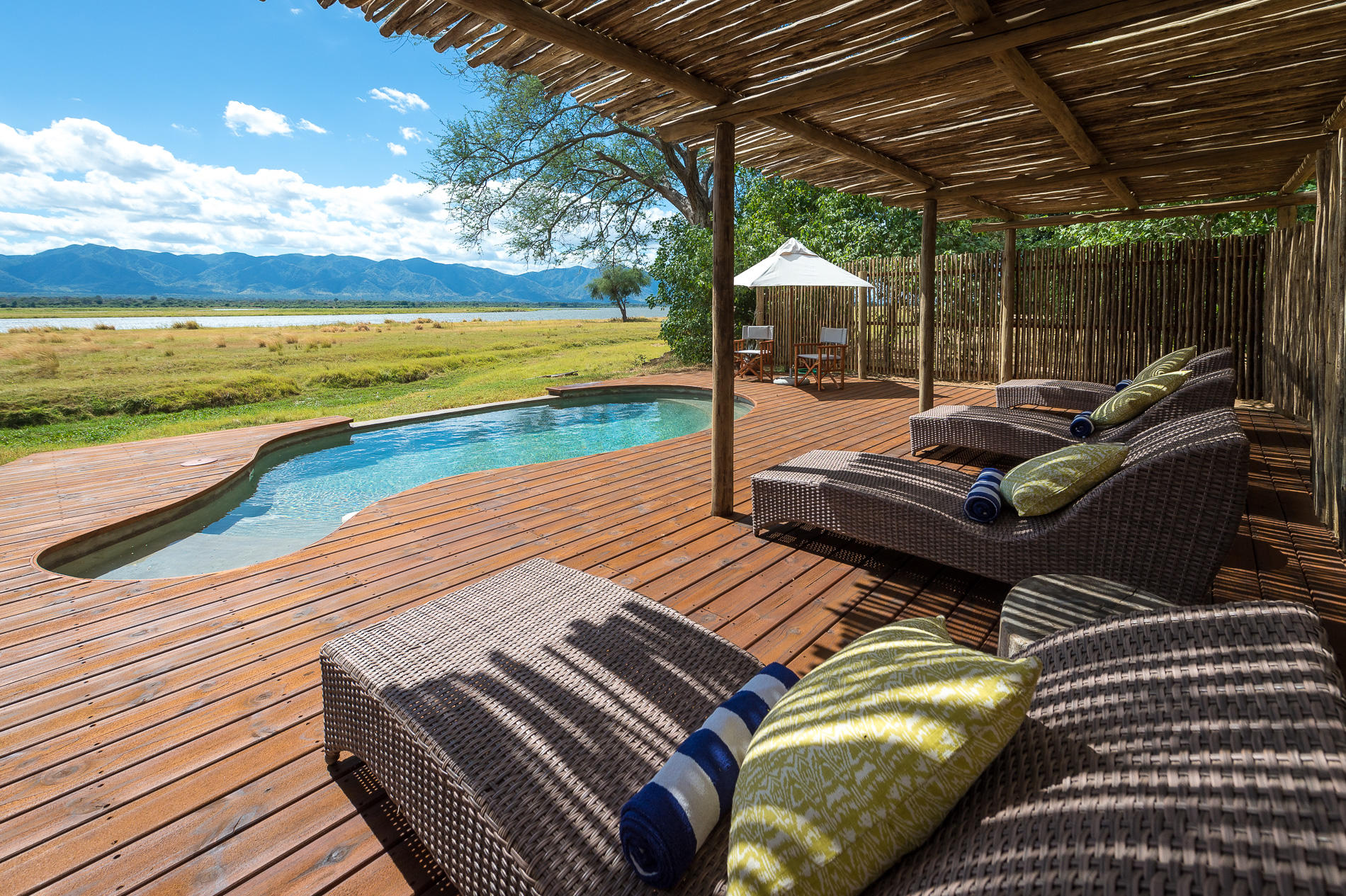
Sitting on the banks of the Monwana River in Thornybush, Saseka is one of those rare camps where architecture stops being a backdrop and starts participating in the safari itself. The tents — if one can call them tents without stretching the definition to its upper limit — are floating canopies of patterned shade, soft fabric, and impossibly photogenic angles. It’s as if someone stitched together dappled sunlight and suspended it overhead.

Step inside and you’re met with a design language that’s both bold and quiet. Monochrome palettes soften into warm wood textures; sculptural furniture curves in the same rhythms as the surrounding bushwillows. Your suite feels less like a room and more like a mood — one that shifts subtly throughout the day as the Klaserie light moves across the floor.

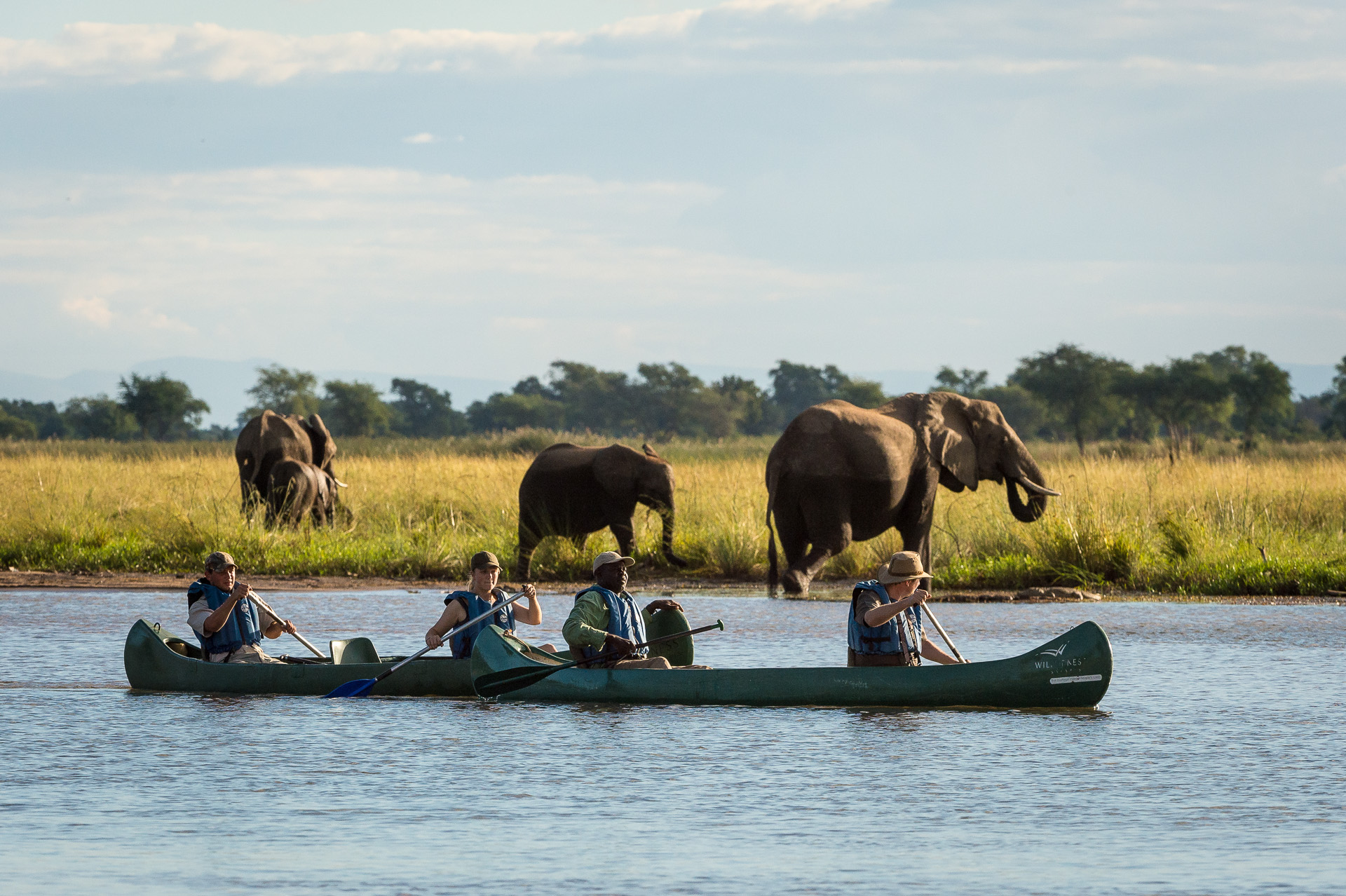
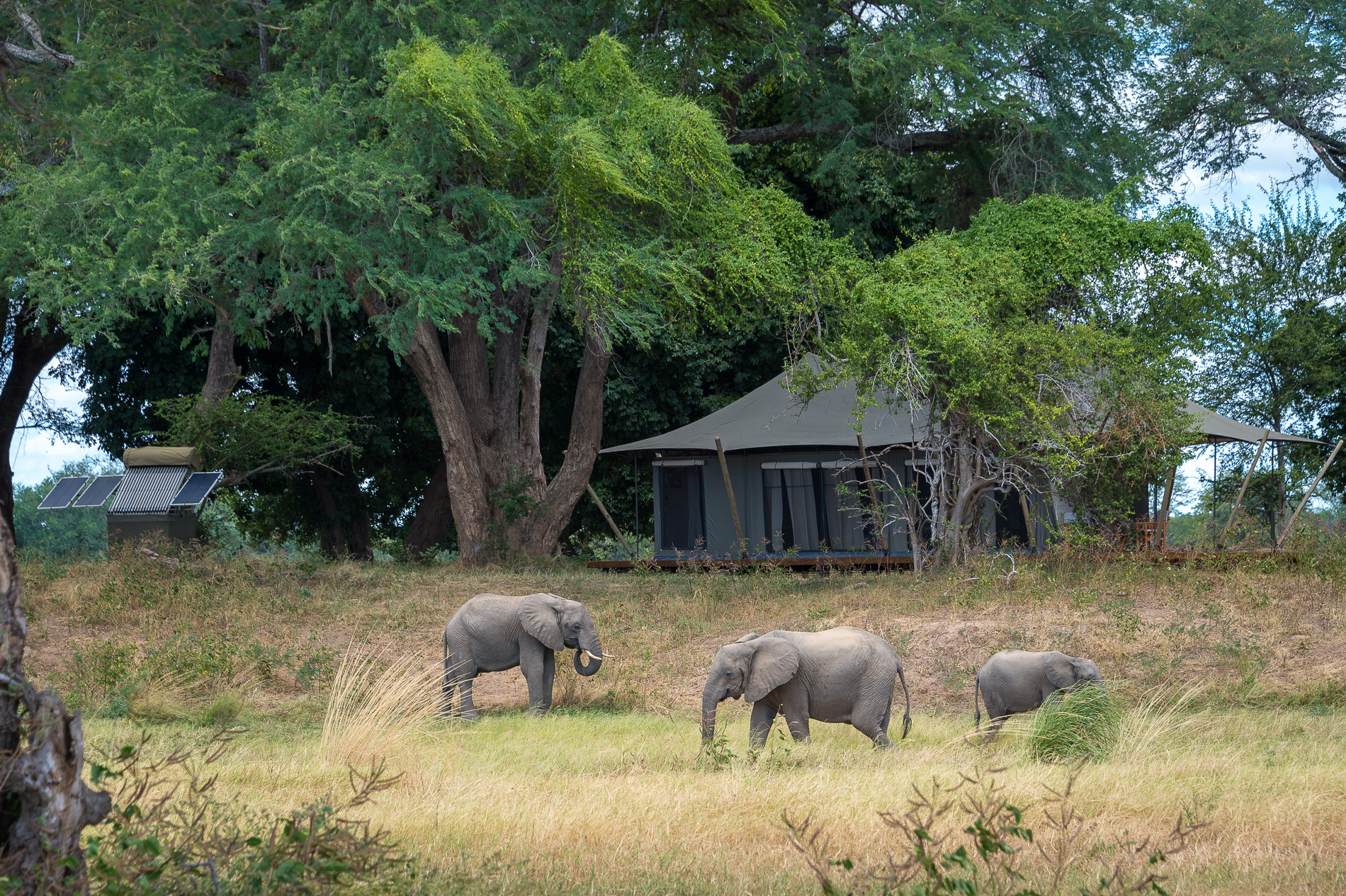
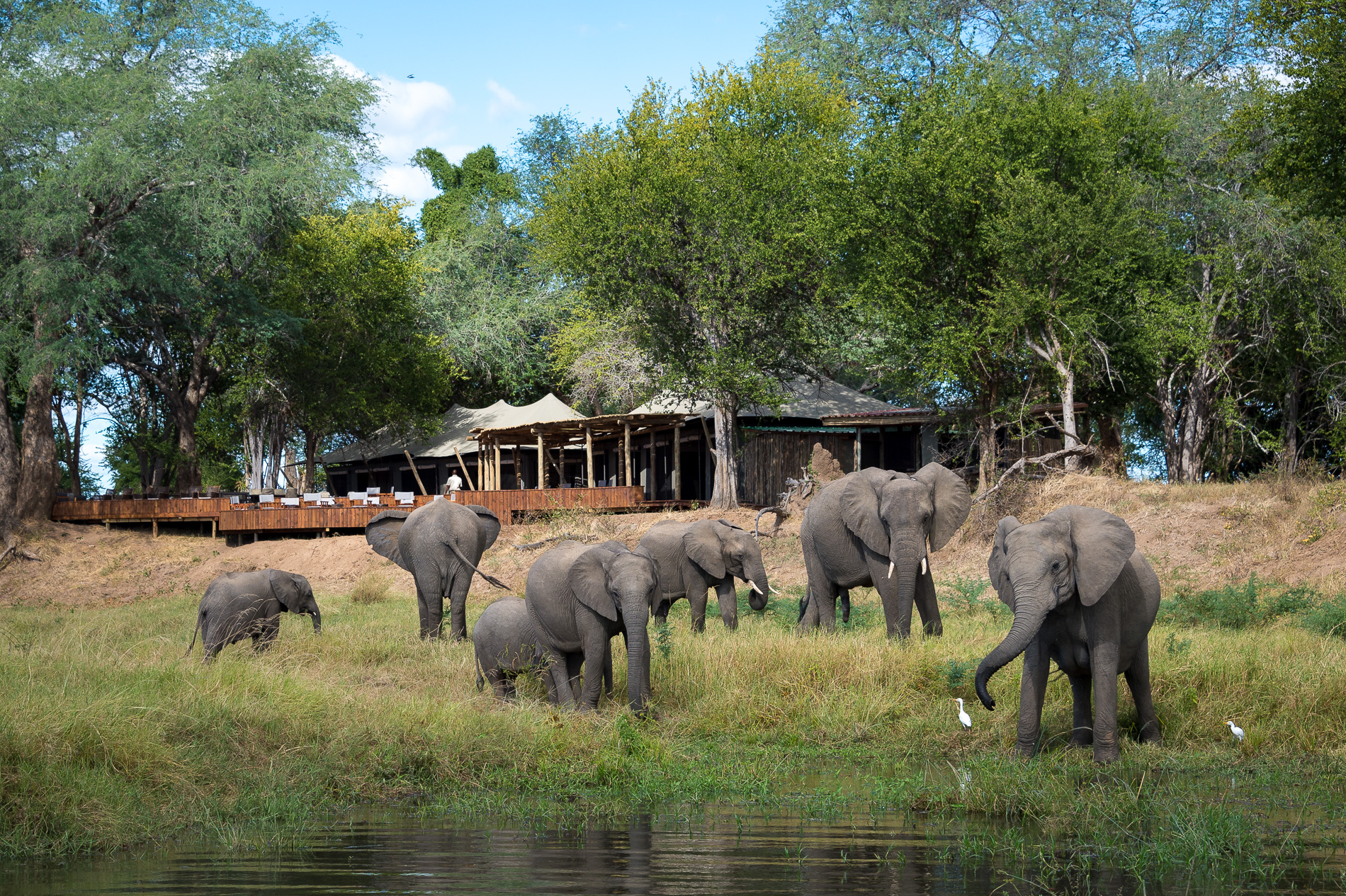
But for all its glamour, Saseka doesn’t forget where it is. Just beyond the glass, nyalas graze with the casual entitlement of animals who know they were here first. Elephants drift along the riverbed, pausing occasionally to give you a glance that feels mildly evaluative. The wilderness is close, unavoidable, and deeply grounding.

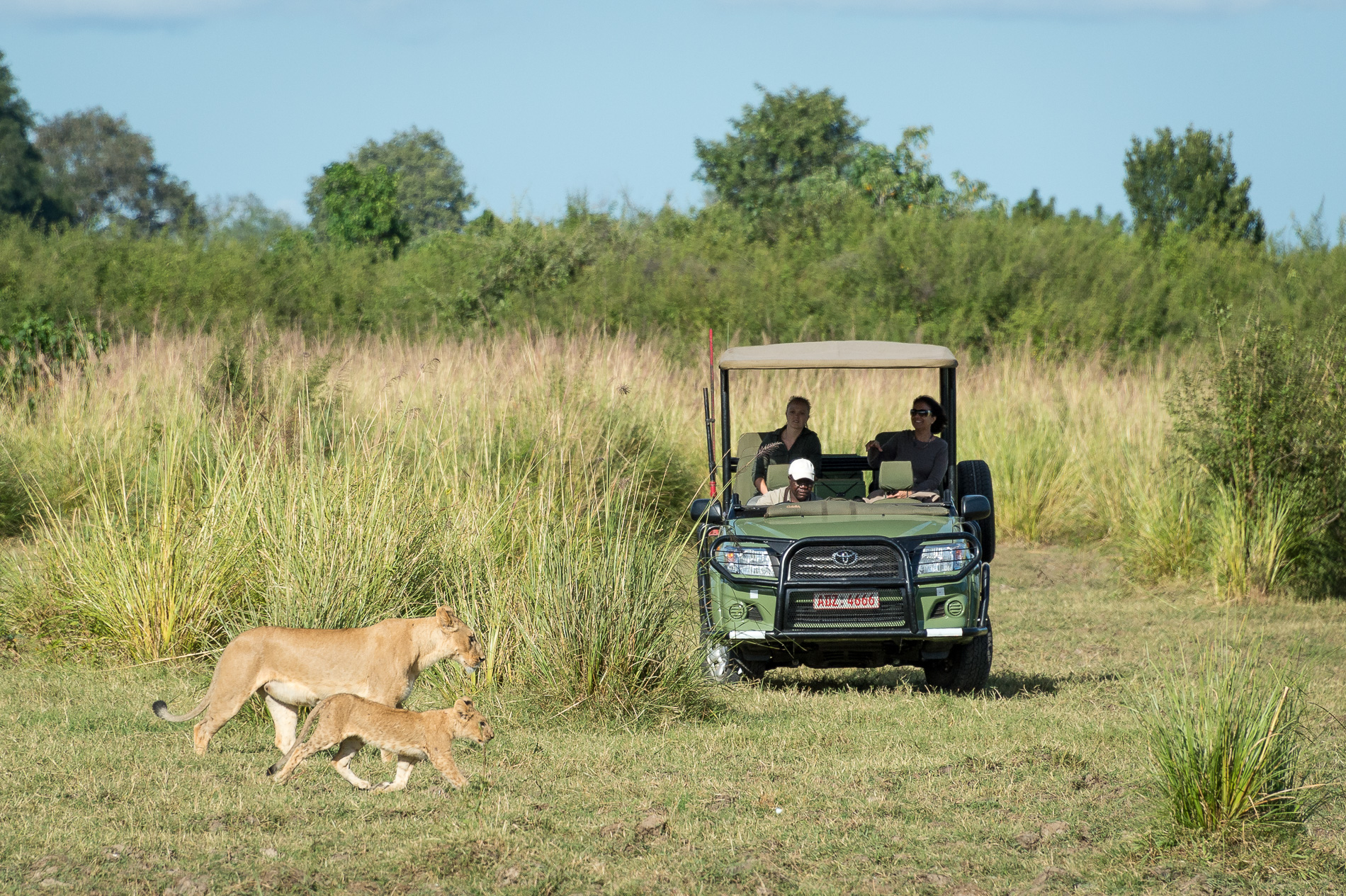
Game drives around Thornybush offer the classic Lowveld cast: lions on the prowl, leopards draped over the branches they pretend they chose purely for functionality, and rhinos that seem carved from the earth itself. The guiding teams weave expertise with ease — the kind of quiet professionalism that makes sightings feel earned rather than orchestrated.

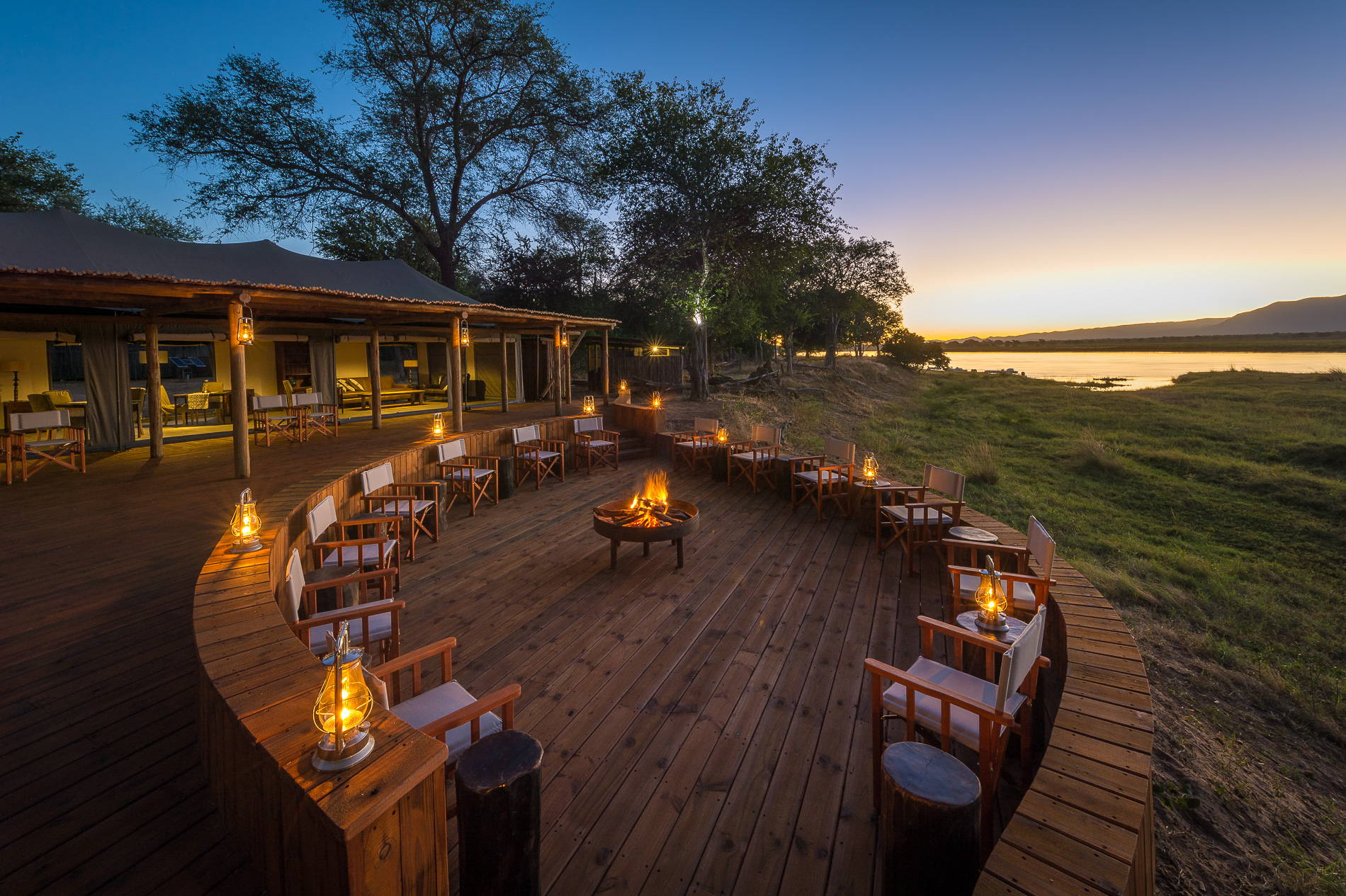
Evenings at Saseka are a small study in atmosphere. Lantern-lit pathways, the hum of insects, dinner served beneath a sky that feels too generous with its stars. And, of course, that unmistakable sense of being wrapped in design without ever feeling removed from the wild.

Saseka is safari reimagined — an ode to clean lines, good light, and the gentle art of letting the wilderness take centre stage while still offering you a front-row seat.


Busanga Plains: Where Luxury Tiptoes Into the Wild

If Singita Sabora feels like theatre, Busanga Plains is closer to unscripted documentary — no retakes, no stage lighting, just the raw pulse of the African wilderness.

Deep in Zambia’s Kafue National Park, the camp sits in the middle of a seasonally flooded grassland so vast it makes the horizon feel like a rumour. For much of the year, these plains are inaccessible. When the waters retreat, they reveal one of Africa’s most dramatic safari arenas: red lechwe bounding through the shallows, herds of puku grazing in golden light, and lions that have learned to hunt where most cats would hesitate to get their paws wet.

Busanga Plains Camp itself doesn’t try to outshine the setting. It couldn’t, and it doesn’t need to. The lodge is deliberately small, with just a handful of tented suites raised on wooden decks. You’ll find comfortable beds, hot showers, and lantern-lit dinners — but don’t expect chandeliers or wine cellars. Here, the luxury is space. Silence. The sense that you’ve stumbled into Africa before the world got crowded.

Game drives roll out across the plains like expeditions. Some mornings are about elephants and buffalo drifting through the mist. Others deliver the famous Busanga lion prides, often lounging on termite mounds like they own the place (which they do). If you’re lucky, you might spot a cheetah carving a line through the long grass, or watch crowned cranes rising in a flurry of wings as the sun sets.

Evenings back at camp are their own reward. Sitting by the fire, the vastness pressing in from all sides, you become acutely aware of just how remote you are. No highway hum, no faint glow of a distant town. Just stars — millions of them — and the steady chorus of the marsh.

Busanga isn’t safari with trimmings; it’s safari distilled. It’s for travellers who crave the edge of adventure but still appreciate a crisp linen sheet at the end of the day. The kind of place that makes you feel small, in the best possible way.

Wilderness Magashi: Thrilling Rwanda

Witness the abundance of Akagera National Park from Wilderness Magashi.
Akagera is Central Africa’s largest protected wetland and the last remaining refuge for savannah-adapted species in Rwanda. Home once more to an abundance of apex predators and their prey after highly successful reintroduction efforts, the park is again a place where one can marvel at lion, white and black rhino, buffalo and elephant roaming its hills and savannahs.

Wilderness Magashi provides the quintessential East African safari adventure and the perfect complement to your gorilla trekking experience in Rwanda.

The eight spacious tents of the lodge are perched on the shores of Lake Rwanyakazinga. You can watch elephants submerge themselves in the lake’s still waters from the deck of your room, while you are experiencing a wonderful sense of intimacy as the next tent is far enough away that you hardly know that it is there. All the rooms are linked by a raised boardwalk which runs to the main area, where you will find a luxury lounge, the dining space and bar, a swimming pool and an expansive viewing deck that takes in further sweeping views of the lake. The fire pit provides the perfect setting to enjoy a chilled cocktail after sunset.

The camp is the only exclusive-use area in Akagera, which means guests are the only ones who will be on game drives and wildlife viewing activities in the area. Rhinos, giraffes and lions roam the seemingly endless savannah. The elusive sitatunga skulks in the reedbeds, watching as you try your hand at catch-and-release fishing. Leopards sightings here are very much on the rise, thanks to a sensitive and consistent effort by trackers and guides alike to habituate the spotted cats.

It is the way this camp is integrated into its surroundings that makes it so special. Influences of Rwandan culture are balanced with the wilderness that surrounds. There are no fences, so the wildlife is uninterrupted, making their home a shared space with the camp.

Private. Peaceful. Participatory; these are the overwhelming feelings you get from your stay here. Akagera National Park is a story of survival and regeneration, and now Wilderness Magashi is very much a part of that story too…

You don’t have to journey to another country to add safari to your Gorilla trekking (which is one of Rwanda’s main drawcards). Akagera National Park and Magashi are only a short distance from Kigali, the capital. It’s 100km kilometres by road to the park entrance or a short flight.

Get in touch with us through info@iconicafrica.com to chat about Magashi, Akagera, Gorillas, Rwanda in general, or whatever type of safari you may be interested in…

Night Drives: What to Expect

A lot goes on after dark.

But sometimes there’s nothing.

The reality of a night drive is that there are so many variables that go into one, it’s almost impossible to prepare guests for what they will be like or what they will probably see. It’s dependant on area, length of drive, type of spotlight, whether it’s a national park or private reserve, the season, the phase of the moon, etc, etc….

Night drives can be epic. And sometimes they’re not.

Ask the right questions of your guide beforehand so your expectations can be managed, but here are a few things to remember:

Night Drives are about the search

Just being out after dark in the African wilderness is a treat. The Milky Way above you (dependent on cloud cover) and the calls of the nightbirds and crickets mean you’re already enjoying a special experience. If you encounter something, so much the better, but it’s a bonus, not something you should necessarily expect.
Some areas tend to be more productive than others in the matter of small creatures, so make sure you are well informed before setting out.

It’s often better to start with an animal

Just driving round hoping to bump into something can be unproductive.
Your field of view is dramatically reduced from the daytime when you have 360 degrees of lighting, to the night when you have the headlights of the vehicle and the spotlight. Granted, these do provide some advantages like enabling you to spot the eye-shine of some nocturnal creatures, but you certainly can’t see as much, and may drive round for a couple of hours and encounter nothing.
In Private reserves where off-roading is allowed, it’s often better to sit with a leopard or lion as darkness begins to settle, and as they get moving into the night, you follow and see what they get up to.
The phrase “A bird in the hand is worth two in the bush” probably wasn’t coined on safari, but it was never more appropriate…

Photography is going to be tricky

On a night drive, it’s usually better to put the camera away.
Unless you have really great gear and know exactly how to adjust your settings to adjust for very low light and the likely single beam of the spotlight, chances are you will be hacking around with your camera, getting frustrated while you try to work out why the shutter speed is so low and you’re getting such blurry images.
Far better to put the camera down and just enjoy…

There may be bugs in summer

The rainy season and its warmth and moisture can create conditions in which an insect or two might come buzzing along. Termites fly our of their mounds to start new colonies and dung beetles fly by on their merry way, navigating by the stars. You might get a bump or even a winged termite down the shirt. Nothing will happen, trust us! A small fright, maybe, but that’s the extent of it. Go out there knowing that there might be a close encounter of the tiny, winged, six-legged variety, and you’ll be fine.

Night drives are a wonderful extension of your safari experience. But just like in the daytime version, there are many things outside of the guide’s control, so go out there with a sense of adventure, a sense of humour, and the simple excitement of what you might encounter, and we guarantee you’ll get the most out of the experience…

Iconic Africa Wins Another Award

We’re thrilled to announce that Iconic Africa has won yet another honour in the annual LUXLife Travel Awards, this year being announced as the 

Best Global Boutique Safari Business 2024

LUXLlife focuses on a range of topics within the luxury lifestyle industry, and with their circulation extending to almost 100 000 readers, we are incredibly excited to have achieved such recognition within this space.

The combination of the words “Global” and  “Boutique” are what we enjoyed most about the award; we feels the almost paradoxical combination sums us up accurately. We have guests who travel from all over the world to visit Africa in all her magnificence, yet we have remained a small company, not looking to expand too much, keeping true to our roots as


To quote their website:

“The LUXLife awards celebrate the tradition of acknowledging unparalleled achievements and exceptional creativity in the realm of luxury. These distinguished awards are their way of honouring the leaders and pioneers who redefine excellence within our industry. This section is dedicated to those who inspire with their visionary contributions and consistently set higher standards of sophistication and elegance.”

The travel and tourism industry has long been a vital part of the world economy, contributing significantly to employment, market development, and cultural exchange. Despite the lingering effects of the Covid-19 pandemic, the sector has now fully recovered, bolstered by strong consumer demand, emerging technology and trends, and an eagerness to return to exploring the world. The World Travel & Tourism Council expected 2025 to be a record-breaking year, with the market’s global economic contribution set to hit an all-time high of over $11 trillion!

There are a variety of trends that are boosting performance and rapidly reshaping the travel and tourism space; more and more travellers are choosing eco-friendly options, along with lodges that dhow a genuine commitment to social upliftment and environmental consciousness.

Moreover, the blending of business and leisure travel continues to rise, with more professionals extending work trips to enjoy personal time at their destination. Digital transformation is also playing a crucial role, as innovations like contactless check-ins and AI-powered travel recommendations enhance the convenience and personalization of travel. Additionally, wellness tourism remains a strong growth area, with more travellers looking to focus on mental and physical well-being.

Iconic Africa will keep striving to remain at the forefront of the industry.

Our small team of highly experienced agents all know the continent intimately, and continue to research new destinations, experiences and trends. We want every guest’s visit to our shores to be life-changing.

Get hold of us on info@iconicafrica.com to start planning your own bucket list safari…


Wilderness Qorokwe: Delta Action

Qorokwe camp is in the south-east of the Okavango Delta and has only been open for 7 years. The exclusive concession it’s on was previously unused for more than four years, but now reveals a world of diverse Delta habitats, from scattered acacia woodlands with herds of giraffe, zebra and abundant plains game to pristine floodplains, home to numerous red lechwe and mud-bespattered buffalo bulls. Throw in lions, relaxed leopards and a wild dog pack that currently numbers in the 30s, and you have a recipe for amazing game-viewing.

Qorokwe means ‘The place where the buffalo broke through the bush into the water’. A suitable name for a lodge located between two permanent rivers which are visited by buffalo; they love the shallow river channels. And where there are buffalo there are inevitably lion, buffalo being their favourite meal!

Qorokwe Camp consists of eight tented suites and one spacious family tented suite with its own splash pool and large deck. En suite facilities feature a shower with a glass door which slides back to transform it from an indoor to an outdoor shower, double basins and a free standing bath.

The stunning main area at Qorokwe Camp overlooks a productive lagoon which fluctuates in level depending on the season,  and the dining area, lounge, library and bar are built on raised wooden platforms connected by walkways. The camp marries minimalist clean lines and a stylish look aesthetic with its openness really making one feel a connection with the natural world. The rooms and main areas are stylishly modern: flat roofed with wood panels, wrought iron and geometric shapes and large sliding doors that welcome in and frame the magnificent wilderness of the Delta. The scurry of tree squirrels in the branches overhead and the scratching of spurfowl beneath your deck are an ever-present reminder that you are in the wilderness. Peaceful rectangular water features edge the lounge area and frame the view onto the lagoon. The generously sized infinity pool just off the main deck is set slightly lower and adjacent to the firepit.

Qorokwe is in the southern reaches of the Okavango and the landscape really is diverse: game drives will take in Kalahari apple-leaf and acacia woodlands, islands with palm trees, floodplains and seasonal water. The variety of the landscape and the proximity to the Moremi Game Reserve means that the wildlife is excellent and the area is particularly rich in predator sightings. The Qorokwe concession is a private concession shared only with Stanley’s camp, Baines camp and Gomoti Plains camp. However the huge area on which game drives are operating means that the vehicle density is low and it’s very unlikely that you will see a game viewer from any other camp.

Guests will enjoy game drives on open 4×4s to view the wealth of wildlife by day. Night drives produce exciting nocturnal sightings of civet, genet, bat-eared foxes and bushbabies, and owls are regularly seen in the spotlight. Following a leopard as it gets hunting into the evening can be particularly rewarding. Explore the waters by boat or mokoro (water-level dependent) – your guide will reveal the secrets of living in the Delta while you look out for tiny frogs and malachite kingfishers.

Being a relatively new camp and with slightly higher profile options being available in the Wilderness Portfolio, Qorokwe has avoided the limelight until now. But with an incredibly consistent amount of glowing feedback emanating from guests of the camp – particularly relating to the wildlife, Qorokwe is rapidly making a name for itself as a premier game viewing destination.

Get in touch with us through info@iconicafrica.com to find out rates and availability…

Iconic Africa’s 3 Bucket List Safaris

From the Bale Mountains of Ethiopia to the roaring Atlantic Beaches of Cape Town… Africa has an almost endless variety of experiences on offer. It would take multiple lifetimes to do them all.
Yet if we were absolutely pushed to choose only THREE – an almost impossible task – we know which way we’d go.

After much internal deliberation, we settled on one safari to get you blood absolutely racing, one to make you feel an unbelievable connection to nature, and one to bring you utter peace…

Here then is Iconic Africa’s Bucket List Selection of 3 (at least for now):

1. The Great Migration

It’s one of the greatest wildlife spectacles on earth.

1.5 million wildebeest sweeping majestically over the great African plains is a sight that you won’t soon be forgetting. The annual circuit of this megaherd between the southern Serengeti of Tanzania and the Maasai Mara of Kenya is a sheer wonder to behold. The wildebeest – accompanied by half a million zebra – follow the seasonal rains and the good grazing they bring, moving in an never-ending clockwise ring.

From July through to September, the herds have been hitting the northern extent of their movements and have entered the Mara Triangle; a thin wedge of land between the Mara River in the east and the Oloololo Escarpment in the west. It is the Mara river and the crossing thereof that presents them with their greatest challenge on their already arduous journey.
Monster crocodiles lie in wait in the brown waters, and prides of lions line the banks, knowing how the herds will be funneled through very specific gulleys and exit points.
It is carnage as tens of thousands of wildebeest ford the river at once, and it is a glut for the predators.
A particularly wild crossing will leave you completely out of breath.

It seems almost impossible that there can be such an aggregation of wild animals in one place – or at least one area – yet the Great Migration as it is simply known will redefine what you previously imagined as abundance.
Seeing it first hand would be THE safari we would recommend, if you could only choose one…

2. Gorilla Trekking

Another safari to take your breath away, but in a total different manner…

Staring into the eyes of a great ape that but for its shaggy black coat and enormous size could be… you… will bridge the gap between human and nature in a profound way than any other experience you’ve ever had.
You will know – not suspect, but know – that this creature is working you out in exactly the same manner that you are working him or her out, and once you’ve encountered a sentient being like that in the wild, your whole perception of the word “wild” will change. As will your understanding of our human place in this world, and our responsibility to protect it.

The mountain gorillas of east/central Africa are confined to a very small area between Uganda, Rwanda and the DRC.
Uganda and Rwanda are where the infrastructure lies for gorilla trekking, and there are a number of excellent lodges to choose from, like Wilderness Bisate or Singita Kwitonda.
In reality, the lodge you stay in is secondary to the gorilla experience itself, but you do tend to find that the higher-end establishments prepare their guests far better for the treks on the mountain by providing things like gaiters, gloves and other handy equipment.

3. Boatride in the Okavango

Botswana’s Okavango Delta is a true eden. Plate tectonics under the Kalahari Basin have meant that the Okavango River never reaches the sea. Instead it flows out into the Kalahari sands, forming an unbelievably lush inland delta covering 16 000 square kilometres that are simply brimming with wildlife.

The Okavango is seasonal, in that the floodwaters are only around between the end of May and September, when the rain that has fallen far away in the Angolan highlands has flowed down through the catchment area and spread out into the myriad waterways of the Delta.

This is the time to go boating.

There are essentially two options; mokoro or motorboat.

A mokoro (plural mekoro) is the traditional dugout canoe of these parts and is still used extensively bby local fisherman to pole their way through the winding channels. A mokoro ride (multi-day trips are possible) is slow and serene, and allows one real intimacy with nature. You approach silently round corners so have every chance of hearing what’s up ahead of you, like a stately elephant bull crossing a channel.

You get to see the Delta at eye-level, and can appreciate its finer details like frogs and waterlillies and wading birds. It is one of the most tranquil experiences you can find on Safari.

The second option is to head out on a motorboat. You can still find the serenity in droves once you’ve cut the engine, and the beauty of this mode of transport is that you get to cover a whole lot more ground in a short space of time, so if you want to maximise your experience but only have a couple of days in the area, this is the option we’d recommend.

The Okavango is such an incredible body of water (during the flood) that it is a shame not to get the full potential out of your time there, and a boat excursion is definitely the way to do this!

Africa is vast and so is the diversity of safari offerings. No two experiences are the same, which is really the beauty of safari in the first place. Even the same activities in the same area will always differ.

The above three options we are supremely confident will move you in a profound way. If you want the safari bug to bite – and you are unlikely to have much control over the matter – then the Great Migration, a gorilla trek, and exploring the Okavango’s waterways are a sure way to let Africa into your soul…

Get in touch through info@iconicafrica.com to find out more about these and other experiences that are out there, just waiting for you…



‘Phones in the Bush: Dos and Don’ts

(Disclaimer: We know not everyone is on an iPhone specifically, so if we use the term iPhone we are meaning it generically – it can be both iPhone or Android)

Phones rule our lives these days.
From communication to social media to direction finding to taking photographs – you name it, they’ve got it.
But whilst these seemingly indispensable little gadgets can be exceptionally convenient in an urban environment, they have the potential to distract you from the real beauty of your safari, so we thought we’d run through a couple of Do’s and Don’ts that might help you know when or when not to pull your phone out of your pocket..

Do: Have your phone with you

We are torn when it comes to the above, since we are very much in favour of the fully disconnected bush immersion, but given that not everyone will have a mirrorless camera and big lens with them, a phone is a fantastic way of capturing images of your safari, and with camera technology improving almost daily, one can have some stunning photos to take home, but…

Don’t: Have it connected to the network

Rid yourself of messages, emails, newsfeeds or anything that might cause you to be looking needlessly at your screen, at least until you’re back at the lodge. Who knows; that split-second when you glance down to check your inbox might have been when the leopard appeared briefly in your peripheral, but you missed it. Have your phone with you, but leave the signal for after drive.

Do: Take photos

Don’t: Post them straight away

You want the record of your safari. You want to be able tho show people what you saw, what it did, how quickly the leopard climbed the tree, how close the elephants came to your safari vehicle… But there’s no need to post any of the content you capture until you’re back in your room (many safari lodges only provide wifi in the rooms, and not on deck – this encourages guests to be off their phones and present).
Posting takes time; picking the right filter, cropping, editing, maybe selecting a nice song for a reel.. all this serves to do is distract further from the magic of what’s around you. Take the photo, record the video, but once you’ve got it, put the phone away again. Save the posting for later…

Do: Use reference apps.

Don’t: Forget to ask your ranger first.

There is an untold number of apps out there providing detailed information from anything from tree longevity to frog mating calls. Most places in the world have some sot of reference for that particular area.
The Roberts’ Bird App for Southern Africa is amazingly detailed and provides a wealth of information on bird plumage, calls, distribution, mating habits and everything else that go with their life history.
Star apps can help you identify individual constellations at any time of the year. There are many wonderfully useful tools that are highly applicable in the African bush.

However, too-heavy a reliance on these apps does exactly what we’re constantly trying to discourage when out there: screen-time.

Don’t forget that your ranger (and/or tracker) are highly qualified guides into this world, and they are there for a reason. They will know the answer to most questions you might throw at them.
If the whole vehicle is stuck identifying a specific bird, by all means delve into the app, but see how fun it is trying to work it out with your guide to work it out beforehand…

Do: Keep the phone in your pocket

Don’t: Keep it on the seat next to you

We’ll end here so that we don’t end up sounding like we’re completely against the use of phones in the bush, but the best way to not be distracted by something is to limit your exposure to it. Out of sight, out of mind is very applicable in this case, and by simply keeping the phone in your seat pocket or in the pocket of your pants, you won’t be wondering who tried to call you or how many likes your latest post got. You will be left to bask in the magnificence of nature all around you, soaking in every glorious moment.

More and more phones are becoming a part of being in the bush, whether to photograph, reference or (and hopefully not) find your way home.

We’re simply saying to remember why you journeyed there in the first place; it wasn’t to look at a screen…

The Best Treehouses in Africa

Counting sheep is one way to try and fall asleep.

Why not go one better though? Try to count a billion stars, have a lion roaring in the distance as a lullaby, and feel the cool night breeze of Africa on your face as it sussurates through the mosquito net… That’s the way to do it.

More and more safari lodges across Africa are offering a romantic sleep-out as an option, and their stunning treehouses are as opulent as one could desire.
No simple matress-and-sleeping-bag combinations are to be found here; instead guests are greeted by soft mattresses, expansive duvets, the warm glow of kerosene lanterns, and more than likely the subtle accompaniment of nightbirds trilling nearby.

Although the idea of a sleep-out can be intimidating to the inexperienced safari-goer, treehouse locations are as safe as any luxury lodge, and are an incredible way to experience raw nature. You will never sleep as deeply as you will when the night sounds of Africa are your personal bedtime story.

Here then are three of our favourite safari sleep-out offerings:

Wilderness Linkwasha, Zimbabwe

Tucked in the south-east corner of the Hwange National Park, the Linkwasha Concession plays host to four stunning lodges in the Wilderness portfolio: Linkwasha, Davison’s, Maokolo and Little Makololo. The area boasts a stunning variety of wildlife, and is particularly productive in the dry season when animals are entirely dependent on the few remaining surface water points.

It is next to one of these pans – which is kept topped up by the National Park – that the Linkwasha Sleepout platform is situated.
Tucked up against an ancient Leadwood tree, the treehouse enjoys stunning panoramic views over the surrounding plains, with prime viewing over the waterhole and whatever might be coming down to slake its thirst.
In the dry season one can be assured of a constant parade of elephants doen below, whose splashing and gurgling will be a gentle accompaniment to your snores through the night, and the grasslands will almost certainly reverberate to the call of a big cat during the evening.
Open skies all around mean that the star-gazing will be unsurpassed!

Xigera Lodge, Botswana

In the heart of the Okavango Delta – about as close to a wildlife eden as you can get on earth – Xigera Lodge offers unmatched opulence in the safari industry. Stunning architecture in a remote location with some of the best game viewing on the sub-continent really makes this destination hard to beat.

Throw in a treehouse built to resemble one of Africa’s most iconic trees – the baobab – and you have just about one of the most romantic sleep-out venues on the planet.

The sheer imagination used to design such a stunning creation will take your breath away; something like a treehouse standing by itself could be potentially incongruous, but the Xigera offering just fits.

A night out here will be one you will never forget…

Lion Sands, South Africa

The Sabi Sand Game Reserve is one of the best places to view predators in Africa, and Lion Sands ticks this box brilliantly.
Apart from boasting some of the most luxurious lodges and one of the densest leopard populations on the continent, they have three stunning treehouses to choose from if a sleep-out under the stars is what you’re after. Each of the Chalkley, Tinyeleti and Kingston treehouses has their own unique charm, but all have much in common at the same time – comfort, beauty, and a sense of place, almost as if the treehouses were always there.
The feeling you want from an experience like this is one of belonging, as if you are actually part of the environment. And you get that feeling in droves at the Lion Sands treehouses…

As rustic as they may sound, the treehouses on offer at the higher-end lodges are anything but. Bathroom facilities, their own dining experience, 24-hour communication with the lodge via radio, and a whole host of other make them incredibly comfortable, safe, and as user-friendly as one could wish.

A treehouse sleep-out is just about as authentic an experience that one can find in the African bush…

If this is the kind of adventurous night you’d be interested in, get in touch through info@iconicafrica.com, and let’s start looking for a treehouse for you…


Qorokwe: Wildlife on Tap

The richness of this exquisite safari camp lies in the vibrance of its different landscapes. Rivers that reflect brooding, dramatic skies. Lush, green profusions of wildflowers. Rippling grasslands peppered with wildlife. Spend sunny days exploring the channels by mokoro. Scan and listen for wildlife; a herd of red lechwe, mud-encrusted buffalo bulls, elephants and giraffes, and the predators that this concession abounds with.

You know you’re in excellent hands at this eco-chic luxury safari camp in Botswana, with its commitment to local community empowerment.
Qorokwe Camp has eight rooms with tented suites and indoor and outdoor showers. In addition, its extra-spacious family unit has its own splash pool. The wonderful open dining and lounge area and bar are set on a raised deck, connected to the suites by walkways.

Sundowners are generally a highlight on safari, and those at Qorokwe are no exception. Guides take special care to scout a good sundown spot while on the afternoon game drive, at which drinks will be served and guests can bask in the magnificence of an Okavango sunset.

Botswana has a unique and effective eco-tourism model: low volume, high expenditure per head. Game viewing is simply out of this world. You’ll likely spot the Big Five, which is unusual in many other parts of Africa these days. Due to the low volume of travelers, you won’t have to share that moment of spotting a pride of lions with five-plus jeeps around you. Chances are you’ll come back to camp after each drive with stories to tell that go way beyond just having spotted a herd of elephants or a baby giraffe. The views here are consistently quality, so to see predators on the hunt or multi-species interactions is not out of the question…

Qorokwe is beautiful, comfortable, and incredibly well-staffed. The price point can be around three times less than other high-end camps in Botswana, but with no sacrifice to the quality of viewing or service. Also, it is on a private concession inside the Okavango, meaning you can off-road and do night drives, unlike other parts of the Delta.

Because the Okavango is such an enormous open ecosystem, wildlife viewing has the potential to ebb and flow between years and seasons. With the incredible sightings that Qorokwe guests are experiencing on a regular basis, it’s safe to say that its season is well and truly in full bloom!

Contact us through info@iconicafrica.com for more information, and let’s start planning your safari…

Jao: Awestruck in the Okavango

In the heart of the Okavango, on a remote island, Jao invites you to discover one of the richest experiences Botswana has to offer.

Where Earth meets river meets wetland, lies Jao. Surrounded by riverine forests and open floodplains teeming with game, Jao is the archetypal Okavango Delta camp, and a lush haven for wildlife. Boat in when the waters rise or travel by game drive vehicle when summer warms the land. At Jao, the endlessly dynamic waters provide a continuous element of surprise and all manner of experiences to explore this Botswana paradise.

Jao is a sculptural marvel of natural and recycled materials, of steel, wood, and glass, of towering, spacious interiors that embrace the light, the bush. Feel your senses come alive at this quintessentially Delta safari camp.

Striking design elements impress at every turn. Marvel at the gallery and museum, relax in the library, or simply just be in Jao’s elaborate main area, surrounded by the trees and bird song of the Delta. Choose between five expansive safari suites or two sublime villas with private plunge pools and their own private butlers, chefs, guides, and vehicles. The perfect Okavango hideaway.

The food experience at Jao is a journey in itself. To reduce their foodprint, strengthen their ties with the community, and create a healthier, more harmonious environment for all of us, the camp uses locally grown ingredients in traditional recipes. Feel indulged as you discover Botswana at its best through touch, smell, and taste.

At Jao you are invited into a world where nature and architecture merge seamlessly. Built into the tall trees, the unique bird’s nest-styled pool gazebo on the edge of the water provides the perfect place to rest. The extravagant wine cellar calls for a pre-dinner drink, while the award-winning spa with gym alongside, beckons you to experience the highest standards of safari luxury.

Keep your ears open for a hundred different bird calls. Spy a tiny painted reed frog, or elephants padding silently past camp. Follow lions across the floodplains. You’ll soon discover why the staff work tirelessly to protect the unique ecosystem of the Okavango Delta. Jao is a place dedicated to the conservation of the waters and the dry land, and the plants, birds, and wildlife that call Botswana home.

If this sounds like paradise to you, or you would like to know about more options within the amazing Okavango ecosystem, mail us on info@iconicafrica.com, and let’s start planning your safari…

Ruckomechi Camp: Mana Magic

When half of the Southern African guiding fraternity view a destination as their own version of Mecca, you know something special must be happening there.

Mana Pools National Park in north Zimbabwe draws people in fo many reasons, but the main attraction is most certainly one’s ability to have close encounters with wildlife on foot. Walking safaris have been conducted in the park since 1963, and as a result of decades of being exposed to people on foot, a large proportion of the local wildlife has become used to people out of the vehicles, and ignore them completely.

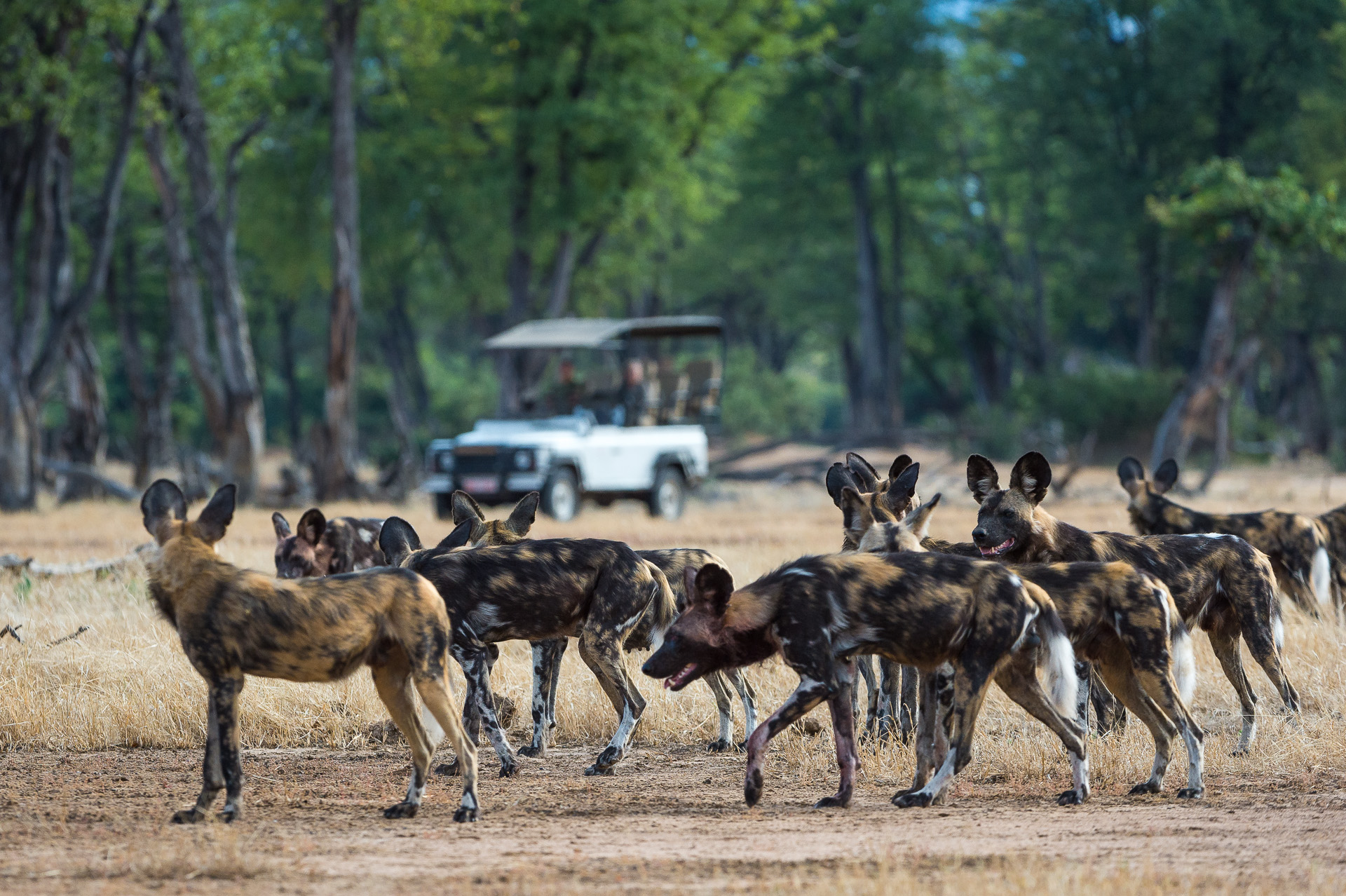
Tag along behind African Wild Dogs as they go on the hunt or watch spellbound as an enormous elephant bull stretches up to snack on the pods of an Ana tree, barely thirty metres from you… the experiences one can have here are almost impossible to replicate anywhere else in Africa.

On the western fringes of Mana Pools NP one finds Ruckomechi Camp, nestled into a corner of a huge expanse of private conservation land.
The might Zambezi River flows in front of the camp, the surrounding woodlands are constantly alive with birdsong, and the Zambezi escarpment provides an amazing backdrop to your evening sundowners.

Ruckomechi was one Mana Pools’ pioneer camps, having entertained guests for over two decades.

Ten spacious and beautifully decorated en-suite rooms, including two family units, are unobtrusively placed beneath the spreading Ana trees, the seeds of which are heavily sought after by the local elephant population.
Interiors are peacefully earth-toned, with hints of blue, reflecting the flowing river. The camp’s main area include a fire-pit, for evening chats, delicious glasses of red wine and the awe-struck contemplation of the infinite stars above you. A pool overlooking a broad sweep of river invites swimmers during the heat of summer, as the river itself, with its countless hippos and crocs, is not recommended for bathing!

Ultimately though it’s the wildlife that draws people to Mana Pools and on that front Ruckomechi delivers in spades. The local pack of wild dogs are regular visitors to the camp area, the roar of a lion reverberates almost nightly through and past the guest suites, and huge herds of buffalo flock to the river more and more as the dry season sets in and they seek life-sustaining water.

Ruckomechi is a seasonal camp, only open between mid/late November. Long grass and sodden terrain during the wet season of December-March makes most land-based activities difficult.
As soon as the rains have stopped though, and animals become more and more dependent on the river as the ephemeral pans dry up one after the other, Ruckomechi and the rest of the Zambezi riverfront come alive.

With a more limited window during which guests can visit this slice of heaven, bookings at Ruckomechi are in demand, but don’t worry, as there are a number of other Mana Pools options for those wanting to experience this ultimate of parks.

Email us on info@iconicafcia.com to find out more and to start planning your safari…

The New Vumbura Plains

Vumbura Plains was already one of the jewels in the Wilderness Safaris crown in Botswana, but with its recent refurbishment, it is better than it ever was before.

Lying towards the northern fringes of the Okavango Delta – a world heritage site – Vumbura Plains camp is perfectly situated to take full advantage of the seasonal changes that take place within this unique ecosystem. During the annual inundation when floodwaters arrive from the Angolan highlands, the camp almost feels like it is floating on water. The melapo – the local name for the annually flooded grasslands – lies right up against the camp, and offers visitors a spectacular vista right off the deck of their rooms. Otters cavort in the shallow water and elephants are frequent passers-by, wading through in search of lush aquatic plants.

The refurbished Vumbura Plains features 14 luxuriously appointed guest suites, each with elegant sleeping quarters, indoor and outdoor showers and a broad outdoor living area complete with a private plunge pool. The new-look design of the camp was carefully imagined to create an authentic Okavango experience, with local craftspeople brought on board to help create the finished product.

The nestling of guest chalets under beautiful overhanging trees, the stilted projection out over the floodwaters and the space between rooms gives visitors a wonderful sense of intimacy and immersion into nature. Birds flit between branches outside your window, waterbuck graze within touching distance of the camp walkway, and hippos snort from the pools right in front of you. The truth is that one barely has to venture beyond camp to get a complete game-viewing experience.

But it is beyond camp that you must go to truly experience the wonder of this area. Game drives will reveal the true splendour of this corner of the Okavango. Wildlife is so prolific that within a very short while you start to feel like you are traversing eden. A different wonderment seemingly lies in wait around every corner.

Lions forge across shallow channels, regal sable antelope hug the fringes of the floodplains and an enigmatic leopard is not an uncommon sight lounging in the boughs of one of the larger evergreen trees. There are few places on the planet that display such a constant abundance of life.

And for those who want to experience something different, Vumbura Plains has multiple exciting activity options. A hot air ballon flight in the still morning air is an utterly serene way to experience the Delta; you can drift in total silence above a cavorting elephant herd and they will never know you are there.
A helicopter flip is another aerial option. Although slightly louder than a balloon ride, you cover far more ground and can almost feel overwhelmed with how much you can come across from the air.

When the floodwaters are up different boating activities are on offer. Motorboats get you exploring the waterways extensively, while a traditional mokoro ride offers a more sedate way tog et to grips with the annual flooding.

The old Vumbura Plains was nothing short of spectacular, both from a lodge and a game-viewing angle.
Now, after the refurb, we find ourselves running out of superlatives to describe the place pretty quickly…

Get in touch with us if this sounds like the kind of place you’d like to visit…


The Best Lion Viewing Destinations in Africa

Lions are one of, if not the, main reason people travel from all around the world to partake in an African safari. Apex predators in every environment they inhabit, they are the epitome of the wild nature of the continent itself.
Sadly, the reality is that over the last century, lion numbers across Africa have dramatically declined, primarily because of human encroachment and the subsequent loss of habitat for the big cats. Yet in major game reserves in a number of countries, their populations are stable if not recovering.
And lion viewing in one part of Africa may be very different to another.
Here then are our 5 suggested lion viewing destinations, chosen for their variety…

A lioness in Tanzania’s Ngorongoro Crater

Serengeti/Masai Mara

For sheer numbers and scale, the great open plains of East Africa simply have no equal. Apart from the huge herds of wildebeest that make their way through the ecosystem as part of the Great Migration each year, every other animal seems dwarfed by vastness of these grasslands, the king of beasts included.

The scale of the landscape is what makes much of East Africa’s lion viewing special.

The contiguous Serengeti and Masai Mara ecosystems boast roughly 4000 lions between them, and unlike the wildebeest herds that move between the two in a great loop, the lions – being territorial – are around all year, meaning viewing is constant and incredibly varied depending on which season you are in.

You won’t ever forget viewing lions with the endless grasslands of Africa stretching out to infinity behind them…

Duba Plains

Situated right up in the north of Botswana’s Okavango Delta, Duba Plains became famous a few years ago for the specialised lion prides inhabiting the area, that had learnt the knack of using the Okavango’s myriad water channels to hunt buffalo.
Huge cats, developing much thicker than normal upper body muscles from wading through the water courses, these lions use special tactics to isolate individual buffalos – even the big bulls – and drive them into the water where the bovines’ manoeuvrability and ability to defend themselves is greatly reduced

Duba Plains lions face down their eternal enemy. Photograph courtesy Leigh Kemp
The lions of Botswana’s northern waterways have learnt to use the channels to their advantage. Photograph courtesy Ed French.

There is of course no guarantee of witnessing such amazing buffalo/lion interaction, but for idyllic habitat and lions that have the know-how, look no further than this destination for your lion fix.

Sabi Sand Reserve

South Africa’s world famous wildlife reserve in the north-east of the country is essentially the big cat viewing destination against which all others are measured.
Not only does it boast a particularly high density of both lions and leopards (the leopard population is reputedly the densest in Africa), but the guides have an intimate knowledge of the prides and the individuals they contain. This means that sightings take on a life of their own as it isn’t just lions you’re viewing; it’s these lions…
Individual life stories and entire family trees are accessible through the guides and trackers, so even a sleeping cat can become the most fascinating creature on earth as its trials and tribulations are revealed to you.

Cubs like this will be known to local guides and trackers, and descriptions of the complex make-up of the pride will all be part of the fascinating viewing.

As the Sabi Sand is all privately owned, off-roading is allowed (conditions depending), so one is able to get intimate views of all wildlife, not just the local lion population.

Incredible lion viewing at Londolozi Game Reserve.

Click here to view some of our favourite lodges in the Sabi Sand Reserve…

Ruaha National Park

South-centrally situated in Tanzania, Ruaha National Park is one of only six reserves that can boast a population of over 1000 lions. It is part of the greater Ruaha Landscape, a 50,000 square kilometre section of East Africa that serves as one of the continent’s most important wildlife areas.
Its rugged scenery, prominently featuring the iconic baboab tree, is a haven for predators, particularly in the dry season (May to October), when wildlife centres its activities around the Ruaha River where the remaining water supplies are, and the lions in particular take advantage of the weakened state of the herbivores to hunt along the river fringes.


Ruaha is defined by spectacular landscapes…

Although not as well known as its sister reserves further north, Ruaha’s wildlife viewing is just as spectacular in its own right, and a multitude of luxury safari options that generally fly below the radar are available to those wanting a safari a bit more off the beaten track.

North-West Namibia

You are less likely to see lions in this inhospitable part of Southern Africa, but if you do manage to get a sighting (and many of the specialised camps are masters at finding where the roaming prides of desert lions are to be found), it will be like no other you’ve ever had.
Lions plodding their way over soaring sand dunes; lions threading their way along long-dry desert watercourses; lions on the beach…
The uniquely adapted desert lion population of north-west Nambia is highly specialised for their environment.


A lioness reclines on a sand dune. An incredibly special sight. Photograph courtesy Wilderness Safaris.

Some hunt the giant desert giraffes, some have been known to hunt seals on the beaches of the aptly named Skeleton coast, and some lions have even been known to eat the desert-growing Tsama melons.

Just a chance to see these unique cats is well worth looking into Namibia as your next safari destination with a difference…


A lion pride in Tanzania’s Ngorongoro Crater

The beautiful thing about Africa is its sheer diversity of wildlife offerings. If lion viewing is your main reason for visiting, be sure to get in touch with our sales representatives, and we can start planning your dream lion-viewing safari…