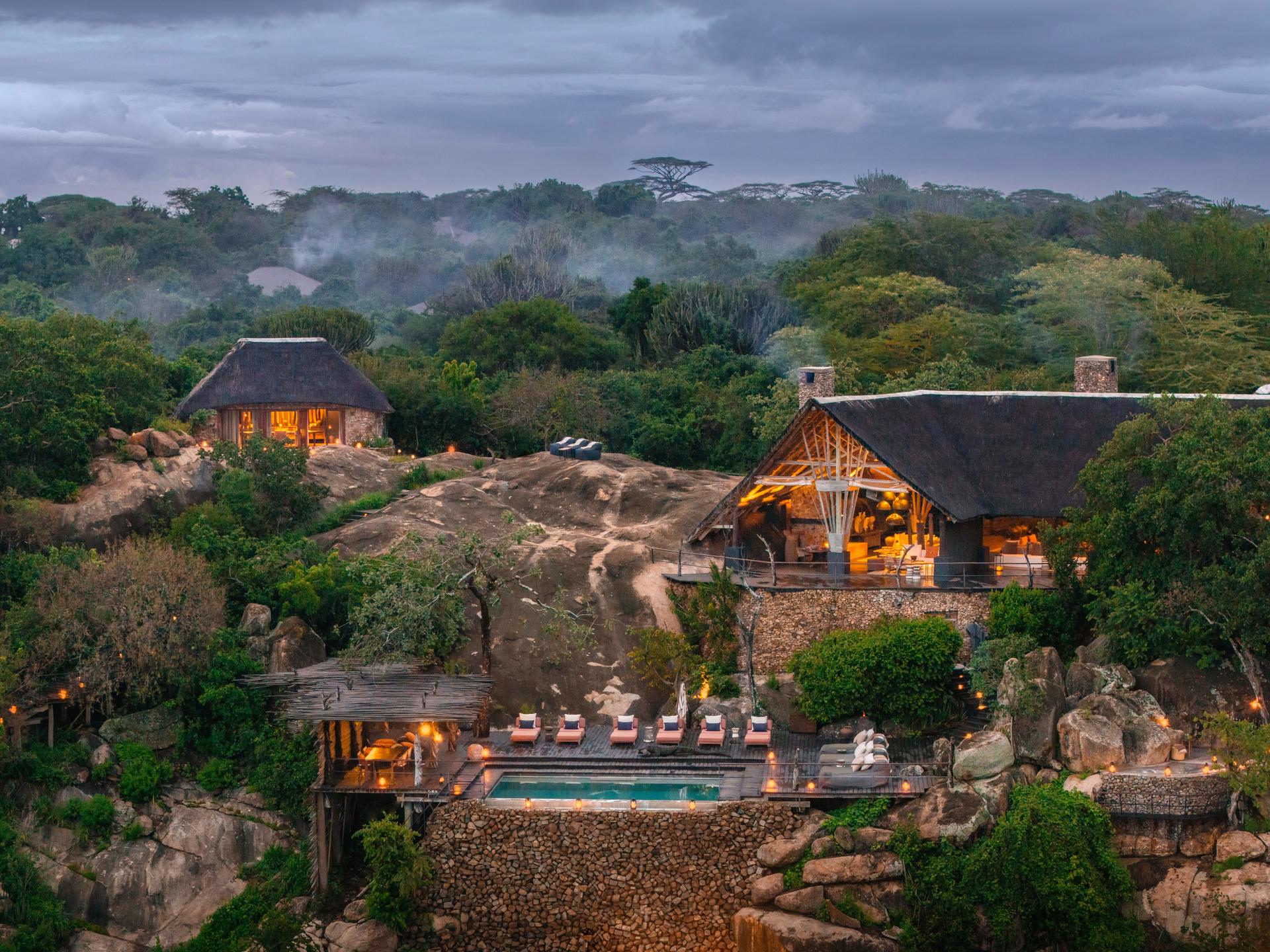
There’s a particular kind of safari lodge that earns its reputation not through marketing but through the quiet accumulation of people who come back. Tanda Tula is that lodge. Guests return for their fifth visit, their tenth, their sixteenth. The owners know their names. The guides remember what they saw last time. It has the texture of somewhere that has been genuinely loved into existence, which is a difficult thing to manufacture and an impossible thing to fake.
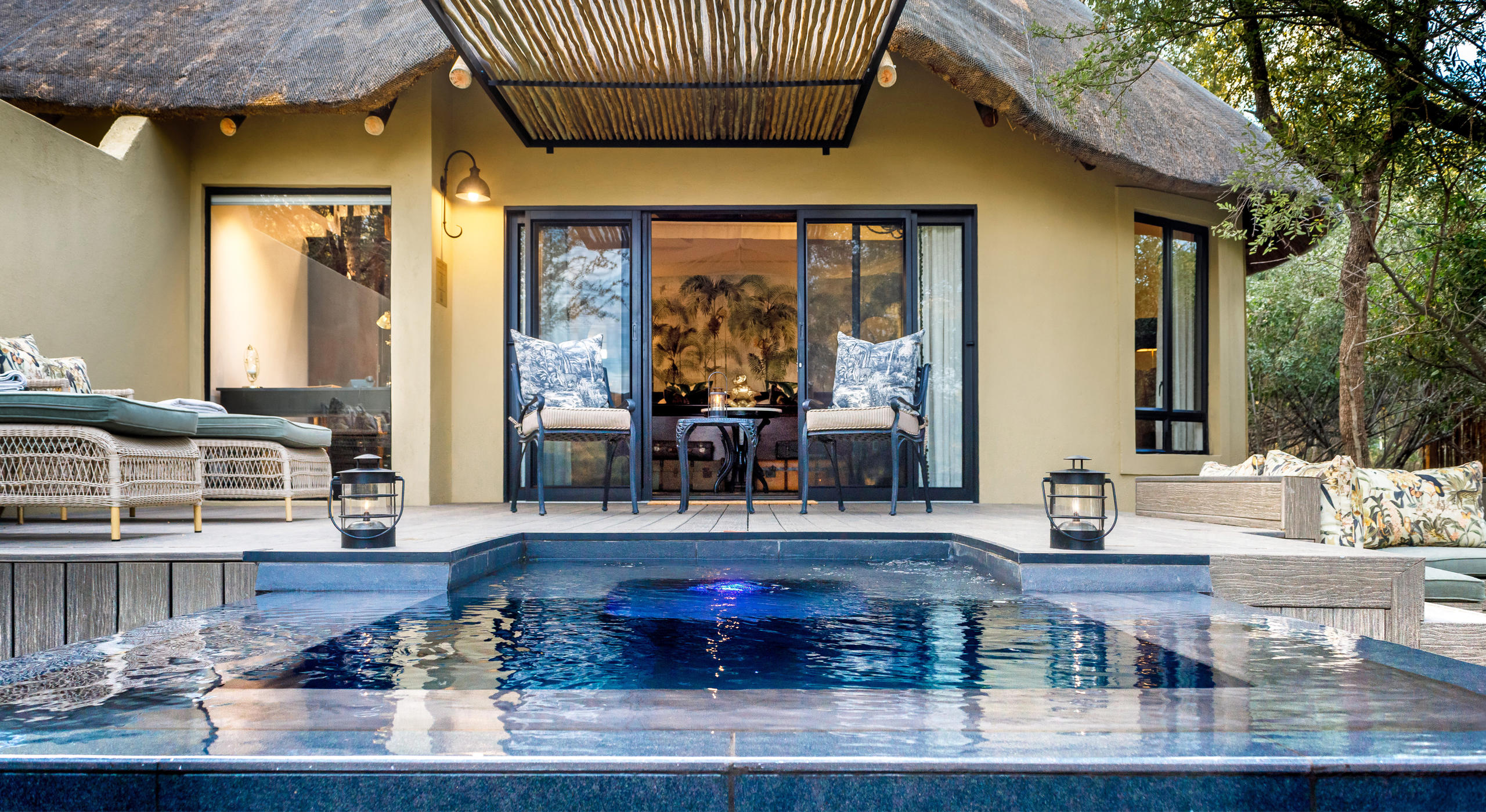
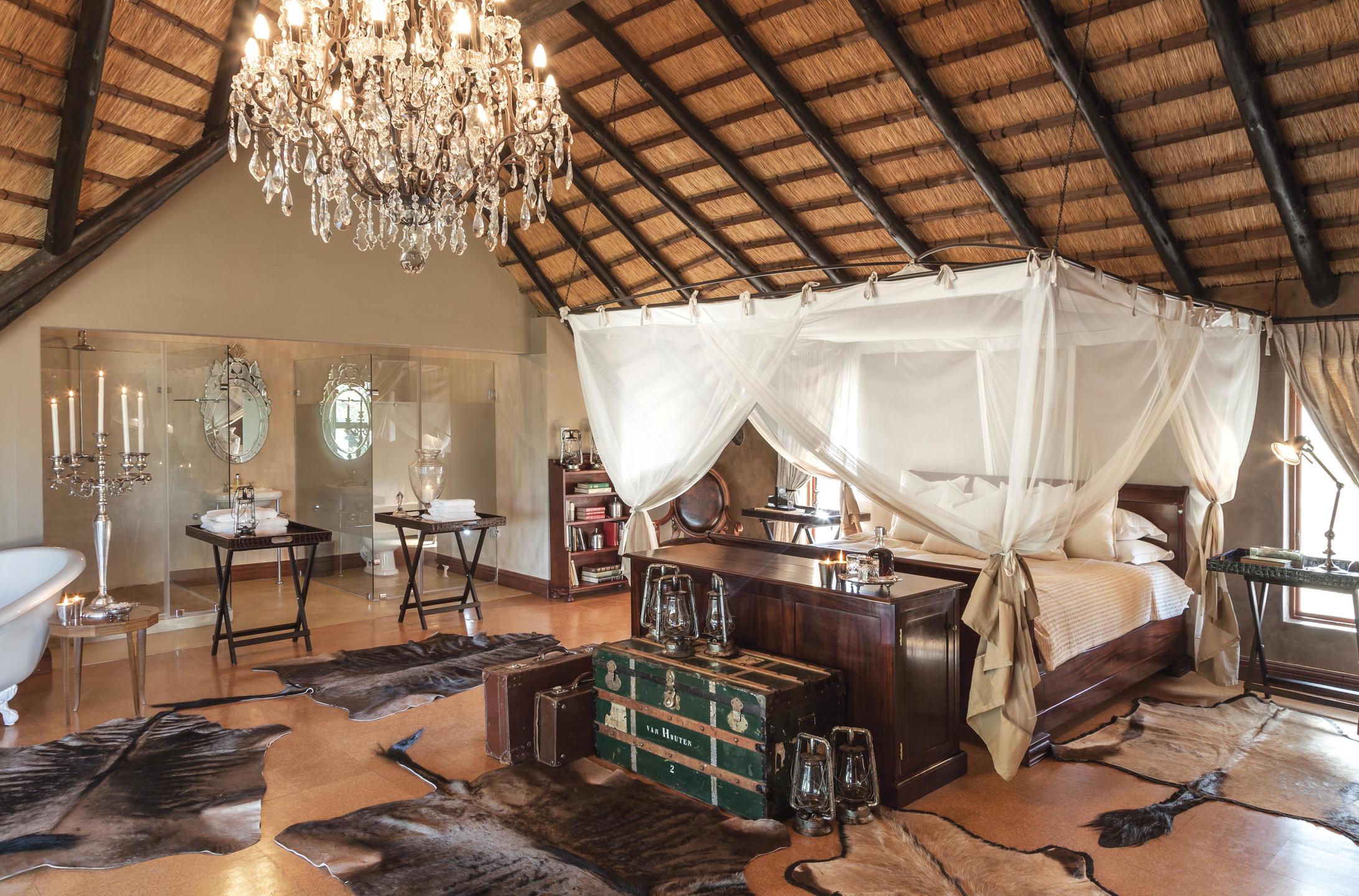
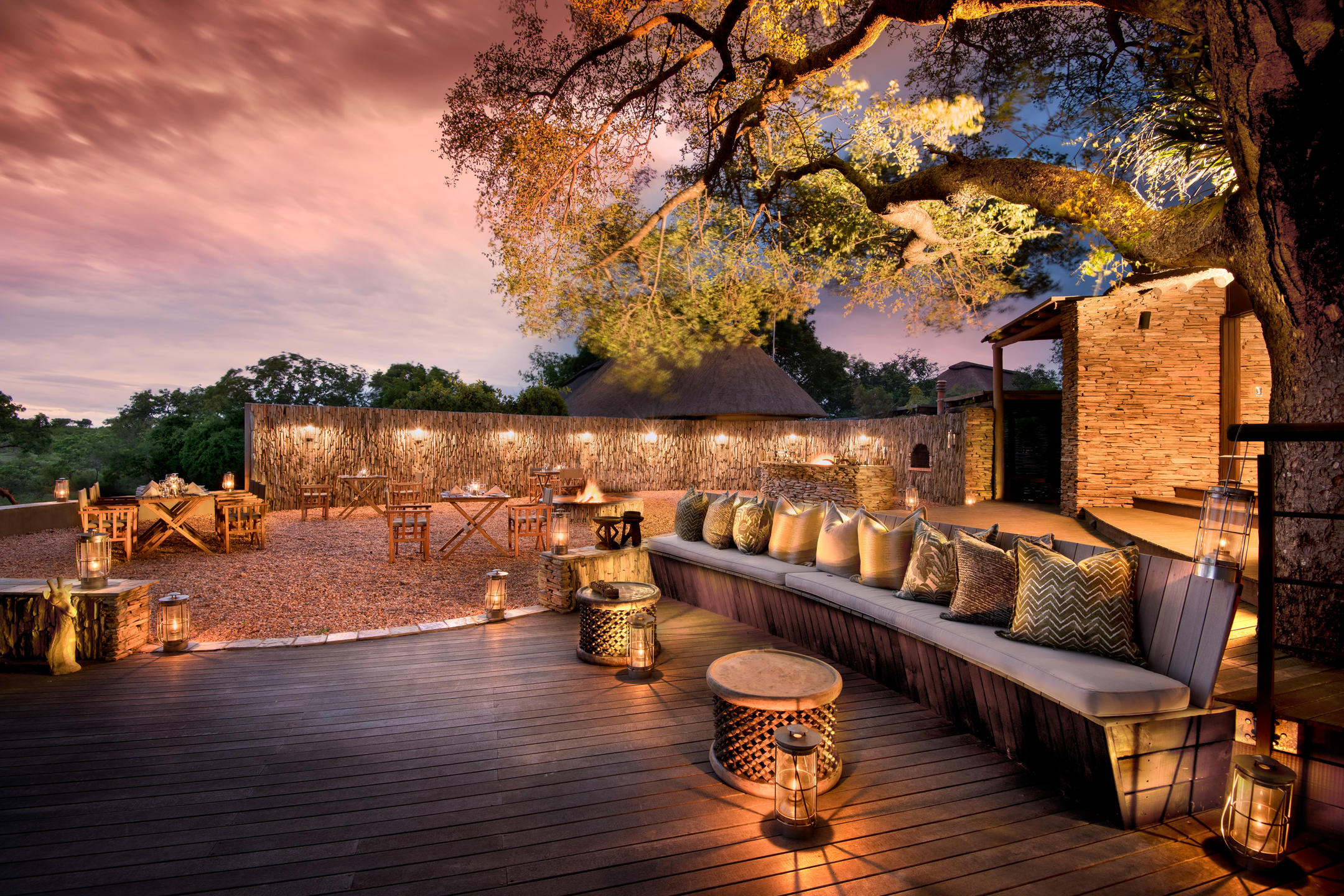
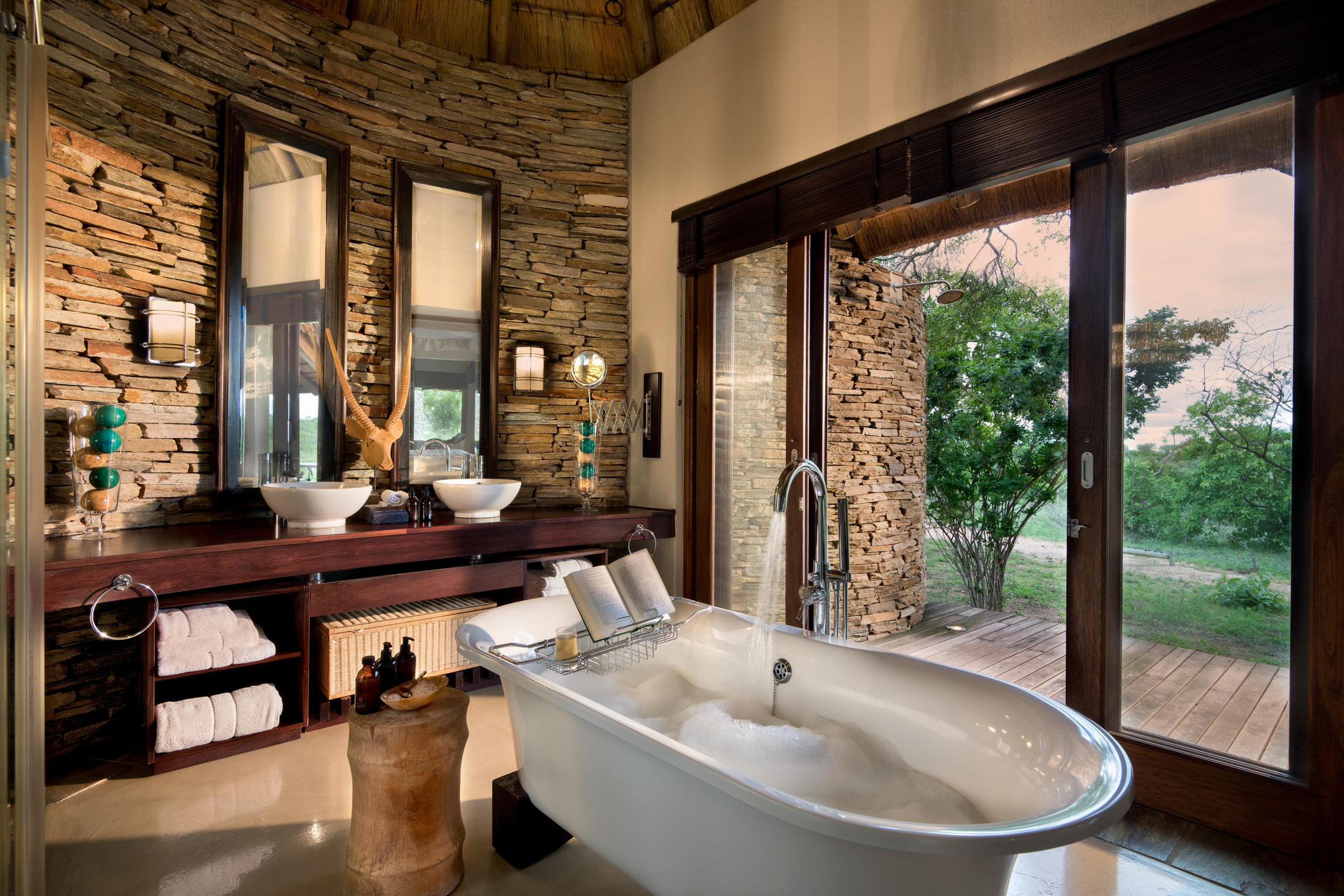
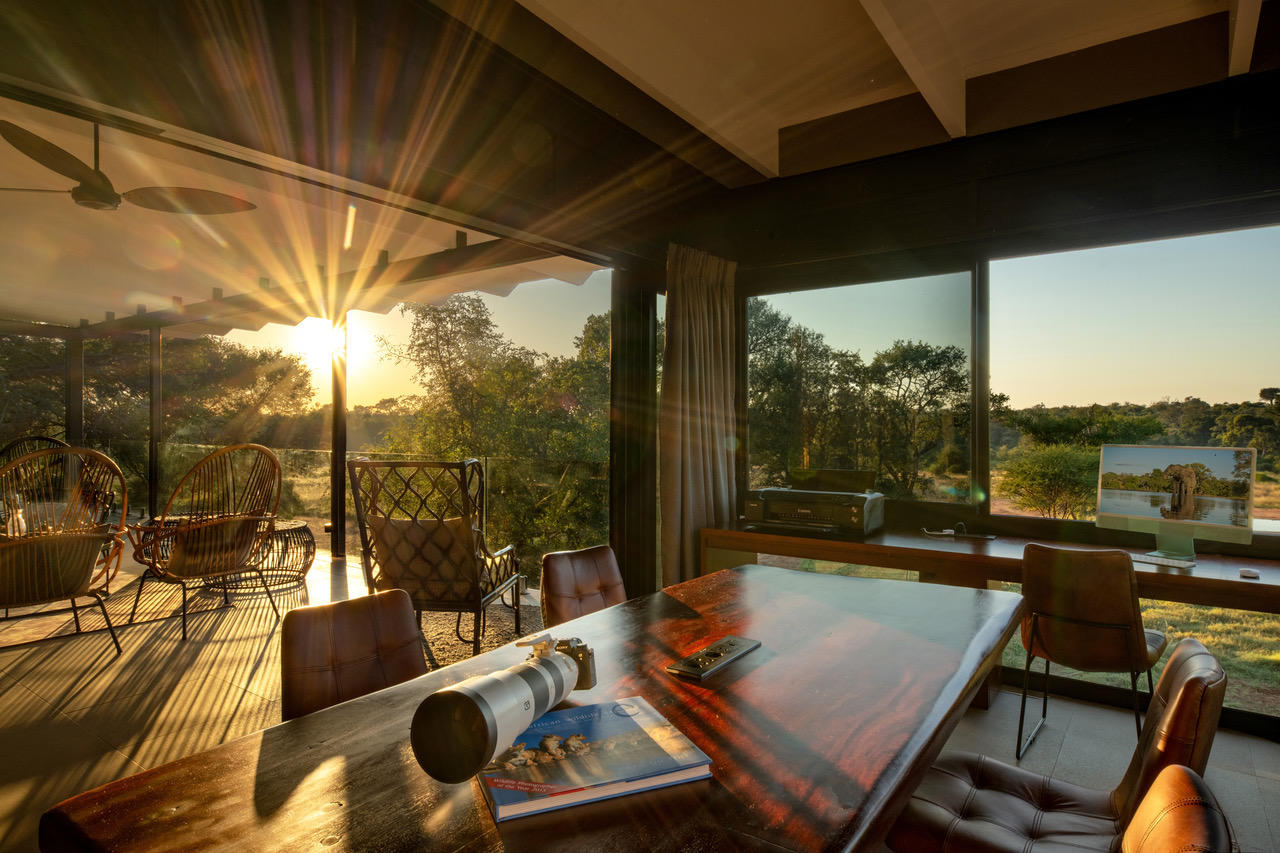
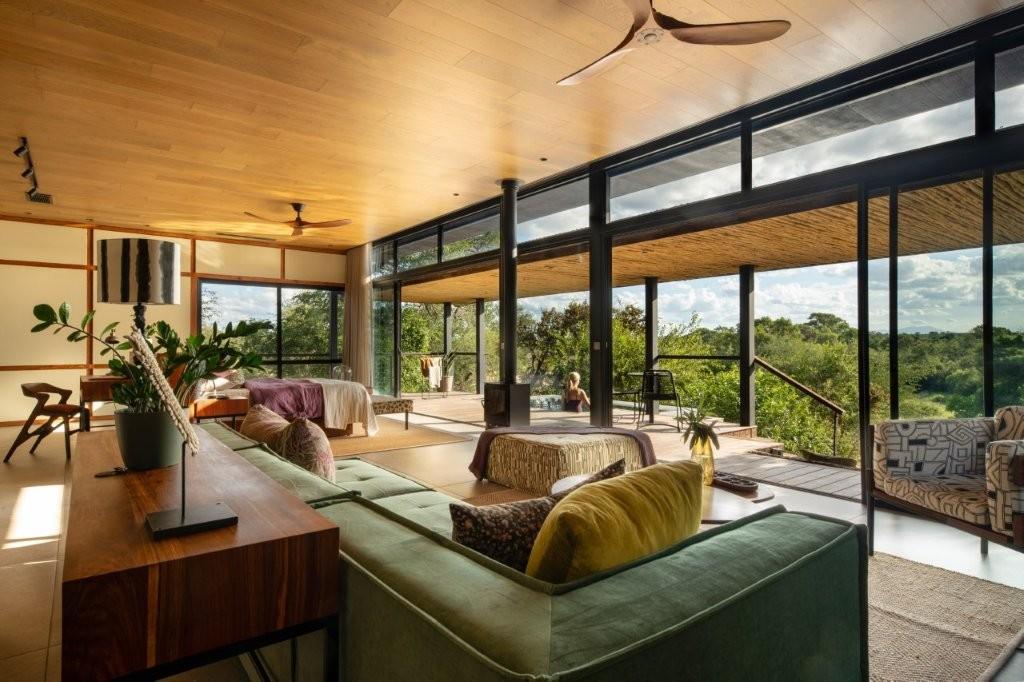
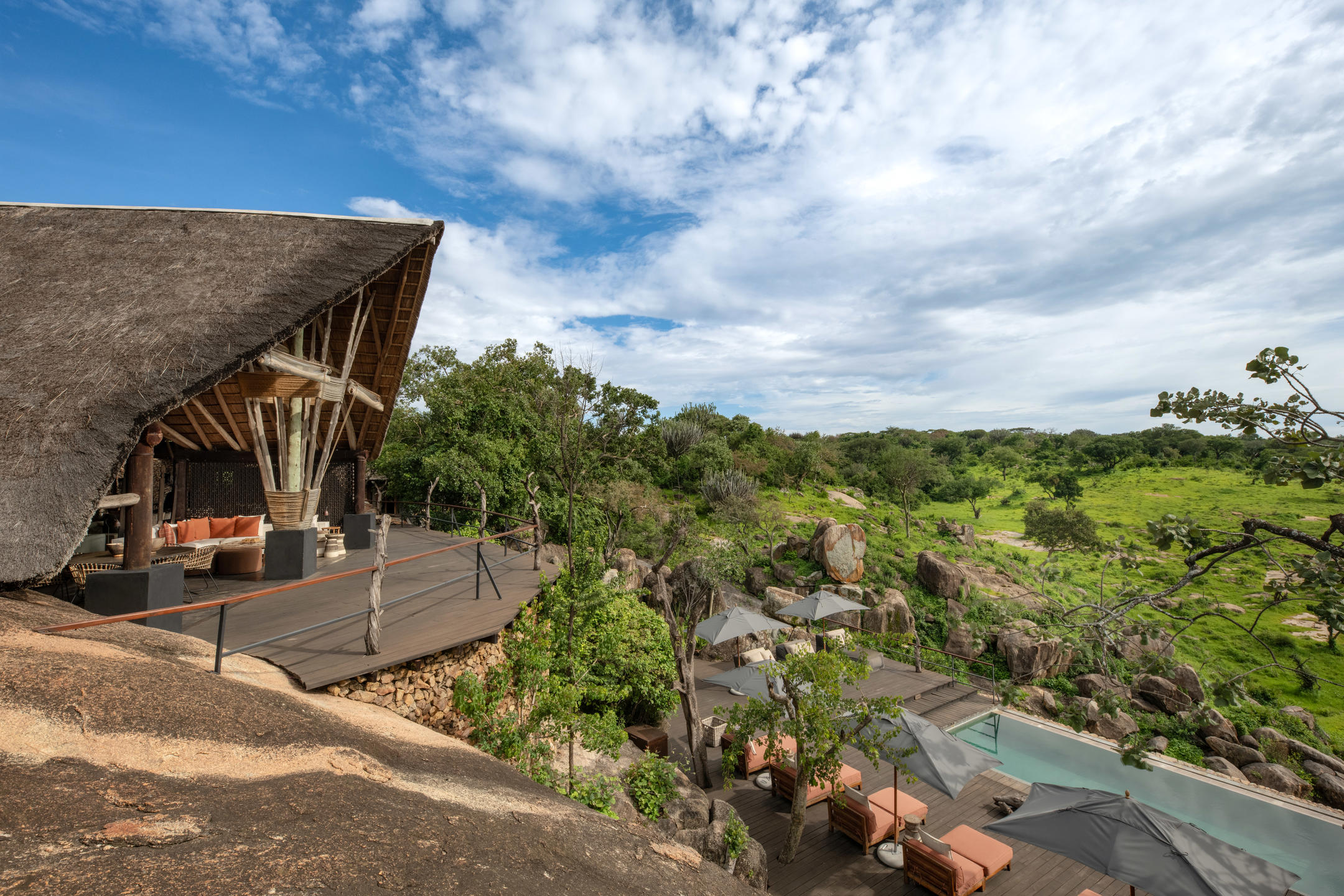
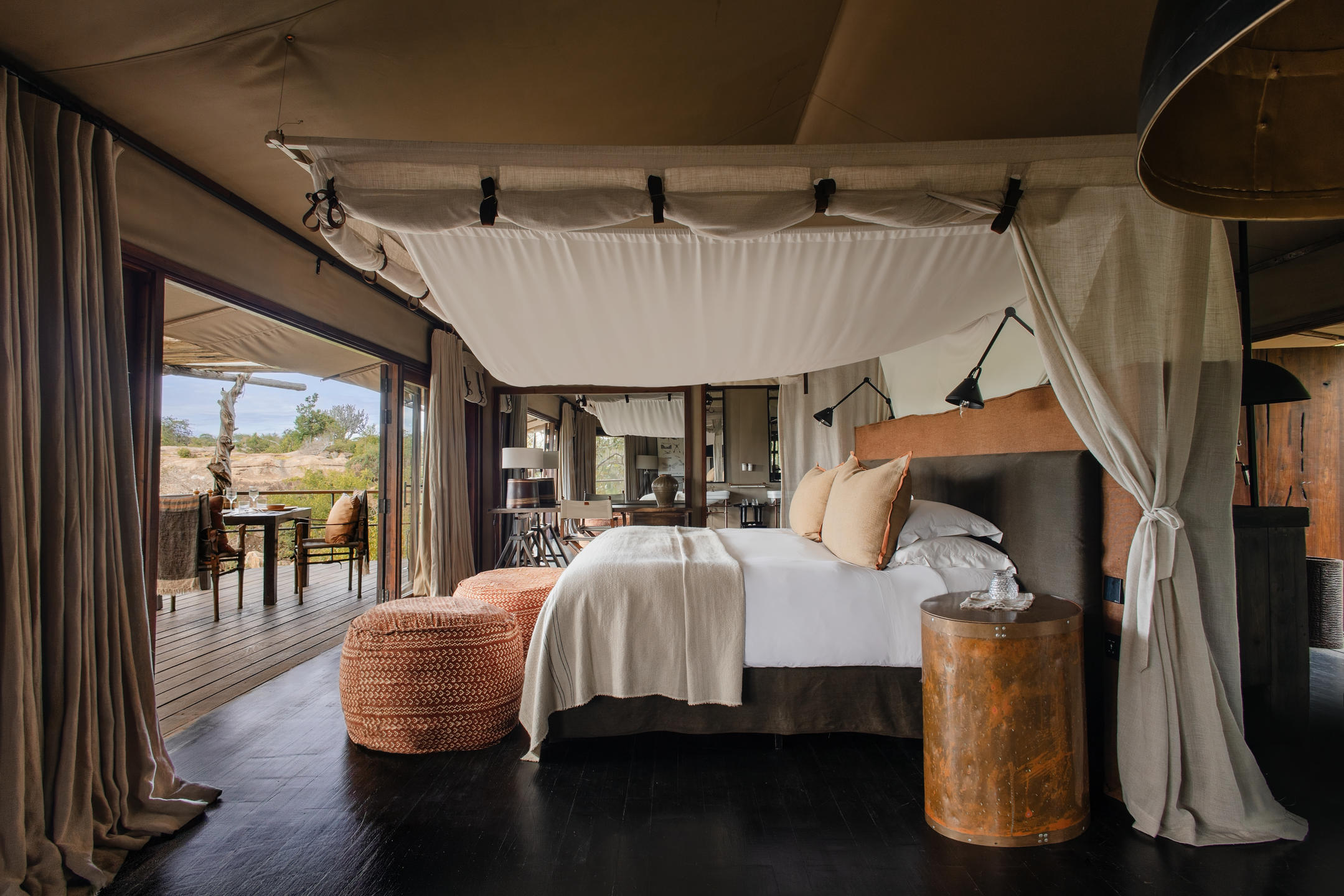
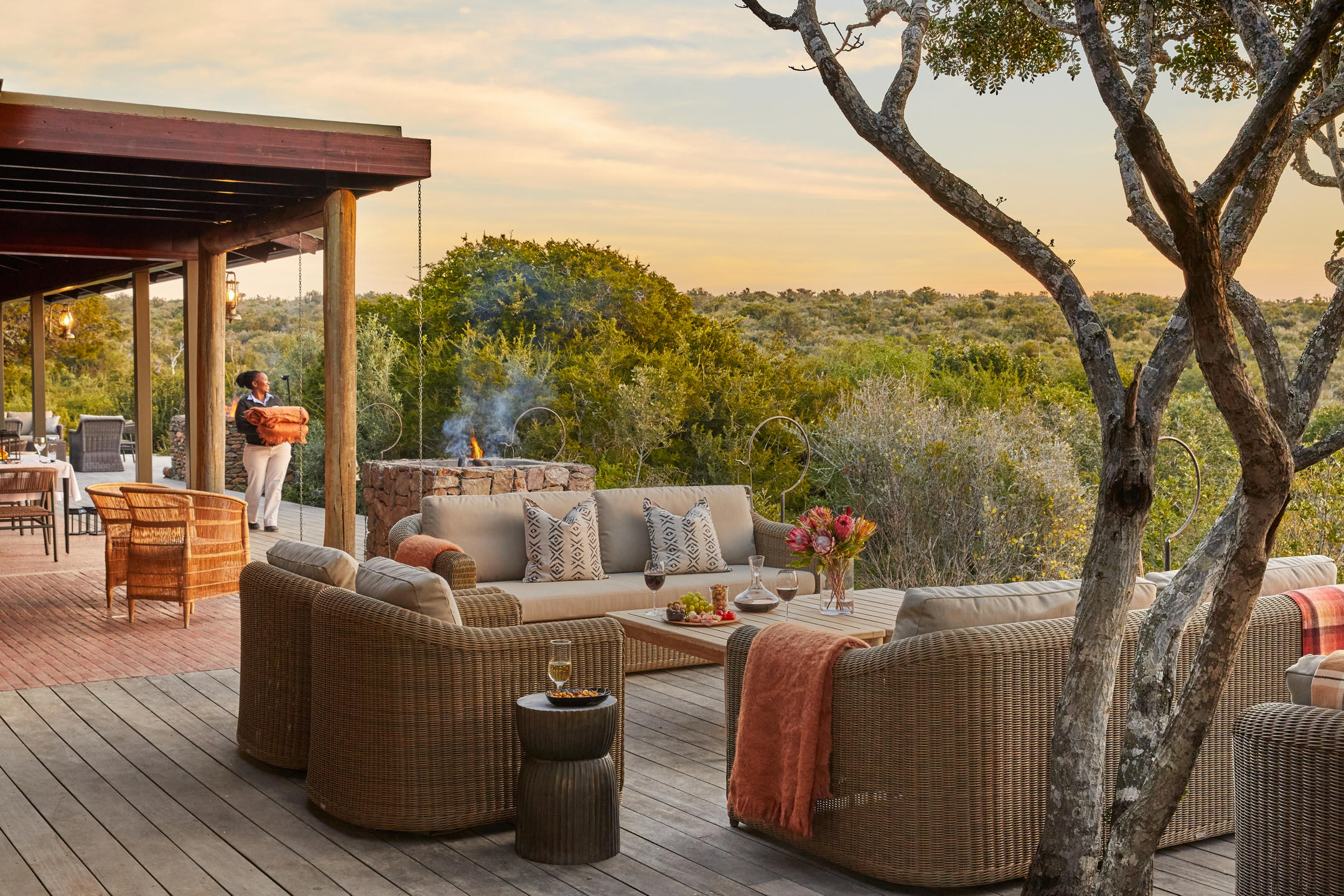
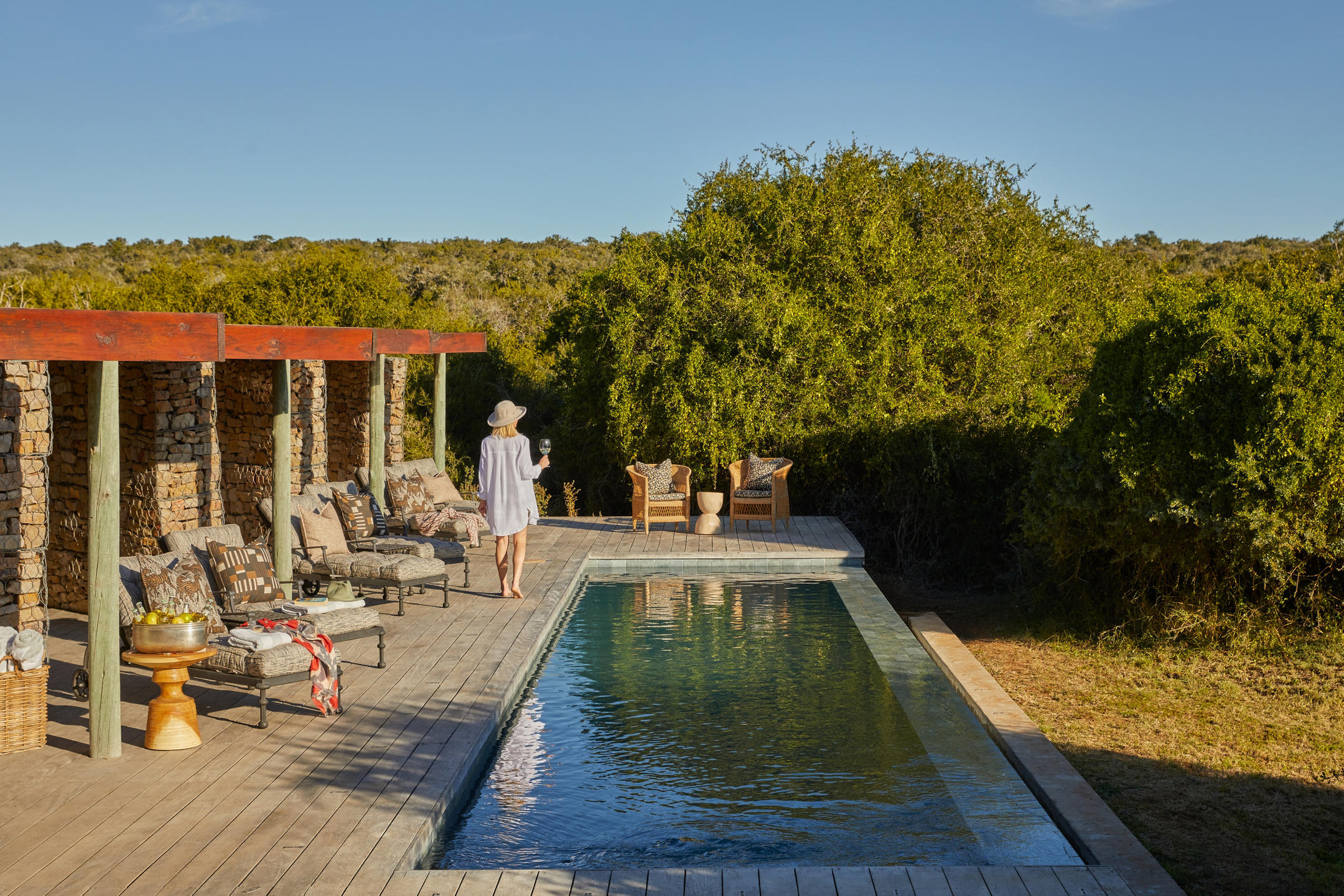
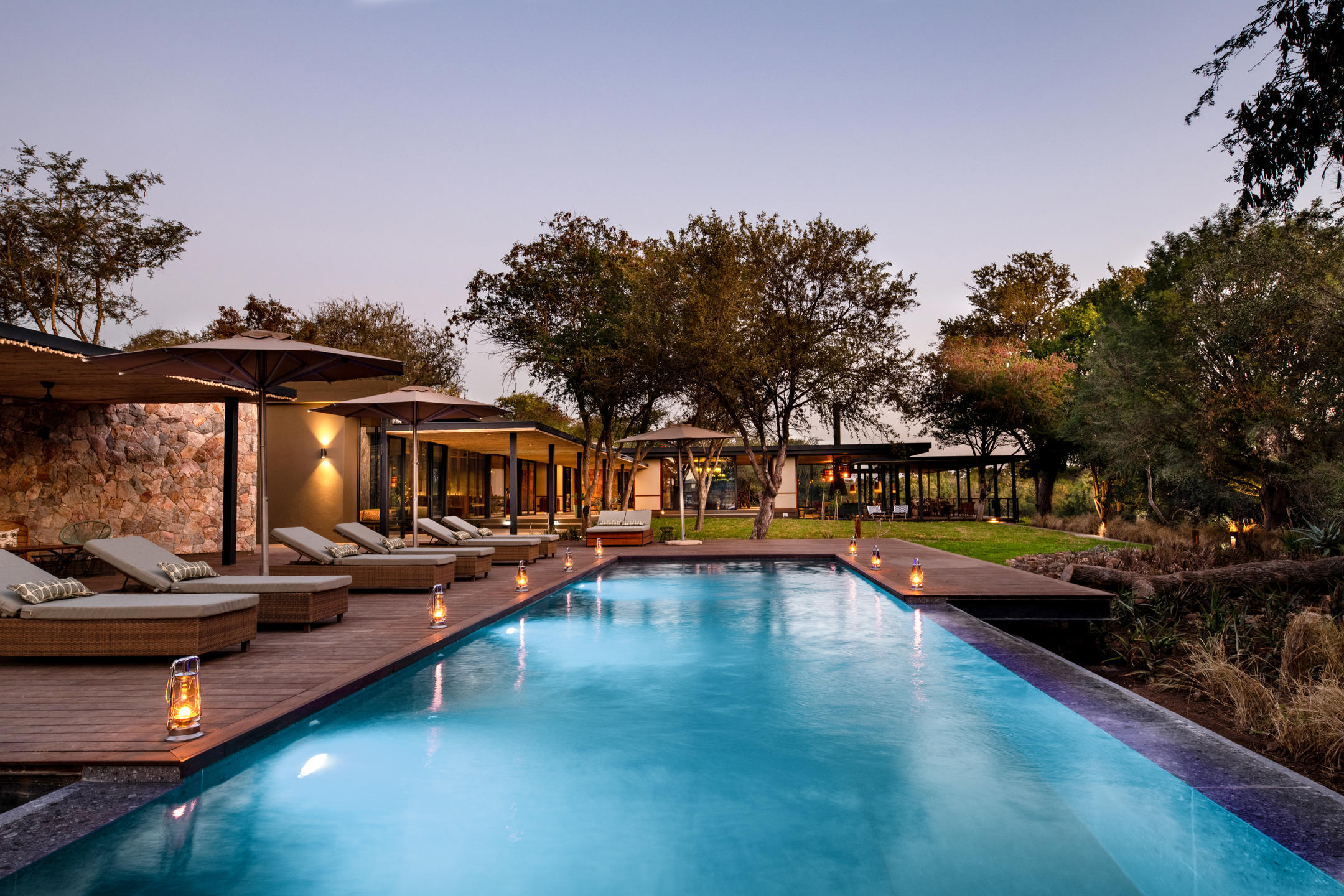
The backstory matters here. Tanda Tula began as a rustic bush camp — unpretentious, warm, focused entirely on the quality of the experience rather than the thread count of the linen. When owners Don and Nina Scott eventually rebuilt the lodge, they made a decision that not everyone in the industry gets right: they carried the soul of the old camp into the new one. The result is a property that sits at the top end of the luxury spectrum — nine suites overlooking the Nhlaralumi riverbed, each with a private plunge pool and an open-plan configuration that blurs the line between inside and outside — but that feels nothing like a corporate exercise in high-end safari. It feels like someone’s home. A very well-designed someone’s home, but a home nonetheless.


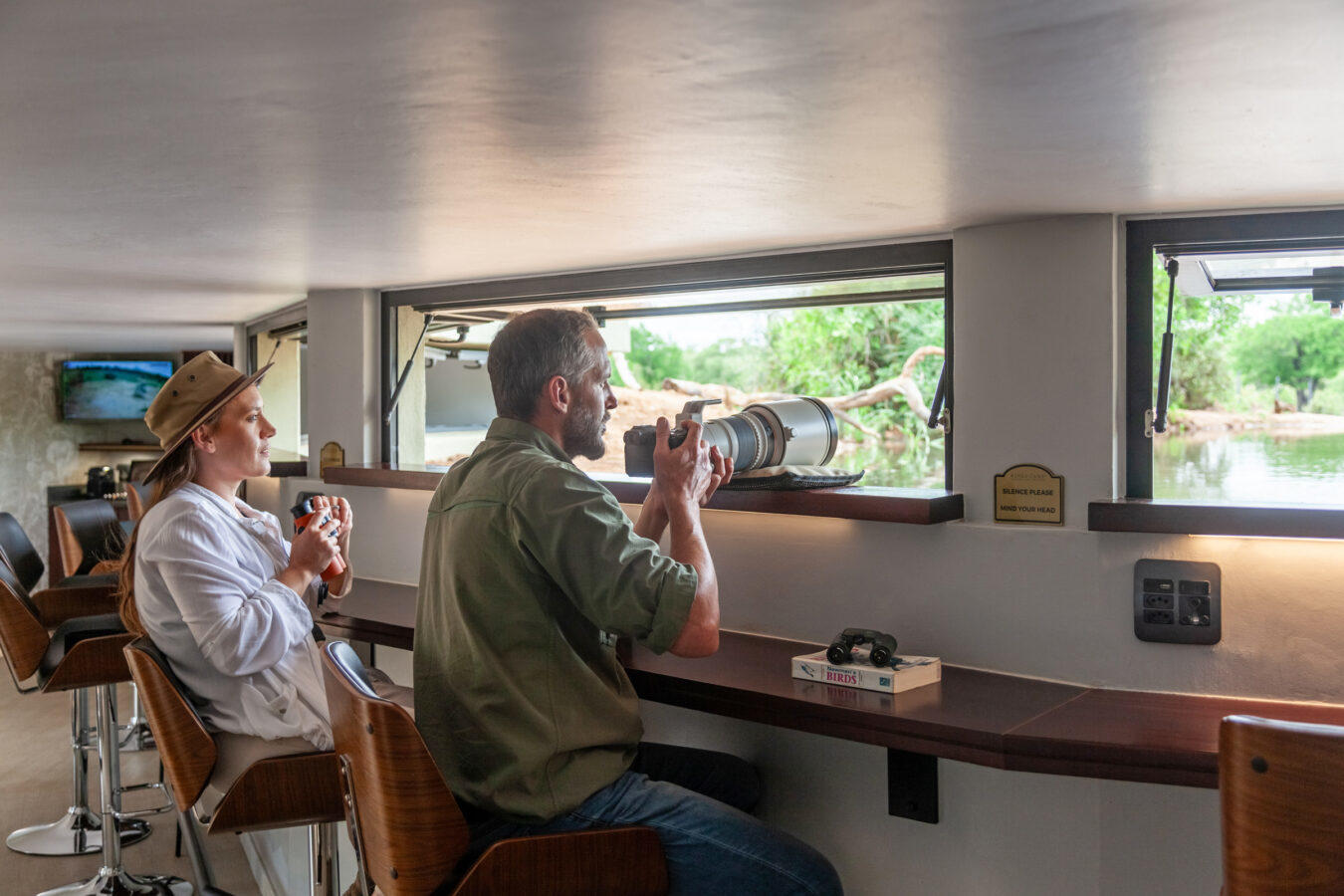
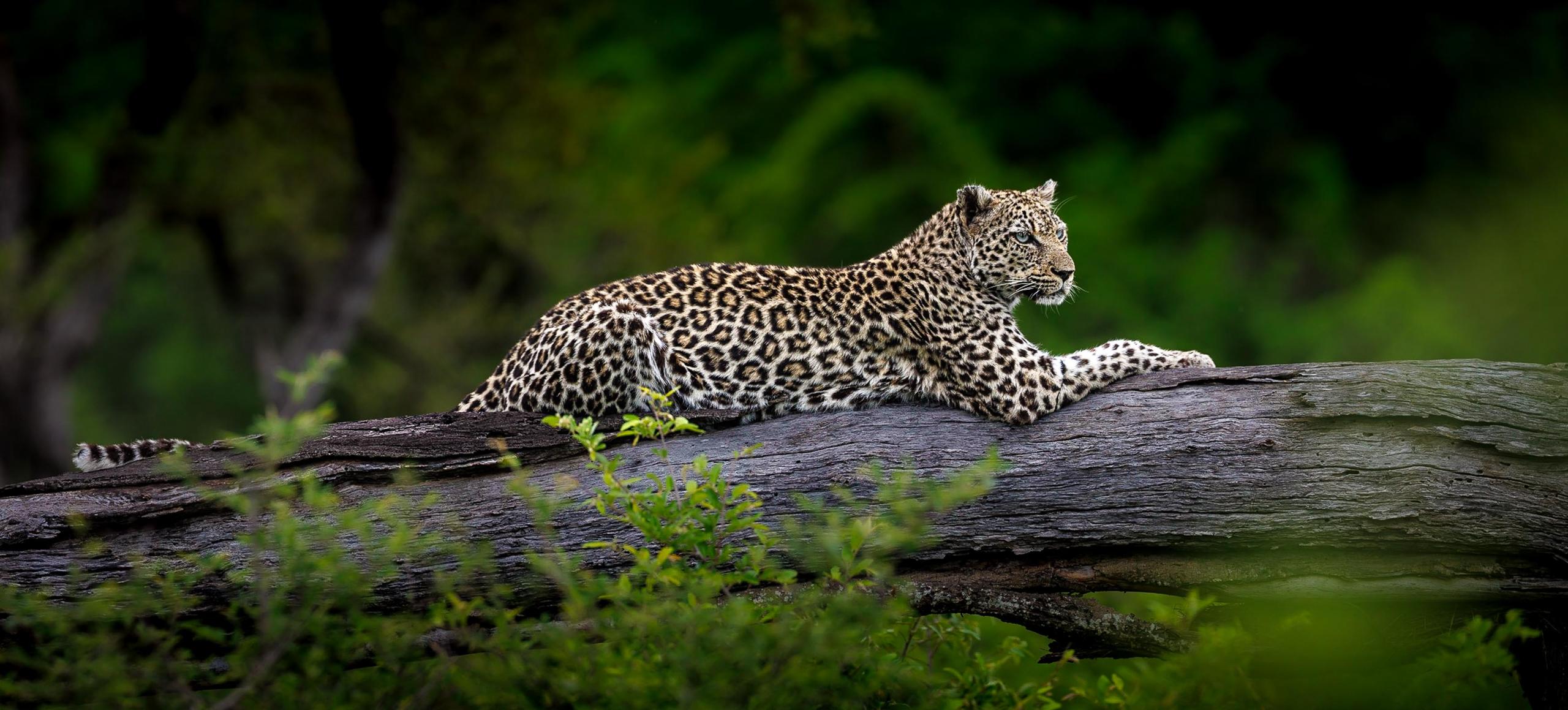
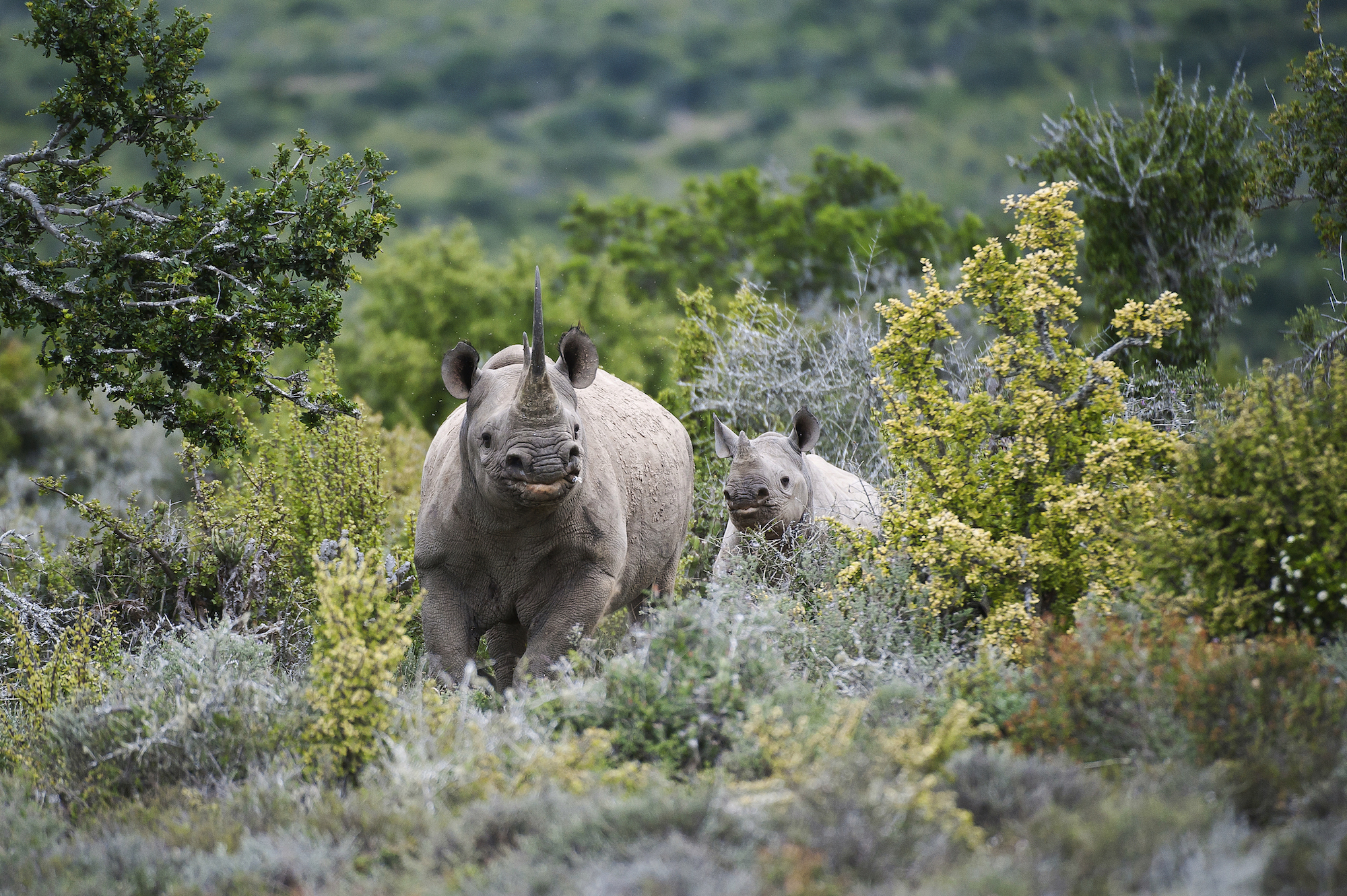
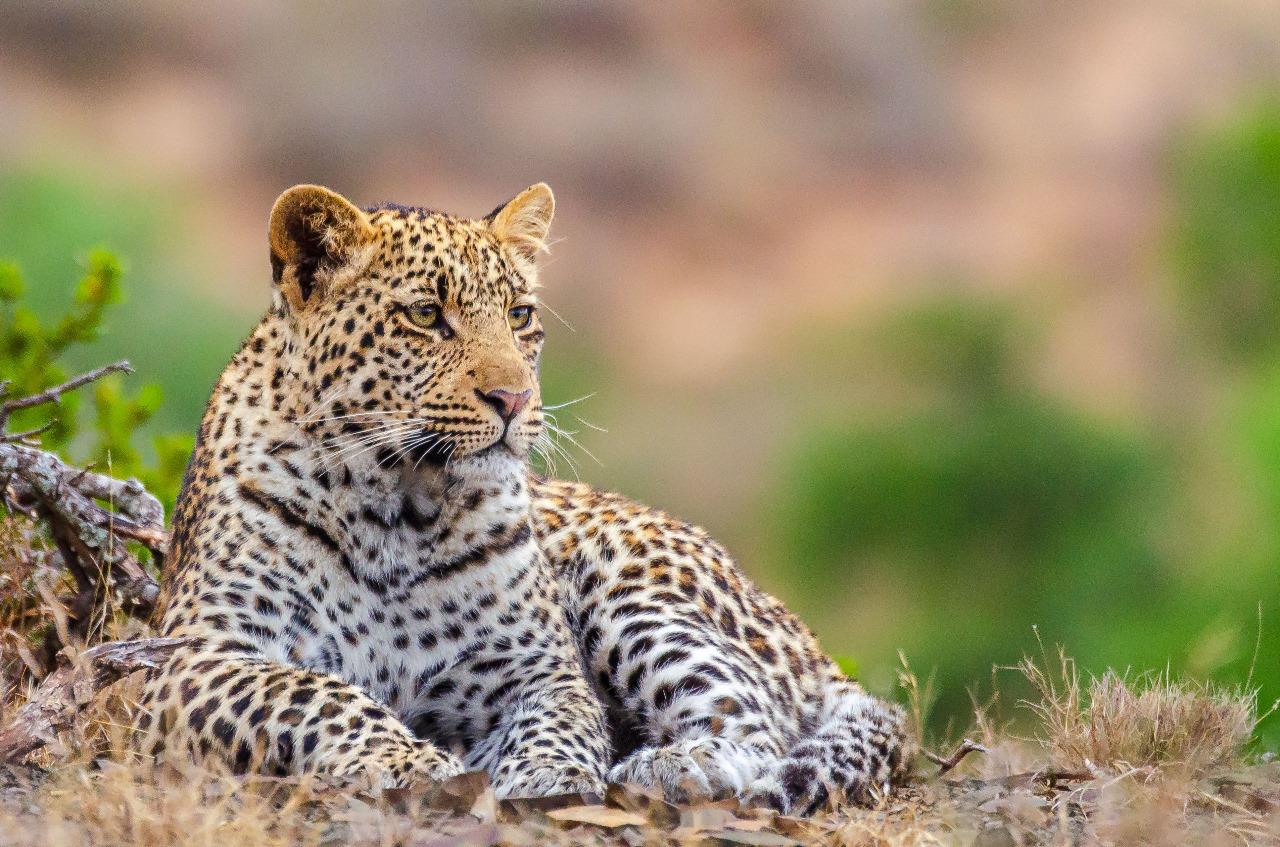
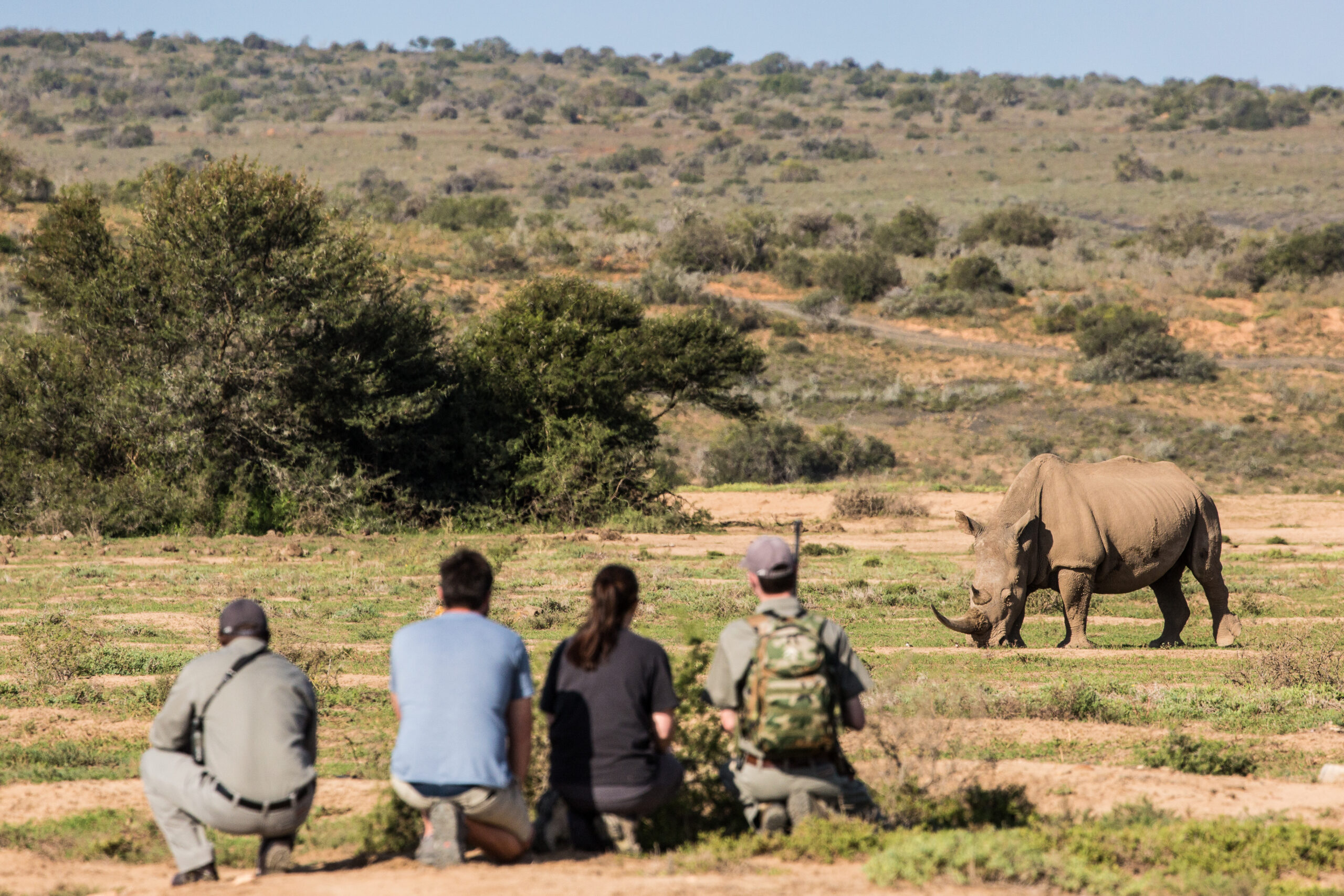
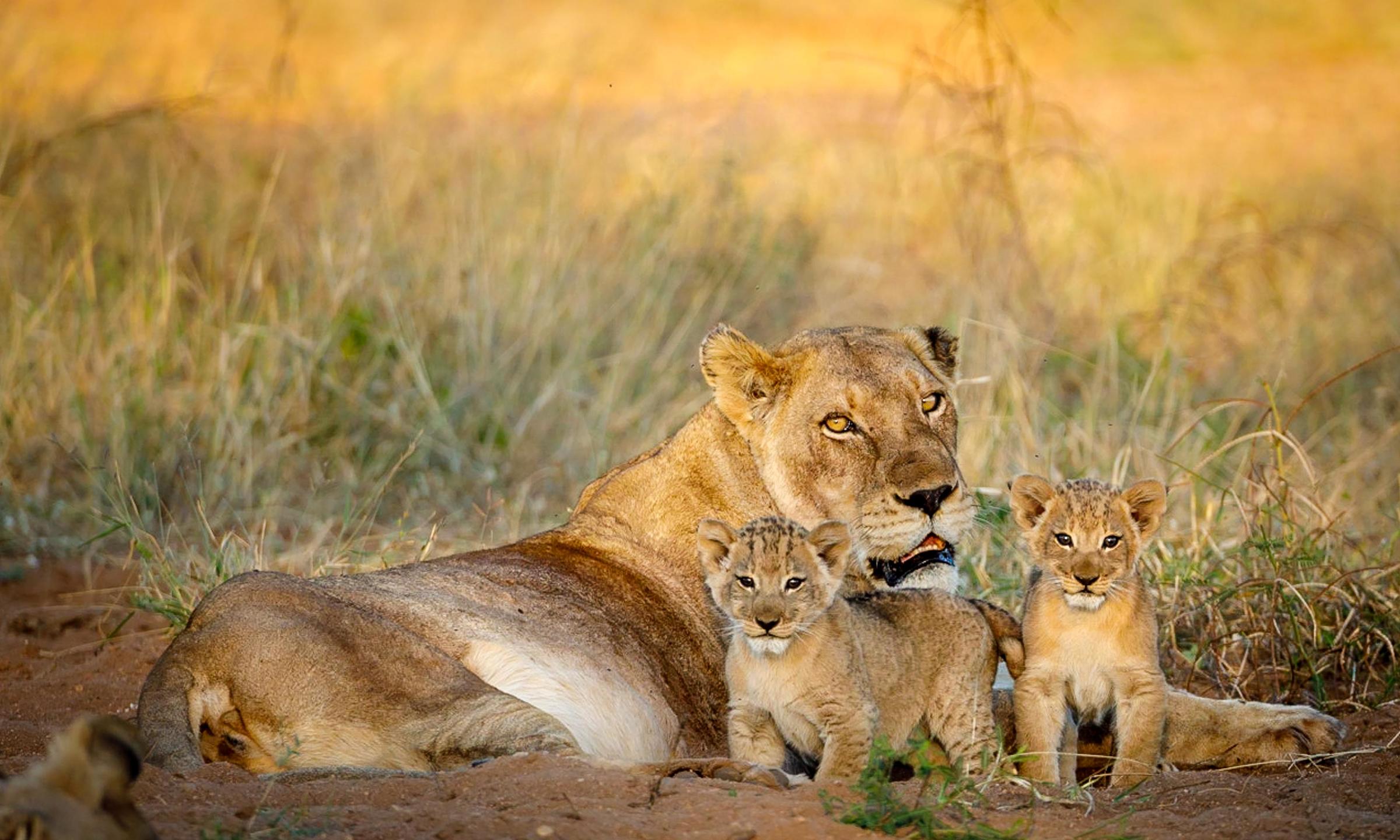
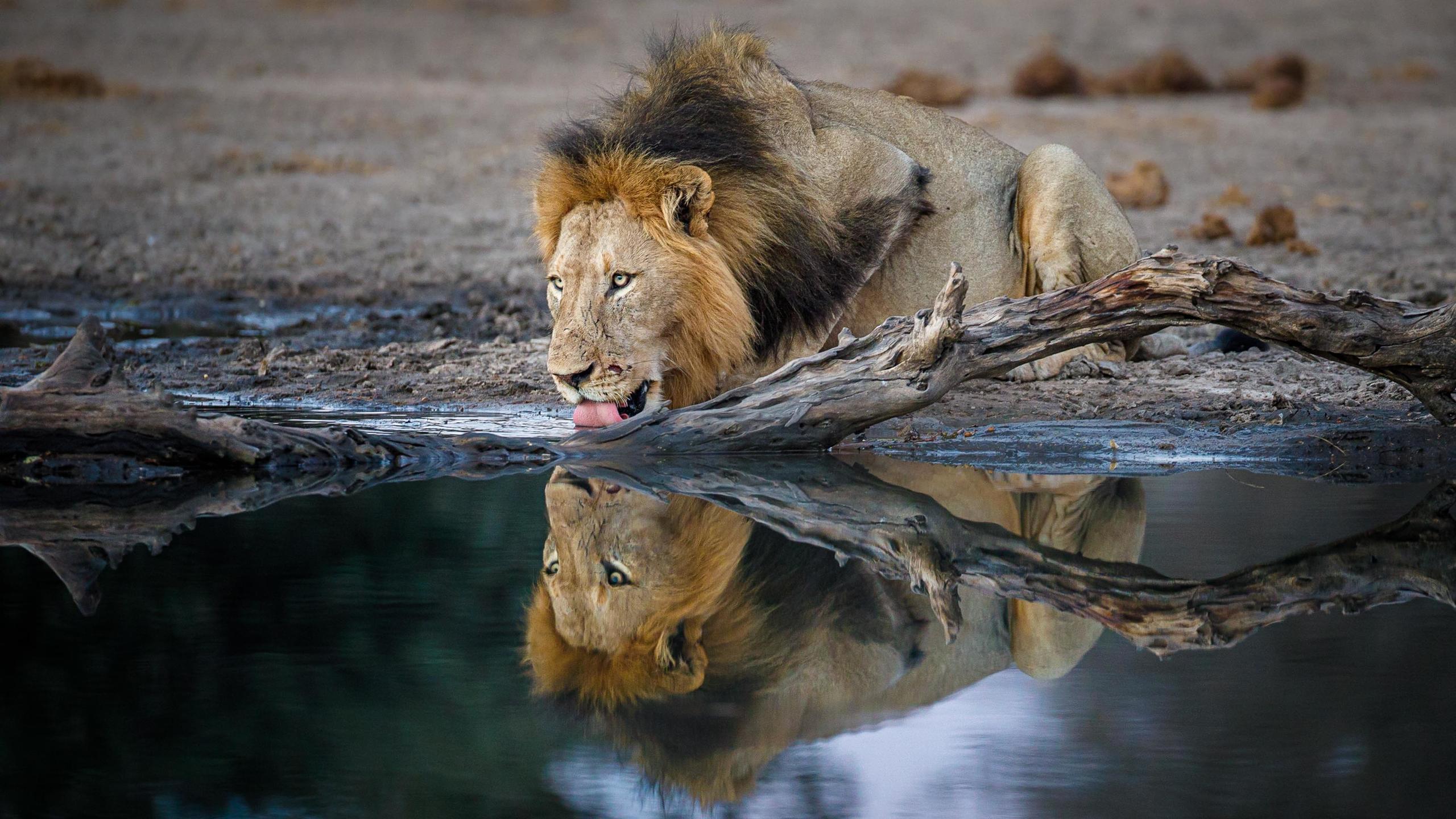
The guides are the heart of it. Rangers Scotch, Formen and Civilised — names you won’t forget — have between them more than fifty years of experience in this specific piece of the Timbavati. They know the predator territories, the wild dog pack movements, the productive waterholes, the particular morning light on the Nhlaralumi. Maximum six guests per vehicle on a game drive. Walking safaris alongside the drives. A patrol flight conservation experience for the younger guests who want something beyond a Land Rover. The game viewing here is consistently exceptional, and the low vehicle density of the Timbavati means that when you find something, you sit with it properly.
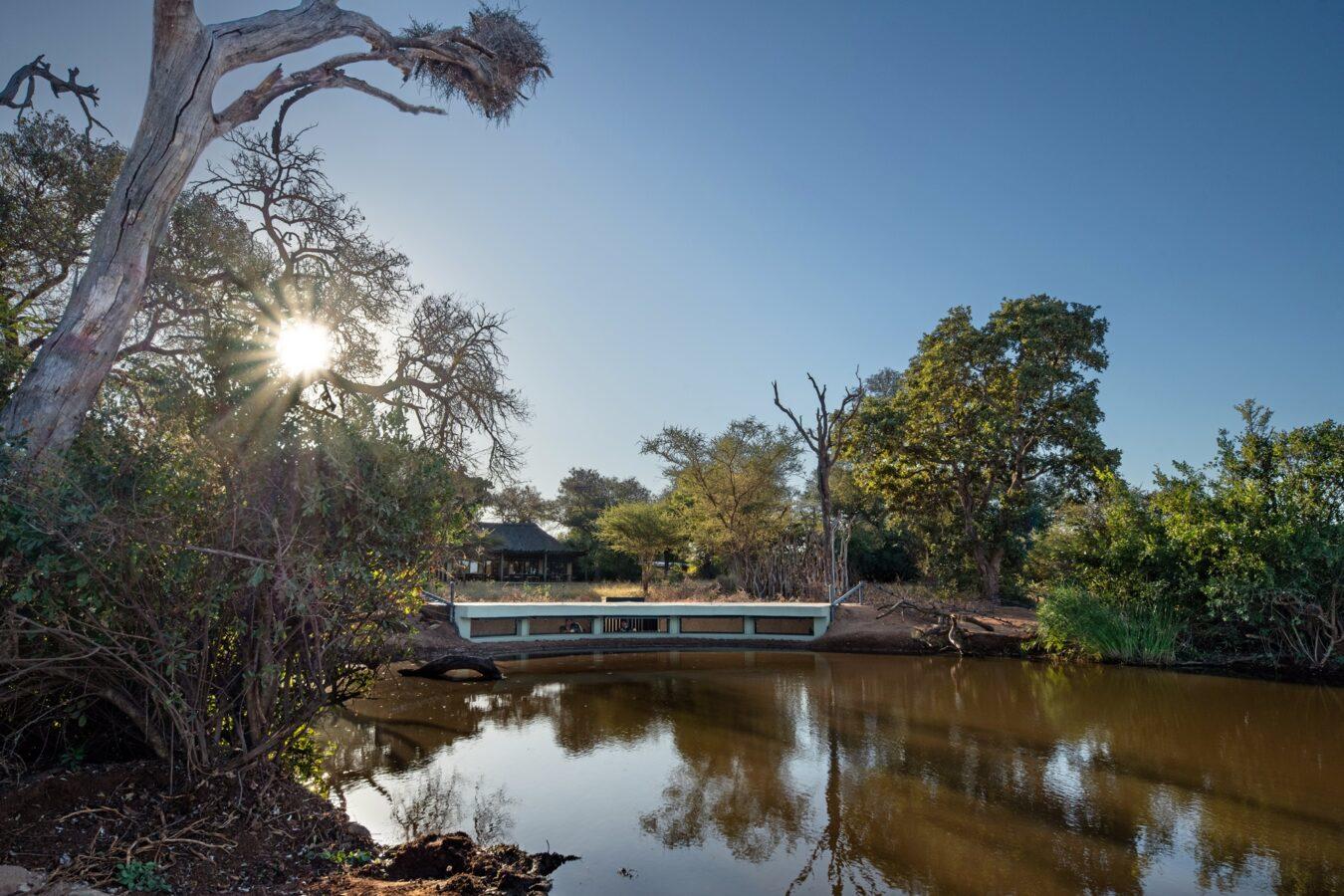
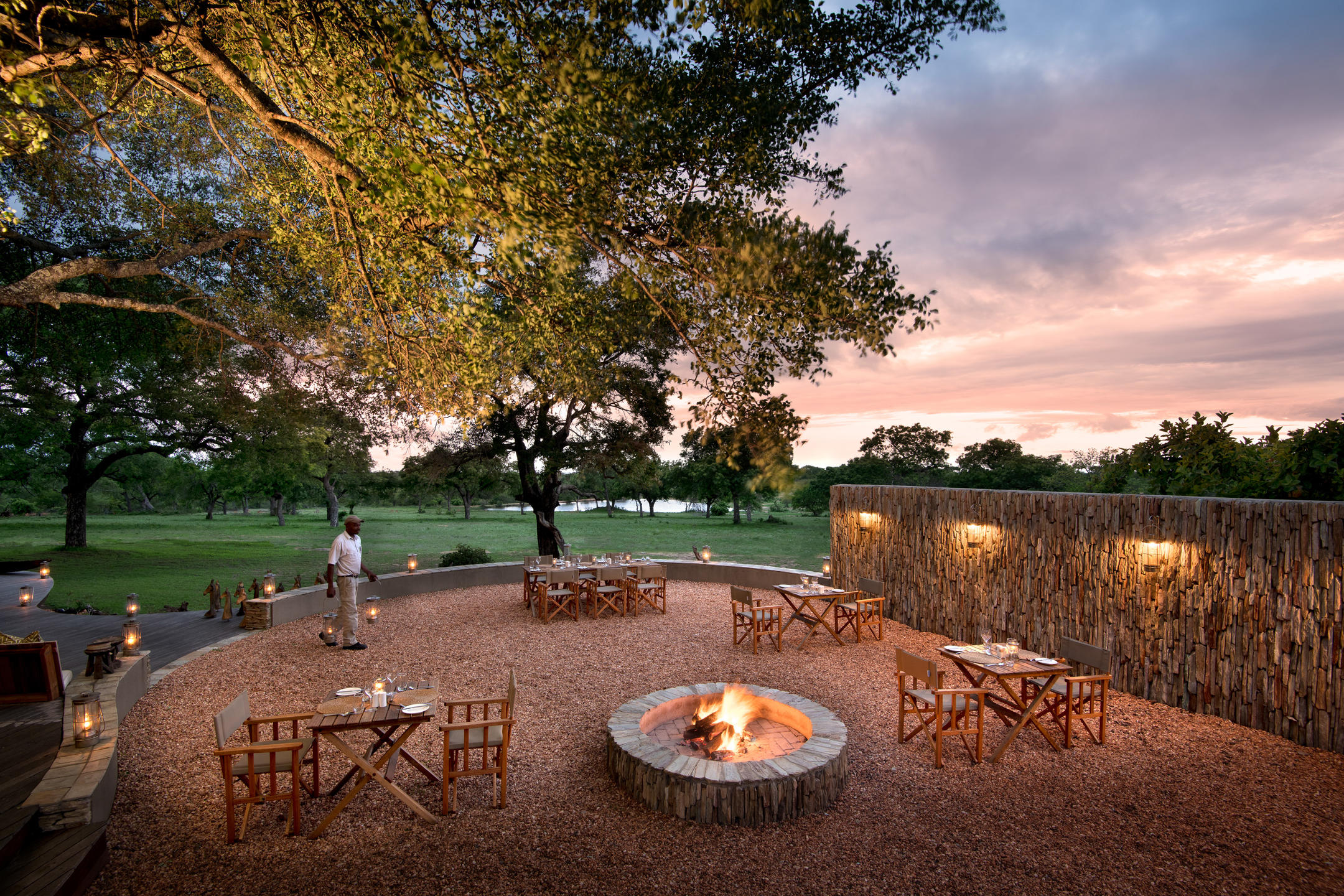
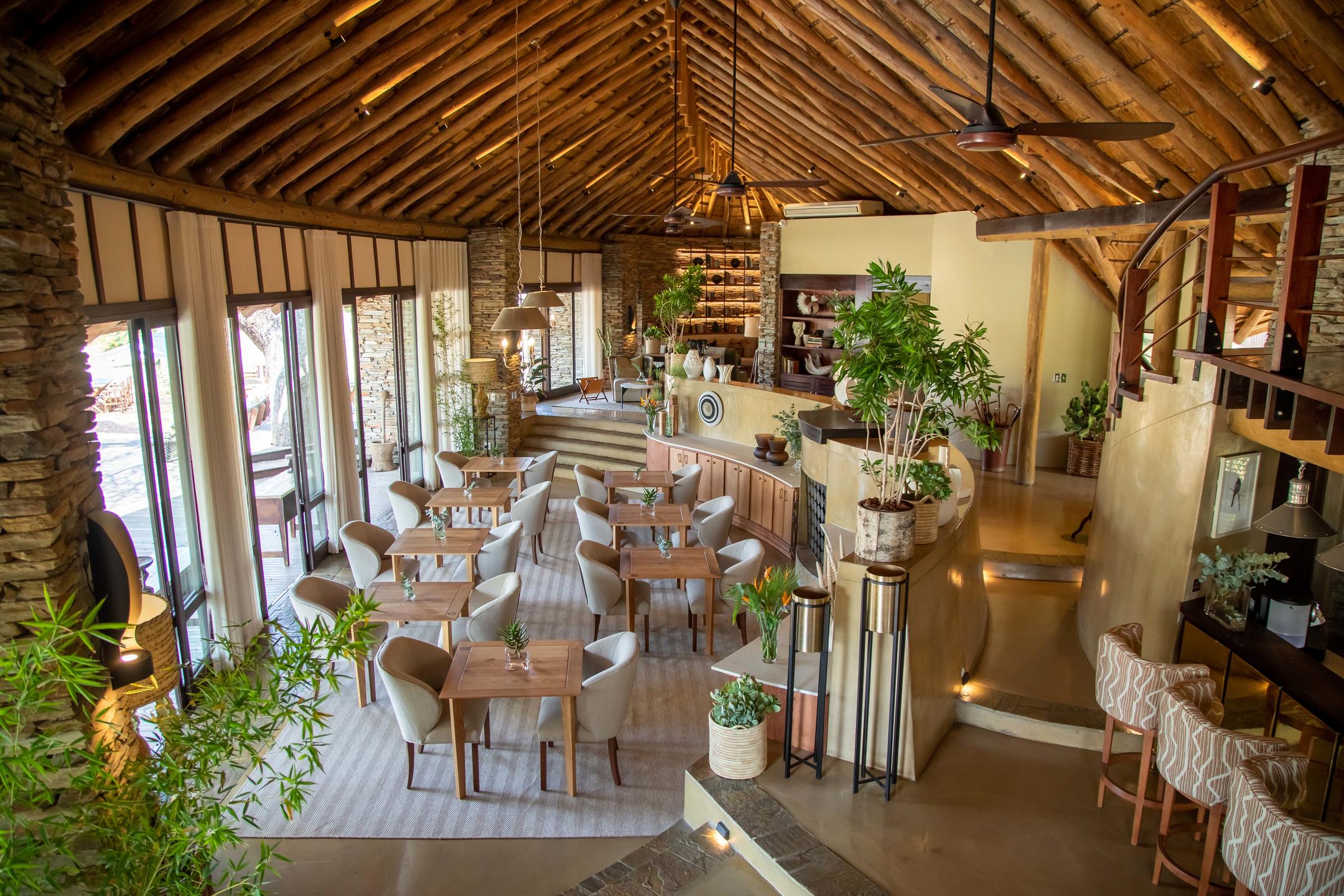
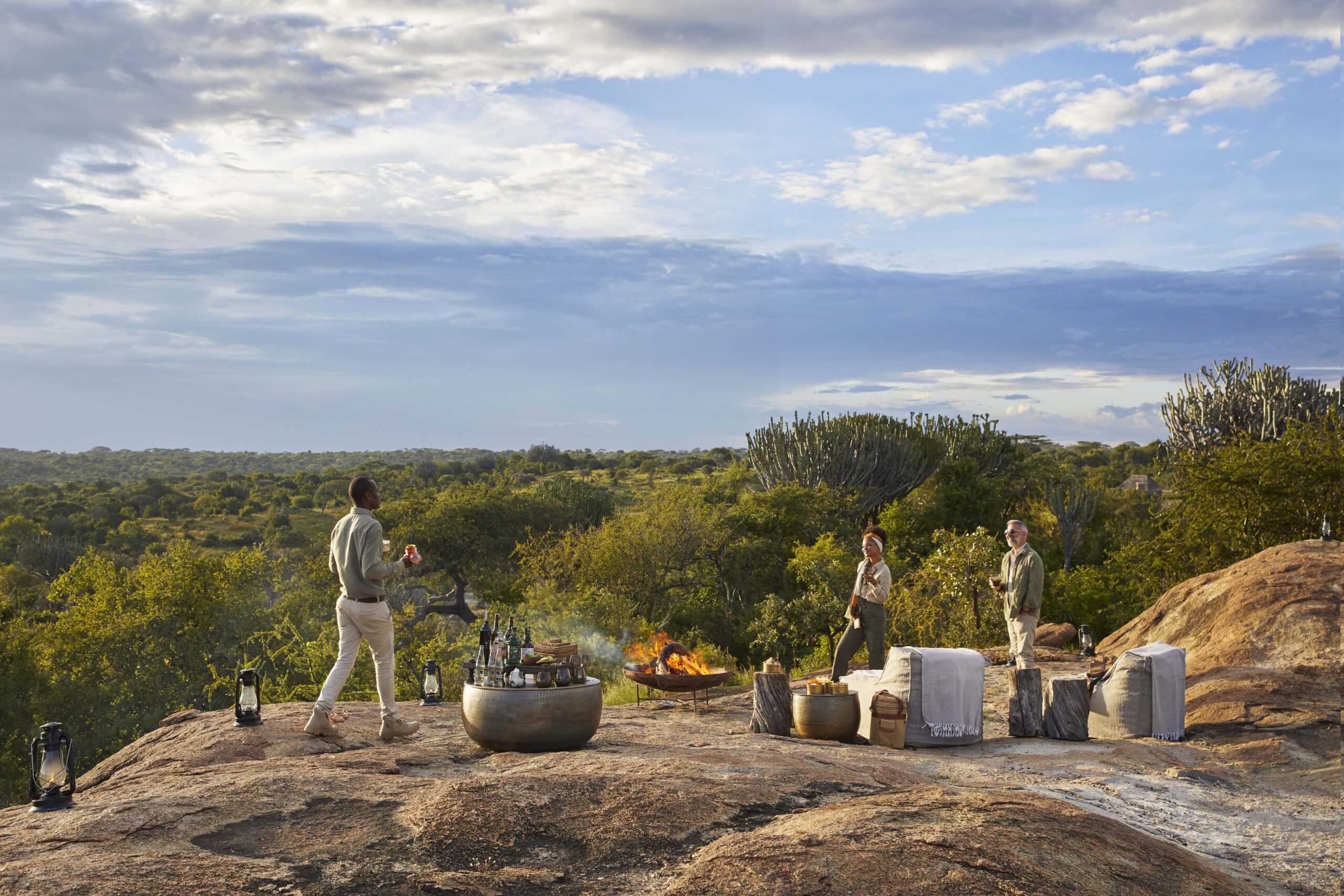
The food deserves a mention that most safari blogs neglect to give it. Chef Ryan’s kitchen was runner-up for best safari cuisine in Africa in 2024 — a detail that becomes entirely believable at the first dinner. Meals rotate between the boma, the deck, the dining room, and occasionally the riverbed itself, where a table appears as if from nowhere and the Timbavati provides the atmosphere free of charge.

Between March and October, Tanda Tula offers something that very few lodges anywhere can match: an exclusive-use bush field camp, accommodating a maximum of eight guests, that takes the experience entirely off-grid. No permanent structures, no electricity beyond what’s needed, just the Timbavati in its rawest form and a guiding team that knows it intimately. For guests who have done the luxury lodge circuit and are looking for something that goes further — this is where further actually lives.
Tanda Tula means “love and peace” in the Shangaan language. It’s the kind of name that could easily be dismissed as marketing. Spend a few days there and it starts to feel like an accurate description.