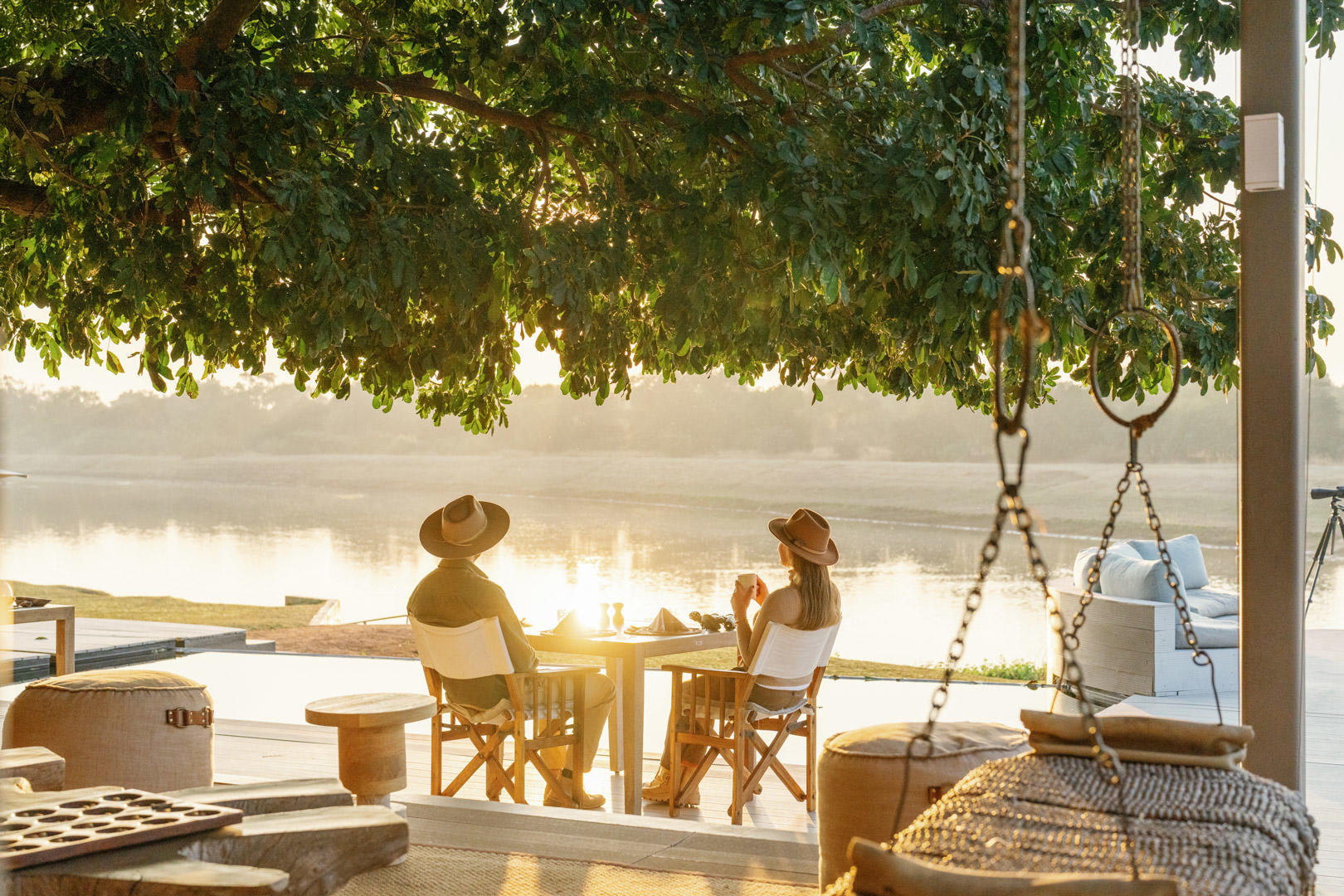
Marataba Residence: The Waterberg, Entirely to Yourselves

The Waterberg is not the first place most people think of when they plan a safari. That is precisely why it’s worth thinking about.

A UNESCO Biosphere Reserve in Limpopo, the Waterberg sits about three and a half hours north of Johannesburg; close enough to fold into a wider South Africa itinerary without a complicated routing, and far enough removed from the country’s better-known safari circuits to feel genuinely off the beaten track. Marakele National Park sits at its heart; a 75,000-hectare wilderness that is home to the Big Five, cheetah, wild dog, giraffe and one of the world’s largest colonies of endangered Cape vultures, which nest in the dramatic sandstone cliffs of the Waterberg escarpment in their hundreds. The entire area is malaria-free.
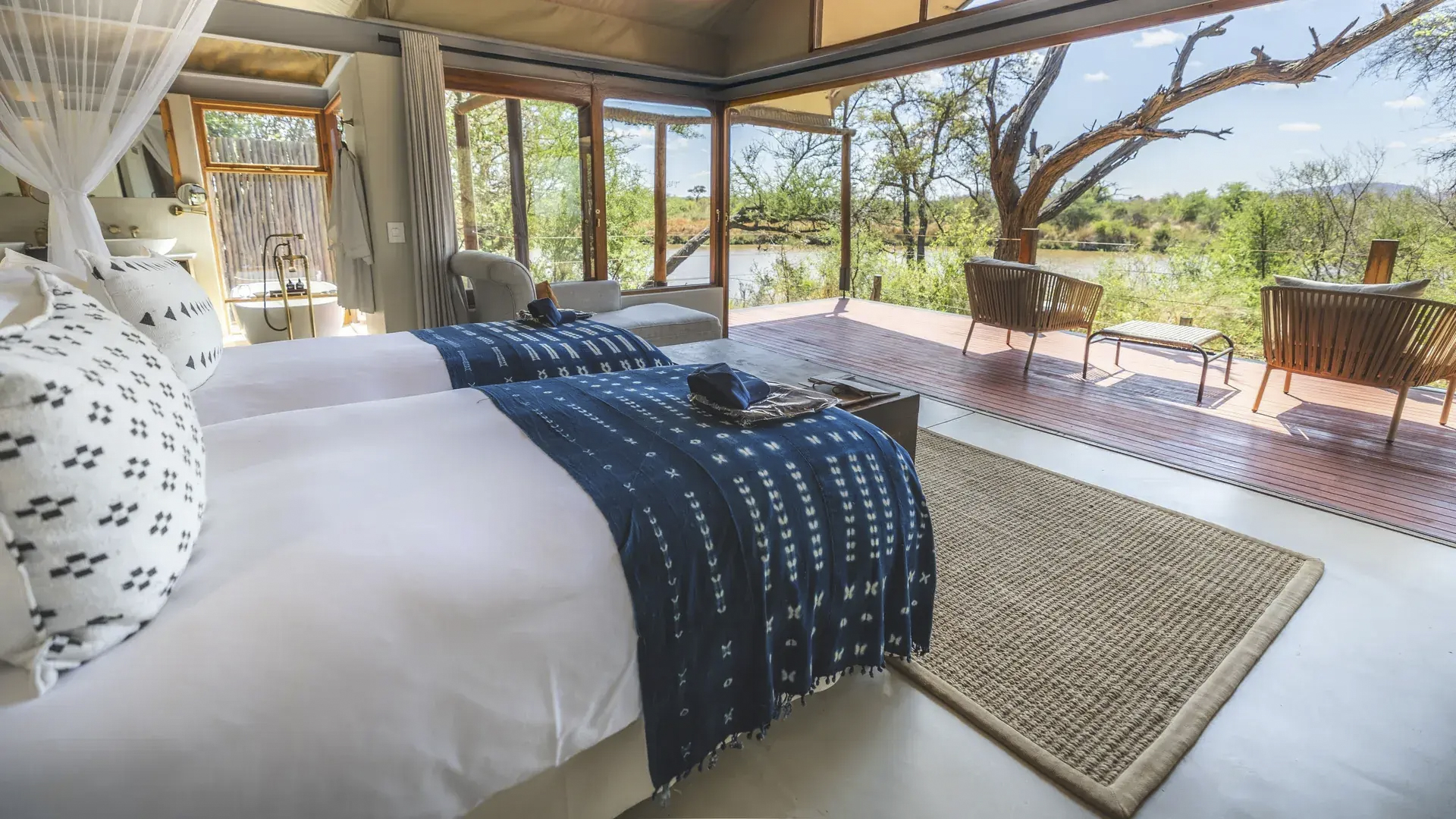
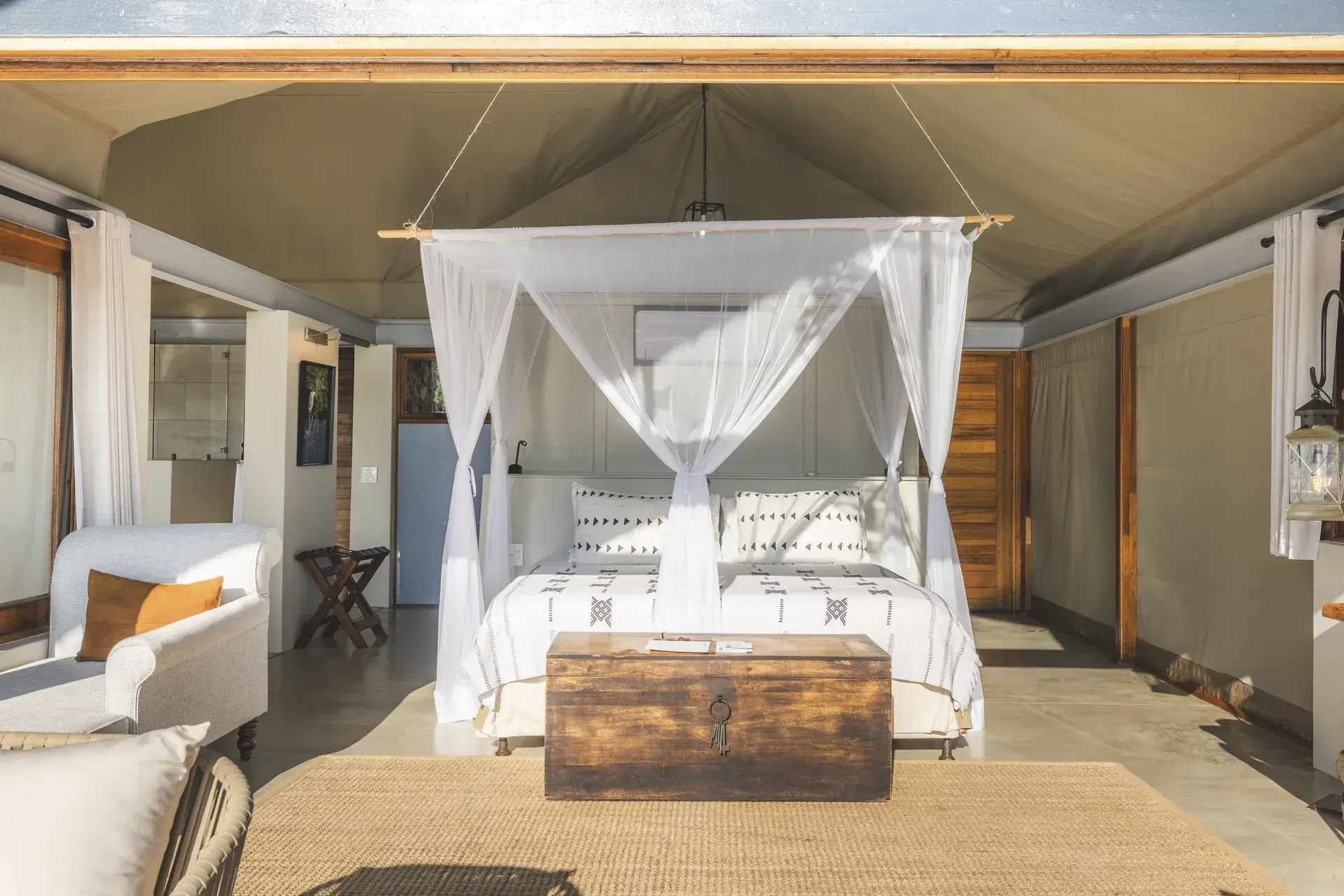
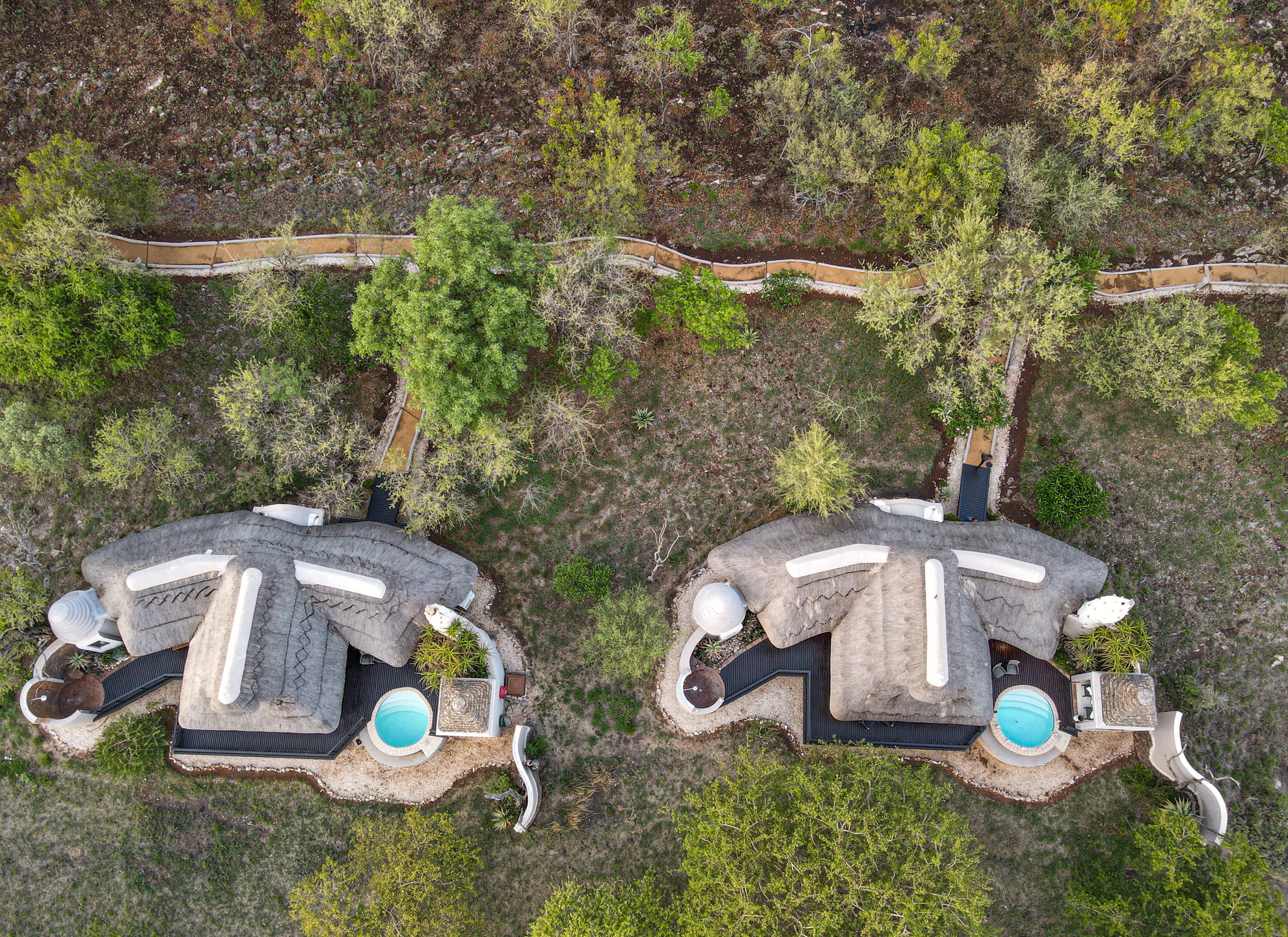
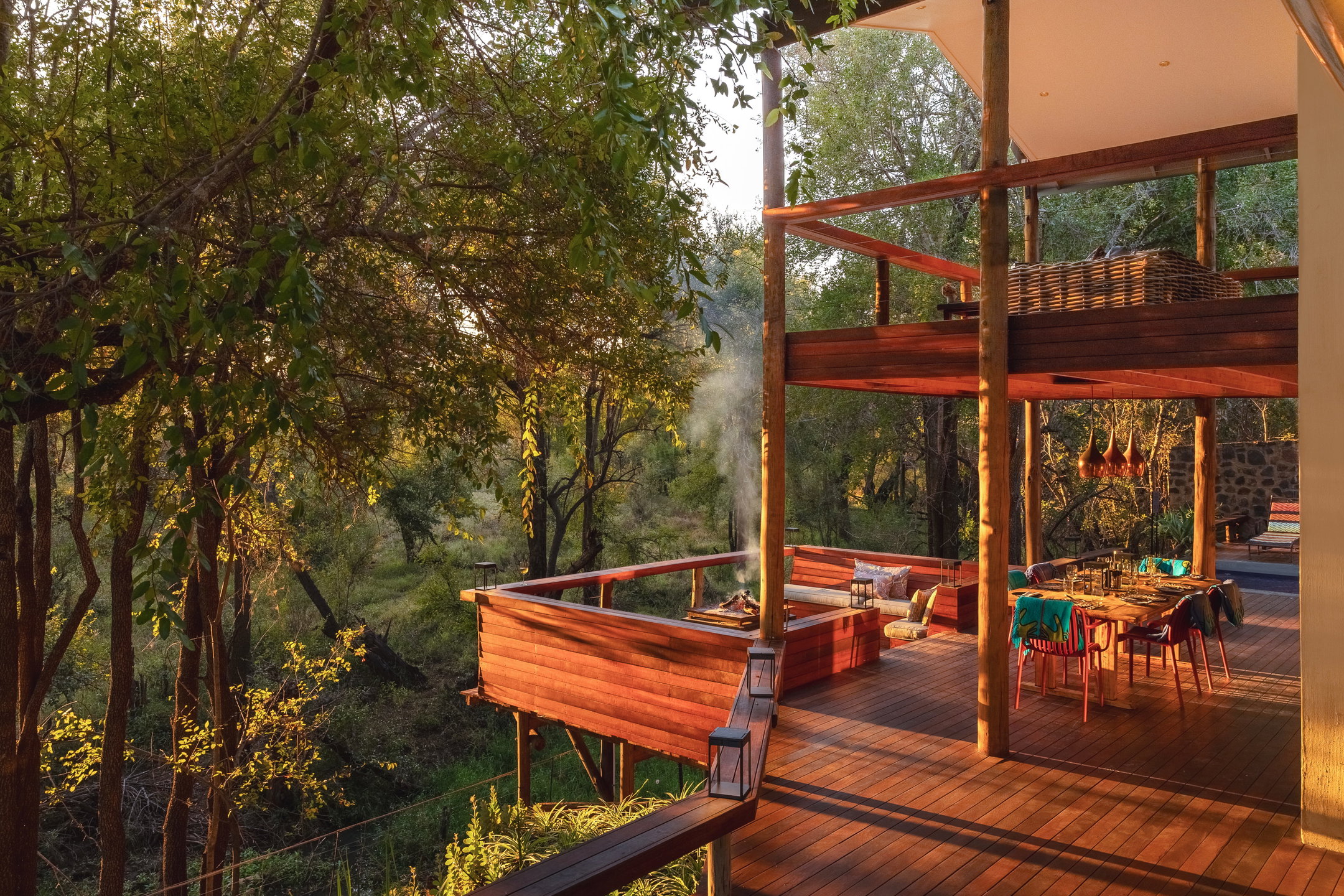
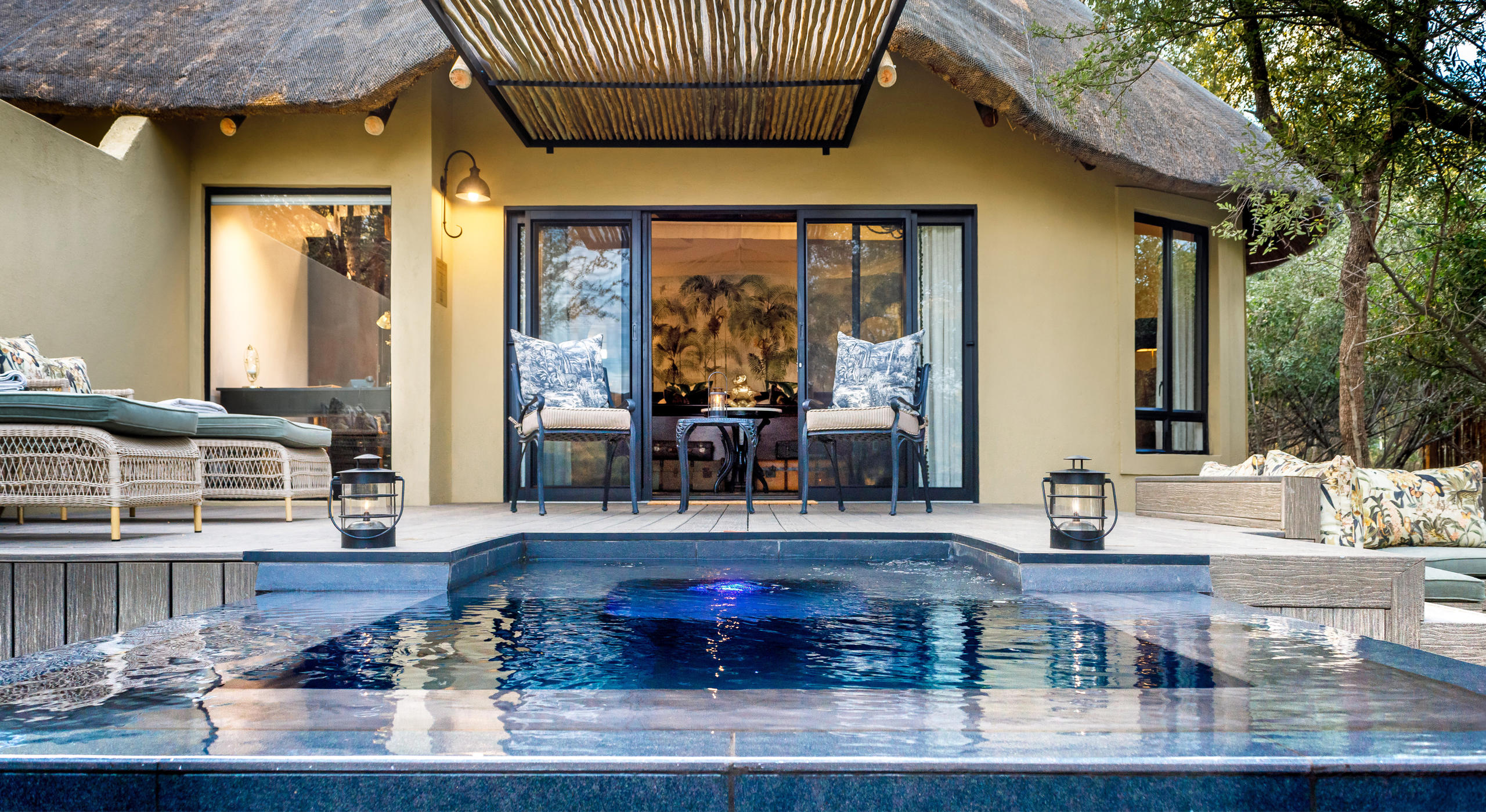
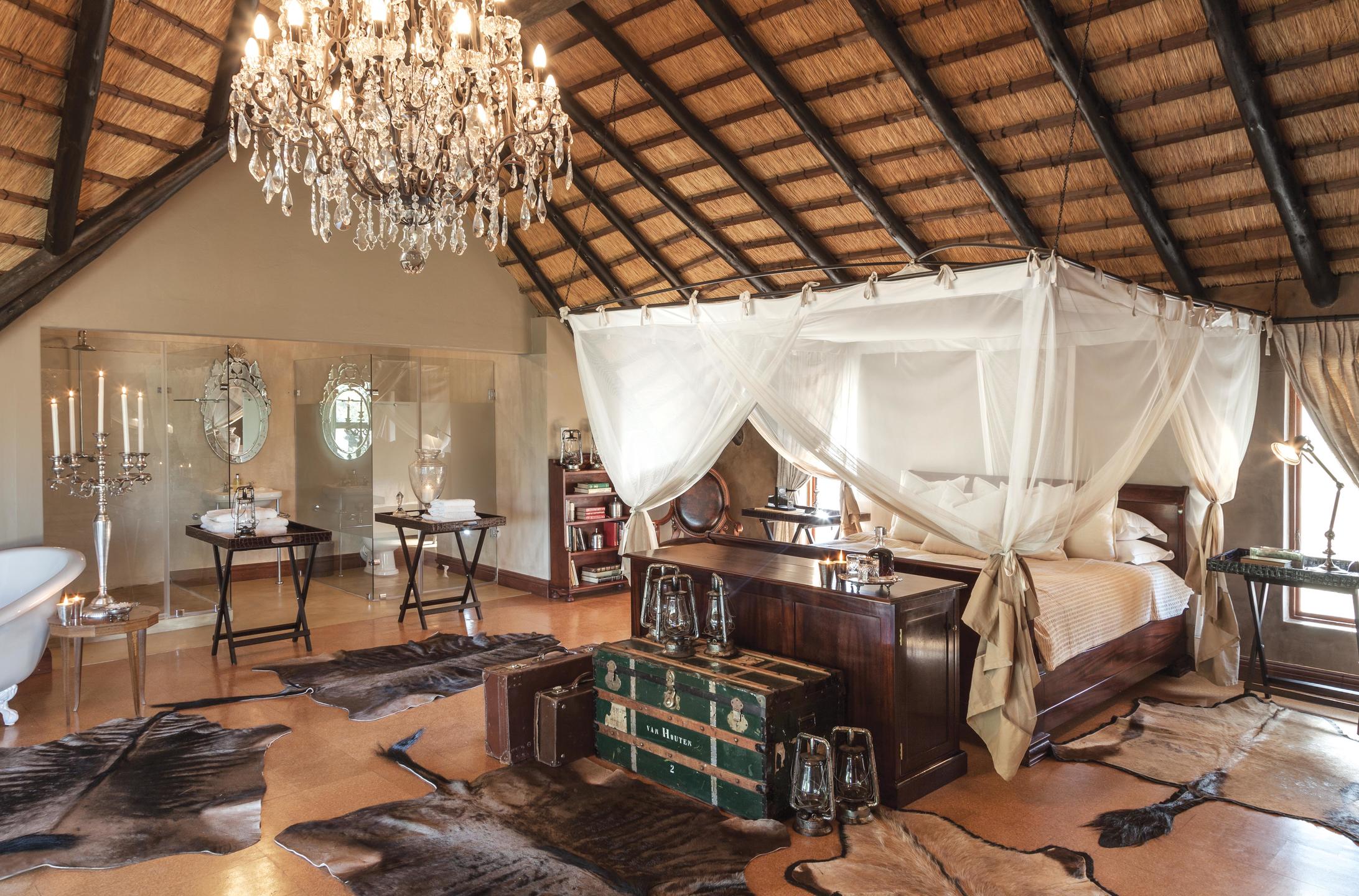
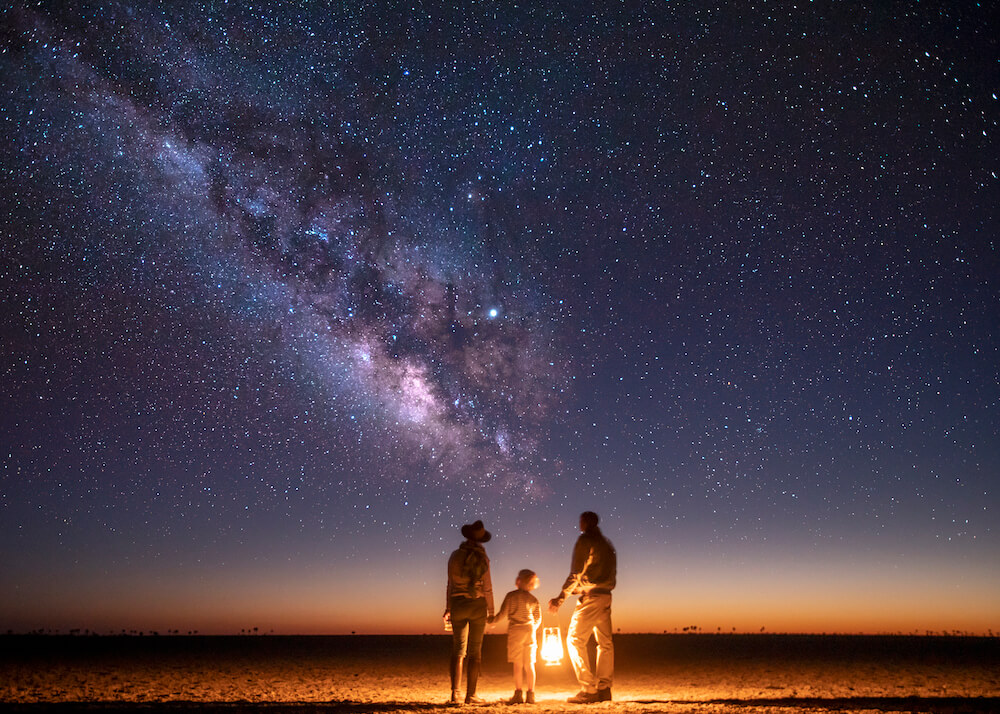
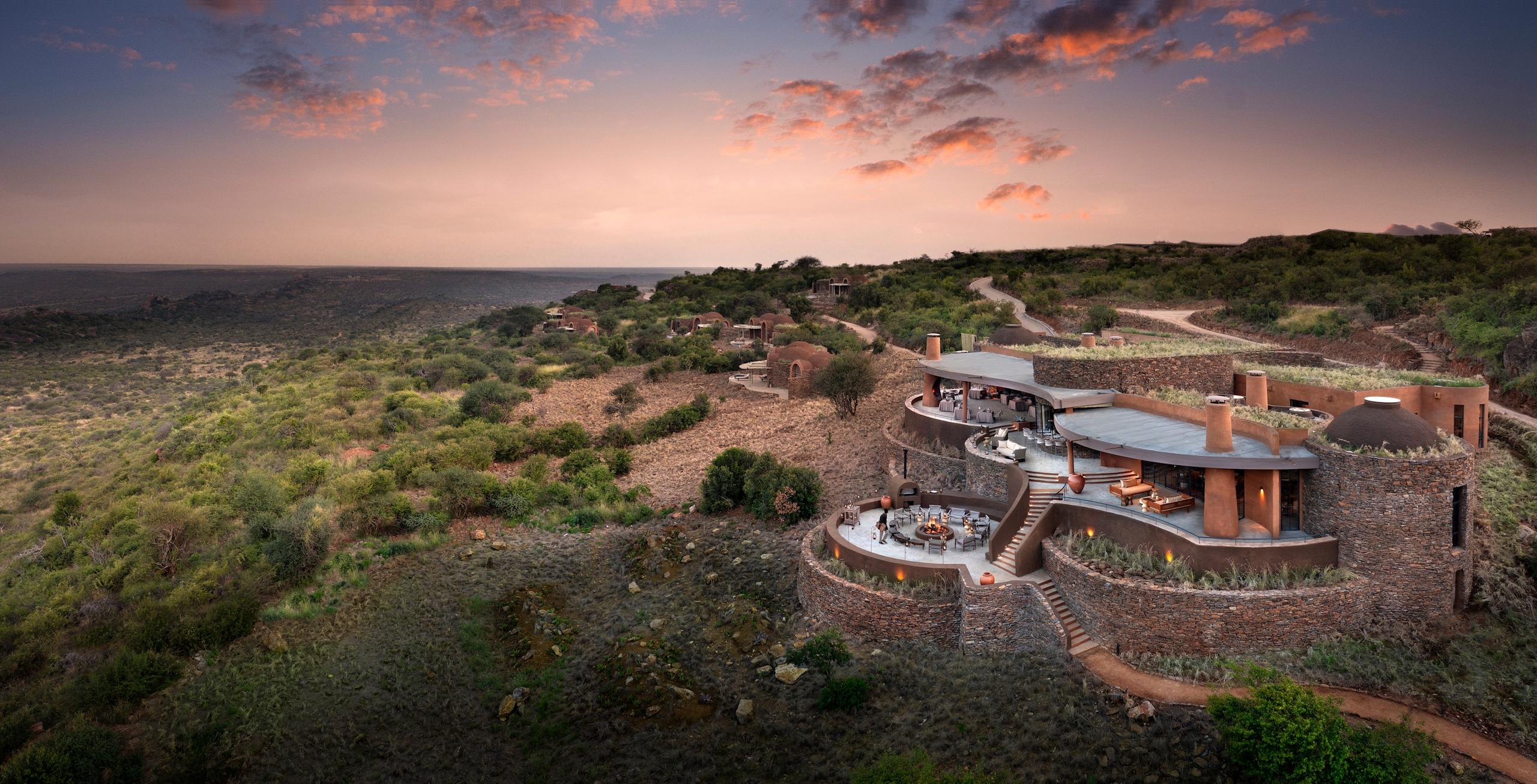
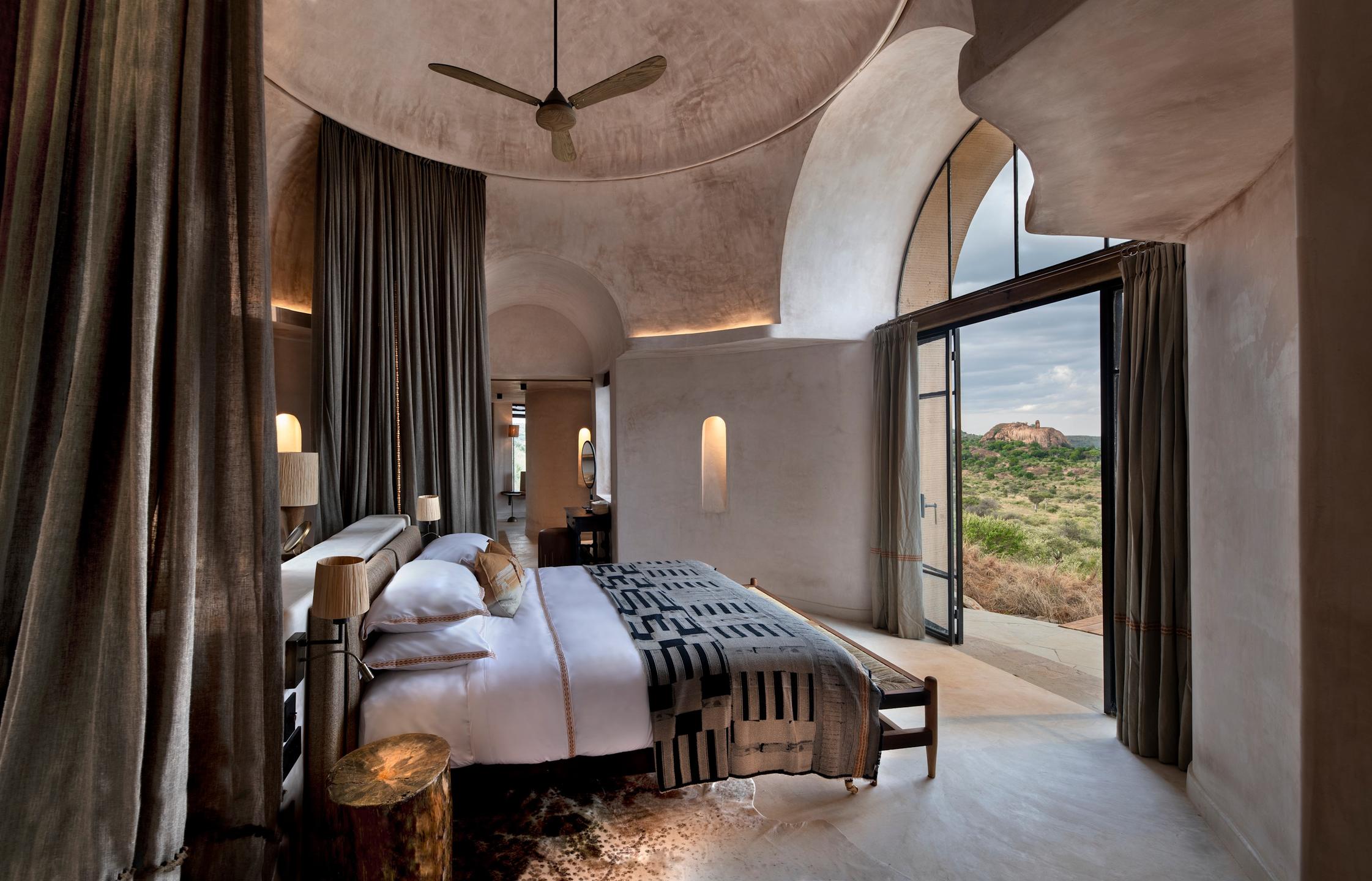
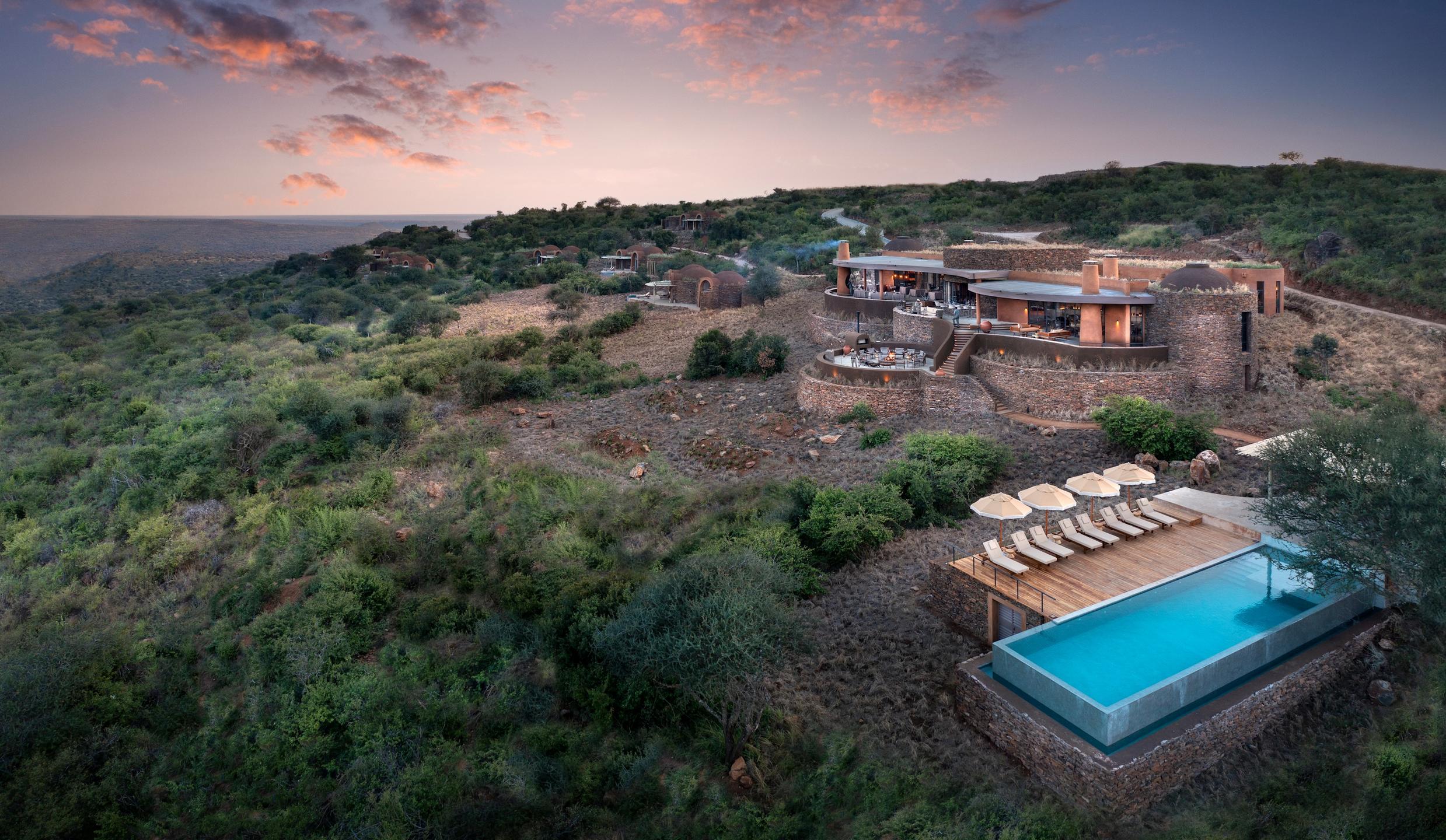
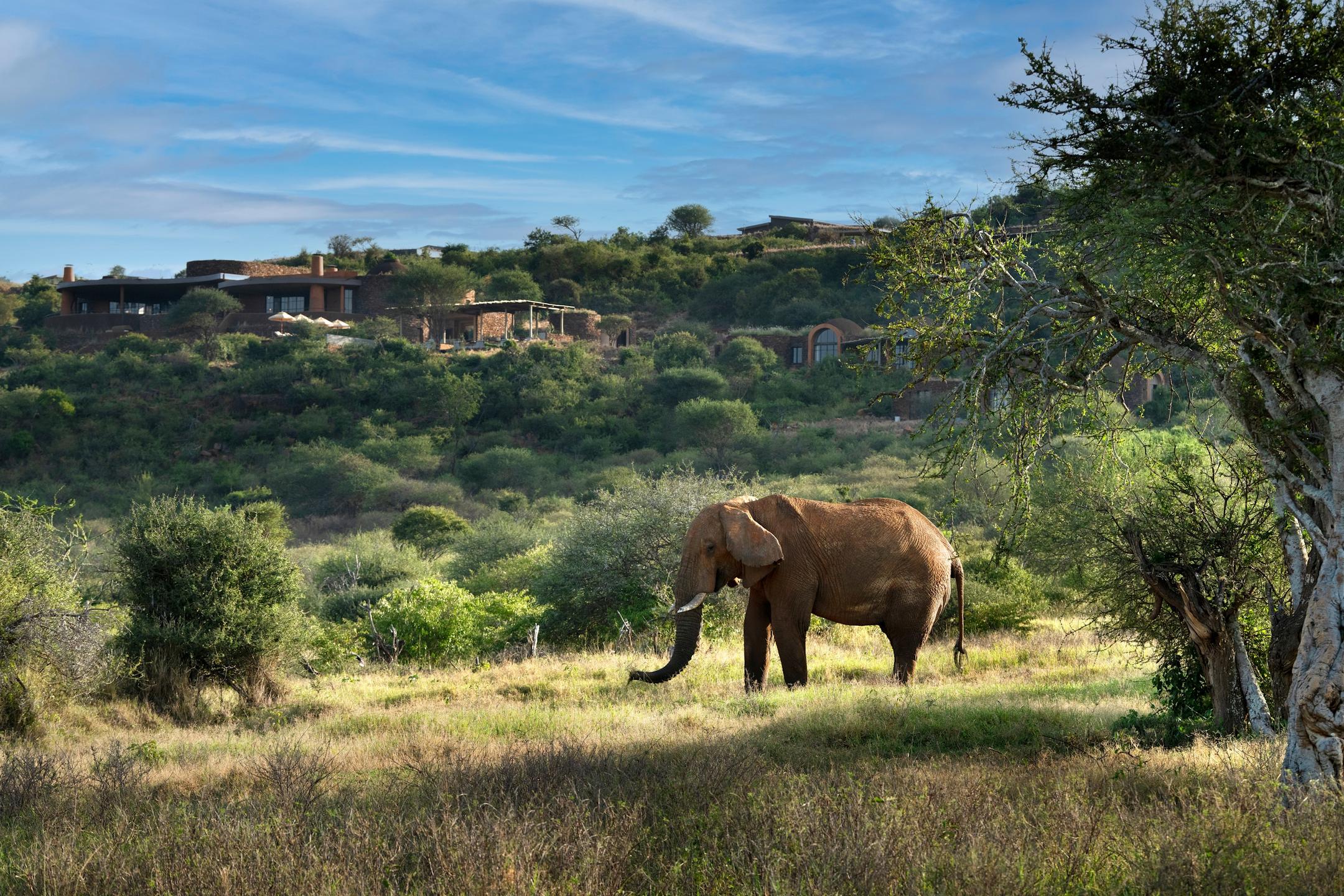
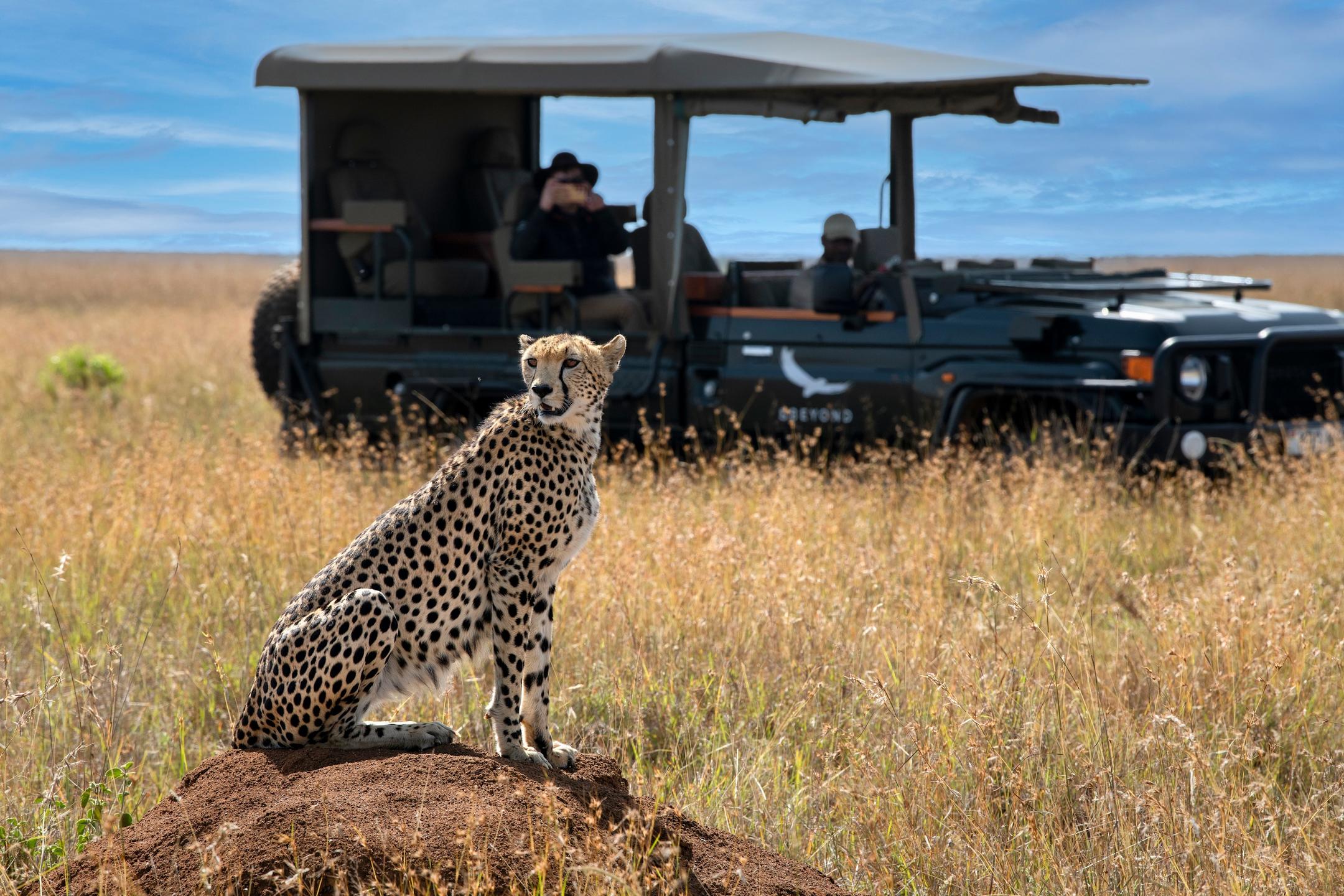
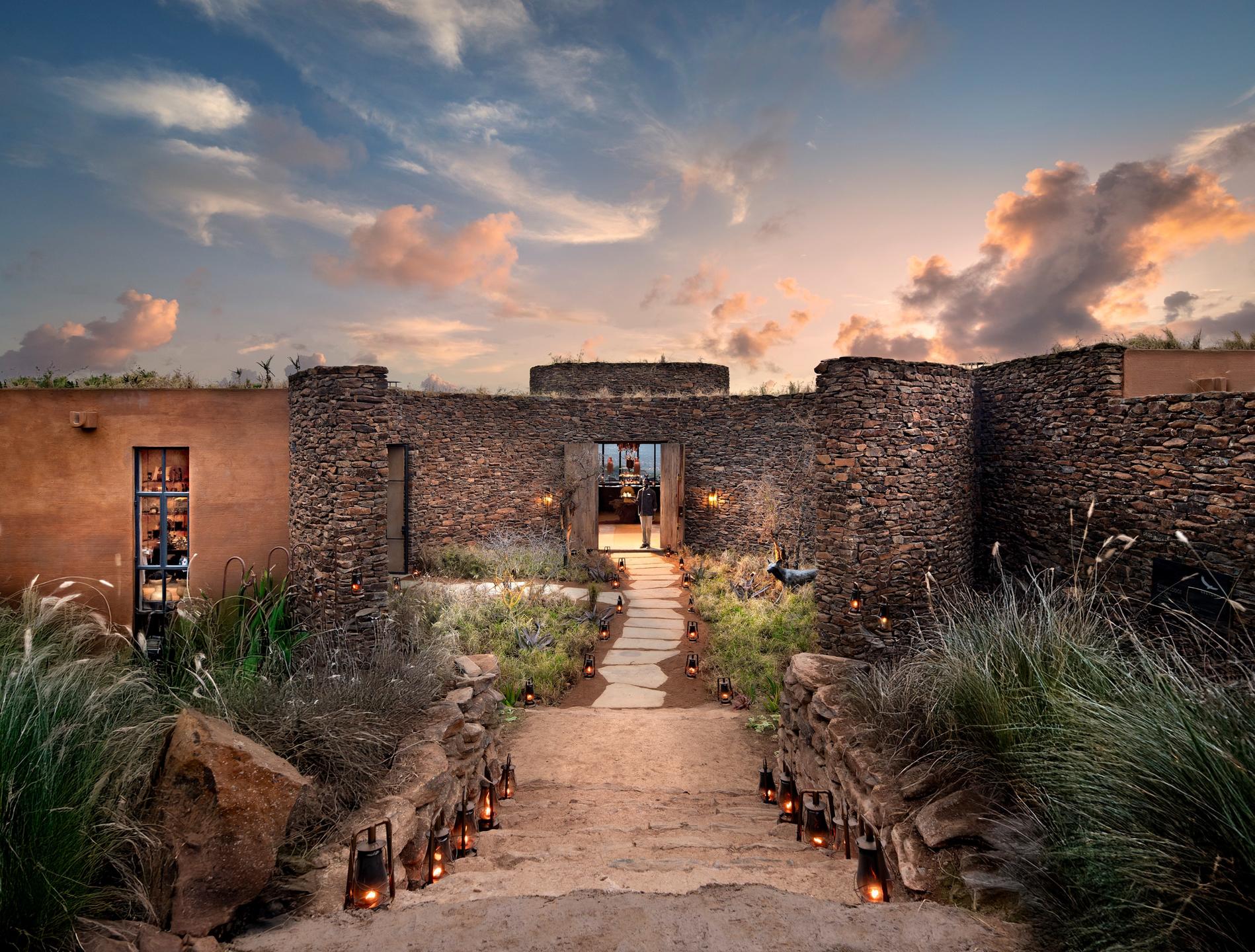
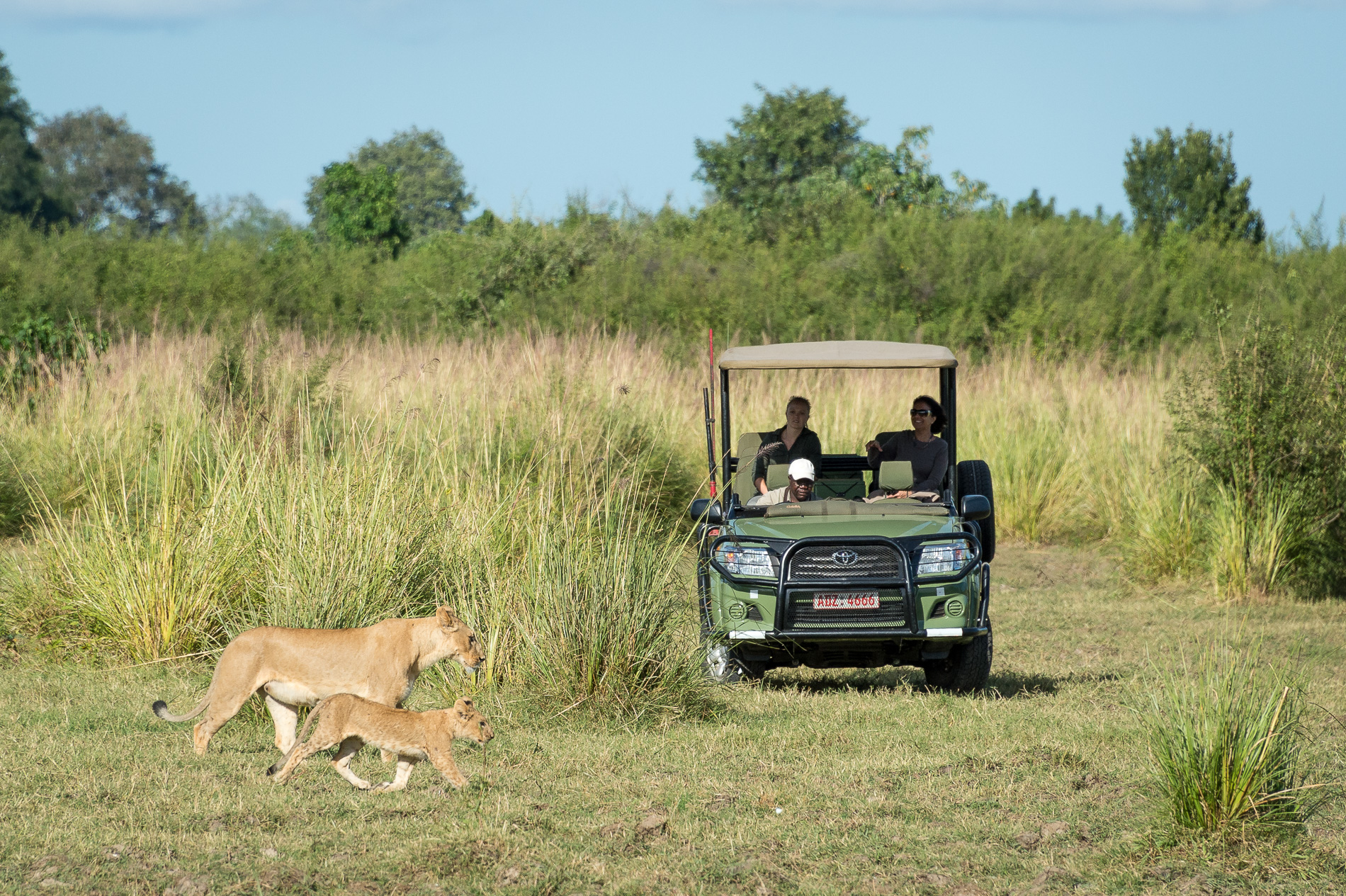
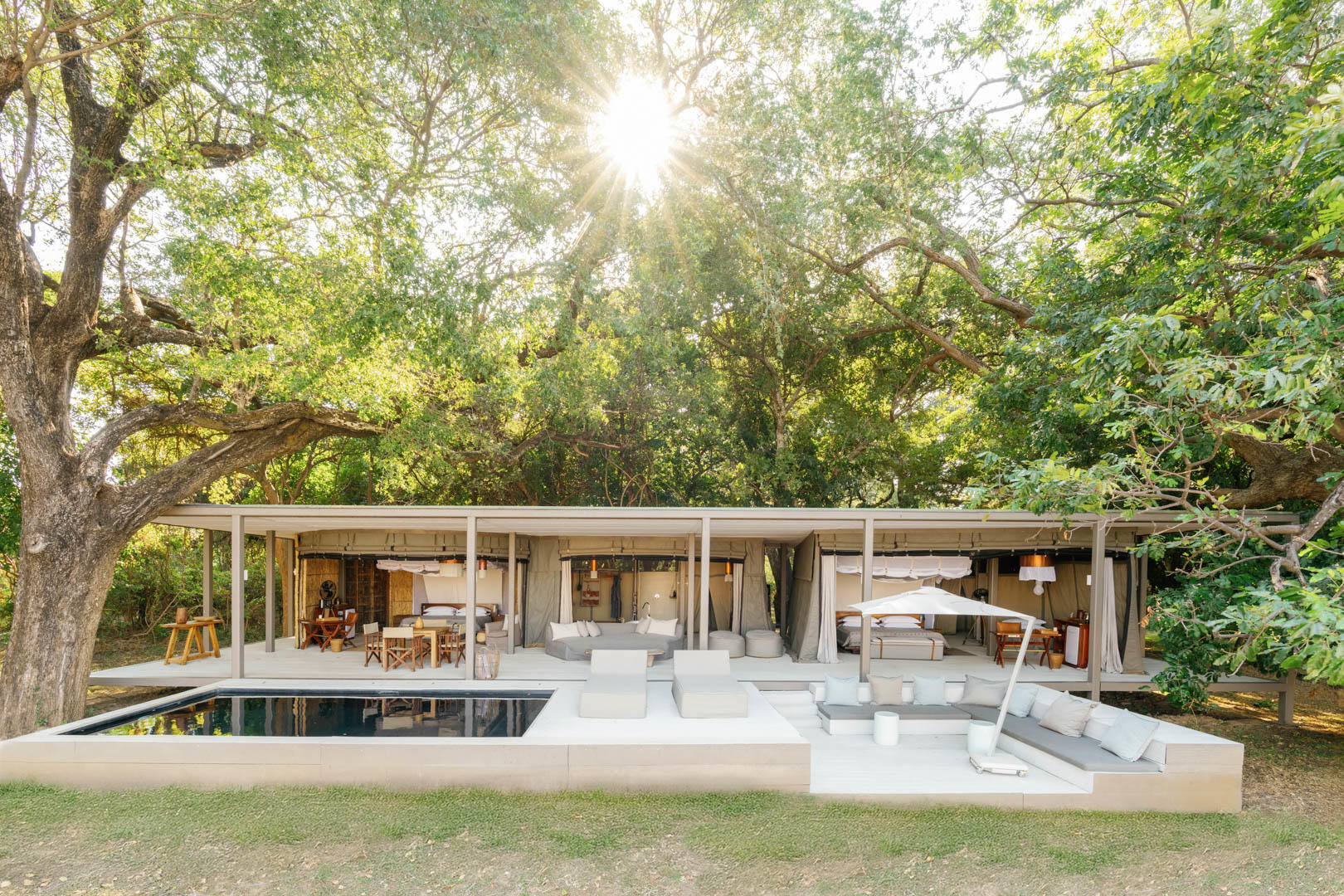
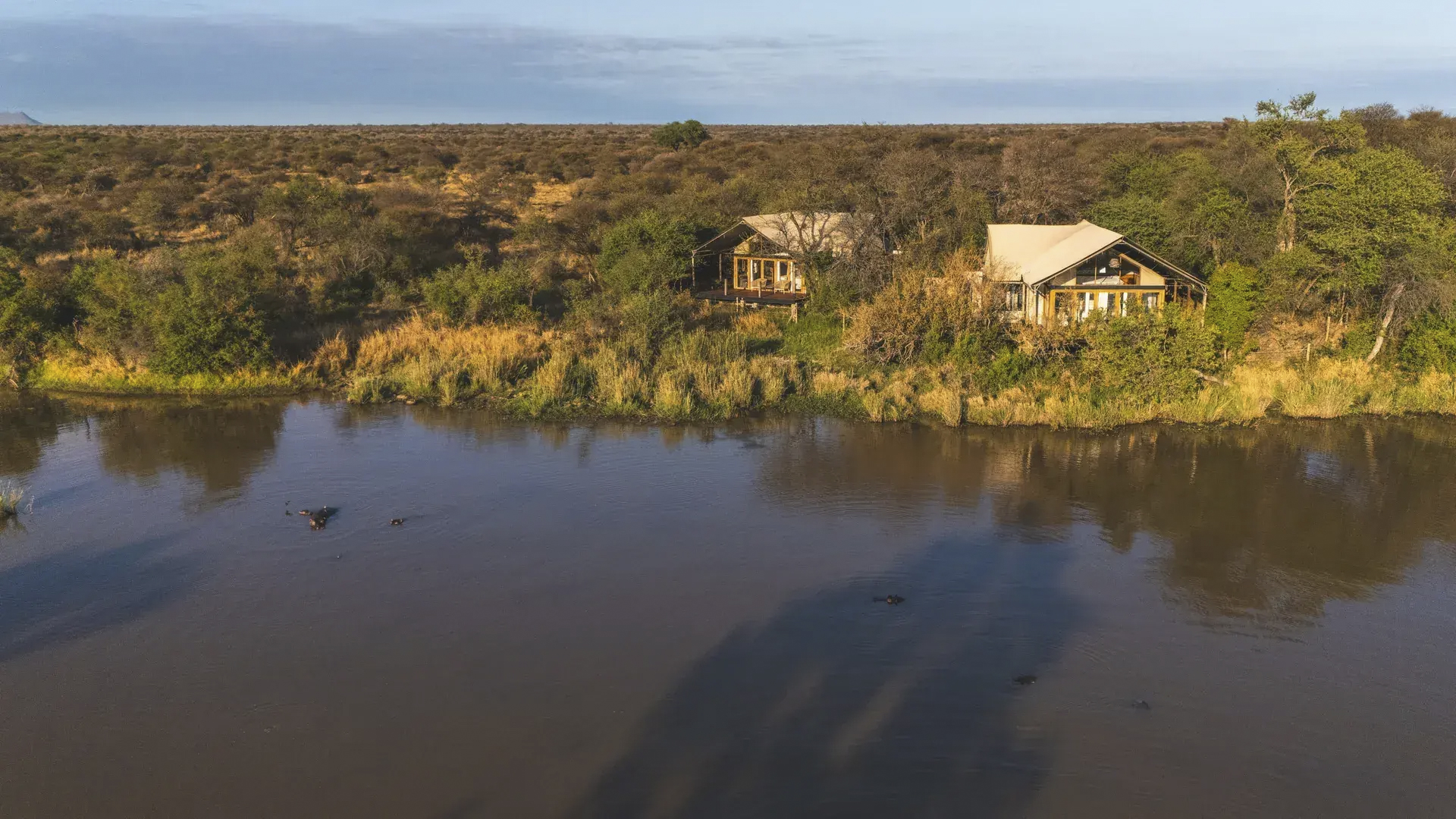
Within Marakele, the MORE Family Collection holds a private concession, and Marataba Residence is its most exclusive expression. Four suites on the banks of the Matlabas River, beneath fever trees, bookable only as an exclusive-use property for up to eight adults and two children. There are no other guests. You have your own FGASA-accredited field guide, your own vehicle and complete flexibility over how the days unfold; morning game drives, bush walks, water safaris on the Matlabas where hippo and elephant are regular fixtures, sundowners at the escarpment, outdoor dinners by the fire.
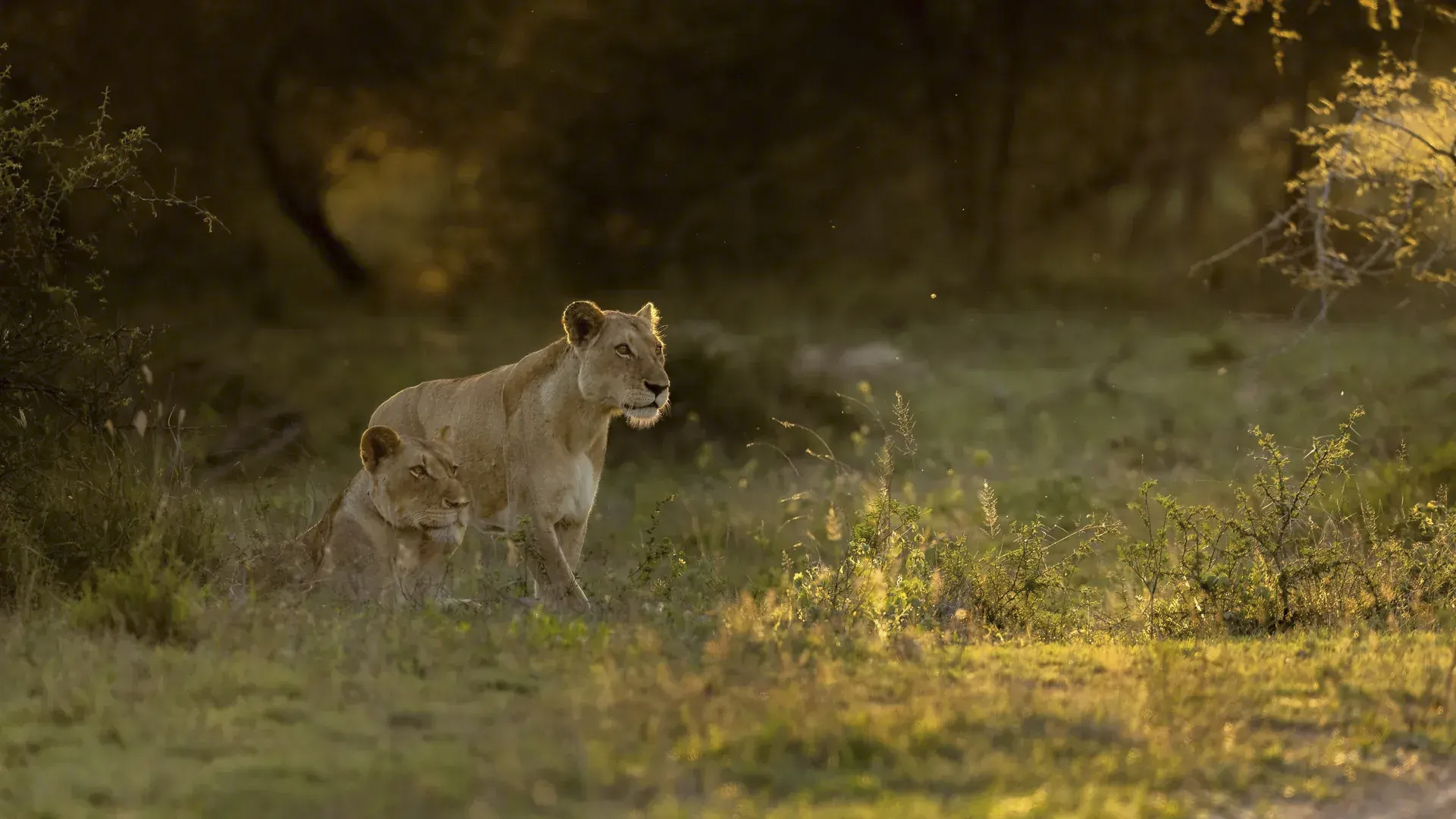
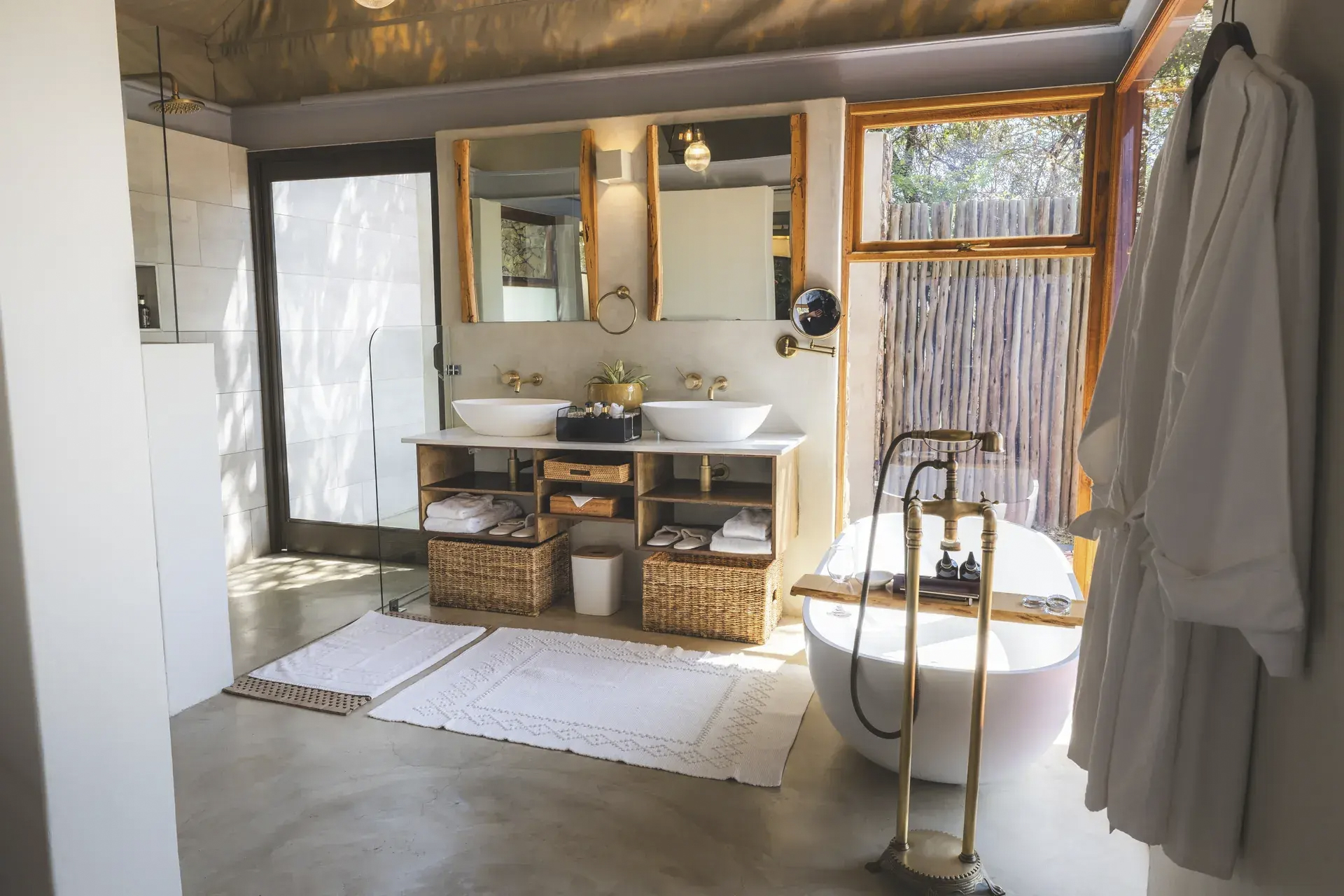
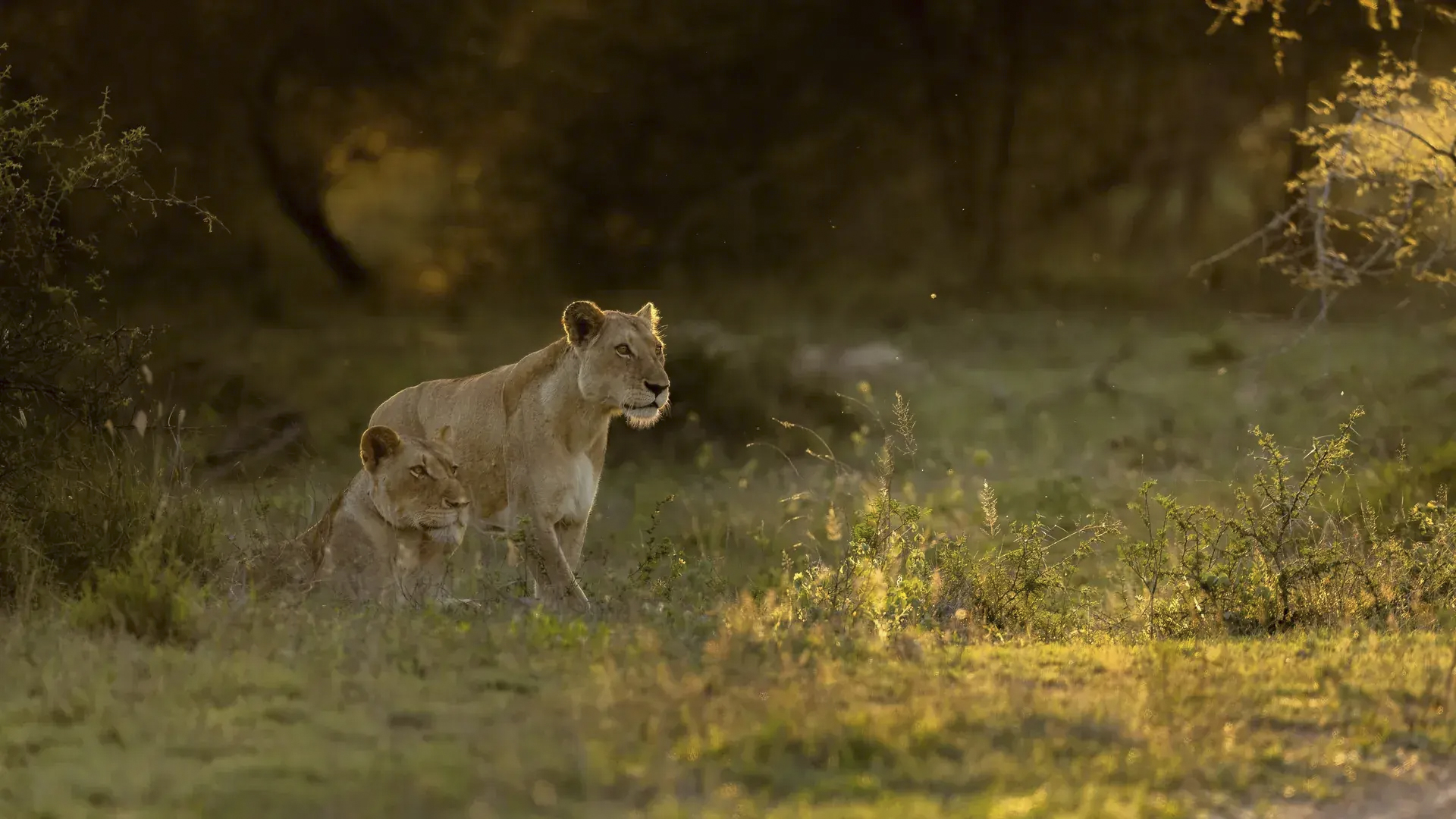
It’s worth being straightforward about one thing: game density here is lower than in the Sabi Sand or Kruger. Marataba Residence is not where you go chasing back-to-back big cat sightings. It is where you go for solitude, for space, for a bush experience that feels genuinely personal rather than managed. The conservation work running alongside the guest experience adds a dimension that few lodges can offer; between April and September, guests can observe the hands-on veterinary care of endangered rhino on the concession.
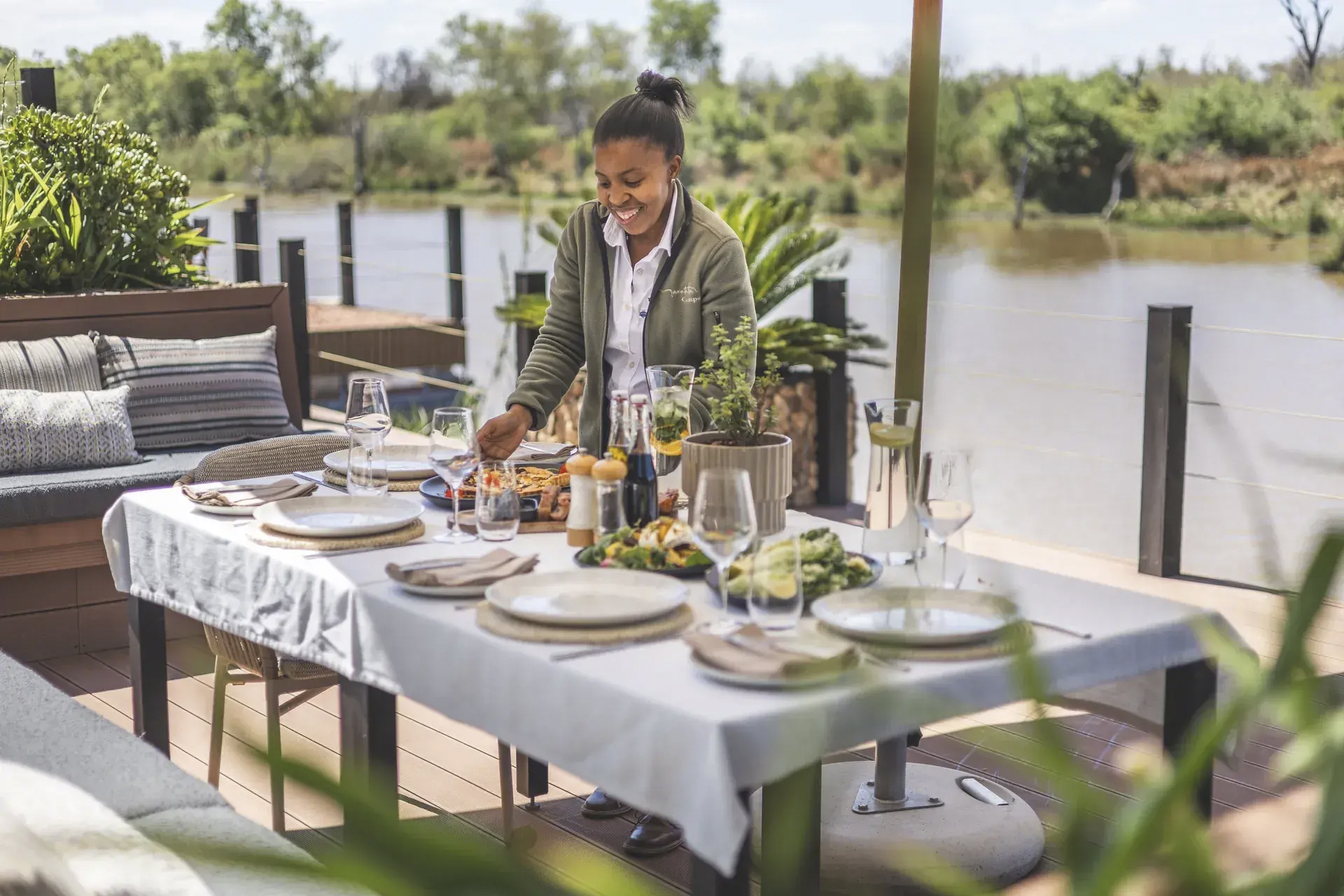
For families in particular, the combination of exclusive-use privacy, malaria-free wilderness and a children’s programme built around genuine bush skills; spoor identification, stargazing, nature treasure hunts; makes this a compelling alternative to the more trafficked circuits. The Waterberg rewards travellers who are after something quieter and more considered. Marataba Residence delivers exactly that.
Why Malaria-Free Safari Deserves a Second Look

Africa’s greatest wildlife destinations sit mostly within what are technically malaria zones.

The Sabi Sand, the Okavango Delta, the Maasai Mara; the list of places where the game viewing is exceptional and the mosquitoes are a consideration (although minor) is a long one. It’s worth saying upfront that actual cases of malaria contracted at safari lodges are incredibly rare. The combination of screened accommodation, prophylactics, repellents and the simple fact that well-run lodges take this seriously means that the statistical risk for a healthy adult is extremely low. For the majority of travellers, this is a minor inconvenience managed without much thought, and it has never stopped the Okavango Delta or the Sabi Sand from being among the finest wildlife destinations on earth.

But not every traveller is in that majority.

If you’re pregnant, anti-malarials are off the table entirely. If you’re travelling with very young children, the calculus changes. If you’re immunocompromised, or someone who reacts badly to medication, the standard advice doesn’t apply cleanly. And for a growing number of travellers, the question isn’t medical at all; it’s psychological. The background awareness of being in a malaria zone, however statistically manageable, is enough to take the edge off the experience for some people. There’s no shame in that. A safari should be one of the most liberating experiences of your life, not a source of low-grade anxiety.
For all of these travellers, malaria-free safari isn’t a consolation prize. It’s simply the smarter itinerary.

South Africa has several of its finest game reserves sitting entirely outside the malaria belt. The Waterberg, Madikwe and the Eastern Cape are all home to serious Big Five wilderness areas where the wildlife is exceptional, the guiding is strong, and the only thing you won’t be thinking about at dinner is your evening medication. These aren’t compromise destinations. They are chosen by experienced safari-goers for the quality of the experience they deliver; the malaria-free status is an added benefit rather than the primary draw.

Choosing a malaria-free destination also says nothing negative about the areas that aren’t. The Okavango remains one of the most extraordinary places on earth. The Sabi Sand leopard sightings are unmatched. For guests who are comfortable in malaria zones, those destinations belong on any serious Africa list. Malaria-free is an option worth knowing about, not a verdict on anywhere else.

What follows in this series are three properties that make that option an easy one to take…

Kings Camp — Old Charm, Serious Wildlife

There’s a particular aesthetic that Kings Camp has committed to, and it commits fully. Colonial-era teak, dark thatch, Victorian ball-and-claw baths, a bar that looks like it belongs in a Hemingway novel. It could easily tip into pastiche, but it doesn’t — partly because the execution is genuinely good, and partly because the wildlife outside the window is so emphatically real that no amount of interior design could overshadow it.

Kings Camp sits in the heart of the Timbavati, gazing out across an open savanna plain and an active waterhole that operates, around the clock, as nature’s own theatre. Elephants at dusk. Lions at midnight. A parade of antelope, buffalo and giraffe across the daylight hours. Eleven suites — including two honeymoon suites and a private villa — each with a private veranda, plunge pool and outdoor shower. Comfortable without being excessive, which is harder to get right than it sounds.

The game drives cover 100 square kilometres of traversing on a reserve that shares an unfenced border with Kruger. That last detail matters: wildlife here moves freely across a combined ecosystem of 400,000 hectares, which means what you encounter on a drive is genuinely wild and genuinely unpredictable. Kings Camp guests have consistently ticked the Big Five across repeat visits, with wild dog sightings that the Timbavati’s low vehicle density makes all the more intimate.

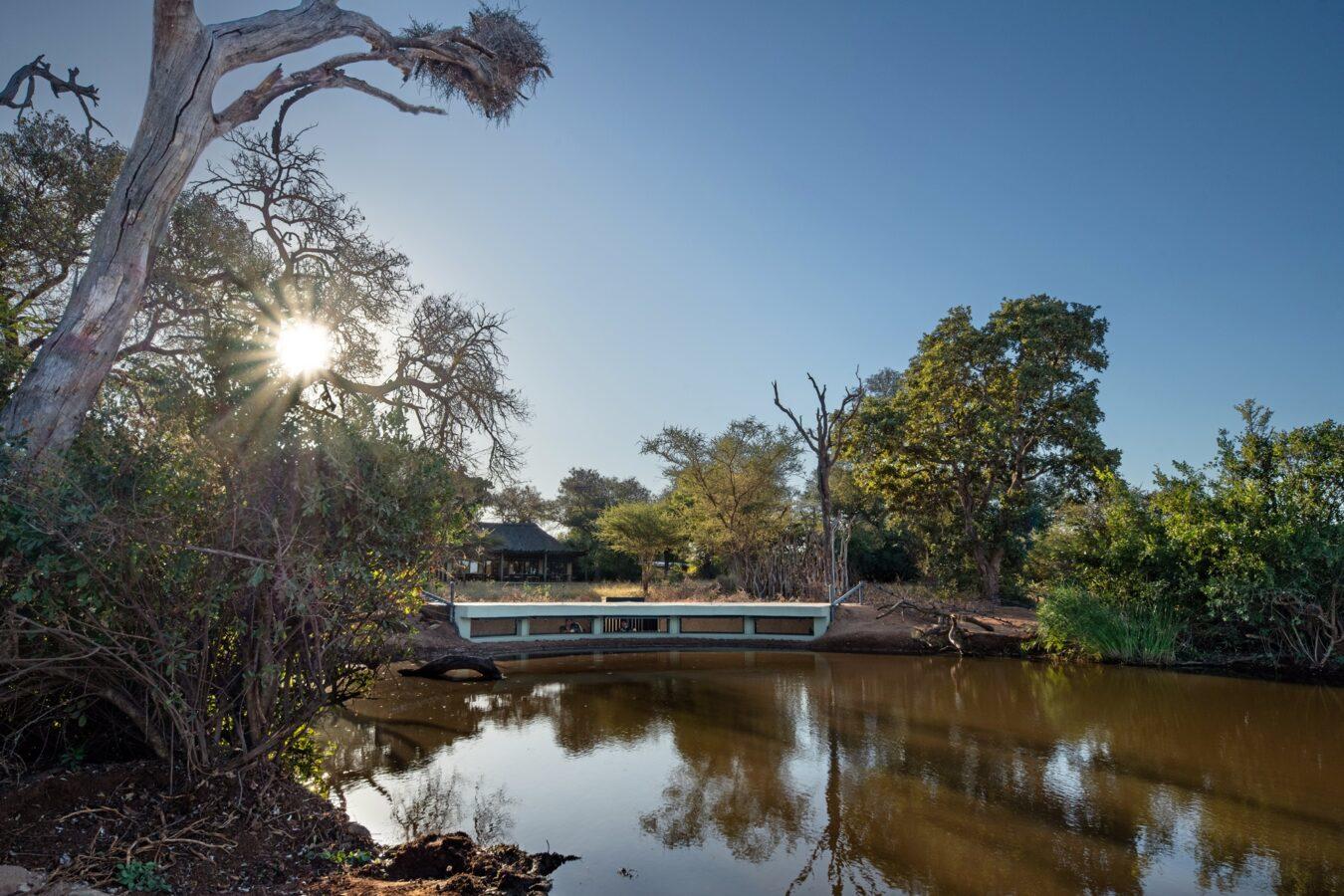
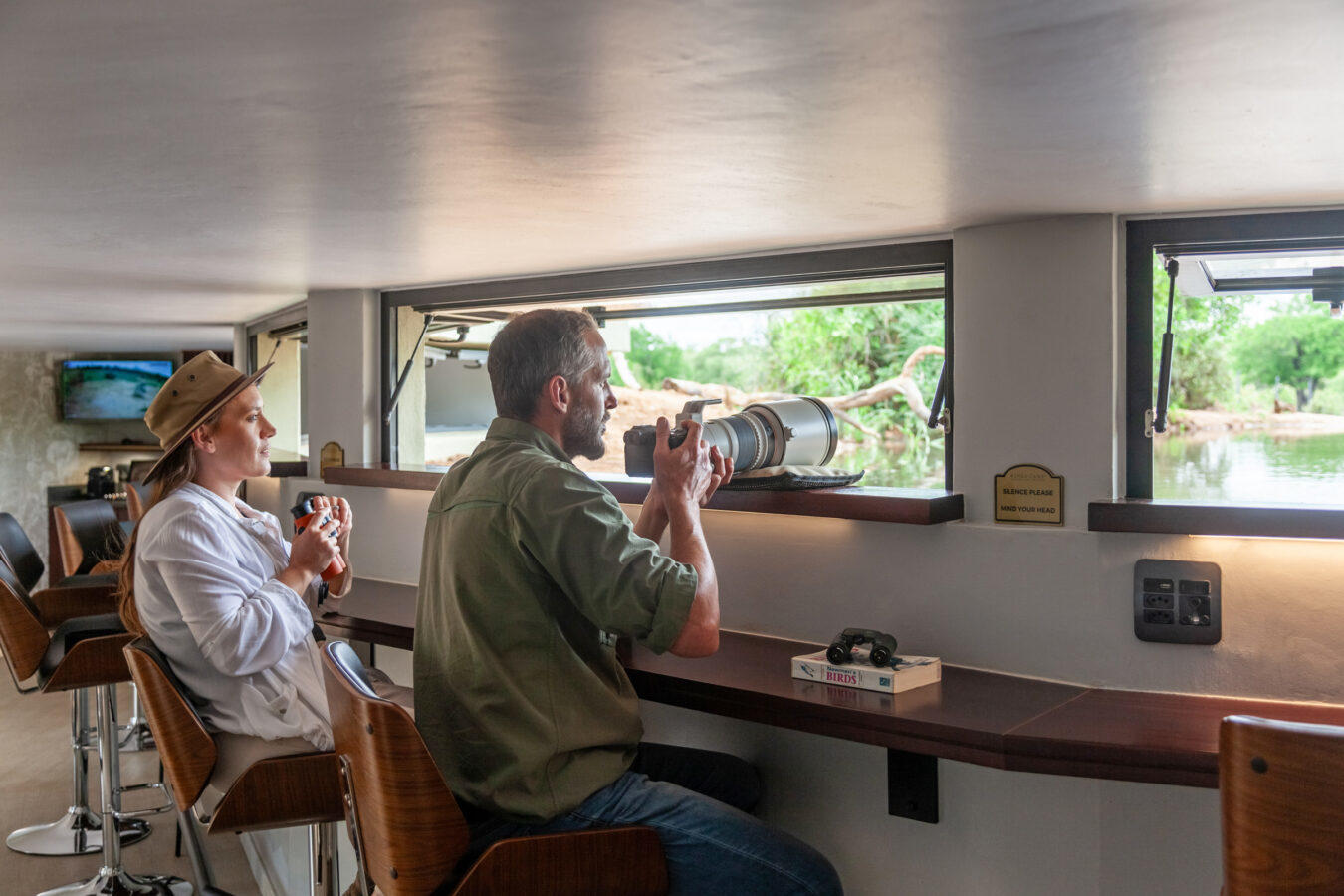
But the feature that deserves its own paragraph is The Kings Warren — an underground photographic hide built into the bank of the waterhole. You descend, settle in, and find yourself at eye level with whatever decides to drink. It’s an extraordinary perspective shift. A lion approaching a waterhole looks very different from two feet above the ground than it does from a Land Rover. Photographers in particular tend to surface from the hide slightly overwhelmed.

Walking safaris are offered alongside the drives, led by guides whose knowledge of the Timbavati’s predator territories and wild dog pack movements is the product of years on the same ground. This is where the smaller, more focused operations consistently outperform the famous names — the guides have nowhere else to be, and every incentive to know this particular piece of wilderness better than anyone.

Evenings at Kings Camp have their own rhythm. Sundowners at the bar, dinners that rotate between the elegant dining room, the open terrace, and the traditional boma under the stars. A spa for those whose legs have given up after a morning walk. A library for those who haven’t. The pacing is unhurried in a way that feels deliberate rather than lazy — which is, again, harder to get right than it sounds.

Kings Camp was established in 1995, which gives it a quiet confidence that newer properties are still working towards. It knows exactly what it is, makes no apologies for it, and delivers consistently. For guests who want serious wildlife in a setting that feels genuinely warm rather than performatively luxurious — this is the place.

Jack’s Camp — A Different Kind of Africa

There’s a version of Africa that most safari-goers never see. Not because it’s hard to reach — it’s a straightforward charter flight from Maun — but because it looks nothing like what they came for. No lush delta, no big trees, no thick bush. Just white. A vast, shimmering, ancient white that stretches to the horizon in every direction and makes you feel simultaneously very small and very lucky to be standing in it.

The Makgadikgadi Pans are the remnants of one of the largest lakes ever to exist on earth. When it dried up — roughly ten thousand years ago — it left behind a salt crust the size of Switzerland and a silence that is genuinely difficult to describe to someone who hasn’t heard it. Jack’s Camp sits on its edge, and has done so, in one form or another, since 1993.

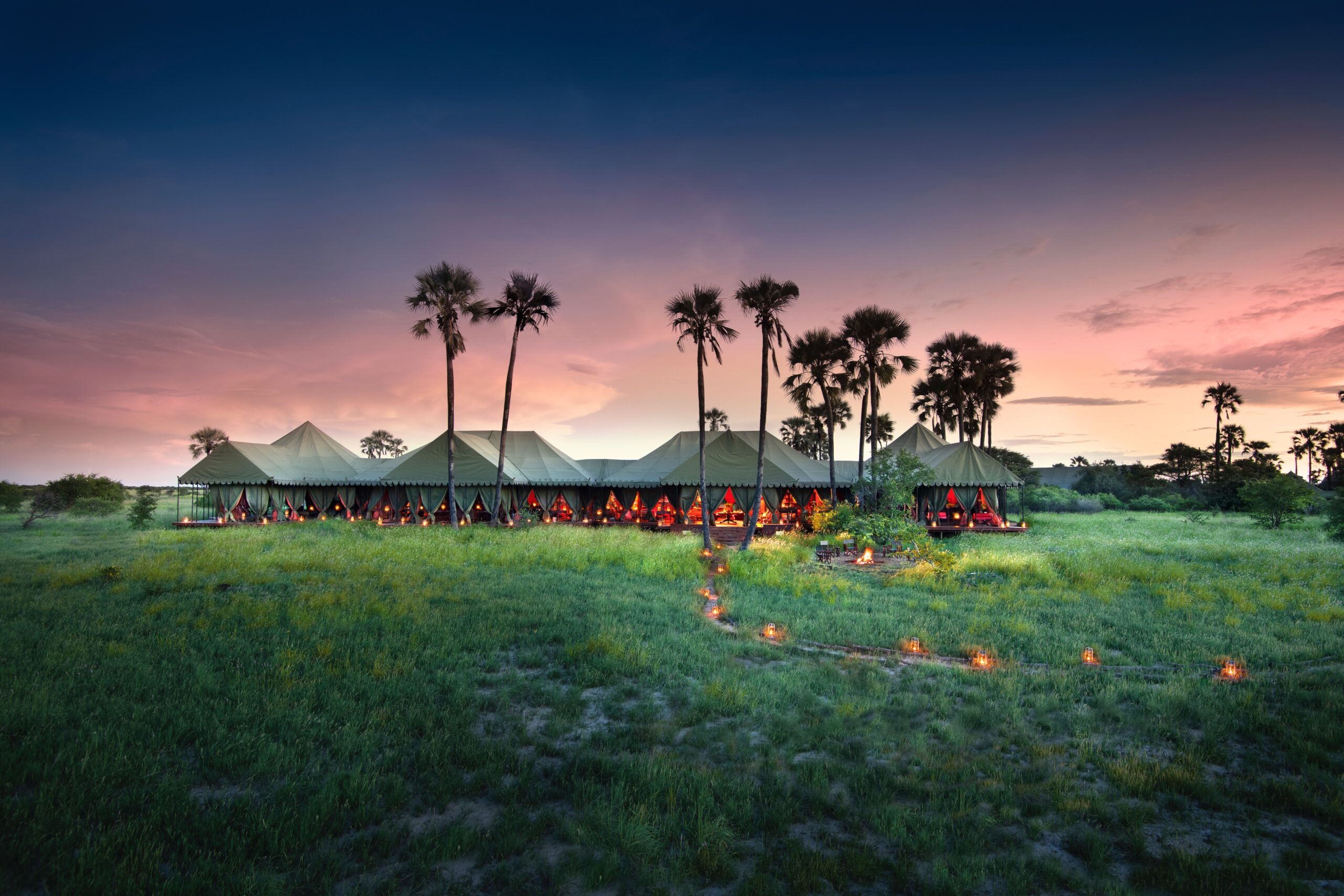
The camp itself is a deliberate act of personality. Nine green canvas tents furnished with Persian rugs, brass fittings, copper basins, and natural history cabinets curated by owner Ralph Bousfield — a man who has spent his life collecting interesting things from interesting places. The mess tent houses a 36-seater dining table that served as an officer’s mess in the 1820s. There’s an antique billiard table. A library. A cabinet of curiosities that rewards a slow afternoon of browsing. It looks and feels like the kind of place an eccentric explorer would have set up if he’d had excellent taste and an unlimited budget, which is essentially what happened.

The activities are where Jack’s really earns its reputation for being unlike anywhere else. The meerkats alone justify the trip — a habituated group that emerges each morning from their burrows and treats guests with complete indifference, using them as convenient elevated platforms from which to scan for predators. It is, objectively, one of the more charming wildlife interactions available on the continent.

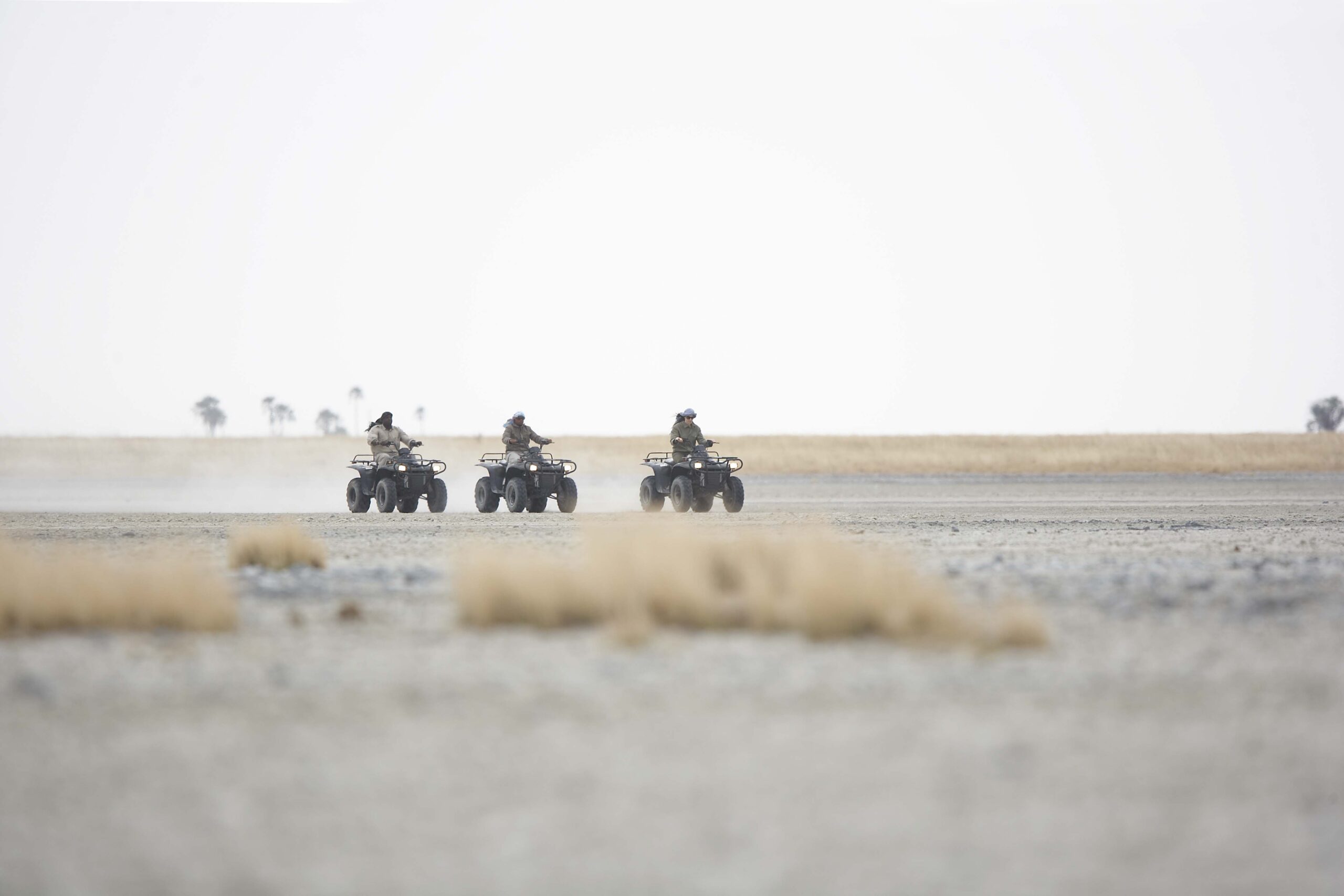
Then there’s quad biking across the salt flats — not a gentle pootle, but a proper sunrise run across a landscape so flat and featureless that you lose all sense of speed and distance. Walking with the San Bushmen, who have lived in and around the Kalahari for tens of thousands of years, brings a human dimension to the experience that most safaris simply don’t offer. And sleeping out on the bare pans under a sky with zero light pollution — the Milky Way so dense it looks almost architectural — is the kind of night that makes everything else feel slightly ordinary by comparison.

The wildlife is different too. Forget the Big Five checklist. Jack’s is brown hyena, Kalahari lion, oryx, aardvark, bat-eared fox. During the green season, the zebra migration — Africa’s second largest — brings tens of thousands of animals onto the grasslands surrounding the pans, followed closely by the predators that track them.

A word of honest advice: if your idea of a perfect safari is maximum game density and a different species every ten minutes, Jack’s Camp is probably not your place. But if you want something that genuinely couldn’t exist anywhere else on earth, and that you’ll find yourself struggling to explain properly when you get home — this is it.

&Beyond Suyian — The Kenya Almost Nobody Knows

Most people who go on safari in Kenya go to the Mara. And the Mara deserves its reputation — the migration, the lions, the sheer volume of wildlife on those open plains. But there’s a version of Kenya that sits north of all that, quieter and considerably less visited, where the landscape shifts into something altogether different. Rocky outcrops, granite kopjes, dry sweeping valleys, and a conservancy so large that 44,000 acres of it belongs entirely to Suyian. &Beyond opened their lodge here in mid-2025, and it’s already one of the more interesting things to happen to Kenyan safari in recent memory.

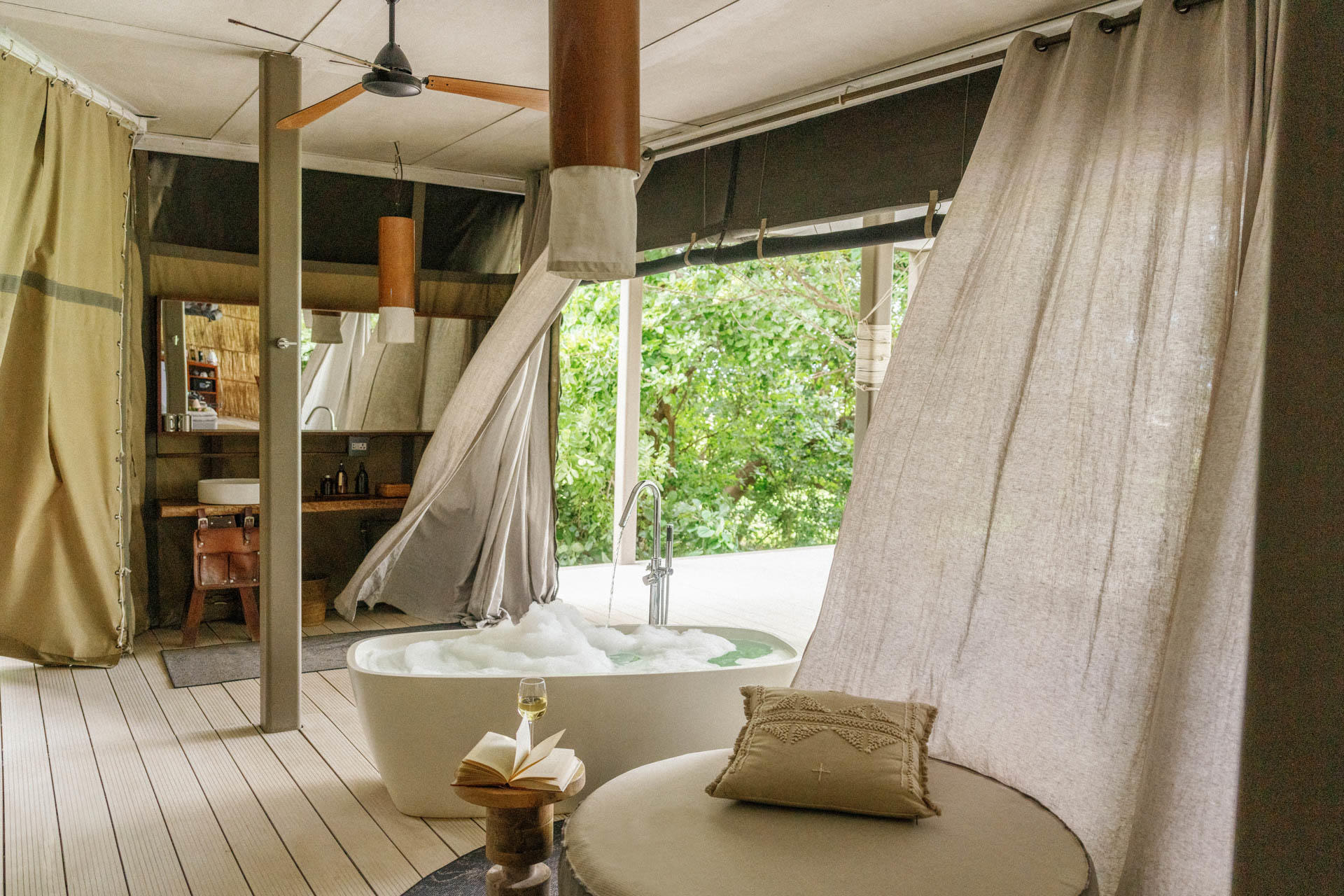
The lodge itself is striking. Low-slung domed structures tucked into the escarpment, their rounded forms and planted roofs drawn directly from the surrounding granite. Fourteen suites, each with a plunge pool, outdoor shower, and fireplace — useful at this altitude, where the evenings cool faster than guests expect. The interiors carry a philosophy &Beyond calls Afro Wabi-Sabi: natural materials, mottled textures, subtle references to the semi-nomadic Samburu culture that has shaped this landscape for generations. Someone has thought carefully about every surface, and it shows.

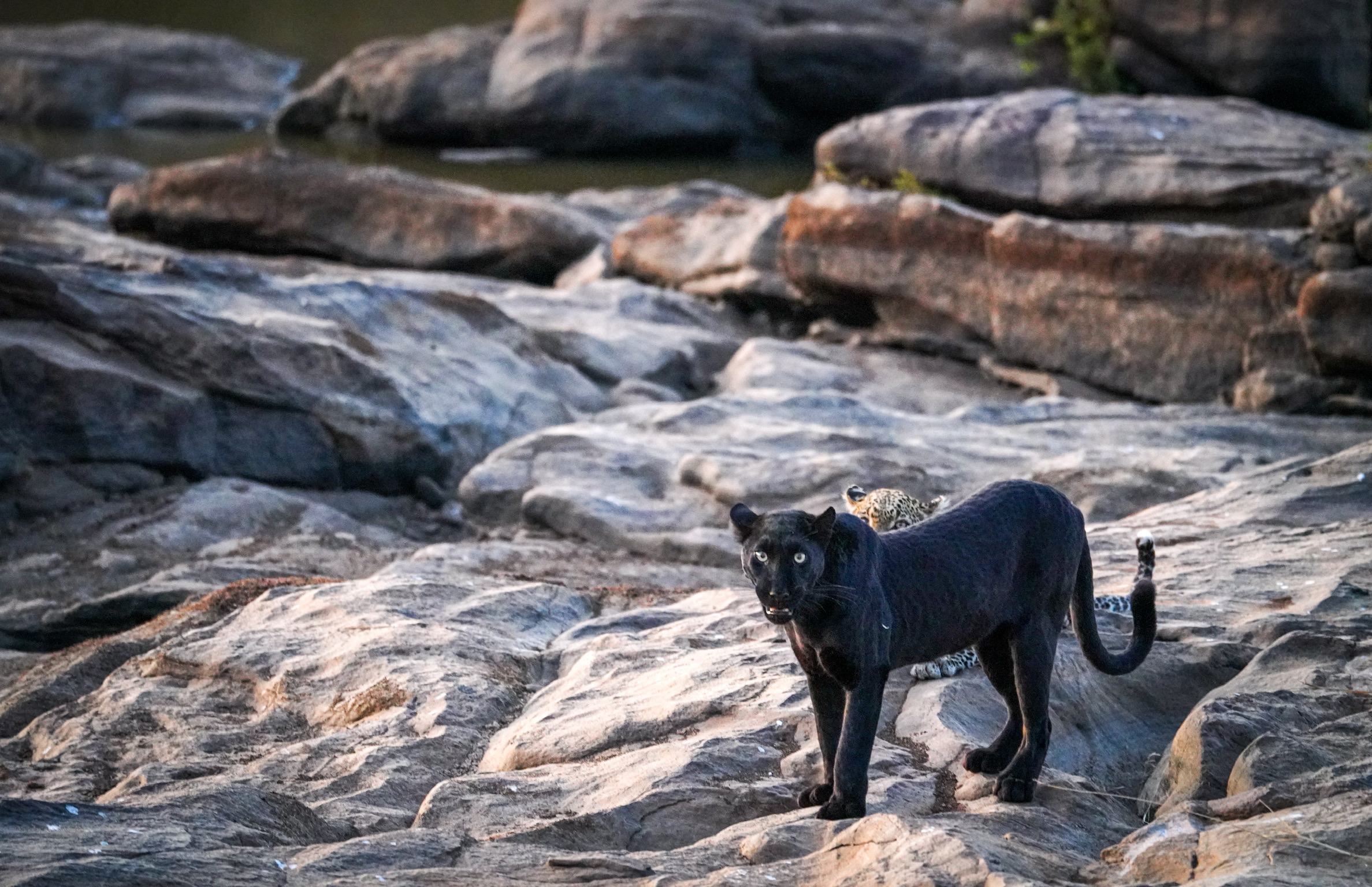
The wildlife at Suyian is not the Mara. There are no wildebeest thundering past in their hundreds of thousands, and anyone arriving with a Big Five checklist and a tight schedule will need to recalibrate. What Suyian offers instead is rarer and, for the right traveller, considerably more compelling. Grevy’s zebra, reticulated giraffe, gerenuk, African wild dog, and the animal that has become something of a symbol for the conservancy — the melanistic leopard. Black leopards are among the most elusive cats on the continent. The neighbouring conservancy is famous for one named Giza. Suyian has its own. The odds of seeing one are never guaranteed, but the fact that they’re here at all says something important about the quality of the wilderness.

The activities lean into what makes Laikipia genuinely different. Camelback safaris trace routes across the conservancy that have been walked by Samburu herders for centuries. Horse riding is available for those who prefer their wildlife encounters at a slower, quieter pace — animals tend to behave differently around horses than vehicles, and the sightings reflect that. Walking safaris, night drives, visits to the working ranch that still runs alongside the conservation operation — Suyian is a working landscape, not a sealed-off reserve, and that gives it a layered, lived-in quality that is increasingly rare.
Suyian is a young property. It opened less than a year ago, but the architecture and food have drawn consistent praise. The wildlife, by its own nature, is unpredictable. This is a lodge for people who understand that the best safari experiences are not always the ones with the most animals — sometimes they’re the ones that take you somewhere genuinely new.

Laikipia has been on the radar of serious safari travellers for years. Suyian has given it a front door worthy of what lies behind it.

An Arrangement With Elephants — Ruckomechi Camp, Zimbabwe

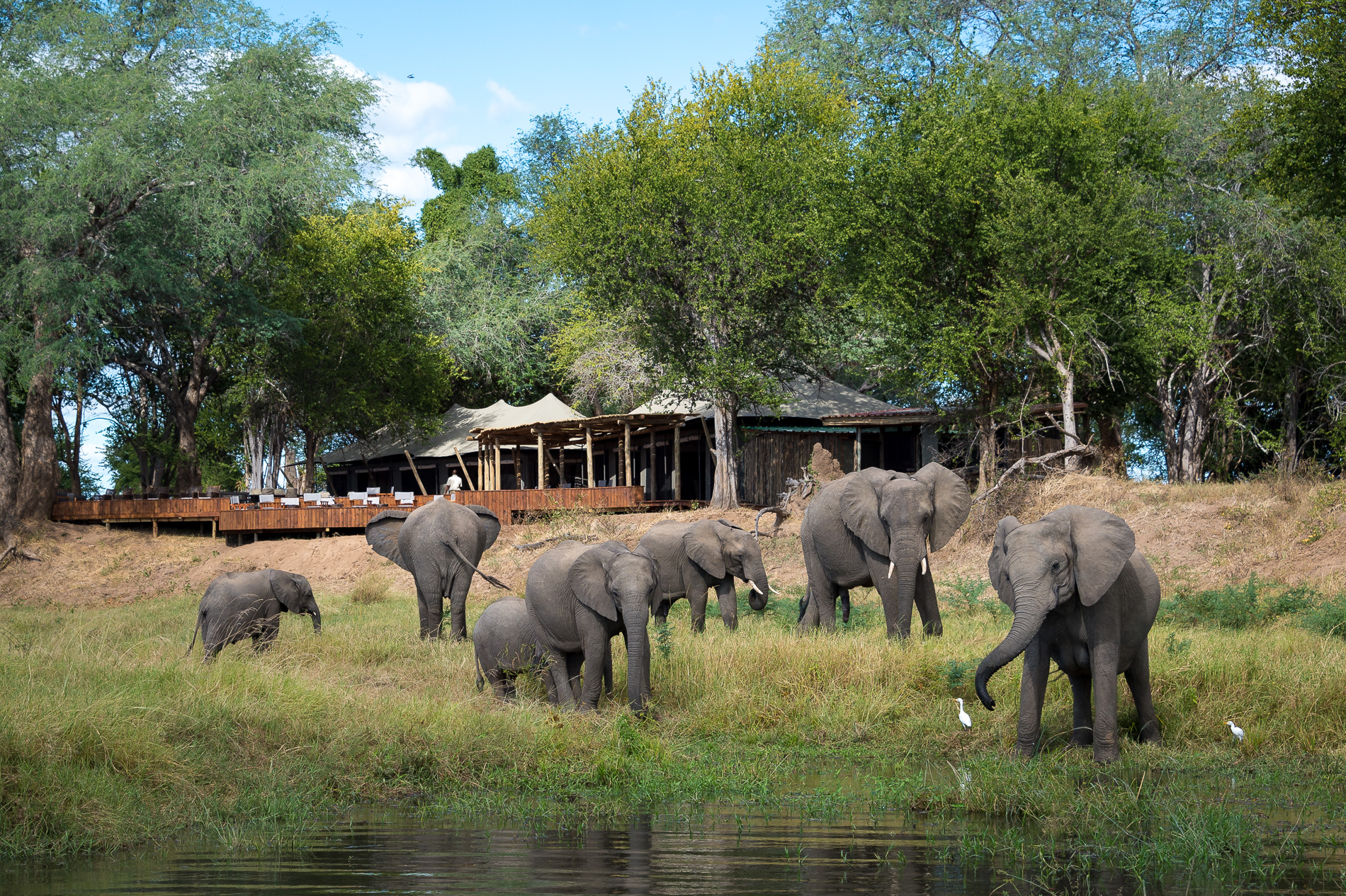
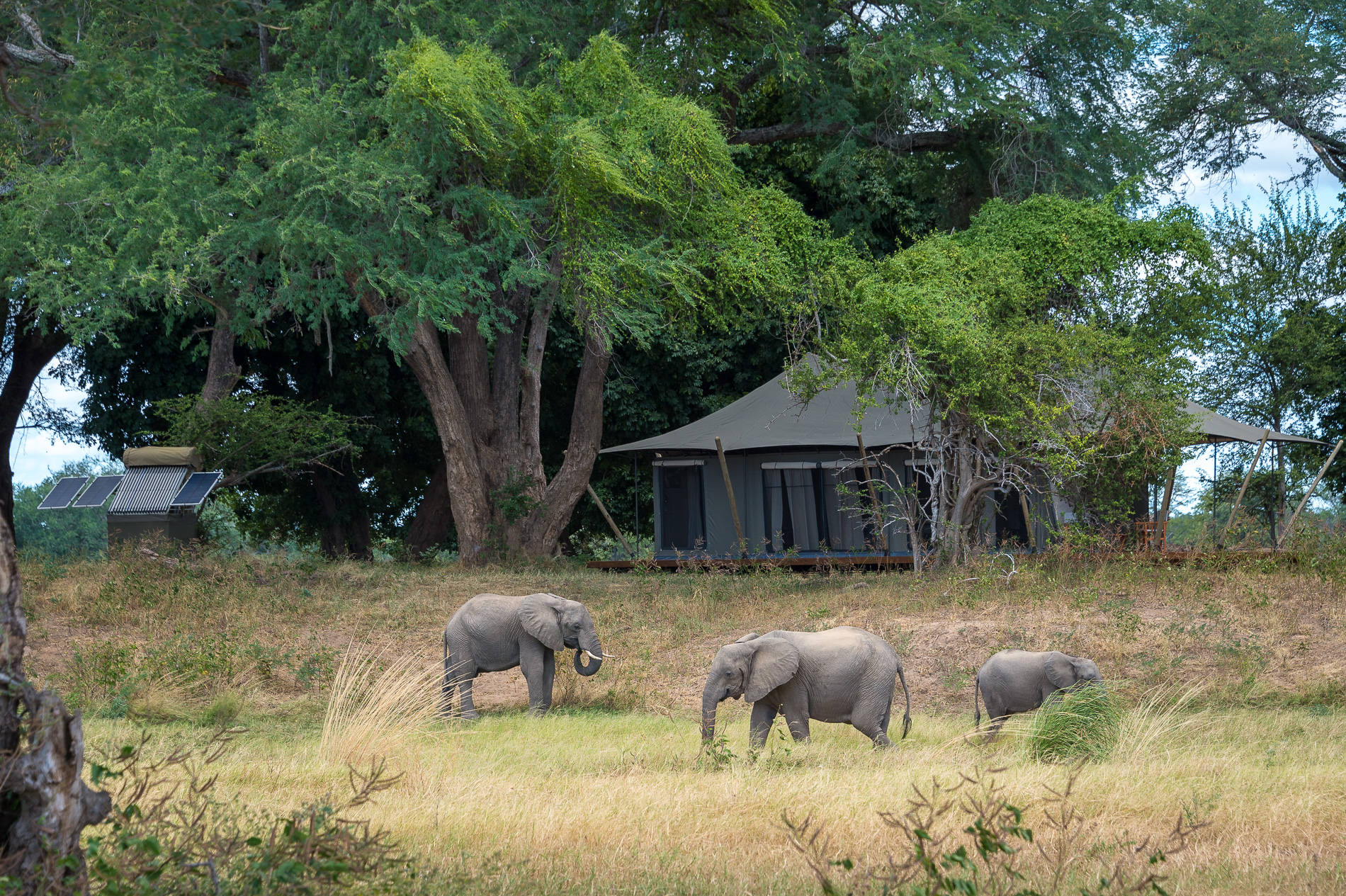
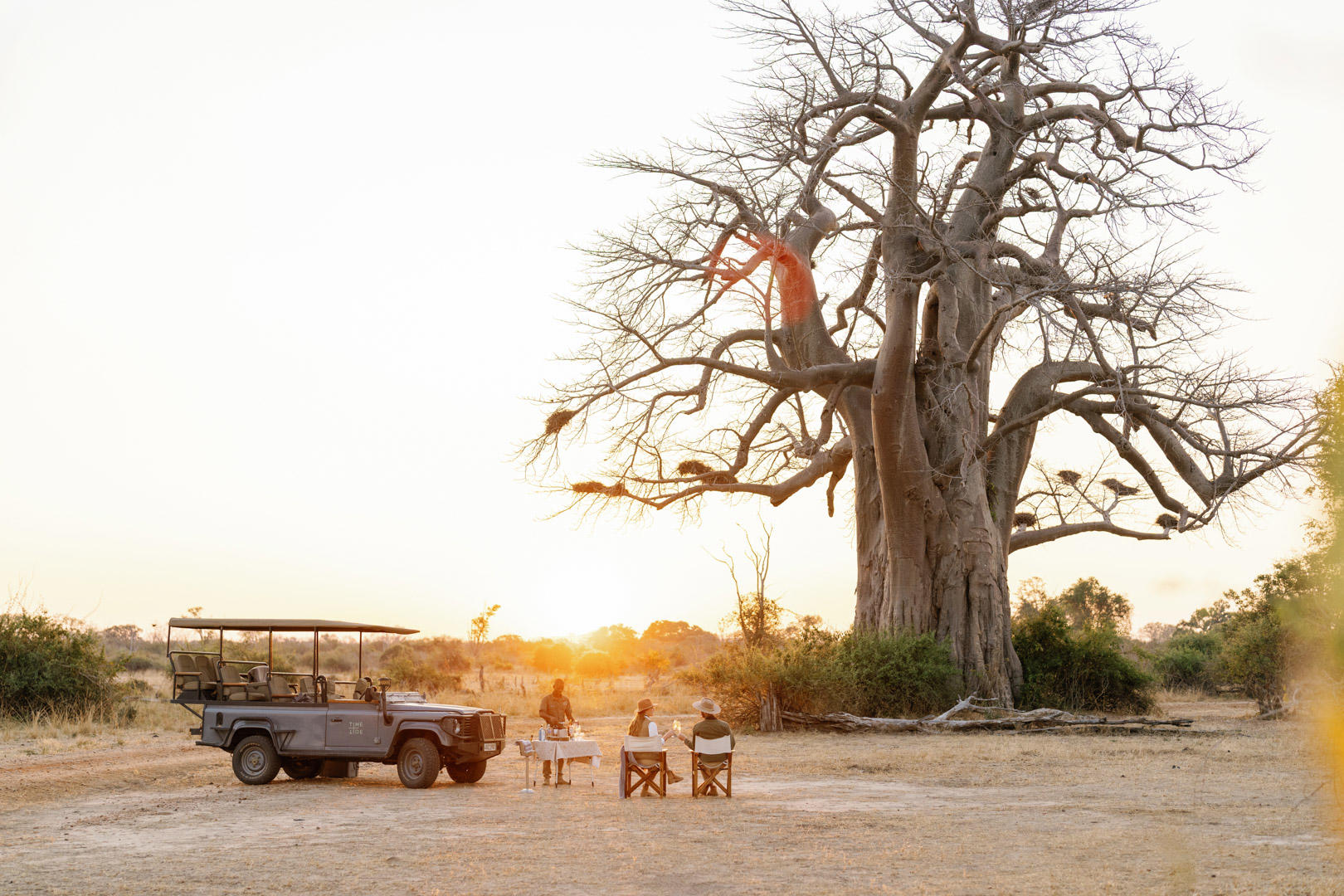
There is a particular tree along the Zambezi’s floodplain — the apple-ring acacia, known locally as the albida — that drops its seed pods in the dry season at precisely the moment the rest of the bush has nothing left to offer. Elephants have understood this for longer than anyone has been keeping records, and they organise entire days around it. Ruckomechi Camp, tucked into a private concession on the western edge of Zimbabwe’s Mana Pools National Park, happens to have been built beneath a particularly fine grove of them. Which means, in practice, that the elephants come to camp. Not occasionally, and not as a curiosity laid on for the cameras. As a matter of routine, the way one might call in at a regular café.

It takes most guests a day or two to stop being startled by this. A bull will wander between the tents at midday, entirely unbothered, working through a low branch with the unhurried focus of someone who has done this ten thousand times before. The camp’s answer is not to intervene but to make room — chairs angled politely out of the way, conversations paused mid-sentence, nobody especially alarmed. Mana Pools is one of the very few places in Africa where this kind of proximity is considered not reckless but simply how the wildlife works here, on its own terms, with people permitted to watch from close enough to feel the air move.

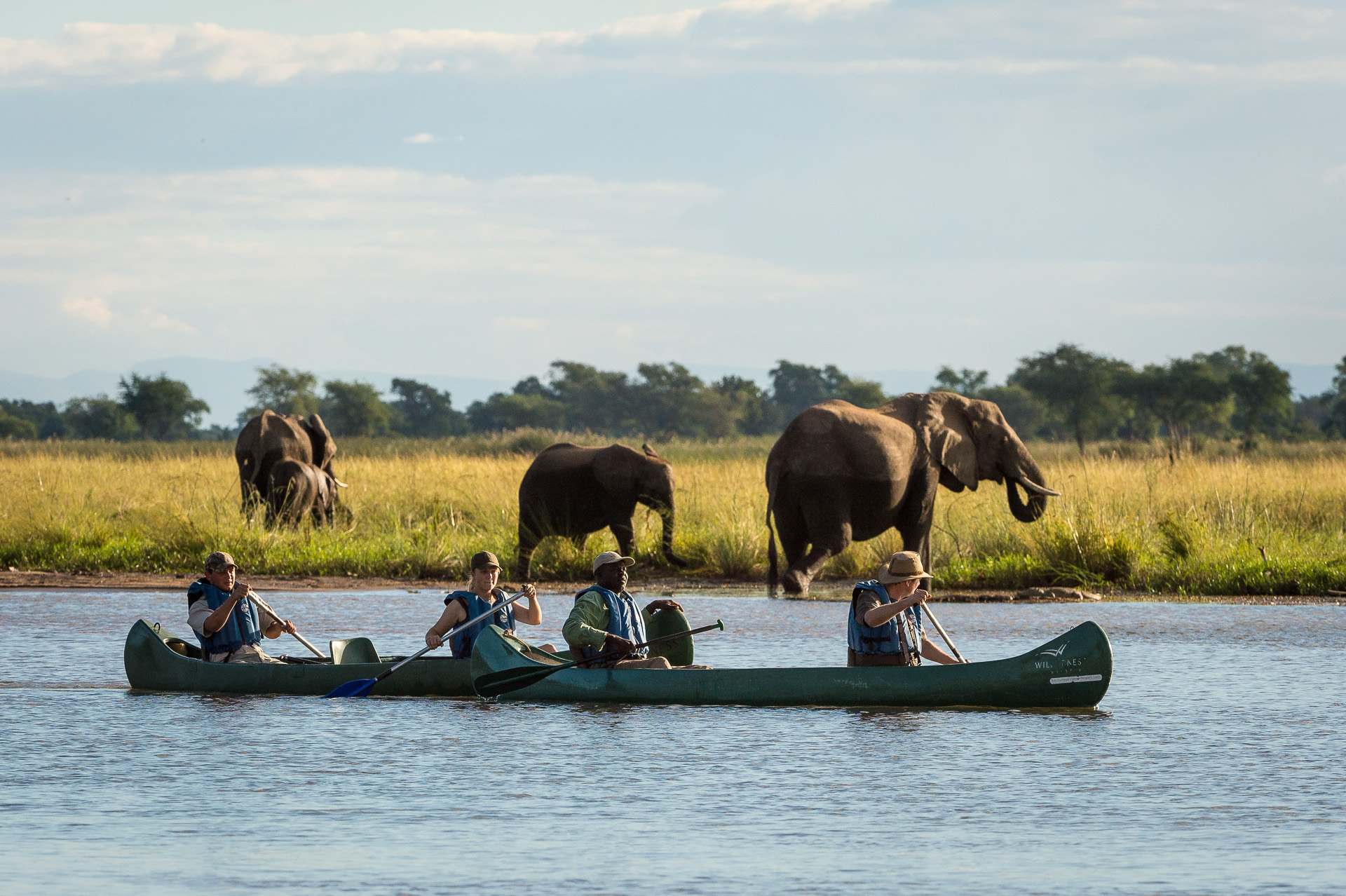
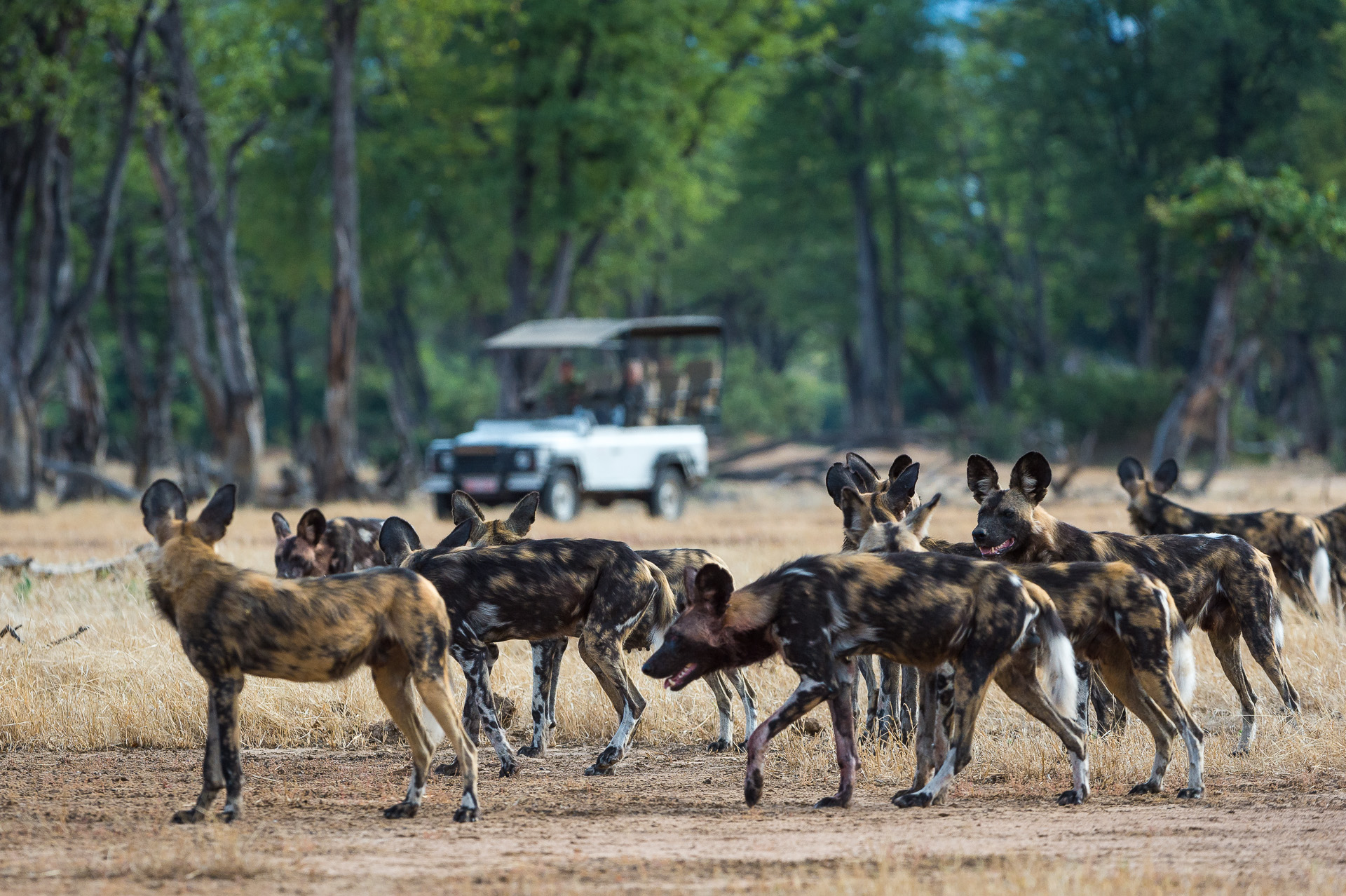
The wider floodplain is where Ruckomechi properly reveals itself. Wide, flat, threaded with the kind of ana forest that gives Mana Pools its particular green-gold light, it draws an unusual concentration of predators through the dry season — lion, leopard, and increasingly, African wild dog, which have found a stronghold here that has become one of the most reliable in the region. Walking safaris move through this landscape at the pace it deserves, led by guides trained to read a floodplain the way a sailor reads weather, while canoe safaris drift down a stretch of the Zambezi so still in places that the only ripples are the ones you’ve made yourself.

What separates Mana Pools from the rest of the Zambezi valley is its UNESCO World Heritage status, granted not for grandeur but for the specific, irreplaceable ecology of this floodplain system — and Ruckomechi’s private concession plays an active part in protecting it, funding the anti-poaching patrols and research that keep the wild dog population recovering rather than retreating. None of this is advertised loudly. It simply happens, the way the elephants simply arrive, as part of an arrangement that long predates the camp and will presumably outlast it.

In the late afternoon, with the heat finally loosening its grip and the floodplain turning the colour of weak tea, it becomes easy to forget that any of this required explaining. The elephants are not performing for anyone. They were here first, and they have simply allowed the camp to stay.

A Quiet Inheritance — Chinzombo Camp, Zambia

In the 1970s, a game ranger named Norman Carr kept a rainy-season camp on a ridge above the Luangwa River, named after the snuffbox tree that grew there in abundance. Carr is the reason the walking safari exists at all — he pioneered it here in the Luangwa Valley decades earlier, having persuaded a local chief to set aside tribal land as a game reserve, and having decided, somewhat radically for the time, that the best way to understand this landscape was to get out of the vehicle entirely and let it happen at eye level. He called the place Chinzombo. It was never meant to be permanent. It became, eventually, something close to legend.

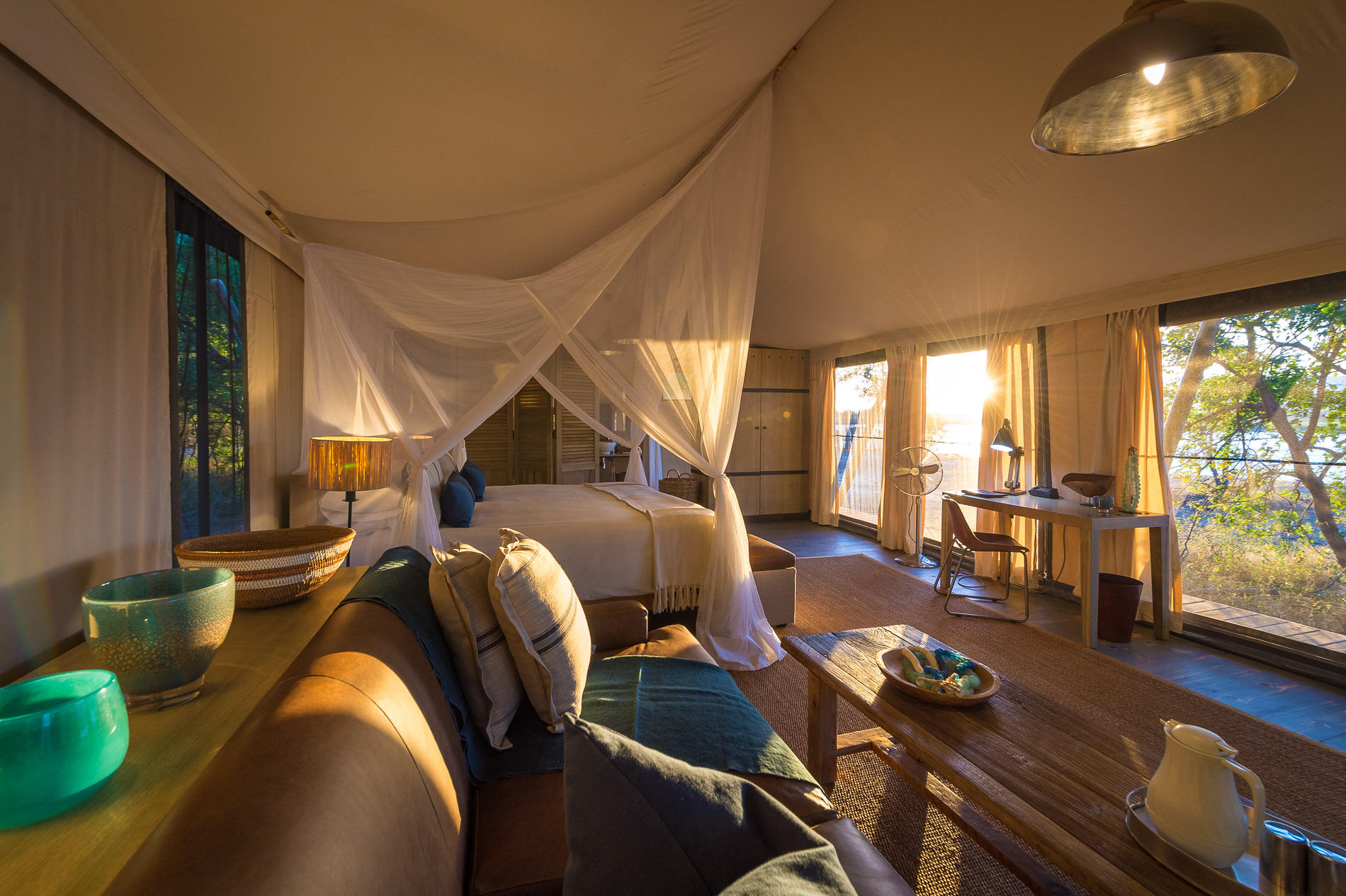
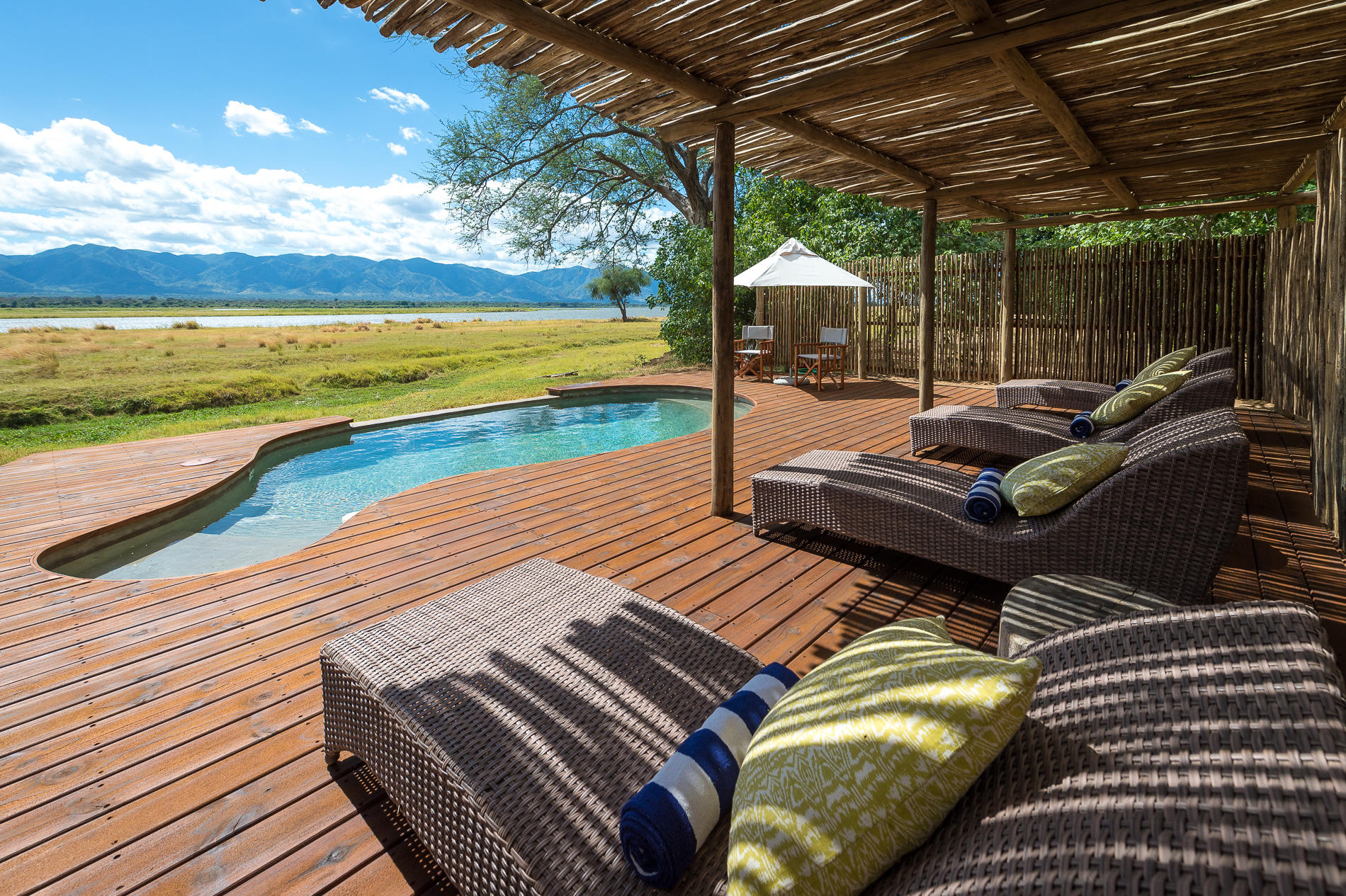
The camp that carries his name today is not a recreation. It is something more interesting: a continuation, built on the same stretch of river, that has taken everything Carr believed about this valley — that walking is more honest than driving, that wildlife deserves attention rather than spectacle, that the Luangwa rewards patience above all else — and rebuilt it for a different era, with rather better plumbing. Six tented suites rest beneath a canopy of ancient trees on the riverbank, each one designed with enough restraint that the view does most of the talking. There are private pools and soaking tubs angled toward the water, but the architecture seems almost apologetic about its own comfort, as though aware that the real luxury here was always going to be the bush itself.

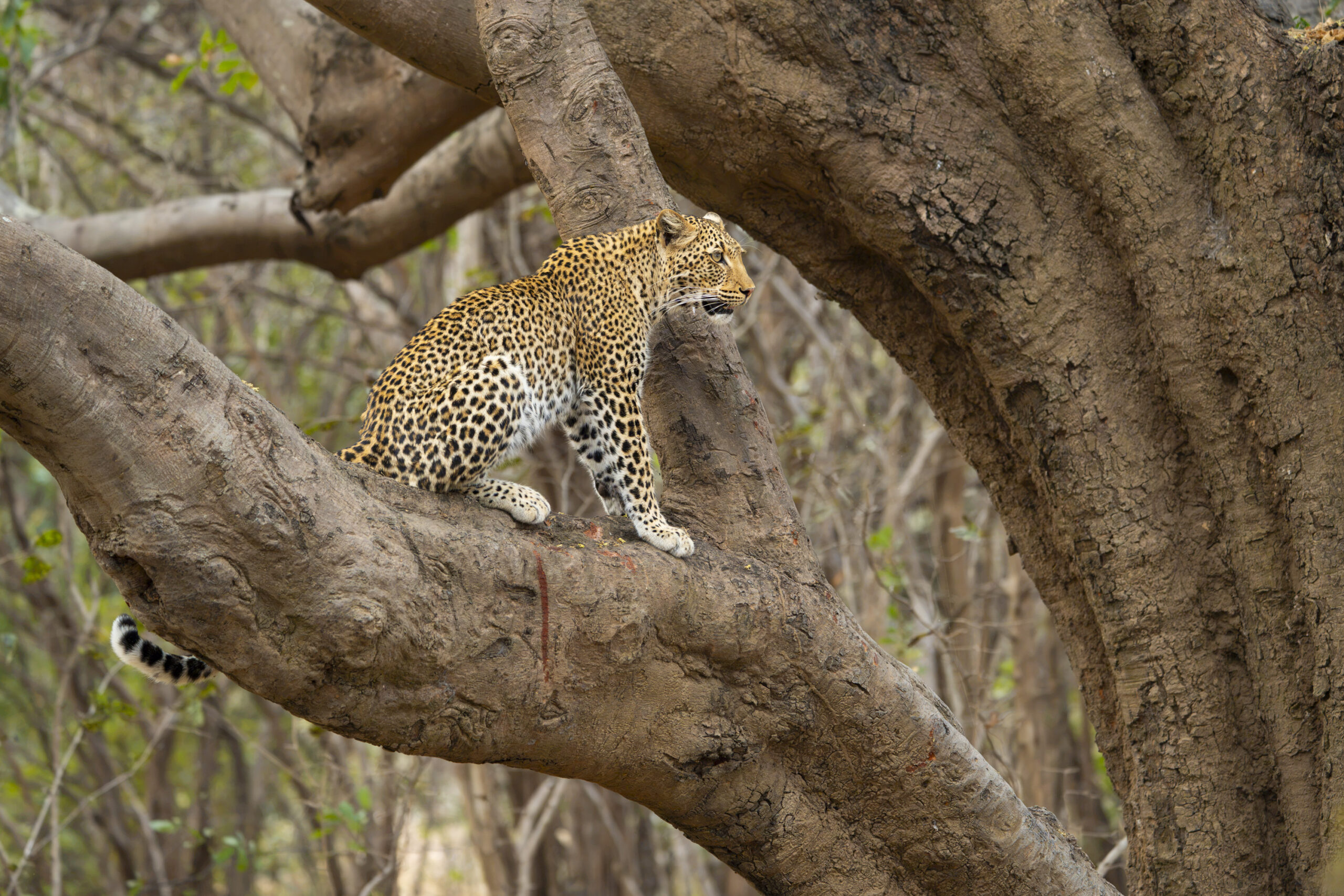
South Luangwa has long been called the Valley of the Leopard, and the reputation holds. The riverine thicket that lines the Luangwa is some of the most reliable leopard country left on the continent, and Chinzombo’s guides — many of them trained in a tradition that traces directly back to Carr’s original walking trails — read it with a fluency that turns a quiet afternoon into something extraordinary without anyone quite noticing the shift. Game drives cover the wider floodplain, thick with hippo and elephant and the kind of birdlife that makes ornithologists go quiet mid-sentence, while access by boat opens up stretches of river that the vehicles can never reach.

What lingers, though, isn’t really the leopards or the river or even the six beautifully unfussy tents. It’s the sense of being inside an idea that someone else had first, decades ago, in a much rougher version of this exact spot — and that the idea turned out to be right. Carr believed wildlife tourism could fund its own conservation, long before anyone had a name for that. He believed the Luangwa deserved to be walked, not just photographed through glass. Chinzombo, for all its polish, still operates on that same quiet conviction.
Some places improve with age. Fewer of them manage to keep their founder’s argument intact while doing it. Chinzombo, somehow, has done both — which may be the truest kind of tribute a landscape can pay to the person who first understood it.

Ol Donyo Lodge – Kilimanjaro’s Wild Shadow

There are places in Africa that feel like they were designed by accident — where some ancient geological tantrum threw up a landscape so unlikely, so otherworldly, that the brain takes a moment to catch up with the eyes. The Chyulu Hills are one such place. Born of volcanic activity relatively recently (in geological terms), their dark lava rock and improbably green slopes rise from the semi-arid plains of southern Kenya like something out of a half-remembered dream, and it was Hemingway himself who is said to have been so moved by them that he described them as the most beautiful hills in Africa. High praise from a man who spent a good deal of time on the continent.

Ol Donyo Lodge sits within this landscape as if it has always been there. Constructed from the same raw lava rock that surrounds it, thatched and open to the mountain breeze, it neither announces itself nor apologises for its presence. It simply belongs. The architects behind its design understood something that many lodges get wrong: that a building should earn its place in a wild space, not impose upon it. Here, the walls feel like an extension of the earth itself.

But what strikes most guests isn’t the architecture at all. It’s what lies beyond it. From almost any vantage point at Ol Donyo, the great white dome of Kilimanjaro floats on the southern horizon — half in cloud, half in sky — an apparition so perfect it seems almost staged. At dawn, when the light is still hesitant and the air carries the cool of the night just past, there are few more arresting sights on the continent.

What sets Ol Donyo apart from many of its contemporaries, however, is an emphasis on getting out. The vehicle is a starting point, not the destination. Guests are actively encouraged to ride on horseback across the open plains, to walk the volcanic ridgelines with an expert guide, to feel the red earth of Maasai country underfoot rather than simply passing over it behind glass. There is a fundamental philosophy at work here — that Africa is most deeply felt when experienced with all the senses, and that the best way to truly understand a landscape is to move through it slowly, on its own terms.

The 275,000-acre Mbirikani Group Ranch on which the lodge sits is Maasai land, and that matters. It means that when the lions roar at night, or a herd of elephants drifts past in the half-light of morning, the people who have called this land home for generations are the ones who benefit most from that encounter. The conservation work supported by every stay here — including the protection of some of the last wild-roaming black rhinos in Kenya — is not a brochure footnote. It is woven into the very fabric of the place.

Nights at Ol Donyo can be spent beneath open African skies on the rooftop star beds — an experience that has a quiet way of resetting one’s perspective completely. There is something about lying under a canopy of stars in a landscape this ancient and this alive that reminds you, without any fanfare whatsoever, of exactly where you stand in the order of things.

Which, it turns out, is a remarkably good place to be.

On The Rock – Lamai Serengeti, Tanzania

The Serengeti needs no introduction. Its name alone is enough to conjure something — a golden expanse of grass, a sky stacked with cloud, the distant rumble of a million wildebeest moving as if the plains themselves had come briefly alive. Most people know the Serengeti before they’ve ever seen it, and most people experience it from somewhere in its vast and well-travelled centre.

The northern reaches are different. Quieter in vehicle traffic, bolder in topography, and framed to the north by the Mara River — the final barrier in the wildebeest’s annual circuit, where crocodiles the size of dining tables wait with a patience that can only be described as geological. The Kogatende region up here feels, in some important way, less curated than the rest. More indifferent. More itself.

Lamai Serengeti sits on the Kogakuria Kopje — an ancient granite outcrop that rises from the surrounding plains and offers, from its highest points, a view of the Serengeti that the ground simply cannot provide. The camp was designed to inhabit the kopje rather than conquer it, with massive boulders becoming walls and room dividers, the rock itself doing half the architect’s work. Sitting on a veranda here, with the Mara River valley spread below you and the horizon running uninterrupted in every direction, the effect is that of an accidental observatory — one that has been in place, in one form or another, since long before anyone thought to build on it.

Walking is central to the Lamai experience, and the kopje is ideal terrain for it. Between July and October, when the short grass plains are open and the wildebeest are moving north, guests on foot can work within surprisingly close range of animals that would bolt at the sound of an engine. The kopje itself, threaded with paths that wind through ancient granite formations and patches of shade, reveals a miniature world of lizards and birds and plant life that a vehicle would crush without noticing. Down on the plains below, the scale shifts entirely.


Those same months bring the Migration river crossings, twenty minutes from camp — one of the more extraordinary things that nature produces on a regular schedule. Tens of thousands of wildebeest gathering at the bank, surging forward in a wave of collective decision-making that seems both impossible and inevitable at once, the crocodiles below cutting through the chaos with a terrible efficiency. It is the kind of spectacle that stays with people for the rest of their lives, and Lamai’s position on the Kogakuria Kopje places guests closer to it than almost anywhere else in the Serengeti.


The furniture is locally made, the food sourced from within the country, the guiding among the finest in East Africa. These things matter. But what Lamai really offers is simpler than any of it: a rock, a view, and a landscape old enough to make even the Great Migration — that ancient, ceaseless turning of the wheel — feel like something happening right on schedule.


Sussurro – the Ocean Sets the Pace

Some destinations arrive with energy. Others ask for it. Sussurro does neither. Instead, it quietly alters your pace before you have time to question it, easing you into a rhythm shaped less by itinerary than by wind, tide, and light.

Set along the mainland coast opposite the Bazaruto Archipelago, Sussurro occupies that rare space where landscape feels elemental rather than decorative. Sand, sea, dune grass, and sky do most of the work here. The result is not dramatic in an obvious way, but deeply absorbing. You begin to notice small shifts: the angle of morning light, the changing colour of the water, the wind moving differently through the grass as the day settles and then opens again.

That sense of natural rhythm extends into the way the lodge itself has been imagined. The villas are open, understated, and beautifully spare, using canvas, timber, texture, and airflow rather than excess to create comfort. Nothing feels overdesigned. Luxury is present, certainly, but it has been softened, stripped back, and allowed to breathe. It feels as though the architecture has stepped aside just enough to let the setting remain the main event.

Days here unfold with a kind of deliberate looseness. You might begin with coffee and an uninterrupted horizon, then drift into a dhow excursion through clear, shallow water. Sandbanks emerge and vanish with the tide. Islands appear less like destinations than temporary invitations. Further out, the sea deepens into richer blues, and the sheer space of it begins to alter the scale of your thoughts.

Snorkelling adds another layer. Beneath the surface, reefs pulse with detail and colour, creating a vivid contrast to the minimalist calm above the waterline. But even these experiences never feel compulsory. Sussurro is not a place that overwhelms you with options. Its real gift is permission: permission to move slowly, to leave gaps in the day, to sit still long enough for the landscape to become something more than a backdrop.


Meals, too, feel in step with that same philosophy: fresh, generous, unhurried, and shaped by place rather than performance.

And that is ultimately what makes it memorable. The quiet here is not empty. It is textured, changing, alive. You hear wind in canvas, distant water against sand, the subtle sounds of a place continuing perfectly well without performance.

Sussurro is not trying to impress you. It is doing something more difficult than that. It is allowing you to settle fully into a coastal world where very little is forced, and almost everything feels true.
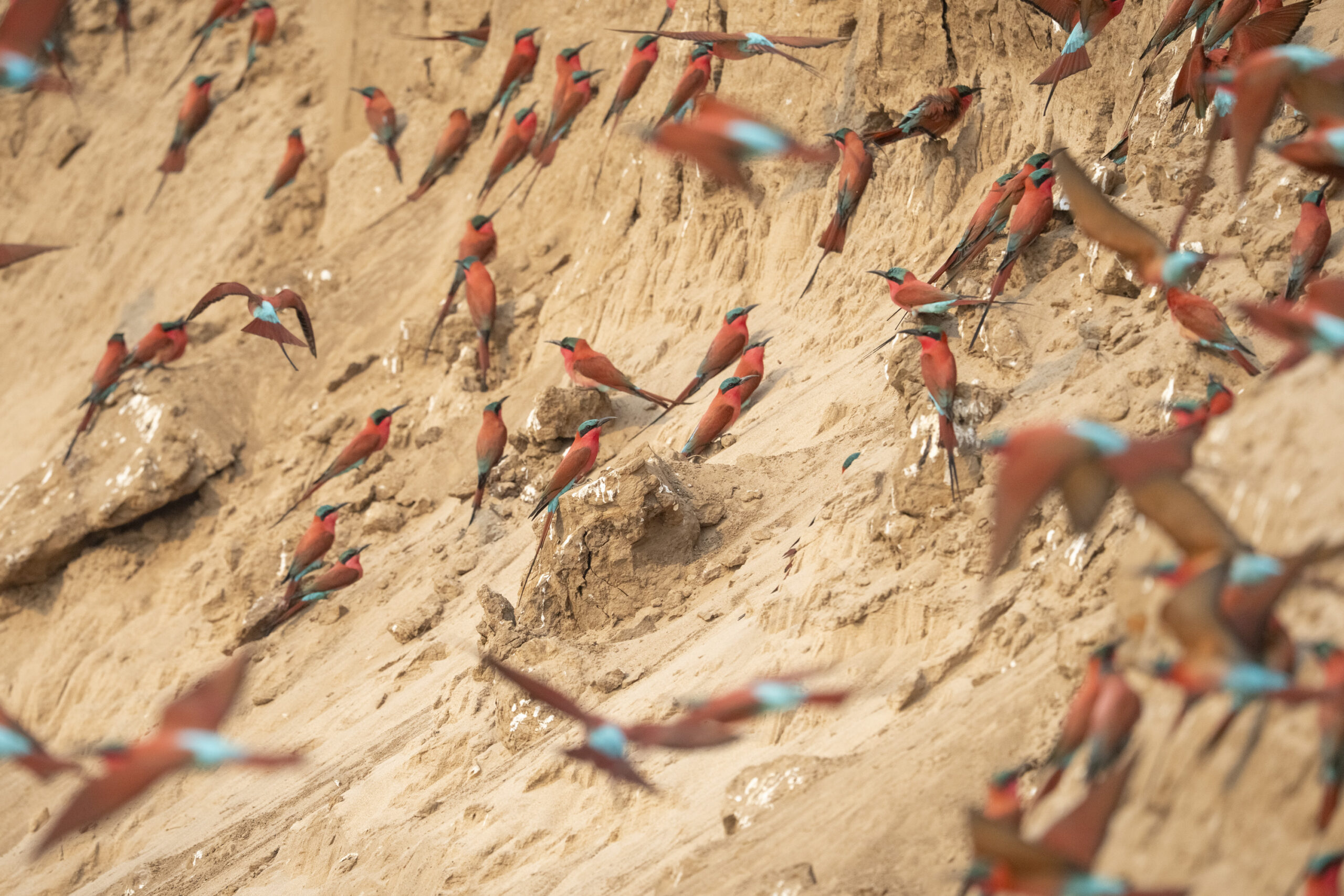
Once that shift happens, leaving feels strangely unnatural, as though you are stepping out of a rhythm you had only just begun to understand.

UNBEATABLE Gorilla Special for SADC Residents!

Rwanda has long been one of those places that sits just beyond easy reach.
This Iconic Africa Special changes that, opening up access to gorilla trekking for our SADC guests at rates up to 70% lower than usual — something that VERY rarely comes around.

There are certain trips that tend to live more in conversation than in reality.

Rwanda is one of them.

It comes up easily enough — over a glass of wine, around a dinner table, somewhere between “we should really go” and “one day.” The images are always the same: mist hanging low over forested slopes, the quiet anticipation of a trek, that first moment of eye contact with a gorilla in the undergrowth.

And then, just as quickly, the conversation moves on.

Not because the interest fades, but because the numbers tend to bring things back down to earth.

Gorilla trekking, for all its appeal, has always sat at the upper end of the safari spectrum. Permits priced in dollars, logistics to match — it’s the kind of experience that often gets postponed, rather than planned.

But every now and then, something shifts.

Set just outside Volcanoes National Park, Amarembo by Touch Down sits quietly on the edge of one of Africa’s most compelling wildlife experiences. There’s no overstatement to it. It’s comfortable, well-positioned, and close enough that early mornings don’t feel like a logistical exercise.
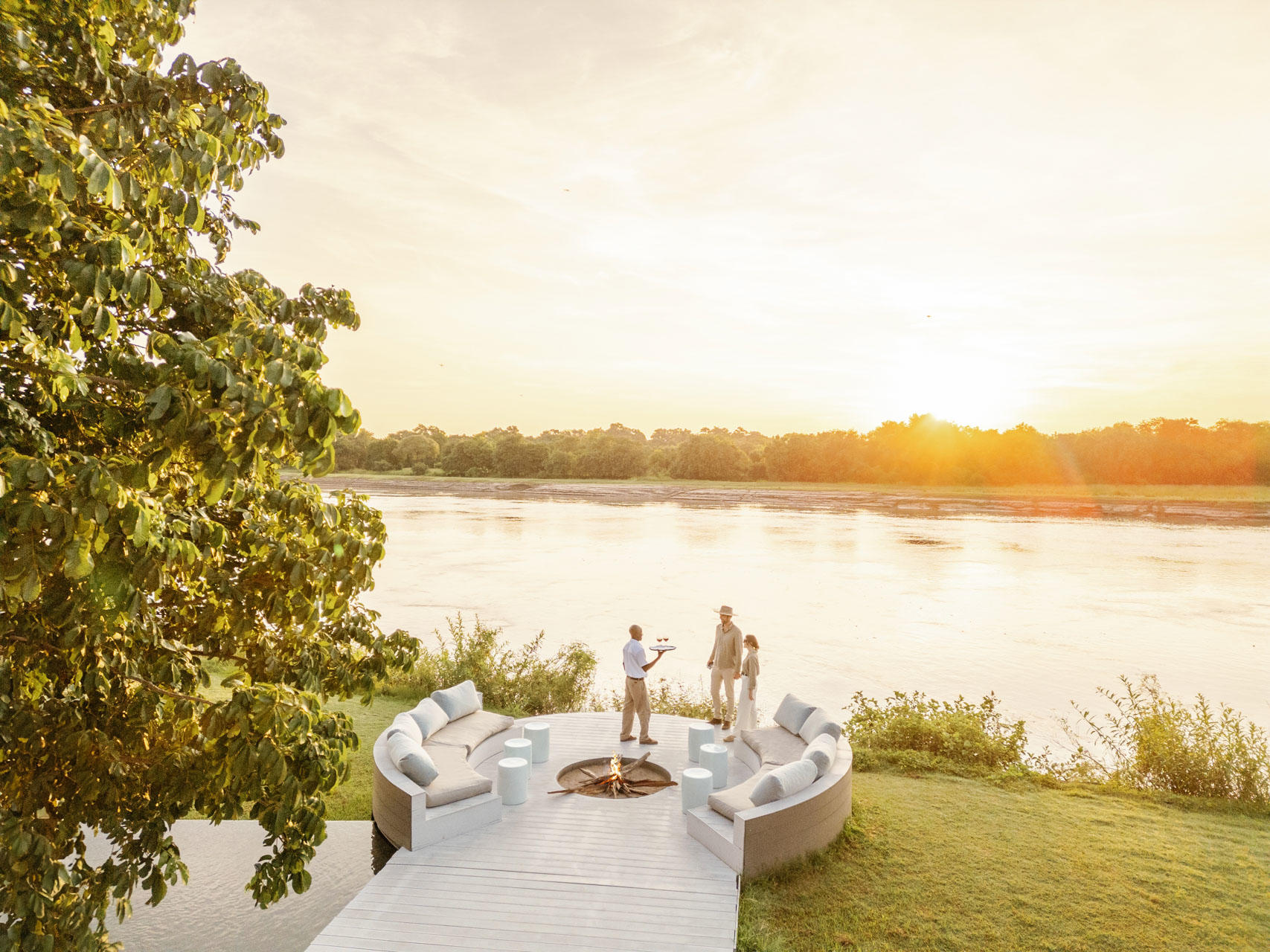
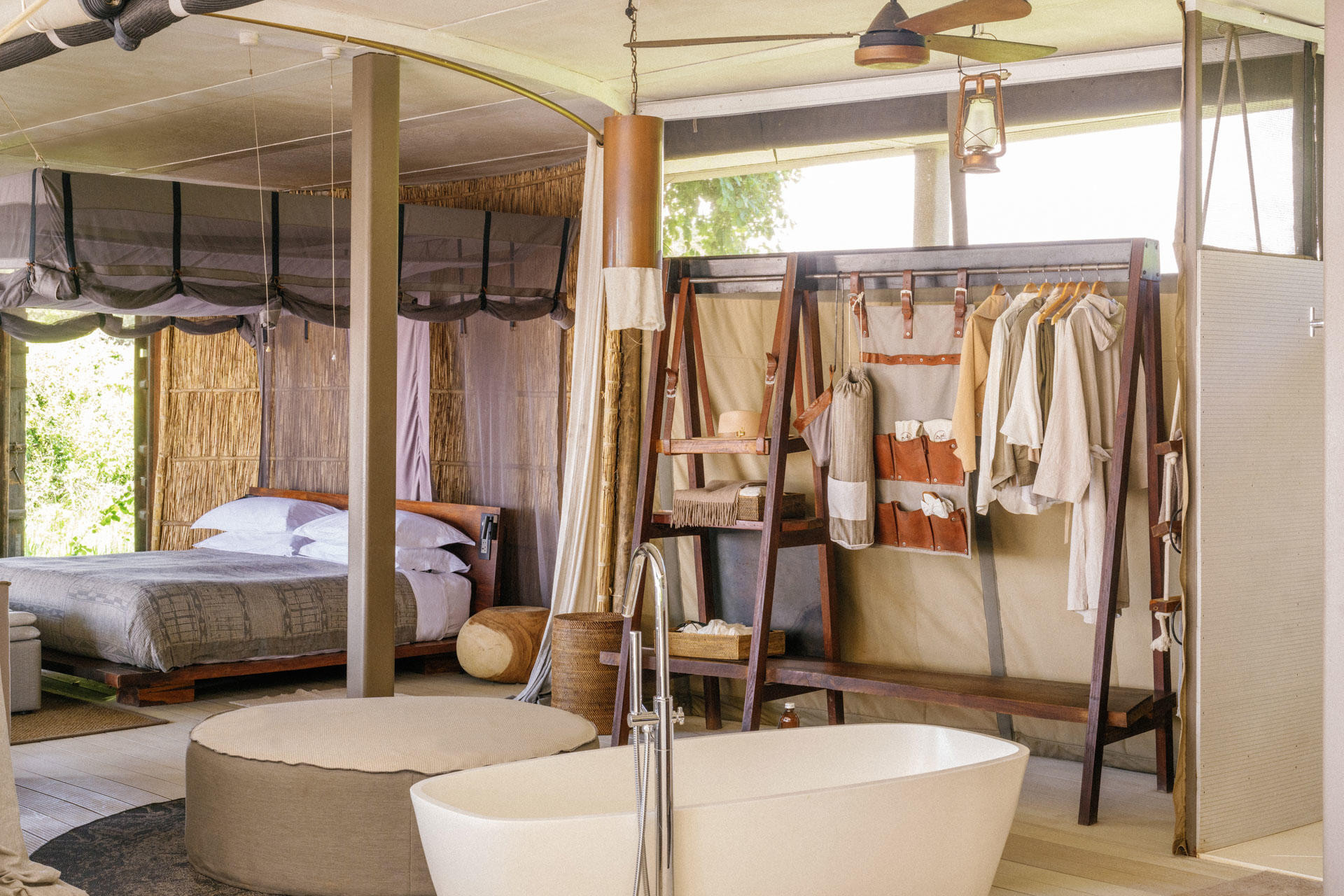
More importantly, it places you exactly where you need to be — at the start of a day that rarely unfolds the same way twice.

A gorilla trek isn’t something you can fully prepare for. There’s the briefing, of course, and the general outline of how things might go, but once you step into the forest, everything slows. The air shifts, the sounds change, and the sense of anticipation builds gradually rather than all at once.

You walk. You stop. You listen.

And then, at some point, you’re there.

It’s not dramatic in the way people expect. No sudden reveal, no orchestrated moment. Just a quiet realisation that you’re sharing space with something entirely self-contained. A silverback watching without concern. A younger gorilla moving through the foliage with a kind of casual confidence. The forest continuing around them as if nothing has changed — even though, for you, it has. Monumentally.

It’s an experience that tends to stay with people for reasons that are hard to put into words at the time.

Which is perhaps why it’s always been so sought after.

For travellers within the SADC region, the current Iconic Africa Special has secured rates at Amarembo in a way that makes the broader Rwanda experience significantly more accessible than it has been in the past.

A 3 day, 4 night stay including all meals, trekking permits (1 Gorilla, 1 Golden monkey), is now on sale for R49, 999! The offer is valid for travel until the 30 May, with strictly limited availability!

It’s not something being shouted about, and perhaps that’s why it feels as interesting as it does.

Because when a place like Rwanda — long considered just out of reach — suddenly becomes more than possible, and it changes the nature of the conversation entirely.

It moves from “one day” to “now”.

And those are often the trips that end up meaning the most!

Singita Sasakwa Lodge – Where the Serengeti Wears a Silk Jacket

Some safari camps feel like they belong to the wilderness. Singita Sasakwa feels like the wilderness decided it deserved a manor house.

Set high on the Sasakwa Hill in Singita Grumeti, this is the Serengeti with its collar pressed, its shoes polished, and its Martini served at exactly the right temperature. But don’t let the elegance fool you — you’re still in one of Africa’s wildest theatres, and the action below is anything but refined.

From the moment you arrive, Sasakwa has a certain old-world confidence. The architecture nods to grand estates and colonial-era romance, but without the stiffness. It’s expansive, warm, and quietly indulgent: long verandas, wide views, and interiors that invite you to sprawl rather than perch. The infinity pool looks out over plains that seem to go on forever, and if you’ve ever wanted to watch a storm roll across the Serengeti while wrapped in luxury, this is the place to do it.

And then there’s the safari.

Singita Grumeti is private, which means the experience has a freedom to it that’s increasingly rare. No traffic jams of vehicles. No radio chatter chaos. Just your guide, your curiosity, and a landscape that reveals itself at its own pace. One moment you’re tracking lions through grass that looks like it’s been brushed into place; the next you’re watching a leopard melt into the shadows of a riverine thicket as if it was never there at all.

If you time it right, you also have the Great Migration in your orbit — the kind of spectacle that makes you realise nature is capable of excess. Thousands of wildebeest, zebra, dust, noise, urgency. And then, later, back at Sasakwa, everything slows again. A bath with a view. A drink on the lawn. A dinner that feels like a private event, even when it’s simply your own table under the stars.

Sasakwa is for travellers who love the romance of safari, but also appreciate the finer things: space, service, and the luxury of feeling entirely unhurried. It’s the Serengeti, yes — but it’s the Serengeti dressed for the occasion.

Nyamatusi Camp: Where Mana Pools Casts Its Spell

Certain landscapes feel like they’ve drifted out of a dream, and Mana Pools is one of them — a place where blue-washed woodlands melt into slow water, where elephants stand on hind legs to reach ana pods, and where light behaves in ways photographers still can’t adequately explain. Nyamatusi Camp sits in the heart of this enchantment, offering front-row seats to one of Africa’s most atmospheric wildernesses.

Set along a remote curve of the Zambezi River, Nyamatusi’s tented suites are luxurious in a way that never breaks the spell of the environment. Interiors are warm, rich and tactile — brass, canvas, leather — but always with the river in view, always with the forest whispering just beyond the deck. This is the kind of camp where wildlife walks through your field of vision rather than being something you go out to find.

Activities lean into Mana’s slow, immersive energy. Walking safaris take you through cathedral-like woodlands where every shaft of light feels choreographed. It’s not unusual to round a grove and find an elephant calmly feeding at arm’s length, acknowledging you with the faintest ear-flick before returning to its breakfast. Canoeing is equally magical — drifting between hippo channels, listening to water lap against the bow, watching the shoreline shift like an unfolding watercolor.

Game drives capture Mana at its most instinctively wild: painted wolves trotting along riverbeds, lions dozing in delicate shade, nyala moving like brushstrokes through the trees. Yet the mood here is never rushed. The forest encourages softness, attentiveness, breathing room.

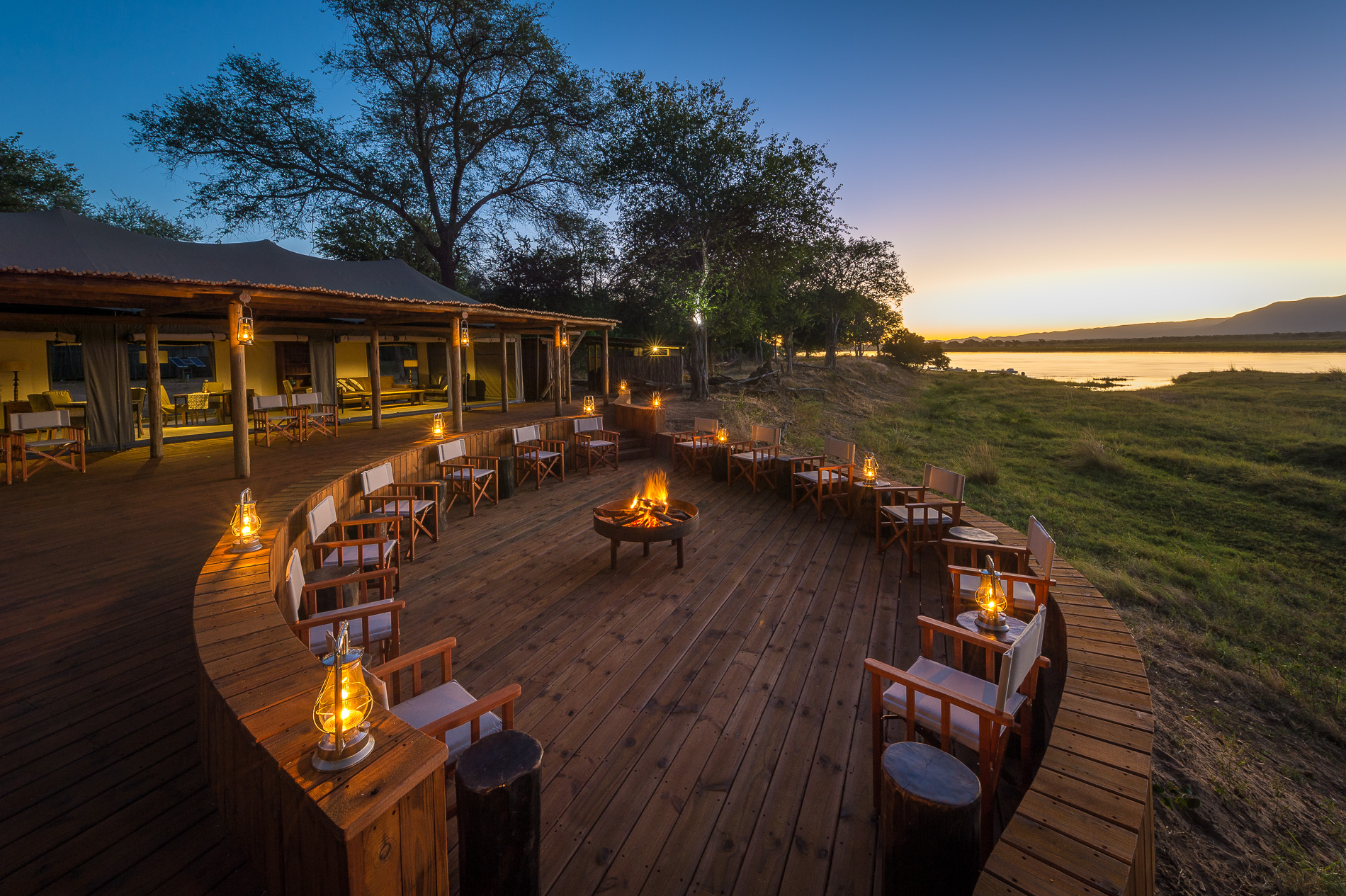
Evenings are all glow — lanterns, campfire sparks, the quiet hum of the river. It’s the kind of place where guests become loyalists, and loyalists become evangelists.

Nyamatusi doesn’t just show you Mana Pools. It lets the place seep into your bones.

Hoanib Skeleton Coast: Desert Lions, Distant Horizons, and the Luxury of Silence

Safari lovers often talk about sound — the roars, the rustles, the unending nighttime chorus. But Hoanib Skeleton Coast Camp flips the script with a different kind of sensory experience: profound, resonant silence. The kind that expands inside you. The kind that makes a single footstep feel like punctuation in an otherwise blank poem.

Set in one of Namibia’s most remote valleys, Hoanib lies at the intersection of desert, mountains, and the unseen pull of the Atlantic Ocean. At first glance, the landscape appears empty. Your eyes skim over pale dunes and ochre ridges, dismissing them as barren. But Hoanib rewards patience, not haste. Shapes resolve slowly: a lone elephant threading its way along a dry riverbed, a pair of oryx holding still in perfect desert camouflage, a fresh track hinting at the improbable wanderings of a desert-adapted lion.

Days here unfold with an exploratory rhythm. Drives trace ancient river systems carved by rains that may only come once in several years. You follow stories written in sand, piecing together the nomadic lives of animals that survive on astonishingly little. If conditions allow, the journey toward the Skeleton Coast is among the continent’s most surreal drives — a cinematic transition from shimmering dunes to the fog-laden wildness of the Atlantic, where shipwrecks tilt like abandoned punctuation on an unfinished sentence.

Inside camp, the minimalist architecture mirrors the desert: calm, tonal, grounded. Canvas, stone, and pale wood create a sanctuary that amplifies the surrounding quiet rather than competing with it. Meals are unhurried, evenings candlelit, and nights filled not with noise but with space.

Hoanib isn’t about abundance. It’s about revelation. It teaches you to look harder, listen deeper, and appreciate the astonishing resilience of life where it shouldn’t logically thrive. And in doing so, it reshapes your definition of wilderness itself.

Singita Kwitonda: Where the Path to the Gorillas Begins

Some journeys announce themselves loudly: roaring waterfalls, thundering hooves, sweeping plains. Others begin in a whisper — a curl of mist drifting across a volcanic slope, a soft crackle of bamboo, a quiet exhale in the forest as a mountain gorilla meets your gaze. Singita Kwitonda Lodge exists for that kind of journey: the kind that stays with you long after your boots are clean and your heartbeat has settled.

Built on the edge of Rwanda’s Volcanoes National Park, Kwitonda doesn’t feel placed in the landscape so much as grown from it. The lodge’s architecture — timber walkways, lava-stone walls, huge panes of glass framing the volcanoes — creates a feeling of being held inside the ecosystem rather than observing it. It’s soft-spoken luxury: fireplaces quietly glowing, deep sofas encouraging you to sink rather than sit, and staff who anticipate your needs with the gentleness of people who understand the emotional weight of a gorilla trek.

That trek is the axis on which every day turns. Mornings begin early with rich Rwandan coffee, boots waiting, gaiters neatly arranged, and a palpable sense of anticipation humming through the air. Guides brief you with the kind of calm, precise storytelling that turns nerves into excitement. And then you’re walking — into a forest that feels ancient, alive, and almost sentient.

The encounter itself is often described as moving, profound, transformative. What’s remarkable about Kwitonda is how it holds you after that experience. You return mud-splattered, wide-eyed, and slightly overwhelmed, and without a single forced word, the lodge creates space for reflection. A hot shower, a warm drink, the quiet crackle of a fire — these aren’t amenities; they’re invitations to process what just happened.

In the end, the true luxury of Kwitonda is its deep respect for the moment you’re here to have. It doesn’t compete with the gorillas. It doesn’t rush you past them. It simply builds a sanctuary around the most extraordinary hour you may ever spend in nature.