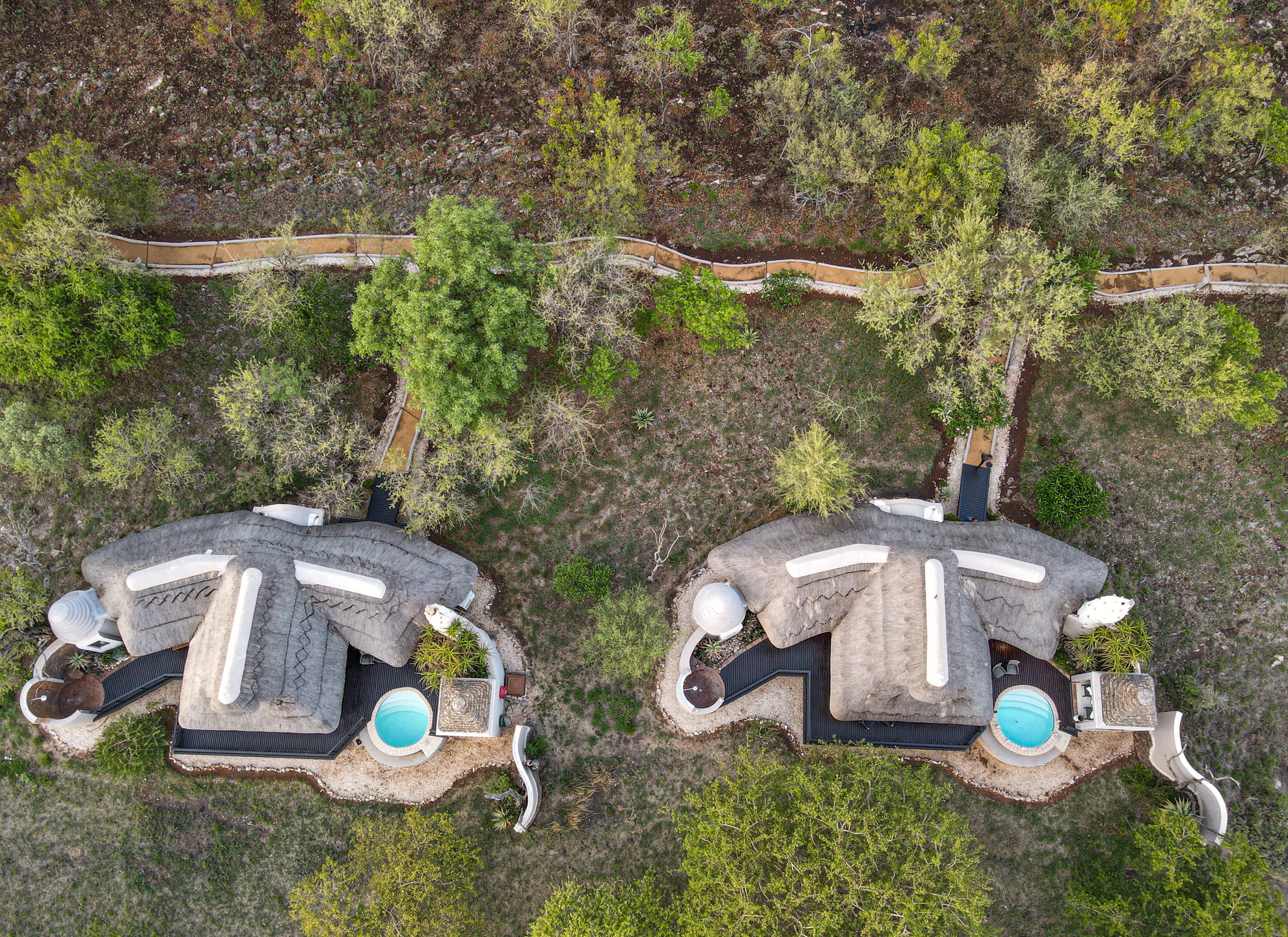
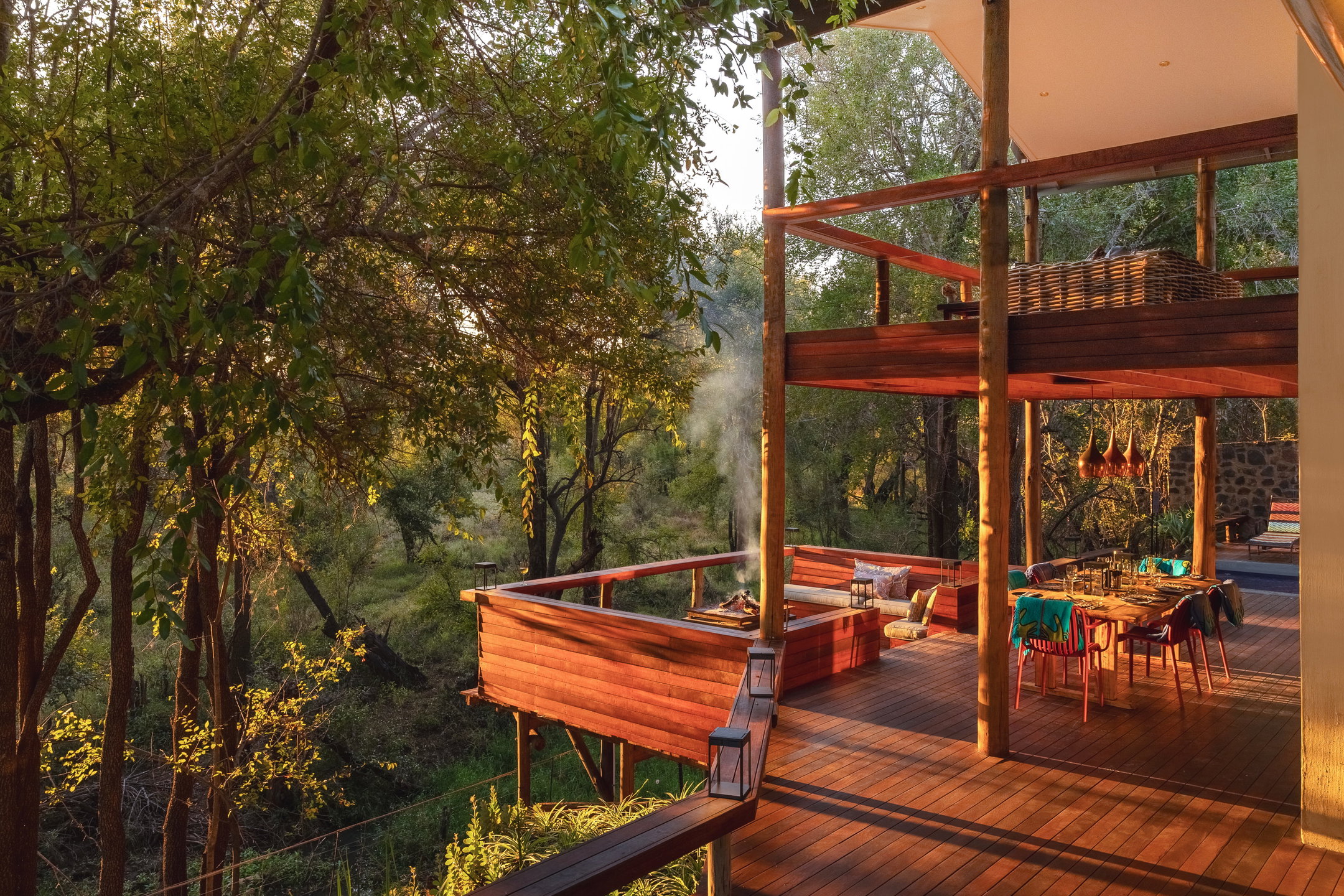
Shamwari Private Game Reserve: Six lodges, Big Five

The Eastern Cape does not get the attention it deserves. Tucked between the Garden Route and the Wild Coast, largely bypassed by travellers heading straight to the Kruger or the Sabi Sand, it offers something that neither of those destinations can: Big Five safari in a malaria-free landscape that is distinctly, unmistakably its own. The thicket, the valleys, the Bushman’s River winding through the reserve; this is not bushveld transposed from the north. It is a different ecosystem with its own character, and Shamwari is its most established expression.
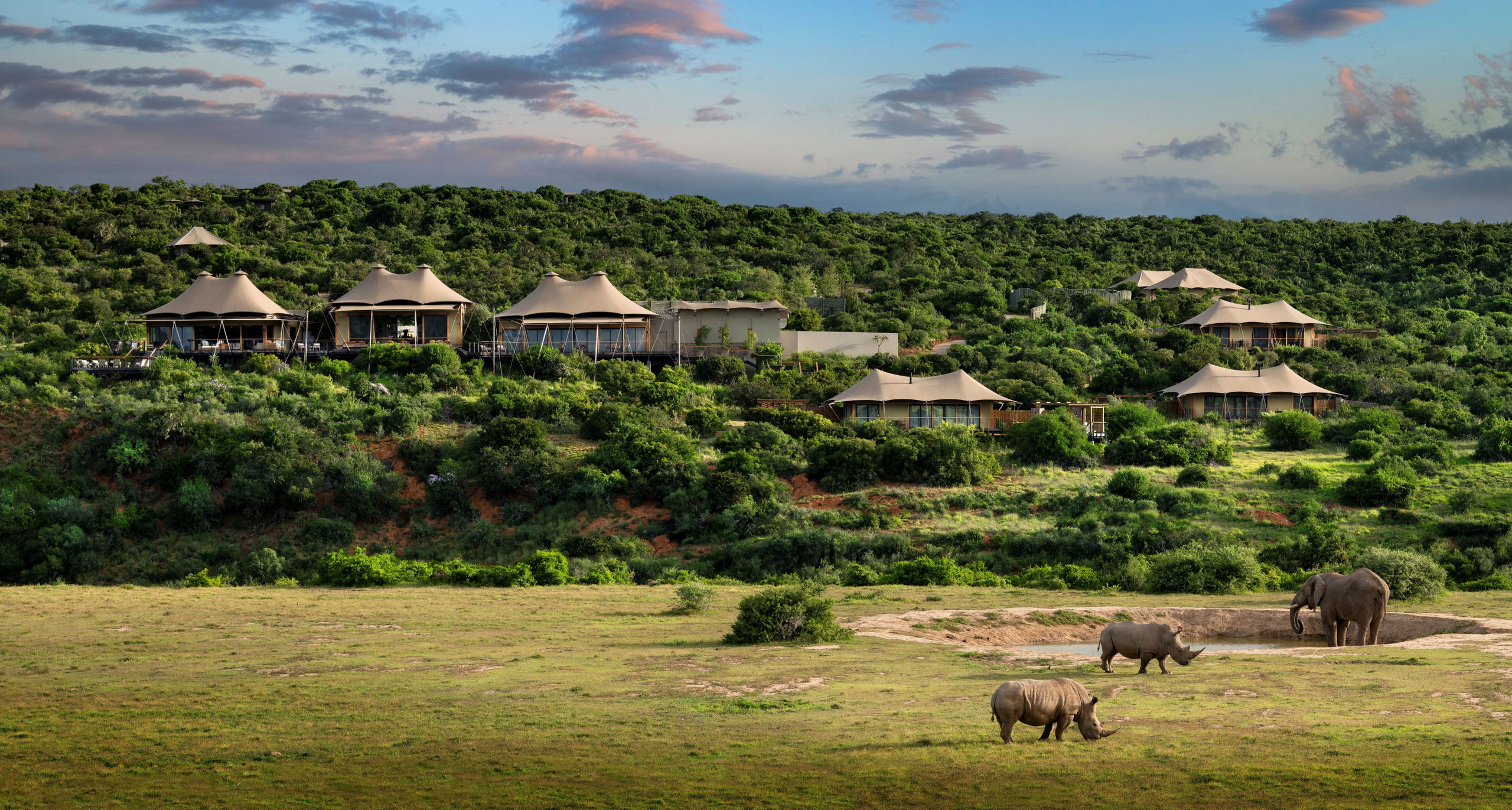
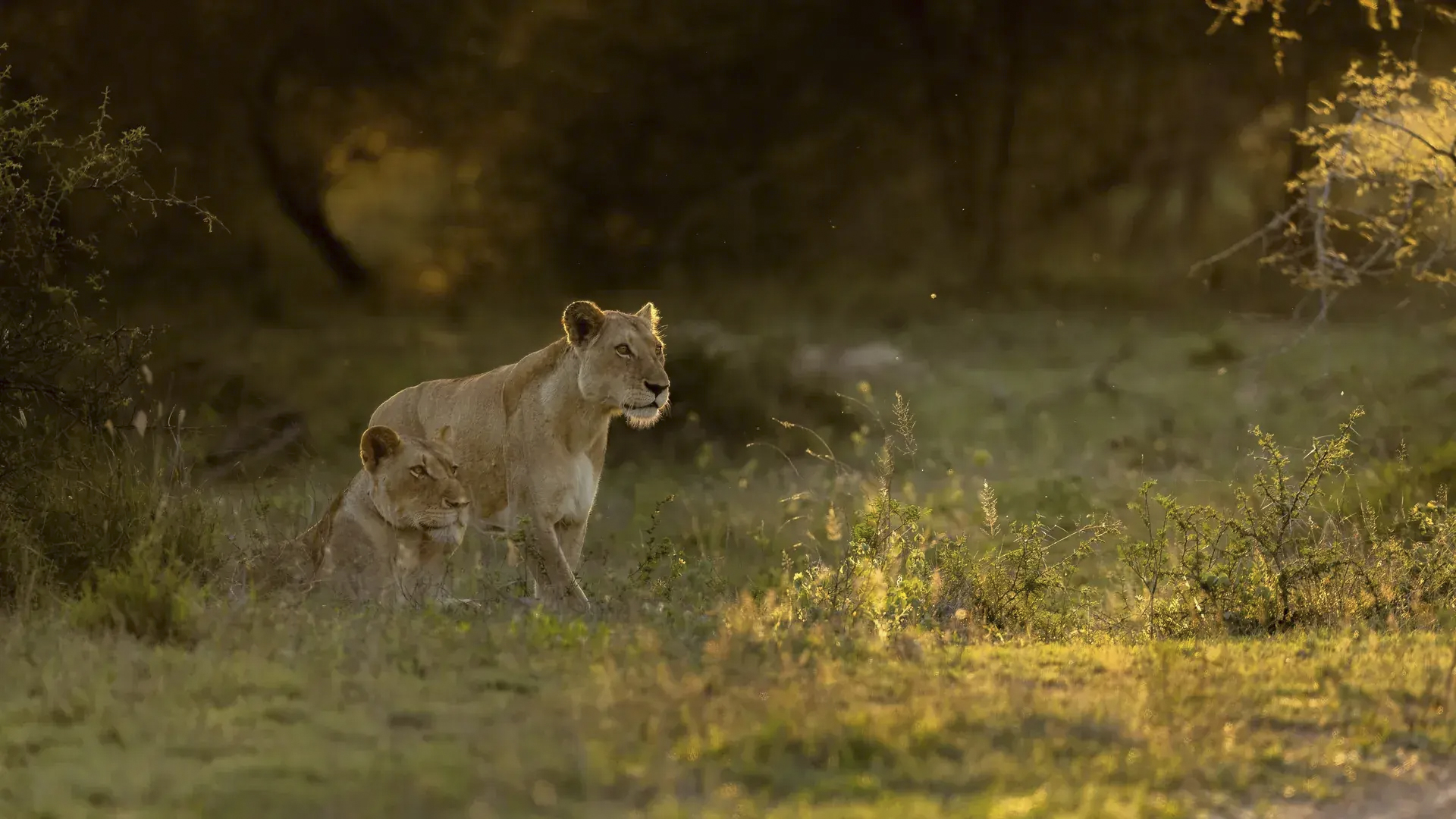
At 25,000 hectares, Shamwari Private Game Reserve has been one of South Africa’s premier wildlife destinations for over three decades. From April 2026 it operates under Kerzner International’s Rare Finds brand, a move that brings a new level of hospitality infrastructure to a reserve that already had serious conservation credentials. The wildlife numbers speak for themselves; over 5,000 animals across 275 bird species, with the Big Five resident and children aged three and older welcome on game drives.
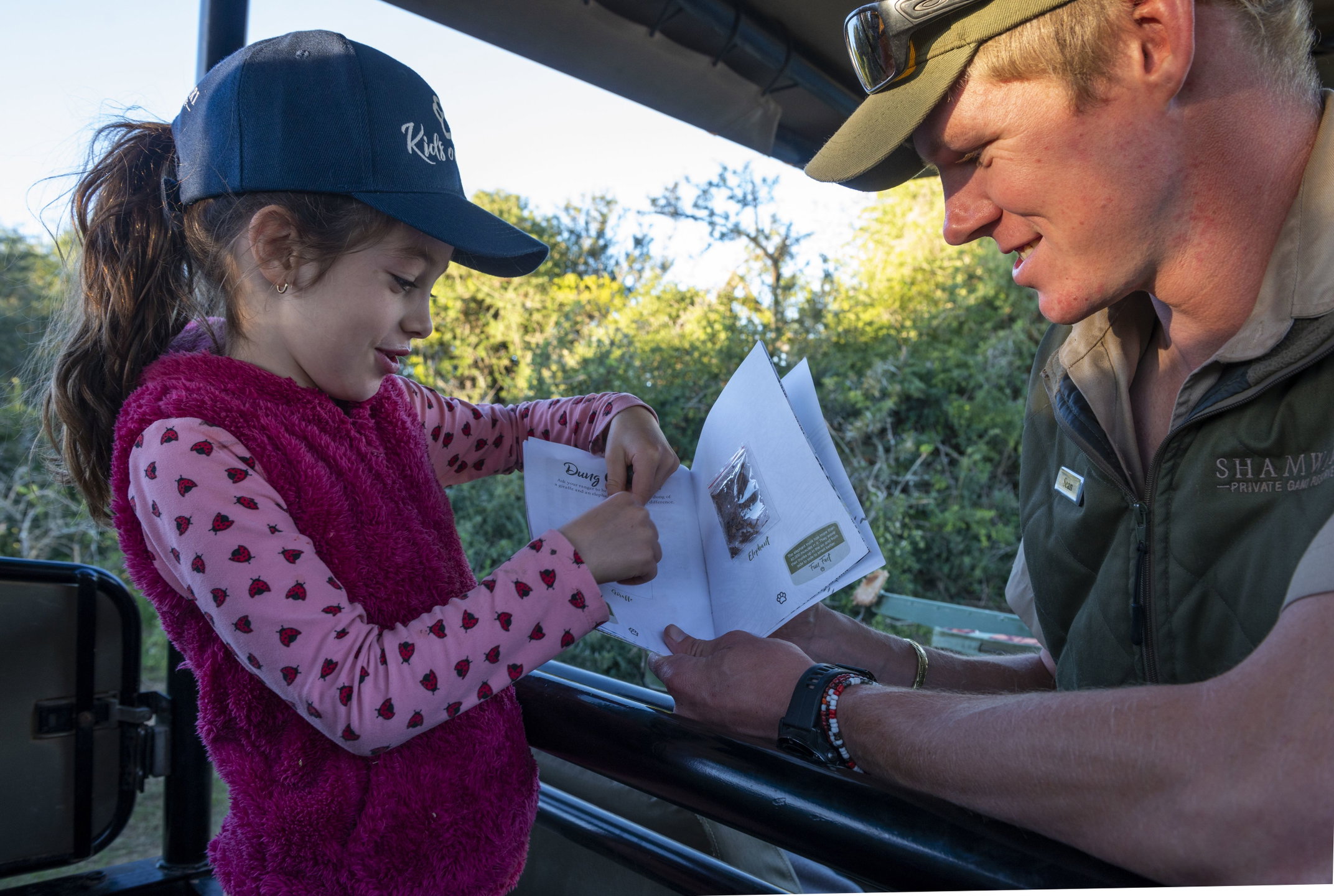
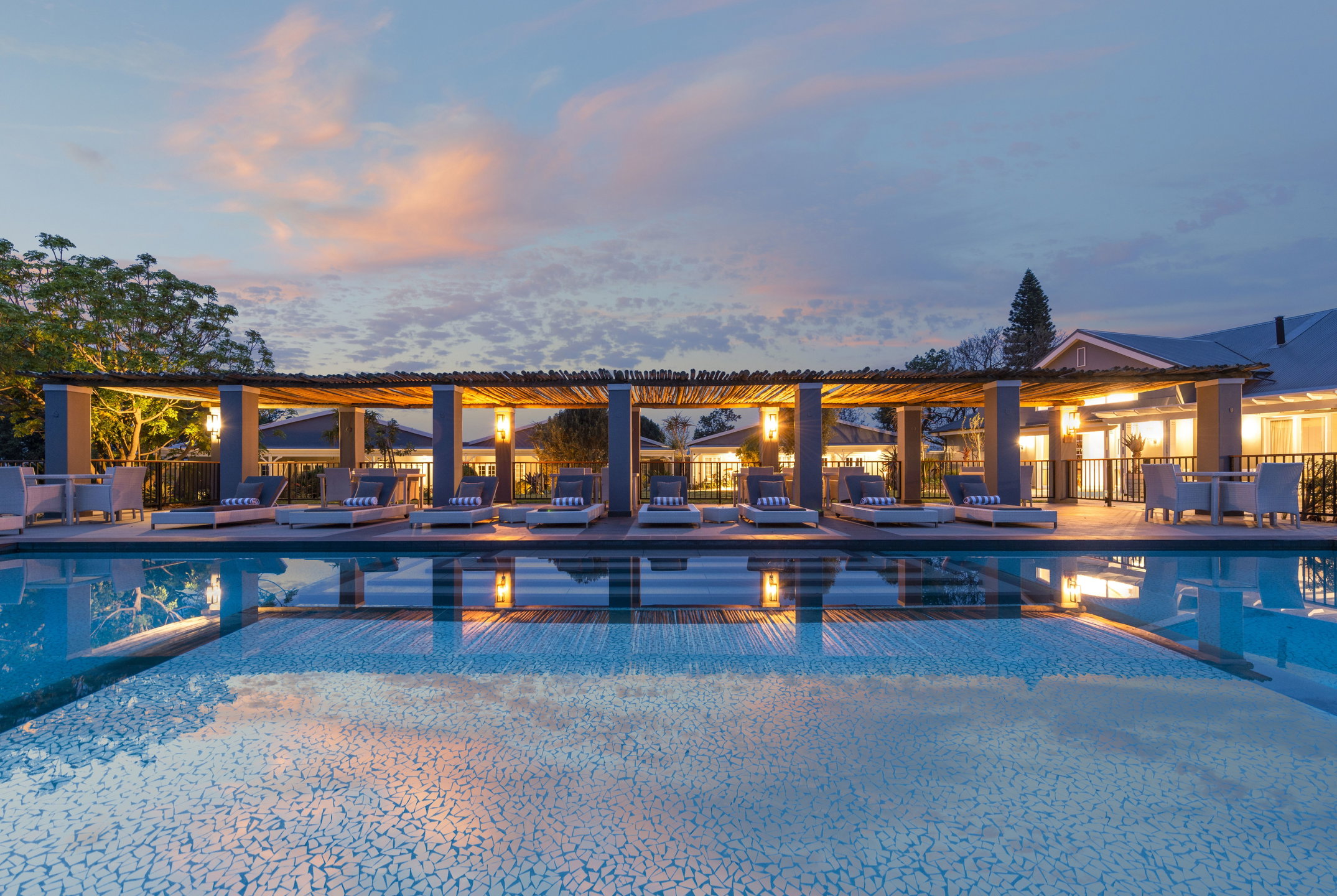
Six lodges sit across the reserve, each with its own character and target guest. Eagles Crag is the most architecturally striking; nine glass-and-stone suites built into a valley cliff face with heated plunge pools and views that justify the positioning entirely. Long Lee Manor takes a different approach; a restored 1910 Edwardian manor house with old-world elegance, a waterhole boma and a Family Suite for guests travelling with children. Riverdene is the dedicated family option, with a supervised Kids Club, inter-leading rooms and a shallow children’s pool. For those wanting complete privacy, Sarili is a six-bedroom exclusive-use villa in the reserve’s southern section with its own guide, vehicle and butler.
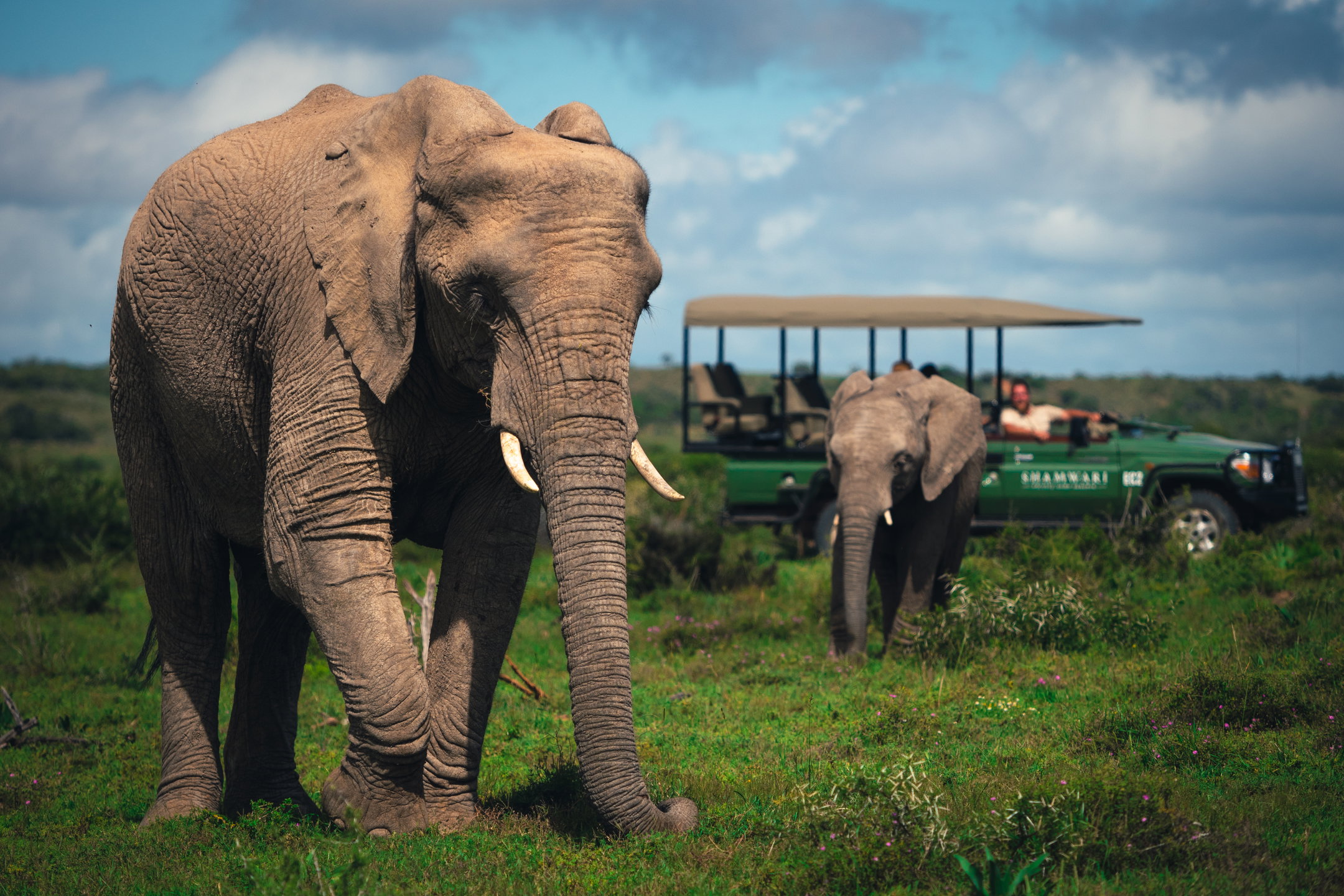
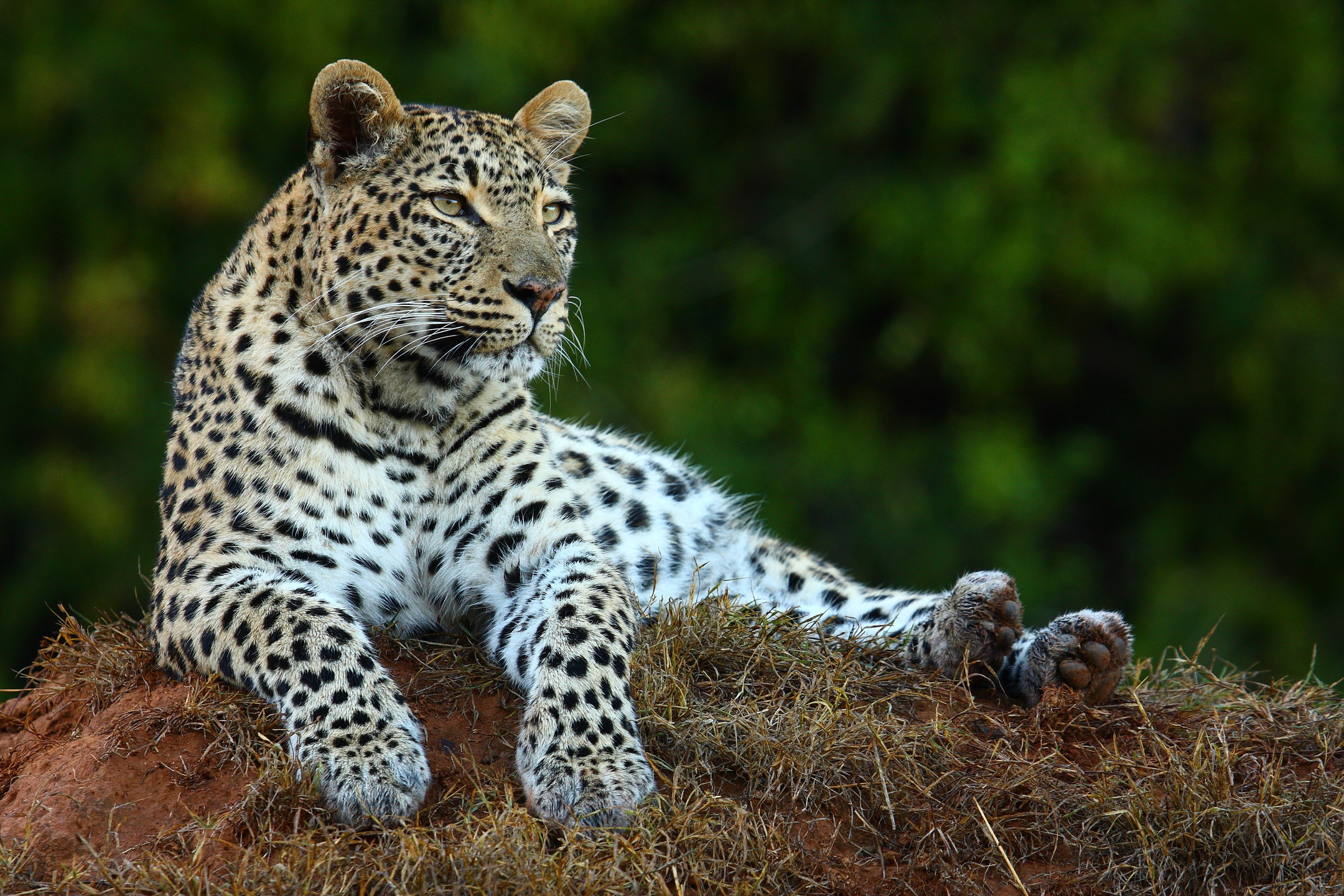
The conservation programme running beneath all of this gives the stay genuine depth. A wildlife rehabilitation centre, Born Free big cat sanctuaries, a rhino project and a vulture breeding programme make Shamwari one of the more conservation-serious reserves in the country; not just as a claim, but as something guests can engage with directly.

Access has always been Shamwari’s one friction point for international travellers. Shamwari Air, now under Kerzner’s management, connects Cape Town and Johannesburg to the reserve’s private airstrip in under two hours. For guests combining Shamwari with a Cape Town stay, the logistics are straightforward.
Why Malaria-Free Safari Deserves a Second Look

Africa’s greatest wildlife destinations sit mostly within what are technically malaria zones.

The Sabi Sand, the Okavango Delta, the Maasai Mara; the list of places where the game viewing is exceptional and the mosquitoes are a consideration (although minor) is a long one. It’s worth saying upfront that actual cases of malaria contracted at safari lodges are incredibly rare. The combination of screened accommodation, prophylactics, repellents and the simple fact that well-run lodges take this seriously means that the statistical risk for a healthy adult is extremely low. For the majority of travellers, this is a minor inconvenience managed without much thought, and it has never stopped the Okavango Delta or the Sabi Sand from being among the finest wildlife destinations on earth.

But not every traveller is in that majority.

If you’re pregnant, anti-malarials are off the table entirely. If you’re travelling with very young children, the calculus changes. If you’re immunocompromised, or someone who reacts badly to medication, the standard advice doesn’t apply cleanly. And for a growing number of travellers, the question isn’t medical at all; it’s psychological. The background awareness of being in a malaria zone, however statistically manageable, is enough to take the edge off the experience for some people. There’s no shame in that. A safari should be one of the most liberating experiences of your life, not a source of low-grade anxiety.

For all of these travellers, malaria-free safari isn’t a consolation prize. It’s simply the smarter itinerary.

South Africa has several of its finest game reserves sitting entirely outside the malaria belt. The Waterberg, Madikwe and the Eastern Cape are all home to serious Big Five wilderness areas where the wildlife is exceptional, the guiding is strong, and the only thing you won’t be thinking about at dinner is your evening medication. These aren’t compromise destinations. They are chosen by experienced safari-goers for the quality of the experience they deliver; the malaria-free status is an added benefit rather than the primary draw.

Choosing a malaria-free destination also says nothing negative about the areas that aren’t. The Okavango remains one of the most extraordinary places on earth. The Sabi Sand leopard sightings are unmatched. For guests who are comfortable in malaria zones, those destinations belong on any serious Africa list. Malaria-free is an option worth knowing about, not a verdict on anywhere else.

What follows in this series are three properties that make that option an easy one to take…