UNBEATABLE Gorilla Special for SADC Residents!

Rwanda has long been one of those places that sits just beyond easy reach.
This Iconic Africa Special changes that, opening up access to gorilla trekking for our SADC guests at rates up to 70% lower than usual — something that VERY rarely comes around.

There are certain trips that tend to live more in conversation than in reality.

Rwanda is one of them.

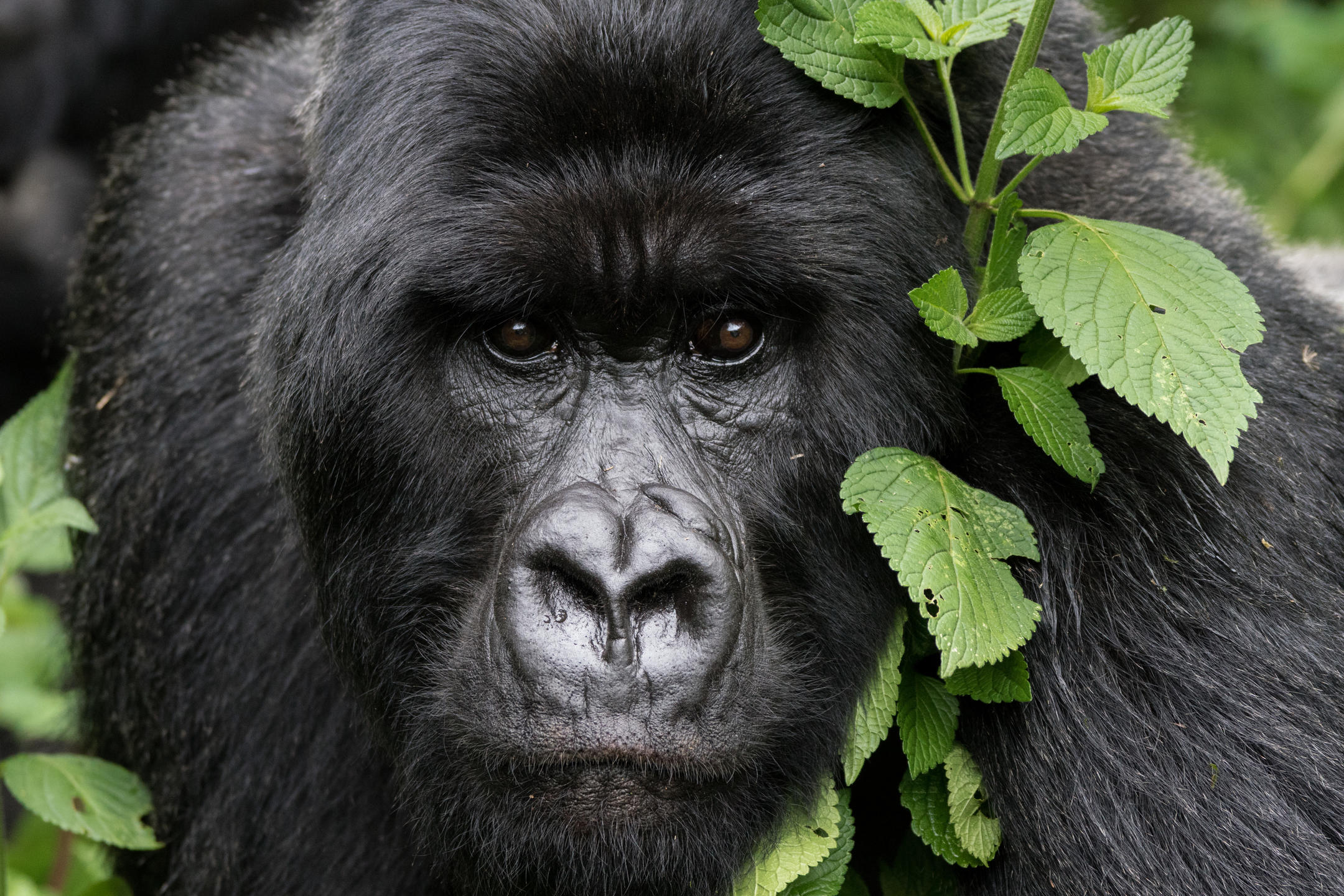
It comes up easily enough — over a glass of wine, around a dinner table, somewhere between “we should really go” and “one day.” The images are always the same: mist hanging low over forested slopes, the quiet anticipation of a trek, that first moment of eye contact with a gorilla in the undergrowth.

And then, just as quickly, the conversation moves on.

Not because the interest fades, but because the numbers tend to bring things back down to earth.

Gorilla trekking, for all its appeal, has always sat at the upper end of the safari spectrum. Permits priced in dollars, logistics to match — it’s the kind of experience that often gets postponed, rather than planned.

But every now and then, something shifts.

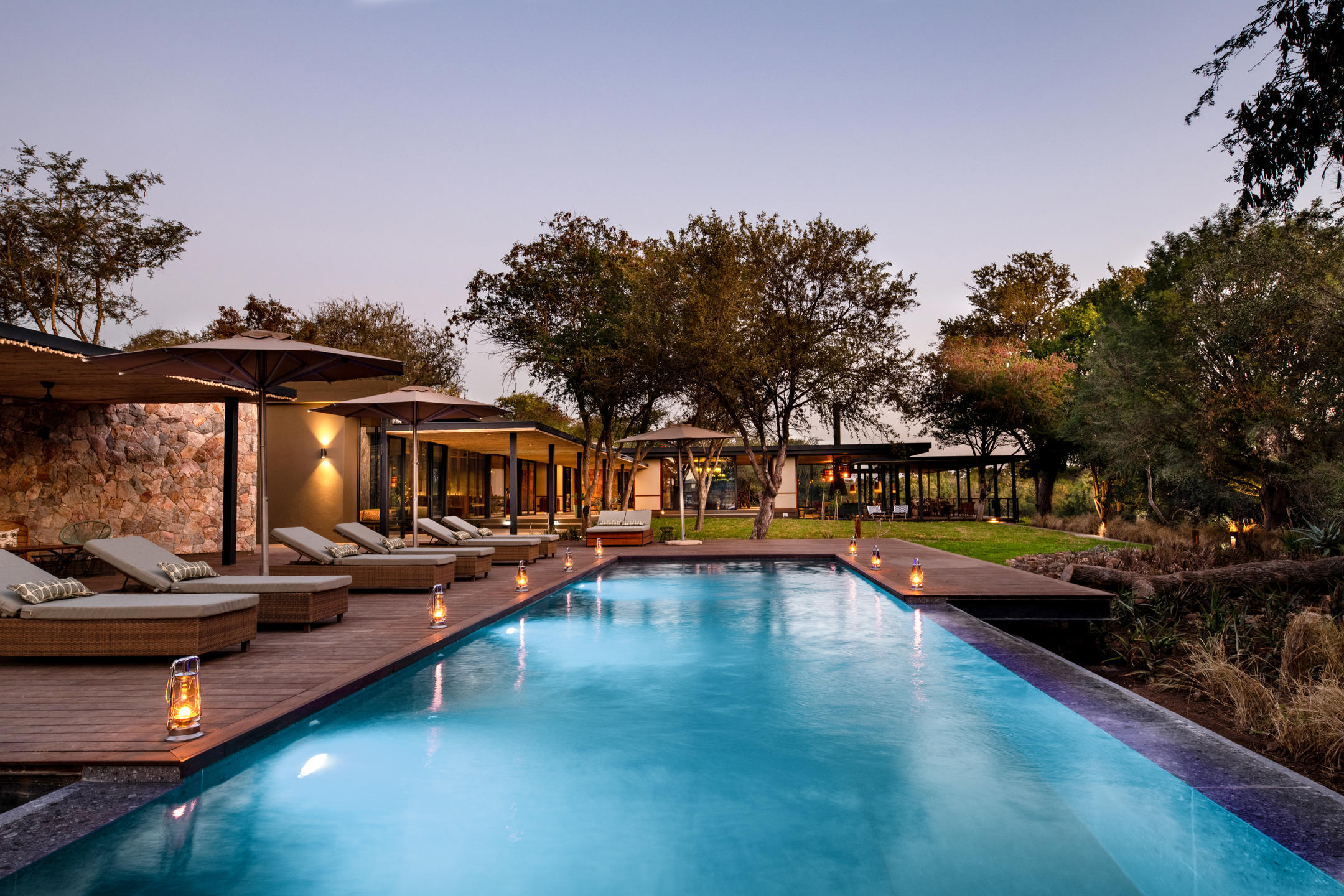
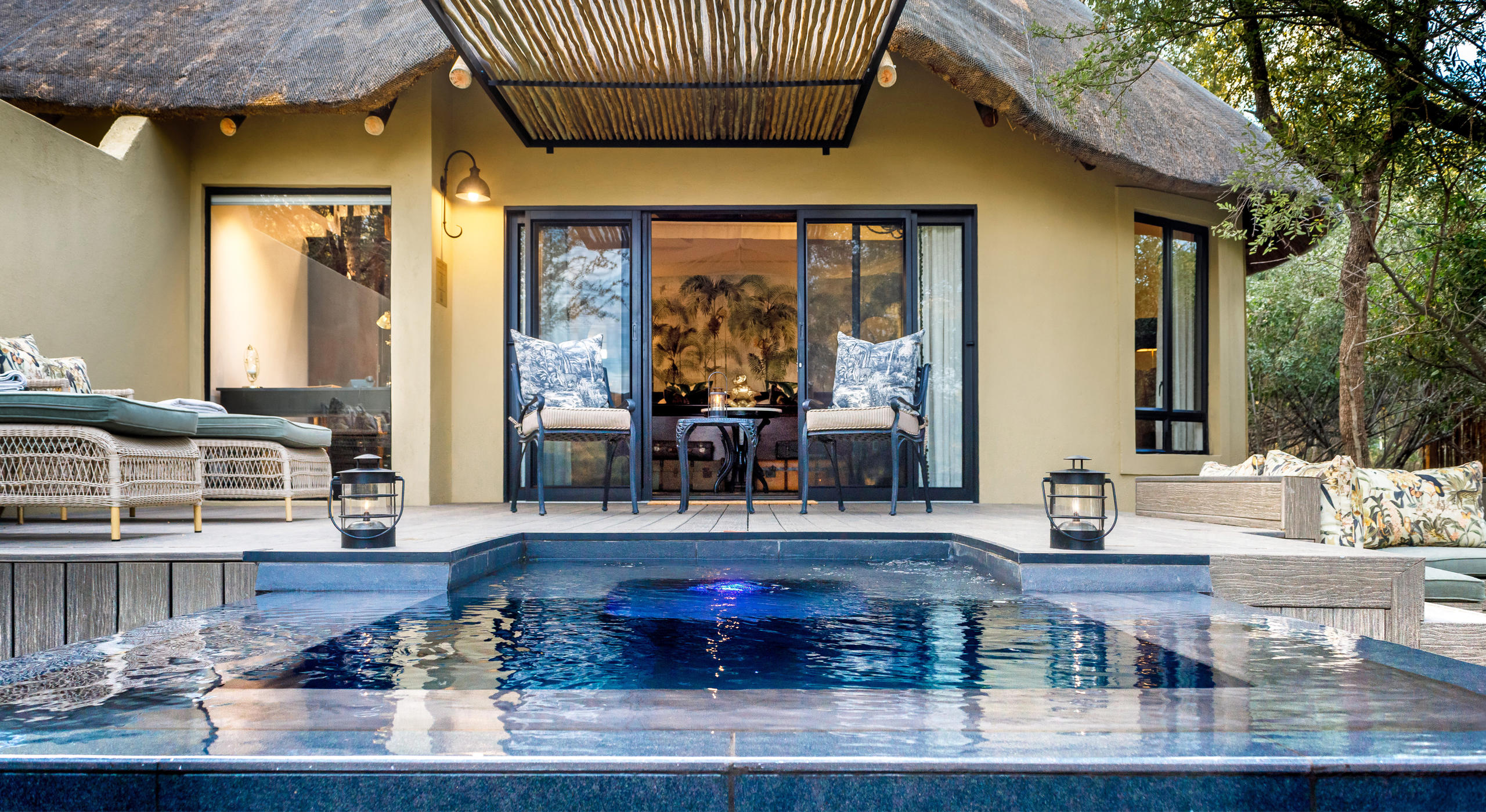
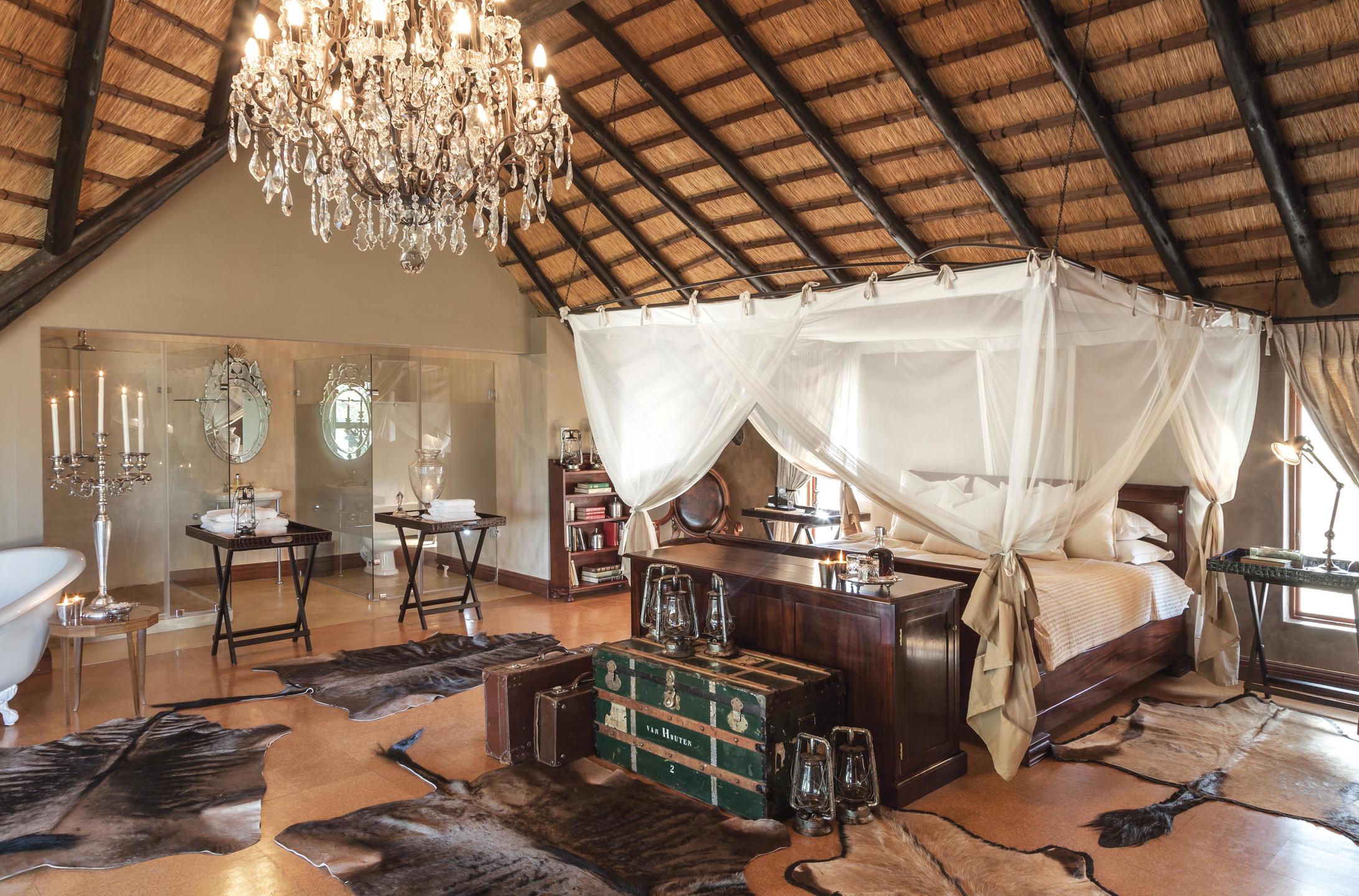
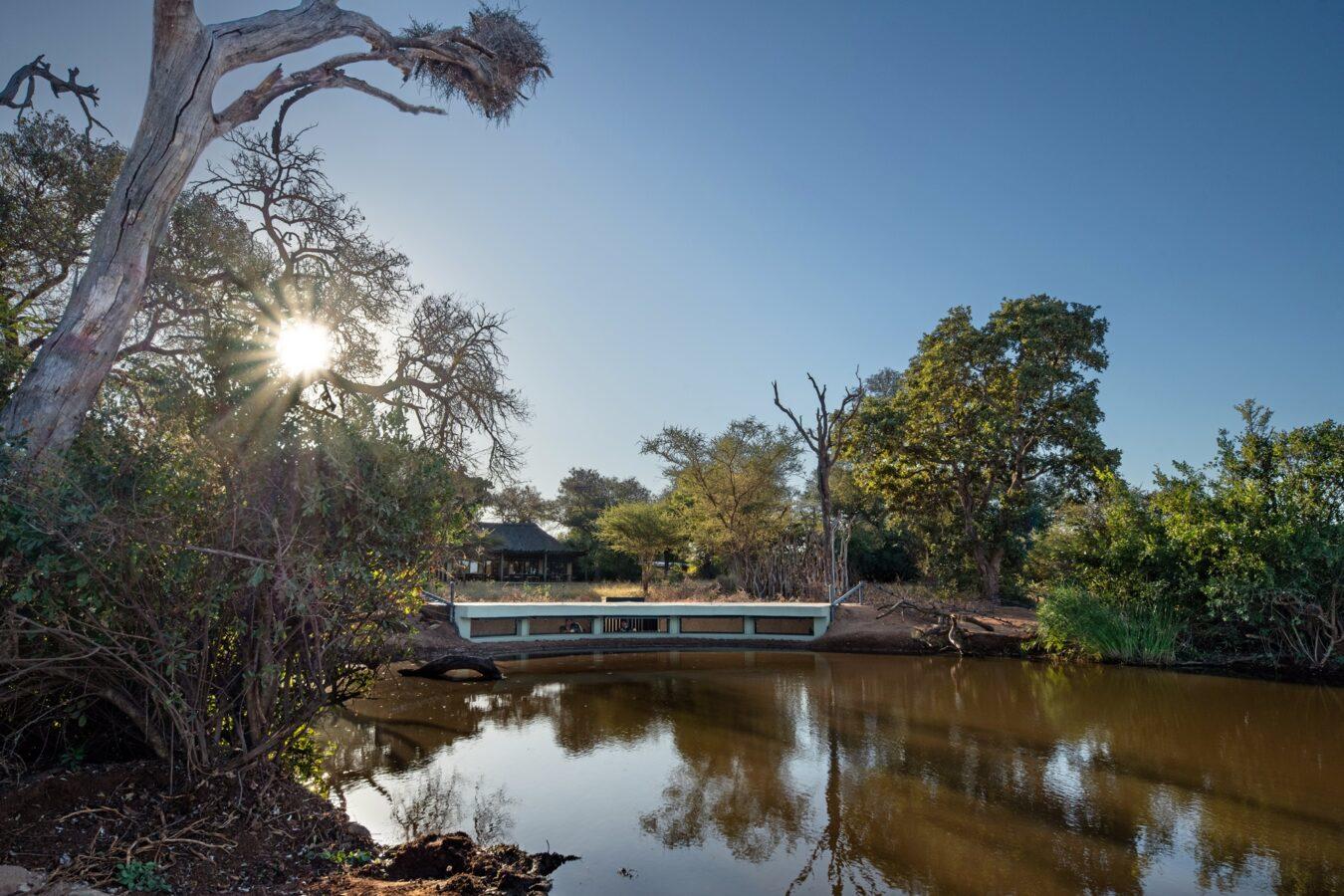
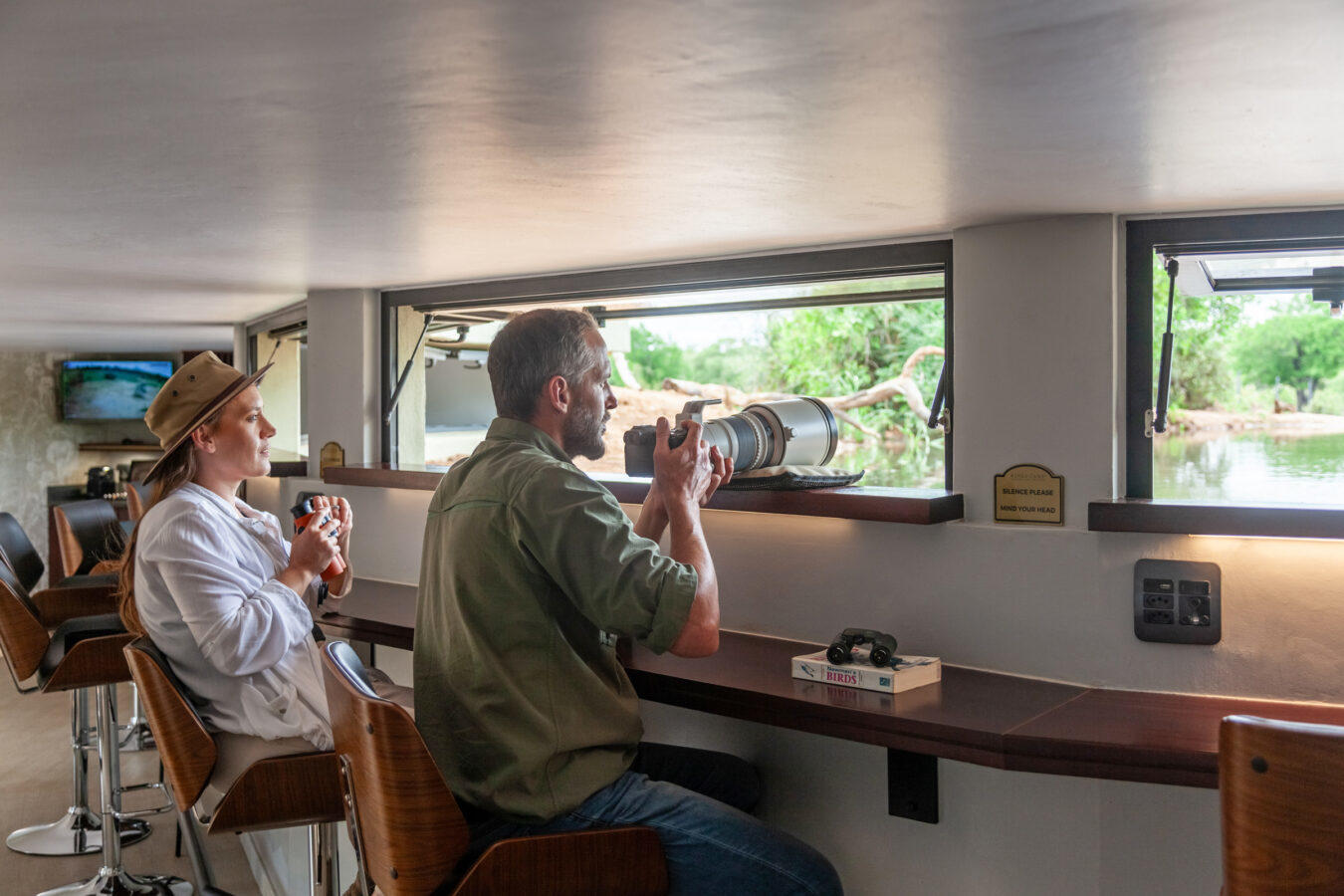
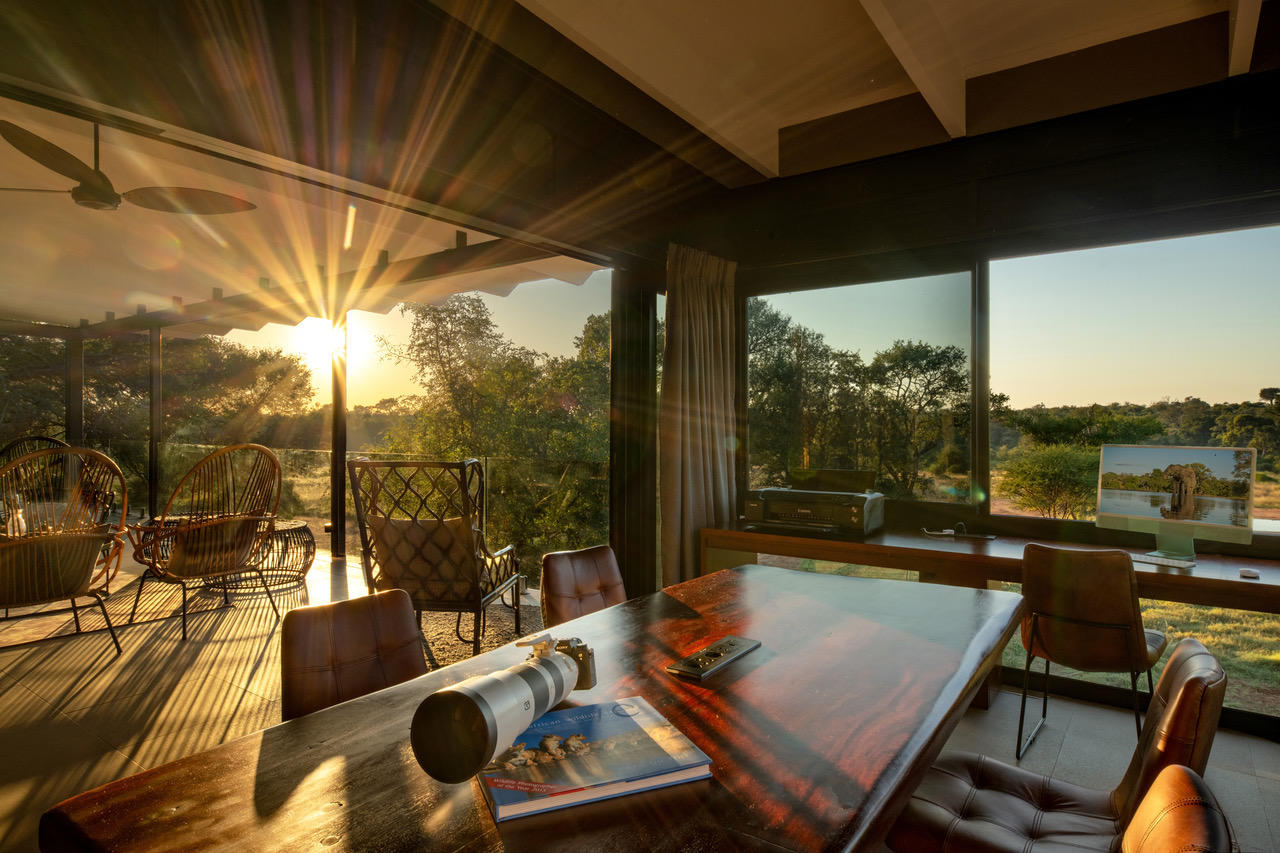
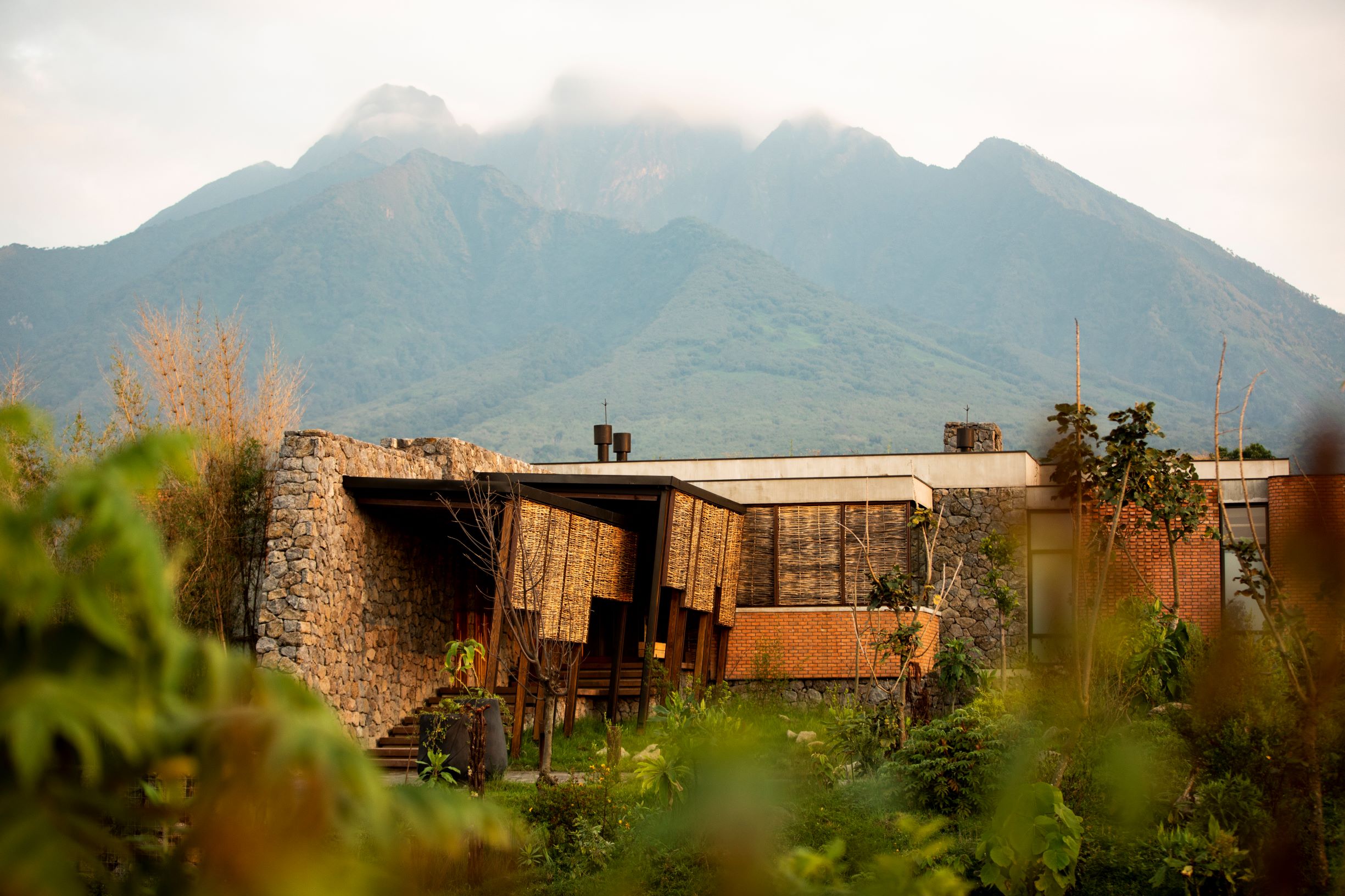
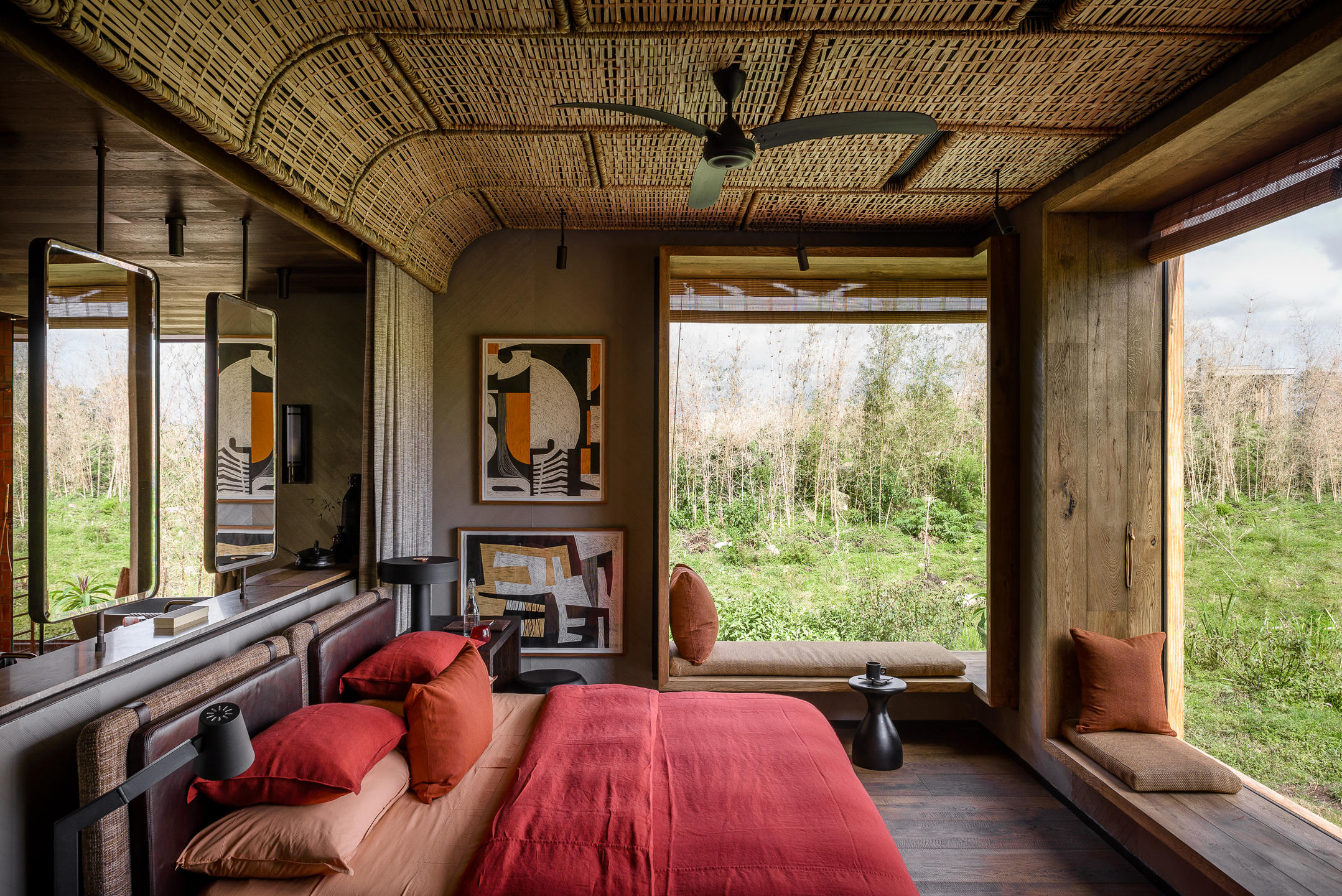
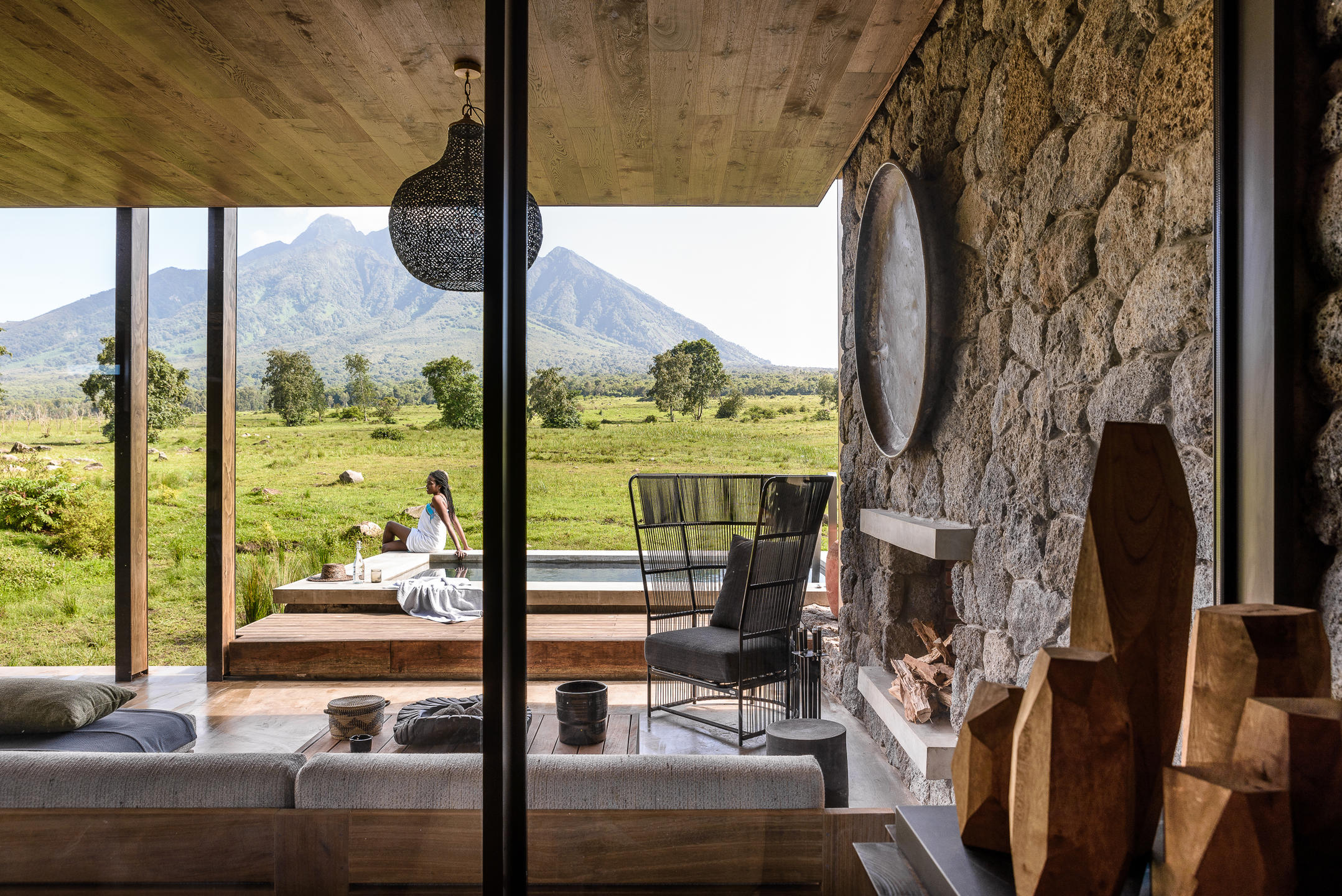
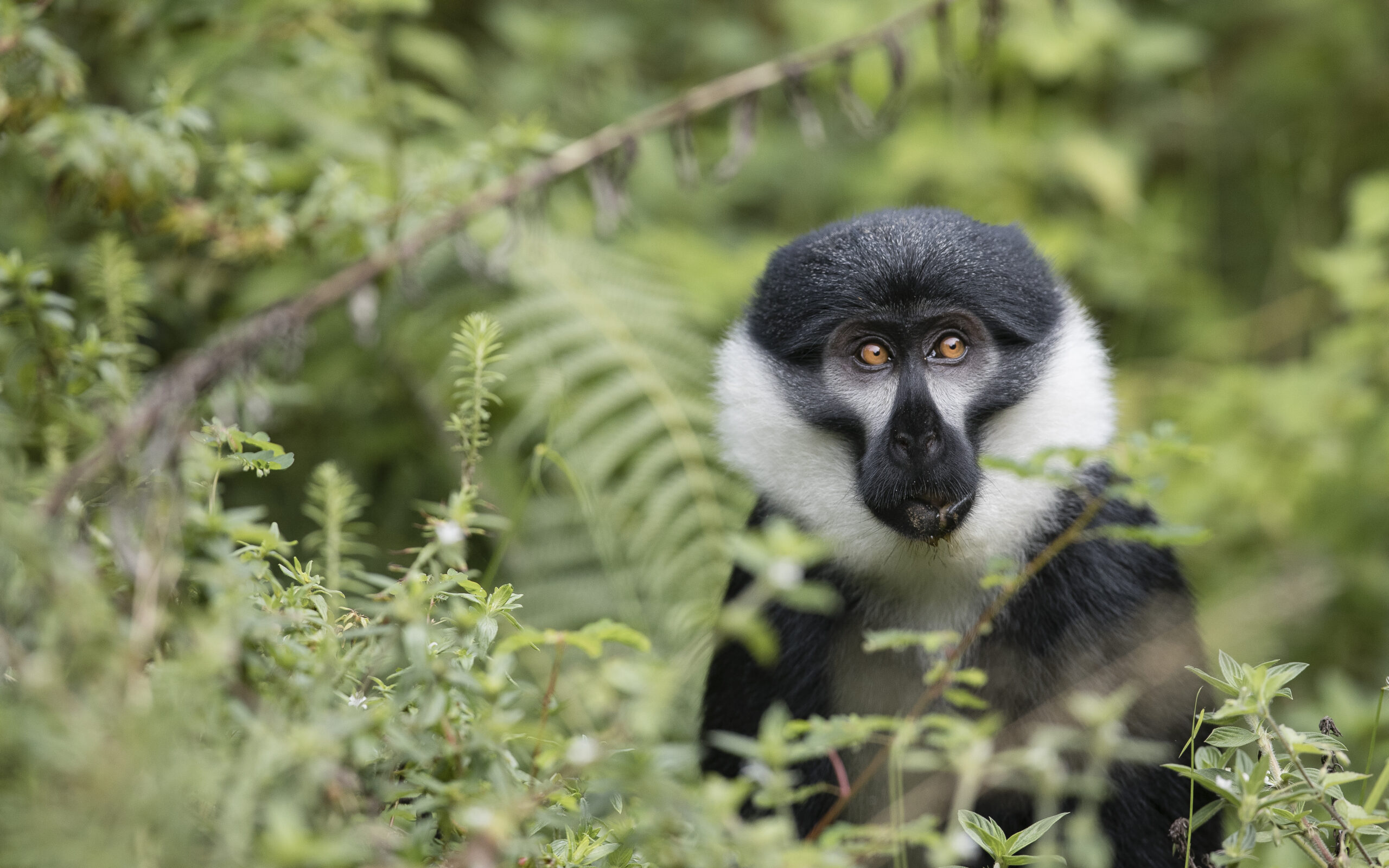
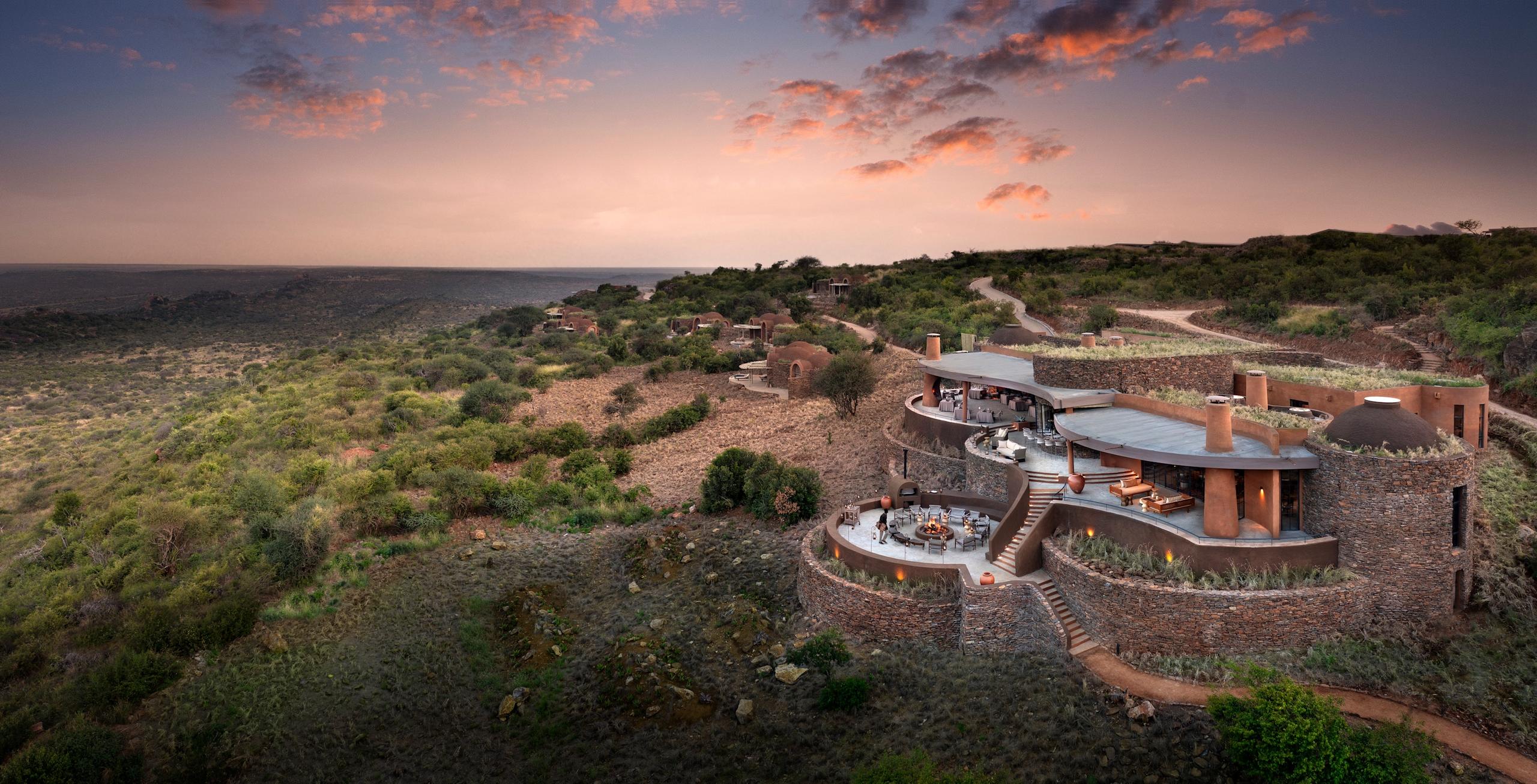
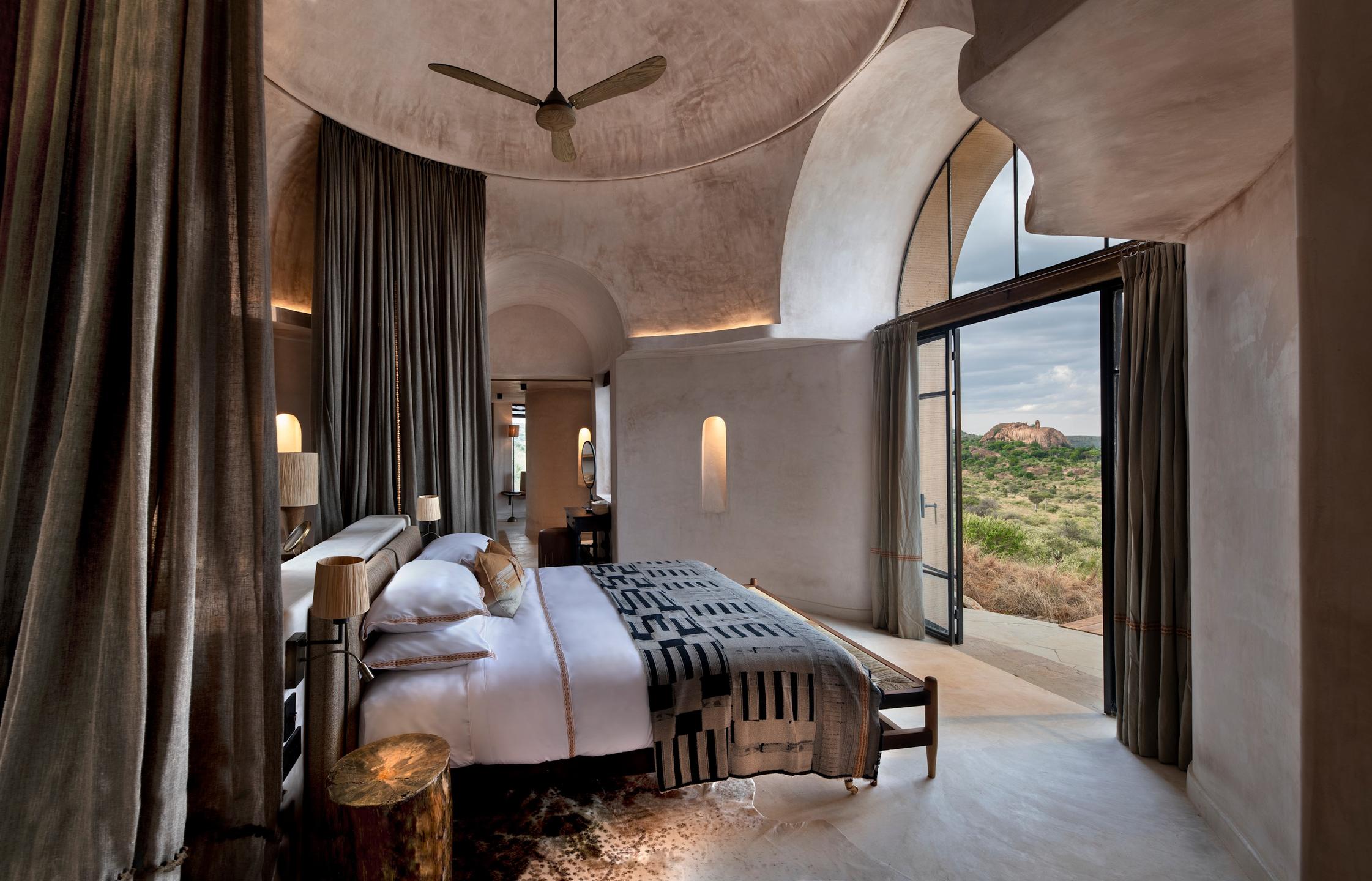
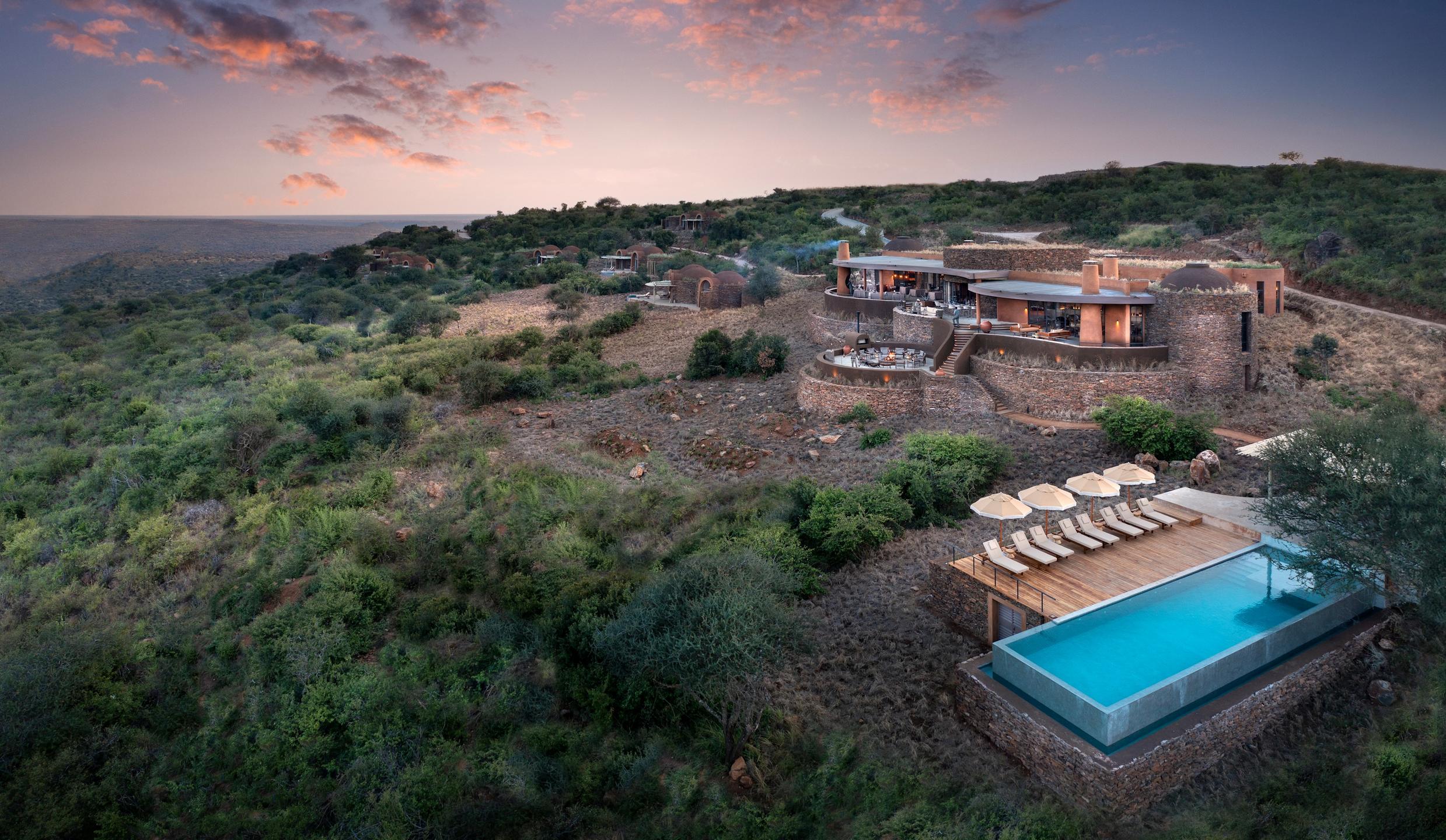
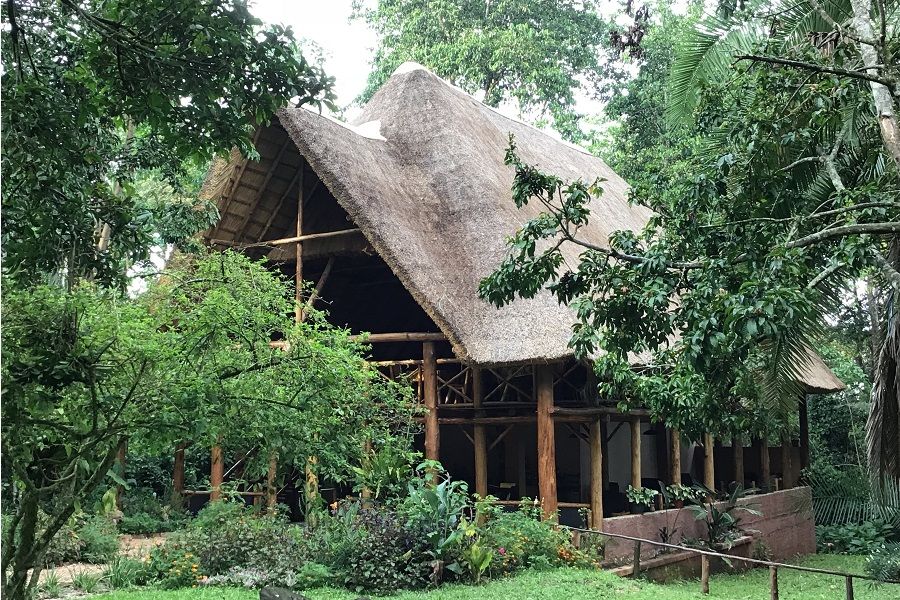
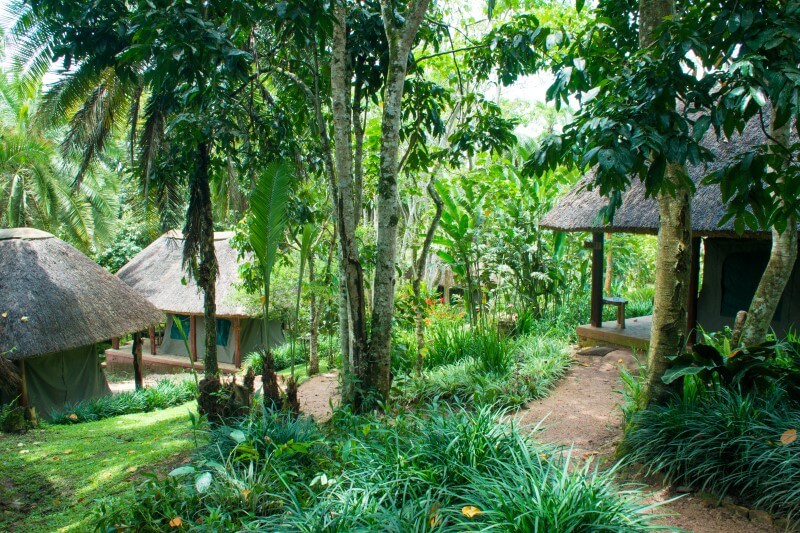
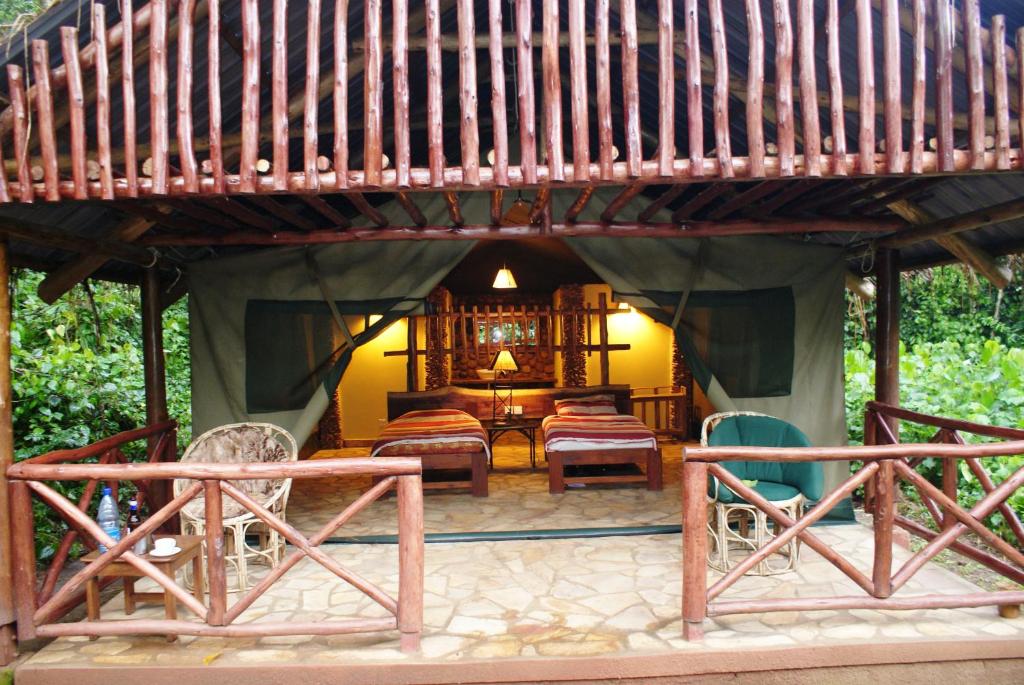
Set just outside Volcanoes National Park, Amarembo by Touch Down sits quietly on the edge of one of Africa’s most compelling wildlife experiences. There’s no overstatement to it. It’s comfortable, well-positioned, and close enough that early mornings don’t feel like a logistical exercise.

More importantly, it places you exactly where you need to be — at the start of a day that rarely unfolds the same way twice.

A gorilla trek isn’t something you can fully prepare for. There’s the briefing, of course, and the general outline of how things might go, but once you step into the forest, everything slows. The air shifts, the sounds change, and the sense of anticipation builds gradually rather than all at once.

You walk. You stop. You listen.

And then, at some point, you’re there.

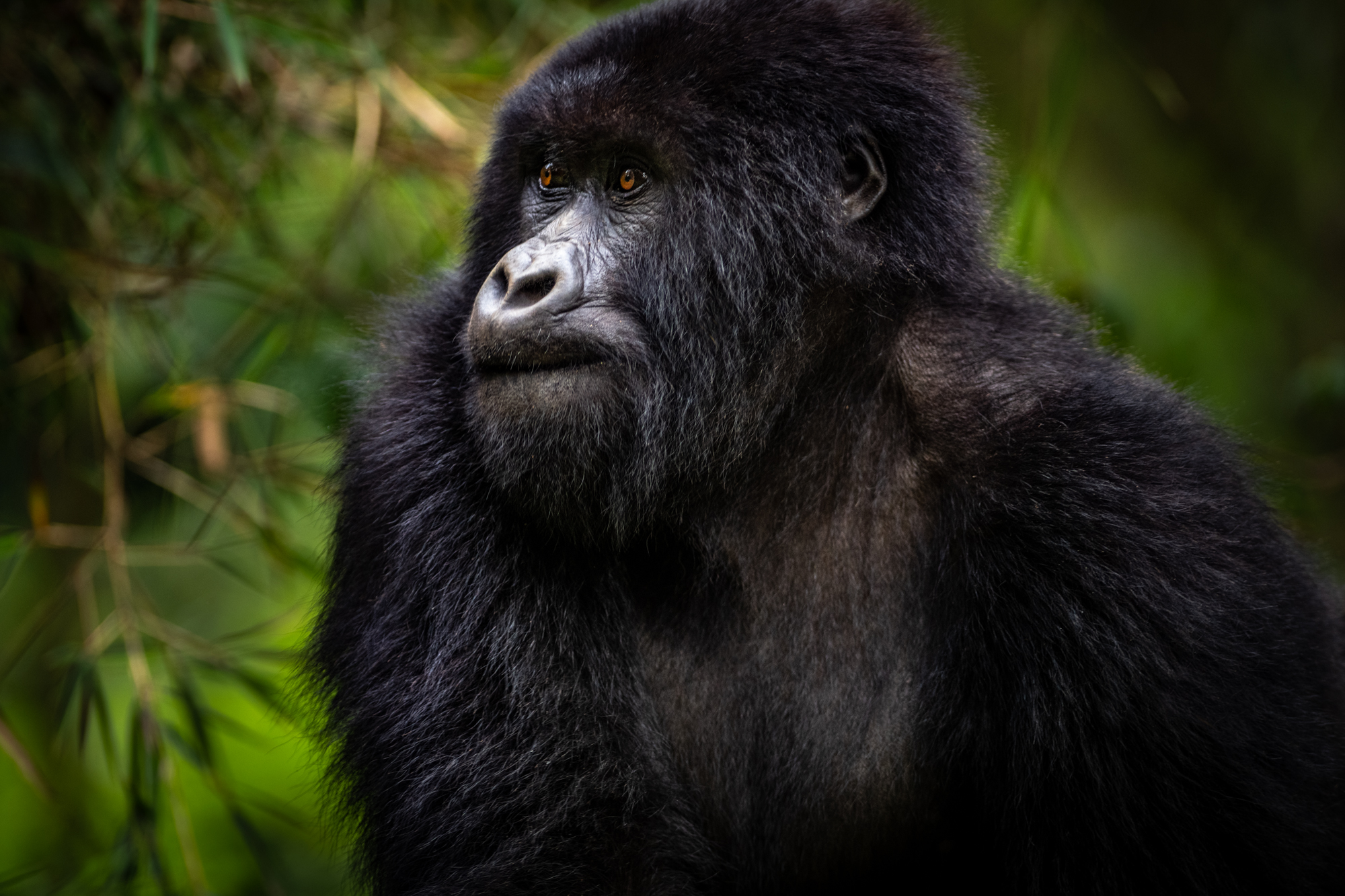
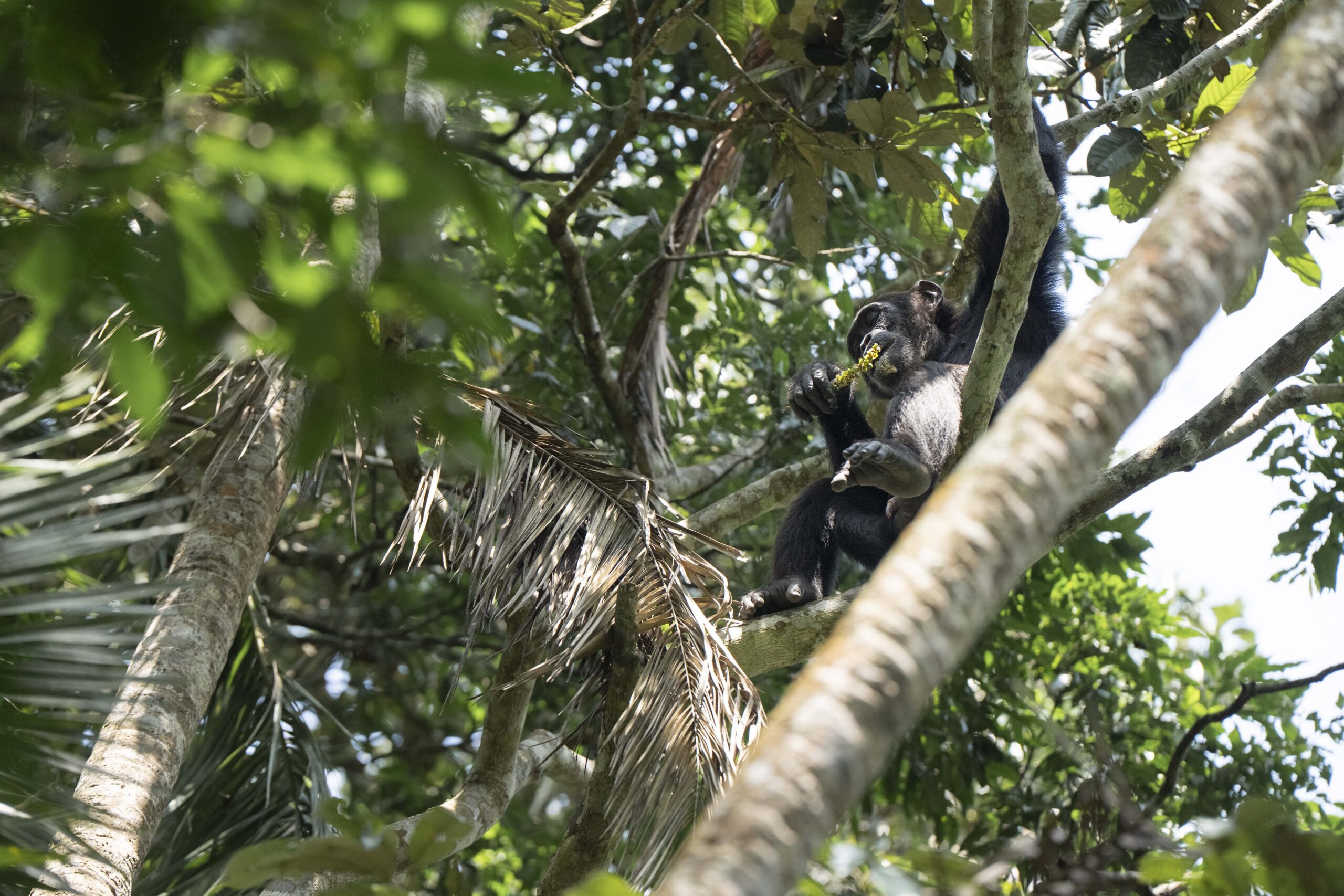
It’s not dramatic in the way people expect. No sudden reveal, no orchestrated moment. Just a quiet realisation that you’re sharing space with something entirely self-contained. A silverback watching without concern. A younger gorilla moving through the foliage with a kind of casual confidence. The forest continuing around them as if nothing has changed — even though, for you, it has. Monumentally.

It’s an experience that tends to stay with people for reasons that are hard to put into words at the time.

Which is perhaps why it’s always been so sought after.

For travellers within the SADC region, the current Iconic Africa Special has secured rates at Amarembo in a way that makes the broader Rwanda experience significantly more accessible than it has been in the past.

A 3 day, 4 night stay including all meals, trekking permits (1 Gorilla, 1 Golden monkey), is now on sale for R49, 999! The offer is valid for travel until the 30 May, with strictly limited availability!

It’s not something being shouted about, and perhaps that’s why it feels as interesting as it does.

Because when a place like Rwanda — long considered just out of reach — suddenly becomes more than possible, and it changes the nature of the conversation entirely.

It moves from “one day” to “now”.

And those are often the trips that end up meaning the most!

Singita Sasakwa Lodge – Where the Serengeti Wears a Silk Jacket

Some safari camps feel like they belong to the wilderness. Singita Sasakwa feels like the wilderness decided it deserved a manor house.

Set high on the Sasakwa Hill in Singita Grumeti, this is the Serengeti with its collar pressed, its shoes polished, and its Martini served at exactly the right temperature. But don’t let the elegance fool you — you’re still in one of Africa’s wildest theatres, and the action below is anything but refined.

From the moment you arrive, Sasakwa has a certain old-world confidence. The architecture nods to grand estates and colonial-era romance, but without the stiffness. It’s expansive, warm, and quietly indulgent: long verandas, wide views, and interiors that invite you to sprawl rather than perch. The infinity pool looks out over plains that seem to go on forever, and if you’ve ever wanted to watch a storm roll across the Serengeti while wrapped in luxury, this is the place to do it.

And then there’s the safari.

Singita Grumeti is private, which means the experience has a freedom to it that’s increasingly rare. No traffic jams of vehicles. No radio chatter chaos. Just your guide, your curiosity, and a landscape that reveals itself at its own pace. One moment you’re tracking lions through grass that looks like it’s been brushed into place; the next you’re watching a leopard melt into the shadows of a riverine thicket as if it was never there at all.

If you time it right, you also have the Great Migration in your orbit — the kind of spectacle that makes you realise nature is capable of excess. Thousands of wildebeest, zebra, dust, noise, urgency. And then, later, back at Sasakwa, everything slows again. A bath with a view. A drink on the lawn. A dinner that feels like a private event, even when it’s simply your own table under the stars.

Sasakwa is for travellers who love the romance of safari, but also appreciate the finer things: space, service, and the luxury of feeling entirely unhurried. It’s the Serengeti, yes — but it’s the Serengeti dressed for the occasion.

Nyamatusi Camp: Where Mana Pools Casts Its Spell

Certain landscapes feel like they’ve drifted out of a dream, and Mana Pools is one of them — a place where blue-washed woodlands melt into slow water, where elephants stand on hind legs to reach ana pods, and where light behaves in ways photographers still can’t adequately explain. Nyamatusi Camp sits in the heart of this enchantment, offering front-row seats to one of Africa’s most atmospheric wildernesses.

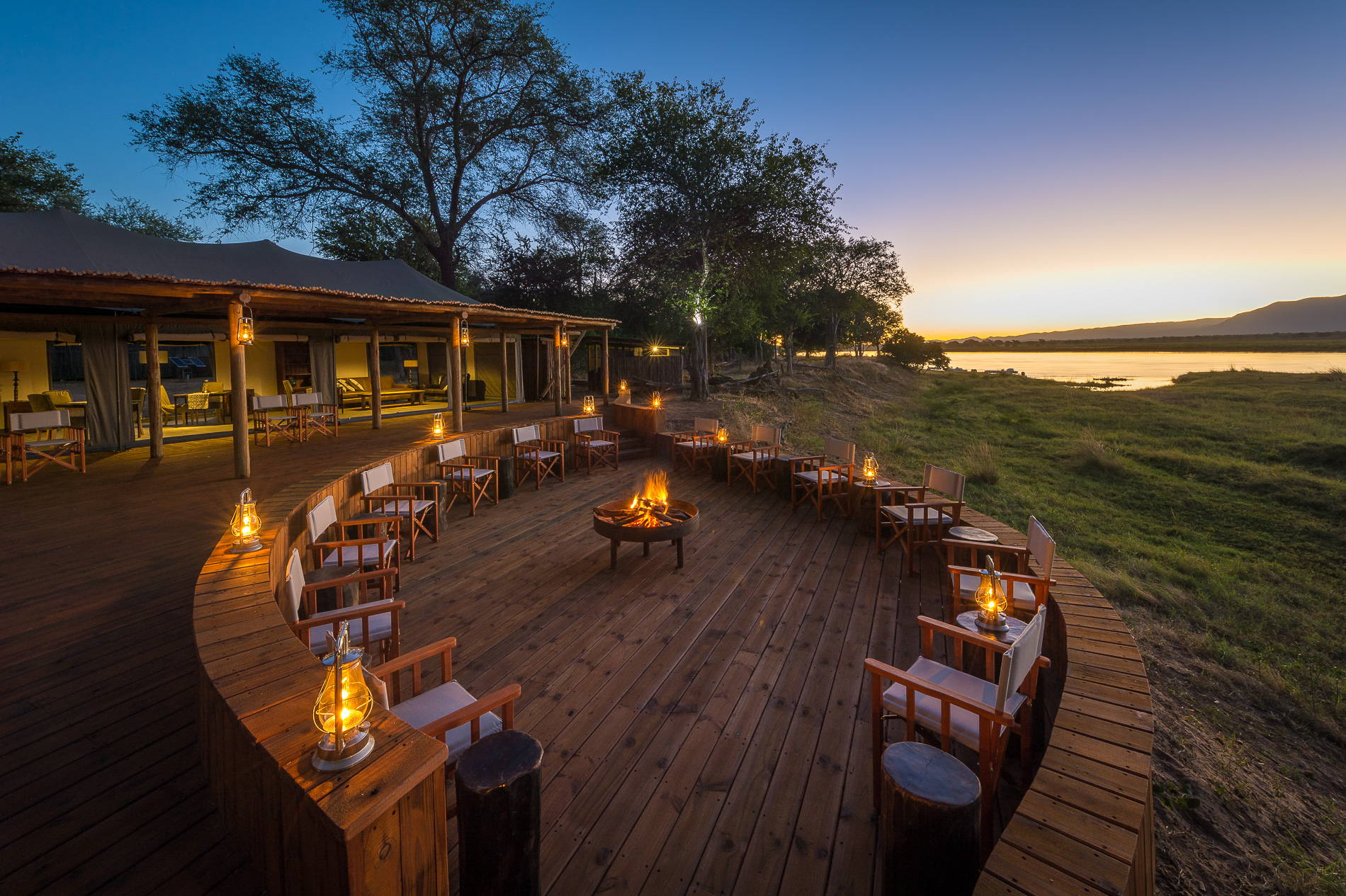
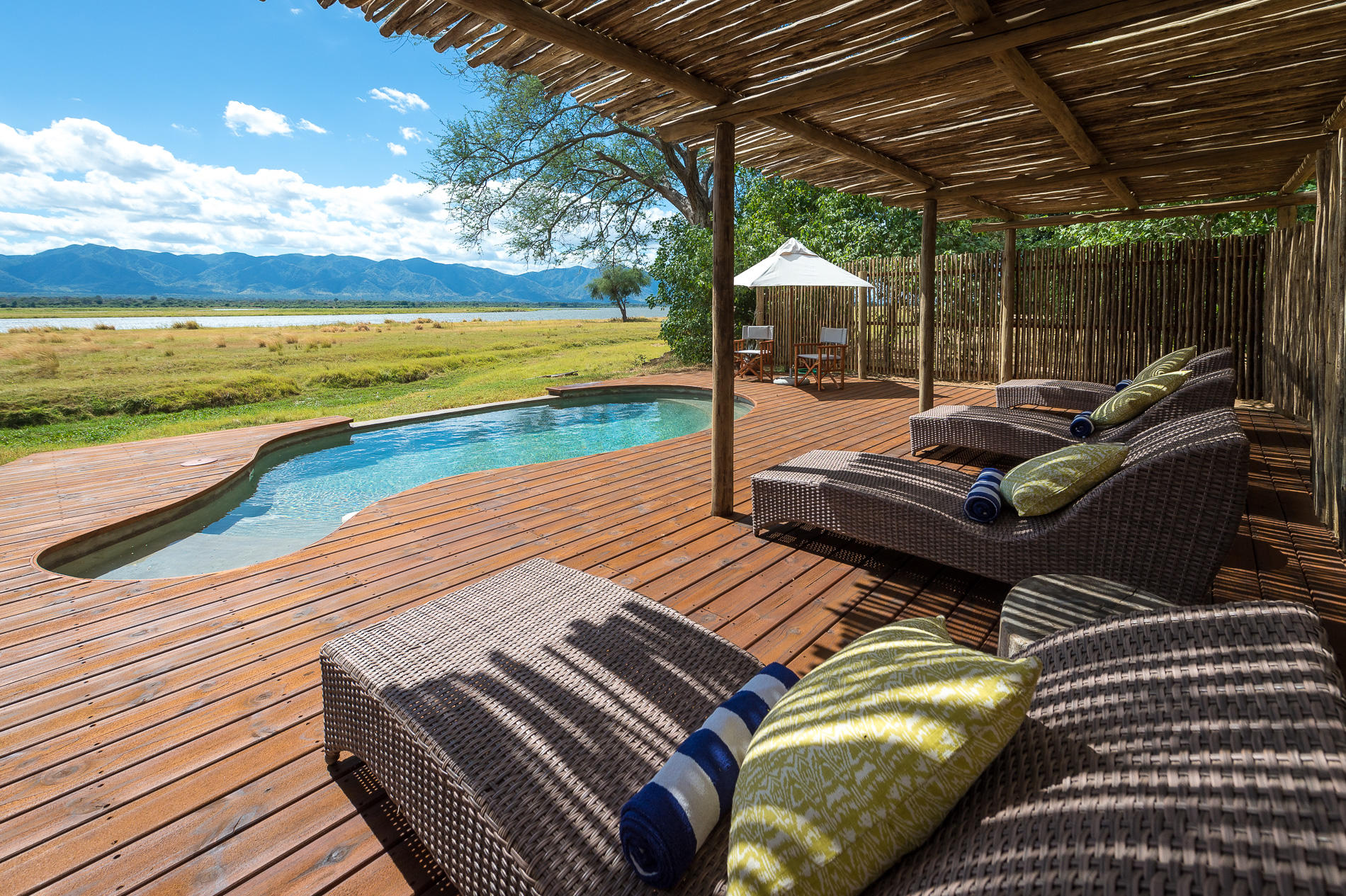
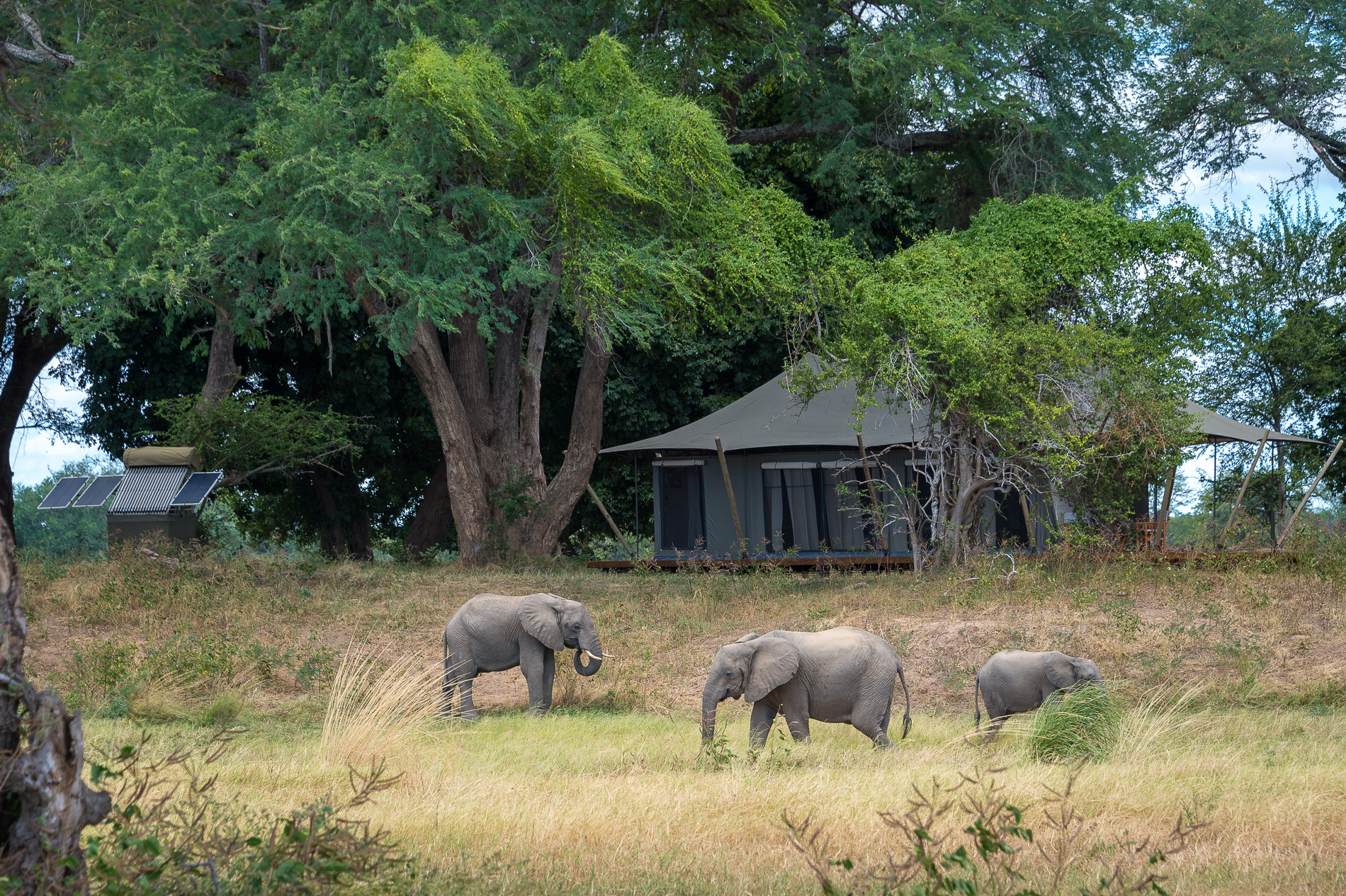
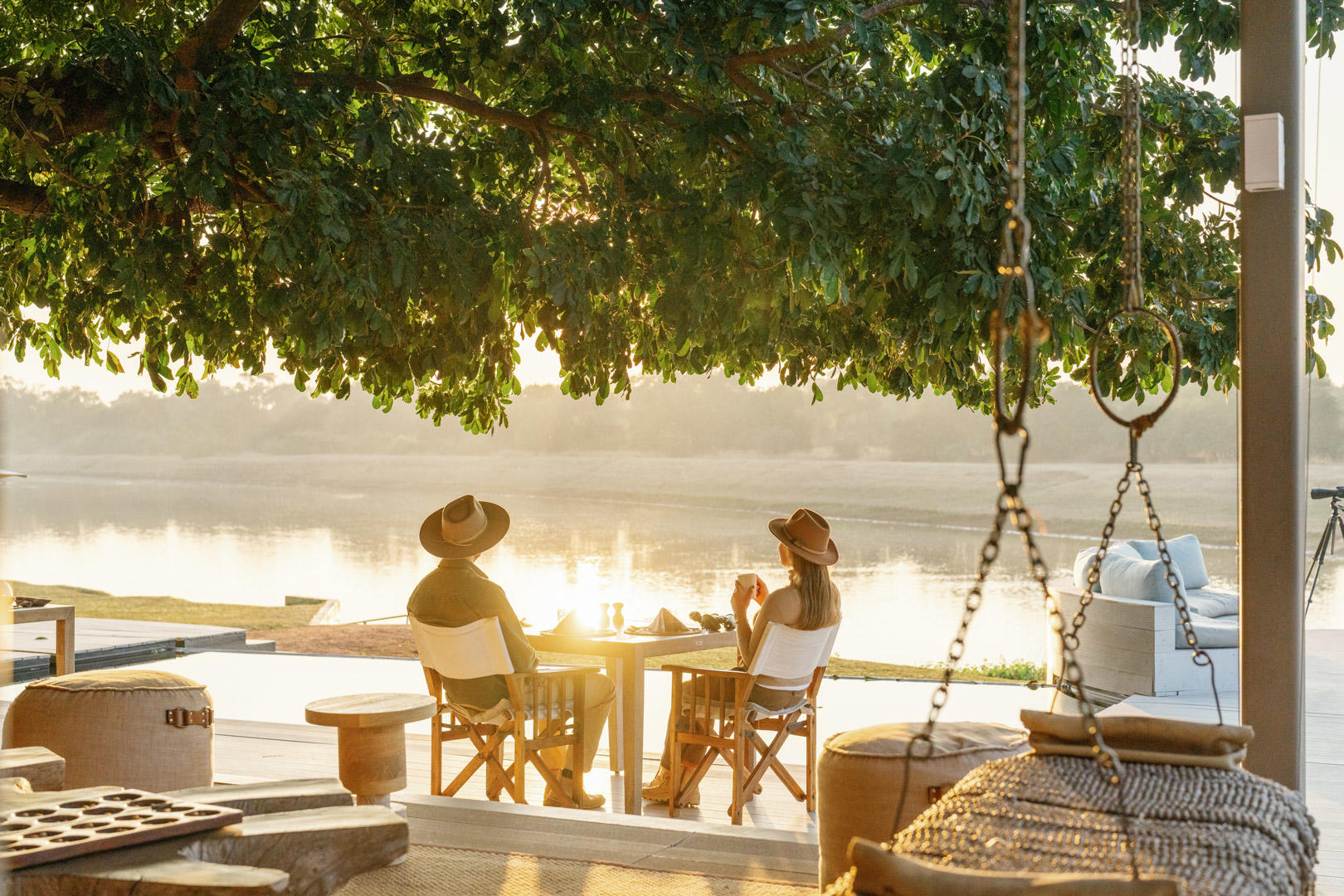
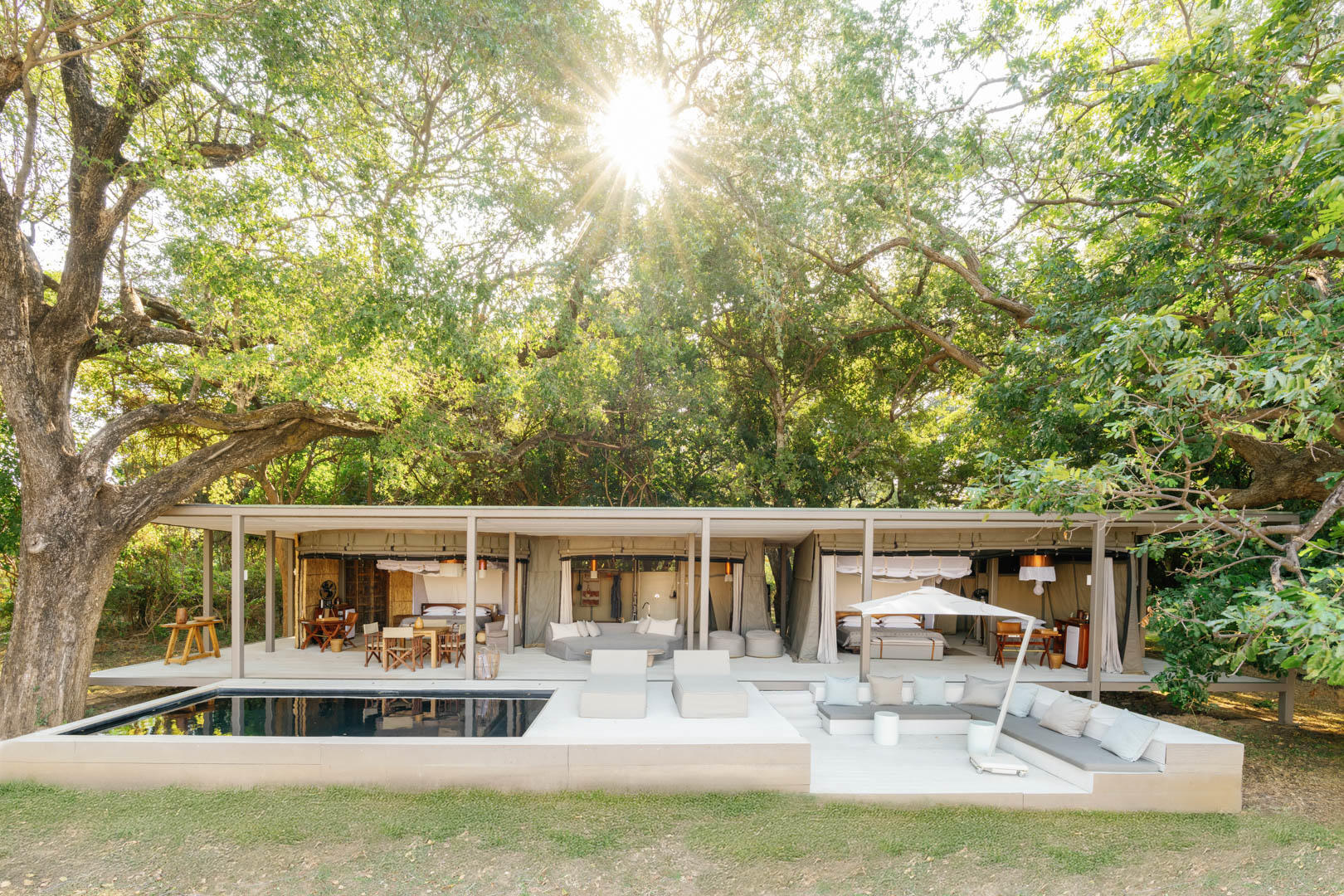
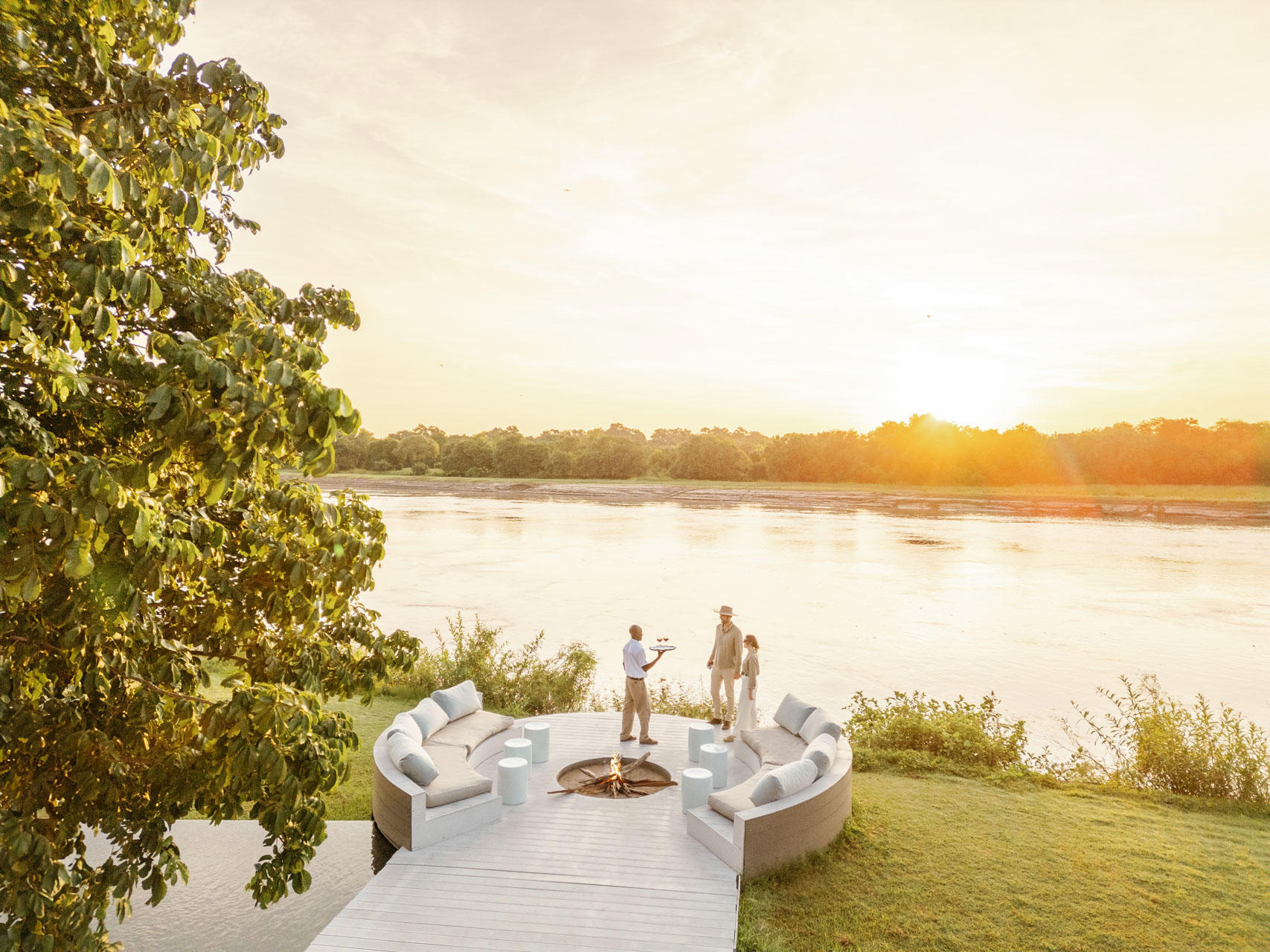
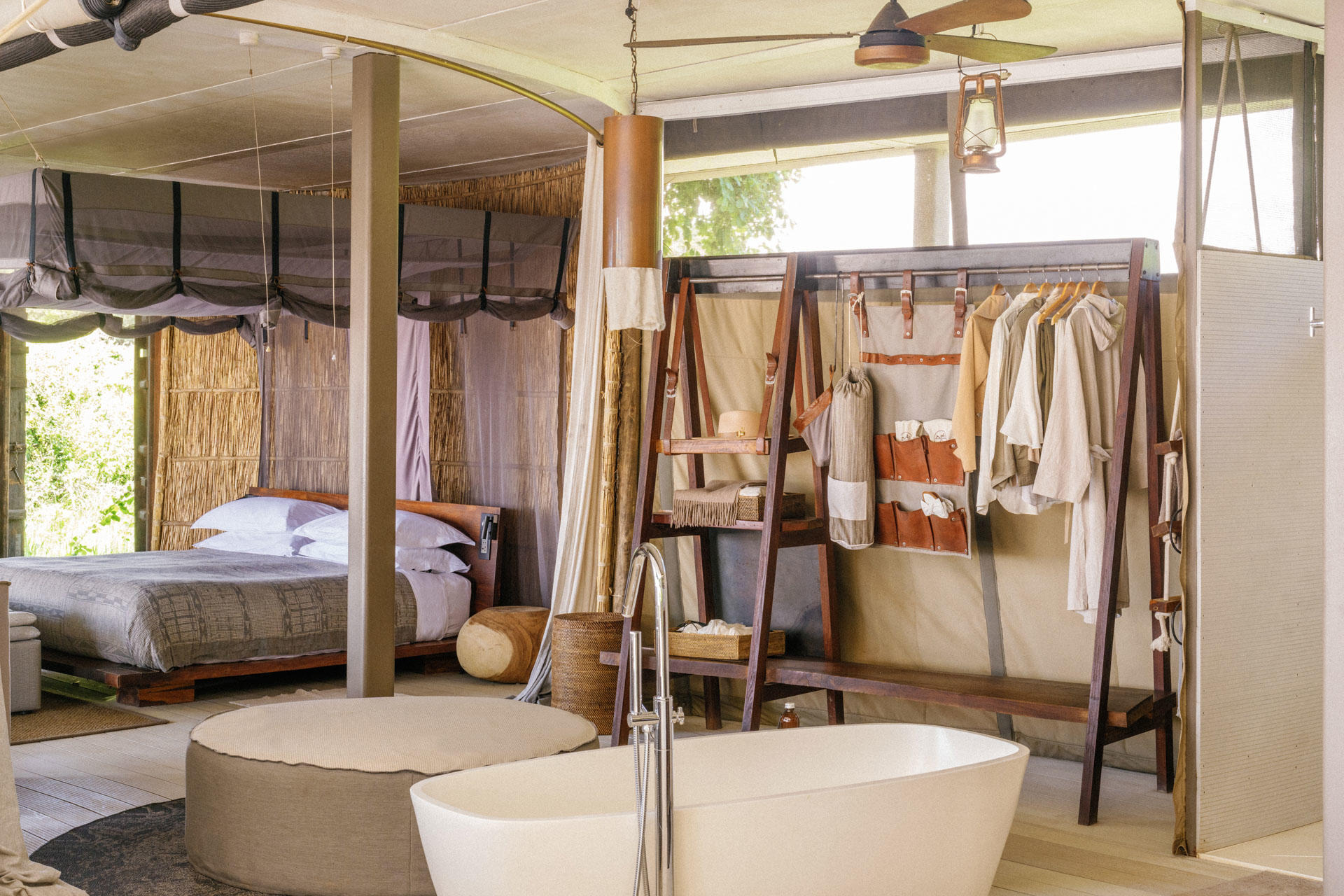
Set along a remote curve of the Zambezi River, Nyamatusi’s tented suites are luxurious in a way that never breaks the spell of the environment. Interiors are warm, rich and tactile — brass, canvas, leather — but always with the river in view, always with the forest whispering just beyond the deck. This is the kind of camp where wildlife walks through your field of vision rather than being something you go out to find.

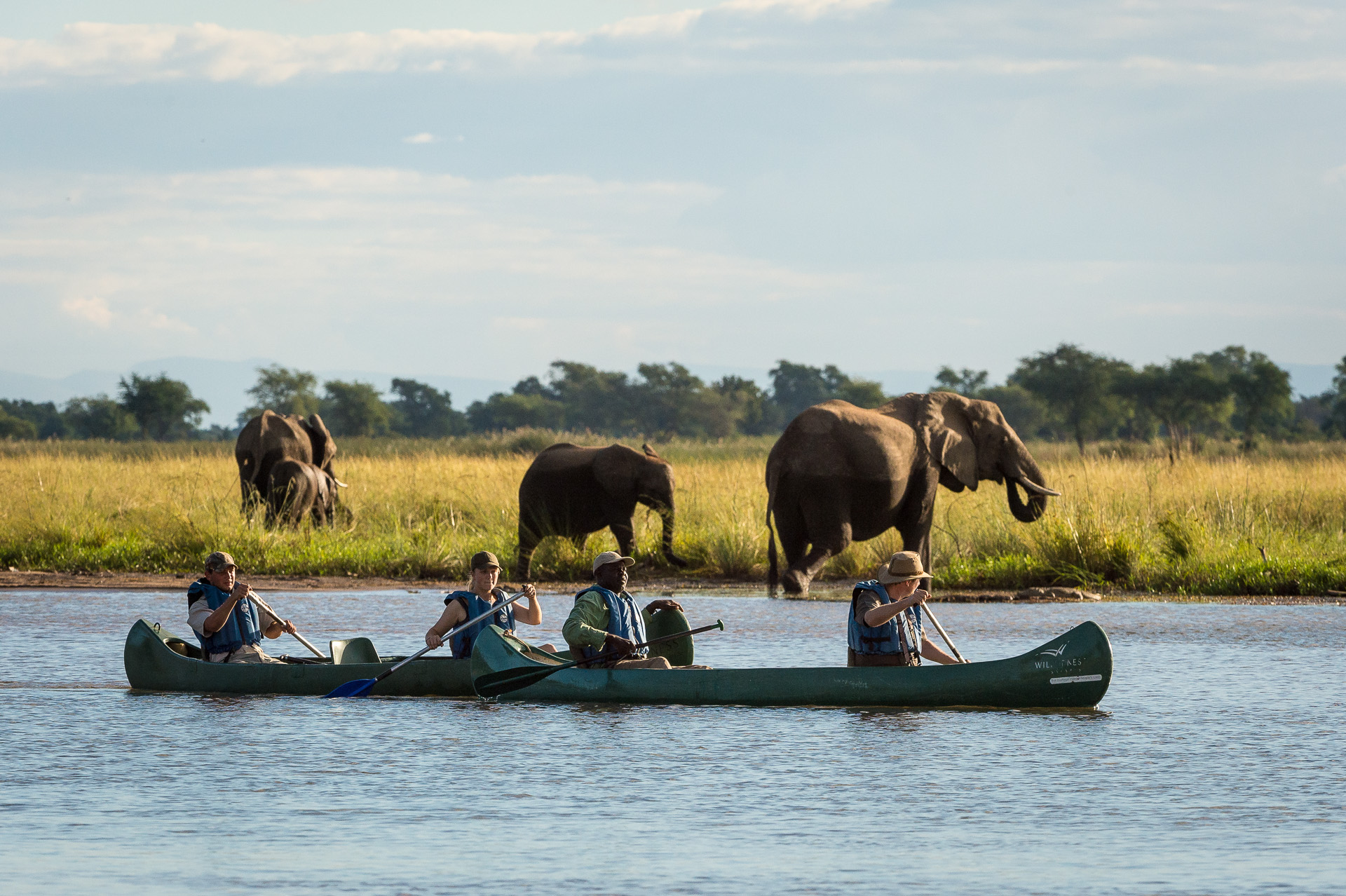
Activities lean into Mana’s slow, immersive energy. Walking safaris take you through cathedral-like woodlands where every shaft of light feels choreographed. It’s not unusual to round a grove and find an elephant calmly feeding at arm’s length, acknowledging you with the faintest ear-flick before returning to its breakfast. Canoeing is equally magical — drifting between hippo channels, listening to water lap against the bow, watching the shoreline shift like an unfolding watercolor.

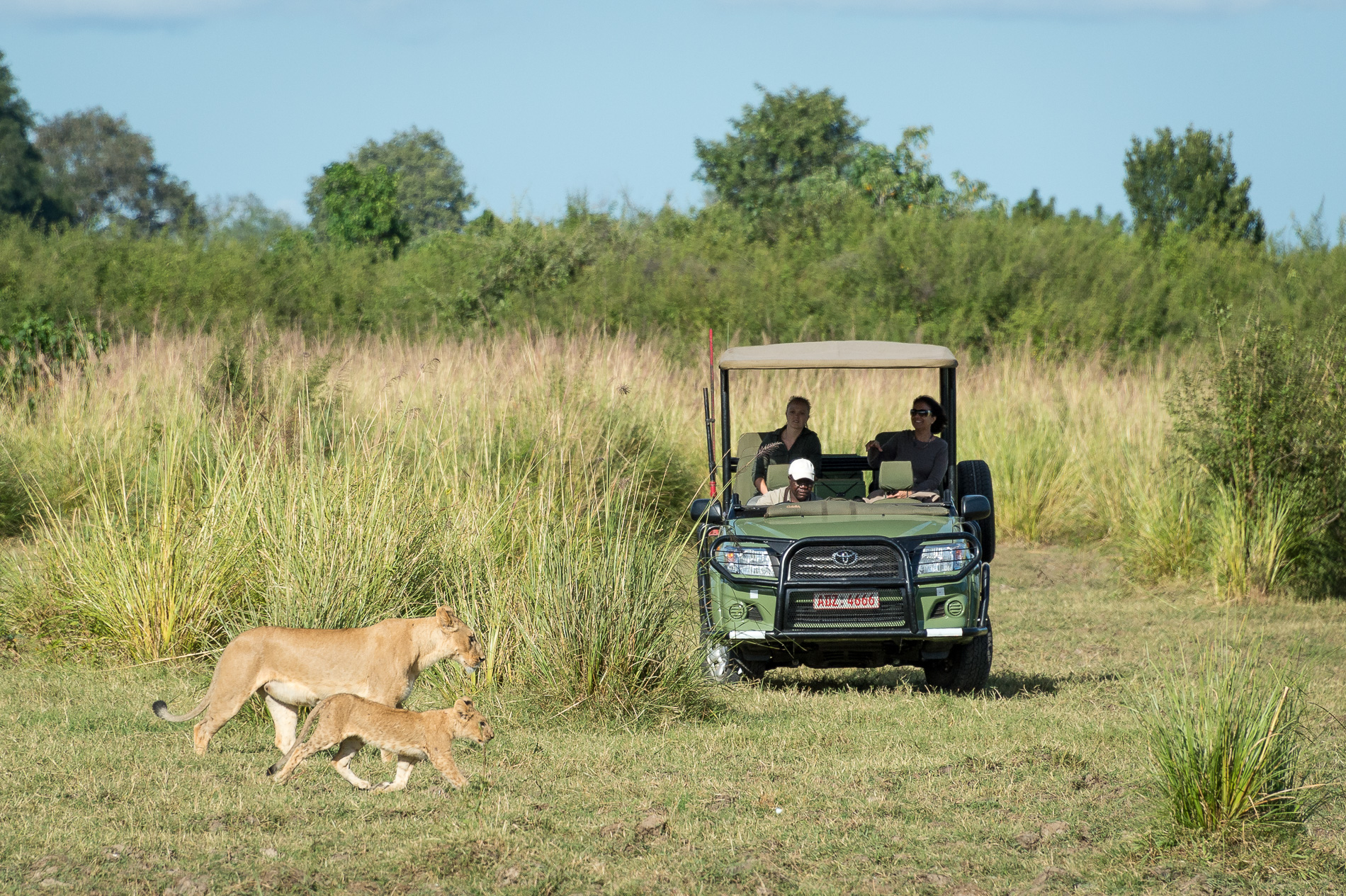
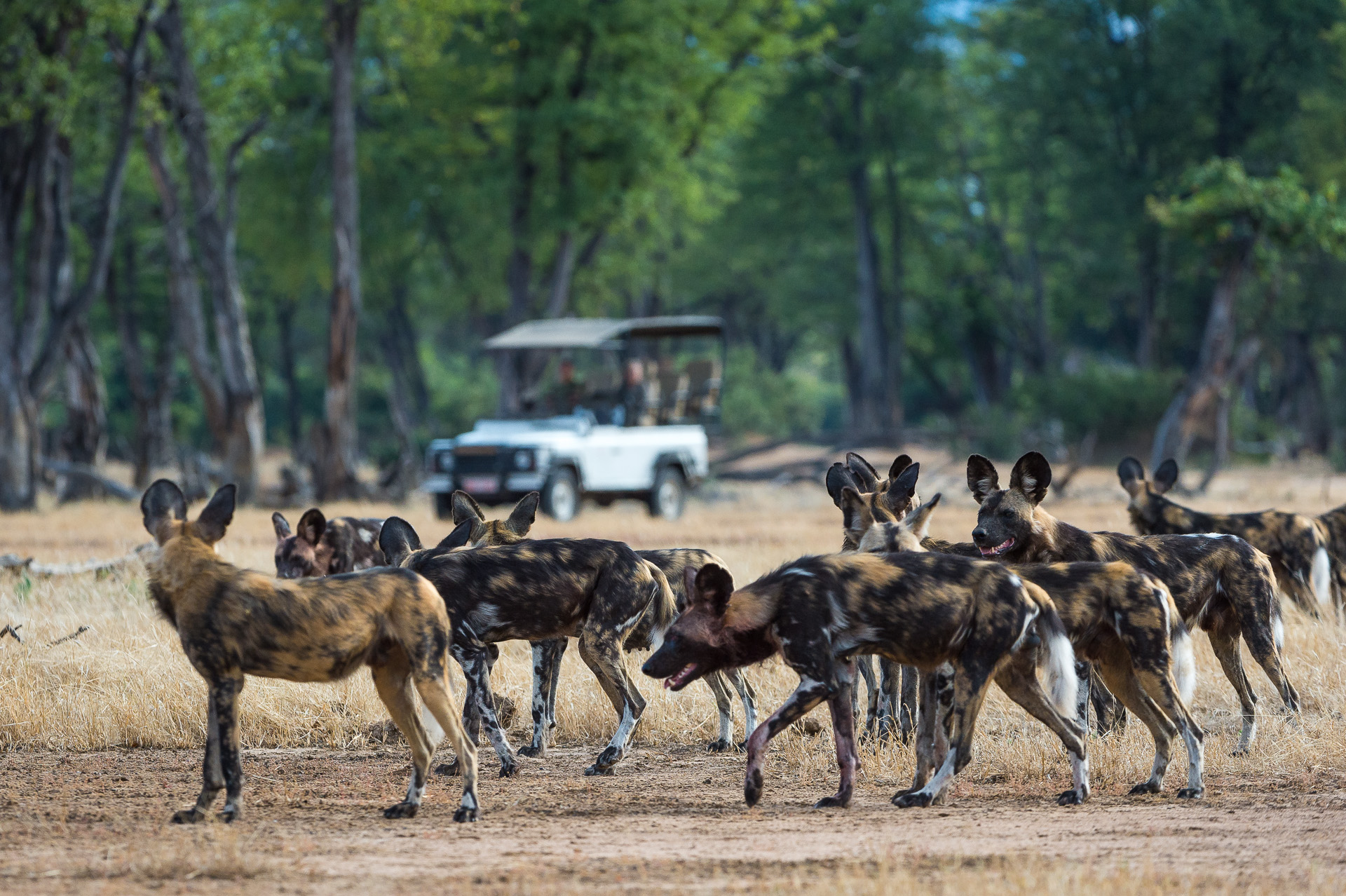
Game drives capture Mana at its most instinctively wild: painted wolves trotting along riverbeds, lions dozing in delicate shade, nyala moving like brushstrokes through the trees. Yet the mood here is never rushed. The forest encourages softness, attentiveness, breathing room.

Evenings are all glow — lanterns, campfire sparks, the quiet hum of the river. It’s the kind of place where guests become loyalists, and loyalists become evangelists.

Nyamatusi doesn’t just show you Mana Pools. It lets the place seep into your bones.

Hoanib Skeleton Coast: Desert Lions, Distant Horizons, and the Luxury of Silence

Safari lovers often talk about sound — the roars, the rustles, the unending nighttime chorus. But Hoanib Skeleton Coast Camp flips the script with a different kind of sensory experience: profound, resonant silence. The kind that expands inside you. The kind that makes a single footstep feel like punctuation in an otherwise blank poem.

Set in one of Namibia’s most remote valleys, Hoanib lies at the intersection of desert, mountains, and the unseen pull of the Atlantic Ocean. At first glance, the landscape appears empty. Your eyes skim over pale dunes and ochre ridges, dismissing them as barren. But Hoanib rewards patience, not haste. Shapes resolve slowly: a lone elephant threading its way along a dry riverbed, a pair of oryx holding still in perfect desert camouflage, a fresh track hinting at the improbable wanderings of a desert-adapted lion.

Days here unfold with an exploratory rhythm. Drives trace ancient river systems carved by rains that may only come once in several years. You follow stories written in sand, piecing together the nomadic lives of animals that survive on astonishingly little. If conditions allow, the journey toward the Skeleton Coast is among the continent’s most surreal drives — a cinematic transition from shimmering dunes to the fog-laden wildness of the Atlantic, where shipwrecks tilt like abandoned punctuation on an unfinished sentence.

Inside camp, the minimalist architecture mirrors the desert: calm, tonal, grounded. Canvas, stone, and pale wood create a sanctuary that amplifies the surrounding quiet rather than competing with it. Meals are unhurried, evenings candlelit, and nights filled not with noise but with space.

Hoanib isn’t about abundance. It’s about revelation. It teaches you to look harder, listen deeper, and appreciate the astonishing resilience of life where it shouldn’t logically thrive. And in doing so, it reshapes your definition of wilderness itself.
Singita Kwitonda: Where the Path to the Gorillas Begins

Some journeys announce themselves loudly: roaring waterfalls, thundering hooves, sweeping plains. Others begin in a whisper — a curl of mist drifting across a volcanic slope, a soft crackle of bamboo, a quiet exhale in the forest as a mountain gorilla meets your gaze. Singita Kwitonda Lodge exists for that kind of journey: the kind that stays with you long after your boots are clean and your heartbeat has settled.

Built on the edge of Rwanda’s Volcanoes National Park, Kwitonda doesn’t feel placed in the landscape so much as grown from it. The lodge’s architecture — timber walkways, lava-stone walls, huge panes of glass framing the volcanoes — creates a feeling of being held inside the ecosystem rather than observing it. It’s soft-spoken luxury: fireplaces quietly glowing, deep sofas encouraging you to sink rather than sit, and staff who anticipate your needs with the gentleness of people who understand the emotional weight of a gorilla trek.

That trek is the axis on which every day turns. Mornings begin early with rich Rwandan coffee, boots waiting, gaiters neatly arranged, and a palpable sense of anticipation humming through the air. Guides brief you with the kind of calm, precise storytelling that turns nerves into excitement. And then you’re walking — into a forest that feels ancient, alive, and almost sentient.

The encounter itself is often described as moving, profound, transformative. What’s remarkable about Kwitonda is how it holds you after that experience. You return mud-splattered, wide-eyed, and slightly overwhelmed, and without a single forced word, the lodge creates space for reflection. A hot shower, a warm drink, the quiet crackle of a fire — these aren’t amenities; they’re invitations to process what just happened.
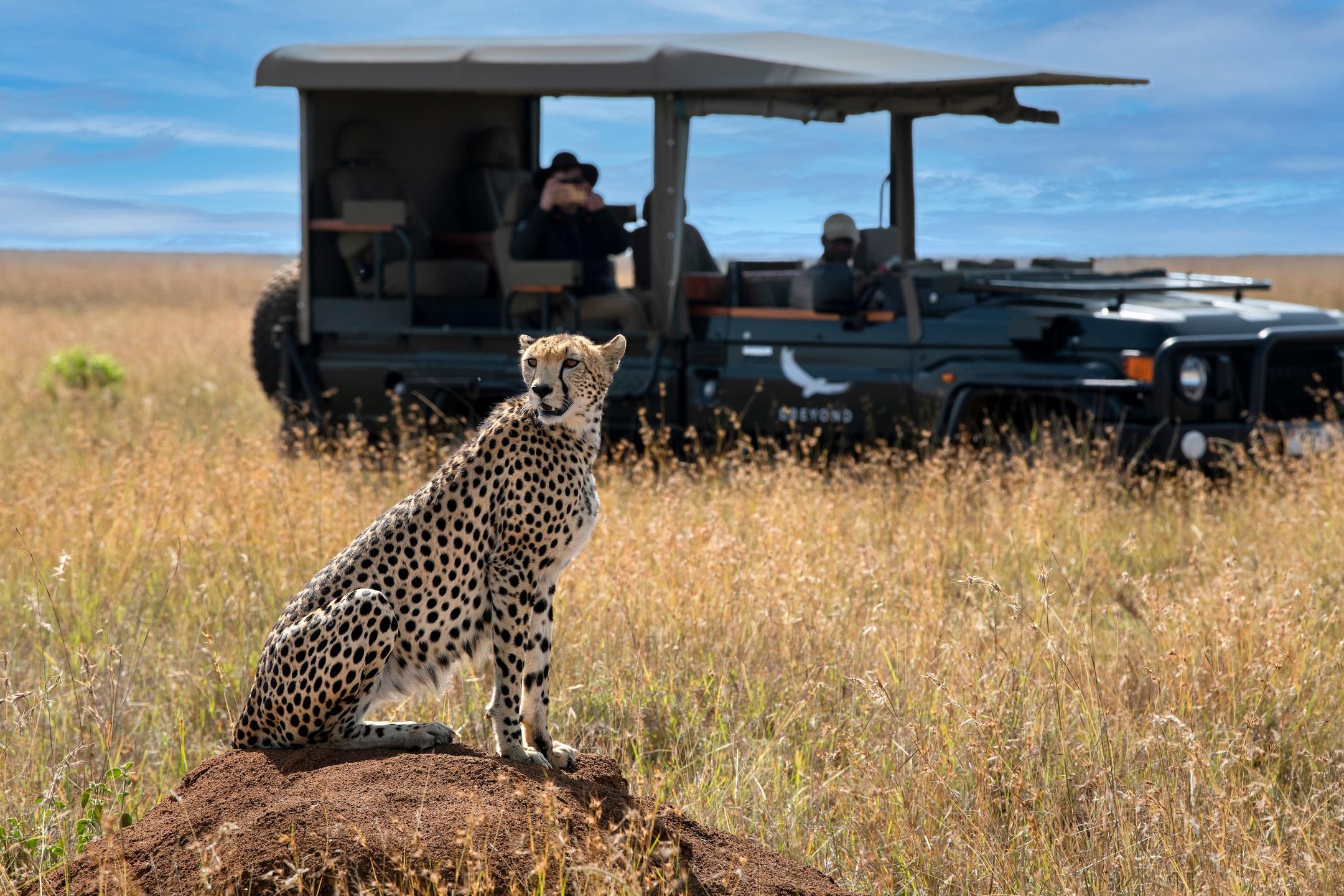
In the end, the true luxury of Kwitonda is its deep respect for the moment you’re here to have. It doesn’t compete with the gorillas. It doesn’t rush you past them. It simply builds a sanctuary around the most extraordinary hour you may ever spend in nature.

Mwiba Lodge: Where the Wild Moves Quietly Around You

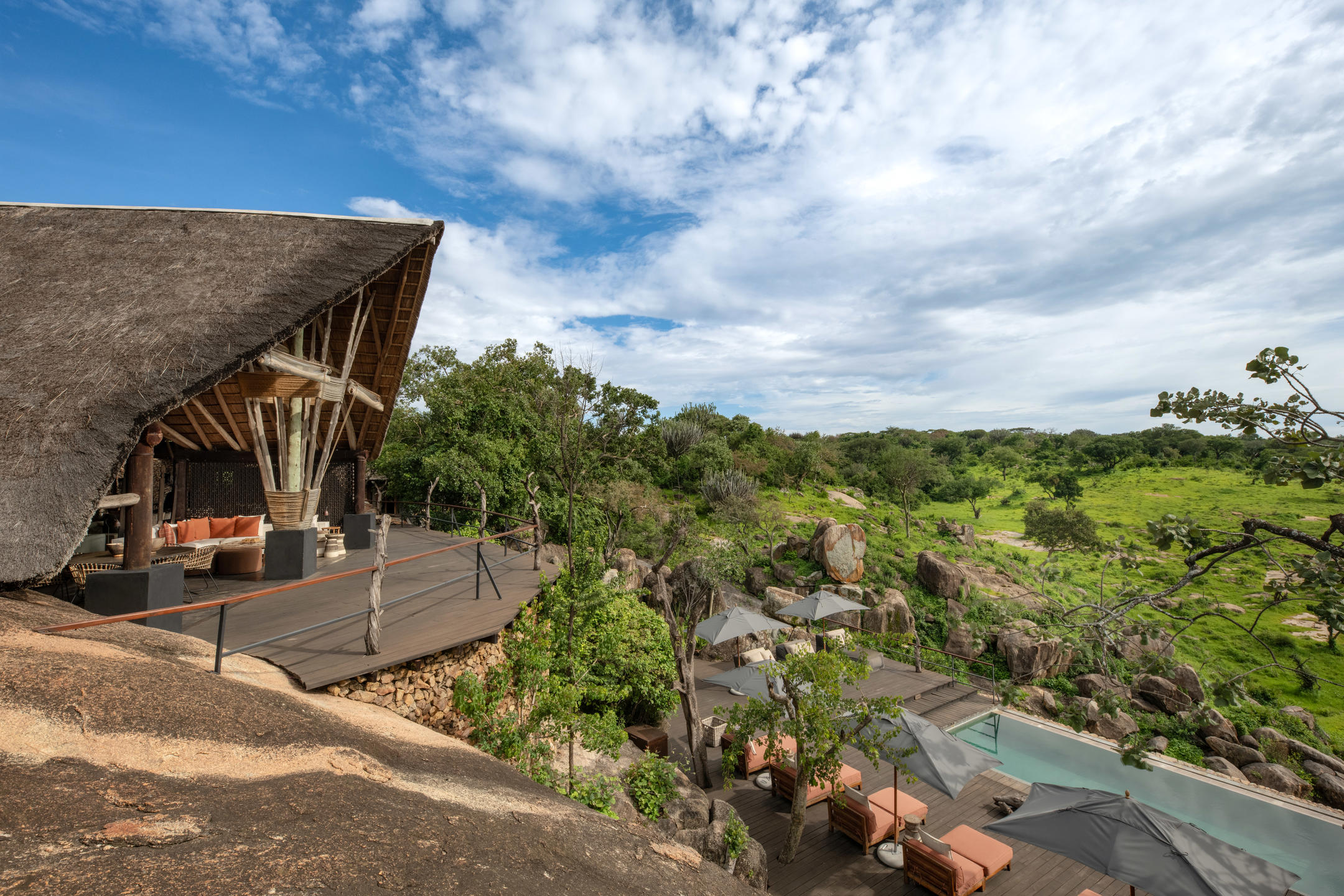
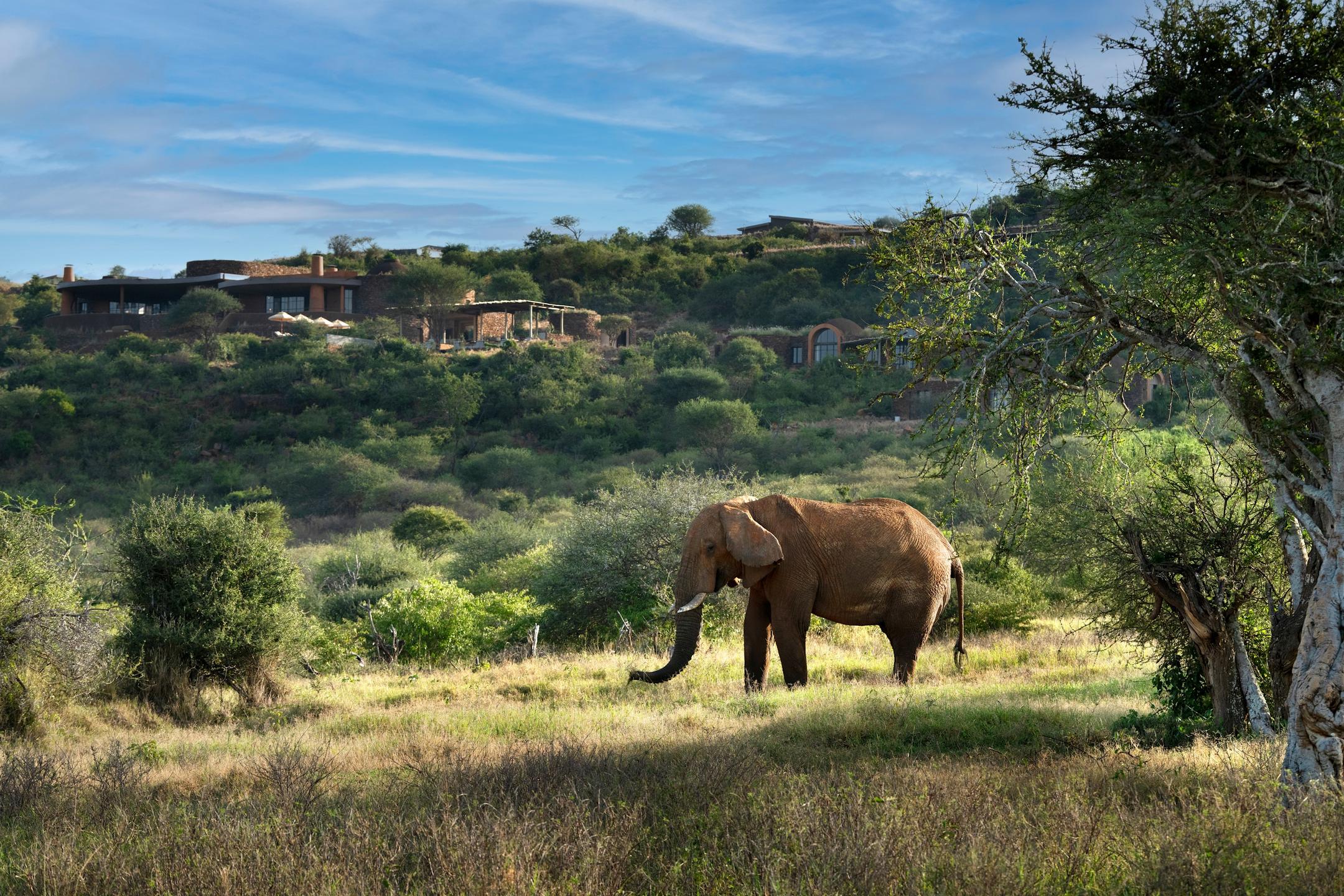
There are lodges that place you in the bush, and then there are lodges that make you feel as though the bush has quietly rearranged itself to accommodate you. Mwiba Lodge, set on a private concession bordering the southern Serengeti, does exactly that. It’s a sanctuary of ancient granite boulders, desert-rose trees, and soft, effortless luxury — all suspended above a landscape where wildlife drifts past as naturally as weather.

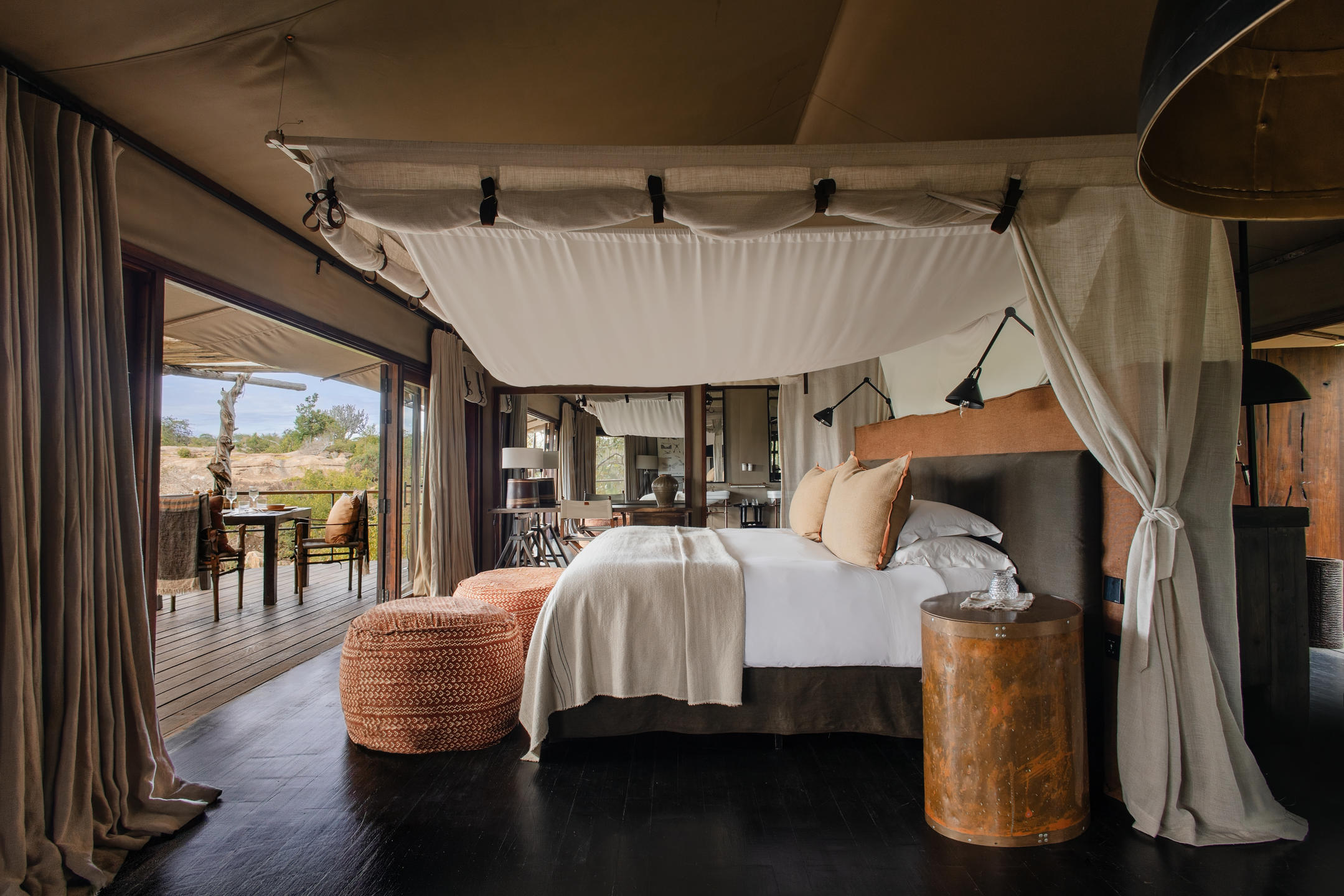
Mwiba’s architecture is a masterclass in restraint. Timber decks stretch between giant boulders, suites float above the riverine canopy, and the interiors lean into earth tones that feel lifted from the soil itself. Nothing shouts. Nothing intrudes. It’s as if the designers asked the land for permission, and the land gave a gentle nod.

The concession is vast — 130,000 acres of rolling hills, rock outcrops, woodlands, and secret springs. This is the Serengeti without the rush, a private universe where lions pad through the acacia shadows, leopards slip between granite slabs, and elephants wander through the corridors of light that open at dawn. In season, migratory herds move across the reserve like shifting weather; even when the plains fall quiet, Mwiba’s year-round water sources pull life in from every direction.
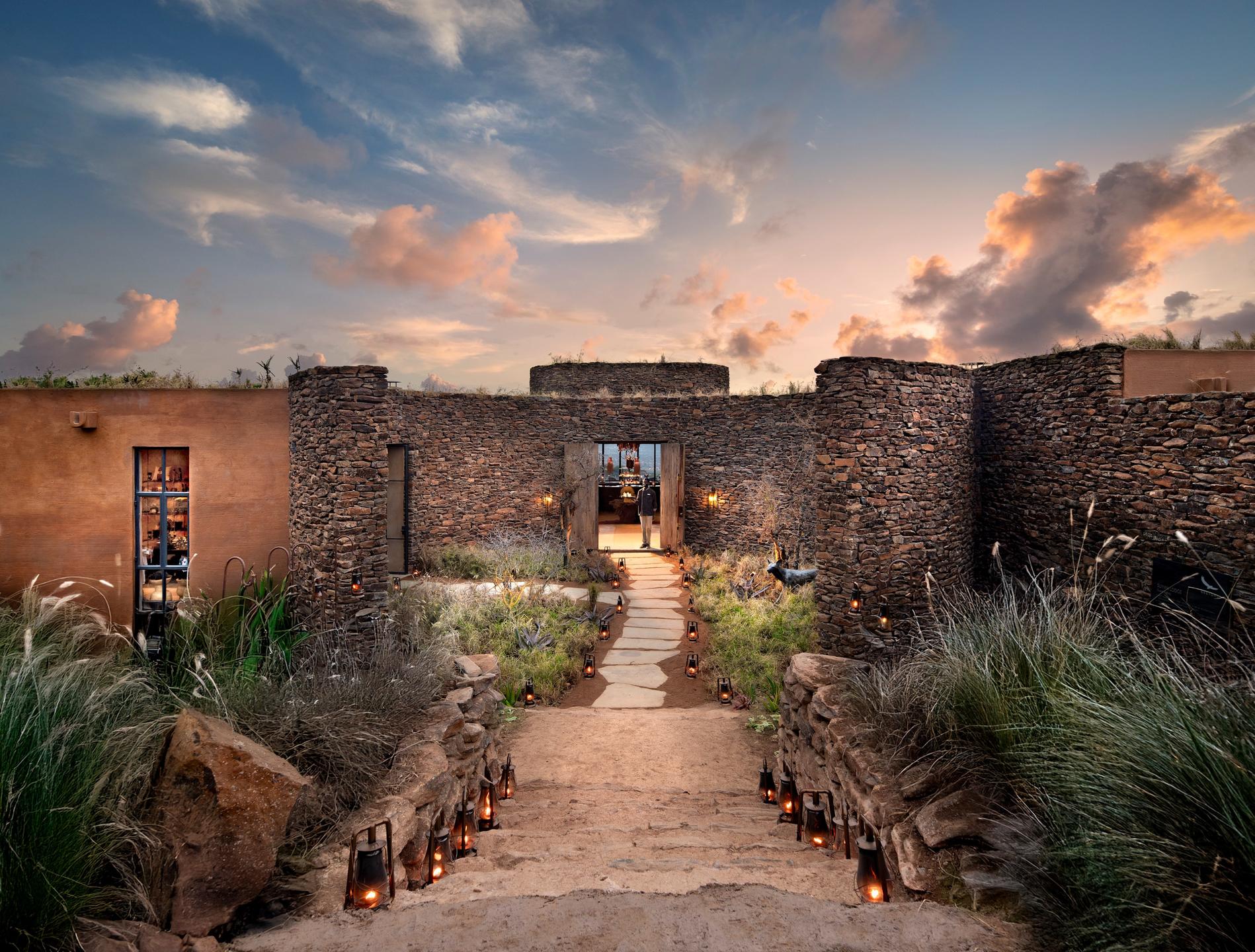
Safari days here favour depth over speed. Walk with expert guides among ancient kopjes, sit quietly at natural springs as kudu and zebra approach, or follow the soft architecture of tracks along the sand. Drives feel unhurried, as though time itself has stretched to match the pace of the wilderness. And when you return to the lodge, there’s always a sense of calm waiting for you — cool stone, wide views, the hum of the breeze across your deck.

As night folds in, Mwiba becomes a symphony of small sounds: frogs in the riverbed, fire crackling softly, distant hyenas threading their laughter across the hills. Sundowners turn into lantern-lit dinners, and the sky spills more stars than seems mathematically reasonable.

Mwiba isn’t just a lodge; it’s a feeling — of space, of silence, of being held by a landscape older than memory. It’s the Serengeti softened, elevated, and distilled into something quietly magnificent.

Saseka Tented Camp: Where Light Learns to Behave

Some lodges borrow from the bush. Saseka seems to collaborate with it.

Sitting on the banks of the Monwana River in Thornybush, Saseka is one of those rare camps where architecture stops being a backdrop and starts participating in the safari itself. The tents — if one can call them tents without stretching the definition to its upper limit — are floating canopies of patterned shade, soft fabric, and impossibly photogenic angles. It’s as if someone stitched together dappled sunlight and suspended it overhead.

Step inside and you’re met with a design language that’s both bold and quiet. Monochrome palettes soften into warm wood textures; sculptural furniture curves in the same rhythms as the surrounding bushwillows. Your suite feels less like a room and more like a mood — one that shifts subtly throughout the day as the Klaserie light moves across the floor.

But for all its glamour, Saseka doesn’t forget where it is. Just beyond the glass, nyalas graze with the casual entitlement of animals who know they were here first. Elephants drift along the riverbed, pausing occasionally to give you a glance that feels mildly evaluative. The wilderness is close, unavoidable, and deeply grounding.

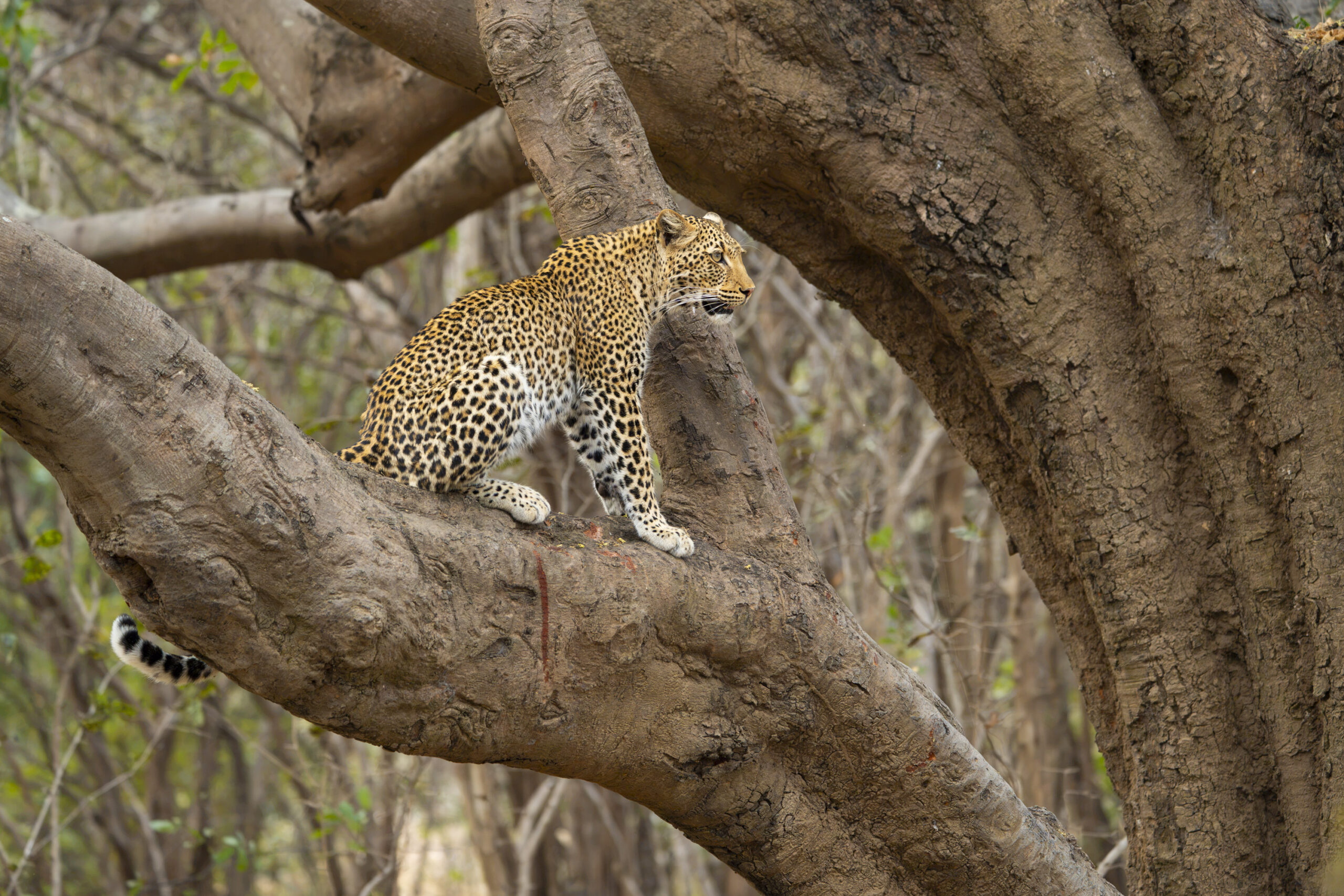
Game drives around Thornybush offer the classic Lowveld cast: lions on the prowl, leopards draped over the branches they pretend they chose purely for functionality, and rhinos that seem carved from the earth itself. The guiding teams weave expertise with ease — the kind of quiet professionalism that makes sightings feel earned rather than orchestrated.

Evenings at Saseka are a small study in atmosphere. Lantern-lit pathways, the hum of insects, dinner served beneath a sky that feels too generous with its stars. And, of course, that unmistakable sense of being wrapped in design without ever feeling removed from the wild.

Saseka is safari reimagined — an ode to clean lines, good light, and the gentle art of letting the wilderness take centre stage while still offering you a front-row seat.


Little Kulala: Where Silence Learns to Shine

There are landscapes that feel sculpted. And then there are landscapes like Namibia’s Sossusvlei, where the earth seems to have spent a few million years deciding on the perfect curve of a dune before finally signing its name in sand. It’s here, on a private reserve bordering the iconic Namib-Naukluft, that you’ll find Little Kulala — a lodge so seamlessly woven into its surroundings that it feels less built and more exhaled by the desert itself.

Little Kulala is a study in understatement. Its suites are soft, pale, and impossibly serene — all timber, linen, and clean geometry. They’re the kind of spaces where even time seems to walk more quietly, padding across the floor in bare feet. Private plunge pools shimmer in the heat, rooftop starbeds invite late-night sky worship, and every window frames a view that looks suspiciously like a carefully composed photograph.

But the real magic, as always in Namibia, happens outside the walls.

Mornings begin with air cool enough to make your coffee feel philosophical. The journey into the dunes is a slow unfurling: pastel light, long shadows, oryx silhouettes gliding across the horizon like punctuation marks in an unfinished poem. Climb Big Daddy or Dune 45 if you want a challenge; wander the fossilised trees of Dead Vlei if you want perspective. Either way, the desert has a knack for reminding you how vast the world is — and how refreshing it can be to feel wonderfully small.

Wildlife here is subtle by design. A brown hyena’s tracks etch the sand. A springbok drifts through a mirage haze. A lone ostrich appears exactly where you didn’t expect it, then pretends it meant to be there all along. It’s not a place of abundance; it’s a place of presence.
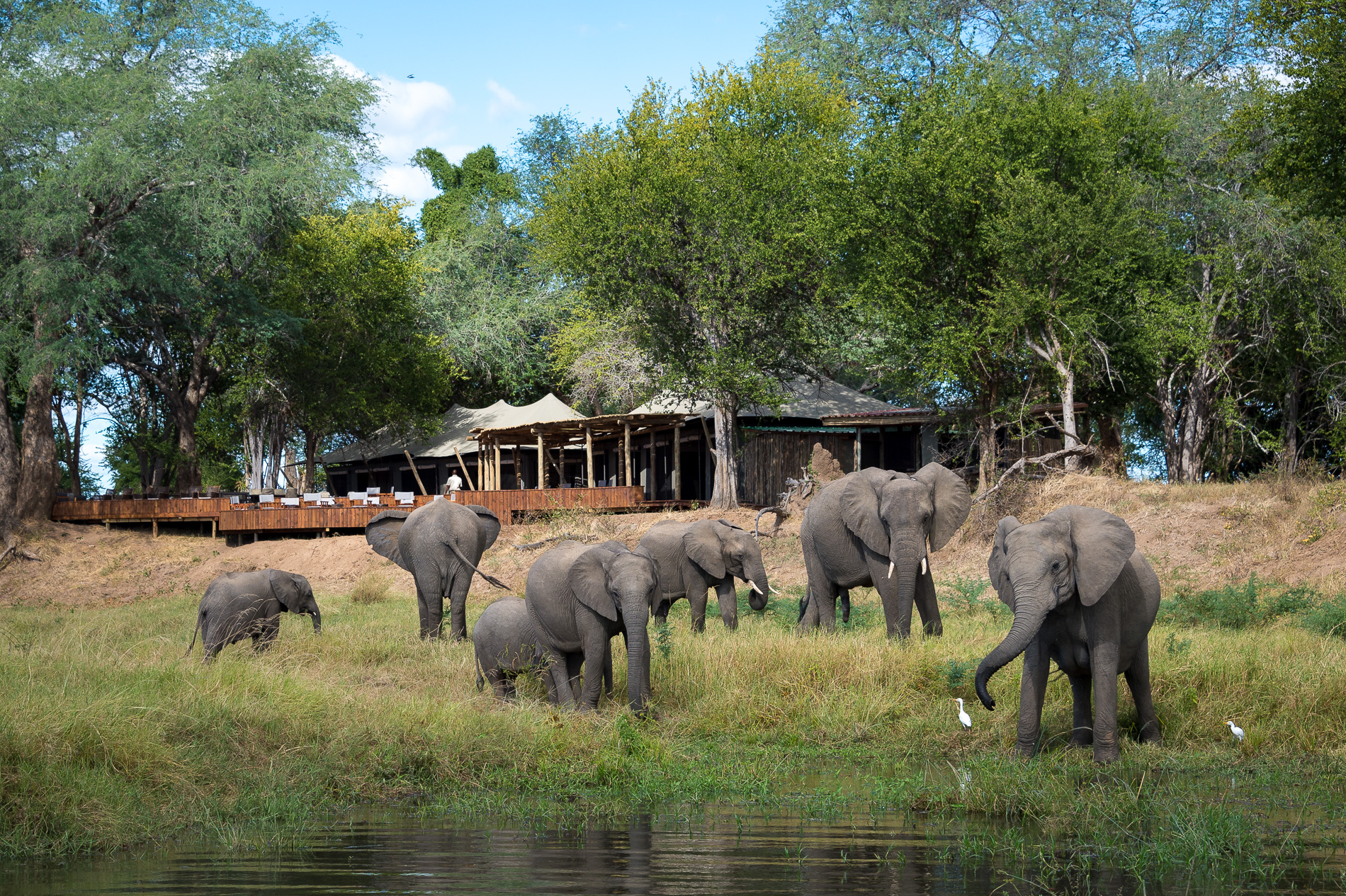
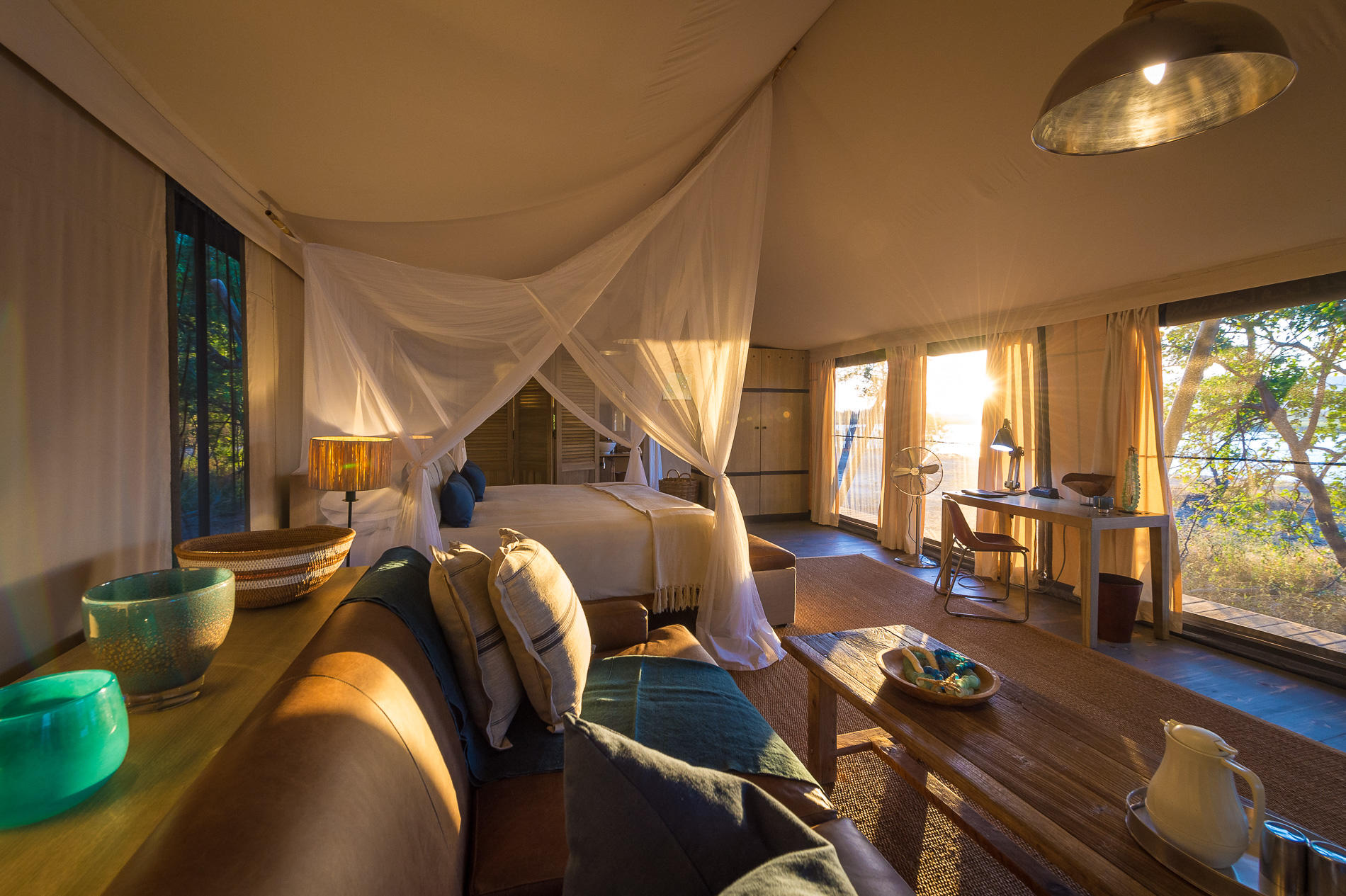
Back at Little Kulala, afternoons melt into golden silence. Perhaps you retreat to your deck with a book you barely open. Perhaps you sink into your pool while the desert rearranges its colours one degree at a time. Evenings bring lanternlight, deep tranquillity, and stars that seem to multiply just to show off.

Little Kulala is luxury distilled — minimalism with meaning, privacy without pretence, and landscapes so unfiltered they feel almost spiritual. It’s not a place you visit so much as a place that quietly rewrites the rhythm inside you.

Grootbos: Where the Secret Garden Goes Global

Recognition tends to find those who aren’t chasing it. So it feels fitting that Grootbos Private Nature Reserve, a property defined by restraint and regeneration rather than self-promotion, has just been named 5th in Condé Nast Traveler’s Readers’ Choice Awards for South Africa’s Top 15 Resorts.

Tucked between mountain and sea near Gansbaai, Grootbos has always felt slightly out of category — too wild to be a vineyard retreat, too elegant to be called an eco-lodge. It’s its own species entirely: a place where the word luxury is defined less by opulence and more by intention.

The reserve protects over 2,500 hectares of fynbos, one of the world’s most biodiverse floral kingdoms, and its story has always been as much about what grows outside the rooms as what’s inside them. Suites open onto views where the ocean feels stitched to the sky; the air carries the faint honey scent of proteas; and the architecture — all glass, timber, and understatement — feels designed not to compete, but to frame.

Condé Nast readers have long rewarded beauty, but here they’ve also rewarded purpose. Grootbos runs on solar energy, champions community development through its foundation, and supports local conservation and research projects that ripple well beyond the reserve’s borders. Every stay helps sustain that mission — which might be the most modern definition of luxury we have.

At a time when the world’s finest lodges are being recognised by Michelin, by Condé Nast, by whoever next holds a clipboard of merit, Grootbos’s achievement feels especially resonant. Because what it really celebrates is balance: design and wildness, comfort and conscience, people and place.

To walk through a field of blooming fynbos at dawn, then return to a breakfast plated like fine art, is to understand exactly why Grootbos stands among the best. It’s not just about where you stay — it’s about what stays with you.

Londolozi Earns Three Michelin Keys: Where Connection Is the True Currency

The Michelin Guide has spoken — and Londolozi has joined a rarified circle. In the inaugural list of global lodges recognised for excellence in hospitality, Londolozi has earned Three Michelin Keys, the highest possible rating.

For those unfamiliar, the new system is Michelin’s way of recognising the world’s most extraordinary places to stay — where design, service, character, value, and connection to place combine into something unforgettable. The restaurant world has long had its stars; now the lodging world has its keys. And in Londolozi’s case, the metaphor fits perfectly.

Because a stay here really is about unlocking something — not just a door to your suite, but a door into the wilderness itself. The luxury is evident, of course: the seamless service, the design that whispers rather than shouts, the food that would make even a Parisian inspector pause mid-bite. But it’s the connection that sets Londolozi apart. Connection to land, to community, to guests, and to a philosophy that’s been evolving for almost a century.

You feel it in the quiet professionalism of a tracker reading leopard spoor at dawn. You feel it in the stillness of the river at sunset, when the light folds over the granite outcrops and the bushveld seems to exhale. You feel it in the staff who’ve worked here for generations — living proof that hospitality, when done right, becomes heritage.

Michelin calls the Three-Key rating “an extraordinary stay.” But that hardly covers it. Londolozi doesn’t just offer extraordinary stays; it offers perspective. It reminds guests that luxury isn’t about what’s added, but what’s revealed when everything unnecessary falls away.

Earning Three Keys isn’t just a nod to Londolozi’s excellence — it’s an acknowledgment of its ethos: that true hospitality has always been about belonging. The kind that doesn’t just welcome you for a night, but stays with you long after you’ve left.

Busanga Plains: Where Luxury Tiptoes Into the Wild

If Singita Sabora feels like theatre, Busanga Plains is closer to unscripted documentary — no retakes, no stage lighting, just the raw pulse of the African wilderness.

Deep in Zambia’s Kafue National Park, the camp sits in the middle of a seasonally flooded grassland so vast it makes the horizon feel like a rumour. For much of the year, these plains are inaccessible. When the waters retreat, they reveal one of Africa’s most dramatic safari arenas: red lechwe bounding through the shallows, herds of puku grazing in golden light, and lions that have learned to hunt where most cats would hesitate to get their paws wet.

Busanga Plains Camp itself doesn’t try to outshine the setting. It couldn’t, and it doesn’t need to. The lodge is deliberately small, with just a handful of tented suites raised on wooden decks. You’ll find comfortable beds, hot showers, and lantern-lit dinners — but don’t expect chandeliers or wine cellars. Here, the luxury is space. Silence. The sense that you’ve stumbled into Africa before the world got crowded.

Game drives roll out across the plains like expeditions. Some mornings are about elephants and buffalo drifting through the mist. Others deliver the famous Busanga lion prides, often lounging on termite mounds like they own the place (which they do). If you’re lucky, you might spot a cheetah carving a line through the long grass, or watch crowned cranes rising in a flurry of wings as the sun sets.

Evenings back at camp are their own reward. Sitting by the fire, the vastness pressing in from all sides, you become acutely aware of just how remote you are. No highway hum, no faint glow of a distant town. Just stars — millions of them — and the steady chorus of the marsh.

Busanga isn’t safari with trimmings; it’s safari distilled. It’s for travellers who crave the edge of adventure but still appreciate a crisp linen sheet at the end of the day. The kind of place that makes you feel small, in the best possible way.

Mara Nyika: a Camp That Whispers Rather Than Shouts

Some lodges announce themselves before you’ve even unzipped your bag. Brass fittings, oversized chandeliers, the kind of bath you could launch a canoe in. Mara Nyika is not one of those lodges.

Perched lightly among the flat-topped acacias of the Naboisho Conservancy, Nyika doesn’t so much dominate the landscape as blend into it, like a well-worn canvas jacket. You could walk past its guest tents without even realising you were skirting one of Kenya’s most refined safari outposts. And that’s very much the point.

Naboisho itself is part of the magic: a vast conservancy bordering the Maasai Mara National Reserve, but with far fewer vehicles, more privacy, and a fierce dedication to conservation. Lions patrol the savanna here with the same swagger you’ll see inside the Reserve proper, while cheetahs, giraffes, and elephants all make daily cameos. The difference is that you’re unlikely to be sharing the sighting with a convoy of Land Cruisers.

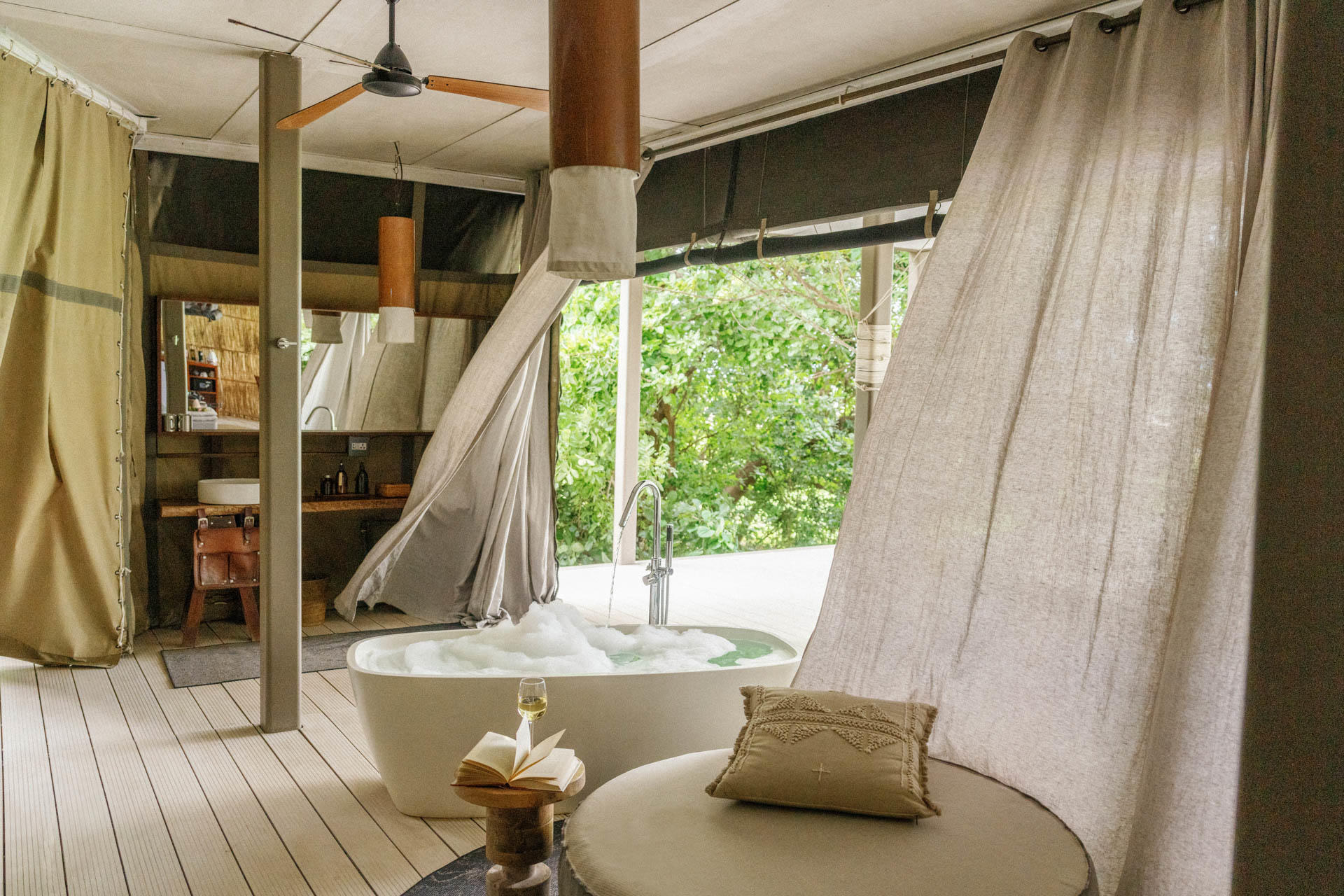
Mara Nyika leans into this ethos of understatement. The camp’s design is all flowing canvas, polished wood, and gentle curves that feel more like an extension of the trees than an intrusion. Step inside your suite and you’ll find the kind of detail that makes luxury feel effortless: a desk positioned to catch the morning light, copper accents that glow at dusk, a bathtub with a view that doesn’t require explanation.

But perhaps the greatest luxury is what you don’t see. No rush, no crowds, no clutter. Just space — for animals to roam, and for you to think, breathe, and reset. Evenings here are less about theatrical fanfare and more about quiet conversations around the fire, punctuated by a distant hyena call or the shuffle of elephant feet through the grass.

For those who like their safaris with a little narrative arc, Nyika also serves as a gateway. It connects seamlessly with Great Plains’ other Mara properties, so you can trace your own journey across the ecosystem, following the migration if the timing’s right.

Still, you may find yourself reluctant to move on. Mara Nyika is one of those rare places where the definition of luxury isn’t excess, but restraint. Where the whisper carries further than the shout.


Singita Sabora: Serengeti Theatre

Some places you check into. Others, you quite literally arrive. Singita Sabora is firmly in the latter camp. It doesn’t just sit in the Serengeti; it unfurls across it, like a lavish set design waiting for the curtain to rise.

Set in the private Grumeti Reserve, Sabora has all the cinematic grandeur you’d expect from Singita, but with a modern twist. Think sweeping canvas tents — though “tent” feels like a disservice when your suite has Persian rugs, curated antiques, and a four-poster bed that could comfortably accommodate a small wildebeest herd. Out front, the Serengeti plains stretch until they dissolve into a mirage. At night, the soundtrack is equal parts hyena cackles and the fizz of your G&T.

Where Sabora really excels is in its balance of indulgence and immersion. One minute you’re lounging in a leather campaign chair, thumbing through a design book you didn’t know you needed in your life. The next, you’re out on game drive, watching a cheetah test the limits of physics as it streaks across the golden grass. The lodge sits right on the migratory route, so if you time it right, you can sip your morning coffee as a column of wildebeest trundles by — a reminder that in this theatre, the extras number in the thousands.

Meals here are another performance. Candlelit dinners on the deck blur into starlit skies. The menu is a masterclass in contradiction: refined yet rooted, locally inspired yet globally polished. Even the wine cellar, improbably stocked with South Africa’s finest vintages, feels like a nod to the fact that luxury in the bush isn’t just about where you are, but how well you’re looked after while you’re there.

And yet, amidst all the design flourishes and high-thread-count whispers, Sabora manages not to lose its sense of place. Step outside your suite and you’re reminded quickly that this is still big wilderness. Giraffes drift like apparitions between acacias, lions call at dusk, and the Serengeti light — that ever-changing, golden wash — steals the show at every hour.

Sabora is proof that you can have it both ways: the romance of classic safari and the thrill of contemporary design. Here, the Serengeti isn’t just a backdrop. It’s the main character, and you, for a few days, are written into the script.

Kruger Untamed: Private Walking Freedom

To have the freedom to explore South Africa’s most iconic national park, outside of normal operating hours and on foot if walking safaris are your thing, is a luxury almost without price.
Kruger Untamed is about more than just a safari – it’s a profound reconnection with the wild. In their camps, nature is not curated or controlled but encountered on its own terms. They exist to preserve the art of true exploration, honour the wisdom of indigenous trackers, and offer an unfiltered experience that leaves no trace on the land but a lasting impact on those who walk it.

With just 15 comfortably appointed safari tents each, Satara Plains Camp and Tshokwane River Camp both hark back to the golden age of safari, with nods to the early bush camps of old, touching the earth lightly and leaving no trace behind when camps close at the end of the season. So well do Kruger Untamed manage their impact that they have received not one but seven 100% scores in their environmental impact audits, a first in the history of the Kruger National Park.
Perfect for those seeking authentic wilderness experiences, the camps can be expanded to 30 tents each to accommodate groups and special events on an exclusive use basis in the heart of one of the world’s most prolific wildlife destinations.

Kruger Untamed offers the chance to connect with the soul of Kruger, redefining the meaning of remote in secret sanctuaries where untouched landscapes beckon and wild Africa awaits, far from the madding crowds and bustle of life in the concrete jungles of our towns and cities. Through expertly guided game drives, walking safaris and wilderness experiences, and the magic of sleeping under canvas with the lions roar in the night a constant reminder of your setting in the wilds, their safaris will change the way you view the world and open your mind to the importance of protecting the last precious wilderness areas and the incredible wild fauna and flora that call them home.

In an enviable location near the iconic Tshokwane picnic spot in the heart of the Kruger National Park’s central region, easily accessible via Skukuza, Tshokwane River Camp is set on the seasonal Ripape River which is dry during the winter months. The game viewing in this area is outstanding all year round, with a wealth of antelope drawing in Kruger’s rapacious predators, including lion, cheetah, leopard, painted wolves (African wild dog) and spotted hyena.

Kruger Untamed has a rich legacy, founded in the traditions and culture of the Shangaan people who have a deep and intimate relationship with the wilderness that is the Kruger National Park and the surrounding private game reserves that together make up the Greater Kruger region.

Master trackers and incredible guides with a wealth of knowledge and generational wisdom handed down over the ages, the Shangaan are inspirational and at Kruger Untamed they honour the phenomenal impact they have had on the eco-tourism world, and the role they play as ambassadors for the Kruger wilderness.

The majority of the staff come from the local communities around the Kruger and are happy to share their culture and the stories of their past with our guests. Indeed, it’s the people who make Kruger Untamed what it is and who have brought their dream of offering unique, authentic safari experiences in one of the world’s most sought after wildlife destinations to life.

If unfettered access to one of the Kruger National Park’s most game rich areas is what you seek, get in touch with us through info@iconicafrica.com, and let’s start the conversation…

The White Continent: the Final Frontier

Antarctica cannot help but to have a powerful effect on you. It is not just the beauty or unimaginably large landscapes; it is the reconnection to nature in its rawest form.

The land of Scott, Amundsen and Shackleton is now accessible to those who want to tread in their footsteps without risking their actual toes to the cold, as White Desert entertains small groups at their luxury camps, providing a deep sense of space and discovery. From emperor penguins to the geographic South Pole, iridescent ice tunnels and the seemingly endless High Polar Plateau — this is the final frontier on this planet we call home.

And we can’t wait to share it with you….

Journeying to Antarctica may seem crazy to most, but this inhospitable continent is now an option to adventure through in the most splendid comfort.

White Desert has three main camps on Antarctica; Wolf’s Fang, Whichaway and Echo.

Whichaway is the flagship camp and sits on the shores of one of the freshwater lakes of the ice-free Schirmacher Oasis.

The camp features six heated ‘polar pods’ with cutting-edge exteriors and old-world interiors that conjure up images of Antarctica’s rich heritage of exploration.

Each guest pod has a large glass-front conservatory, framing uninterrupted views of the dramatic ice landscape beyond. This new addition offers a warm, protected setting from which guests can take in the panoramic view of the lake and the encircling ice fall from the comfort of their duvet. Each of the six polar pods has its own ensuite shower, offering enhanced privacy – a first for Antarctica.

Savour gourmet meals prepared by your private chef, enjoy a sauna with a view of the glacier, take a moment in the wellness dome, and cross off bucket list adventures like visiting the South Pole, ice climbing, hiking over ice waves, and coming face-to-face with 28,000 emperor penguins.

Inspired by the seminal age of Space exploration, Echo Camp sits in quiet solitude encircled by pitted rock formations. Echo is as close as you can get to feeling like you’re off the planet without leaving Earth.

The space-age design of the ‘Sky Pods’ makes them look like they’ve been beamed down from Mars. Futuristic and luxurious, the six bedrooms are created from composite material with floor to ceiling windows allowing guests to soak in the moon-like landscape beyond.

Original photos taken from the International Space Station (ISS) by  former Commander, White Desert guest and retired astronaut, colonel Terry Virts will be featured in each pod. Says Virts of the Echo landscape,

“The mountains are the most beautiful I have seen across Earth, Venus and Mars.”

Perfect for exclusive-use groups and catering for up to 12 people, Echo allows guests to combine an ultra-luxury experience with a once in lifetime adventure on the 7th Continent. As with all White Desert’s camps, Echo is designed to be dismantled, leaving no trace on the Antarctic landscape.

Offering laidback yet sophisticated interiors that evoke the bygone age of explorers, Wolf’s Fang features six heated bedroom tents that are equipped with en-suite washrooms, replete with shower rooms. The relaxed lounge area is a haven of comfort and warmth, no matter what the conditions outside. The inviting dining area is the ideal space to revisit the day’s exploration with fellow adventurers.

Adrenalin seekers will enjoy a variety of exhilarating activities on this vast continent including abseiling, ice-climbing and rope-walks. Guests looking for peace and serenity will revel in gentle hikes, skidoo rides or simply taking in the dramatic vistas – guests can be as active or as relaxed as they wish during their stay.

Antarctica once seemed like the moon as far as visiting went – in that it would be impossible to get there for all but a few souls – but with flights to the White Desert camps out of Cape Town, South Africa suddenly turning this incredible landscape into an actual travel destination, it’s well within the bounds of possibility that you could visit too!

Get in touch with us through info@iconicafrica.com to start chatting about your polar safari…!