Singita Kwitonda — Where the Mountain Comes to You

Rwanda surprises people. They arrive expecting something — usually a vague sense of the continent’s familiar safari rhythms — and find instead a country that is green, cool, mountainous, and unlike anywhere else they’ve been. Kigali is spotless and orderly. The roads work. And in the northwest, rising out of mist-draped forest on the edge of Volcanoes National Park, Singita Kwitonda is waiting.
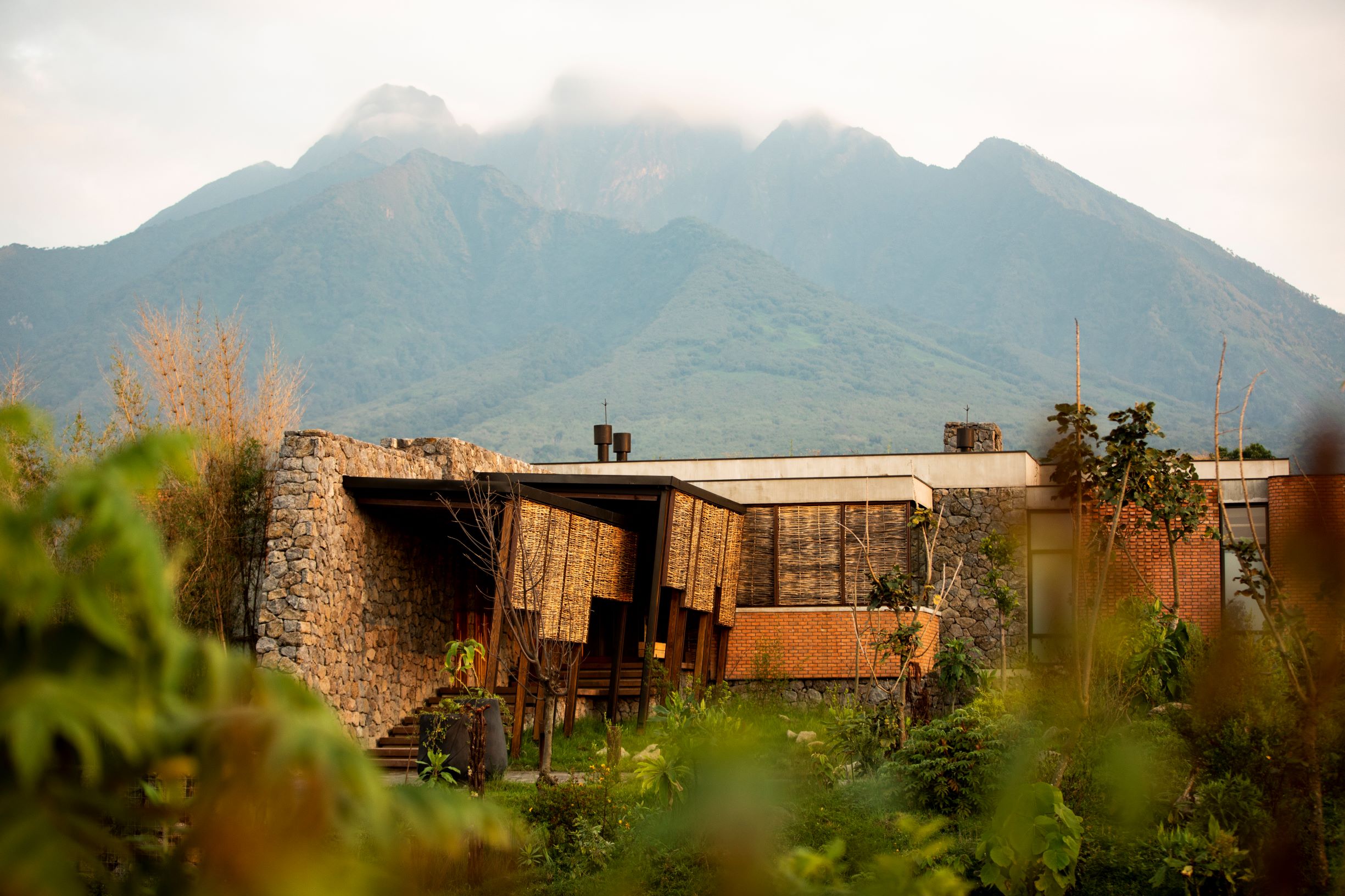
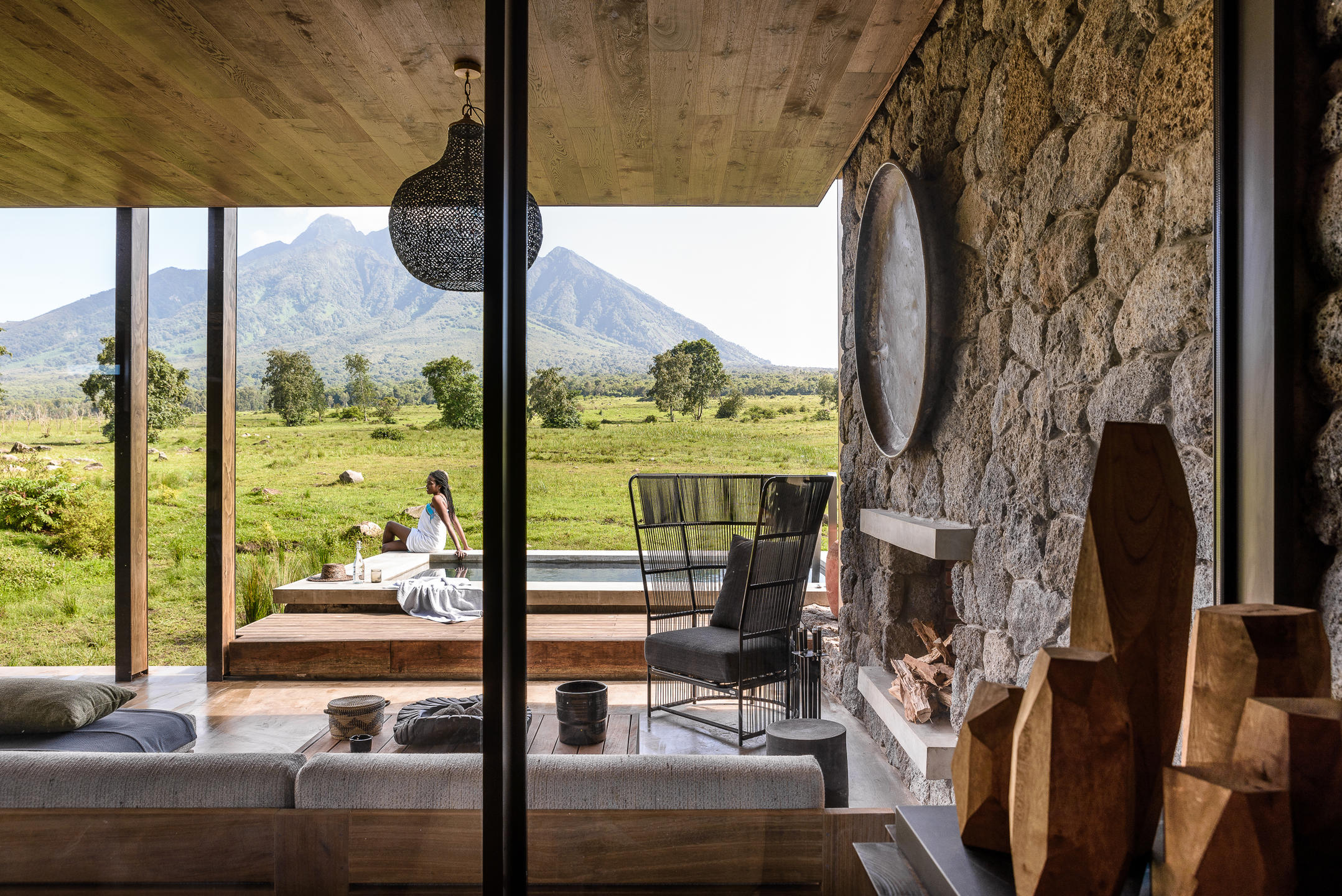
The lodge sits on 178 acres that share a direct boundary with the park — a detail that sounds like marketing copy until you understand what it actually means. The gorillas are not somewhere out there beyond a gate and a long drive. They are, in the most literal sense, next door. On a clear morning, standing on your suite’s private deck with a cup of coffee and views of the Sabyinyo, Gahinga and Muhabura volcanoes filling the horizon, that proximity feels almost implausible.

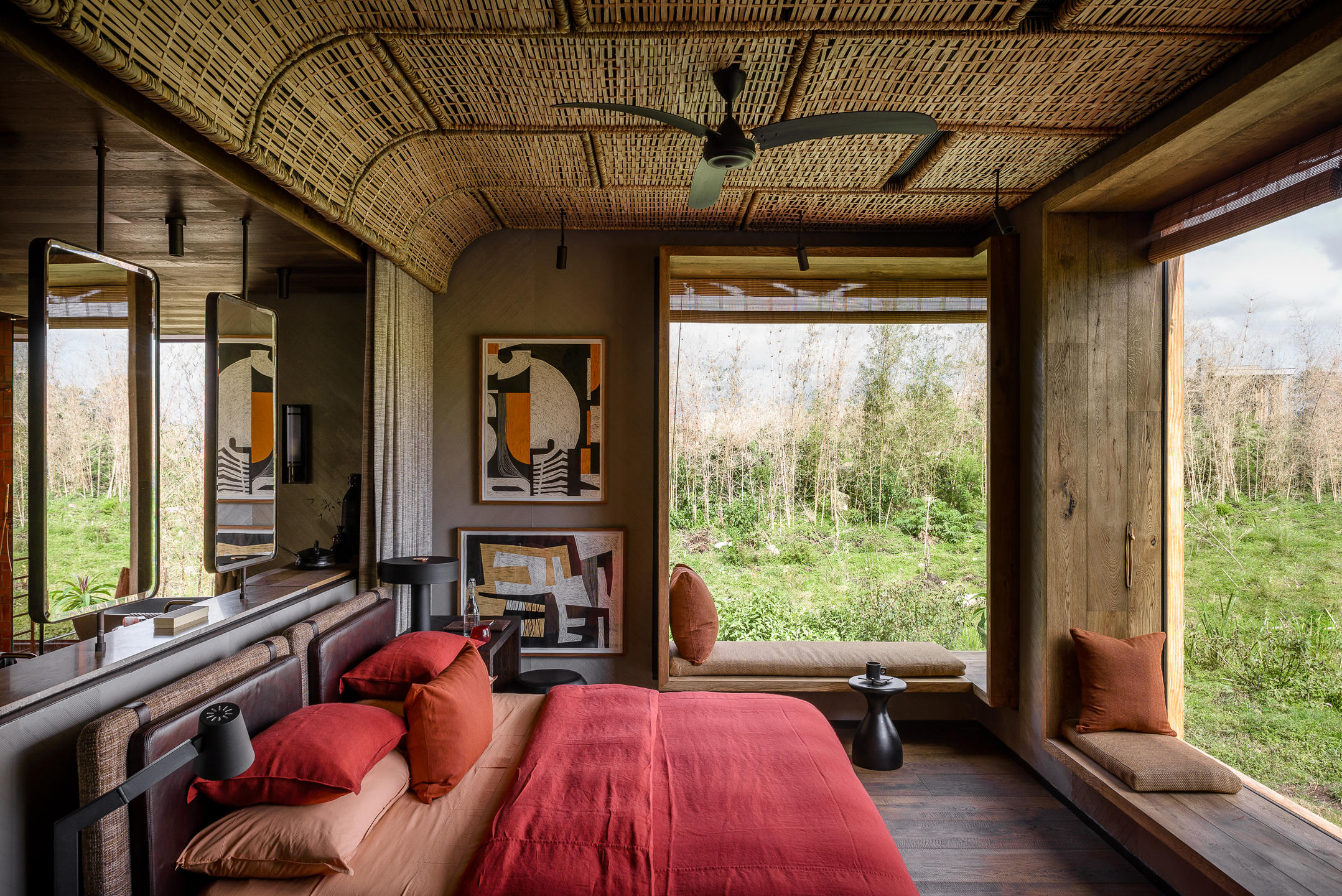
Eight suites, each with a heated plunge pool and both indoor and outdoor fireplaces — because at 2,000 metres above sea level, the evenings are cooler than most guests expect. The interiors draw on Rwandan craft traditions: woven ceilings, hand-fired terracotta brickwork made by local artisans, timber-framed windows wide enough to make the landscape feel like a living room fixture. It is unmistakably Singita — precise, considered, nothing wasted — but it wears Rwanda on it in a way that feels genuinely earned rather than decorative.
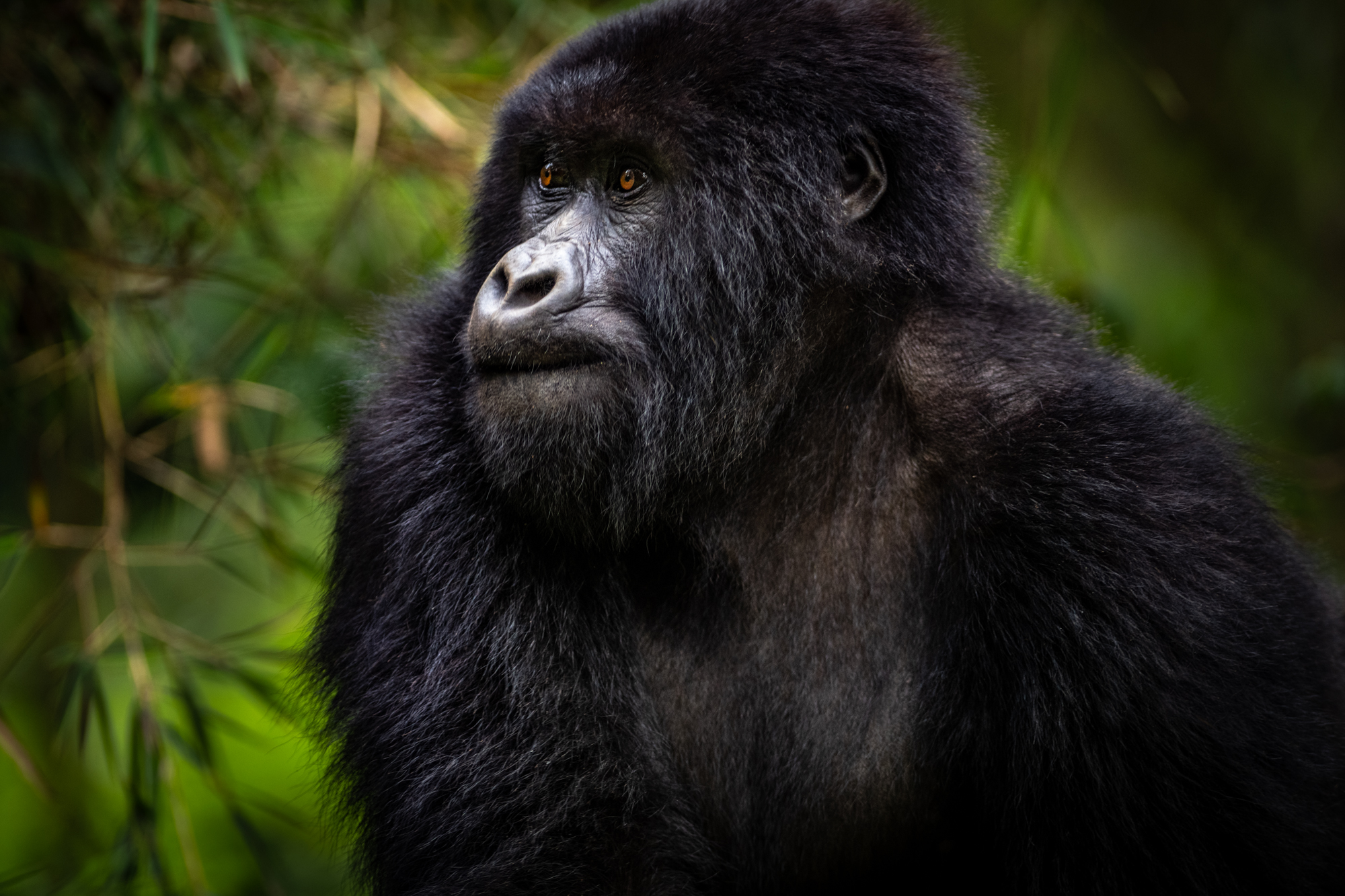
The gorilla trek is, of course, the reason most people come. An early start, a drive to the park headquarters, a briefing, and then you’re on foot into the forest. The terrain varies — some days it’s relatively gentle, other days you’re pulling yourself up through dense vegetation on a steep volcanic slope — and nobody can tell you in advance exactly how long it will take. The gorillas are where they are. When you find them, and you will, the hour you’re permitted to spend with them passes in approximately four minutes. This is not an exaggeration. It is, for many people, the most affecting wildlife experience of their lives. The scale of them, the intelligence in their eyes, the complete indifference with which a silverback regards you — it rearranges something.
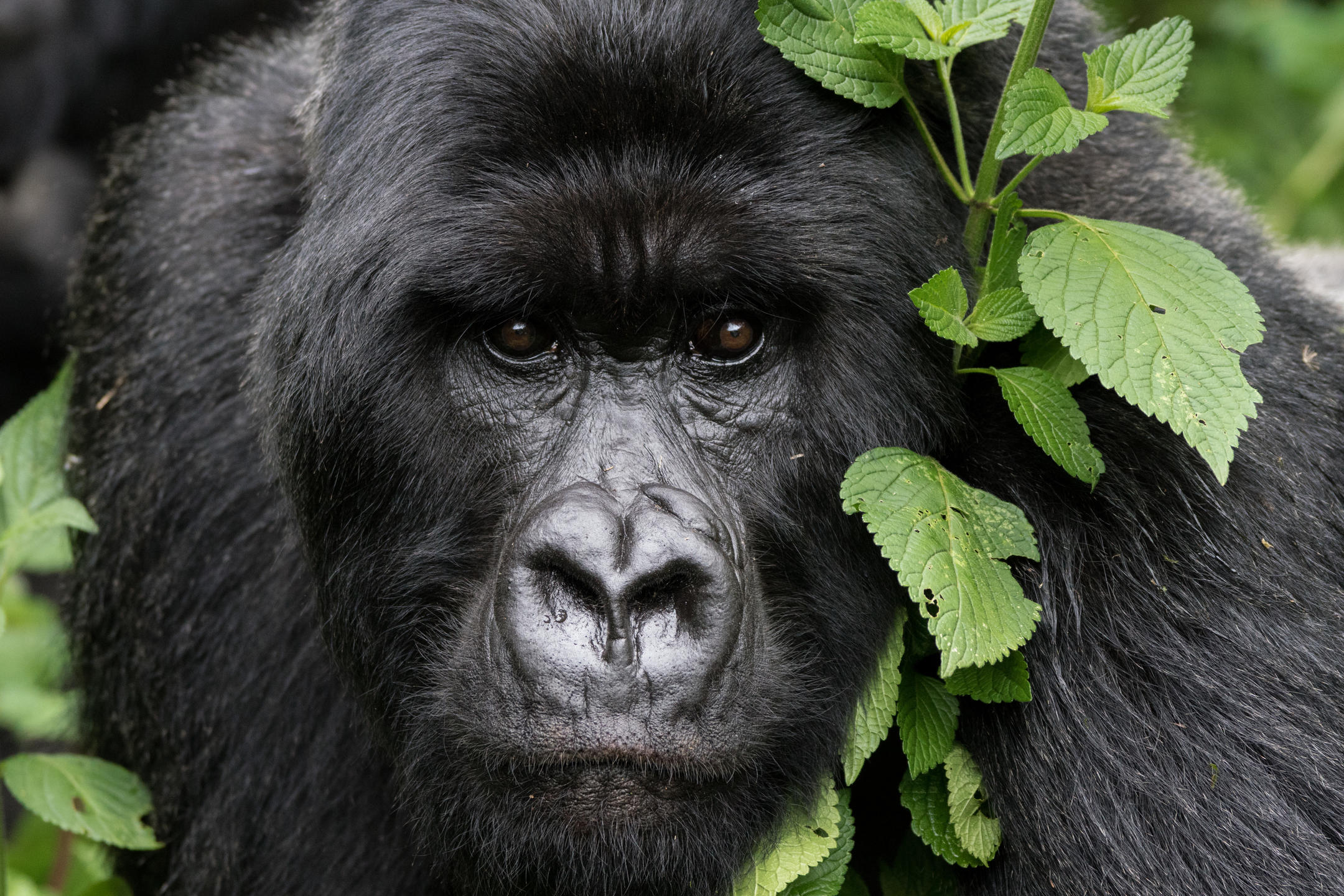
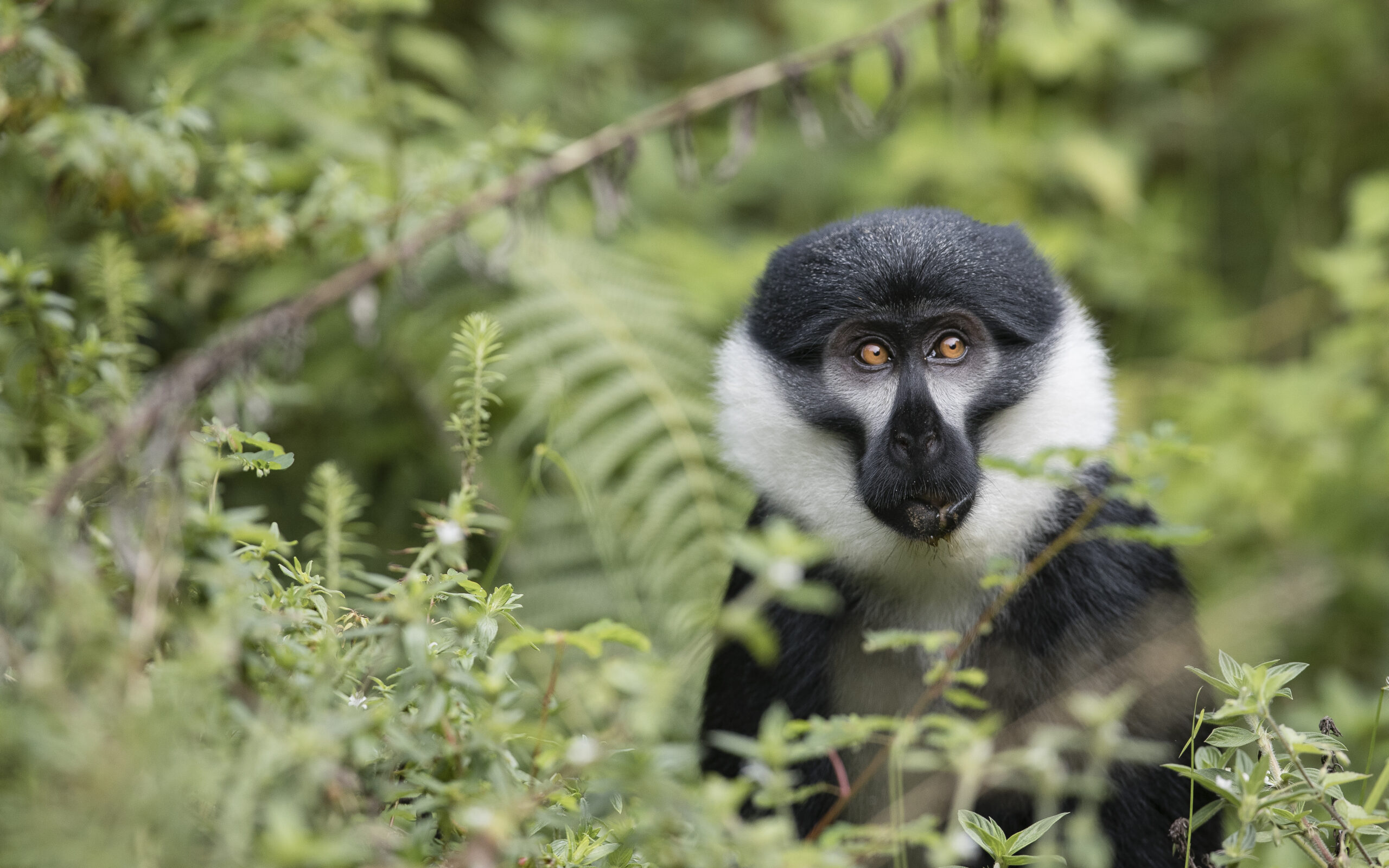
But Kwitonda is not purely a one-trick property. The conservation lounge traces the story of the land from Dian Fossey’s research through to the ongoing work to expand gorilla habitat — Singita is actively working to convert agricultural land on the park’s border back into forest. Golden monkey trekking offers a different but equally compelling primate experience. There are cultural visits, walking trails through eucalyptus forest, and a kitchen garden that supplies a meaningful portion of what ends up on the plate.

The name deserves a mention. Kwitonda was a silverback gorilla known for his gentle nature and quiet authority, who roamed these forests for years before his death. The lodge was named in his memory. It’s a small detail, but it tells you something about how Singita approaches this particular place. They’re not just running a luxury property adjacent to something remarkable. They’re trying, with genuine seriousness, to be part of what keeps it remarkable.

For the right traveller — curious, physically willing, and open to an Africa that looks nothing like the one on most safari brochures — Kwitonda is quietly unmissable.

Bisate Lodge – Volcanoes, Gorillas, and the Luxury of Doing It Properly

There are certain places that don’t feel like a destination so much as a pilgrimage. Bisate Lodge is one of them.

Perched on the edge of Rwanda’s Volcanoes National Park, Bisate looks out across misty slopes and ancient forest — the kind of landscape that makes you lower your voice without realising you’ve done it. It’s dramatic, moody, and intensely beautiful, and the lodge leans into that atmosphere with a sense of theatre and purpose.

The design is striking: thatched, nest-like villas tucked into the hillside, each one offering sweeping views of the volcanic peaks. It feels both futuristic and rooted — as if it belongs to another era, but also exactly here. Inside, everything is warm and tactile: rich textures, thoughtful details, and a sense of comfort that feels earned rather than flashy.

But Bisate isn’t only about aesthetics. It’s about intention.

This is luxury with a backbone — a lodge built with conservation at its core, deeply tied to reforestation and community impact. You feel it in the way the team speaks about the land, in the pride behind the experience, and in the sense that your presence here contributes to something that lasts beyond your stay.

And then there are the gorillas.

There is no truly adequate way to describe the moment you first see a mountain gorilla in the wild. It is humbling, electric, and oddly intimate — like being allowed into a world that has no need for you, yet tolerates your awe. The trek itself is part of the story: early mornings, boots and rain jackets, breath in your chest as you climb into the forest, and then… that moment.

Back at Bisate, the luxury lies in how well it holds you afterwards. A hot shower. A drink by the fire. A meal that feels restorative. It gives you space to process what you’ve just experienced, without rushing you into the next thing.

Bisate is for travellers who want their safari to mean something — not in a heavy, preachy way, but in a way that feels real. It’s extraordinary, not because it tries to impress you, but because it quietly does.

A mother and child, Titus Group, Bisate Lodge, Wilderness Safari, Rwanda

Singita Kwitonda: Where the Path to the Gorillas Begins

Some journeys announce themselves loudly: roaring waterfalls, thundering hooves, sweeping plains. Others begin in a whisper — a curl of mist drifting across a volcanic slope, a soft crackle of bamboo, a quiet exhale in the forest as a mountain gorilla meets your gaze. Singita Kwitonda Lodge exists for that kind of journey: the kind that stays with you long after your boots are clean and your heartbeat has settled.

Built on the edge of Rwanda’s Volcanoes National Park, Kwitonda doesn’t feel placed in the landscape so much as grown from it. The lodge’s architecture — timber walkways, lava-stone walls, huge panes of glass framing the volcanoes — creates a feeling of being held inside the ecosystem rather than observing it. It’s soft-spoken luxury: fireplaces quietly glowing, deep sofas encouraging you to sink rather than sit, and staff who anticipate your needs with the gentleness of people who understand the emotional weight of a gorilla trek.

That trek is the axis on which every day turns. Mornings begin early with rich Rwandan coffee, boots waiting, gaiters neatly arranged, and a palpable sense of anticipation humming through the air. Guides brief you with the kind of calm, precise storytelling that turns nerves into excitement. And then you’re walking — into a forest that feels ancient, alive, and almost sentient.

The encounter itself is often described as moving, profound, transformative. What’s remarkable about Kwitonda is how it holds you after that experience. You return mud-splattered, wide-eyed, and slightly overwhelmed, and without a single forced word, the lodge creates space for reflection. A hot shower, a warm drink, the quiet crackle of a fire — these aren’t amenities; they’re invitations to process what just happened.

In the end, the true luxury of Kwitonda is its deep respect for the moment you’re here to have. It doesn’t compete with the gorillas. It doesn’t rush you past them. It simply builds a sanctuary around the most extraordinary hour you may ever spend in nature.