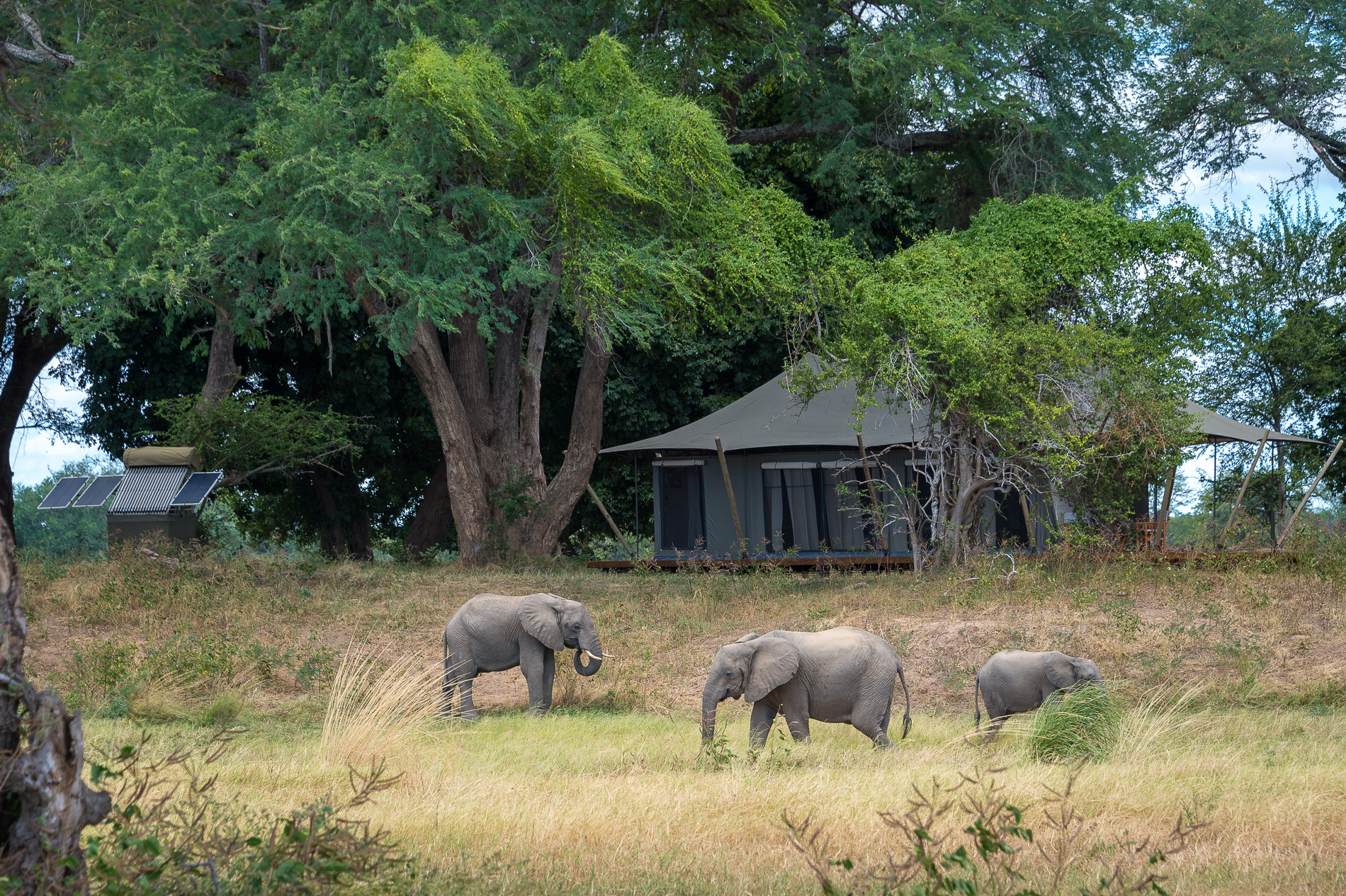
Makanyi — Small Lodge, Big Conviction

Somewhere in the southern sector of the Timbavati, on a section of reserve so private it shares the land with only a handful of private homes, there’s a lodge that was built entirely on conviction. In 2015, Jessica Gold left London, looked at a piece of the Timbavati, and decided she was going to build something she loved. No corporate backing, no established brand to shelter under. Just a very clear idea of what an exceptional safari lodge should feel like and the willingness to go and make it.

The result, eleven years later, is Makanyi. And it works in a way that’s slightly difficult to explain until you’ve been there.
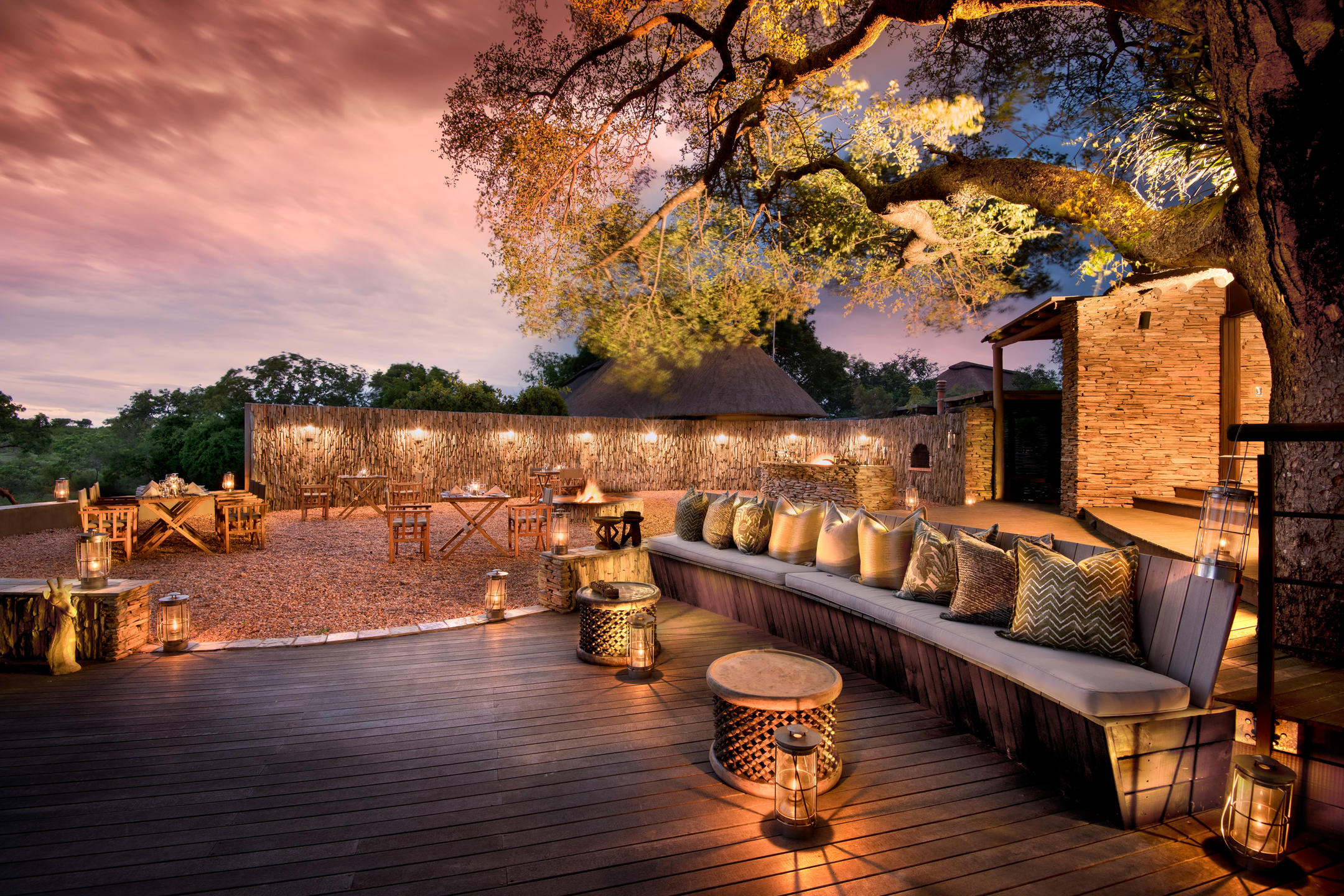
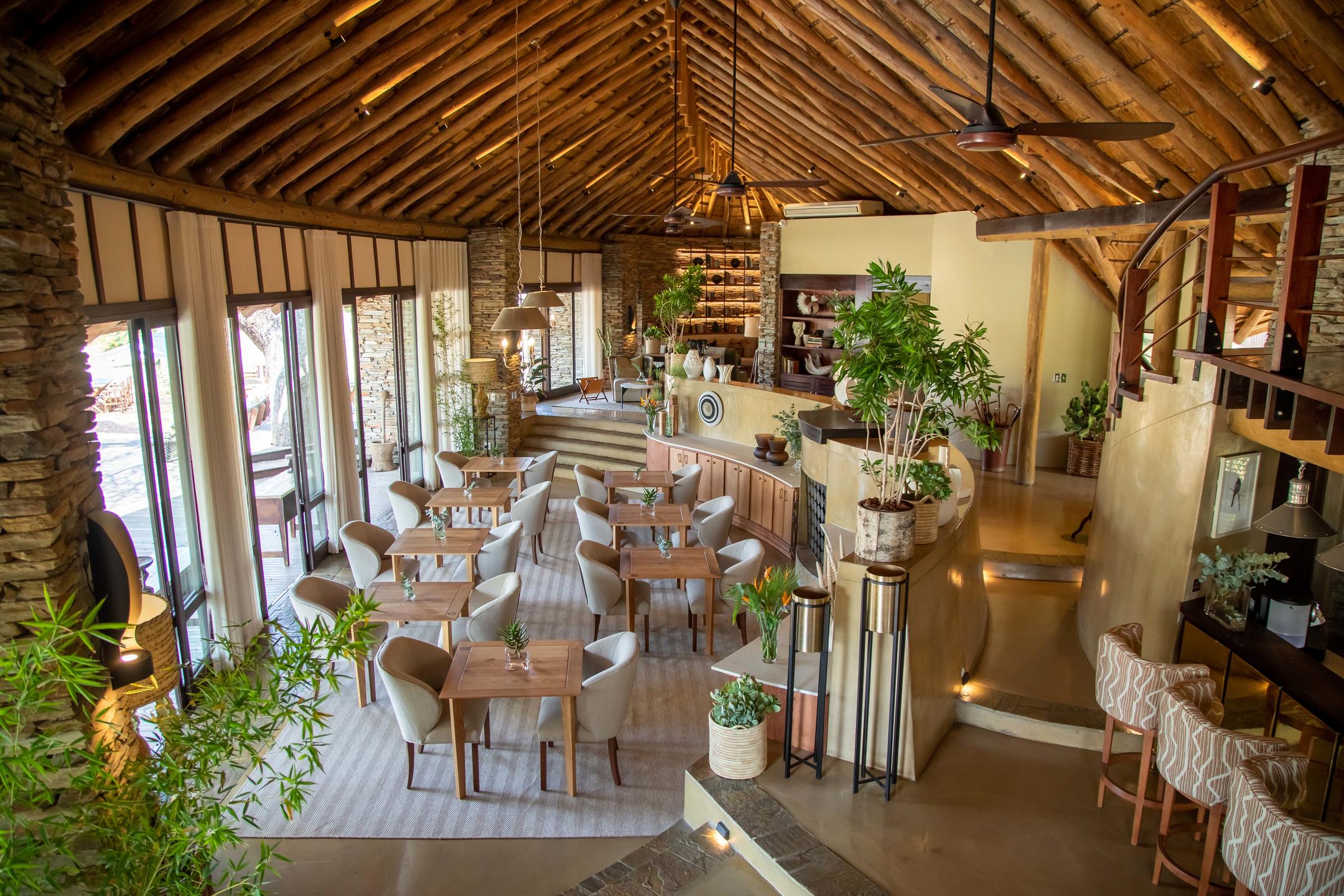
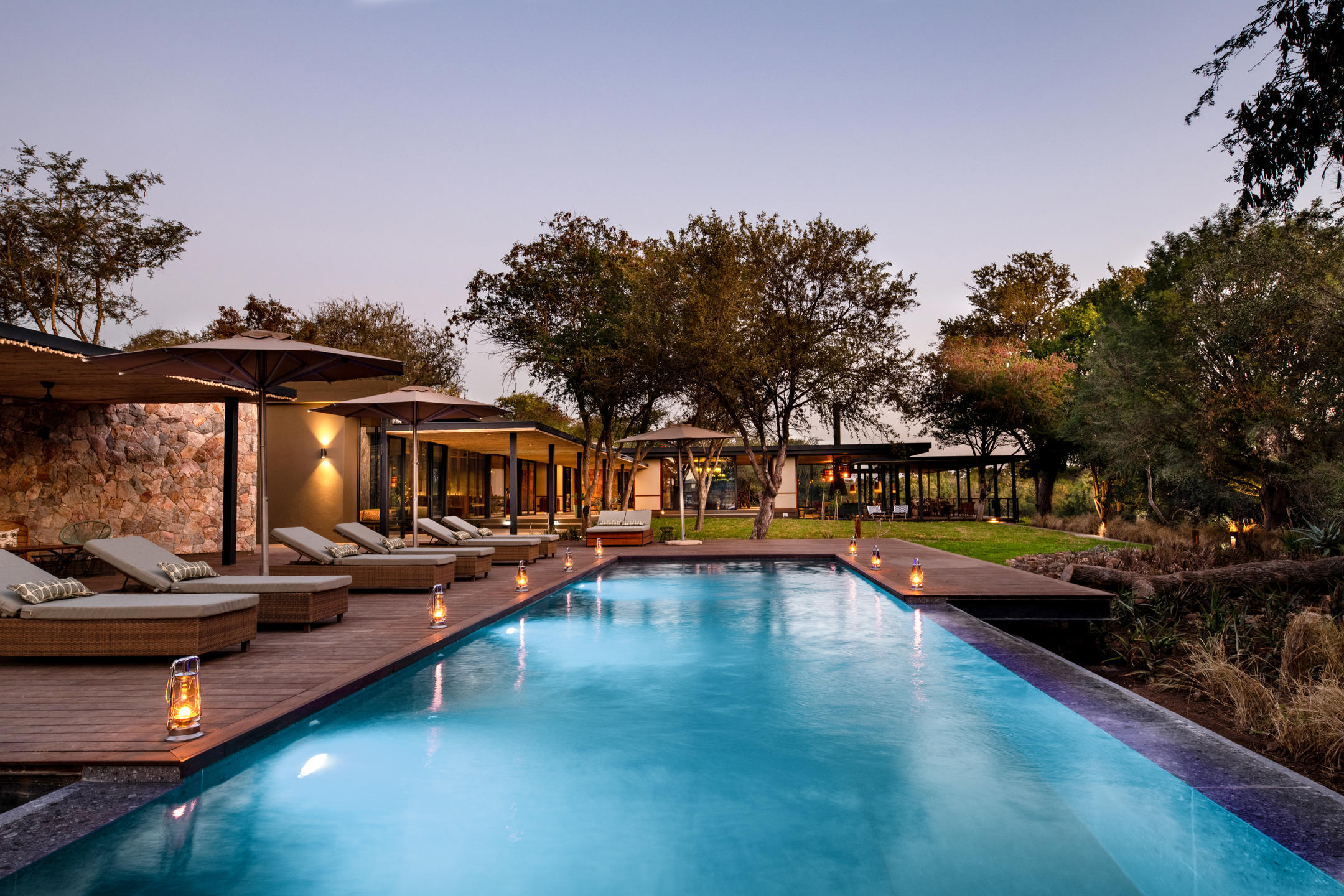
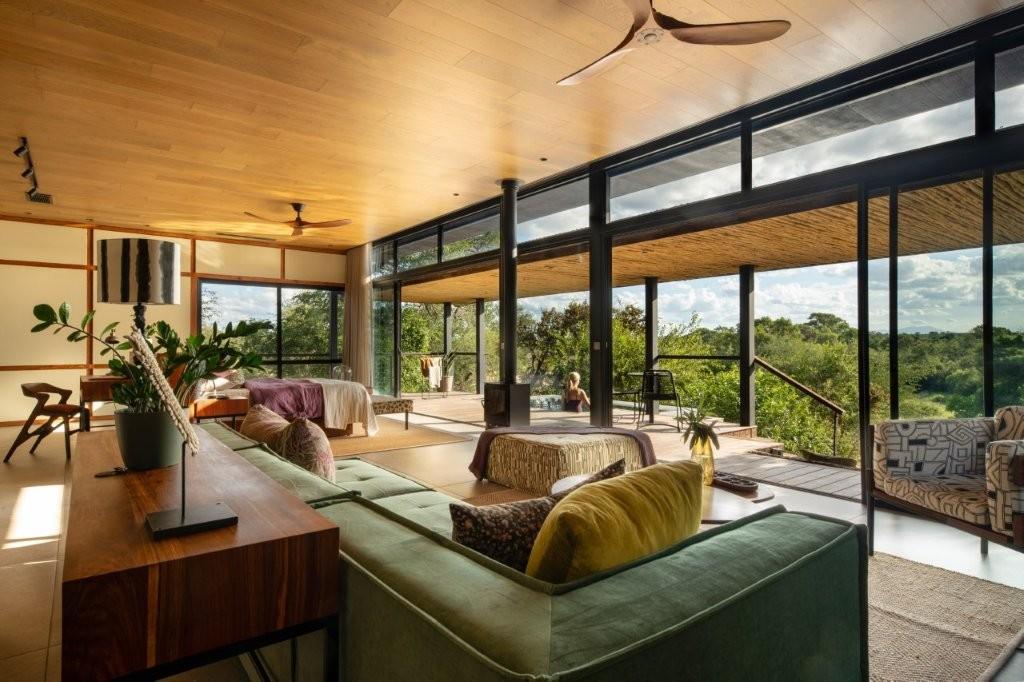
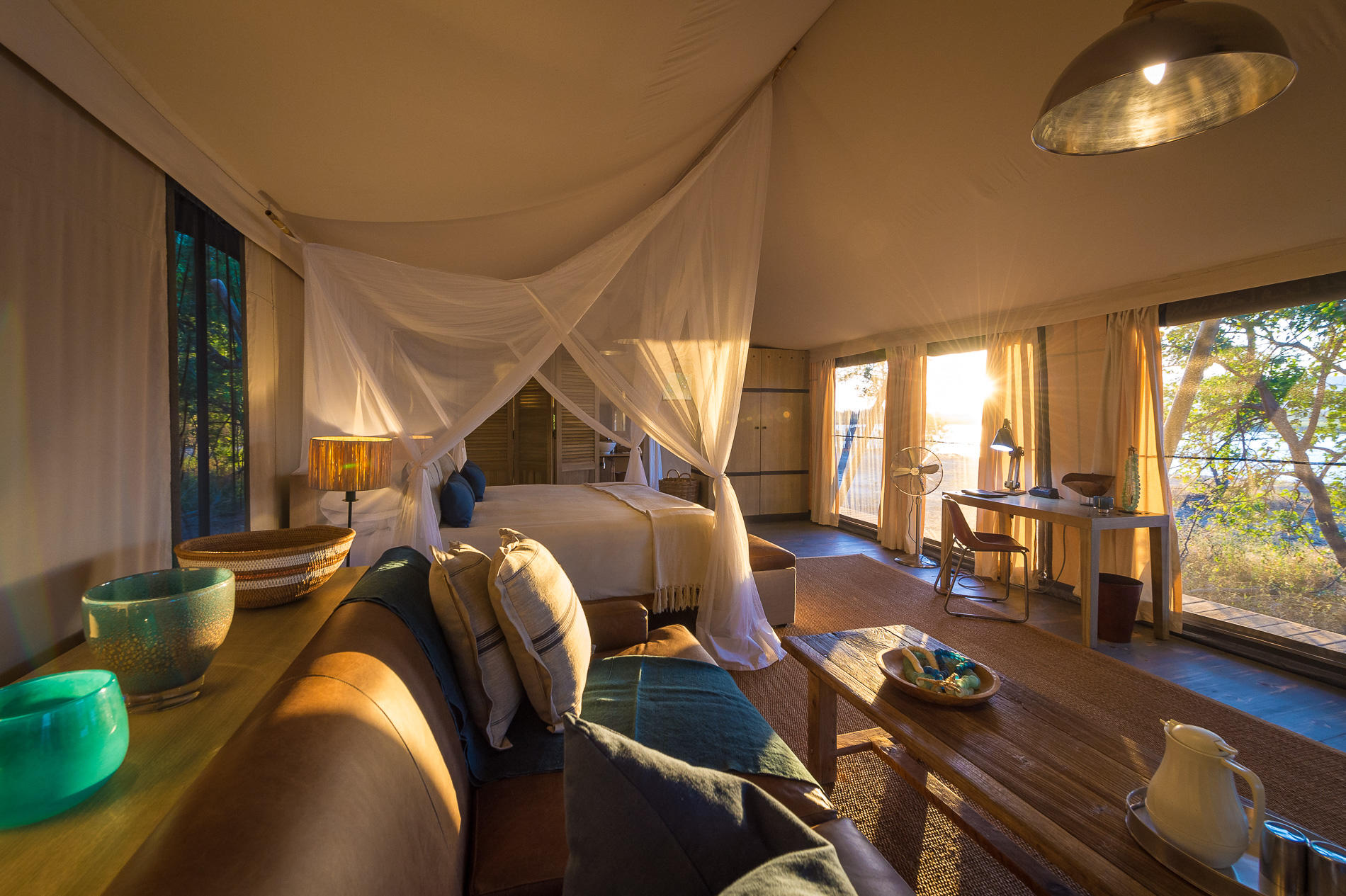
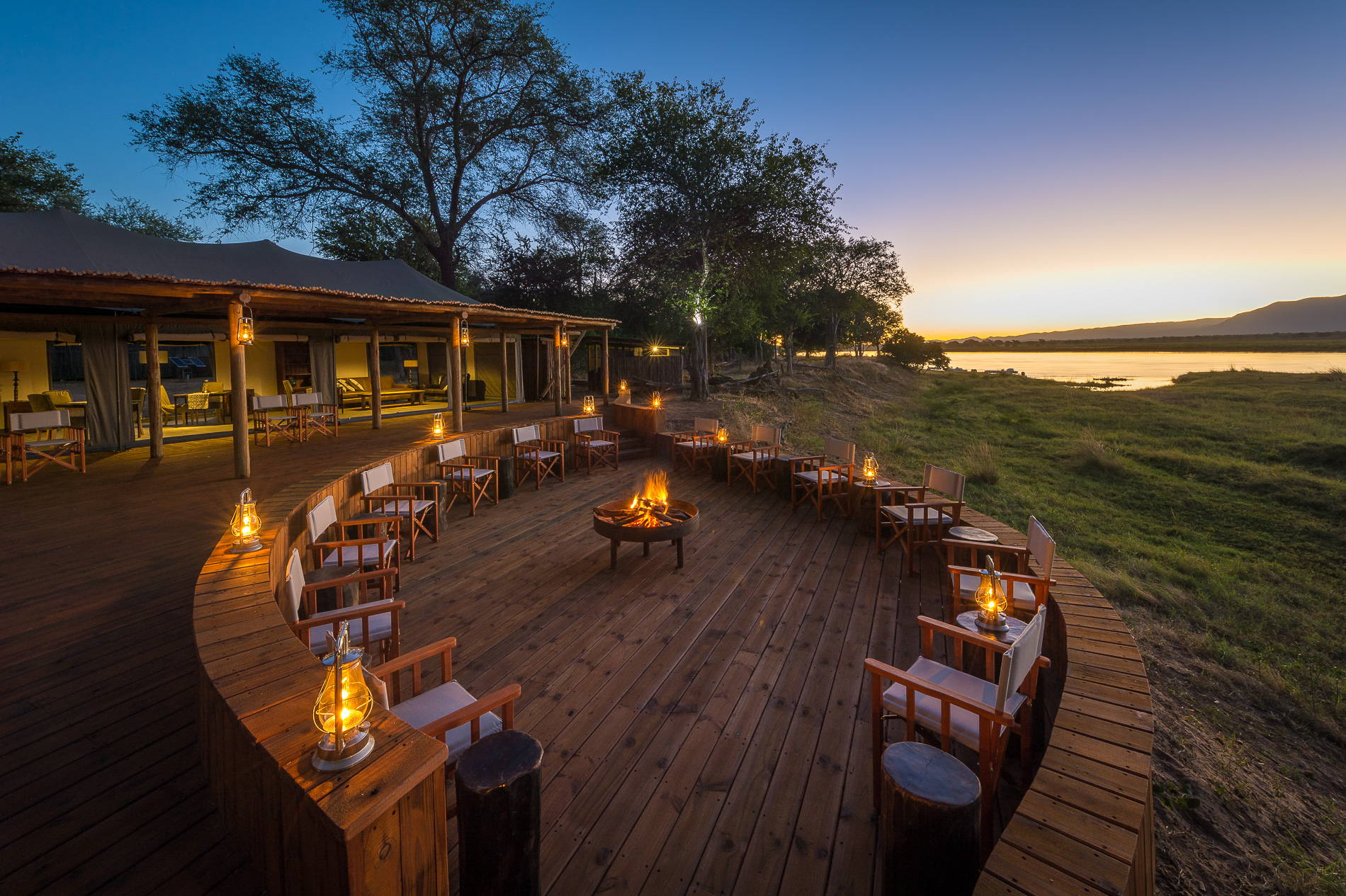
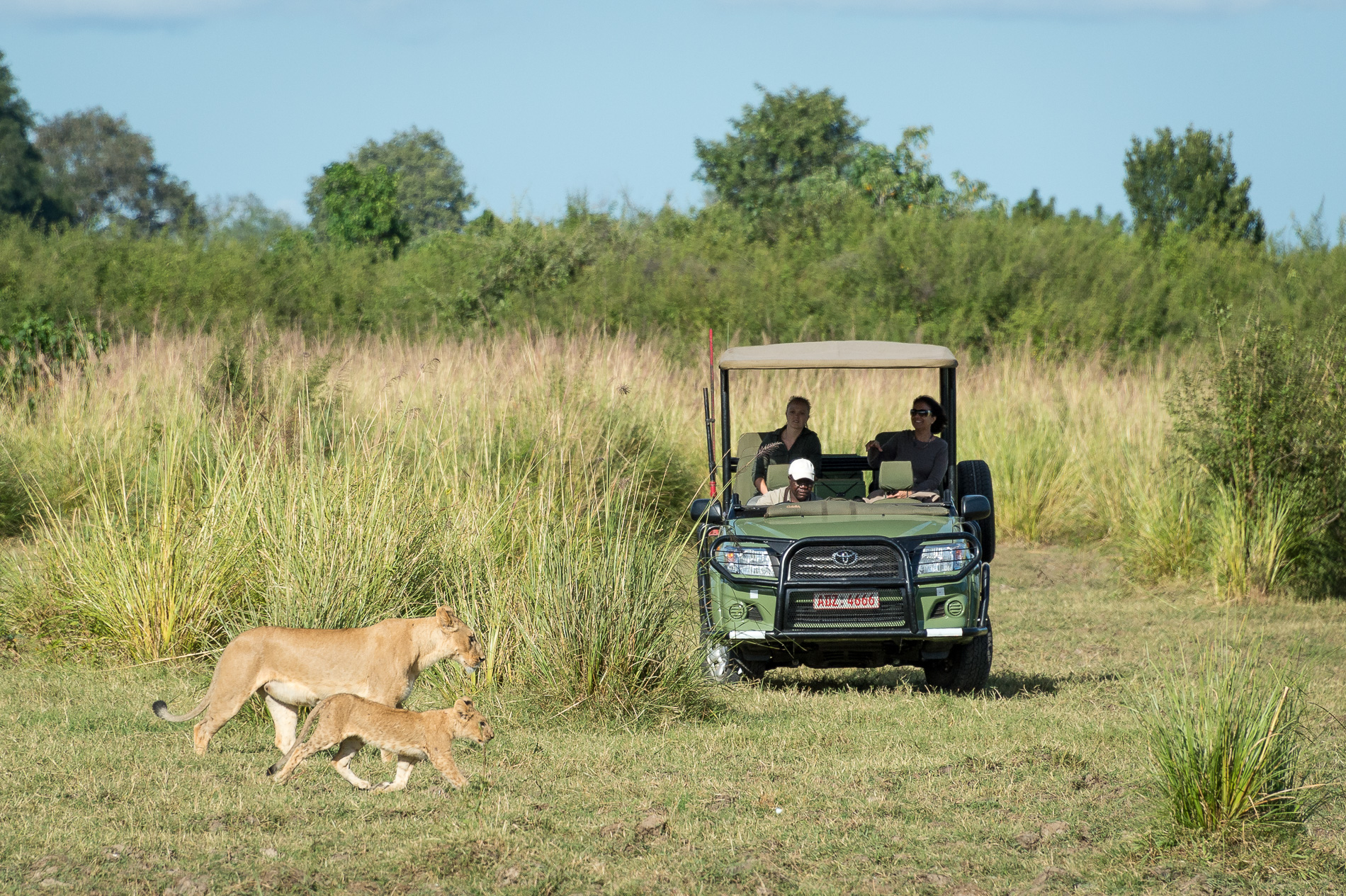
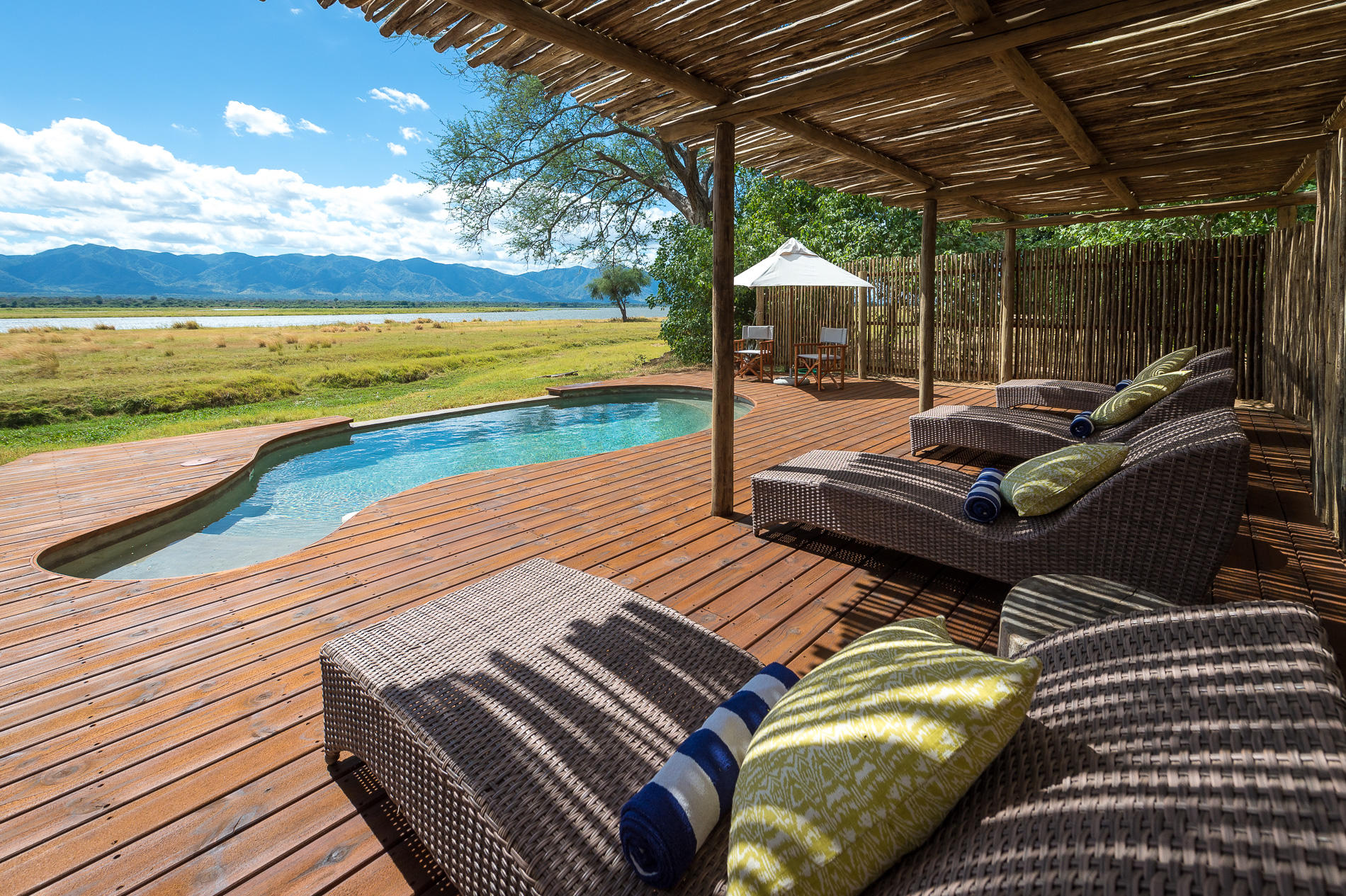
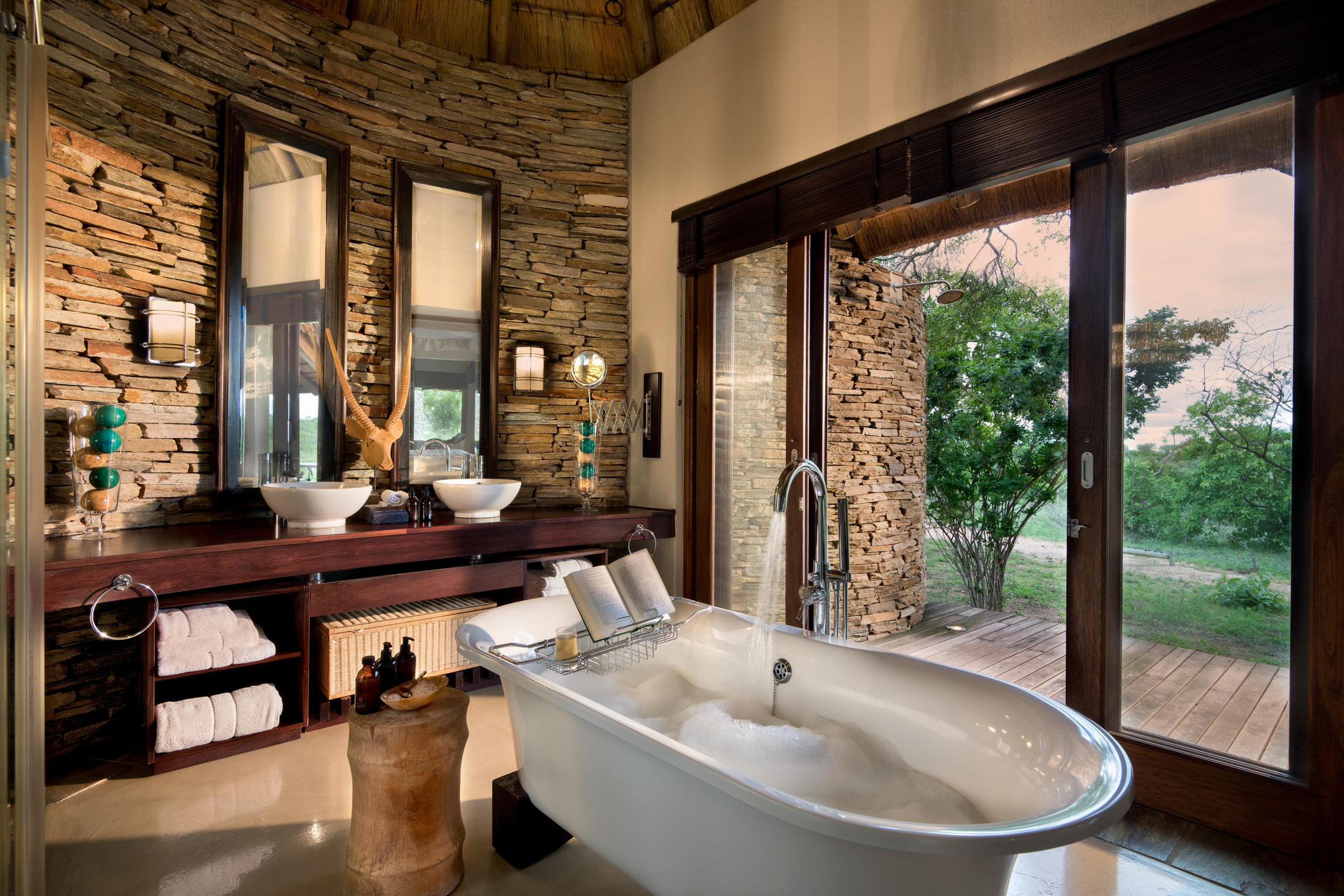
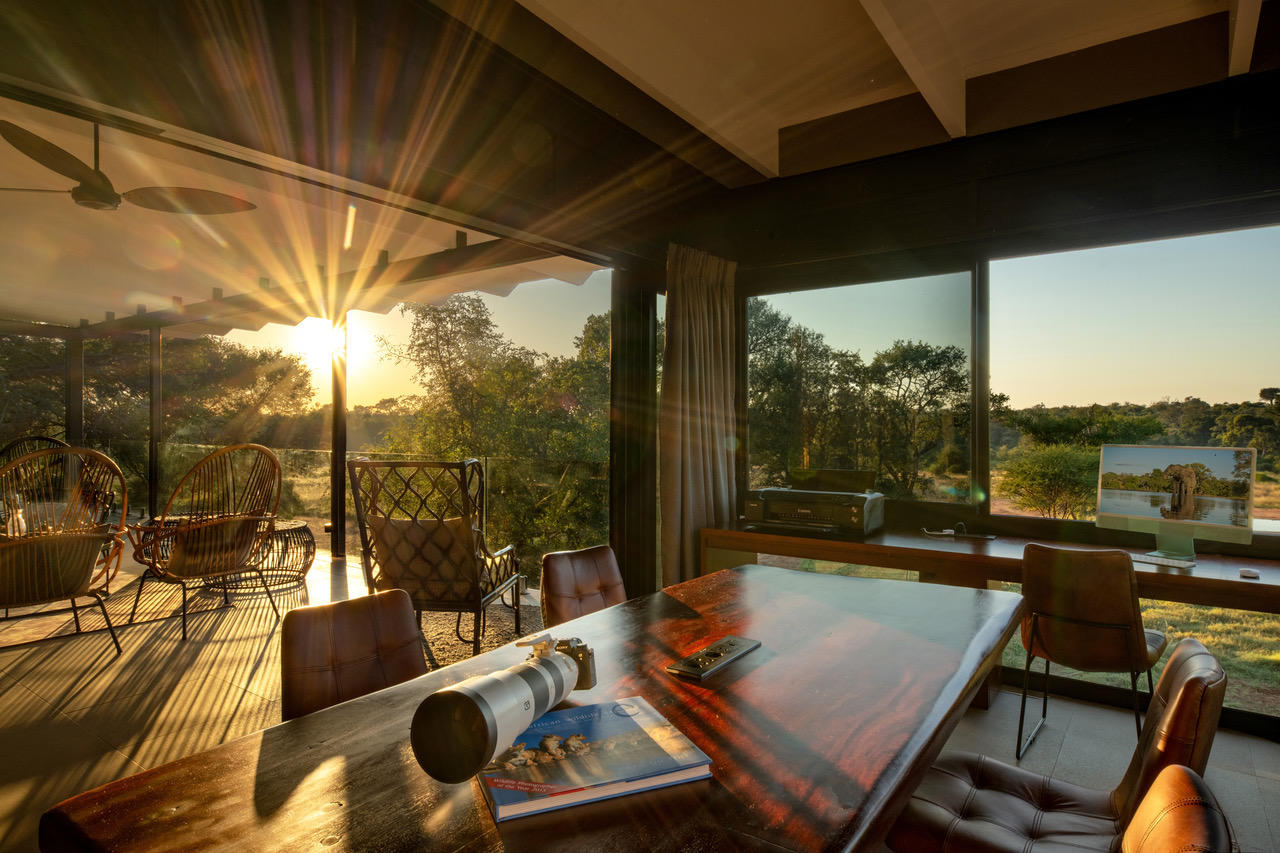
Eight luxury suites built from native wood, thatch and stone, each with a private deck looking out over a dam that serves as a permanent invitation to the wildlife of the reserve. Elephants, lion, leopard, wild dog, the full cast of the Greater Kruger — all seen without another vehicle in sight, because the section of Timbavati that Makanyi sits in is that private. The suites themselves are open-plan, light-filled and unhurried in their design — neutral tones, custom furnishings, gas fireplaces for the cool evenings, freestanding baths that you will absolutely use. Two honeymoon suites with private plunge pools for those who need no further encouragement.

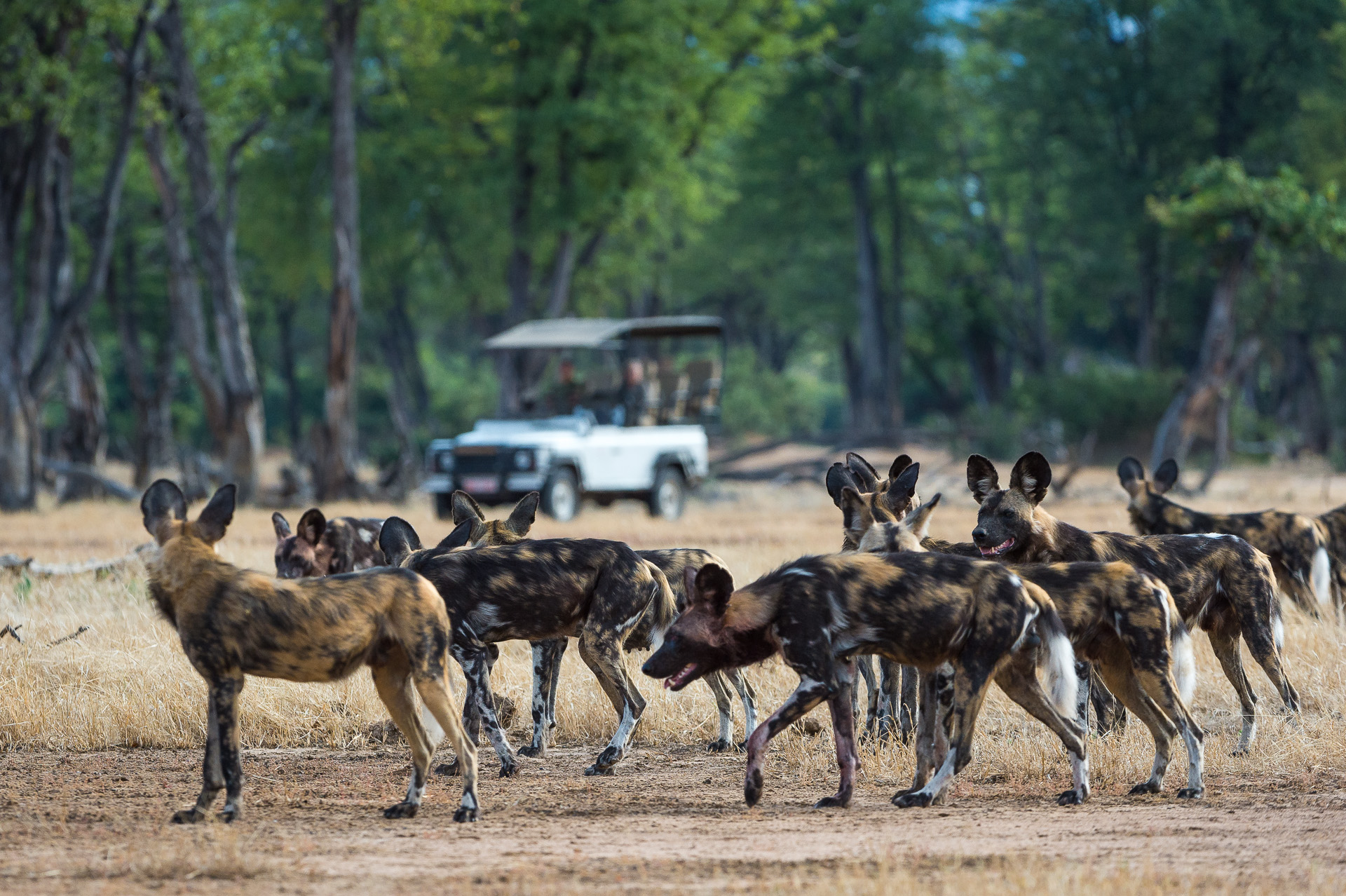
The guiding is the thing that serious safari travellers tend to come away talking about most. Guide Saki and tracker Robert have built a reputation in this part of the Timbavati for finding what other vehicles can’t — wild dog sightings in particular, which is a species that rewards patience and intimate reserve knowledge in equal measure. Off-road access on a private concession means you go where the animal is, not where the track permits. It sounds like a small thing until you’re the vehicle that follows a leopard into thick bush while everyone else watches from the road.

The wine cellar deserves its own mention because at Makanyi it has clearly been taken seriously by someone with strong opinions. South African wines, selected with actual care, served at sundowners that the rangers occasionally upgrade with a wine tasting stop in the bush — a detail that guests describe with a frequency that suggests it has become something of a signature.

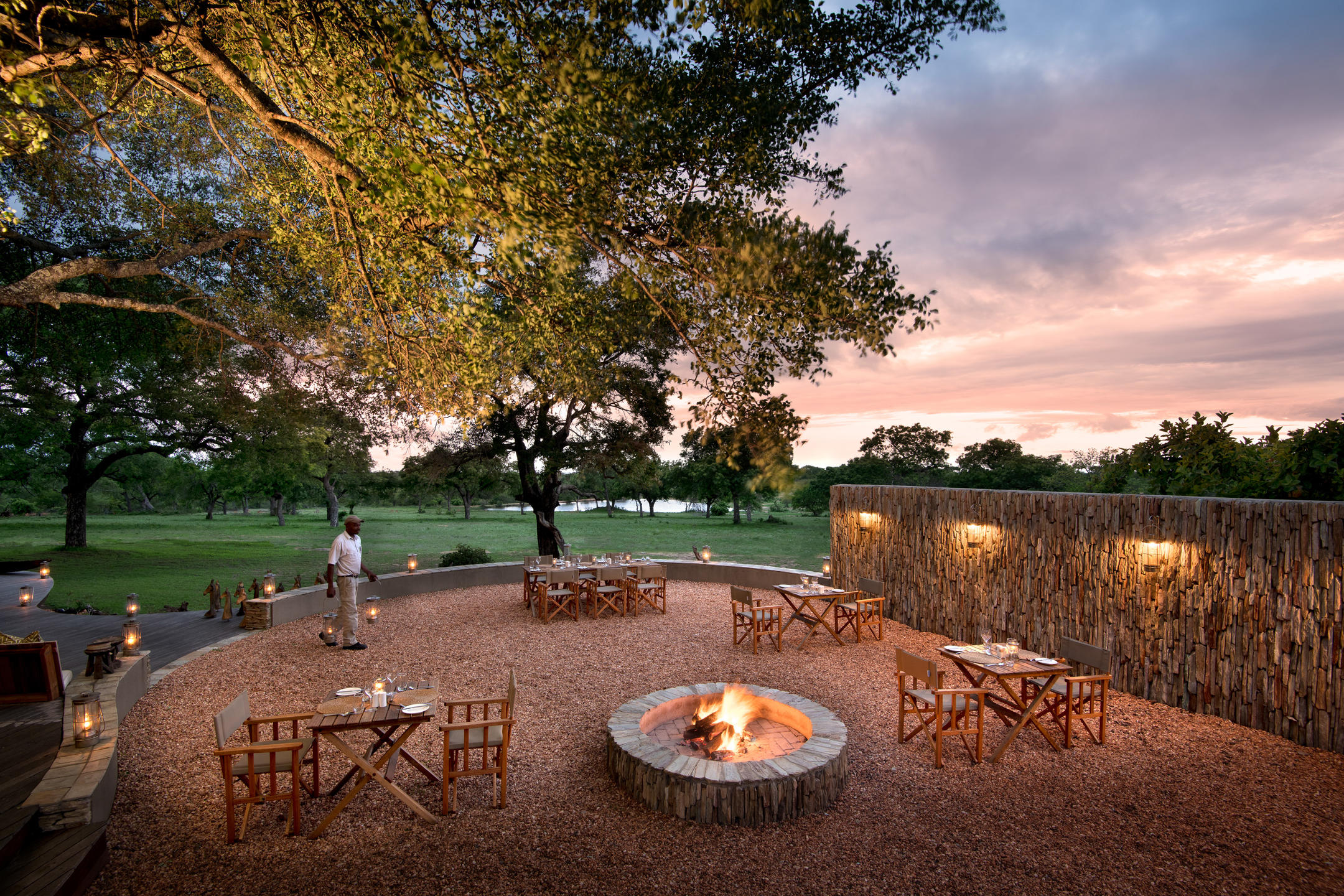
Chef Amos runs a kitchen that has attracted the kind of reviews that lodge kitchens almost never get. Every meal — and guests are specific about this — is fresh, considered and genuinely good. He comes out of the kitchen to talk to guests at every meal, which tells you something about the culture of the place. It’s a lodge where the people who work there are invested in it in a way that tends only to happen when ownership cares.

Makanyi sits in a section of the Timbavati that the reserve itself describes as incomparable. Given what the Timbavati as a whole offers, that’s not nothing.
The Timbavati — The Quiet Side of Kruger

Most people, when they think of a South African safari, think of the Sabi Sand. And fair enough — it’s extraordinary. But there’s a reserve sharing its western border with Kruger that has been quietly going about its business since 1956, with fewer lodges, lower vehicle density, and a backstory that the Sabi Sand simply can’t match.

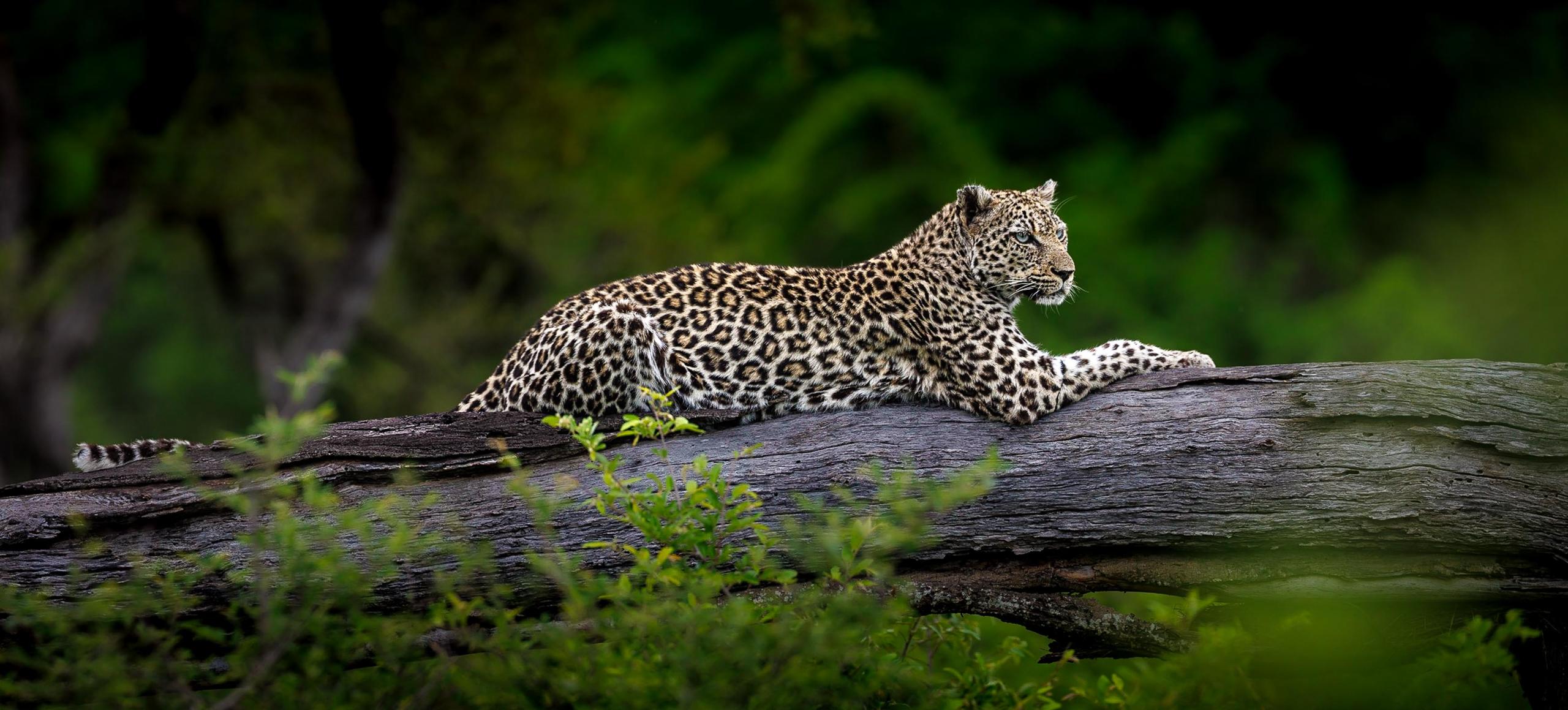
The Timbavati Private Nature Reserve covers 53,000 hectares of wilderness in Limpopo, sitting unfenced along Kruger’s western boundary. That unfenced border matters. It means animals move freely — elephant, lion, leopard, wild dog — across a combined ecosystem of 400,000 hectares, with no wire to interrupt them and no artificial concentration of wildlife around a lodge waterhole. You find them where they are, which is how it should be.

The name comes from the Xitsonga language: “the place where something sacred came down to Earth from the Heavens.” It’s a dramatic name, but the Timbavati earned it. In 1975, a researcher named Chris McBride was leading a project in the reserve when something happened that had never been recorded before. A lioness gave birth to white cubs. Not albino — leucistic, with pigmented eyes and pawpads and a coat the colour of winter grass in pale light. The world took notice immediately, and not always for the right reasons.

McBride’s book, published in 1977, brought global attention. What followed was less triumphant. White lion cubs began disappearing — captured for zoos, hunting facilities, private collections. The gene carriers were selectively removed from the wild population. By the late 1990s, white lions were effectively extinct in their natural habitat — the very place they had evolved. It took decades of advocacy, led in large part by a documentary researcher named Linda Tucker who had her own remarkable encounter with white lions in 1991, to bring them back. Reintroduction efforts eventually succeeded. Cubs were born again in the Timbavati in 2006, 2008, 2009, and 2011. In 2018, three new white cubs were born to the Birmingham Pride within the reserve. And then, in early 2026, a three-month-old white cub was discovered in a den along the Zebenine Riverbed — the first white lion born in the Timbavati in over a decade. A literal one-in-a-million event, given the recessive gene must be carried by both parents to produce a white cub.

That’s the thing about the Timbavati. It carries its history in a way that very few wild places do.

But the white lions are only part of the story. The reserve is home to exceptional wild dog packs, prolific elephant herds, and the full complement of big cats — all experienced with a fraction of the vehicle pressure you’d encounter in some busier reserves. The landowners who formed the Timbavati Association in 1956 made a deliberate choice to limit the number of lodges operating in the reserve, and that decision has compounded in value ever since. There are only eighteen lodges across 53,000 hectares. The maths speaks for itself.


The lodges themselves — and we’ll profile three of the finest in this series — are not the famous names. They don’t need to be. Kings Camp, Tanda Tula and Makanyi have built their reputations quietly, through exceptional guiding and the kind of personal service that only comes from small, focused operations with something to prove.
This is not the loud, well-marketed side of the Greater Kruger. It is, by some distance, the better one.

Singita Kwitonda — Where the Mountain Comes to You

Rwanda surprises people. They arrive expecting something — usually a vague sense of the continent’s familiar safari rhythms — and find instead a country that is green, cool, mountainous, and unlike anywhere else they’ve been. Kigali is spotless and orderly. The roads work. And in the northwest, rising out of mist-draped forest on the edge of Volcanoes National Park, Singita Kwitonda is waiting.

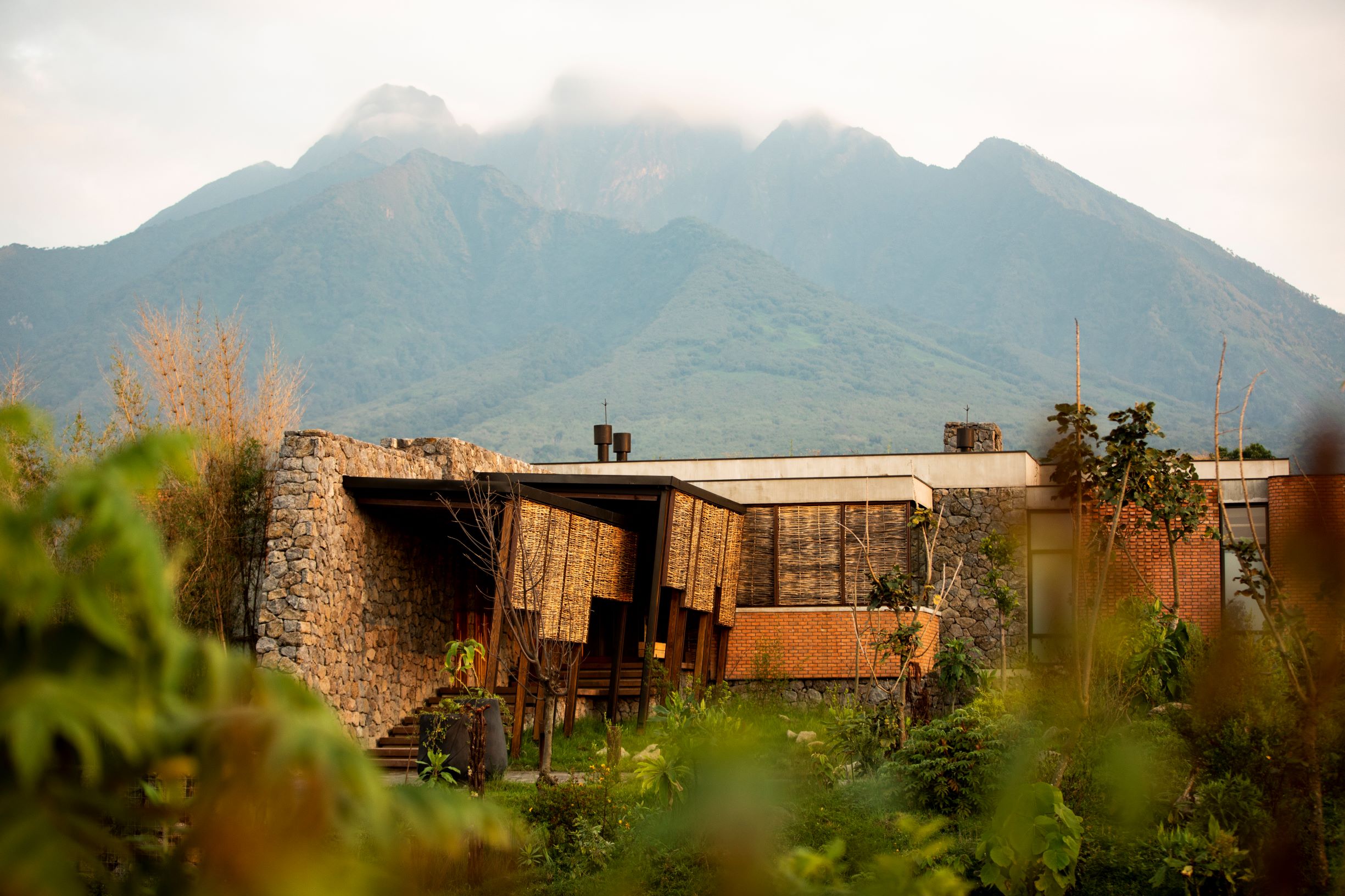
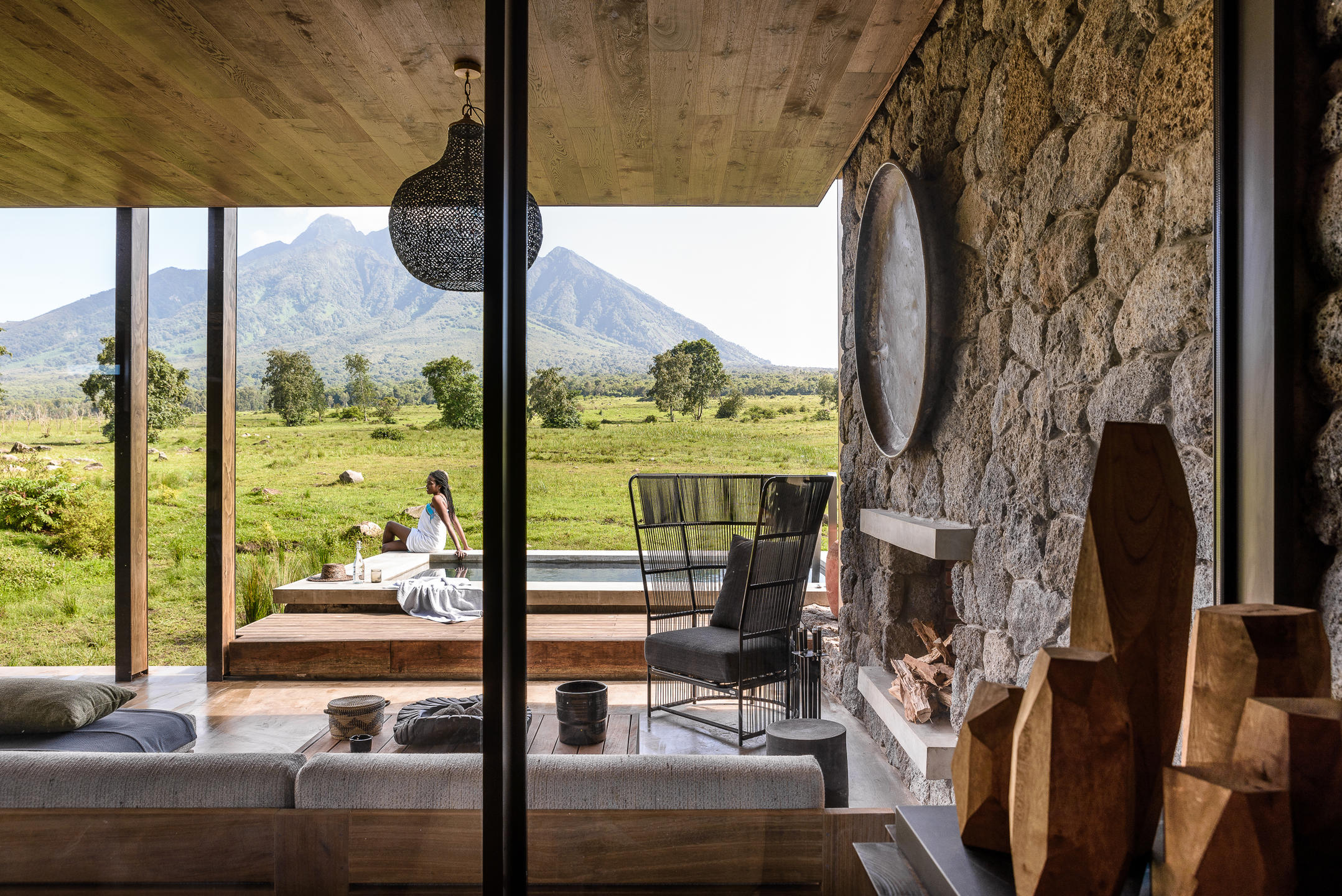
The lodge sits on 178 acres that share a direct boundary with the park — a detail that sounds like marketing copy until you understand what it actually means. The gorillas are not somewhere out there beyond a gate and a long drive. They are, in the most literal sense, next door. On a clear morning, standing on your suite’s private deck with a cup of coffee and views of the Sabyinyo, Gahinga and Muhabura volcanoes filling the horizon, that proximity feels almost implausible.

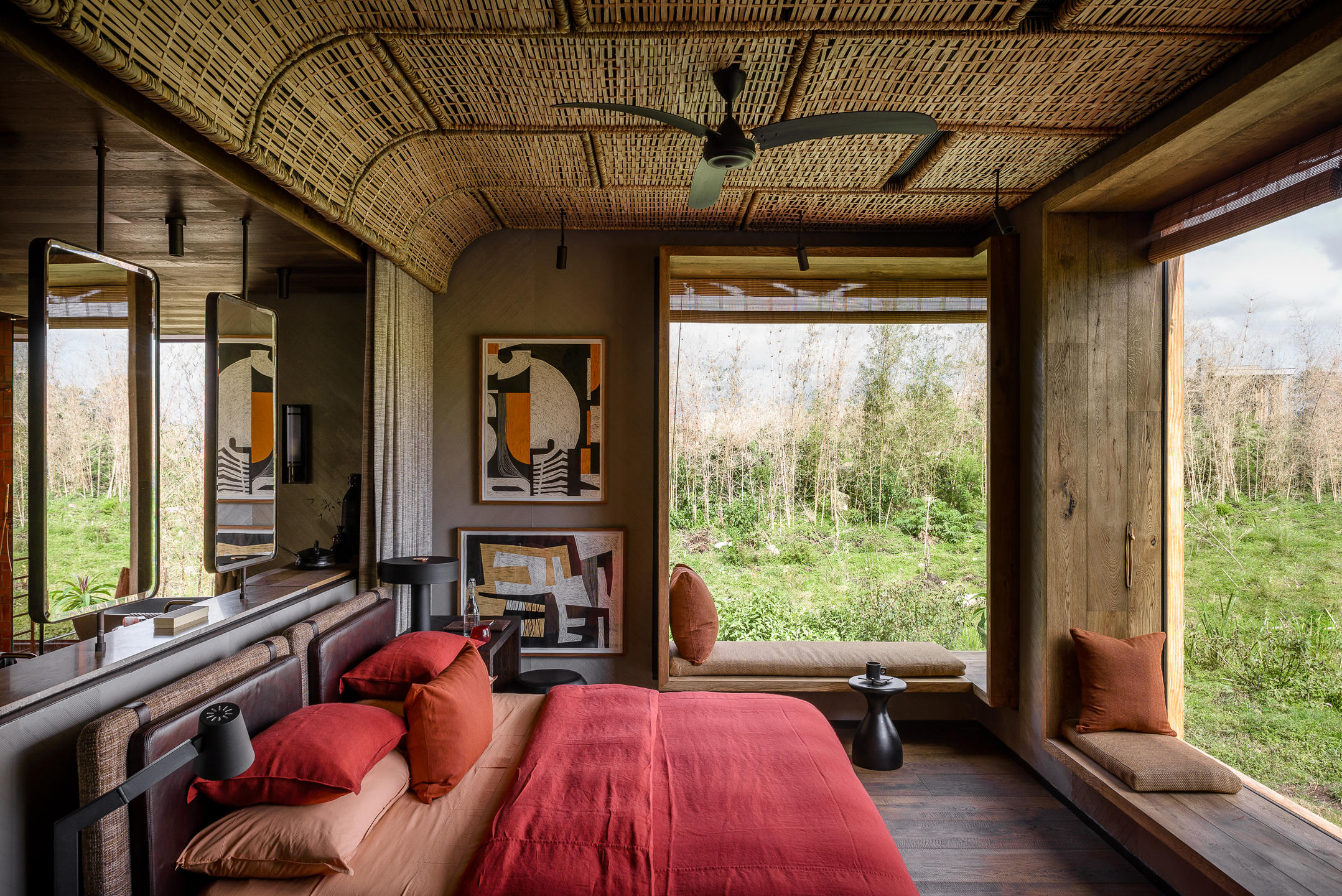
Eight suites, each with a heated plunge pool and both indoor and outdoor fireplaces — because at 2,000 metres above sea level, the evenings are cooler than most guests expect. The interiors draw on Rwandan craft traditions: woven ceilings, hand-fired terracotta brickwork made by local artisans, timber-framed windows wide enough to make the landscape feel like a living room fixture. It is unmistakably Singita — precise, considered, nothing wasted — but it wears Rwanda on it in a way that feels genuinely earned rather than decorative.

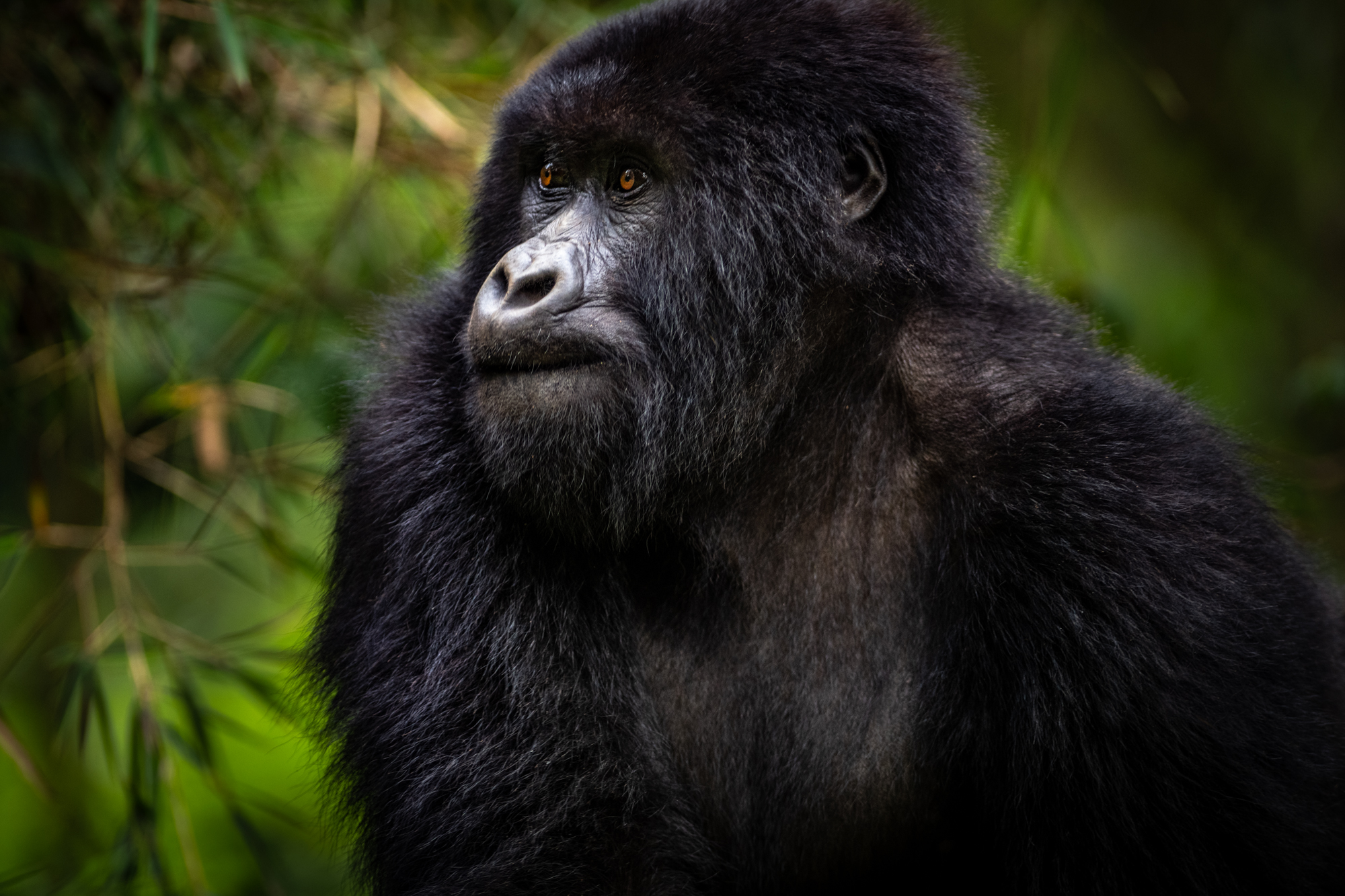
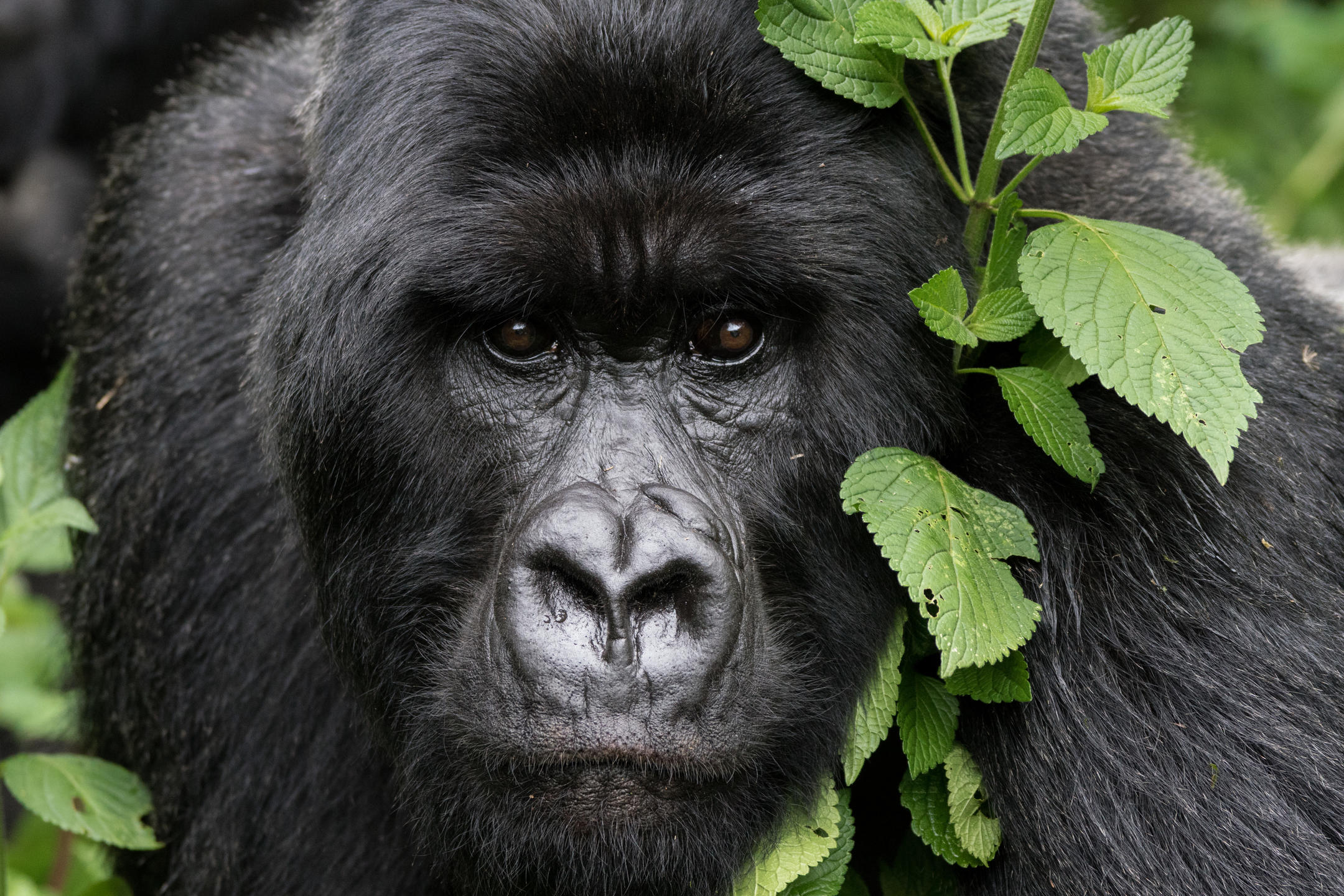
The gorilla trek is, of course, the reason most people come. An early start, a drive to the park headquarters, a briefing, and then you’re on foot into the forest. The terrain varies — some days it’s relatively gentle, other days you’re pulling yourself up through dense vegetation on a steep volcanic slope — and nobody can tell you in advance exactly how long it will take. The gorillas are where they are. When you find them, and you will, the hour you’re permitted to spend with them passes in approximately four minutes. This is not an exaggeration. It is, for many people, the most affecting wildlife experience of their lives. The scale of them, the intelligence in their eyes, the complete indifference with which a silverback regards you — it rearranges something.

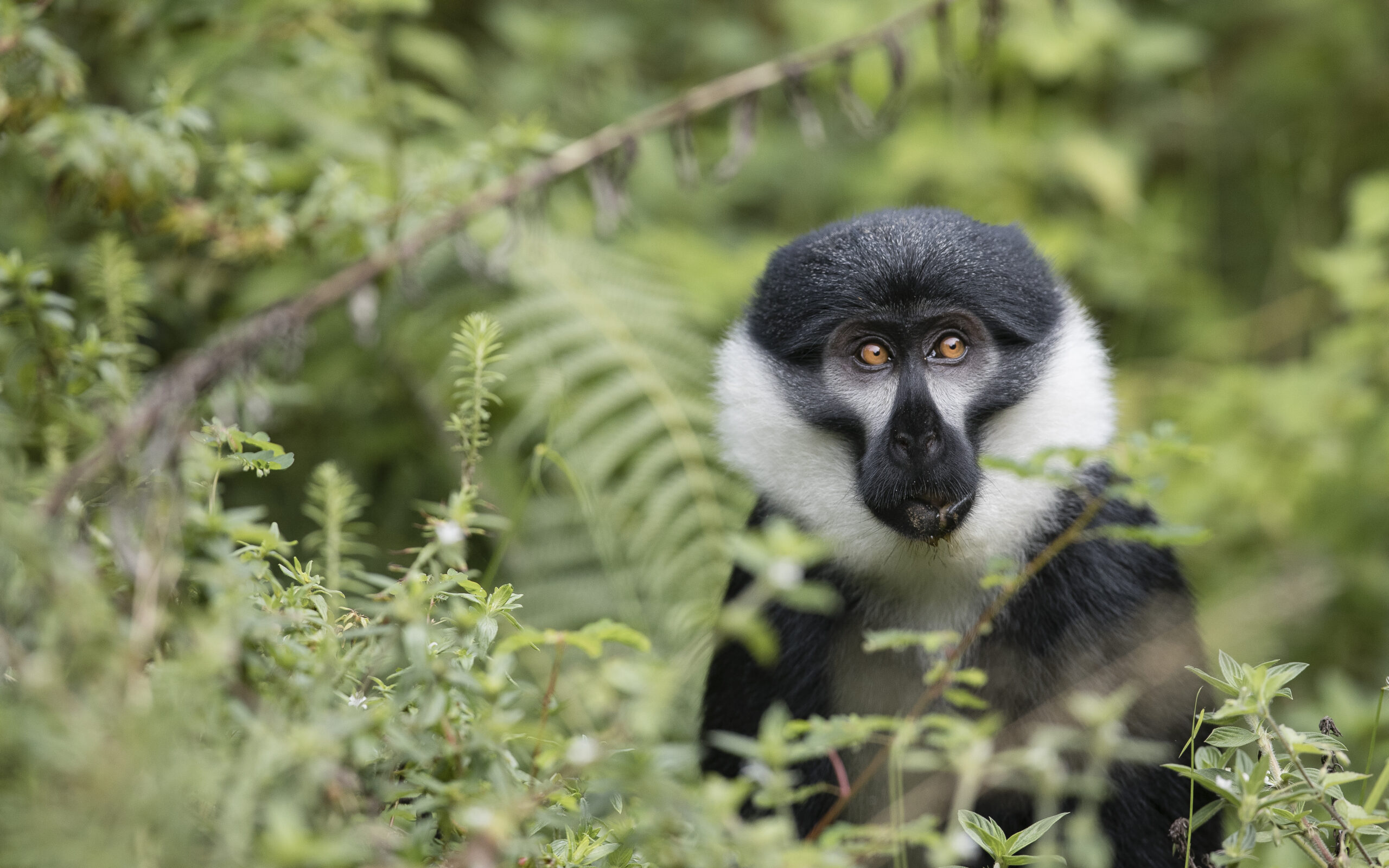
But Kwitonda is not purely a one-trick property. The conservation lounge traces the story of the land from Dian Fossey’s research through to the ongoing work to expand gorilla habitat — Singita is actively working to convert agricultural land on the park’s border back into forest. Golden monkey trekking offers a different but equally compelling primate experience. There are cultural visits, walking trails through eucalyptus forest, and a kitchen garden that supplies a meaningful portion of what ends up on the plate.

The name deserves a mention. Kwitonda was a silverback gorilla known for his gentle nature and quiet authority, who roamed these forests for years before his death. The lodge was named in his memory. It’s a small detail, but it tells you something about how Singita approaches this particular place. They’re not just running a luxury property adjacent to something remarkable. They’re trying, with genuine seriousness, to be part of what keeps it remarkable.

For the right traveller — curious, physically willing, and open to an Africa that looks nothing like the one on most safari brochures — Kwitonda is quietly unmissable.

An Arrangement With Elephants — Ruckomechi Camp, Zimbabwe

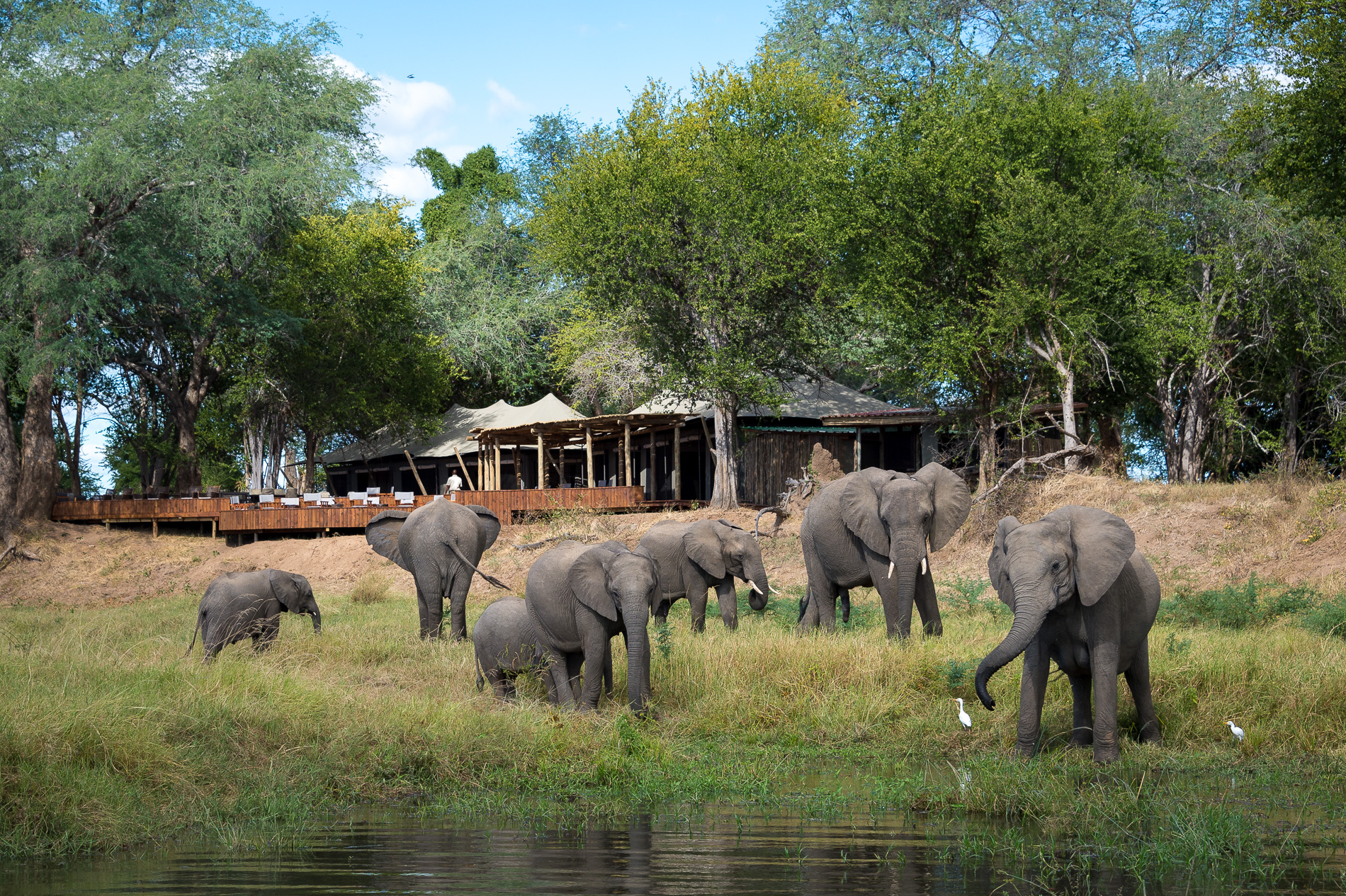
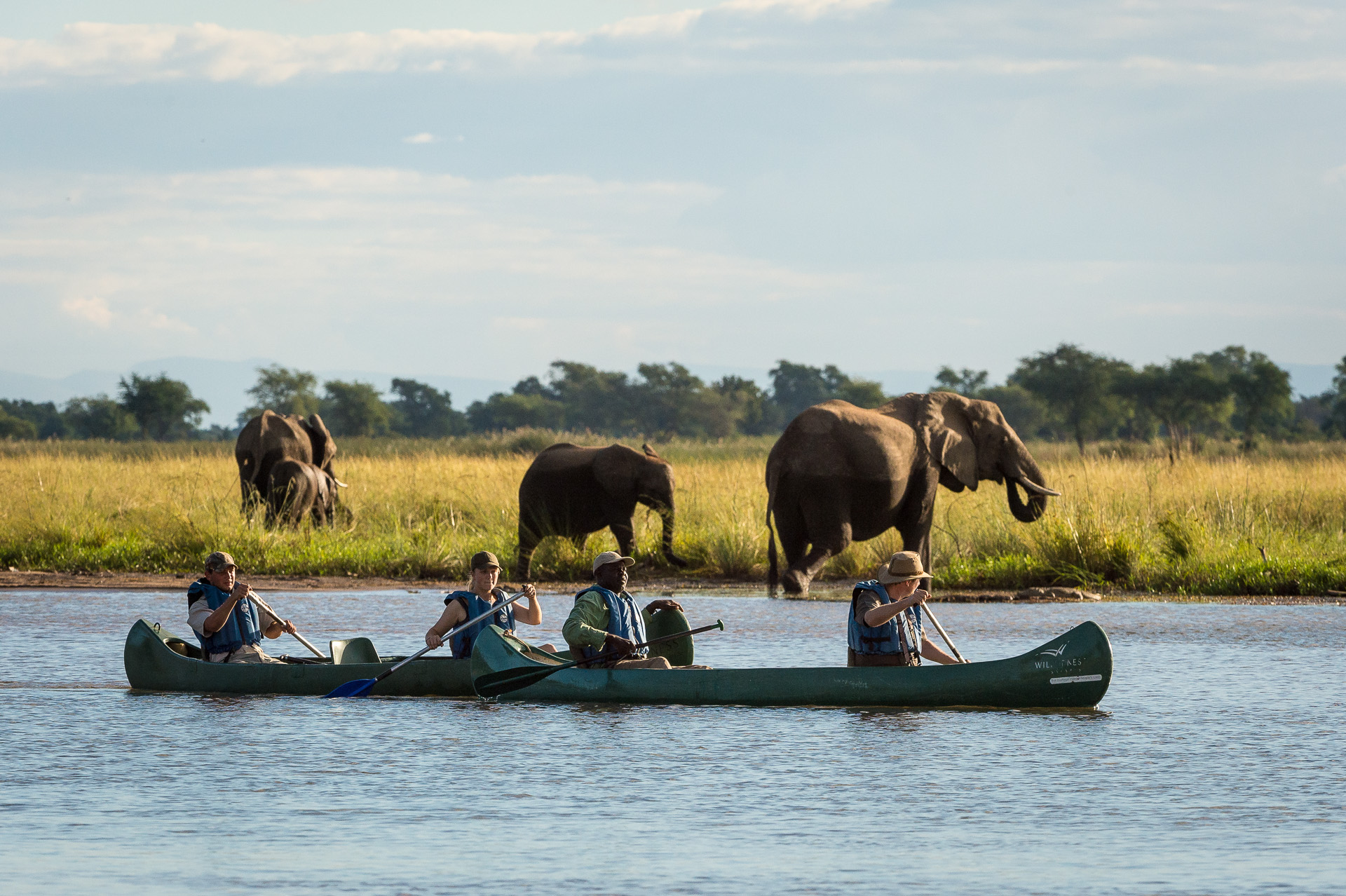
There is a particular tree along the Zambezi’s floodplain — the apple-ring acacia, known locally as the albida — that drops its seed pods in the dry season at precisely the moment the rest of the bush has nothing left to offer. Elephants have understood this for longer than anyone has been keeping records, and they organise entire days around it. Ruckomechi Camp, tucked into a private concession on the western edge of Zimbabwe’s Mana Pools National Park, happens to have been built beneath a particularly fine grove of them. Which means, in practice, that the elephants come to camp. Not occasionally, and not as a curiosity laid on for the cameras. As a matter of routine, the way one might call in at a regular café.

It takes most guests a day or two to stop being startled by this. A bull will wander between the tents at midday, entirely unbothered, working through a low branch with the unhurried focus of someone who has done this ten thousand times before. The camp’s answer is not to intervene but to make room — chairs angled politely out of the way, conversations paused mid-sentence, nobody especially alarmed. Mana Pools is one of the very few places in Africa where this kind of proximity is considered not reckless but simply how the wildlife works here, on its own terms, with people permitted to watch from close enough to feel the air move.

The wider floodplain is where Ruckomechi properly reveals itself. Wide, flat, threaded with the kind of ana forest that gives Mana Pools its particular green-gold light, it draws an unusual concentration of predators through the dry season — lion, leopard, and increasingly, African wild dog, which have found a stronghold here that has become one of the most reliable in the region. Walking safaris move through this landscape at the pace it deserves, led by guides trained to read a floodplain the way a sailor reads weather, while canoe safaris drift down a stretch of the Zambezi so still in places that the only ripples are the ones you’ve made yourself.

What separates Mana Pools from the rest of the Zambezi valley is its UNESCO World Heritage status, granted not for grandeur but for the specific, irreplaceable ecology of this floodplain system — and Ruckomechi’s private concession plays an active part in protecting it, funding the anti-poaching patrols and research that keep the wild dog population recovering rather than retreating. None of this is advertised loudly. It simply happens, the way the elephants simply arrive, as part of an arrangement that long predates the camp and will presumably outlast it.

In the late afternoon, with the heat finally loosening its grip and the floodplain turning the colour of weak tea, it becomes easy to forget that any of this required explaining. The elephants are not performing for anyone. They were here first, and they have simply allowed the camp to stay.

Hoanib Skeleton Coast: Desert Lions, Distant Horizons, and the Luxury of Silence

Safari lovers often talk about sound — the roars, the rustles, the unending nighttime chorus. But Hoanib Skeleton Coast Camp flips the script with a different kind of sensory experience: profound, resonant silence. The kind that expands inside you. The kind that makes a single footstep feel like punctuation in an otherwise blank poem.

Set in one of Namibia’s most remote valleys, Hoanib lies at the intersection of desert, mountains, and the unseen pull of the Atlantic Ocean. At first glance, the landscape appears empty. Your eyes skim over pale dunes and ochre ridges, dismissing them as barren. But Hoanib rewards patience, not haste. Shapes resolve slowly: a lone elephant threading its way along a dry riverbed, a pair of oryx holding still in perfect desert camouflage, a fresh track hinting at the improbable wanderings of a desert-adapted lion.

Days here unfold with an exploratory rhythm. Drives trace ancient river systems carved by rains that may only come once in several years. You follow stories written in sand, piecing together the nomadic lives of animals that survive on astonishingly little. If conditions allow, the journey toward the Skeleton Coast is among the continent’s most surreal drives — a cinematic transition from shimmering dunes to the fog-laden wildness of the Atlantic, where shipwrecks tilt like abandoned punctuation on an unfinished sentence.

Inside camp, the minimalist architecture mirrors the desert: calm, tonal, grounded. Canvas, stone, and pale wood create a sanctuary that amplifies the surrounding quiet rather than competing with it. Meals are unhurried, evenings candlelit, and nights filled not with noise but with space.

Hoanib isn’t about abundance. It’s about revelation. It teaches you to look harder, listen deeper, and appreciate the astonishing resilience of life where it shouldn’t logically thrive. And in doing so, it reshapes your definition of wilderness itself.

Saseka Tented Camp: Where Light Learns to Behave

Some lodges borrow from the bush. Saseka seems to collaborate with it.

Sitting on the banks of the Monwana River in Thornybush, Saseka is one of those rare camps where architecture stops being a backdrop and starts participating in the safari itself. The tents — if one can call them tents without stretching the definition to its upper limit — are floating canopies of patterned shade, soft fabric, and impossibly photogenic angles. It’s as if someone stitched together dappled sunlight and suspended it overhead.

Step inside and you’re met with a design language that’s both bold and quiet. Monochrome palettes soften into warm wood textures; sculptural furniture curves in the same rhythms as the surrounding bushwillows. Your suite feels less like a room and more like a mood — one that shifts subtly throughout the day as the Klaserie light moves across the floor.

But for all its glamour, Saseka doesn’t forget where it is. Just beyond the glass, nyalas graze with the casual entitlement of animals who know they were here first. Elephants drift along the riverbed, pausing occasionally to give you a glance that feels mildly evaluative. The wilderness is close, unavoidable, and deeply grounding.

Game drives around Thornybush offer the classic Lowveld cast: lions on the prowl, leopards draped over the branches they pretend they chose purely for functionality, and rhinos that seem carved from the earth itself. The guiding teams weave expertise with ease — the kind of quiet professionalism that makes sightings feel earned rather than orchestrated.

Evenings at Saseka are a small study in atmosphere. Lantern-lit pathways, the hum of insects, dinner served beneath a sky that feels too generous with its stars. And, of course, that unmistakable sense of being wrapped in design without ever feeling removed from the wild.

Saseka is safari reimagined — an ode to clean lines, good light, and the gentle art of letting the wilderness take centre stage while still offering you a front-row seat.


Ngala Tented Camp: Where Silence Has a Shape

Some camps arrive with a flourish. Ngala Tented Camp doesn’t need to. Tucked beneath a line of ancient river trees along the banks of the Timbavati, it feels less like a lodge and more like something the landscape has been guarding for years — revealed only when you’re ready to notice it.

Ngala has always existed in that sweet spot between wild and minimalist. Canvas suites open directly onto the riverbed, where the daily cast of elephants, nyalas, and the occasional leopard drift past with the nonchalance of residents who pay no attention to human check-in times. The tents themselves are masterclasses in understatement: soft palettes, clean lines, and textures that let the wilderness do most of the talking.

And that’s Ngala’s quiet superpower — it knows when not to speak.

This is a camp that rewards the unhurried. Early mornings begin with the soft groan of branches stretching in the cool air, followed by coffee strong enough to stand up on its own. On game drive, the Timbavati reveals its subtler layers: the flick of a white tail through the thickets, a fresh drag mark across the sand, the unmistakable rasp of a leopard calling from somewhere just beyond the bend. The guides here have a knack for making the bush feel like a story unfolding rather than a checklist being ticked.

Afternoons stretch out in that dreamy, in-between way the Lowveld specialises in. You can sit on your deck and watch the river exhale as the heat deepens, or laze in the pool listening to the wind rehearsing through the jackalberries. Here, even doing nothing feels purposeful.

Evenings are lantern-lit and low tempo. Dinner might be under the fever trees or beside the water’s edge, each setting a reminder that Ngala’s real gift is the way it frames simplicity as luxury. No theatrics, no noise — just a deep, resonant sense of place.

Where some lodges make you feel pampered, Ngala makes you feel restored. The kind of refreshed that comes not from being entertained, but from being allowed to simply exist in a landscape that’s been doing fine for millennia without interruptions.

Ngala Tented Camp is safari distilled — quiet, thoughtful, and all the more powerful because of it.

Lemala Osonjoi: Ngorongoro Reimagined

The Ngorongoro Conservation Area is one of Africa’s most iconic and unique wildlife havens. This extinct volcano crater in Tanzania boasts an incredible profusion of wildlife, with its ancient volcanic soils providing the nourishment that brings in the herbivores, which in turn attract the predators like lions, leopards and hyenas.
Some of the most densely-packed game viewing on the continent is to be found on the crater floor!

Scheduled to open in 2025, Lemala Osonjoi Lodge is the latest addition to the Lemala portfolio and being conveniently located close to the Lemala Gate of Ngorongoro, provides a more gradual access road with game viewing en route.

The eastern quadrant of the Crater sees fewer visitors than the west, especially first thing in the morning and last thing in the afternoon – those critical hours when game viewing is at its best.

Lemala Osonjoi stands to offer guests unparalleled access to the world’s largest intact volcanic caldera that is Ngorongoro.

Positioned just back from the crater rim, Lemala Osonjoi is ideally located for early morning and late afternoon game drives, allowing guests to enjoy the environment without the crowds. The quicker descent to the crater floor is perfect for early risers or photographers in search of ideal light conditions. In just 10 to 15 minutes, you can be in and amongst the abundant wildlife that roams here.
For those seeking adventure beyond game drives, guided nature walks along the crater rim and through the nearby forests are available, led by an expert ranger and a Maasai guide team who will share their deep knowledge of the land.

After a thrilling day on safari, return to the comforts of Lemala Osonjoi’s luxurious suites.
With twenty spacious accommodations, including two-bedroom suites ideal for families or groups, each room is designed to blend elegance with comfort.
Picture windows allow the highland light to flood into the suites, offering guests breathtaking views of the surrounding forests. In cooler evenings, cozy up by the wood stove, wrapped in a winter-weight duvet, or indulge in the warmth of hot water bottles.


En suite bathrooms feature double vanities, walk-in showers, and even outdoor bathing options, creating a spa-like experience in the wilderness. The lodge also boasts an indoor heated swimming pool and a dedicated spa suite where guests can unwind with treatments from expert therapists.

Osonjoi’s Best Points:

  • Its proximity to the quiet eastern access road to Ngorongoro means fewer crowds and better game viewing during peak wildlife hours. What’s more, one of the lodge’s most unique offerings is a full day catered safari lunch on the crater floor, a rare privilege in this protected area.
  • From the spacious, beautifully designed suites to the spa and heated pool, Osonjoi offers the perfect blend of wilderness and luxury.
  • Whether it’s the early morning game drives or the guided walks with Maasai guides, guests are guaranteed unforgettable encounters with Africa’s most iconic wildlife.

Angama Amboseli: Elephant Heaven

With Mount Kilimanjaro – Africa’s highest peak – serving as its backdrop, Angama Amboseli creates an intimate and laid-back atmosphere in the heart of Kenya’s first community-owned conservancy; Kimana. Set within a forest of fever trees, Angama boasts some of the best guides in the region, as well as exclusive traversing rights on this private reserve – where some of Africa’s last super tuskers roam; elephants with tusks so large they drag along the ground as they walk.
This is truly Africa at its most quintessentially majestic.

With only ten Guest Suites in this private wildlife conservancy, Angama Amboseli is truly a respite from the world, and Amboseli National Park is only a 45-minute drive from the lodge to the gate, and is home to over 400 bird species and an array of wildlife.

Another contemporary take on African design with nods to the giants of this landscape — including concrete mixed with elephant dung for the unique exterior texture — each of the ten Suites is a mix of canvas, concrete and stone accented by woven rattan and grass, all in earthy, neutral colours. Each suite is orientated so that Kilimanjaro can be seen from nearly every corner — from the bed to the shower — while floor-to-ceiling screened doors are all that lies between you and the mountain.

The main Guest Area offers flexible indoor-outdoor dining with a baraza to wind down the days by the fire, telling stories with a drink in hand or marshmallows for roasting. The nearby Studios house a Safari Shop, Games Room, Art Gallery, Weaving Studio and a Photographic Studio, perfect for capturing Amboseli’s iconic scenes.

Kimana Sanctuary is the first community conservancy established in Kenya, and is owned by 844 Maasai family members. Thanks to its perennial water availability (fed by the snows of Kilimanjaro itself), the Sanctuary boasts the greatest habitat diversity and wildlife density in the area, with scores of eland, reedbuck, warthogs in their hundreds, as well with giraffe, zebra and wildebeest. Big cats are also regularly encountered.

Elephants are the real stars here as large breeding herds move in procession through the Sanctuary. There’s also a good chance you’ll see one of the famed Super Tuskers — elephants whose tusks weigh more than 100lbs each. Some of the last remaining Tuskers in Africa love to feed on the lush vegetation around the lodge.

Derived from the Maasai word for ‘salty dust’, Amboseli National Park is just a 45-minute drive from the lodge which guests can enjoy as a half- or full-day excursion with a picnic lunch at a private Angama spot. This is one of the best places in Africa to see huge herds of elephants marching single file across dusty pans or having a bath in the dry lake beds. In the savanna and woodlands, you may spot lion or cheetah, while in the wetlands, hippo, flamingo and an array of other local wildlife can be encountered.

Wake up to the sun illuminating Kili and after an early breakfast, depart for a full-day safari in Amboseli National Park. As you leave, visit the ‘pinch point’ — the smallest segment of a critical wildlife corridor.  Spend the day exploring the Park’s famous marshlands and dry lake bed looking for Super Tuskers. After a picnic lunch at a private Angama site, return to the lodge in time for a visit to the Studios. Dinner is served on the private patio of your Guest Suite as the moon rises slowly over Kili.

Your Butler gently wakes you with coffee before first light to catch your sunrise hot-air balloon flight. Float along with Kili, admiring the views below before touching down for a champagne breakfast. A much-needed siesta and lunch are followed by an afternoon with our conservation partner, Big Life Foundation — visit HQ for control room and camera-trap monitoring or go out with ranger patrols and canine tracking units. Enjoy your final evening sharing stories over a delicious dinner in the Guest Area.

Access to this magnificent lodge is very straightforward; there are daily scheduled flights with Safarilink landing at Kimana Airfield in the Sanctuary, as well as Amboseli National Park, about a 1h drive. Private charters are always welcome at the Sanctuary’s airfield, whether to or from the Mara or Nairobi.

Get in touch with us through info@iconicafrica.com to find out more about this unique safari which combines Africa’s giants; it’s highest mountain and its largest inhabitants, the elephants.


Mara Plains: Big Cat Heaven

SPECIAL OFFER

Enjoy some extra time at Mara Plains Camp free of charge! You will get one night for free when booking a three night safari at Mara Plains. This special offer is applicable for new bookings for arrivals between 11 January and 14 June 2025, and between 1 November and 19 December 2025. This special offer may not be combined with any other special offers.

Mara Plains Camp is a one-of-a-kind luxury Kenya safari camp. Located in the private 13,300-hectare Olare Motorogi Conservancy, just on the Maasai Mara National Reserve’s northern boundary, you are immersed in one of the most iconic wildlife destinations on the planet.

The community-owned conservancies set a new standard for game viewing on the world-famous East African grasslands. Vehicle regulations mean far more intimate sightings, and you are not surrounded by throngs of day visitors as you might be in other parts of the ecosystem. This part of the world offers some of the best big cat viewing we have ever experienced.

Mara Plains Camp is ideal for those seeking a luxury Kenya safari, as this intimate Great Plains Conservation Réserve-Collection safari camp offers you the finest in wildlife viewing paired with the absolute best in safari hospitality and wildlife guiding.

The Olare Motorogi Conservancy hugs the northern border of the Masai Mara National Reserve and is known for its high concentration of wildlife and for the fact it only allows five safari camps to operate within its borders. Mara Pains camp lies hidden among the lush green forested banks of the Ntiakitiak River. This tiny camp in the wild is unforgettably luxurious and inviting. It allows its guests to get remarkably close to nature without sacrificing comfort.

Staying at one of the Masai Mara conservancies has countless benefits, not just to you the safari traveller… but also to the local Maasai community, the lands and local wildlife. The arrival of each safari travel, which is limited to a small number at any given time, contributes to programs benefiting the Maasai people. It also contributes to the conservation of the area and to the employment of Maasai staff, guides and trackers. By staying at Mara Plains Camp you are in fact helping to better the lives of the Maasai who have lived on these lands for generations and contributing to the conservation of the lands and the wildlife roaming them.

Mara Plains Camp is a member of Great Plain Conservation. This initiative is dedicated to protecting endangered species and supports Kenyan initiatives such as the Maasai Olympics. Great Plains Conservation also supports conservation education by investing in kids’ camps and supports local female-owned businesses through sale of their handiwork in the camp’s bush boutique. The conservation program has also planted more than 2000 trees in the Masai Mara. This was done in an effort to help regenerate the ecosystem and bring back indigenous trees to the Mara Landscape

As you near the camp you will see the first safari tents appear amidst a thick forest along the Ntiakitiak Riverbend. After crossing a bridge across the river and climbing a few broad steps, you’ll look out over an endless horizon speckled by flat-topped acacia. The camp’s décor and design pay homage to the look and feel of Eastern Africa. A touch of Swahili heritage can be found in the lodge’s large wooden doors originally from the island of Lamu. There are also occasional splashes of red in the décor which are reminiscent of the great Maasai chiefs and warriors. The rich leathers, brass and copper used in the campaign-style furniture give the camp a very lavish, yet warm and comfortable atmosphere. During your stay you’ll be treated to delicious home-cooked cuisine, lovely fine wines and tasty cocktails. The camp is made up of a total of seven safari tents and can accommodate a maximum of up to fourteen guests at any given time.

Each of the seven traditional safari-style tents are raised on decks and feature marquis ceilings. Their muted tones make them blend into the countryside beautifully and each tent enjoys sweeping views of the savanna in the distance. The safari tents feature a comfortable king-sized bed or two twin beds, a sitting area, rough hewn wood floors, thick Lamu wood doors, en-suite bathrooms with lovely deep copper freestanding tubs and walk-in showers, a writing desk, safe and complimentary WiFi. You will also find one pair of Swarovski HD binoculars and a professional Canon camera body and lens kit for complimentary use. Families with children 6 years and older are also welcome at the camp and are welcome in the designated family suite. These tented suites feature two bedrooms, one with a king-sized bed and the other with a twin bed. The family suites have a common lounge area and a private verandah overlooking the savannah.


Activities at Mara Plains Camp

Mara Plains Camp has a very comprehensive set of activities for you to choose from during your stay. For starters, every safari drive (during prime sunrise and sunset hours) or bush walk will be a memorable one thanks to the camp’s professional Maasai guides that will be there to accompany you. The camp will also offer you the opportunity to enjoy lovely gourmet bush breakfasts or lunch in a scenic location in the wild to make your day extra special. Thanks to the wide variety of bird species in the area (over 300!), you’ll also have plenty of opportunity for birdwatching either during a bush walk or while relaxing at camp. Another great way to relax when back at camp is to enjoy one of the camp spa’s relaxing massages. To get a taste of local culture and traditions you’ll have an opportunity to meet the Maasai during a visit to a local manyatta (Maasai village). For a very high-flying safari adventure you can also choose to go on a hot-air balloon safari flight at an extra cost.


Mara Plains Camp stay 4 pay 3 special offer


GweGwe Beach Lodge: the Wildest Coast

If your idea of paradise involves unspoiled landscapes, pristine coastlines, and a symphony of nature’s wonders, then pack your bags and set your compass to GweGwe Beach Lodge in the Mkambati Nature Reserve. A hidden gem along South Africa’s Wild Coast, this is where luxury and adventure merge into an amazing fusion of beach activities and opulent lodge. There are not many places in the world you can watch wildlife on land and offshore at the same time.

You’ll feel miles from civilisation, yet have comforts like as wood-burning fires and South Africa’s top wines waiting after a day of epic adventures like paddleboarding to hidden waterfalls and rock scrambling through gorges.

The main lounge has floor-to-ceiling glass windows, and a roaring fire illuminates a huge mural representing a timeline of the area from the last hundred millenia. The ambient sound is the constant wash of waves on the shoreline. Whales breach out in the bay and dolphins explore close to the backline of the breakers. Guests gather for an evening under the stars as the sun dips slowly down in the west.

GweGwe Lodge is the ultimate combination of wilderness and luxury. Activities are almost endless: swim, hike, cycle, snorkel, kayak, SUP, spa, hot tub, game watch. It will be almost impossible to fit it all in during your stay.

Nine spacious rooms all have front-row views of the ocean. Rooms are so close to the water you can feel the mist of waves as you sit reading in your hammock. At low tide, one can walk a few hundred feet down to the tide pools.

The reed-like ceiling, sea foam green and turquoise bedding, and rammed earth-inspired walls channel a chic beach retreat. The shower heads in both the indoor and outdoor shower areas provide a truly luxurious shower. Rooms one and two are closest to the main lodge and access to the beach, but the others aren’t farther than a 10-minute walk from the pristine sands.


The lodge has an impressive wine cellar exclusively devoted to local vineyards. Meals are wonderfully varied; one lunch might be a picnic of grilled chicken wraps and beef skewers, the nexxt a buffet of  mini grilled sliders, roasted pumpkin and avocado salad, and pizzas cooked in the wood-fired pizza oven (a hit with kids). Teatime is full of delicacies but more often than not you’ll find yourself out on some adventure or another. Dinners on outdoor tables facing the ocean are superb (weather permitting). Rooms are well stocked with drinks and snacks, and it’s a simple matter to get a bottle of wine sent down..

Mkambati is an unspoiled natural wonderland of diverse ecosystems ranging from coastal forests and grasslands to mangroves. It’s found in the heart of the Maputaland-Pondoland region, one of South Africa’s three biodiversity hotspots. Because there is no dangerous game in the reserve, guests can hike, trail run or mountain bike without a guide and spot zebra or eland grazing. The reserve fronts a marine protected area world-renowned for its sardine run each June and July, and the surrounding beaches are riddled with tidal pools full of weird and fascinating sea creatures. The waterfalls are some of the most dramatic on the planet – some of them flow right into the sea – and adventurous guests can explore them up close via a kayak or paddleboard.

The ecosystem is so tailor-made for exploration that jumping in a vehicle is almost the last thing guests will want to do.
The excellent guides are wonderful at encouraging all manner of activities that involve self-locomotion, like kayaking, snorkelling or nature walks, and for those who seek a bit of additional fitness after or between activities, there is a fantastic gym on site.

For couples, those who seek adventure or families with kids who like to roam, GweGwe Beach Lodge is absolutely ideal.

This stretch of coastline that is as untamed as it is beautiful; between the dramatic cliffs, tumbling waterfalls, pockets of dense swamp forest and crystal-clear waters, there’s so much to see and do that at the end of each day you will be fast asleep within seconds of your head hitting the pillow, lulled to sleep by the soft wash of the Indian Ocean.

Get in touch with us through info@iconicafrica.com to find out more, and especially how to combine GweGwe Lodge with your broader safari itinerary…

Photography Tips & Tricks: What to Look for When Photographing Predators

Paw, Tail, Ears, Eyes.

That’s it. The Magic Formula.

When photographing big cats – but not just them, not by any means – there are a few boxes to tick to really make the photo pop. We’re thinking broad picture now, zooming out and looking at the whole animal, and more specifically as it’s walking.

That is the key word here: “walking”. Some of these pointers apply in other situations, but all four are only really applicable when the animal is walking and its full body is visible.

Now, I only learnt this whole quadfecta (whats one up from a trifecta?) late in the game, but it makes so much more sense now why some photos are more eye-catching than others.

Have a look at this picture of a lioness seemingly approaching the vehicle (she had seen an antelope in the thicket on the far side):

Ntsevu Lioness Stalk

Her expression is fairly intent, and it’s hard to tear your eyes away. But WHY is it an appealing photo?
Let’s go through it according to the formula:

Eyes: Both open. Pupils Visible. Eye glint.
Ears: Both pointed forward. Crucial.
Paw: Raised, implying movement and therefore heightening the sense of anticipation in the photo.
Tail: Visible, ideally in mid-flick or movement.

It’s tricky to get all four lined up at the same time, but that’s exactly why it’s so much harder to capture a truly eye-catching image.
The following photo of lionesses walking down a road illustrates it nicely:

As one goes back down the line however, the lionesses don’t quite make the cut. The second one is almost there, but her right ear is twisted slightly backwards, so we have to be brutal and disqualify her.
The third female has her ears back, her eyes closed and her tail isn’t visible, so she’s a massive sub-par for the course.

It’s the same for this leopard photo:

Mashaba Leopard

We can’t make an animal do what we want, but just remember the above four things to look for when photographing wildlife on the move; put your camera on high frame-rate and take a few more pictures and hope for the best.
And when browsing through your images in Lightroom after the event, you’ll now know which ones to look for…

Hinkwenu for Thanksgiving

Hinkwenu!

Thanksgiving is all about Hinkwenu: togetherness. The togetherness we feel around a table while sharing a meal, around the campfire, around the living room, around each other. We are grateful for Hinkwenu, particularly at this time of year when we remember our blessings, friendships, and good fortune.

In the United States, we give thanks around the dinner table with a hearty meal complete with family favourites – turkey, sweet potatoes, stuffing, cranberries, and pumpkin pie. We share in the spirit of gratitude for family, good health, and fall harvest, not forgetting that many countries have their own version of Thanksgiving celebrations.

England celebrates a bountiful harvest with music and food festivals in the fall months. Joaquim Nabuco brought US traditions to Brazil in 1940s, establishing the day with a carnival, church services, and parades. Canada gives thanks on the second Monday in October by hosting a traditional feast of turkey, mashed potatoes, corn, pumpkin pie, and cranberry sauce. In Mid-Autumn Festival in China, a three-day celebration includes a feast with mooncakes, dragon dancing, and lantern lighting. Korean Thanksgivings involve a three-day holiday during which people visit their ancestral hometowns to prepare a traditional rice cake –  songpyeon – to celebrate.

This year, I think of the many aspects of Africa that bless me with each visit: the unrestricted wildlife, vast savannas, lush rainforests, dramatic mountains, arid deserts, and pristine beaches. The warm weather. The sense of community – Ubuntu – permeates through the continent. The delicious cuisine: chakalaka, Moroccan stew, koki corn, and pilau. The sense of freedom. The deep connection to the land and vistas.

With a heart filled with gratitude, I extend to you the opportunity to express your appreciation for the iconic nature of Africa. As many Thanksgiving celebrations extend past the table and onto acts of charity, sharing time with family and friends, congenial sporting events, and decorating the mantle with pomegranates, leafy boughs, and spiced oranges, my Thanksgiving celebration includes contributing to the place where I feel most connected – the place I think of as home.

And, I invite you to do the same: your philanthropy to Iconic Africa’s Foundation demonstrates a genuine commitment to the conservation of Africa’s breathtaking wilderness and the people who care for it and live amongst it. Your travel with Iconic Africa assures wilderness conservation and the alleviation of poverty on the continent: protect rhinos, conserve lions and their habitats, create green energy, support ecological research and widespread education, as well as development in rural communities.

November presents a time to express generosity of spirit. We invite you to extend the kind of gratitude that making lasting, positive change to a unique part of our world.

Celebrate Hinkwenu.

Celebrate Africa.

Iconic Africa Wins Another Award

We’re thrilled to announce that Iconic Africa has won yet another honour in the annual LUXLife Travel Awards, this year being announced as the 

Best Global Boutique Safari Business 2024

LUXLlife focuses on a range of topics within the luxury lifestyle industry, and with their circulation extending to almost 100 000 readers, we are incredibly excited to have achieved such recognition within this space.

The combination of the words “Global” and  “Boutique” are what we enjoyed most about the award; we feels the almost paradoxical combination sums us up accurately. We have guests who travel from all over the world to visit Africa in all her magnificence, yet we have remained a small company, not looking to expand too much, keeping true to our roots as


To quote their website:

“The LUXLife awards celebrate the tradition of acknowledging unparalleled achievements and exceptional creativity in the realm of luxury. These distinguished awards are their way of honouring the leaders and pioneers who redefine excellence within our industry. This section is dedicated to those who inspire with their visionary contributions and consistently set higher standards of sophistication and elegance.”

The travel and tourism industry has long been a vital part of the world economy, contributing significantly to employment, market development, and cultural exchange. Despite the lingering effects of the Covid-19 pandemic, the sector has now fully recovered, bolstered by strong consumer demand, emerging technology and trends, and an eagerness to return to exploring the world. The World Travel & Tourism Council expected 2025 to be a record-breaking year, with the market’s global economic contribution set to hit an all-time high of over $11 trillion!

There are a variety of trends that are boosting performance and rapidly reshaping the travel and tourism space; more and more travellers are choosing eco-friendly options, along with lodges that dhow a genuine commitment to social upliftment and environmental consciousness.

Moreover, the blending of business and leisure travel continues to rise, with more professionals extending work trips to enjoy personal time at their destination. Digital transformation is also playing a crucial role, as innovations like contactless check-ins and AI-powered travel recommendations enhance the convenience and personalization of travel. Additionally, wellness tourism remains a strong growth area, with more travellers looking to focus on mental and physical well-being.

Iconic Africa will keep striving to remain at the forefront of the industry.

Our small team of highly experienced agents all know the continent intimately, and continue to research new destinations, experiences and trends. We want every guest’s visit to our shores to be life-changing.

Get hold of us on info@iconicafrica.com to start planning your own bucket list safari…


Selinda Explorers – Tented Authenticity

Selinda Explorers Camp is a delightful little camp, perfect for travellers looking for a genuine “old world” safari in simple but elegant style.
Unpretentious yet refined, this camp of just four tents offers a special safari experience with a focus on walking and 4×4 drives. The camp lies on the Selinda Spillway, embracing the natural riverine forest, in the heart of the vast and varied 130,000 hectare Selinda reserve. A truly remote and peaceful safari.

In the style of the early explorer, Selinda Explorers Camp is furnished with traditional and vintage pieces – reminiscent of the expedition pioneers. This is especially evident in the central area, positioned beneath towering Jackalberry and Mangosteen trees. The overall feel of Selinda Explorers Camp is bohemian with stylish bare-foot luxury. This is an intimate camp, with just four tents, and being such a popular camp it books up very quickly.

Each of the tents at Selinda Explorers Camp are designed to offer a classic safari experience in an intimate bush environment. Ensuite “al fresco” showers and toilet area create an authentic wilderness feel and the copper vanities and large pouring jugs are reminiscent of a vintage expedition and make an original touch. All tents at Selinda Explorers Camp enjoy the shady canopies of the forest on slightly raised viewing decks.

The focus at Selinda Explorers Camp is the appreciation of the reserve’s environment and the creatures who live here, with minimal divide in-between and as such walking is offered allowing for a slower pace safari. 4×4 game drives will be included to complete the experience.

Exploring this remote area on foot allows for guides to share their intimate knowledge of the tracks and signs in the bush. Finding animals this way is exhilarating and fascinating. A huge variety of Africa’s iconic animals and plentiful birds reside here and can often be found, whilst exploring this way. The famed large herds of Elephant and Buffalo frequent the area, with numerous antelope and plains game species including Giraffe, Zebra, Impala, Kudu, Red Lechwe and Reedbuck. Predators are always around and sightings of Lion, Leopard or African Wild Dog are not unheard of! 4×4 game drives at Selinda Explorers Camp are also available when sightings require a little more infrastructure!

Selinda Explorers Camp lies on the exclusive Selinda Reserve,  especially well known through various National Geographic films made by the camp’s film-maker owners Beverley and Derek Joubert and watching one of their films, such as the “Birth of a Pride” is a wonderful way to build anticipation of your forthcoming safari to this wonderful reserve.

Selinda Explorers Camp is Great Plains Conservation’s wildest experience. Perched on the banks of the ever changing Selinda Spillway, it is the very essence of pioneering, 19th century African exploration under canvas – but in sublime comfort.
Selinda Explorers Camp