
Most people, when they think of a South African safari, think of the Sabi Sand. And fair enough — it’s extraordinary. But there’s a reserve sharing its western border with Kruger that has been quietly going about its business since 1956, with fewer lodges, lower vehicle density, and a backstory that the Sabi Sand simply can’t match.
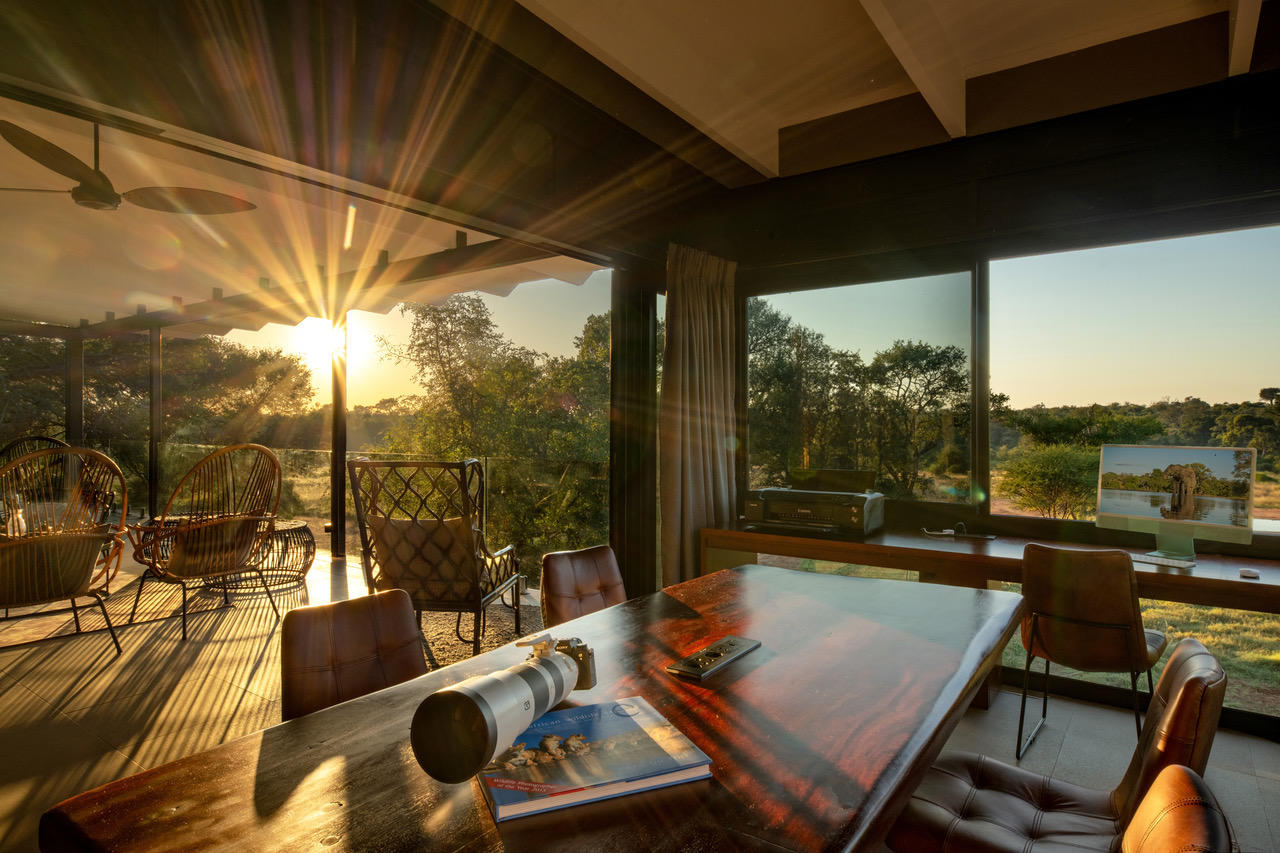
The Timbavati Private Nature Reserve covers 53,000 hectares of wilderness in Limpopo, sitting unfenced along Kruger’s western boundary. That unfenced border matters. It means animals move freely — elephant, lion, leopard, wild dog — across a combined ecosystem of 400,000 hectares, with no wire to interrupt them and no artificial concentration of wildlife around a lodge waterhole. You find them where they are, which is how it should be.
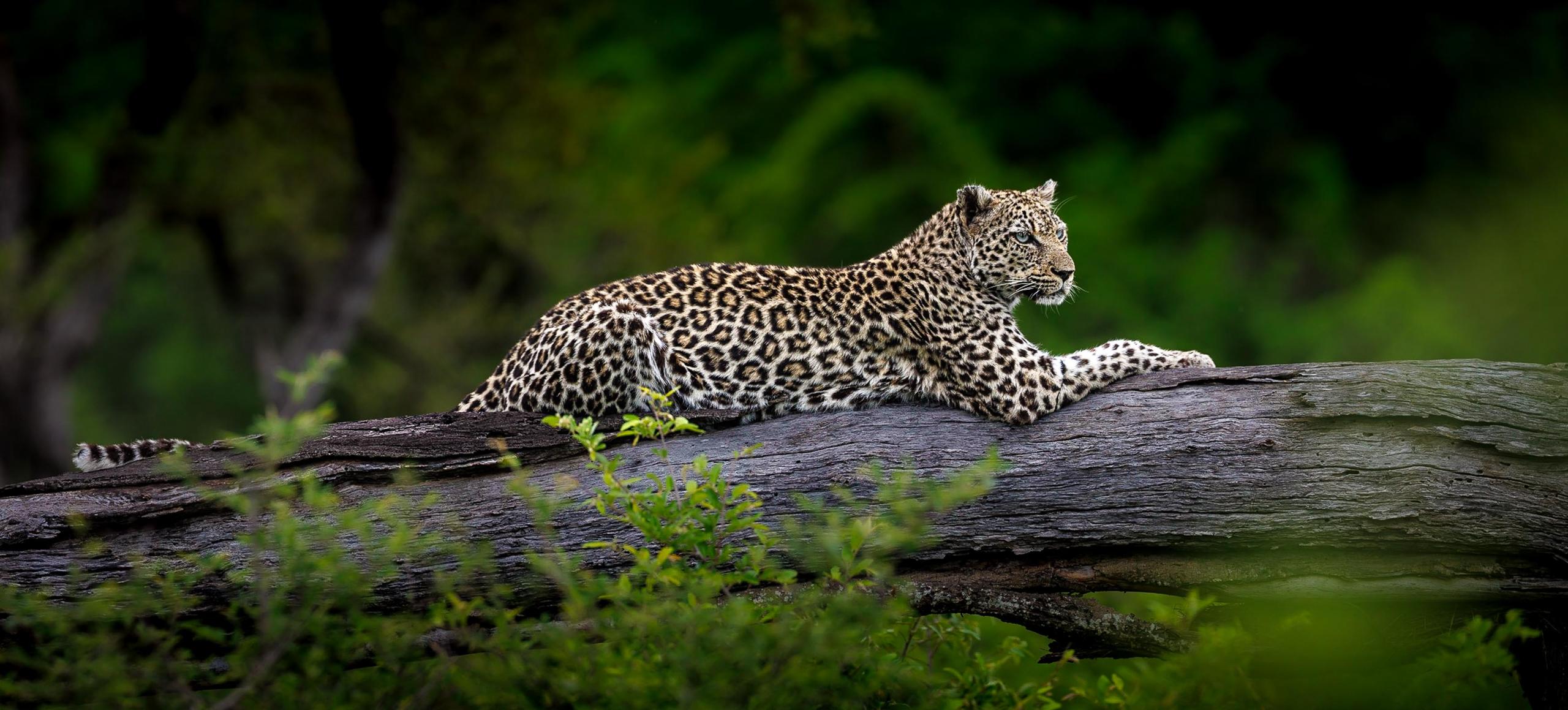
The name comes from the Xitsonga language: “the place where something sacred came down to Earth from the Heavens.” It’s a dramatic name, but the Timbavati earned it. In 1975, a researcher named Chris McBride was leading a project in the reserve when something happened that had never been recorded before. A lioness gave birth to white cubs. Not albino — leucistic, with pigmented eyes and pawpads and a coat the colour of winter grass in pale light. The world took notice immediately, and not always for the right reasons.

McBride’s book, published in 1977, brought global attention. What followed was less triumphant. White lion cubs began disappearing — captured for zoos, hunting facilities, private collections. The gene carriers were selectively removed from the wild population. By the late 1990s, white lions were effectively extinct in their natural habitat — the very place they had evolved. It took decades of advocacy, led in large part by a documentary researcher named Linda Tucker who had her own remarkable encounter with white lions in 1991, to bring them back. Reintroduction efforts eventually succeeded. Cubs were born again in the Timbavati in 2006, 2008, 2009, and 2011. In 2018, three new white cubs were born to the Birmingham Pride within the reserve. And then, in early 2026, a three-month-old white cub was discovered in a den along the Zebenine Riverbed — the first white lion born in the Timbavati in over a decade. A literal one-in-a-million event, given the recessive gene must be carried by both parents to produce a white cub.
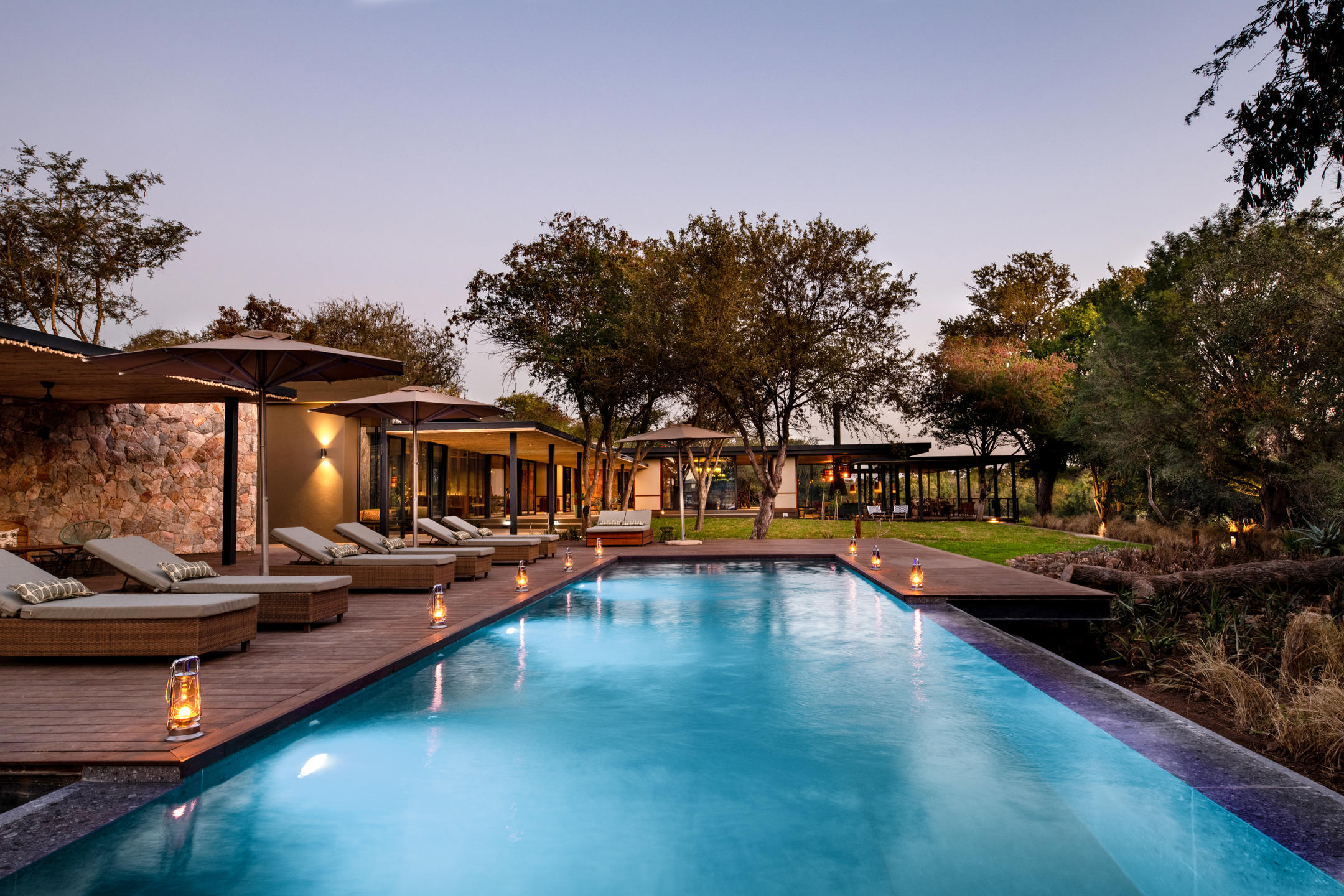
That’s the thing about the Timbavati. It carries its history in a way that very few wild places do.
But the white lions are only part of the story. The reserve is home to exceptional wild dog packs, prolific elephant herds, and the full complement of big cats — all experienced with a fraction of the vehicle pressure you’d encounter in some busier reserves. The landowners who formed the Timbavati Association in 1956 made a deliberate choice to limit the number of lodges operating in the reserve, and that decision has compounded in value ever since. There are only eighteen lodges across 53,000 hectares. The maths speaks for itself.
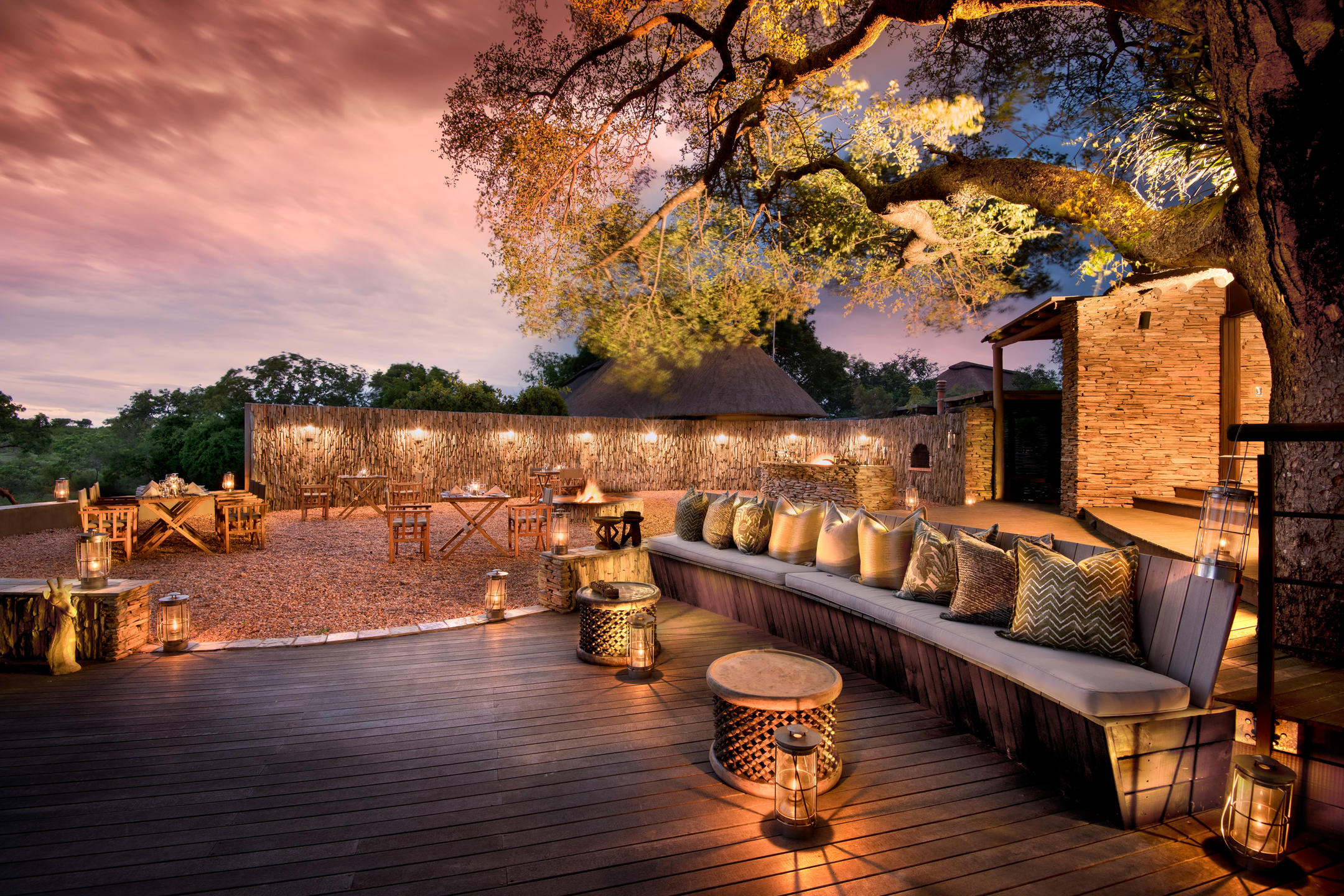
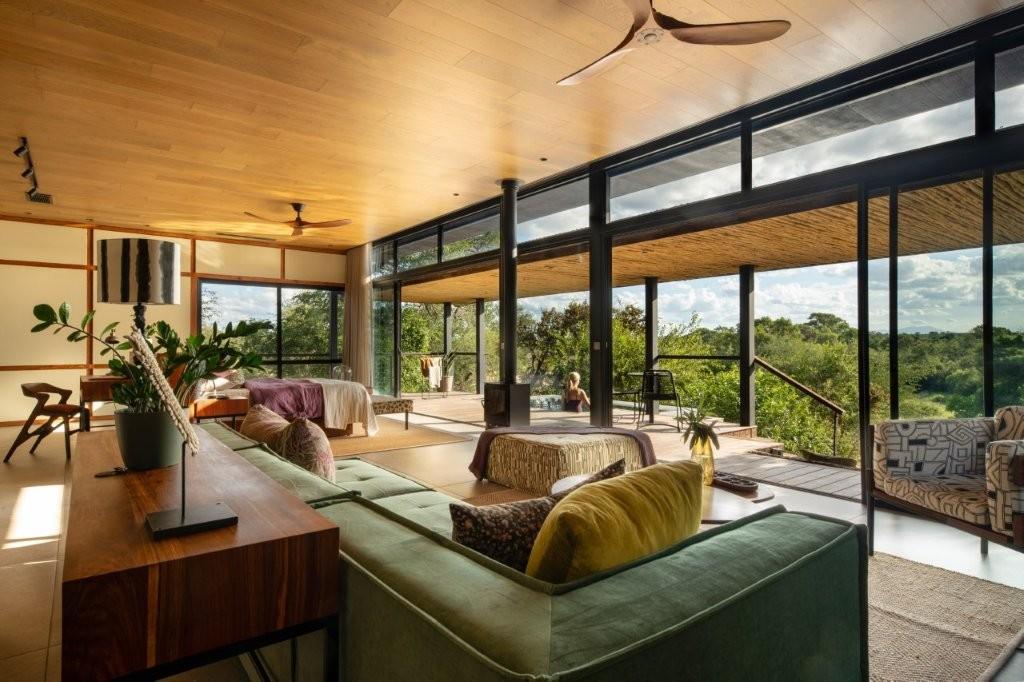
The lodges themselves — and we’ll profile three of the finest in this series — are not the famous names. They don’t need to be. Kings Camp, Tanda Tula and Makanyi have built their reputations quietly, through exceptional guiding and the kind of personal service that only comes from small, focused operations with something to prove.
This is not the loud, well-marketed side of the Greater Kruger. It is, by some distance, the better one.