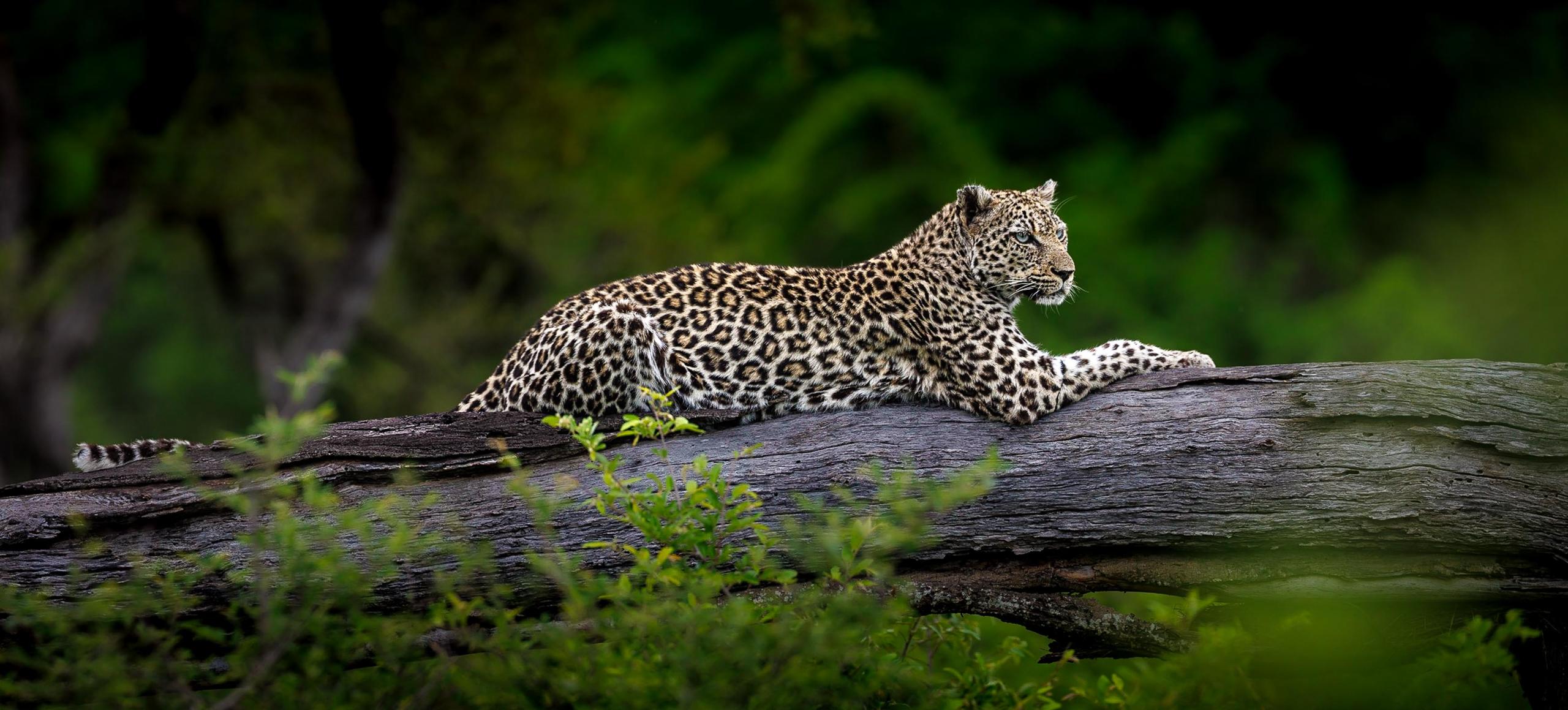
Tanda Tula — What Happens When a Camp Grows Up

There’s a particular kind of safari lodge that earns its reputation not through marketing but through the quiet accumulation of people who come back. Tanda Tula is that lodge. Guests return for their fifth visit, their tenth, their sixteenth. The owners know their names. The guides remember what they saw last time. It has the texture of somewhere that has been genuinely loved into existence, which is a difficult thing to manufacture and an impossible thing to fake.
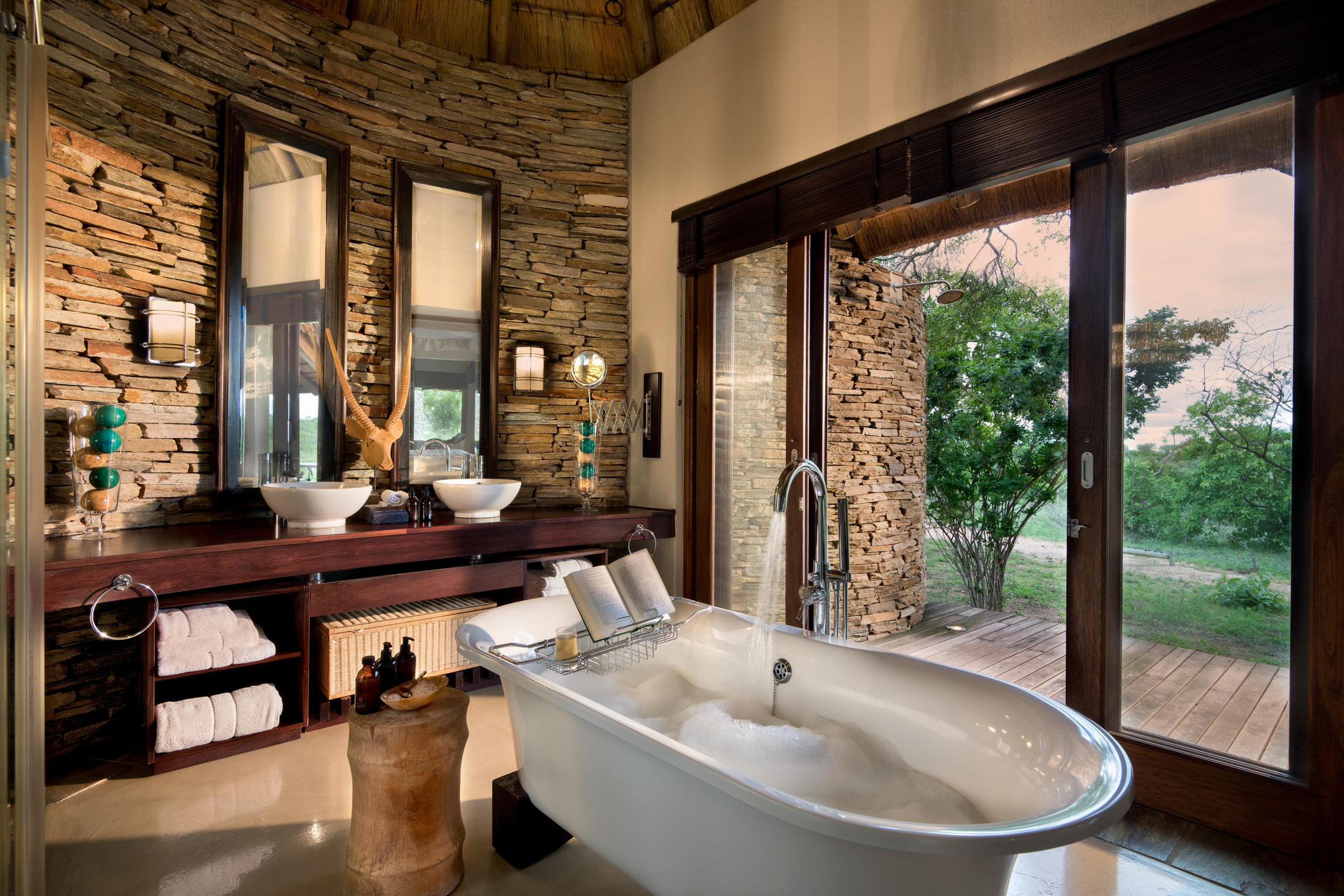
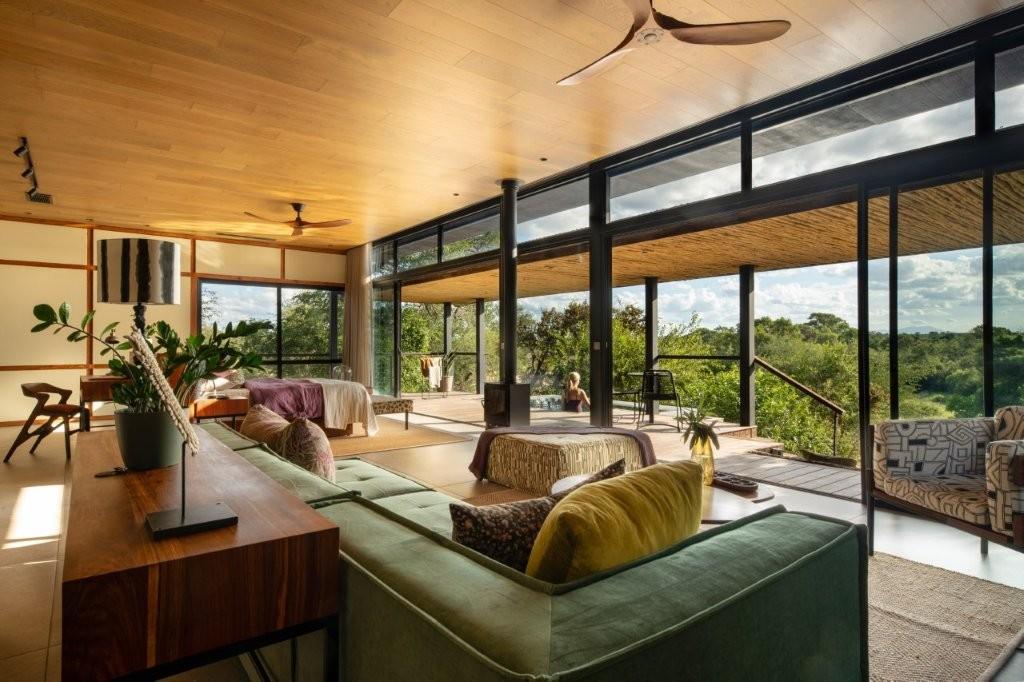
The backstory matters here. Tanda Tula began as a rustic bush camp — unpretentious, warm, focused entirely on the quality of the experience rather than the thread count of the linen. When owners Don and Nina Scott eventually rebuilt the lodge, they made a decision that not everyone in the industry gets right: they carried the soul of the old camp into the new one. The result is a property that sits at the top end of the luxury spectrum — nine suites overlooking the Nhlaralumi riverbed, each with a private plunge pool and an open-plan configuration that blurs the line between inside and outside — but that feels nothing like a corporate exercise in high-end safari. It feels like someone’s home. A very well-designed someone’s home, but a home nonetheless.

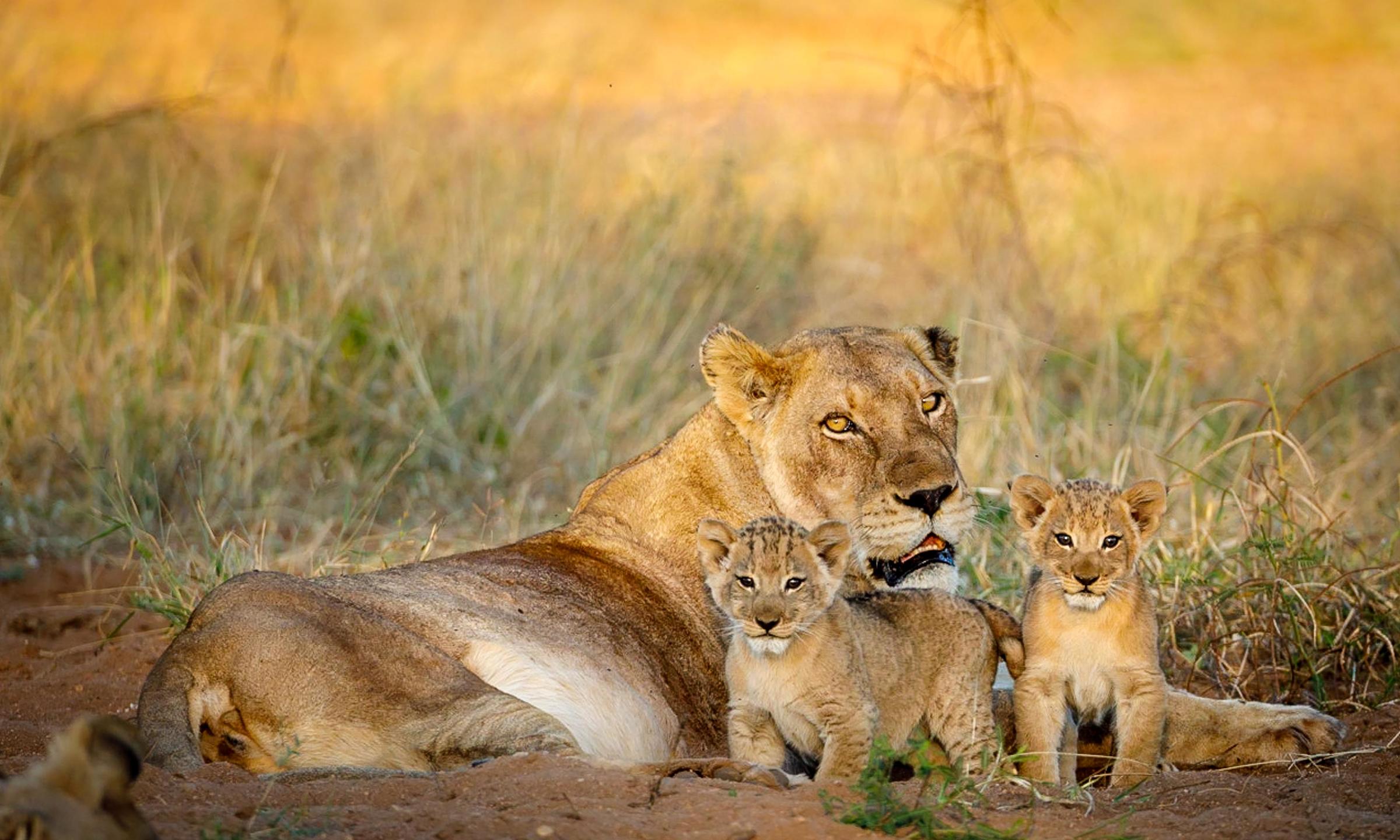
The guides are the heart of it. Rangers Scotch, Formen and Civilised — names you won’t forget — have between them more than fifty years of experience in this specific piece of the Timbavati. They know the predator territories, the wild dog pack movements, the productive waterholes, the particular morning light on the Nhlaralumi. Maximum six guests per vehicle on a game drive. Walking safaris alongside the drives. A patrol flight conservation experience for the younger guests who want something beyond a Land Rover. The game viewing here is consistently exceptional, and the low vehicle density of the Timbavati means that when you find something, you sit with it properly.
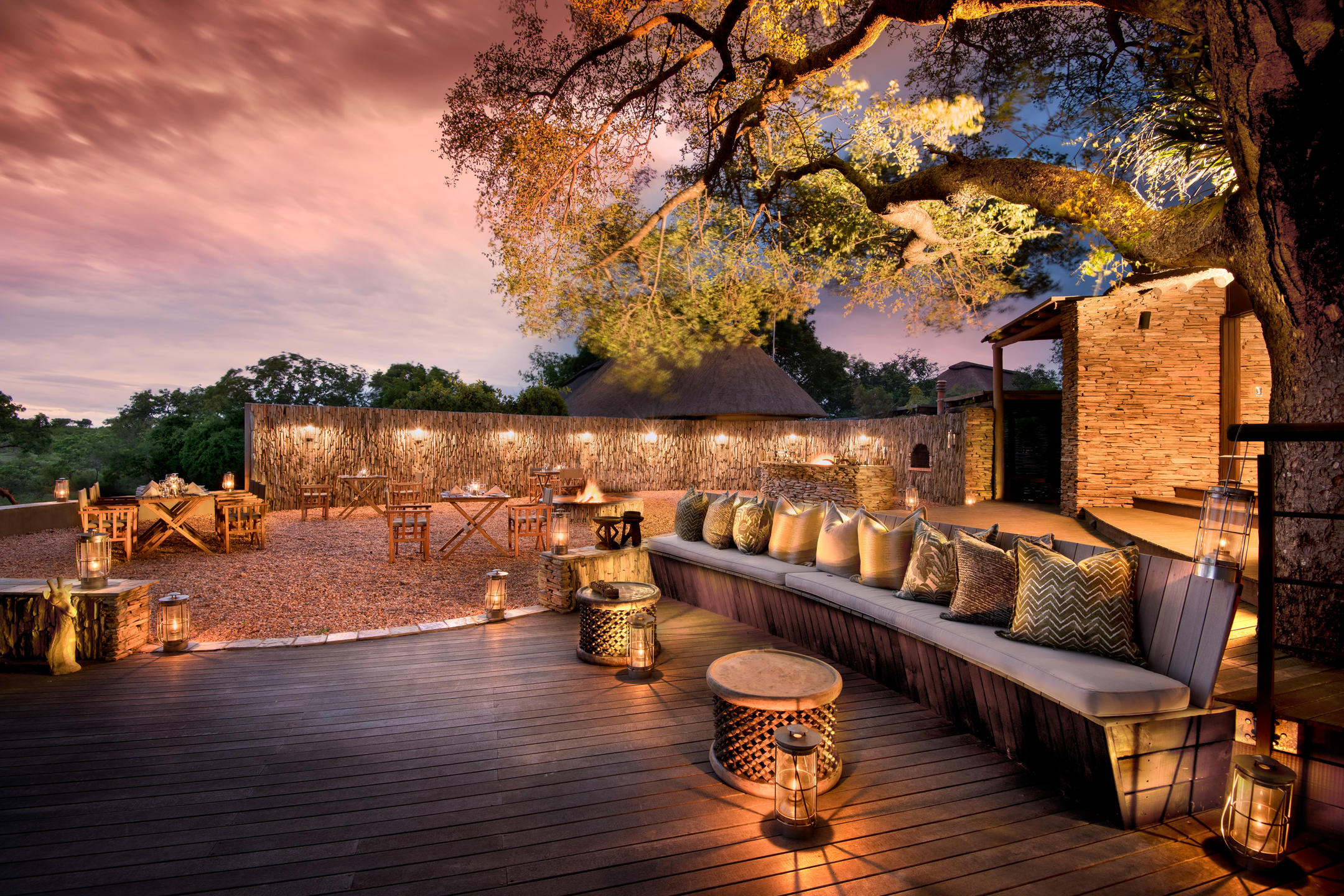
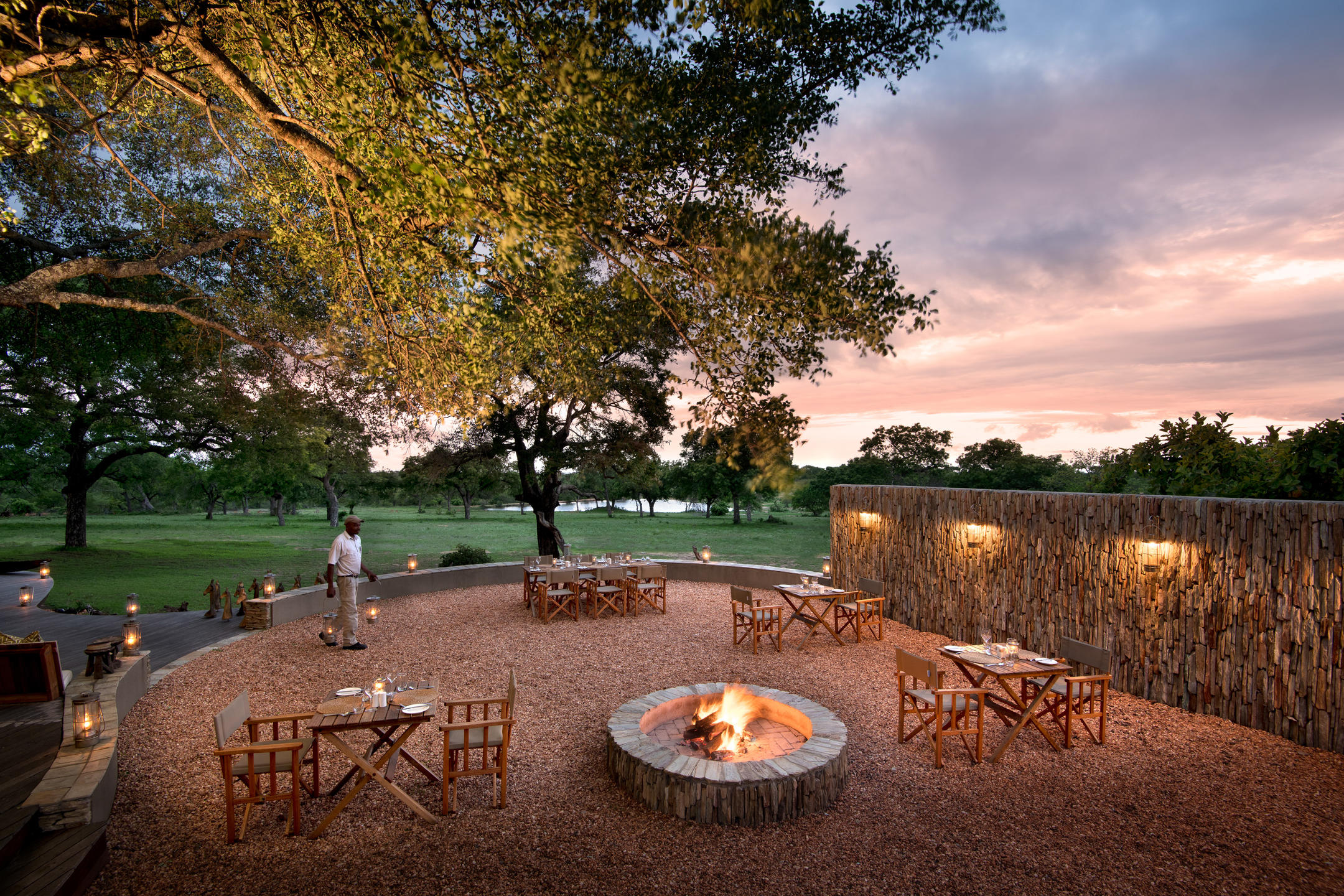
The food deserves a mention that most safari blogs neglect to give it. Chef Ryan’s kitchen was runner-up for best safari cuisine in Africa in 2024 — a detail that becomes entirely believable at the first dinner. Meals rotate between the boma, the deck, the dining room, and occasionally the riverbed itself, where a table appears as if from nowhere and the Timbavati provides the atmosphere free of charge.

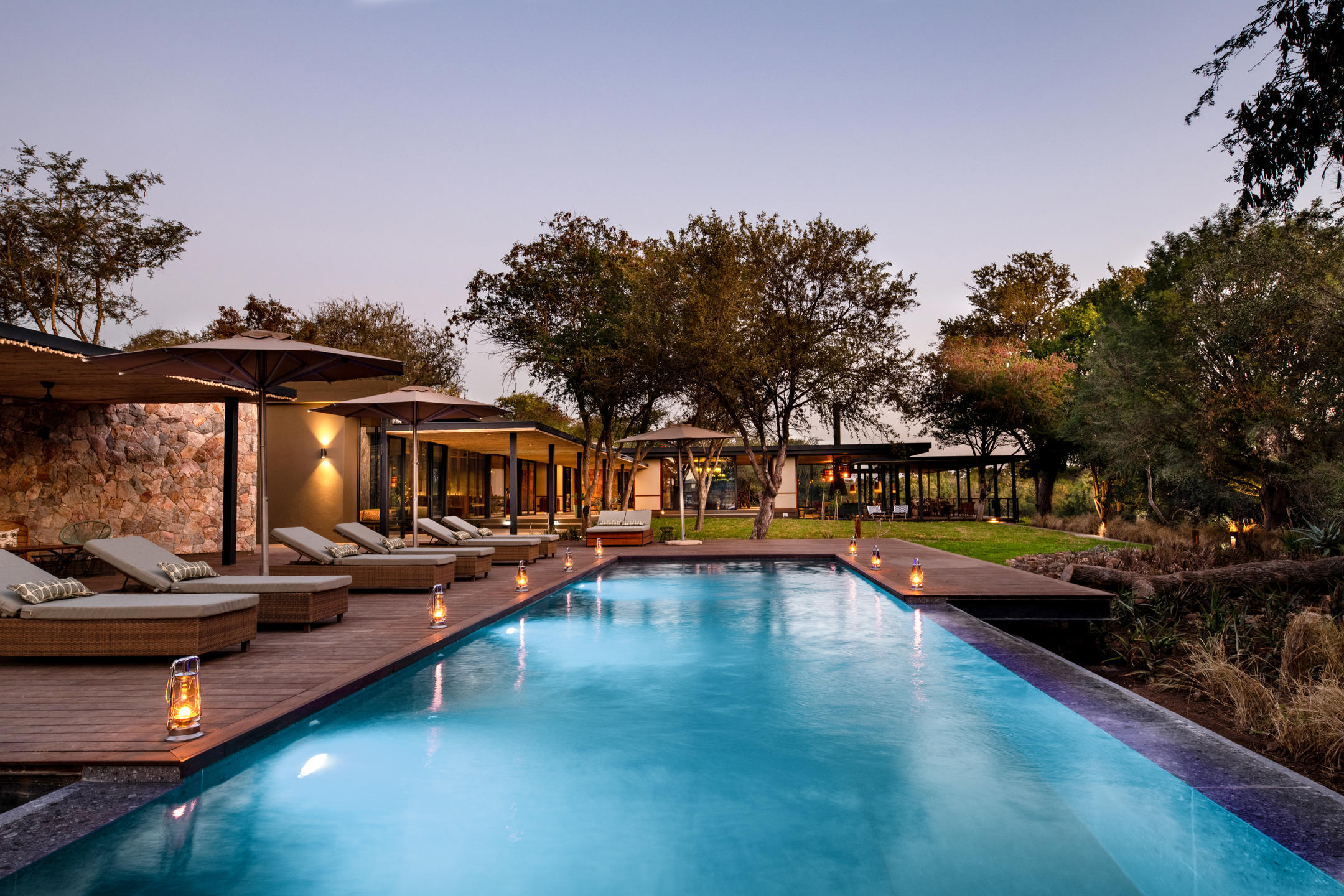
Between March and October, Tanda Tula offers something that very few lodges anywhere can match: an exclusive-use bush field camp, accommodating a maximum of eight guests, that takes the experience entirely off-grid. No permanent structures, no electricity beyond what’s needed, just the Timbavati in its rawest form and a guiding team that knows it intimately. For guests who have done the luxury lodge circuit and are looking for something that goes further — this is where further actually lives.

Tanda Tula means “love and peace” in the Shangaan language. It’s the kind of name that could easily be dismissed as marketing. Spend a few days there and it starts to feel like an accurate description.
Kings Camp — Old Charm, Serious Wildlife

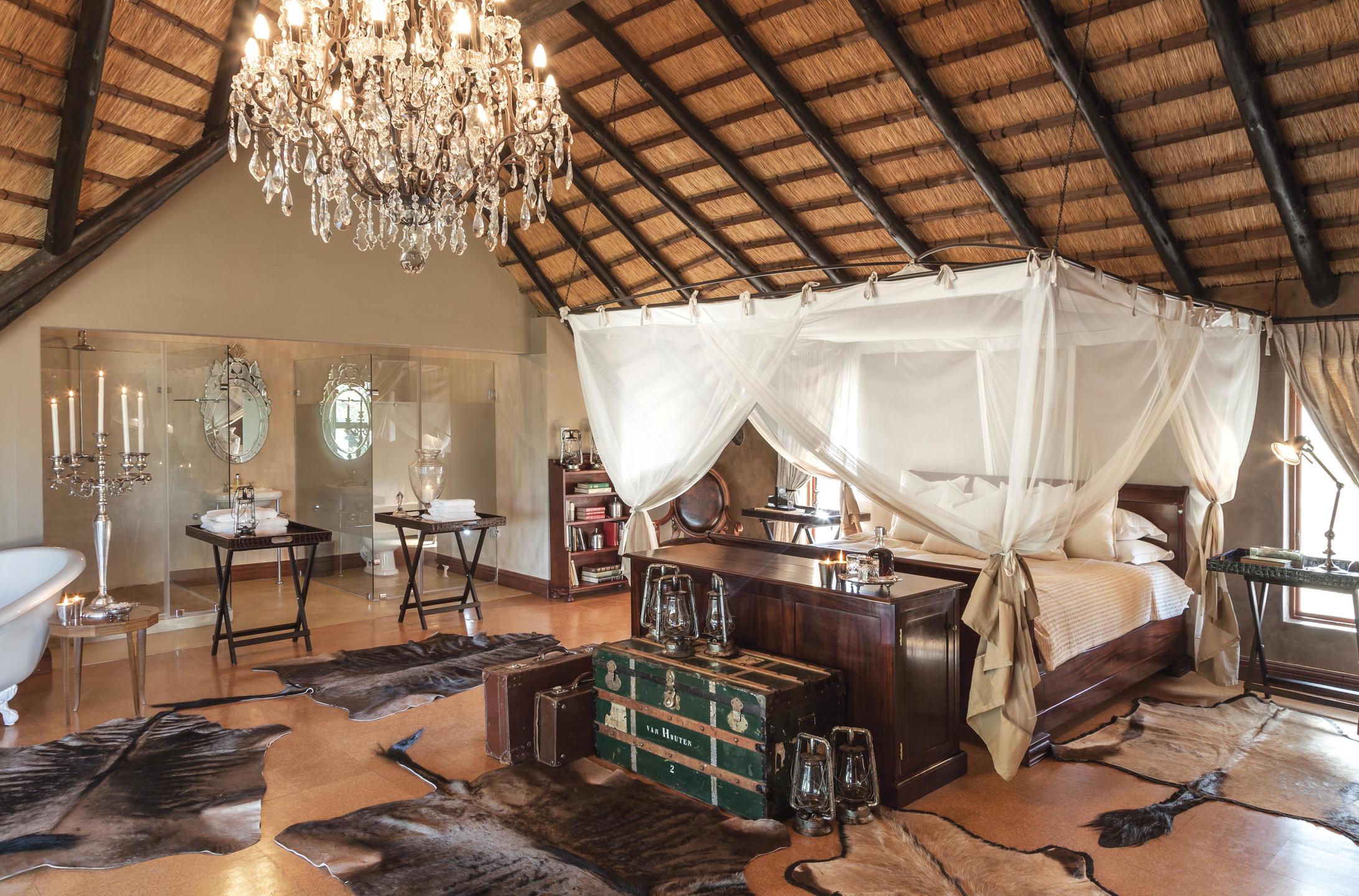
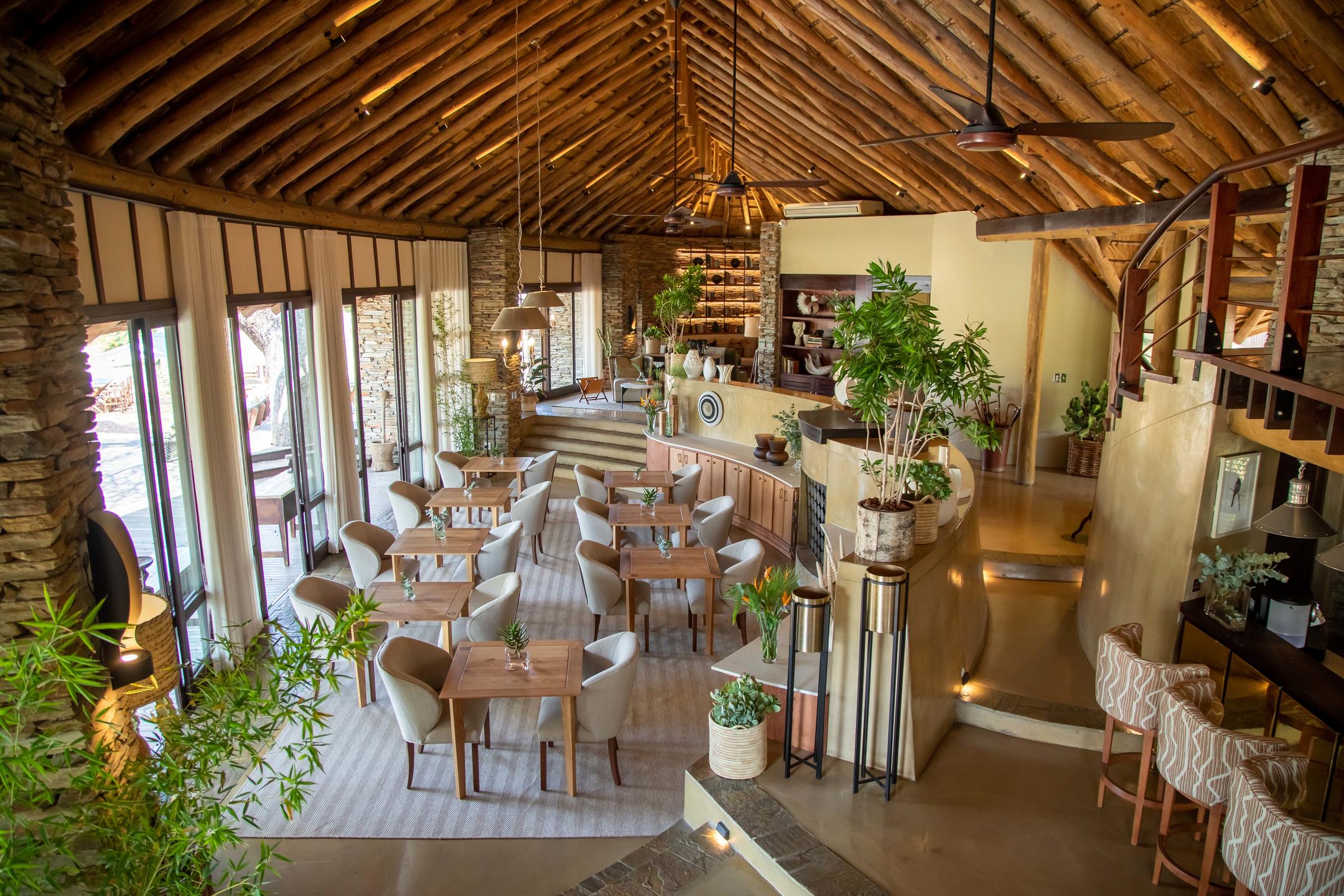
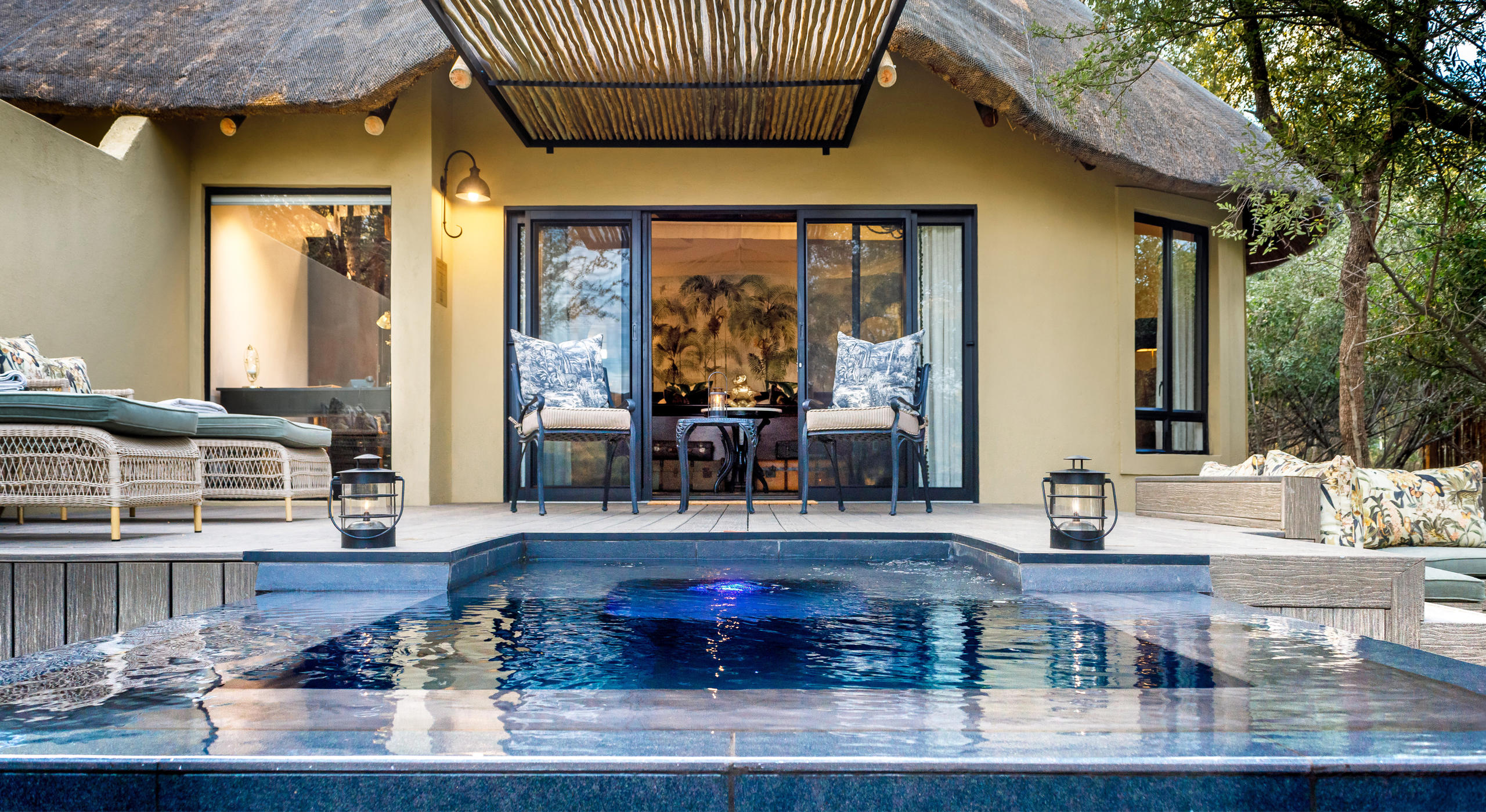
There’s a particular aesthetic that Kings Camp has committed to, and it commits fully. Colonial-era teak, dark thatch, Victorian ball-and-claw baths, a bar that looks like it belongs in a Hemingway novel. It could easily tip into pastiche, but it doesn’t — partly because the execution is genuinely good, and partly because the wildlife outside the window is so emphatically real that no amount of interior design could overshadow it.

Kings Camp sits in the heart of the Timbavati, gazing out across an open savanna plain and an active waterhole that operates, around the clock, as nature’s own theatre. Elephants at dusk. Lions at midnight. A parade of antelope, buffalo and giraffe across the daylight hours. Eleven suites — including two honeymoon suites and a private villa — each with a private veranda, plunge pool and outdoor shower. Comfortable without being excessive, which is harder to get right than it sounds.

The game drives cover 100 square kilometres of traversing on a reserve that shares an unfenced border with Kruger. That last detail matters: wildlife here moves freely across a combined ecosystem of 400,000 hectares, which means what you encounter on a drive is genuinely wild and genuinely unpredictable. Kings Camp guests have consistently ticked the Big Five across repeat visits, with wild dog sightings that the Timbavati’s low vehicle density makes all the more intimate.

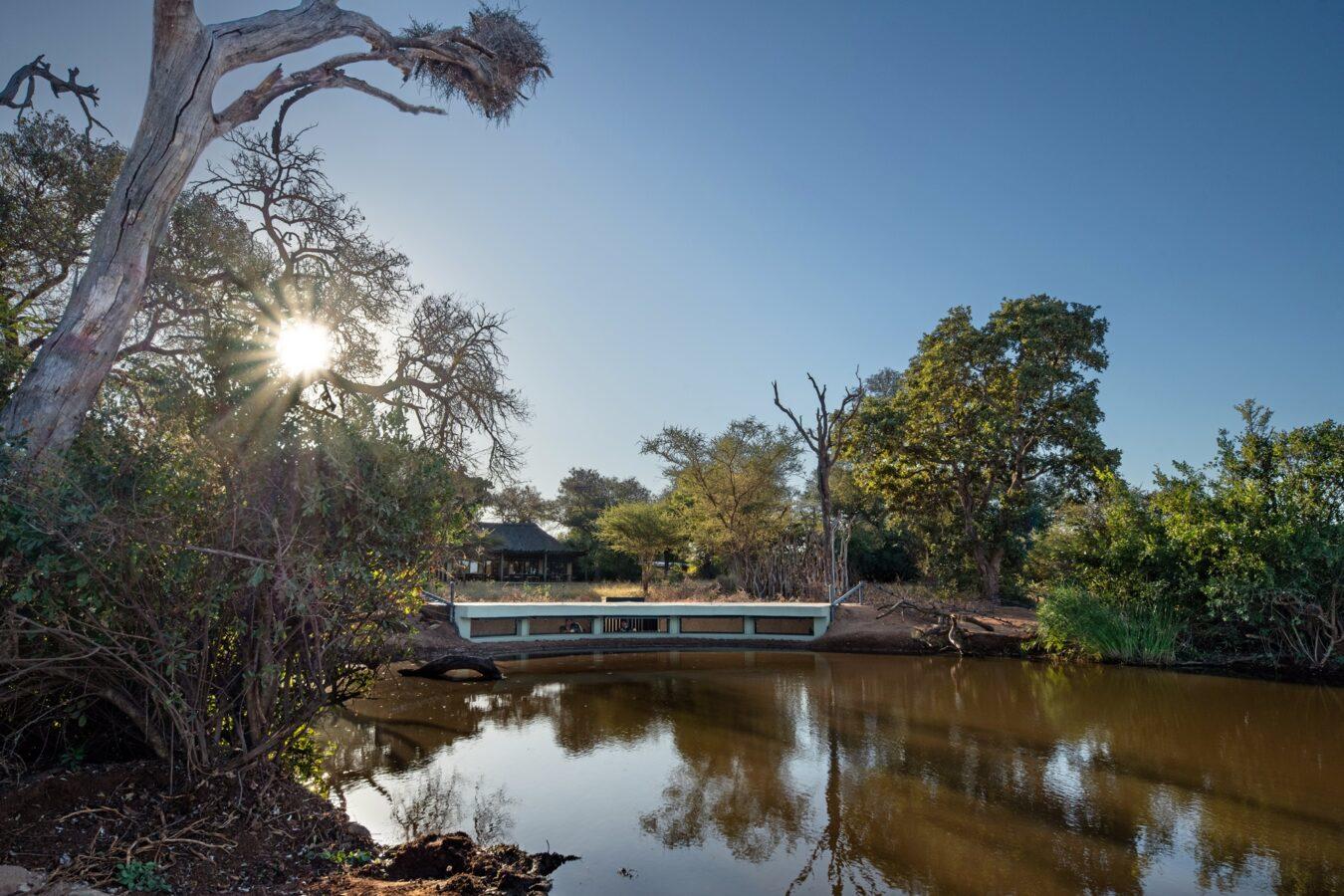
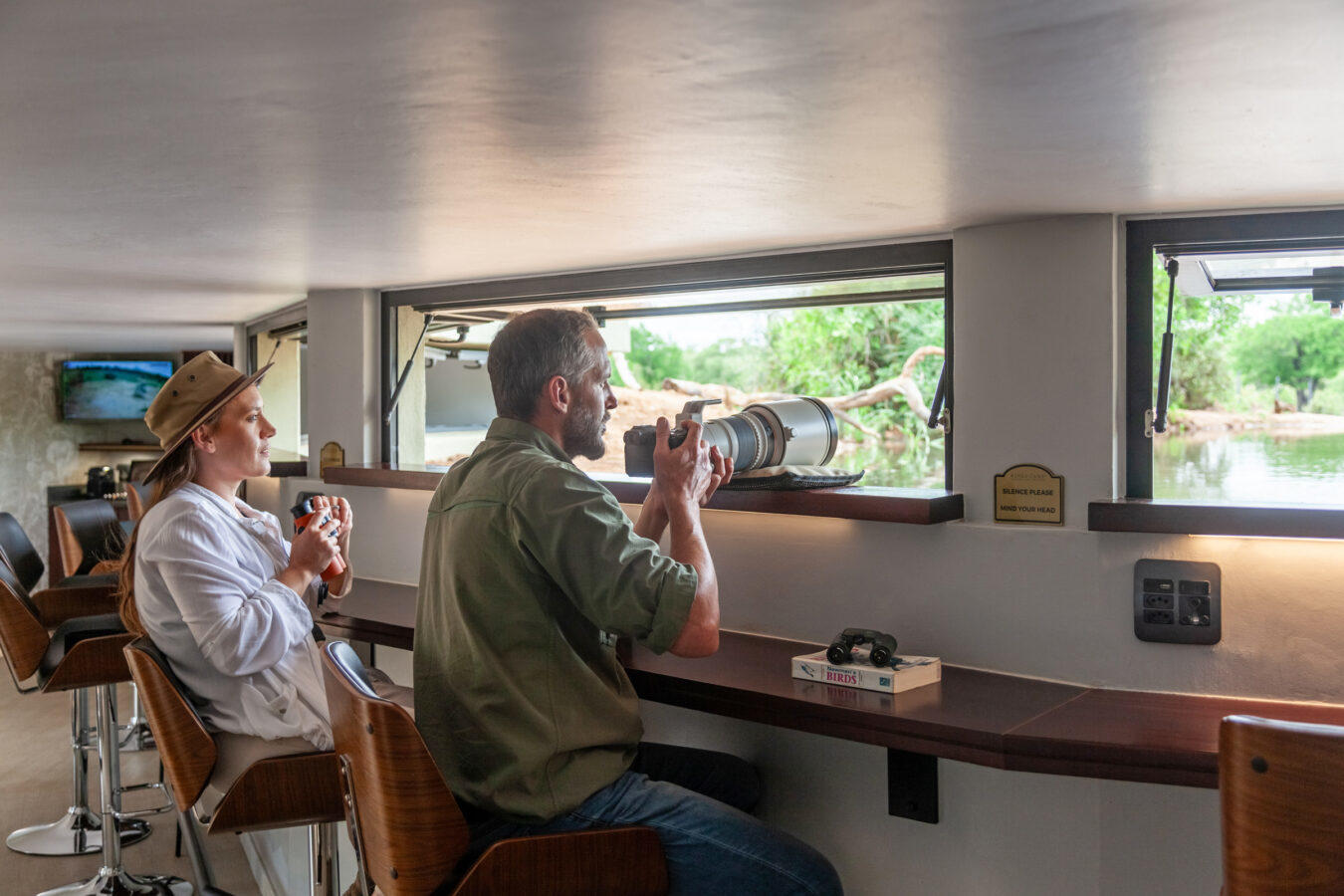
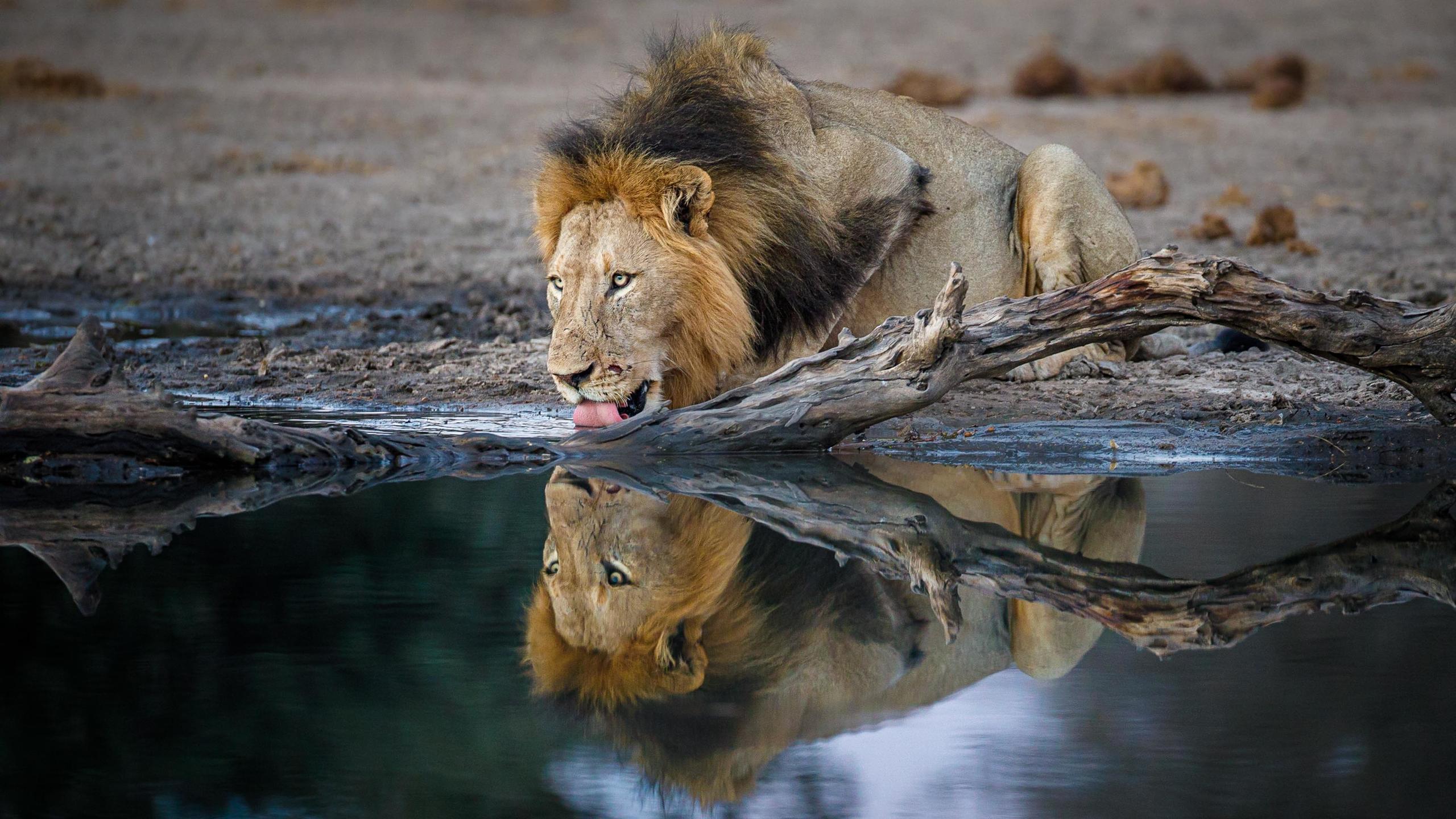
But the feature that deserves its own paragraph is The Kings Warren — an underground photographic hide built into the bank of the waterhole. You descend, settle in, and find yourself at eye level with whatever decides to drink. It’s an extraordinary perspective shift. A lion approaching a waterhole looks very different from two feet above the ground than it does from a Land Rover. Photographers in particular tend to surface from the hide slightly overwhelmed.

Walking safaris are offered alongside the drives, led by guides whose knowledge of the Timbavati’s predator territories and wild dog pack movements is the product of years on the same ground. This is where the smaller, more focused operations consistently outperform the famous names — the guides have nowhere else to be, and every incentive to know this particular piece of wilderness better than anyone.

Evenings at Kings Camp have their own rhythm. Sundowners at the bar, dinners that rotate between the elegant dining room, the open terrace, and the traditional boma under the stars. A spa for those whose legs have given up after a morning walk. A library for those who haven’t. The pacing is unhurried in a way that feels deliberate rather than lazy — which is, again, harder to get right than it sounds.

Kings Camp was established in 1995, which gives it a quiet confidence that newer properties are still working towards. It knows exactly what it is, makes no apologies for it, and delivers consistently. For guests who want serious wildlife in a setting that feels genuinely warm rather than performatively luxurious — this is the place.

Makanyi — Small Lodge, Big Conviction

Somewhere in the southern sector of the Timbavati, on a section of reserve so private it shares the land with only a handful of private homes, there’s a lodge that was built entirely on conviction. In 2015, Jessica Gold left London, looked at a piece of the Timbavati, and decided she was going to build something she loved. No corporate backing, no established brand to shelter under. Just a very clear idea of what an exceptional safari lodge should feel like and the willingness to go and make it.

The result, eleven years later, is Makanyi. And it works in a way that’s slightly difficult to explain until you’ve been there.

Eight luxury suites built from native wood, thatch and stone, each with a private deck looking out over a dam that serves as a permanent invitation to the wildlife of the reserve. Elephants, lion, leopard, wild dog, the full cast of the Greater Kruger — all seen without another vehicle in sight, because the section of Timbavati that Makanyi sits in is that private. The suites themselves are open-plan, light-filled and unhurried in their design — neutral tones, custom furnishings, gas fireplaces for the cool evenings, freestanding baths that you will absolutely use. Two honeymoon suites with private plunge pools for those who need no further encouragement.

The guiding is the thing that serious safari travellers tend to come away talking about most. Guide Saki and tracker Robert have built a reputation in this part of the Timbavati for finding what other vehicles can’t — wild dog sightings in particular, which is a species that rewards patience and intimate reserve knowledge in equal measure. Off-road access on a private concession means you go where the animal is, not where the track permits. It sounds like a small thing until you’re the vehicle that follows a leopard into thick bush while everyone else watches from the road.

The wine cellar deserves its own mention because at Makanyi it has clearly been taken seriously by someone with strong opinions. South African wines, selected with actual care, served at sundowners that the rangers occasionally upgrade with a wine tasting stop in the bush — a detail that guests describe with a frequency that suggests it has become something of a signature.

Chef Amos runs a kitchen that has attracted the kind of reviews that lodge kitchens almost never get. Every meal — and guests are specific about this — is fresh, considered and genuinely good. He comes out of the kitchen to talk to guests at every meal, which tells you something about the culture of the place. It’s a lodge where the people who work there are invested in it in a way that tends only to happen when ownership cares.

Makanyi sits in a section of the Timbavati that the reserve itself describes as incomparable. Given what the Timbavati as a whole offers, that’s not nothing.

The Timbavati — The Quiet Side of Kruger

Most people, when they think of a South African safari, think of the Sabi Sand. And fair enough — it’s extraordinary. But there’s a reserve sharing its western border with Kruger that has been quietly going about its business since 1956, with fewer lodges, lower vehicle density, and a backstory that the Sabi Sand simply can’t match.

The Timbavati Private Nature Reserve covers 53,000 hectares of wilderness in Limpopo, sitting unfenced along Kruger’s western boundary. That unfenced border matters. It means animals move freely — elephant, lion, leopard, wild dog — across a combined ecosystem of 400,000 hectares, with no wire to interrupt them and no artificial concentration of wildlife around a lodge waterhole. You find them where they are, which is how it should be.

The name comes from the Xitsonga language: “the place where something sacred came down to Earth from the Heavens.” It’s a dramatic name, but the Timbavati earned it. In 1975, a researcher named Chris McBride was leading a project in the reserve when something happened that had never been recorded before. A lioness gave birth to white cubs. Not albino — leucistic, with pigmented eyes and pawpads and a coat the colour of winter grass in pale light. The world took notice immediately, and not always for the right reasons.

McBride’s book, published in 1977, brought global attention. What followed was less triumphant. White lion cubs began disappearing — captured for zoos, hunting facilities, private collections. The gene carriers were selectively removed from the wild population. By the late 1990s, white lions were effectively extinct in their natural habitat — the very place they had evolved. It took decades of advocacy, led in large part by a documentary researcher named Linda Tucker who had her own remarkable encounter with white lions in 1991, to bring them back. Reintroduction efforts eventually succeeded. Cubs were born again in the Timbavati in 2006, 2008, 2009, and 2011. In 2018, three new white cubs were born to the Birmingham Pride within the reserve. And then, in early 2026, a three-month-old white cub was discovered in a den along the Zebenine Riverbed — the first white lion born in the Timbavati in over a decade. A literal one-in-a-million event, given the recessive gene must be carried by both parents to produce a white cub.

That’s the thing about the Timbavati. It carries its history in a way that very few wild places do.

But the white lions are only part of the story. The reserve is home to exceptional wild dog packs, prolific elephant herds, and the full complement of big cats — all experienced with a fraction of the vehicle pressure you’d encounter in some busier reserves. The landowners who formed the Timbavati Association in 1956 made a deliberate choice to limit the number of lodges operating in the reserve, and that decision has compounded in value ever since. There are only eighteen lodges across 53,000 hectares. The maths speaks for itself.


The lodges themselves — and we’ll profile three of the finest in this series — are not the famous names. They don’t need to be. Kings Camp, Tanda Tula and Makanyi have built their reputations quietly, through exceptional guiding and the kind of personal service that only comes from small, focused operations with something to prove.
This is not the loud, well-marketed side of the Greater Kruger. It is, by some distance, the better one.

Ngala Tented Camp: Where Silence Has a Shape

Some camps arrive with a flourish. Ngala Tented Camp doesn’t need to. Tucked beneath a line of ancient river trees along the banks of the Timbavati, it feels less like a lodge and more like something the landscape has been guarding for years — revealed only when you’re ready to notice it.

Ngala has always existed in that sweet spot between wild and minimalist. Canvas suites open directly onto the riverbed, where the daily cast of elephants, nyalas, and the occasional leopard drift past with the nonchalance of residents who pay no attention to human check-in times. The tents themselves are masterclasses in understatement: soft palettes, clean lines, and textures that let the wilderness do most of the talking.

And that’s Ngala’s quiet superpower — it knows when not to speak.

This is a camp that rewards the unhurried. Early mornings begin with the soft groan of branches stretching in the cool air, followed by coffee strong enough to stand up on its own. On game drive, the Timbavati reveals its subtler layers: the flick of a white tail through the thickets, a fresh drag mark across the sand, the unmistakable rasp of a leopard calling from somewhere just beyond the bend. The guides here have a knack for making the bush feel like a story unfolding rather than a checklist being ticked.

Afternoons stretch out in that dreamy, in-between way the Lowveld specialises in. You can sit on your deck and watch the river exhale as the heat deepens, or laze in the pool listening to the wind rehearsing through the jackalberries. Here, even doing nothing feels purposeful.

Evenings are lantern-lit and low tempo. Dinner might be under the fever trees or beside the water’s edge, each setting a reminder that Ngala’s real gift is the way it frames simplicity as luxury. No theatrics, no noise — just a deep, resonant sense of place.

Where some lodges make you feel pampered, Ngala makes you feel restored. The kind of refreshed that comes not from being entertained, but from being allowed to simply exist in a landscape that’s been doing fine for millennia without interruptions.

Ngala Tented Camp is safari distilled — quiet, thoughtful, and all the more powerful because of it.