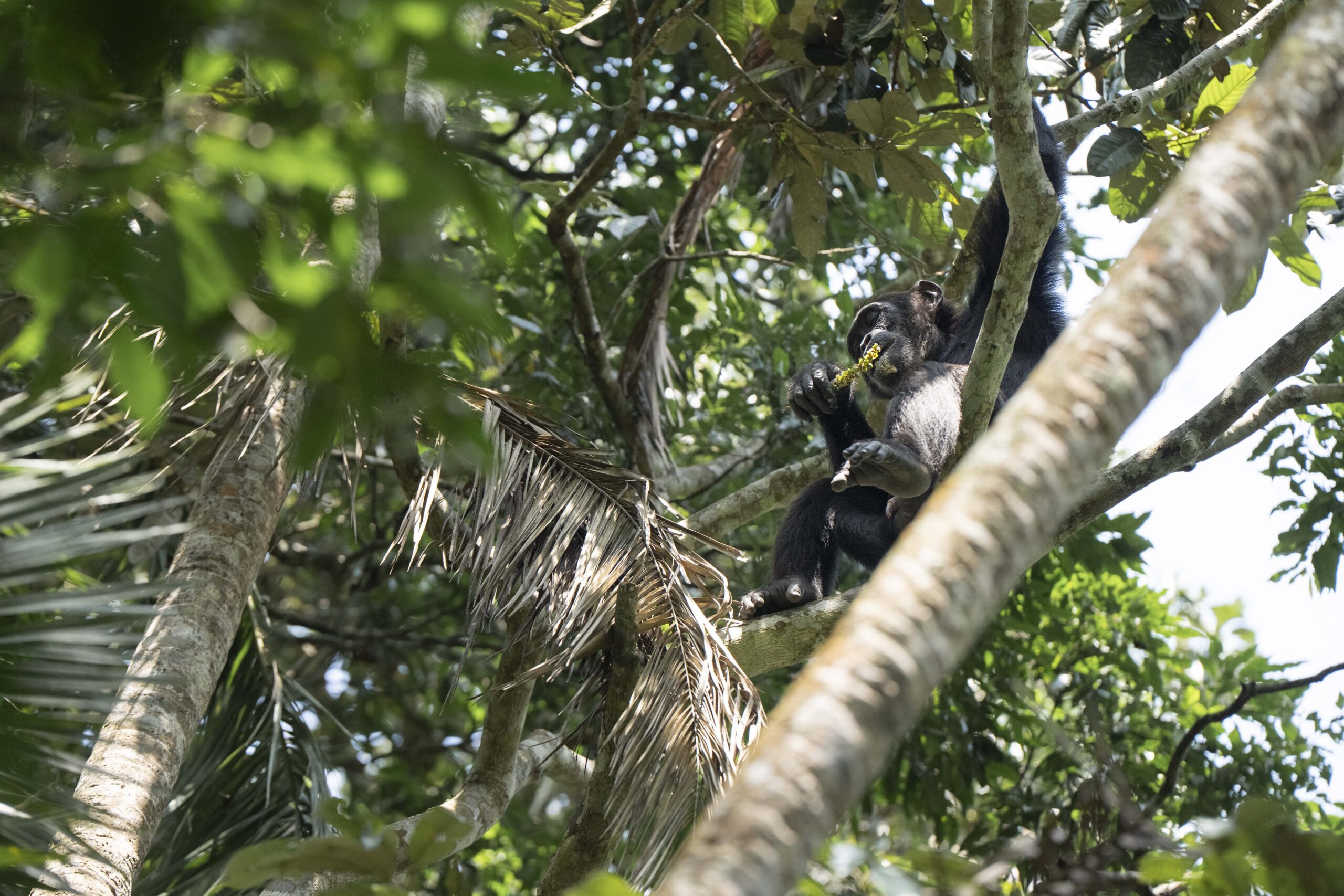
Tanda Tula — What Happens When a Camp Grows Up

There’s a particular kind of safari lodge that earns its reputation not through marketing but through the quiet accumulation of people who come back. Tanda Tula is that lodge. Guests return for their fifth visit, their tenth, their sixteenth. The owners know their names. The guides remember what they saw last time. It has the texture of somewhere that has been genuinely loved into existence, which is a difficult thing to manufacture and an impossible thing to fake.
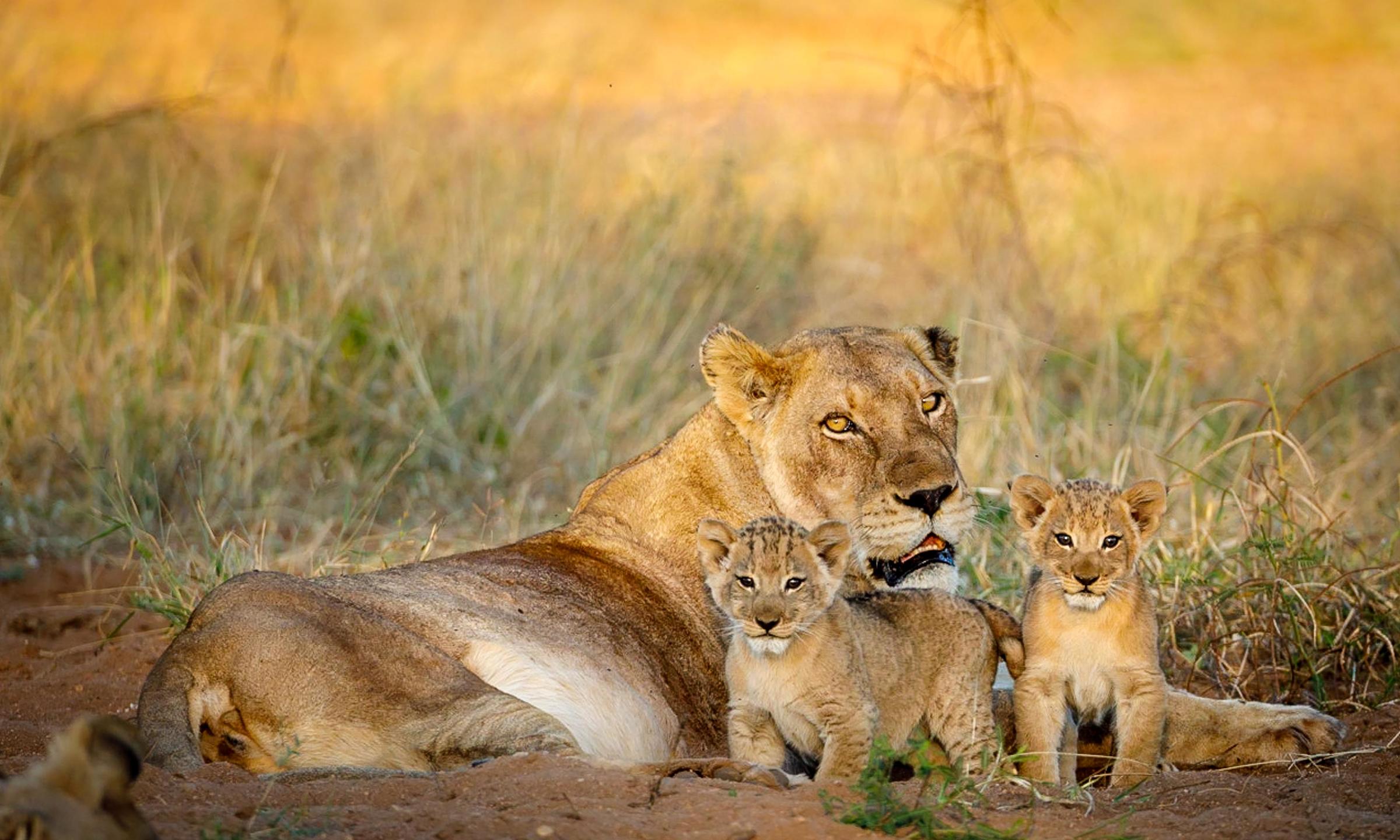
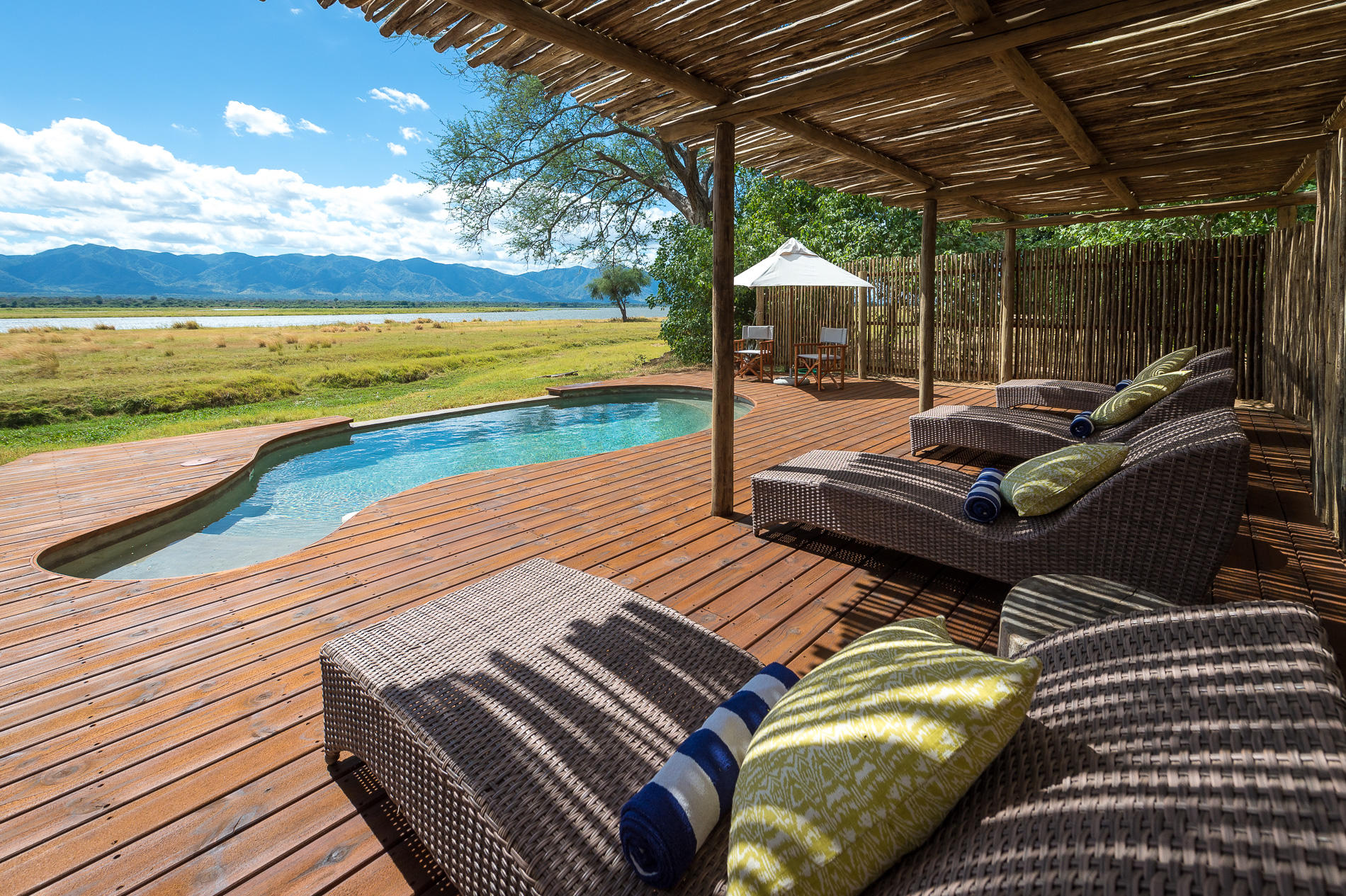
The backstory matters here. Tanda Tula began as a rustic bush camp — unpretentious, warm, focused entirely on the quality of the experience rather than the thread count of the linen. When owners Don and Nina Scott eventually rebuilt the lodge, they made a decision that not everyone in the industry gets right: they carried the soul of the old camp into the new one. The result is a property that sits at the top end of the luxury spectrum — nine suites overlooking the Nhlaralumi riverbed, each with a private plunge pool and an open-plan configuration that blurs the line between inside and outside — but that feels nothing like a corporate exercise in high-end safari. It feels like someone’s home. A very well-designed someone’s home, but a home nonetheless.

The guides are the heart of it. Rangers Scotch, Formen and Civilised — names you won’t forget — have between them more than fifty years of experience in this specific piece of the Timbavati. They know the predator territories, the wild dog pack movements, the productive waterholes, the particular morning light on the Nhlaralumi. Maximum six guests per vehicle on a game drive. Walking safaris alongside the drives. A patrol flight conservation experience for the younger guests who want something beyond a Land Rover. The game viewing here is consistently exceptional, and the low vehicle density of the Timbavati means that when you find something, you sit with it properly.
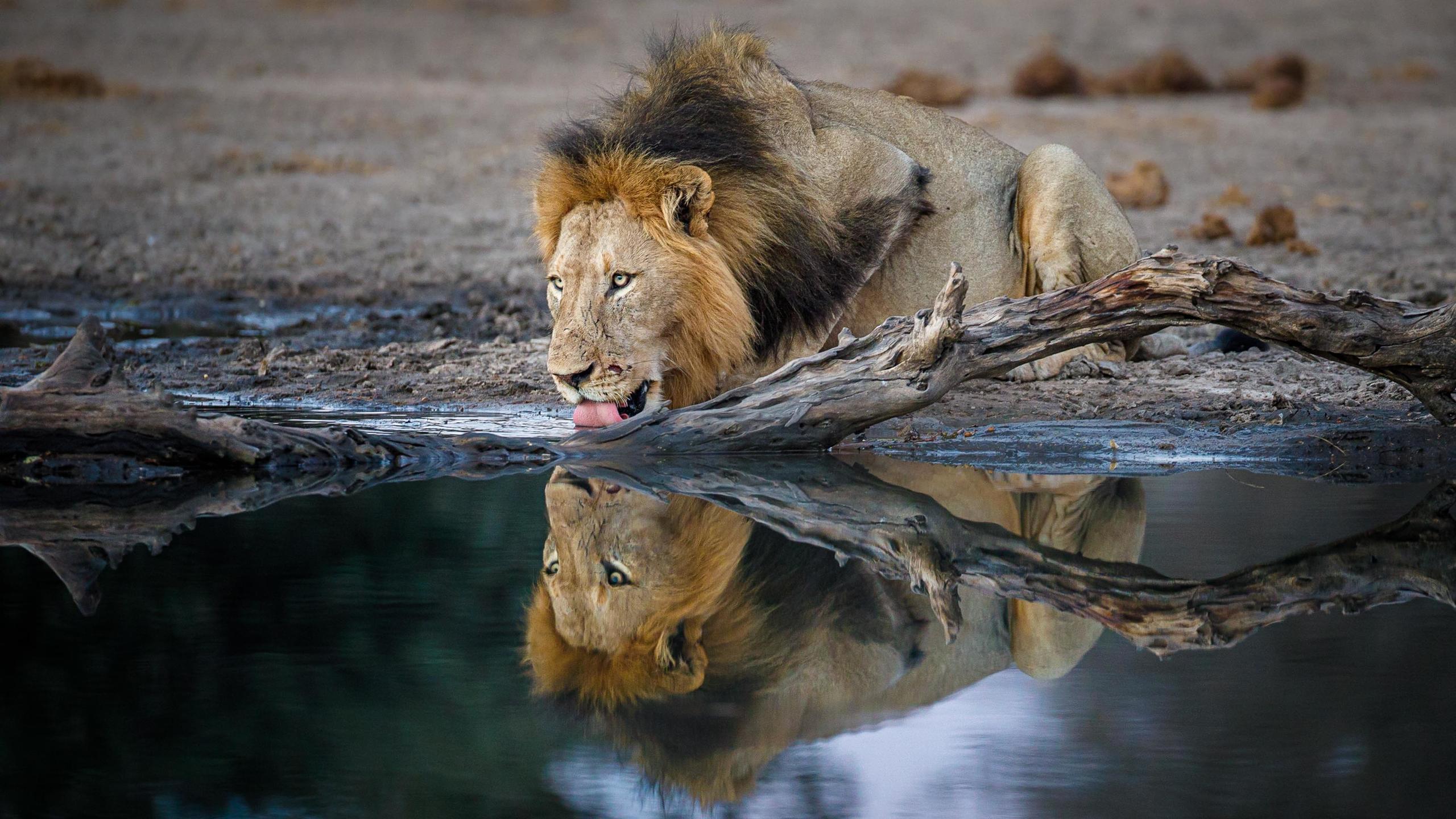
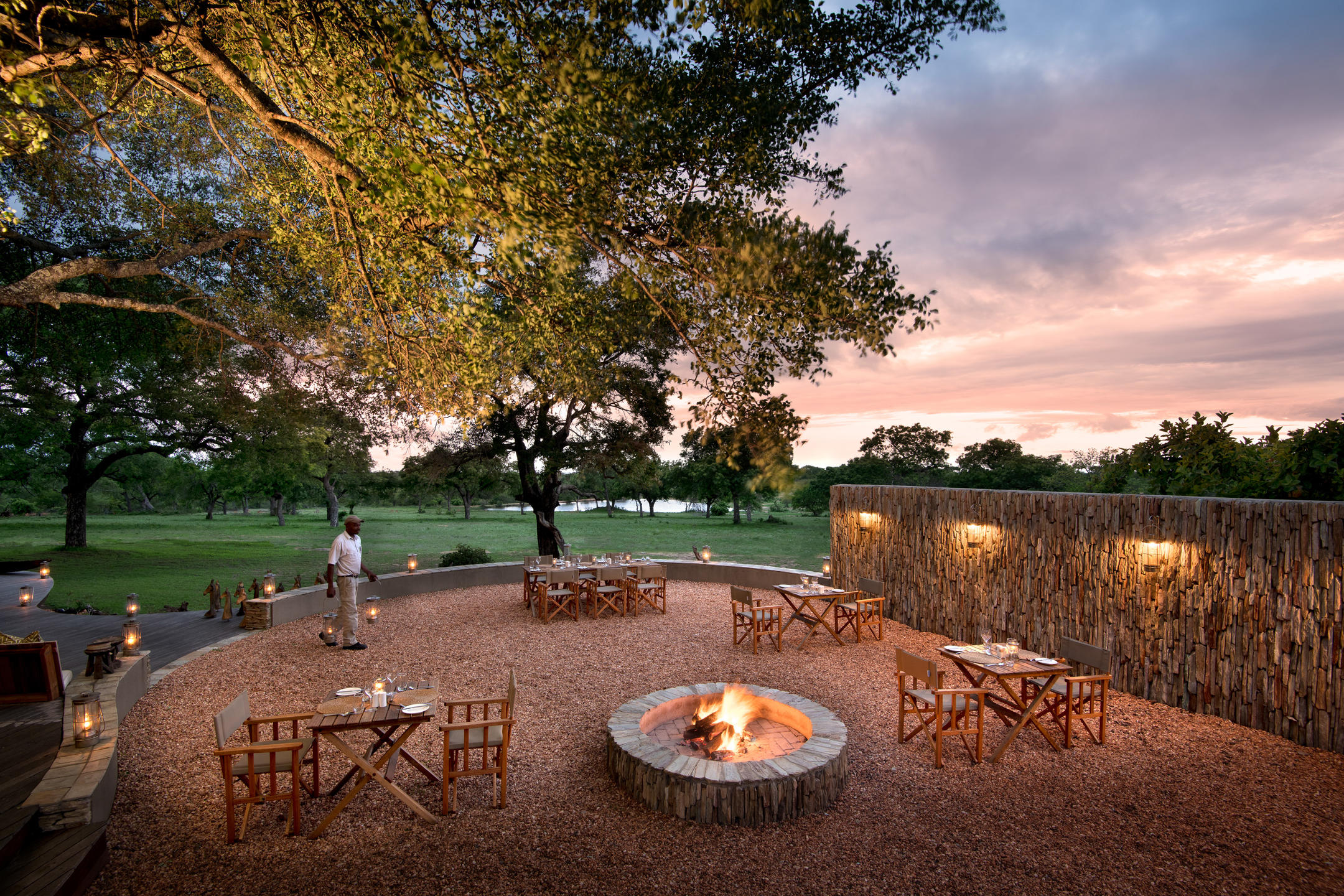
The food deserves a mention that most safari blogs neglect to give it. Chef Ryan’s kitchen was runner-up for best safari cuisine in Africa in 2024 — a detail that becomes entirely believable at the first dinner. Meals rotate between the boma, the deck, the dining room, and occasionally the riverbed itself, where a table appears as if from nowhere and the Timbavati provides the atmosphere free of charge.

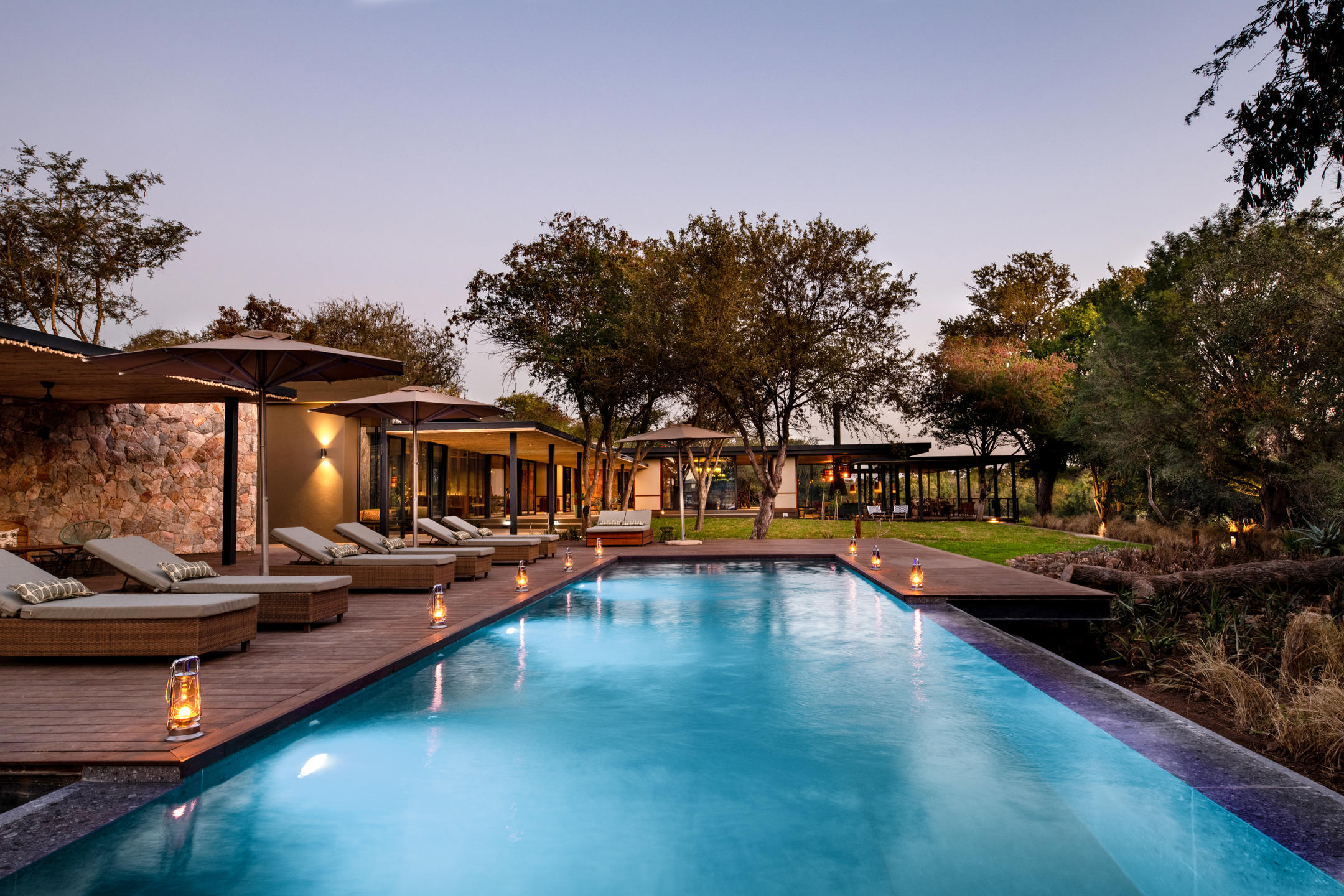
Between March and October, Tanda Tula offers something that very few lodges anywhere can match: an exclusive-use bush field camp, accommodating a maximum of eight guests, that takes the experience entirely off-grid. No permanent structures, no electricity beyond what’s needed, just the Timbavati in its rawest form and a guiding team that knows it intimately. For guests who have done the luxury lodge circuit and are looking for something that goes further — this is where further actually lives.

Tanda Tula means “love and peace” in the Shangaan language. It’s the kind of name that could easily be dismissed as marketing. Spend a few days there and it starts to feel like an accurate description.
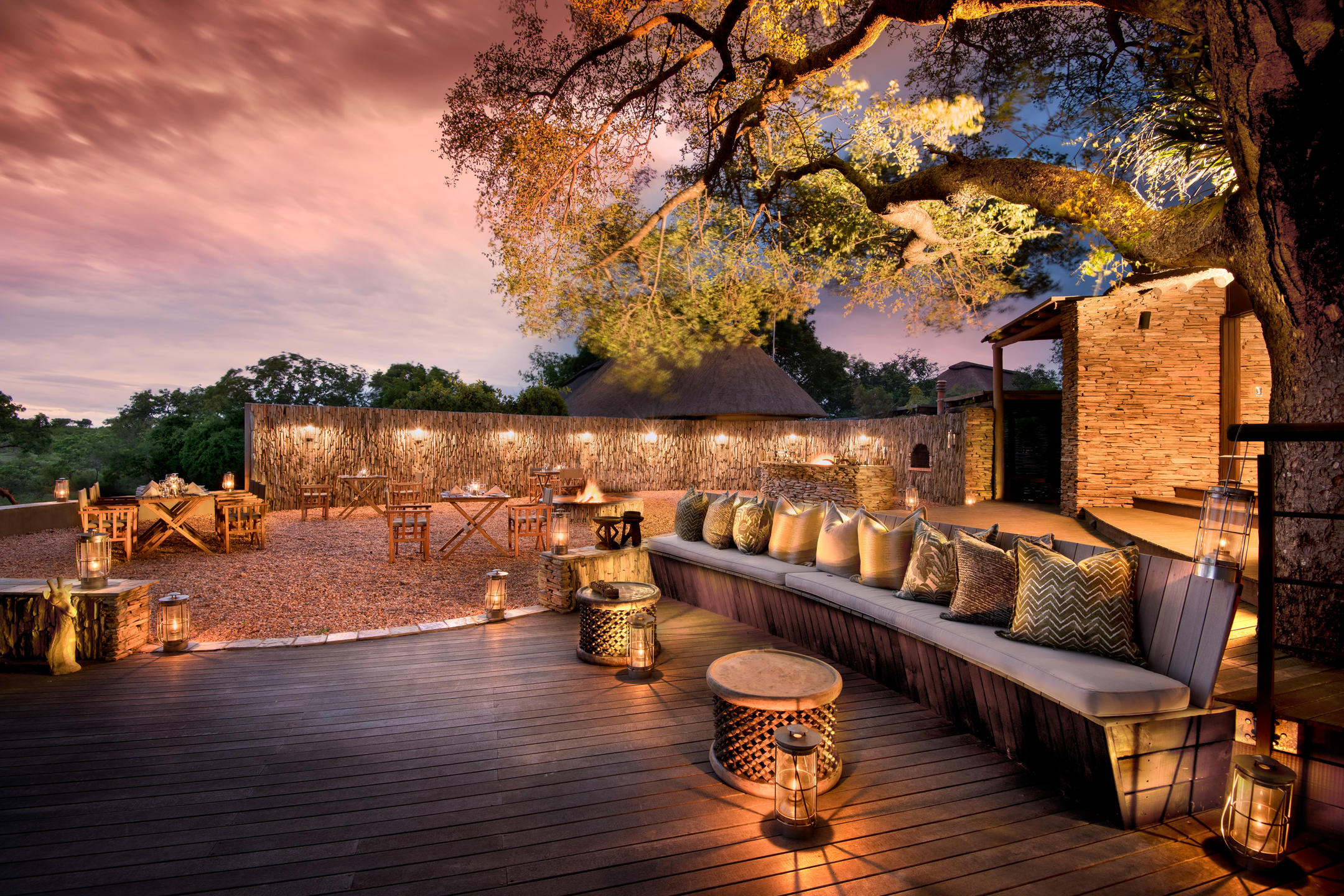
Makanyi — Small Lodge, Big Conviction

Somewhere in the southern sector of the Timbavati, on a section of reserve so private it shares the land with only a handful of private homes, there’s a lodge that was built entirely on conviction. In 2015, Jessica Gold left London, looked at a piece of the Timbavati, and decided she was going to build something she loved. No corporate backing, no established brand to shelter under. Just a very clear idea of what an exceptional safari lodge should feel like and the willingness to go and make it.
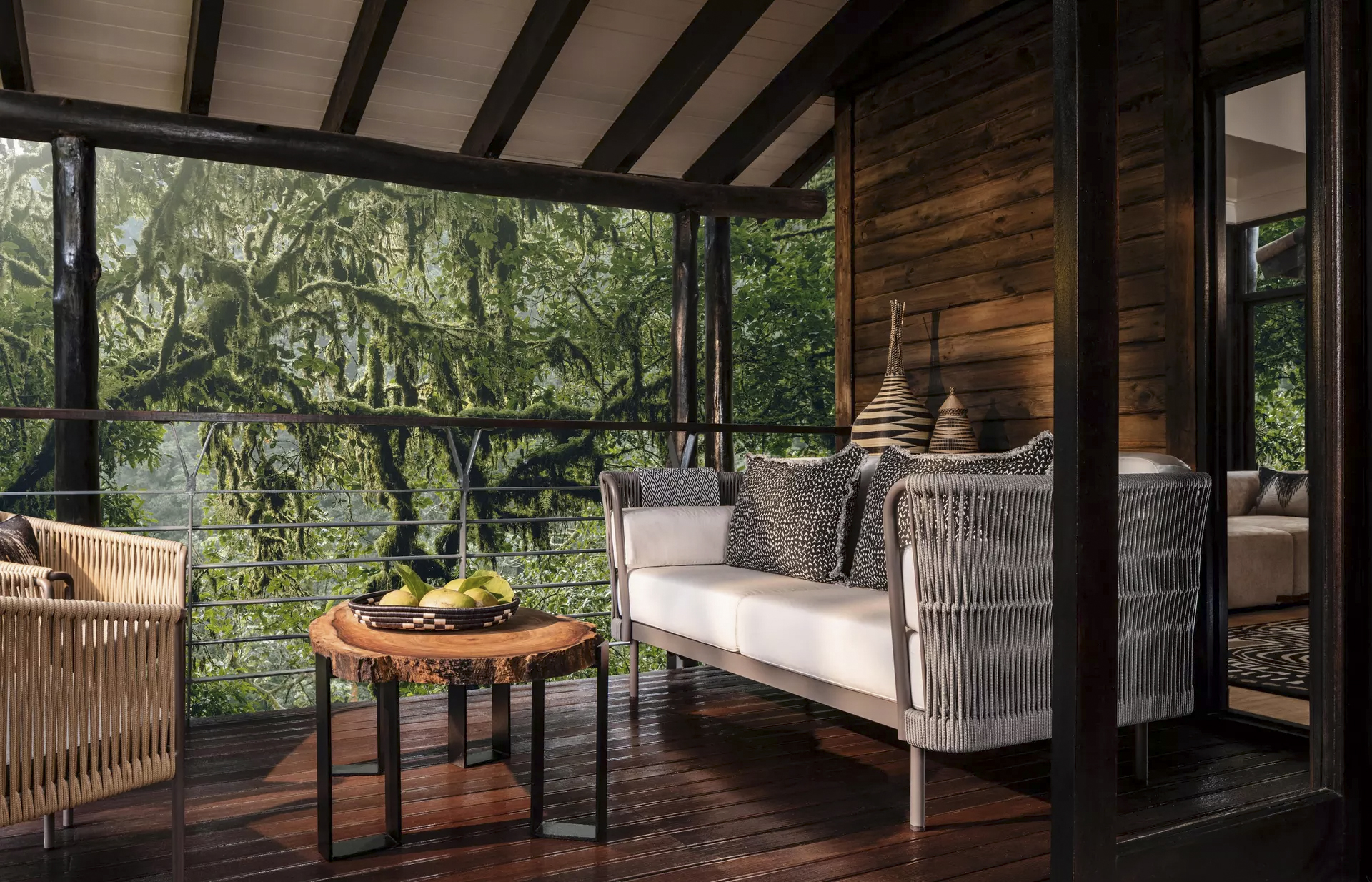
The result, eleven years later, is Makanyi. And it works in a way that’s slightly difficult to explain until you’ve been there.

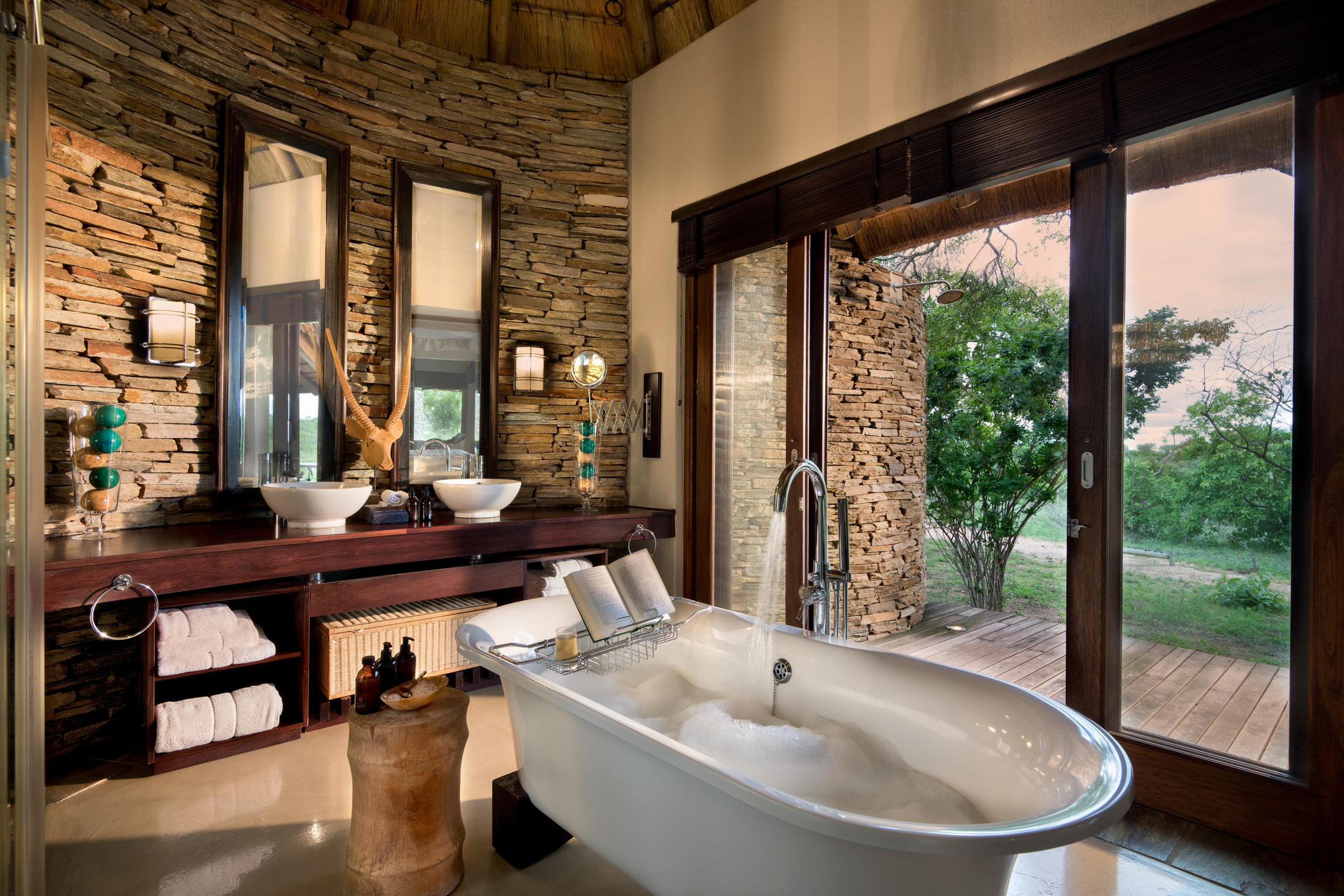
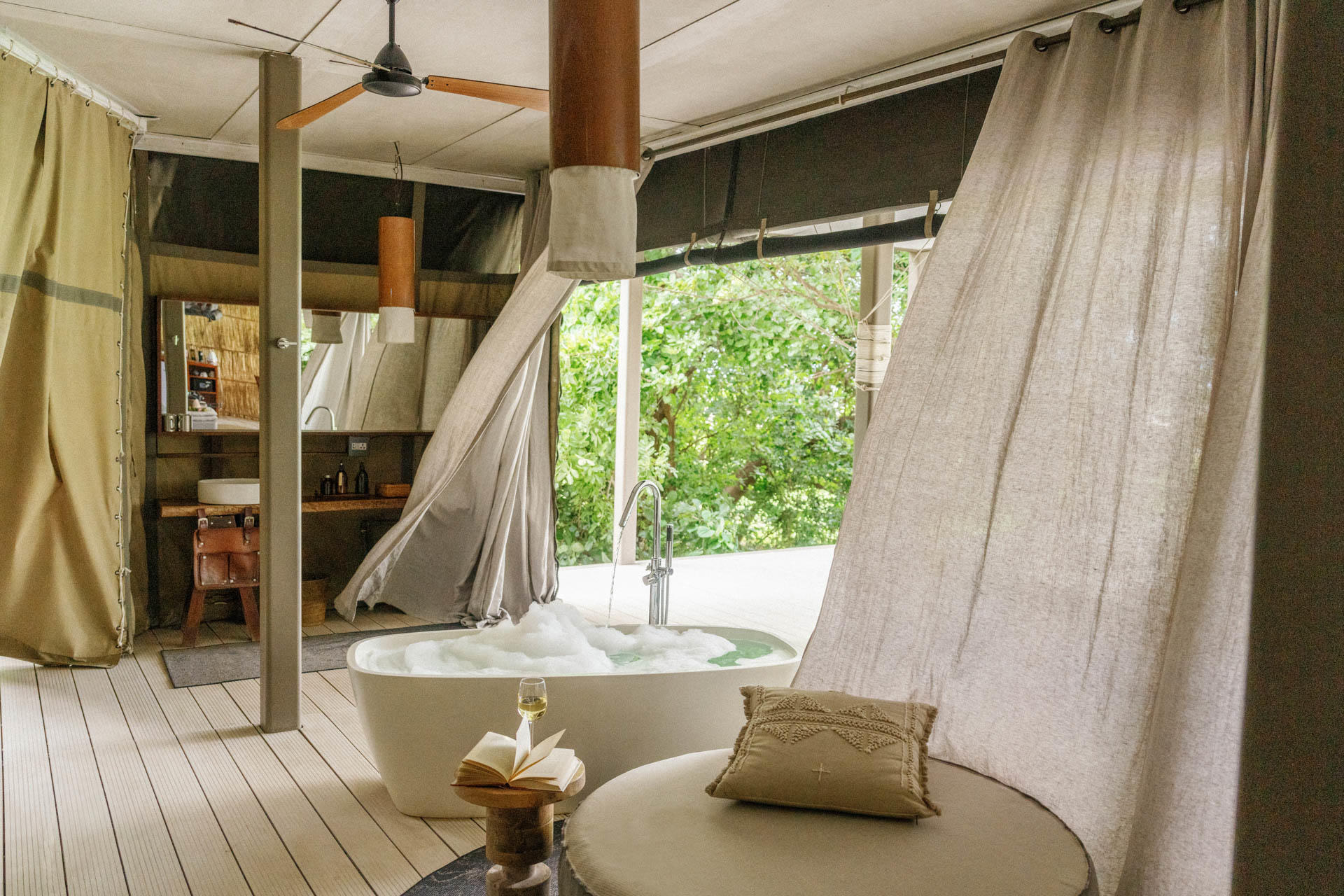
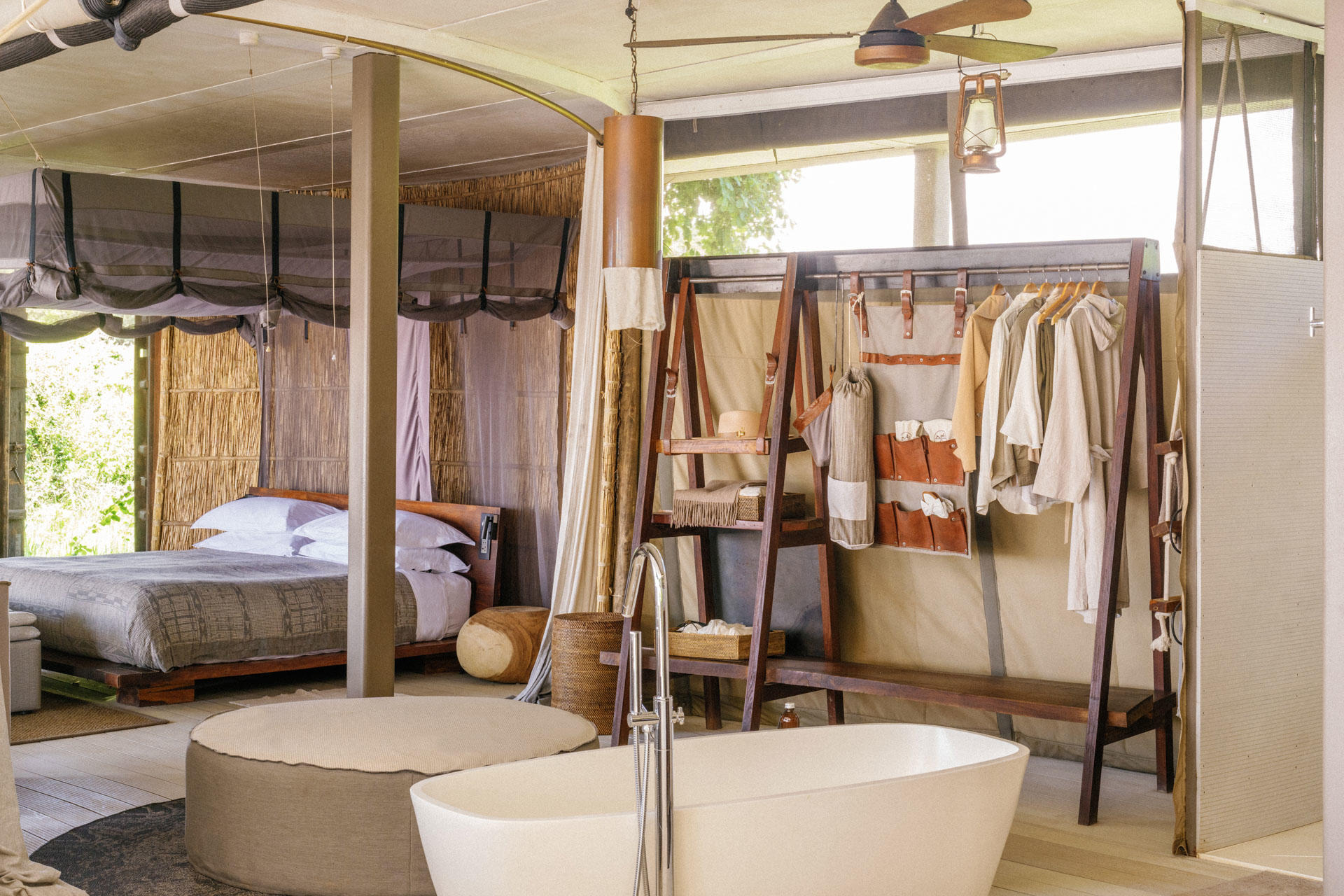
Eight luxury suites built from native wood, thatch and stone, each with a private deck looking out over a dam that serves as a permanent invitation to the wildlife of the reserve. Elephants, lion, leopard, wild dog, the full cast of the Greater Kruger — all seen without another vehicle in sight, because the section of Timbavati that Makanyi sits in is that private. The suites themselves are open-plan, light-filled and unhurried in their design — neutral tones, custom furnishings, gas fireplaces for the cool evenings, freestanding baths that you will absolutely use. Two honeymoon suites with private plunge pools for those who need no further encouragement.

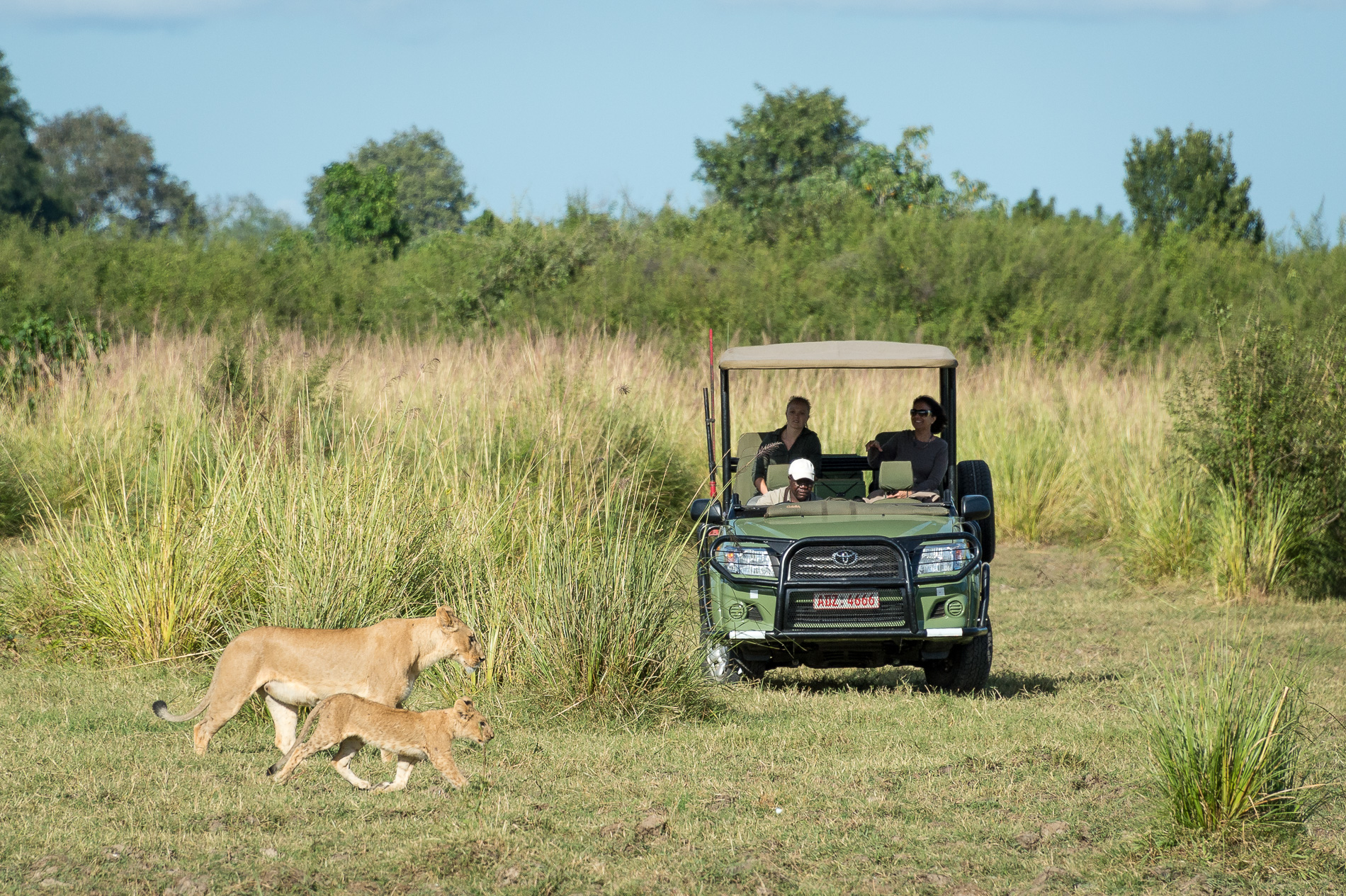
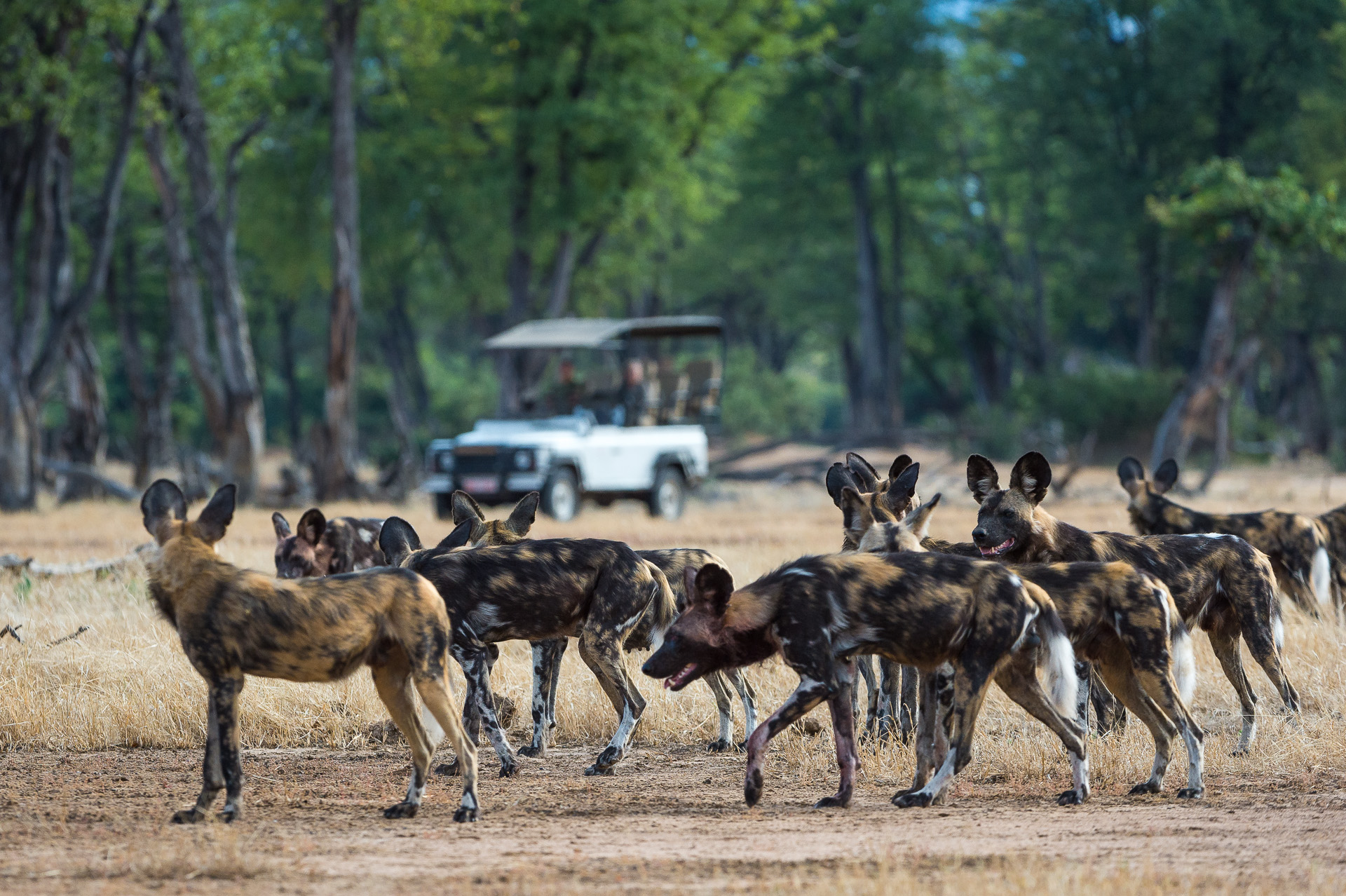
The guiding is the thing that serious safari travellers tend to come away talking about most. Guide Saki and tracker Robert have built a reputation in this part of the Timbavati for finding what other vehicles can’t — wild dog sightings in particular, which is a species that rewards patience and intimate reserve knowledge in equal measure. Off-road access on a private concession means you go where the animal is, not where the track permits. It sounds like a small thing until you’re the vehicle that follows a leopard into thick bush while everyone else watches from the road.

The wine cellar deserves its own mention because at Makanyi it has clearly been taken seriously by someone with strong opinions. South African wines, selected with actual care, served at sundowners that the rangers occasionally upgrade with a wine tasting stop in the bush — a detail that guests describe with a frequency that suggests it has become something of a signature.

Chef Amos runs a kitchen that has attracted the kind of reviews that lodge kitchens almost never get. Every meal — and guests are specific about this — is fresh, considered and genuinely good. He comes out of the kitchen to talk to guests at every meal, which tells you something about the culture of the place. It’s a lodge where the people who work there are invested in it in a way that tends only to happen when ownership cares.

Makanyi sits in a section of the Timbavati that the reserve itself describes as incomparable. Given what the Timbavati as a whole offers, that’s not nothing.

Mwiba Lodge — Tanzania’s Best Kept Secret

There’s a particular kind of satisfaction that comes from knowing about a place most people don’t. Mwiba Lodge, tucked into a private wildlife reserve on the southern border of the Serengeti, is that place. Ten tented suites, 130,000 acres, and no other camps anywhere near it. If exclusivity is something safari operators throw around loosely, Mwiba earns the word.

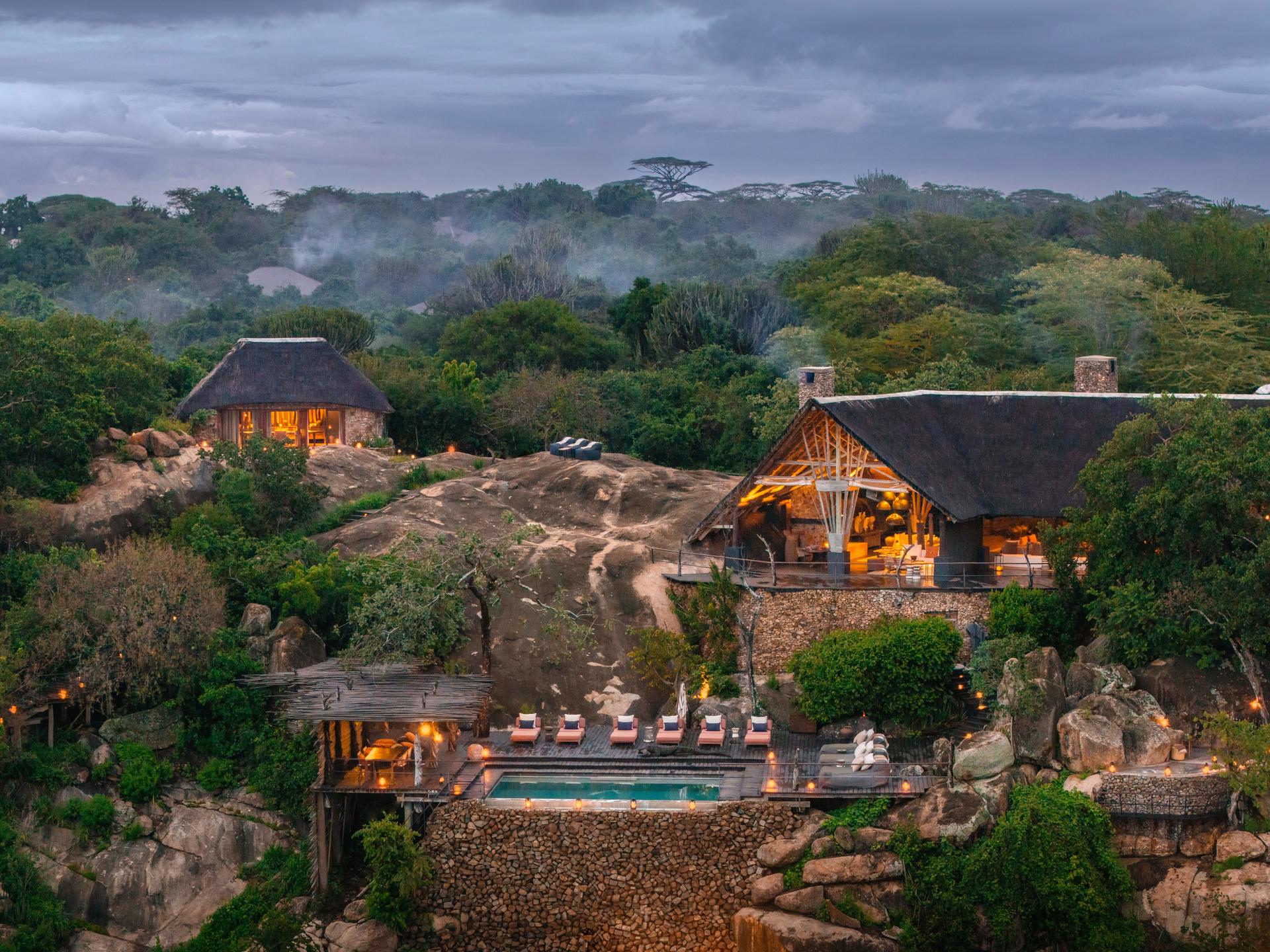
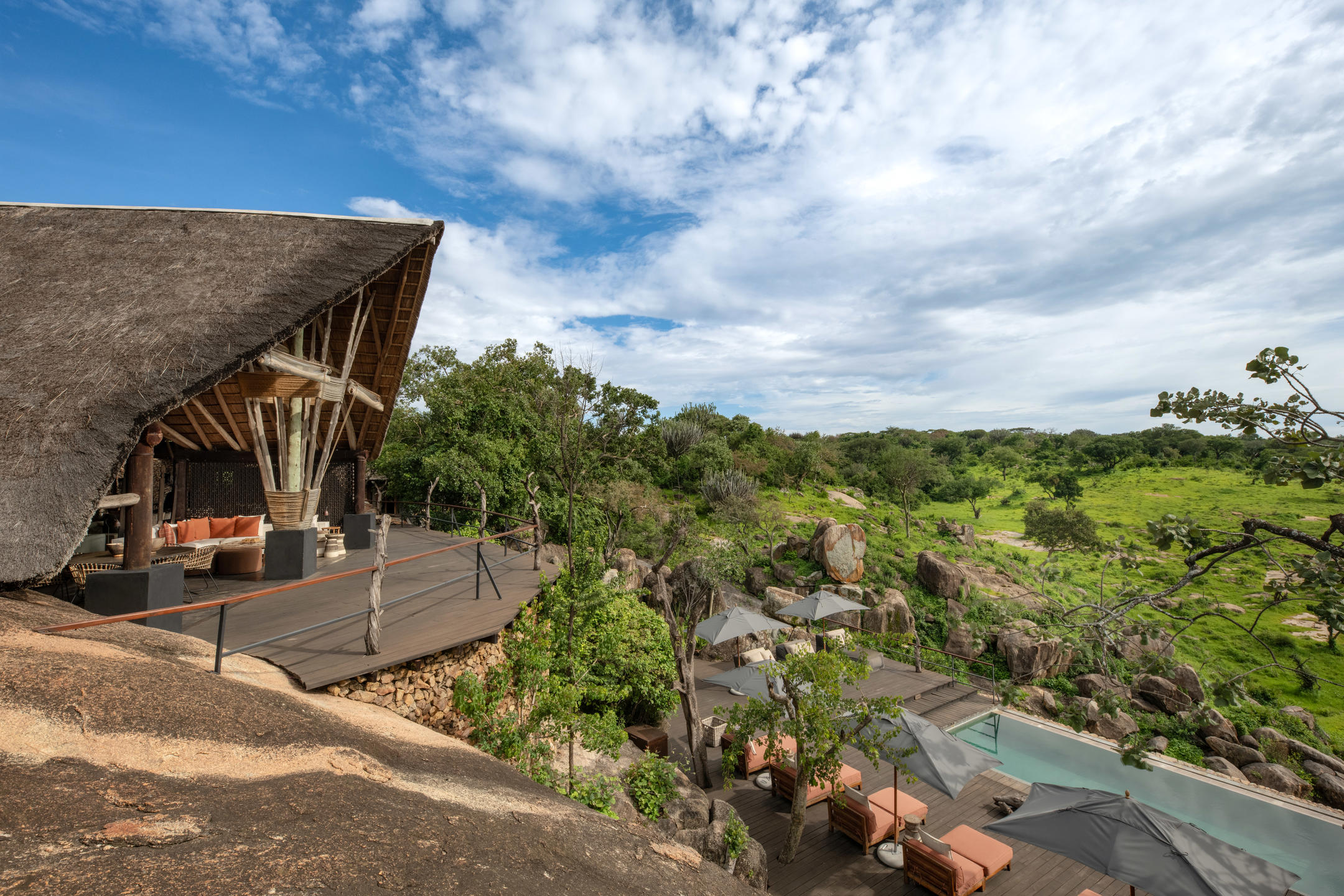
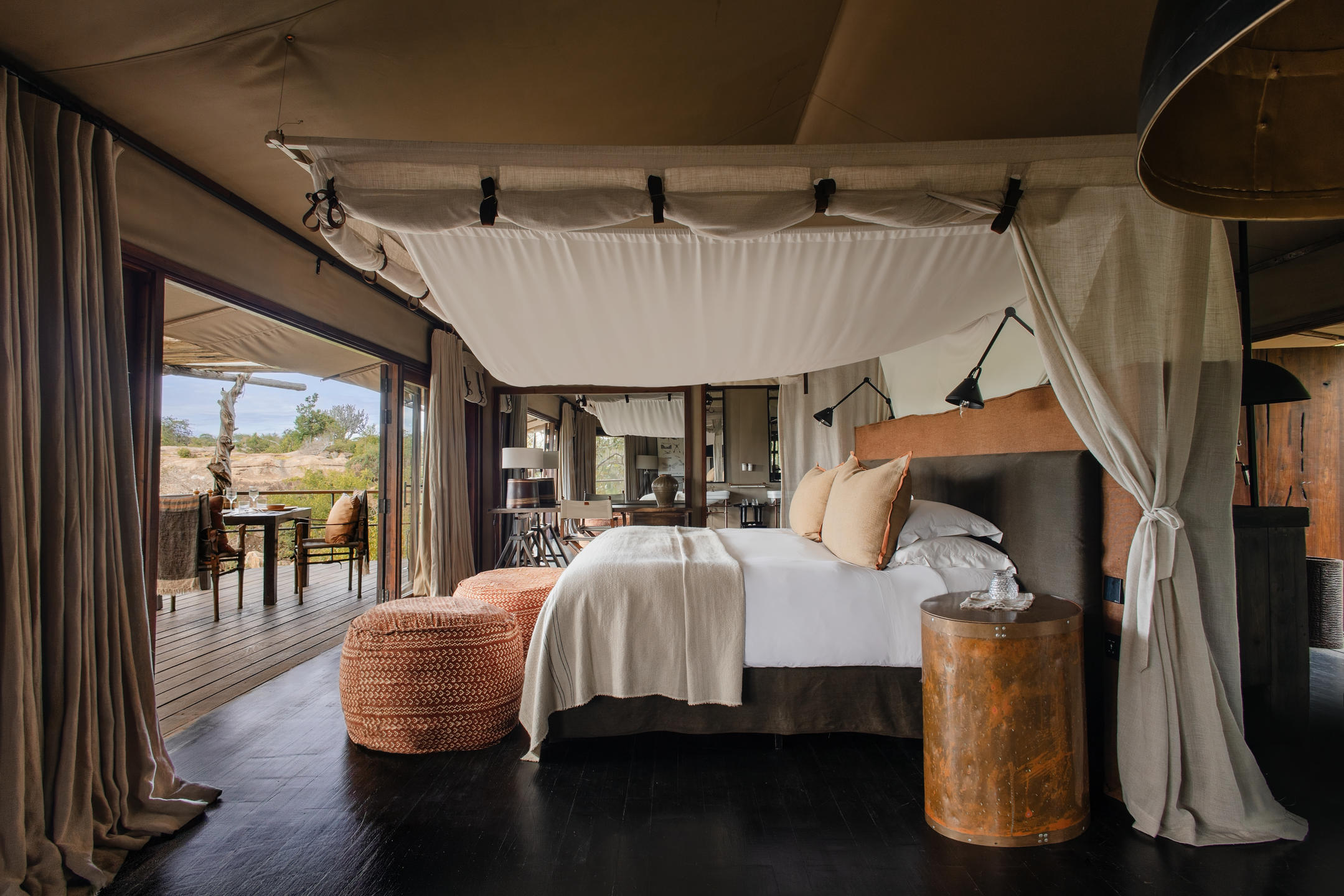
The lodge itself sits perched on granite boulders above the Arugusinyai River gorge, connected by winding wooden walkways that feel like they grew out of the landscape rather than were built on top of it. The suites are generous without being showy — expansive decks, soaking tubs positioned to face the bush, outdoor showers, the kind of beds you need a moment to commit to leaving. The design lets the setting do the talking, which is a smart call given the setting.

But what really separates Mwiba from the crowded northern circuit isn’t the hardware. It’s the freedom. Every guest gets their own private guide and vehicle. There are no set schedules, no convoy of Land Cruisers jostling for position at a kill. You go where you want, when you want, for as long as you want. For anyone who’s spent time trying to enjoy a leopard sighting with six other vehicles parked around it, that matters more than it sounds.

The wildlife corridor here connects the southern Serengeti to Lake Manyara and the Ngorongoro highlands, which means the diversity of what you’ll encounter is genuinely surprising. Elephant, lion, cheetah, wild dog — all on a reserve where the only tyre tracks in the road are probably yours.

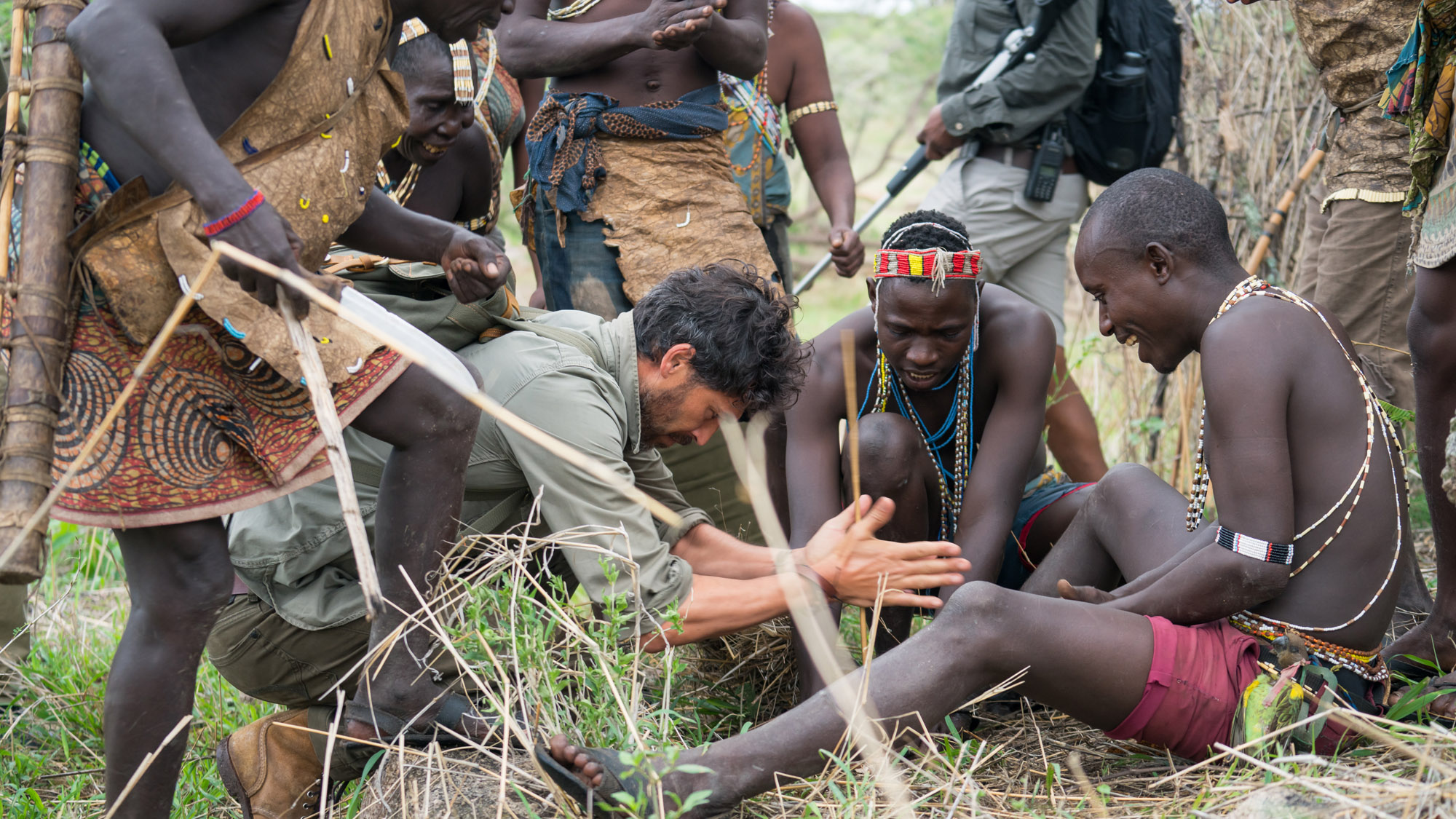
Then there’s the Hadzabe. One of the last remaining hunter-gatherer tribes in Africa, they’ve lived around Lake Eyasi — a short helicopter flight from the lodge — for tens of thousands of years. A morning spent with them, watching them hunt with handmade bows in the acacia scrub, has a way of quietly rearranging your priorities. It’s not a performance put on for tourists. It’s a way of life that has remained largely unchanged, and being invited into it, even briefly, is a privilege worth the journey alone.

The helicopter deserves its own mention. Mwiba is the only lodge in Tanzania with a permanent helicopter on site, which opens up a level of exploration most safari-goers never access — flights over the Serengeti plains, down into the Rift Valley, across to Lake Eyasi. It turns an already exceptional stay into something that feels almost unreasonably good.
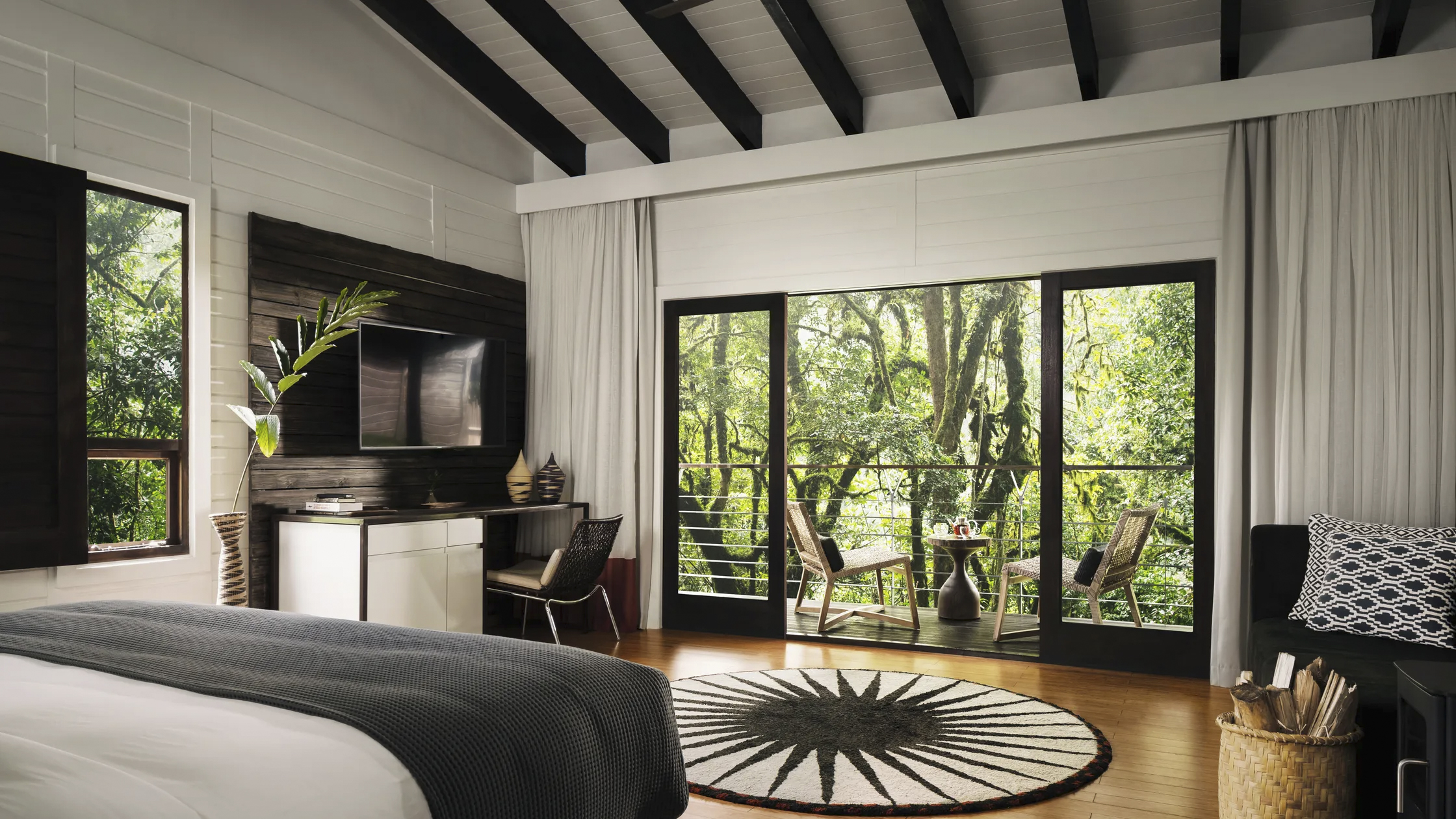
Mwiba recently joined the Auberge Collection alongside sister property Chem Chem, which makes combining the two lodges on a single Tanzania itinerary a seamless and logical exercise. Different ecosystems, complementary experiences, and a level of consistency across both properties that makes planning straightforward.

The honest question with any safari lodge is whether it lives up to what’s written about it. Mwiba does, and then some. It’s the kind of place that doesn’t need to shout about itself. The guests who find it tend to come back — and tend not to tell too many people about it either.

An Arrangement With Elephants — Ruckomechi Camp, Zimbabwe

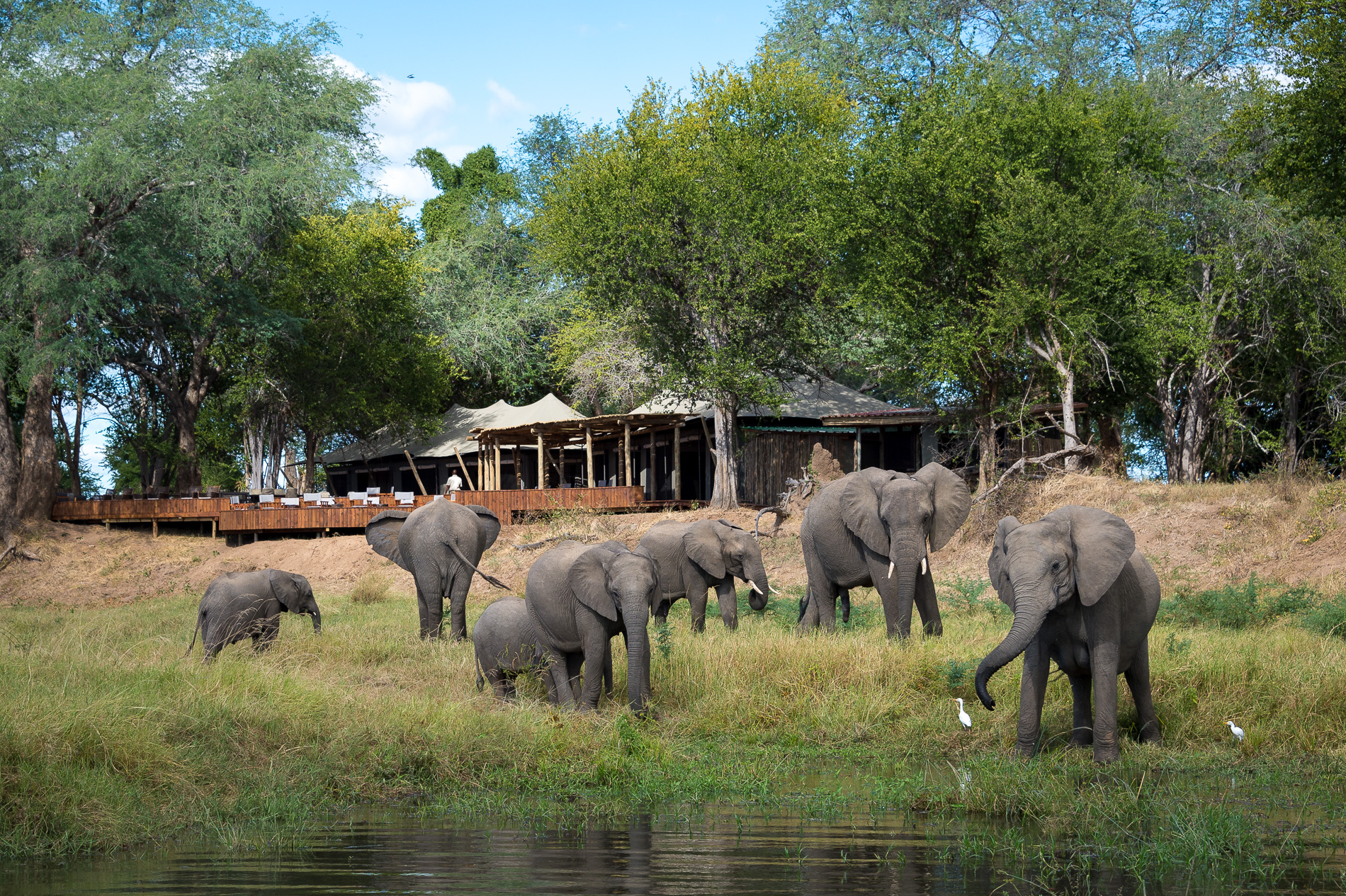
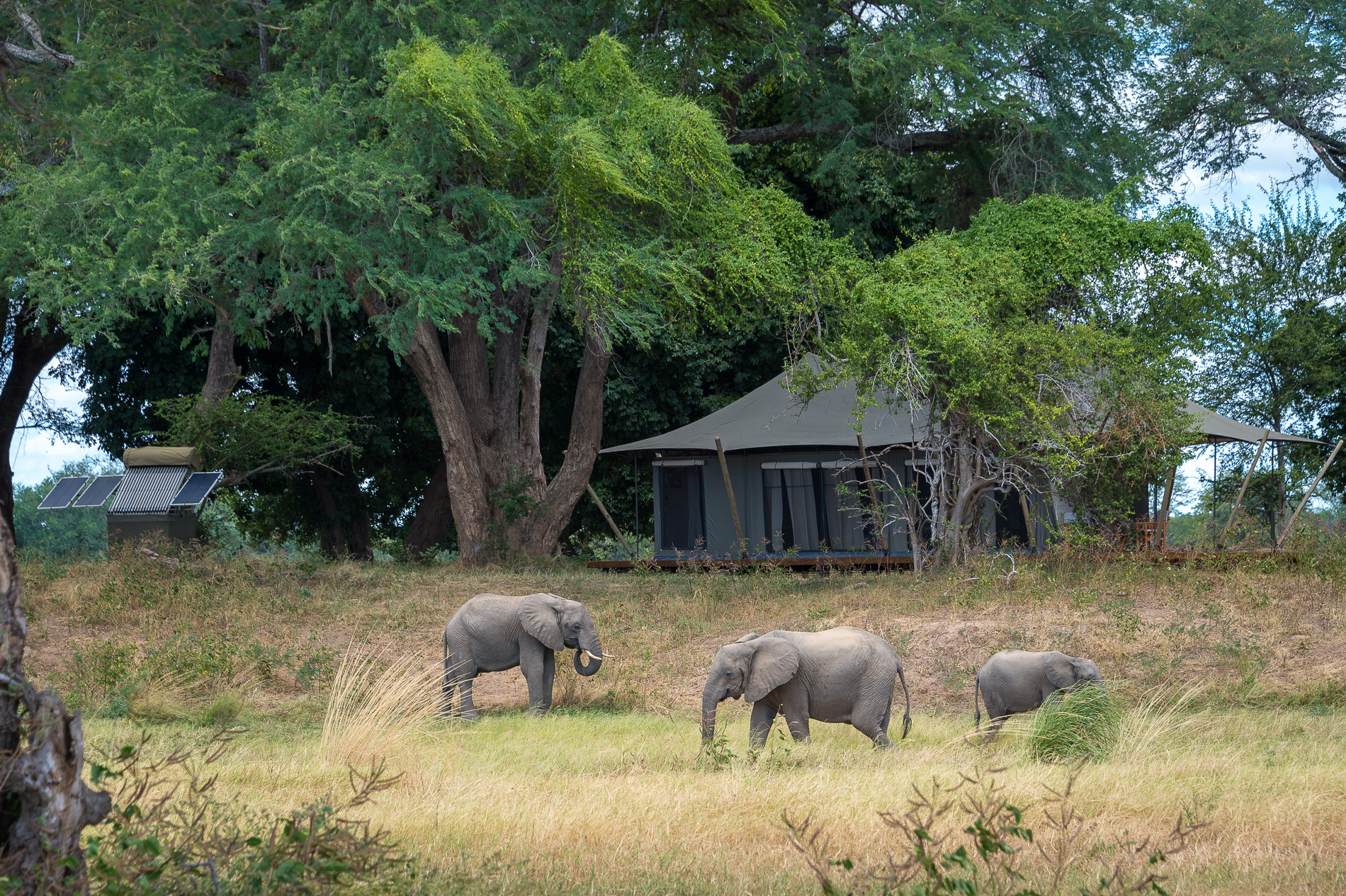
There is a particular tree along the Zambezi’s floodplain — the apple-ring acacia, known locally as the albida — that drops its seed pods in the dry season at precisely the moment the rest of the bush has nothing left to offer. Elephants have understood this for longer than anyone has been keeping records, and they organise entire days around it. Ruckomechi Camp, tucked into a private concession on the western edge of Zimbabwe’s Mana Pools National Park, happens to have been built beneath a particularly fine grove of them. Which means, in practice, that the elephants come to camp. Not occasionally, and not as a curiosity laid on for the cameras. As a matter of routine, the way one might call in at a regular café.

It takes most guests a day or two to stop being startled by this. A bull will wander between the tents at midday, entirely unbothered, working through a low branch with the unhurried focus of someone who has done this ten thousand times before. The camp’s answer is not to intervene but to make room — chairs angled politely out of the way, conversations paused mid-sentence, nobody especially alarmed. Mana Pools is one of the very few places in Africa where this kind of proximity is considered not reckless but simply how the wildlife works here, on its own terms, with people permitted to watch from close enough to feel the air move.

The wider floodplain is where Ruckomechi properly reveals itself. Wide, flat, threaded with the kind of ana forest that gives Mana Pools its particular green-gold light, it draws an unusual concentration of predators through the dry season — lion, leopard, and increasingly, African wild dog, which have found a stronghold here that has become one of the most reliable in the region. Walking safaris move through this landscape at the pace it deserves, led by guides trained to read a floodplain the way a sailor reads weather, while canoe safaris drift down a stretch of the Zambezi so still in places that the only ripples are the ones you’ve made yourself.

What separates Mana Pools from the rest of the Zambezi valley is its UNESCO World Heritage status, granted not for grandeur but for the specific, irreplaceable ecology of this floodplain system — and Ruckomechi’s private concession plays an active part in protecting it, funding the anti-poaching patrols and research that keep the wild dog population recovering rather than retreating. None of this is advertised loudly. It simply happens, the way the elephants simply arrive, as part of an arrangement that long predates the camp and will presumably outlast it.

In the late afternoon, with the heat finally loosening its grip and the floodplain turning the colour of weak tea, it becomes easy to forget that any of this required explaining. The elephants are not performing for anyone. They were here first, and they have simply allowed the camp to stay.

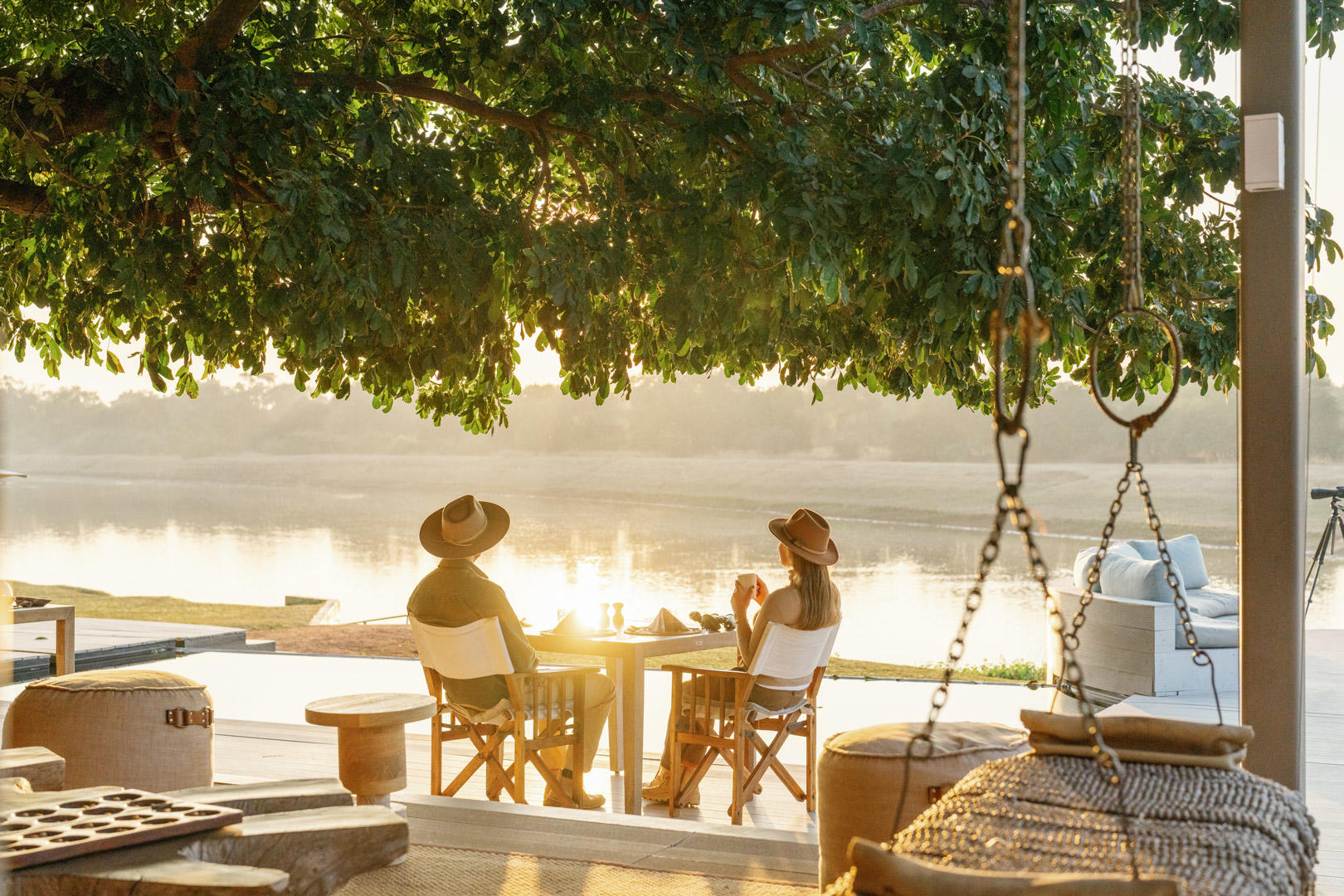
A Quiet Inheritance — Chinzombo Camp, Zambia

In the 1970s, a game ranger named Norman Carr kept a rainy-season camp on a ridge above the Luangwa River, named after the snuffbox tree that grew there in abundance. Carr is the reason the walking safari exists at all — he pioneered it here in the Luangwa Valley decades earlier, having persuaded a local chief to set aside tribal land as a game reserve, and having decided, somewhat radically for the time, that the best way to understand this landscape was to get out of the vehicle entirely and let it happen at eye level. He called the place Chinzombo. It was never meant to be permanent. It became, eventually, something close to legend.

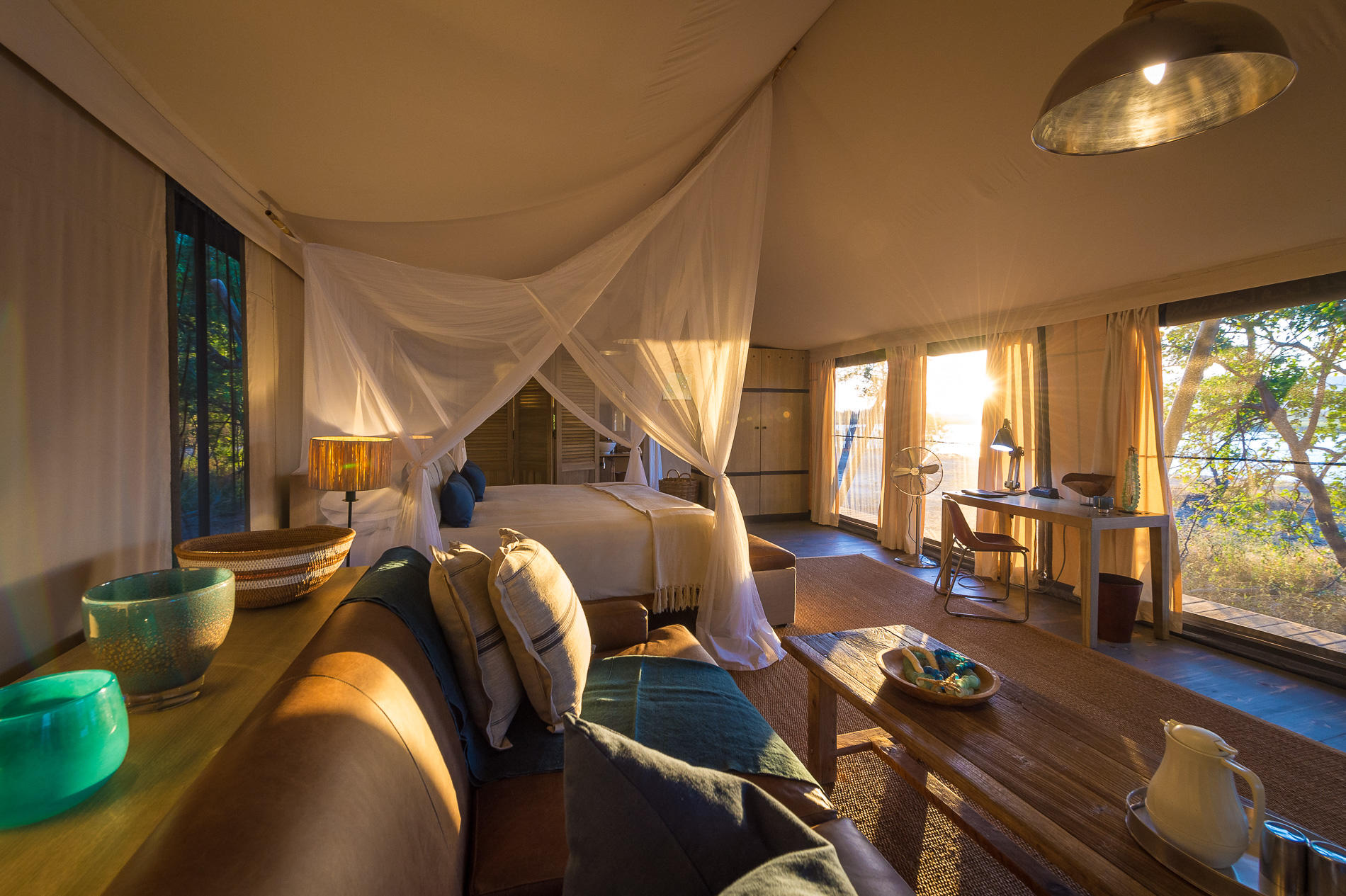
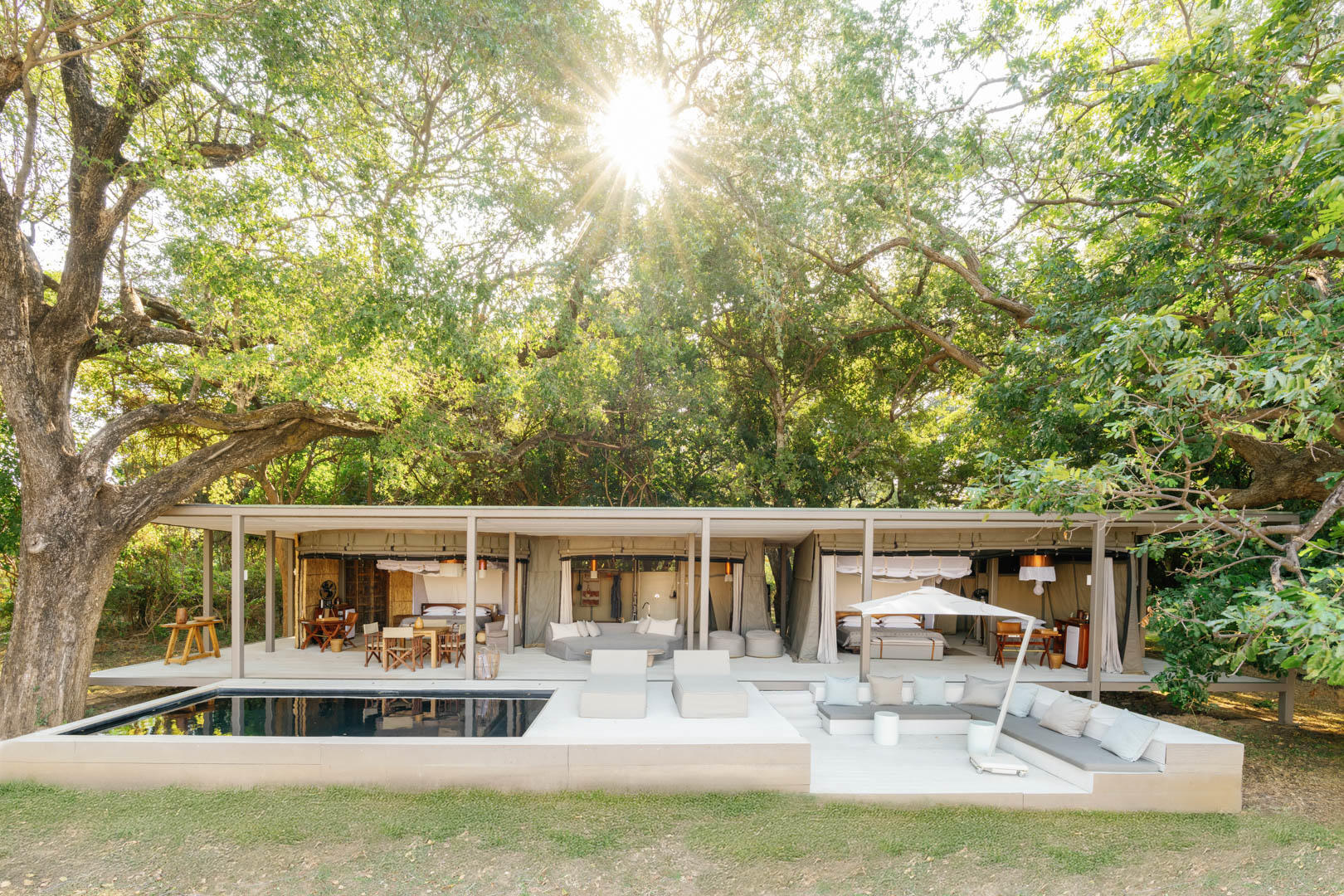
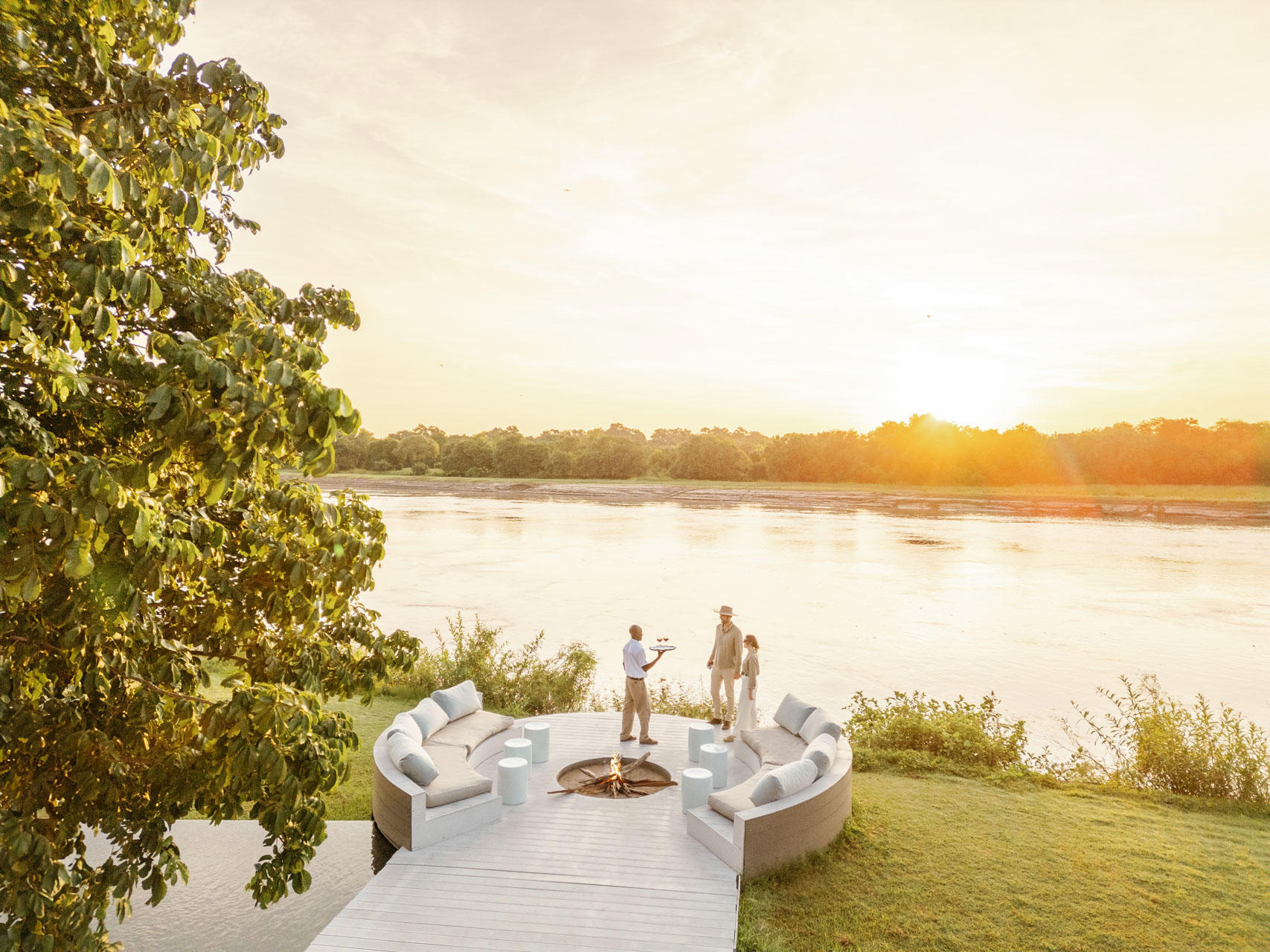
The camp that carries his name today is not a recreation. It is something more interesting: a continuation, built on the same stretch of river, that has taken everything Carr believed about this valley — that walking is more honest than driving, that wildlife deserves attention rather than spectacle, that the Luangwa rewards patience above all else — and rebuilt it for a different era, with rather better plumbing. Six tented suites rest beneath a canopy of ancient trees on the riverbank, each one designed with enough restraint that the view does most of the talking. There are private pools and soaking tubs angled toward the water, but the architecture seems almost apologetic about its own comfort, as though aware that the real luxury here was always going to be the bush itself.

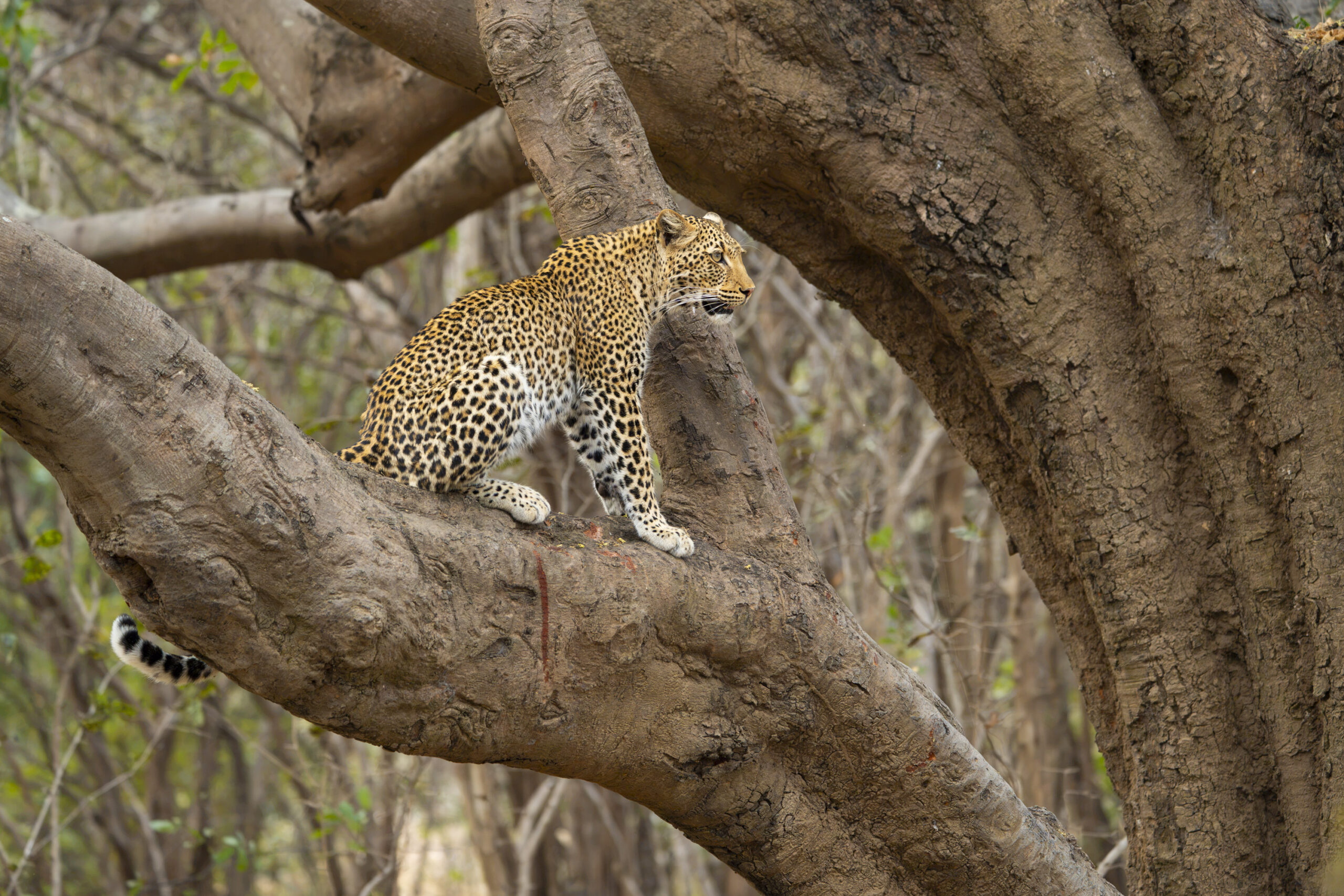
South Luangwa has long been called the Valley of the Leopard, and the reputation holds. The riverine thicket that lines the Luangwa is some of the most reliable leopard country left on the continent, and Chinzombo’s guides — many of them trained in a tradition that traces directly back to Carr’s original walking trails — read it with a fluency that turns a quiet afternoon into something extraordinary without anyone quite noticing the shift. Game drives cover the wider floodplain, thick with hippo and elephant and the kind of birdlife that makes ornithologists go quiet mid-sentence, while access by boat opens up stretches of river that the vehicles can never reach.

What lingers, though, isn’t really the leopards or the river or even the six beautifully unfussy tents. It’s the sense of being inside an idea that someone else had first, decades ago, in a much rougher version of this exact spot — and that the idea turned out to be right. Carr believed wildlife tourism could fund its own conservation, long before anyone had a name for that. He believed the Luangwa deserved to be walked, not just photographed through glass. Chinzombo, for all its polish, still operates on that same quiet conviction.

Some places improve with age. Fewer of them manage to keep their founder’s argument intact while doing it. Chinzombo, somehow, has done both — which may be the truest kind of tribute a landscape can pay to the person who first understood it.

The Forest Before the Fields — One&Only Nyungwe House, Rwanda

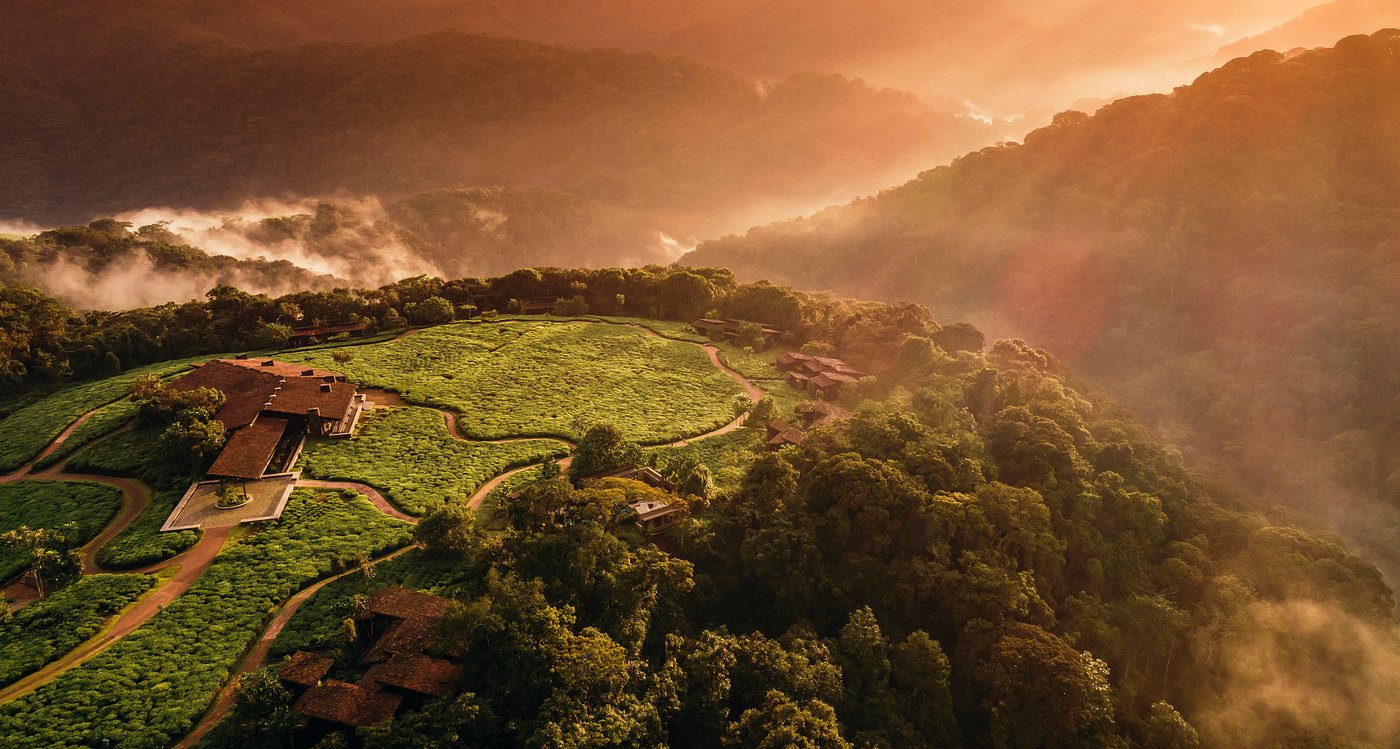
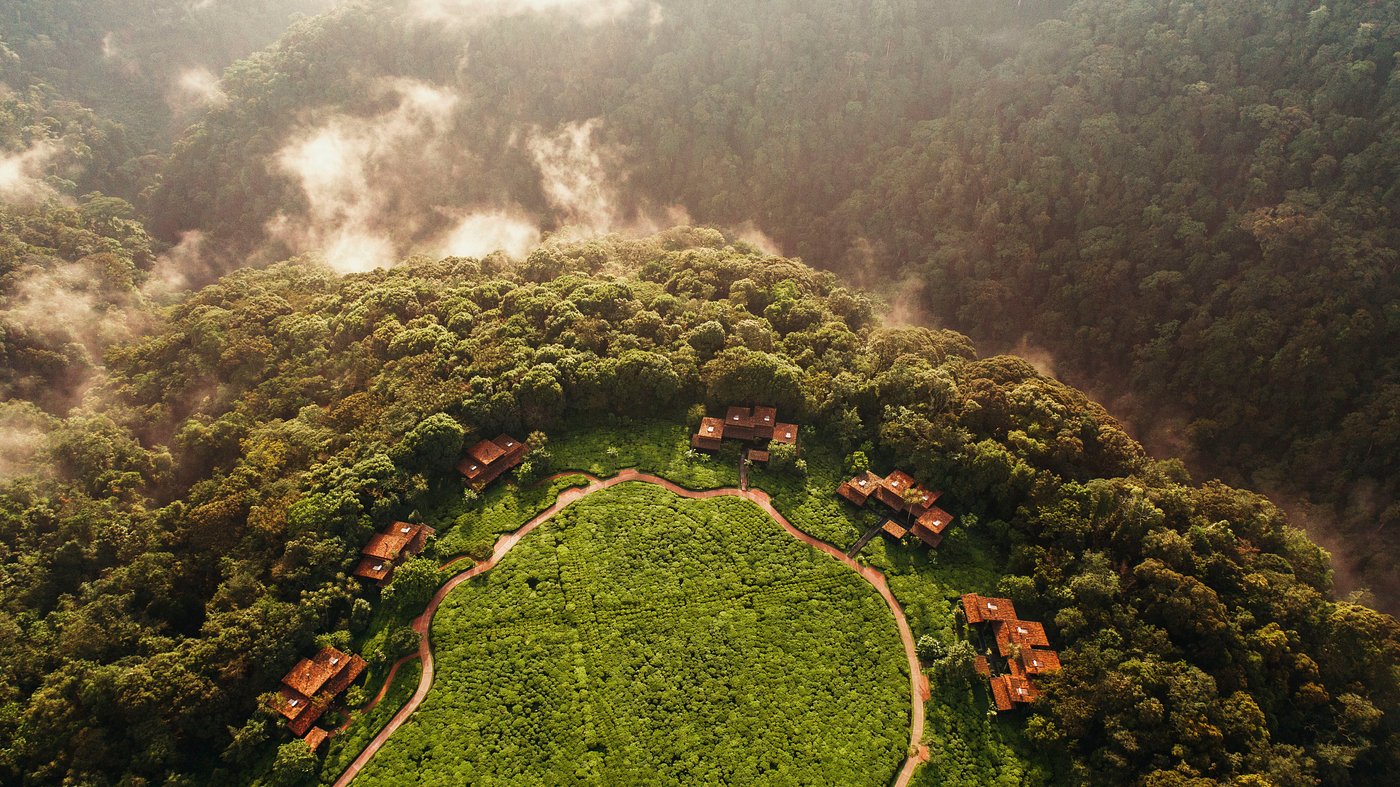
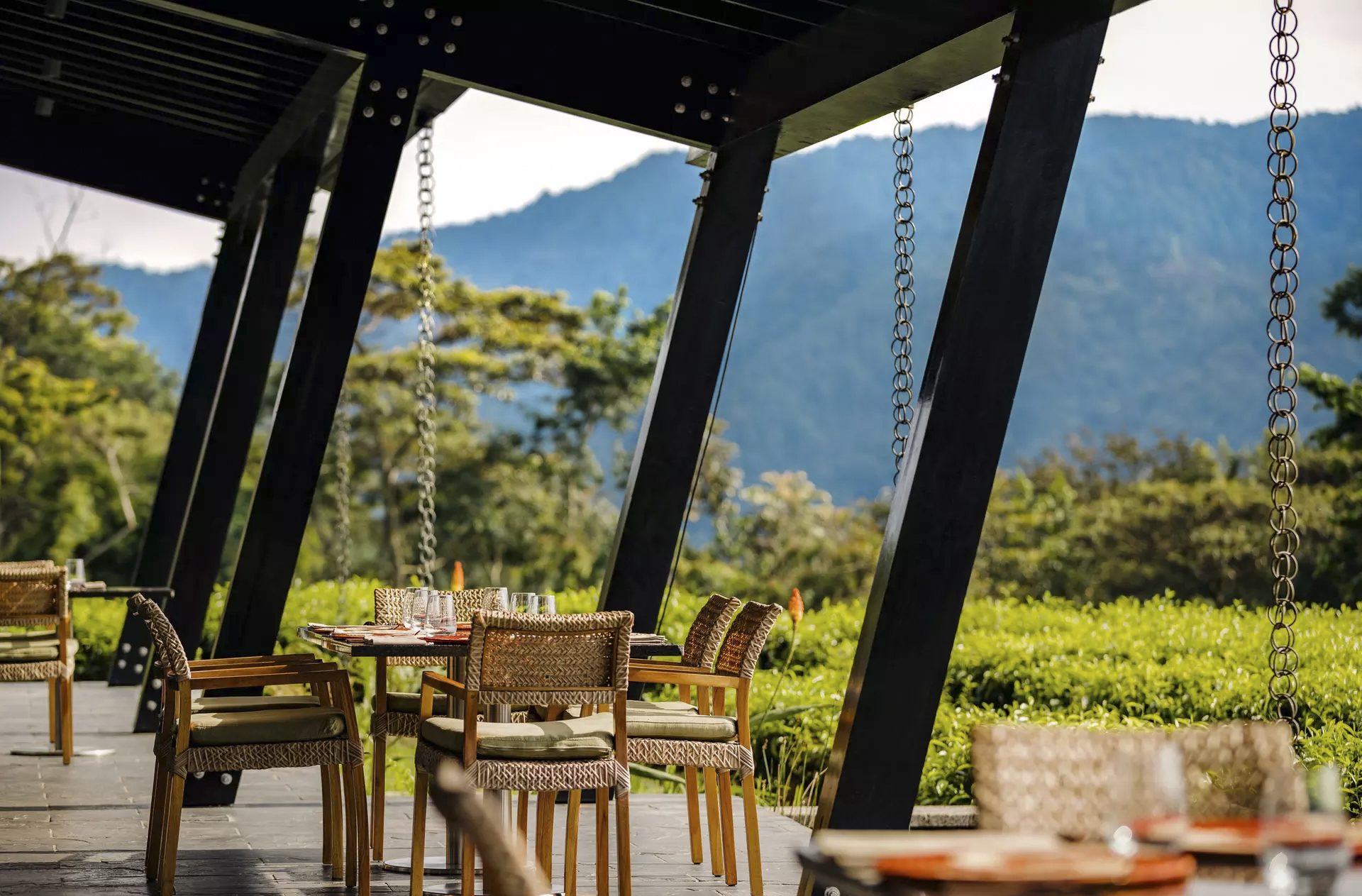
The drive into Nyungwe is a lesson in contrast long before the forest itself appears. The road climbs through Rwanda’s southwest in a wash of green — tea plantations laid out in neat, contoured rows, hills terraced with the kind of agricultural discipline that has earned this country its reputation as one of the tidiest on the continent. And then, with very little warning, the cultivated green gives way to something older and considerably less organised. A wall of rainforest rises out of the hillside, dense and tangled and entirely indifferent to the order around it, as though the tea fields had been quietly guarding something they were never quite allowed to touch.

What they have been guarding is one of the oldest rainforests in Africa — a montane ecosystem so ancient that some botanists believe it may have survived the last ice age largely intact, sheltering plant lineages that have vanished almost everywhere else on the continent. Nyungwe holds over a thousand plant species, eighty-five types of mammal, and thirteen species of primate, more than 300 species of bird, dozens found nowhere else on earth. It is, by most measures that matter, one of the most biologically significant forests left standing anywhere.

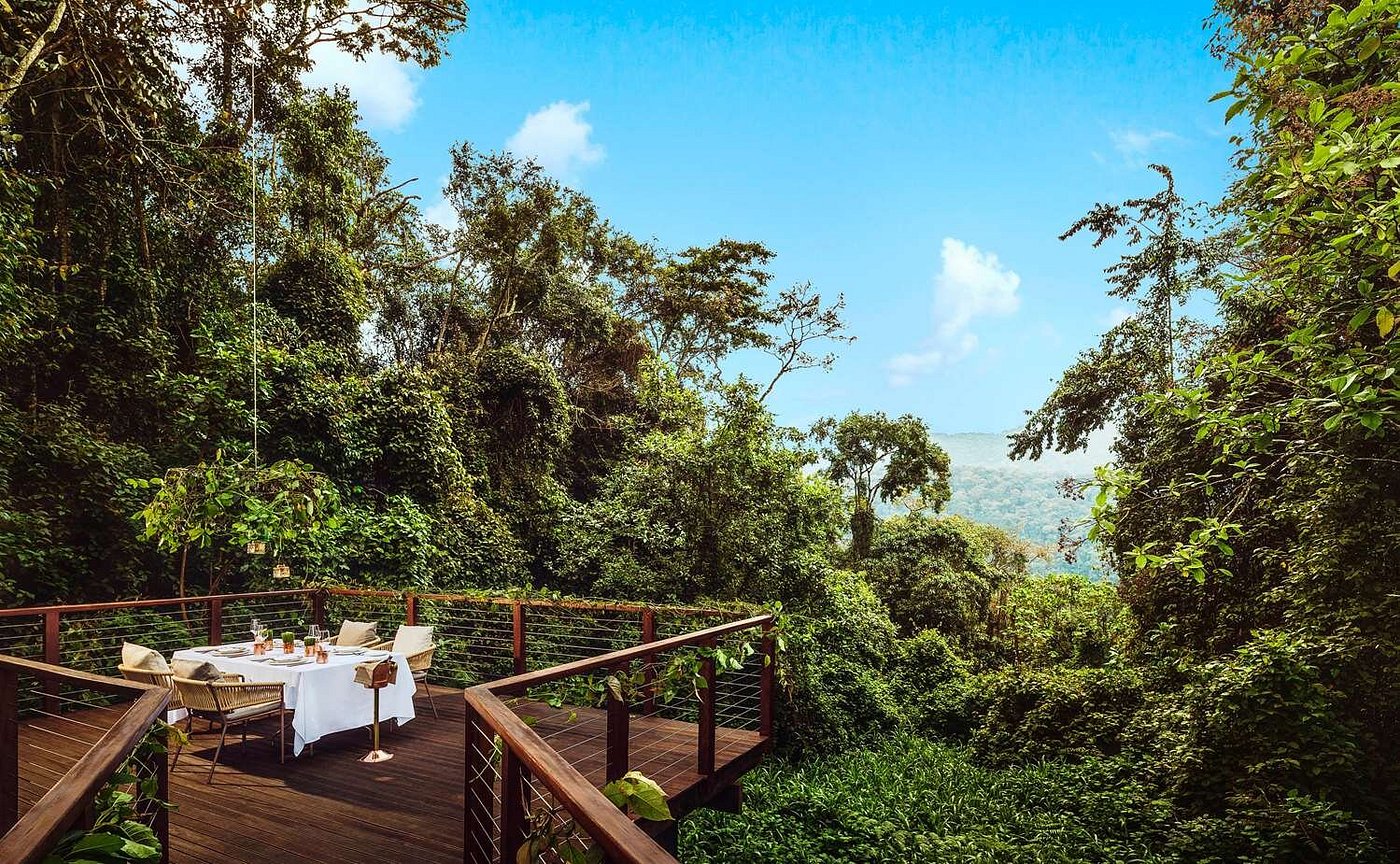
One&Only Nyungwe House sits at the forest’s edge among the very tea plantations that frame the approach, which turns out to be a rather elegant piece of design logic: guests wake up inside the cultivated landscape and walk out into the wild one. The villas are spacious and quietly luxurious in the way the brand tends to do well, but the real architecture worth discussing is the forest’s own — particularly the canopy walkway, suspended sixty metres above the ground between towering trees, the only structure of its kind in East Africa. Crossing it is disorienting in the best possible way: the forest floor disappears, the canopy becomes the world, and birds that spend their entire lives above the ground suddenly make a great deal more sense.

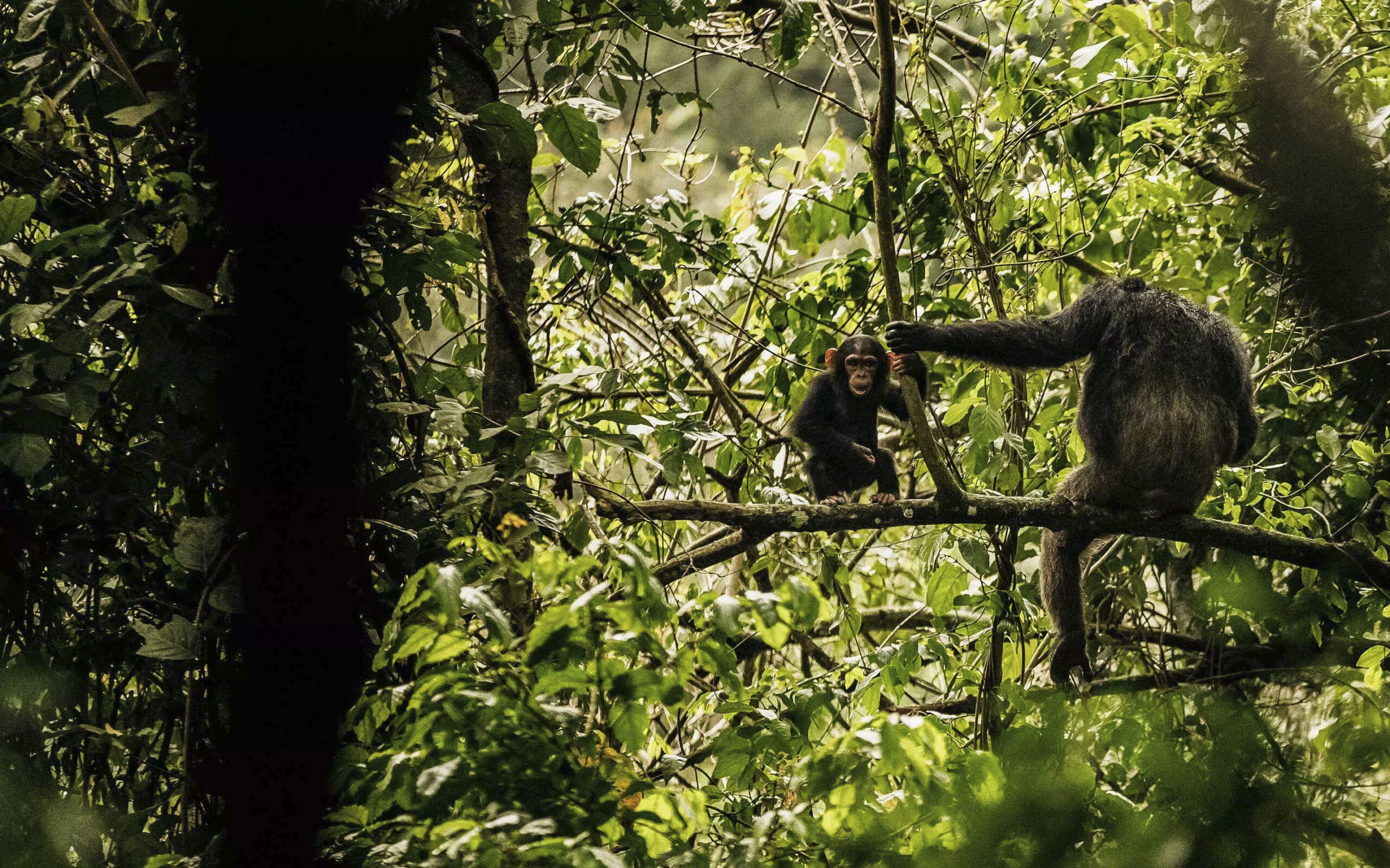
The chimpanzees are the other reason people come. Nyungwe is home to several hundred of them, tracked daily by expert guides through dense, often steep terrain that demands a kind of fitness most safari activities don’t require — and the reward, when a group is found, is an encounter considerably quieter and more contemplative than anything possible on the open plains. There is no vehicle to retreat to. Just the forest, the chimpanzees going about their business at a slight remove, and the particular vertigo of realising how closely we are related to creatures we’ve spent so little time actually watching.

By evening, back among the tea plantations with the forest a dark shape against the last light, it is tempting to think of Nyungwe as a destination defined by what surrounds it — Rwanda’s gorillas get the postcards, after all, and Nyungwe is often an afterthought even within its own country. But that gets the relationship backwards. The tea fields are the afterthought. The forest was here first, and it has simply allowed everything else to grow up around its edges, on borrowed time it never asked for and shows no particular sign of relinquishing.

The River Knows — Old Mondoro, Zambia


The Zambezi is one of those rivers that demands your attention. Wide, dark, and perpetually purposeful, it moves through its valley with the unhurried authority of something that has been doing this for millions of years — and will continue long after everything else has changed. For those lucky enough to find themselves on its banks in the Lower Zambezi National Park, it becomes apparent very quickly that the river is not merely a backdrop to the experience. It is the experience.

Old Mondoro understands this instinctively. Tucked an hour further east into the Lower Zambezi National Park than most visitors ever reach, it is a camp that has stripped the safari back to its essentials: a handful of tents built from pole, canvas and reed, open bathrooms beneath the stars, and a stretch of riverbank where the boundary between camp and wilderness has been left, quite deliberately, unmarked. There are no fences here. Elephants walk through at night. Buffalo have been known to graze between the tents at dawn. The camp holds this not as a selling point, but as a simple statement of intent — that the wilderness is not something to be kept at a comfortable distance, but something to be lived alongside.

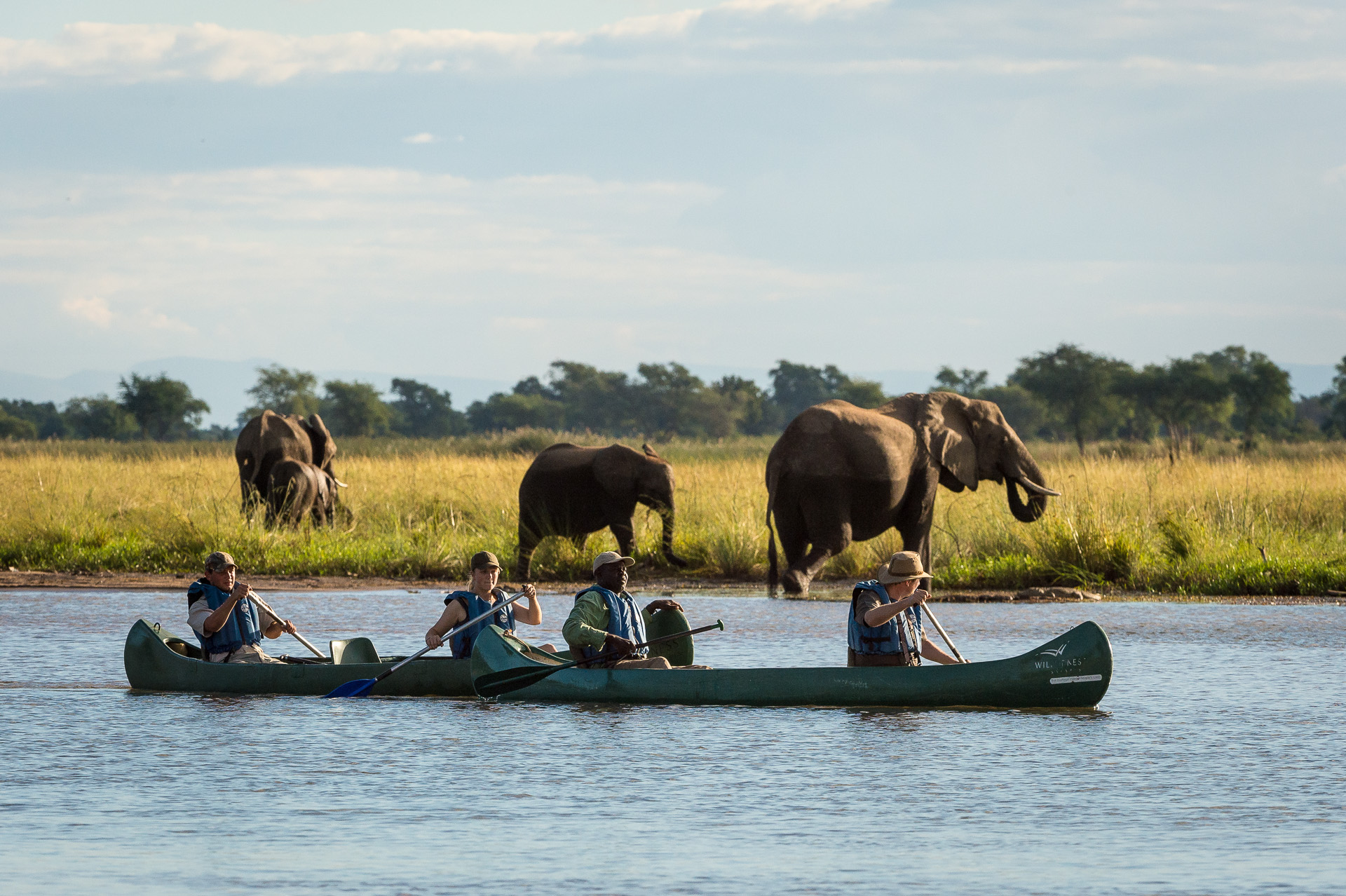
The safaris here are unlike those found at most other camps. Yes, there are game drives — and good ones, through thick mopane woodland and floodplains where elephant, buffalo and lion move as though the fences of the modern world have never been invented. But it is on the water, and on foot, where Old Mondoro truly earns its reputation. Canoe safaris allow guests to drift silently downriver at the level of the hippos, with crocodiles ancient and motionless on every sandbank, and fish eagles calling overhead in a way that seems almost theatrical. There is something profoundly levelling about being in a small boat on the Zambezi — something that no vehicle, however comfortable, can replicate. The river puts everyone on equal terms.

The walking safaris offer their own kind of revelation. Guided by a team whose knowledge of the bush feels almost geological in its depth, these walks are not an activity to tick off a list. They are an education in attention — the way a broken twig tells a story, the way silence itself becomes a diagnostic tool. In the Lower Zambezi’s dense vegetation, understanding the landscape on foot is the only way to truly read it, and there are very few camps better placed to teach that skill.

What makes Old Mondoro quietly extraordinary, beyond the activities and the setting, is its sense of priority. The camp belongs to the same family that pioneered this stretch of river — people who have spent decades insisting that the best safari is the one that gets out of its own way and lets the wilderness do the talking. Meals are taken together around a communal table. Guides speak about the Zambezi as though it were a living thing they know personally. And the conservation work that underpins every stay here runs quietly beneath the surface, as it always has.

At night, with the Zambezi sliding past in the darkness and hippos grumbling from the shallows, it is easy to understand why the Cumings family never left. The Zambezi doesn’t notice you leave. That indifference, somehow, is exactly what makes you want to come back.

The Green Dark – Kibale Forest Camp, Uganda

The great apes don’t know we’re coming — not really. The rangers and habituators do their best to prepare us, briefing us at the forest edge on what to expect, how to move, how to conduct ourselves in the presence of something that shares approximately 98.7% of our DNA. But when the moment actually arrives, when the canopy parts and a chimpanzee drops from a branch fifteen feet above your head and looks you directly in the eye, all the preparation in the world counts for very little. Nothing really readies you for that gaze.

Kibale Forest, rising in the foothills of Uganda’s Rwenzori Mountains, is home to the highest concentration of primates on the African continent. Thirteen species move through its shade, from the red colobus to the L’Hoest’s monkey and the grey-cheeked mangabey, but it is the chimpanzee — around 1,500 of them — that draws people here from across the world. The experience of following them on foot through this forest, tracking their calls through cathedral-sized trees, pushing through the undergrowth, then emerging into a clearing where an entire community is eating and playing and arguing and grooming, is one of the most disorienting and quietly profound things it is possible to do anywhere on the continent.

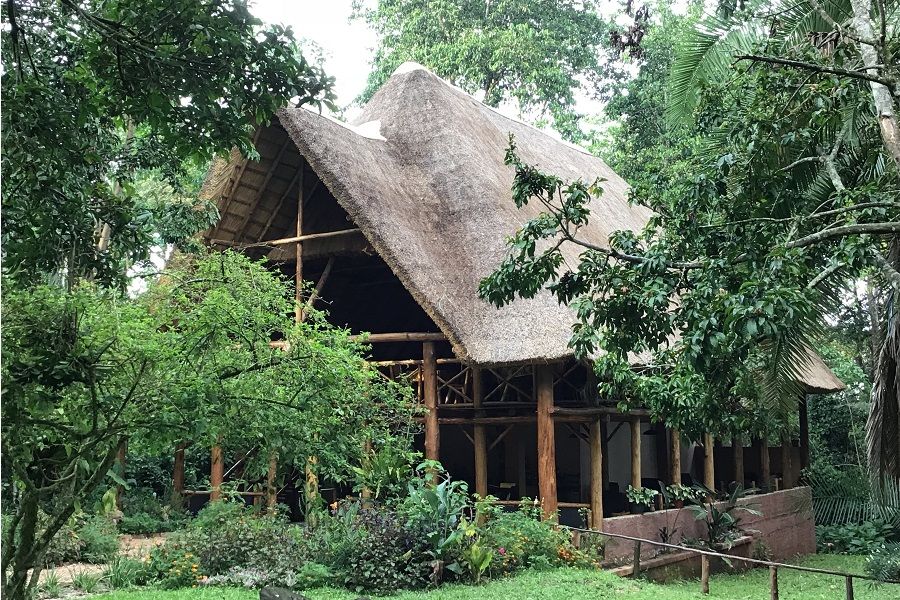
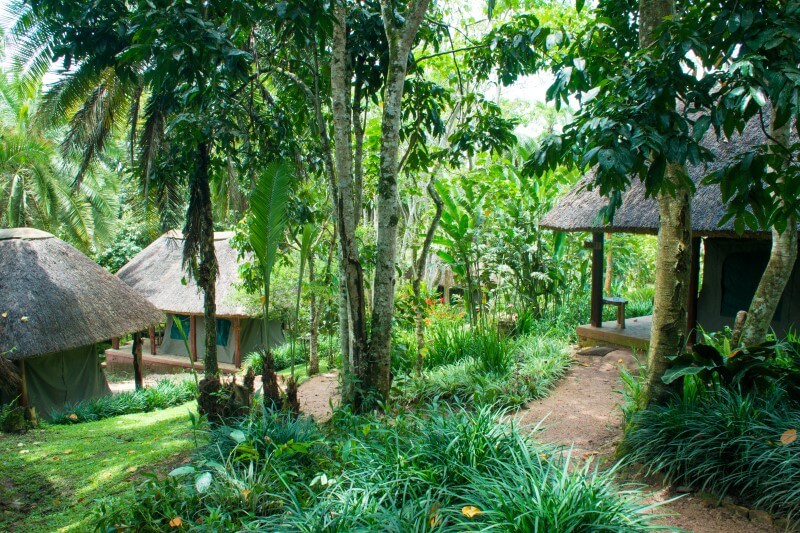
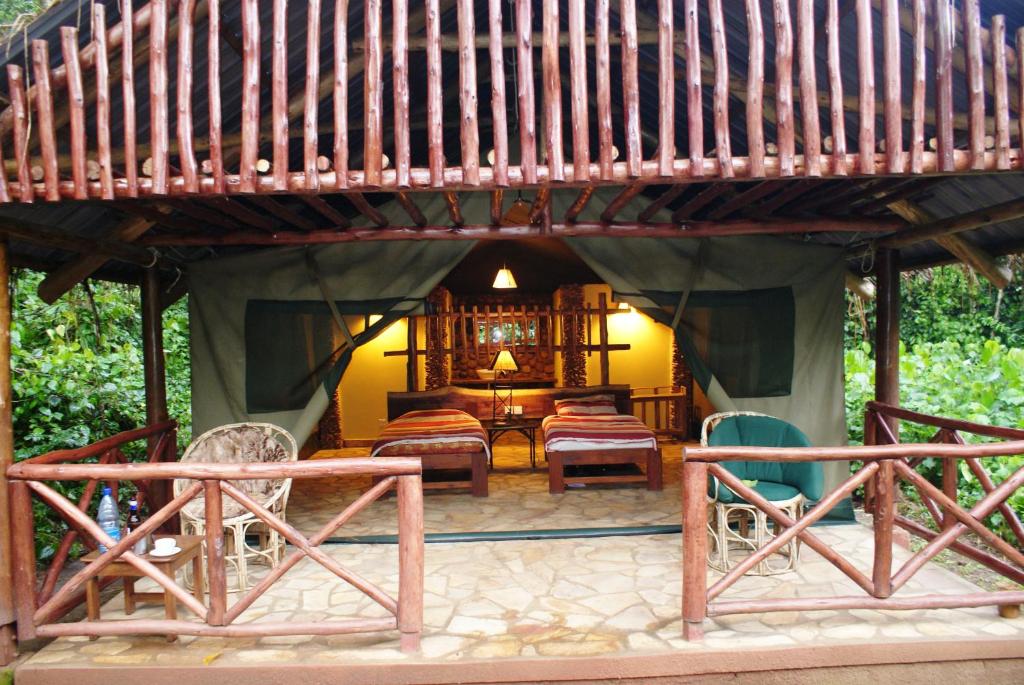
Kibale Forest Camp sits at the forest’s edge, close enough to the park boundary that the night sounds drift in unrestricted: the barking of baboons, the percussion of something large moving through undergrowth too thick to see, the metallic chorus of insects that seems to intensify the moment the light fades. It is a camp that feels deliberately unimposing, which is as it should be. The forest is the reason for being here, and the camp is wise enough not to compete with it.

What surprises many first-time visitors to Kibale is how different this experience feels from the classic East African safari. There are no open plains and no game drives. Instead, there is shade and canopy and the smell of wet earth and the peculiar sensation of moving through a landscape on foot where you are emphatically not at the top of the food chain. It demands a different kind of attention — slower, lower, more instinctive. You stop not because something is in front of you, but because something may be above.

The one-hour rule — just a single hour per day, per group, in the presence of a chimpanzee community — is a reminder that what you are witnessing is a privilege, not an entitlement. Used well, sixty minutes is more than enough. The animals bicker and nurse their young and groom each other with a tenderness that is startling, and stare back at you with an intelligence that is unmistakable and faintly unsettling — then they are gone, back into the green dark of the forest.

The walk back to camp tends to be quiet. Not because there is nothing to say, but because most people find that whatever they might say feels inadequate to what they have just seen. There is a particular kind of silence that follows an encounter like this — the silence of a perspective that has been, without warning, very gently rearranged.

Kibale does that to people. Uganda, more often than not, tends to.


Duba Plains – Turn the Wild Up a Notch

Some parts of the Okavango Delta feel calm, almost meditative. Channels drift quietly, birds skim the surface, and elephants move through water with an ease that feels timeless. And then there is Duba Plains Camp, where the same water seems to sharpen everything instead.

Set deep within a private concession in the northern Delta, Duba Plains sits in a landscape defined by seasonal flood. When the waters arrive, they spread wide across the plains, transforming dry ground into a shifting mosaic of channels, islands and open space. It is beautiful, unquestionably — but it is also functional. Because where the flood goes, the buffalo follow.

And where there are buffalo, lions are never far behind.

Duba has become quietly known for this relationship. Not in a way that feels staged or predictable, but in the sense that the ecosystem itself leans toward drama. Large herds move across open ground, bunching, spreading, testing the edges of safety. Lions watch, wait, and then commit with a level of intensity that feels very different to more casual encounters elsewhere in Africa.

Game drives here carry a particular kind of focus. You are not simply looking for sightings; you are stepping into a story that is already unfolding. Tracks matter. Direction matters. Behaviour matters. Everything feels connected, as if each movement is part of a wider narrative that began long before you arrived.

And yet, for all its intensity, Duba Plains is still very much a water-based safari.


Between moments of action, the landscape settles back into something softer. Elephants cross channels with slow, deliberate confidence. Lechwe move through flooded grasslands, their hooves adapted perfectly to terrain that would challenge almost anything else. Reflections stretch across the water, turning movement into something almost abstract.

The camp itself mirrors this balance. Elevated, elegant, and quietly luxurious, it offers comfort without separation. Wide decks open onto the floodplain, allowing you to watch the landscape shift throughout the day. Interiors are refined but never overbearing, keeping the focus where it belongs — outside.

There is a rhythm here that feels heightened. Stillness builds into movement. Calm gives way to intensity, then settles again. It is a place where contrast defines the experience as much as continuity.

Duba Plains is not a passive safari. It asks you to pay attention, to read the bush, to stay present in moments that can change quickly and without warning.

And when everything aligns — water, movement, predator and prey — you are reminded that the Delta is not just beautiful.

It is alive in a way that feels immediate, unpredictable, and entirely real.

Sable Alley – Where Water Shapes the Story

There are safari camps where you head out each morning with intent, following roads, tracks, and instinct in the hope that the bush reveals something memorable. And then there are places like Sable Alley, where the experience begins long before the vehicle ever leaves camp, and often continues long after it returns.

Set beside a permanent lagoon in Botswana’s Khwai Concession, Sable Alley sits in one of the most consistently productive pockets of the Okavango Delta. Water is the defining force here, and with it comes a steady, almost predictable flow of life that gathers at its edge throughout the day.

Elephants arrive in loose herds, easing themselves into the shallows with a sense of ownership that suggests they have done this countless times before. Red lechwe move differently, splashing and bounding through water that would slow almost anything else. And along the fringes, predators wait, watching the same patterns unfold, knowing that opportunity eventually follows movement.

Khwai itself is what gives Sable Alley its depth. It is not a single environment, but a convergence of several. Floodplains stretch outward into open light, woodland provides cover and contrast, and channels of water thread through it all, constantly reshaping how animals move and interact.

Game drives reflect this variety. One morning may be spent following a lion pride through damp earth, reading tracks and behaviour as a story in progress. Another may open onto wide plains filled with grazing herds, where scale and distance become part of the experience.

But it is often the stillness that defines the camp.

From the main deck and private rooms, the lagoon becomes a continuous source of quiet activity. Early light reveals silhouettes through mist, midday concentrates movement at the water’s edge, and late afternoon settles into long reflections and softer tones.

The design supports this without drawing attention to itself. Elevated walkways, open spaces, and clean lines ensure that nothing interrupts your connection to the landscape. Comfort is present, but it never competes with what lies beyond it.

Sable Alley is not about chasing sightings across distance. It is about proximity, patience, and the subtle shift that happens when the wild no longer feels separate from you.

And once that shift takes hold, the entire safari experience begins to feel more immediate, more immersive, and far more difficult to forget.

Perhaps that is what lingers most. Not a single sighting, but the accumulation of small, unscripted moments that build quietly over time. A glance, a sound, a shift in light. Together, they create something that feels less like a trip, and more like a lived experience.

Bisate Lodge – Volcanoes, Gorillas, and the Luxury of Doing It Properly

There are certain places that don’t feel like a destination so much as a pilgrimage. Bisate Lodge is one of them.

Perched on the edge of Rwanda’s Volcanoes National Park, Bisate looks out across misty slopes and ancient forest — the kind of landscape that makes you lower your voice without realising you’ve done it. It’s dramatic, moody, and intensely beautiful, and the lodge leans into that atmosphere with a sense of theatre and purpose.

The design is striking: thatched, nest-like villas tucked into the hillside, each one offering sweeping views of the volcanic peaks. It feels both futuristic and rooted — as if it belongs to another era, but also exactly here. Inside, everything is warm and tactile: rich textures, thoughtful details, and a sense of comfort that feels earned rather than flashy.

But Bisate isn’t only about aesthetics. It’s about intention.

This is luxury with a backbone — a lodge built with conservation at its core, deeply tied to reforestation and community impact. You feel it in the way the team speaks about the land, in the pride behind the experience, and in the sense that your presence here contributes to something that lasts beyond your stay.

And then there are the gorillas.

There is no truly adequate way to describe the moment you first see a mountain gorilla in the wild. It is humbling, electric, and oddly intimate — like being allowed into a world that has no need for you, yet tolerates your awe. The trek itself is part of the story: early mornings, boots and rain jackets, breath in your chest as you climb into the forest, and then… that moment.

Back at Bisate, the luxury lies in how well it holds you afterwards. A hot shower. A drink by the fire. A meal that feels restorative. It gives you space to process what you’ve just experienced, without rushing you into the next thing.

Bisate is for travellers who want their safari to mean something — not in a heavy, preachy way, but in a way that feels real. It’s extraordinary, not because it tries to impress you, but because it quietly does.

A mother and child, Titus Group, Bisate Lodge, Wilderness Safari, Rwanda

Iconic Africa Wins Again: Best Bespoke Luxury African Safari Specialists 2026

There are some things in life you don’t really chase. Not because they aren’t worth having, but because you know that if you do the work properly — quietly, consistently, obsessively — they tend to arrive on their own.

Awards are a bit like that.

So when Iconic Africa was named “Best Bespoke Luxury African Safari Specialists 2026” in LuxLife’s Annual Travel Awards, we didn’t immediately pop champagne and start practicing acceptance speeches in the mirror. We did what any travel-obsessed team would do: we smiled, took a breath, and then got back to building itineraries.

Because that’s the point.

This award isn’t just a pat on the back for having good taste in lodges (although, let’s be honest, that certainly helps). It’s recognition of something more meaningful: the art of getting it right for each guest, every single time. Not “right” in the sense of ticking boxes, but right in the way that matters — the right rhythm, the right feeling, the right level of adventure, the right amount of quiet.

At Iconic Africa, bespoke isn’t a buzzword. It’s a responsibility.

It’s knowing that two travellers can visit the same destination and walk away with completely different versions of Africa — one filled with big cat drama and early mornings, the other shaped by slow afternoons, beautiful food, and long, golden hours of nothing much at all. And it’s our job to build the safari that fits the person, not the trend.

After 11 years of crafting luxury journeys across the continent, we’ve learned that the real magic isn’t in the “wow moments” (although Africa has plenty of those). The magic is in the seamlessness — the way a trip feels effortless, even when it’s crossing borders, changing landscapes, and juggling flights that don’t always behave.

With teams based in both South Africa and the United States, we’re able to offer the best of both worlds: local expertise and global support, paired with an obsessive attention to detail and a love for the places we sell.

But perhaps what we’re proudest of is this: our guests come back. They return with friends, with family, with stories. That kind of loyalty can’t be bought, and it can’t be faked — it’s earned through trust, service, and the simple act of caring.

So yes, we’re honoured. And we’re grateful.

And then we’ll do what we always do: keep building the kind of safaris that feel like they were made for you — because they were.

Singita Sasakwa Lodge – Where the Serengeti Wears a Silk Jacket

Some safari camps feel like they belong to the wilderness. Singita Sasakwa feels like the wilderness decided it deserved a manor house.

Set high on the Sasakwa Hill in Singita Grumeti, this is the Serengeti with its collar pressed, its shoes polished, and its Martini served at exactly the right temperature. But don’t let the elegance fool you — you’re still in one of Africa’s wildest theatres, and the action below is anything but refined.

From the moment you arrive, Sasakwa has a certain old-world confidence. The architecture nods to grand estates and colonial-era romance, but without the stiffness. It’s expansive, warm, and quietly indulgent: long verandas, wide views, and interiors that invite you to sprawl rather than perch. The infinity pool looks out over plains that seem to go on forever, and if you’ve ever wanted to watch a storm roll across the Serengeti while wrapped in luxury, this is the place to do it.

And then there’s the safari.

Singita Grumeti is private, which means the experience has a freedom to it that’s increasingly rare. No traffic jams of vehicles. No radio chatter chaos. Just your guide, your curiosity, and a landscape that reveals itself at its own pace. One moment you’re tracking lions through grass that looks like it’s been brushed into place; the next you’re watching a leopard melt into the shadows of a riverine thicket as if it was never there at all.

If you time it right, you also have the Great Migration in your orbit — the kind of spectacle that makes you realise nature is capable of excess. Thousands of wildebeest, zebra, dust, noise, urgency. And then, later, back at Sasakwa, everything slows again. A bath with a view. A drink on the lawn. A dinner that feels like a private event, even when it’s simply your own table under the stars.

Sasakwa is for travellers who love the romance of safari, but also appreciate the finer things: space, service, and the luxury of feeling entirely unhurried. It’s the Serengeti, yes — but it’s the Serengeti dressed for the occasion.

Nyamatusi Camp: Where Mana Pools Casts Its Spell

Certain landscapes feel like they’ve drifted out of a dream, and Mana Pools is one of them — a place where blue-washed woodlands melt into slow water, where elephants stand on hind legs to reach ana pods, and where light behaves in ways photographers still can’t adequately explain. Nyamatusi Camp sits in the heart of this enchantment, offering front-row seats to one of Africa’s most atmospheric wildernesses.

Set along a remote curve of the Zambezi River, Nyamatusi’s tented suites are luxurious in a way that never breaks the spell of the environment. Interiors are warm, rich and tactile — brass, canvas, leather — but always with the river in view, always with the forest whispering just beyond the deck. This is the kind of camp where wildlife walks through your field of vision rather than being something you go out to find.

Activities lean into Mana’s slow, immersive energy. Walking safaris take you through cathedral-like woodlands where every shaft of light feels choreographed. It’s not unusual to round a grove and find an elephant calmly feeding at arm’s length, acknowledging you with the faintest ear-flick before returning to its breakfast. Canoeing is equally magical — drifting between hippo channels, listening to water lap against the bow, watching the shoreline shift like an unfolding watercolor.

Game drives capture Mana at its most instinctively wild: painted wolves trotting along riverbeds, lions dozing in delicate shade, nyala moving like brushstrokes through the trees. Yet the mood here is never rushed. The forest encourages softness, attentiveness, breathing room.

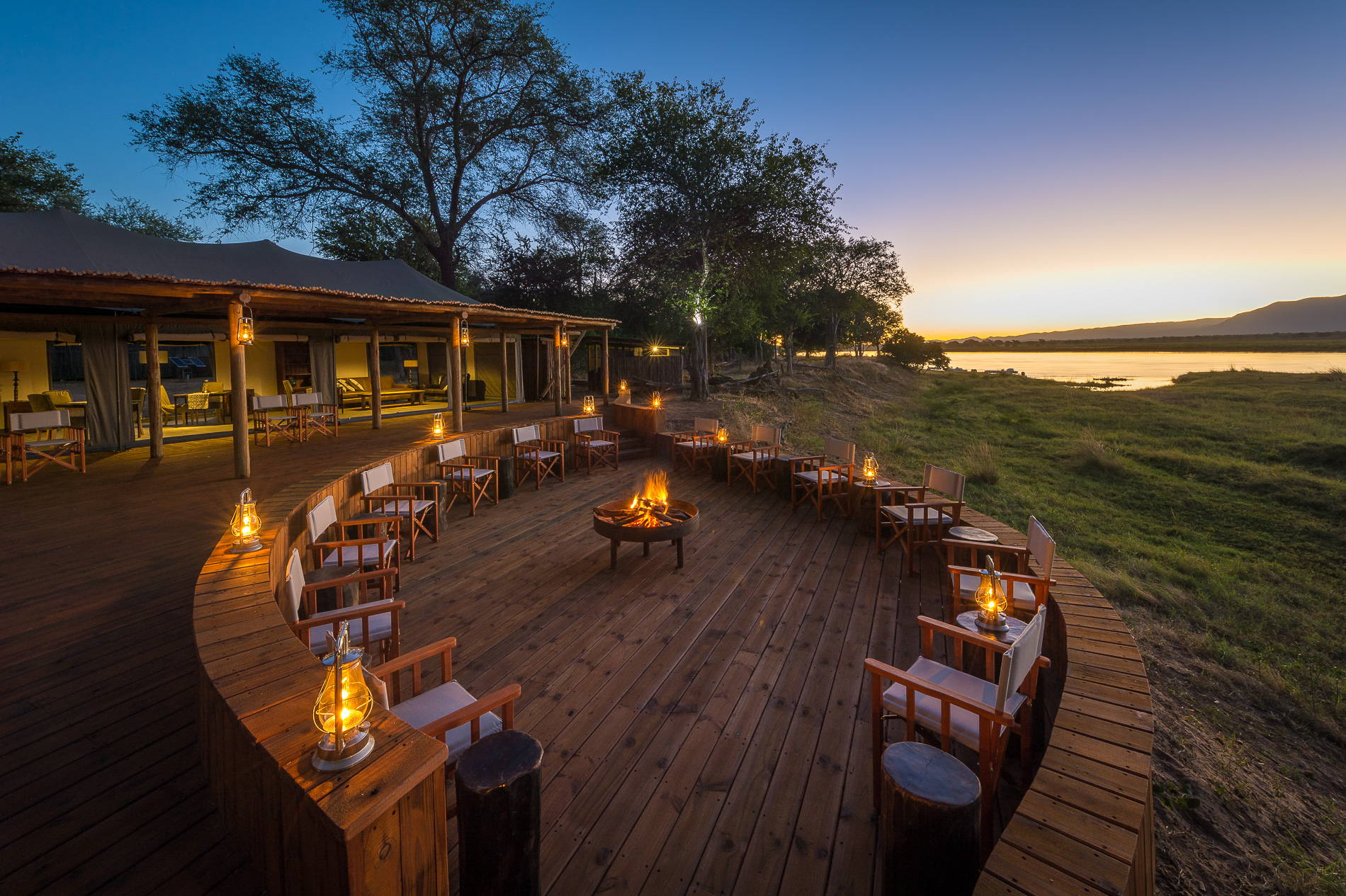
Evenings are all glow — lanterns, campfire sparks, the quiet hum of the river. It’s the kind of place where guests become loyalists, and loyalists become evangelists.

Nyamatusi doesn’t just show you Mana Pools. It lets the place seep into your bones.

Hoanib Skeleton Coast: Desert Lions, Distant Horizons, and the Luxury of Silence

Safari lovers often talk about sound — the roars, the rustles, the unending nighttime chorus. But Hoanib Skeleton Coast Camp flips the script with a different kind of sensory experience: profound, resonant silence. The kind that expands inside you. The kind that makes a single footstep feel like punctuation in an otherwise blank poem.

Set in one of Namibia’s most remote valleys, Hoanib lies at the intersection of desert, mountains, and the unseen pull of the Atlantic Ocean. At first glance, the landscape appears empty. Your eyes skim over pale dunes and ochre ridges, dismissing them as barren. But Hoanib rewards patience, not haste. Shapes resolve slowly: a lone elephant threading its way along a dry riverbed, a pair of oryx holding still in perfect desert camouflage, a fresh track hinting at the improbable wanderings of a desert-adapted lion.

Days here unfold with an exploratory rhythm. Drives trace ancient river systems carved by rains that may only come once in several years. You follow stories written in sand, piecing together the nomadic lives of animals that survive on astonishingly little. If conditions allow, the journey toward the Skeleton Coast is among the continent’s most surreal drives — a cinematic transition from shimmering dunes to the fog-laden wildness of the Atlantic, where shipwrecks tilt like abandoned punctuation on an unfinished sentence.

Inside camp, the minimalist architecture mirrors the desert: calm, tonal, grounded. Canvas, stone, and pale wood create a sanctuary that amplifies the surrounding quiet rather than competing with it. Meals are unhurried, evenings candlelit, and nights filled not with noise but with space.

Hoanib isn’t about abundance. It’s about revelation. It teaches you to look harder, listen deeper, and appreciate the astonishing resilience of life where it shouldn’t logically thrive. And in doing so, it reshapes your definition of wilderness itself.