
There’s a particular kind of satisfaction that comes from knowing about a place most people don’t. Mwiba Lodge, tucked into a private wildlife reserve on the southern border of the Serengeti, is that place. Ten tented suites, 130,000 acres, and no other camps anywhere near it. If exclusivity is something safari operators throw around loosely, Mwiba earns the word.
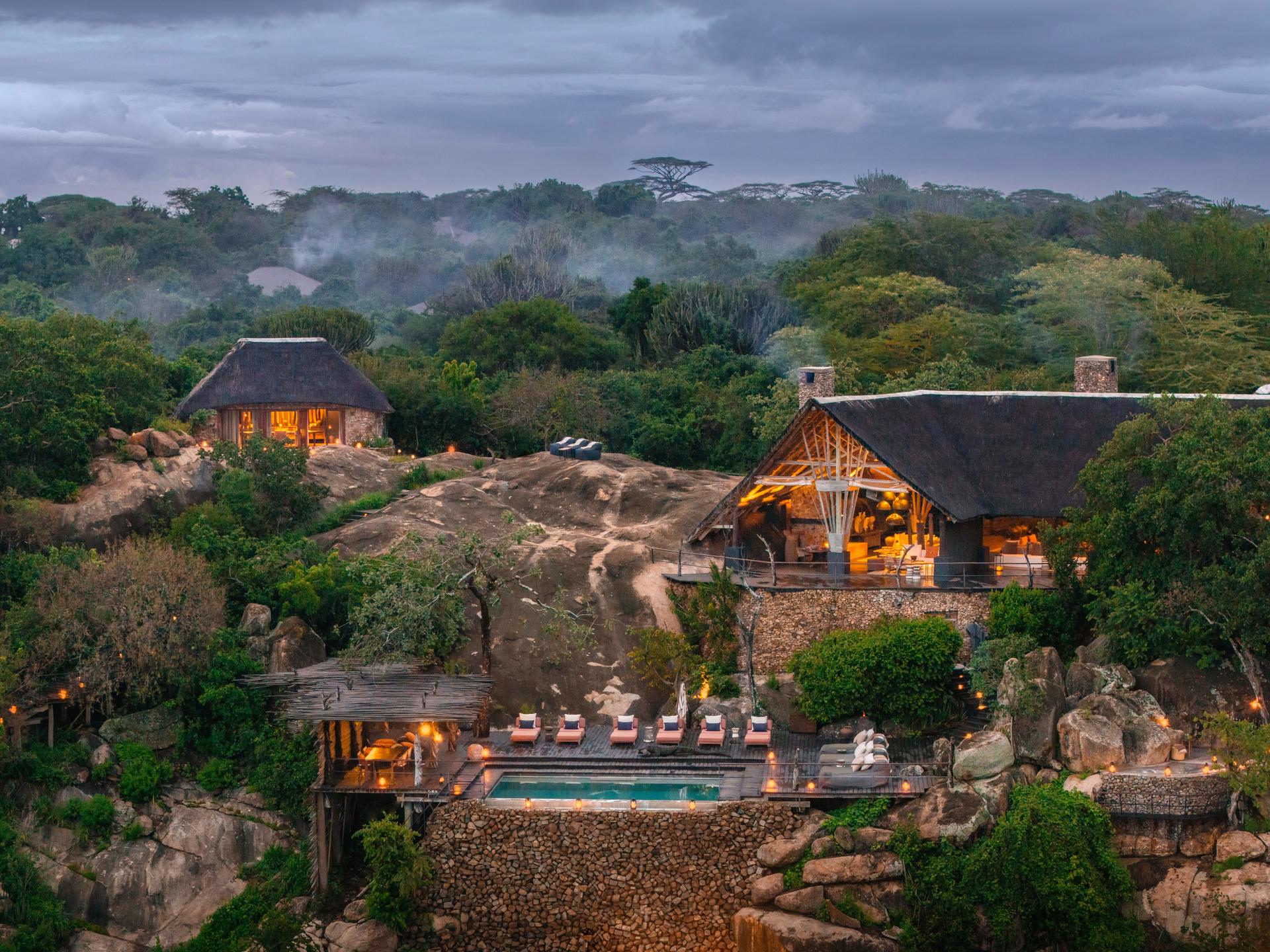
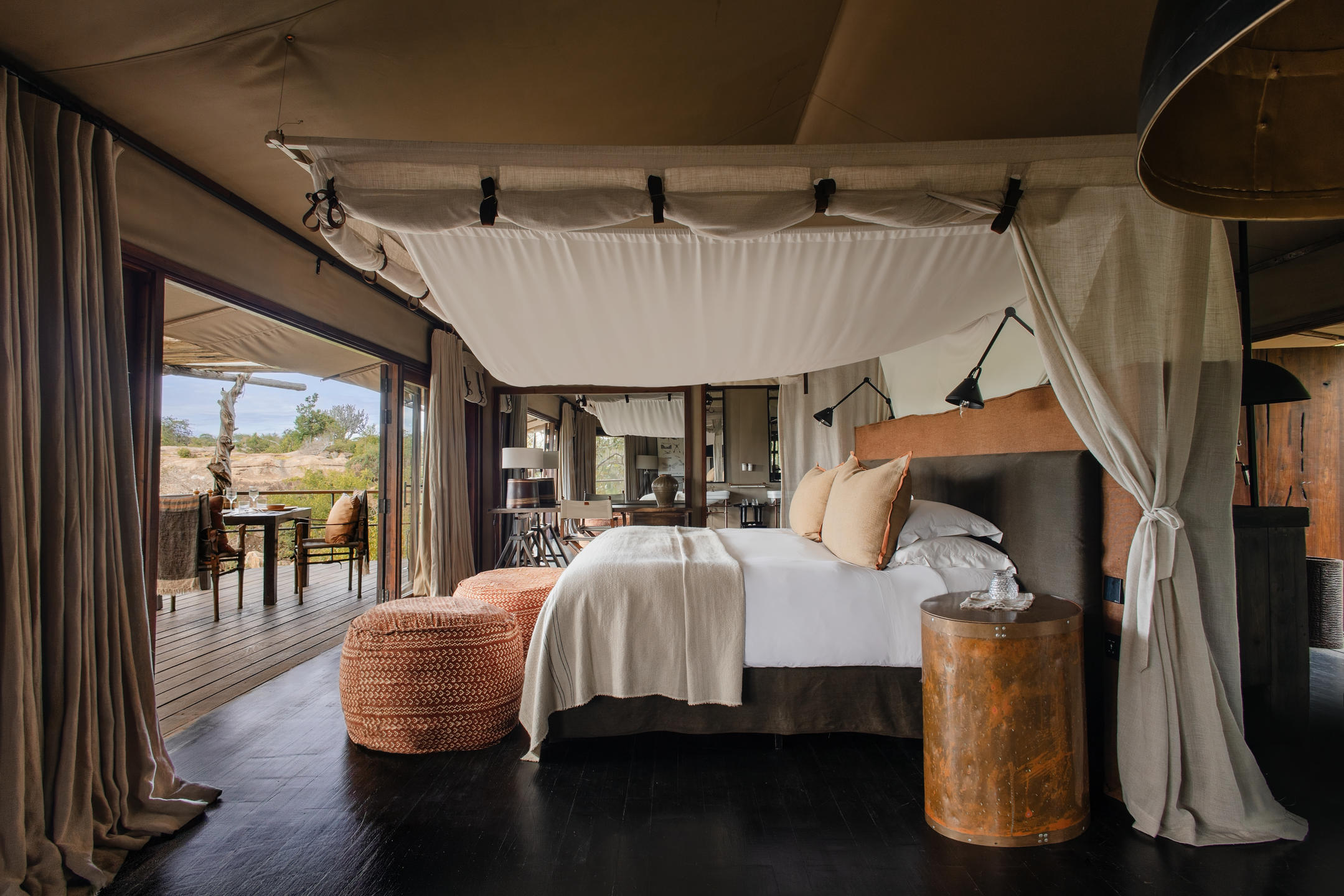
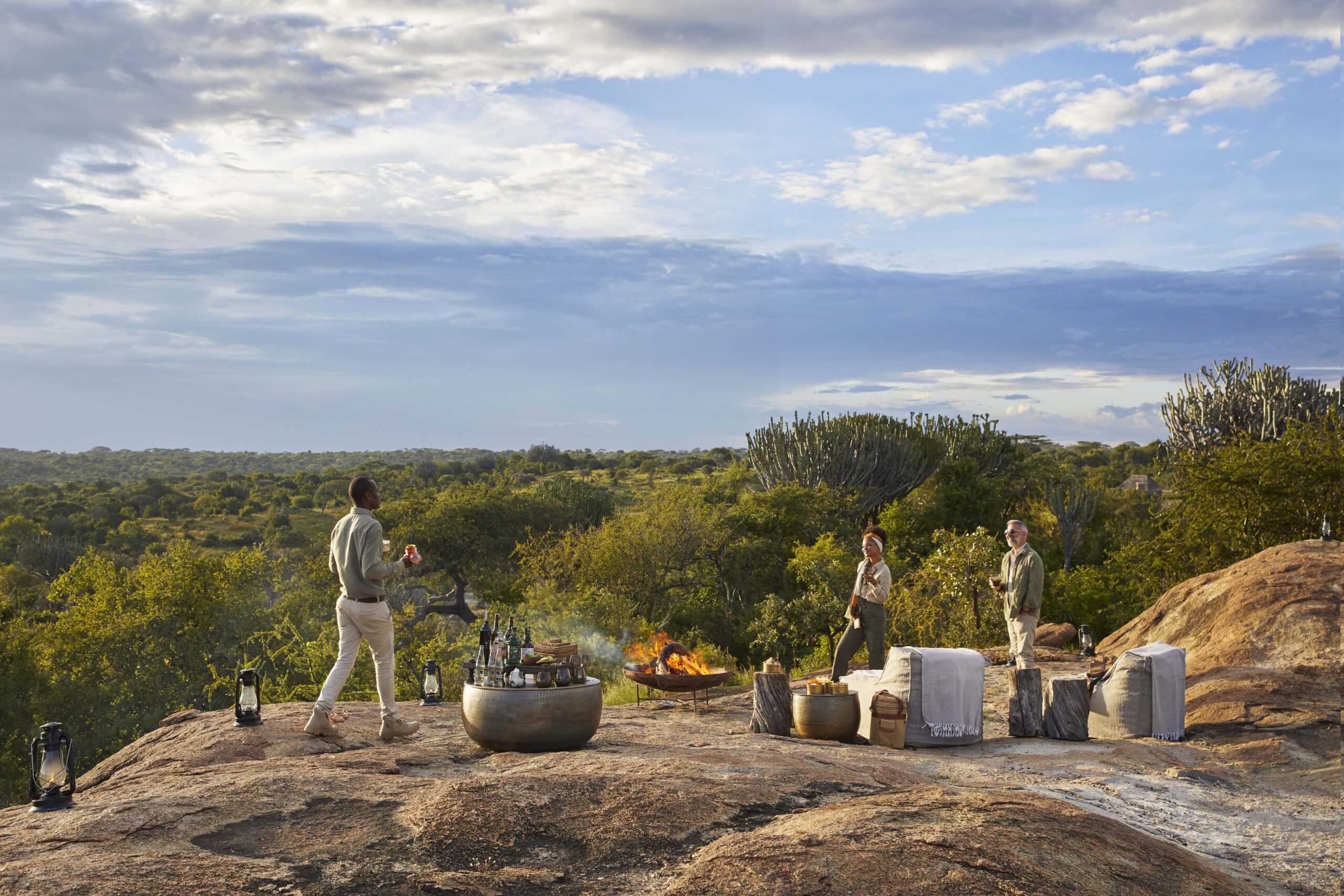
The lodge itself sits perched on granite boulders above the Arugusinyai River gorge, connected by winding wooden walkways that feel like they grew out of the landscape rather than were built on top of it. The suites are generous without being showy — expansive decks, soaking tubs positioned to face the bush, outdoor showers, the kind of beds you need a moment to commit to leaving. The design lets the setting do the talking, which is a smart call given the setting.
But what really separates Mwiba from the crowded northern circuit isn’t the hardware. It’s the freedom. Every guest gets their own private guide and vehicle. There are no set schedules, no convoy of Land Cruisers jostling for position at a kill. You go where you want, when you want, for as long as you want. For anyone who’s spent time trying to enjoy a leopard sighting with six other vehicles parked around it, that matters more than it sounds.
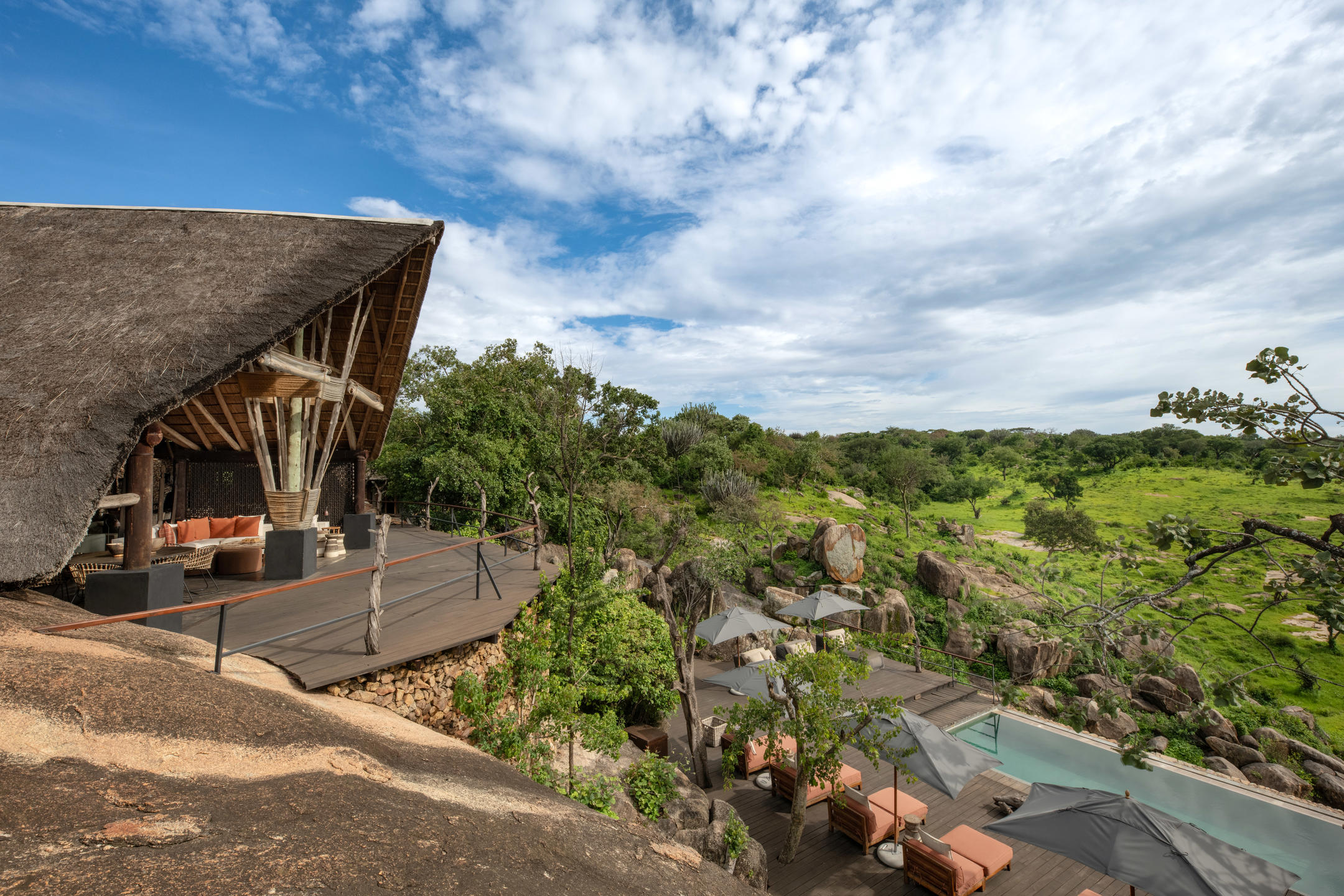

The wildlife corridor here connects the southern Serengeti to Lake Manyara and the Ngorongoro highlands, which means the diversity of what you’ll encounter is genuinely surprising. Elephant, lion, cheetah, wild dog — all on a reserve where the only tyre tracks in the road are probably yours.
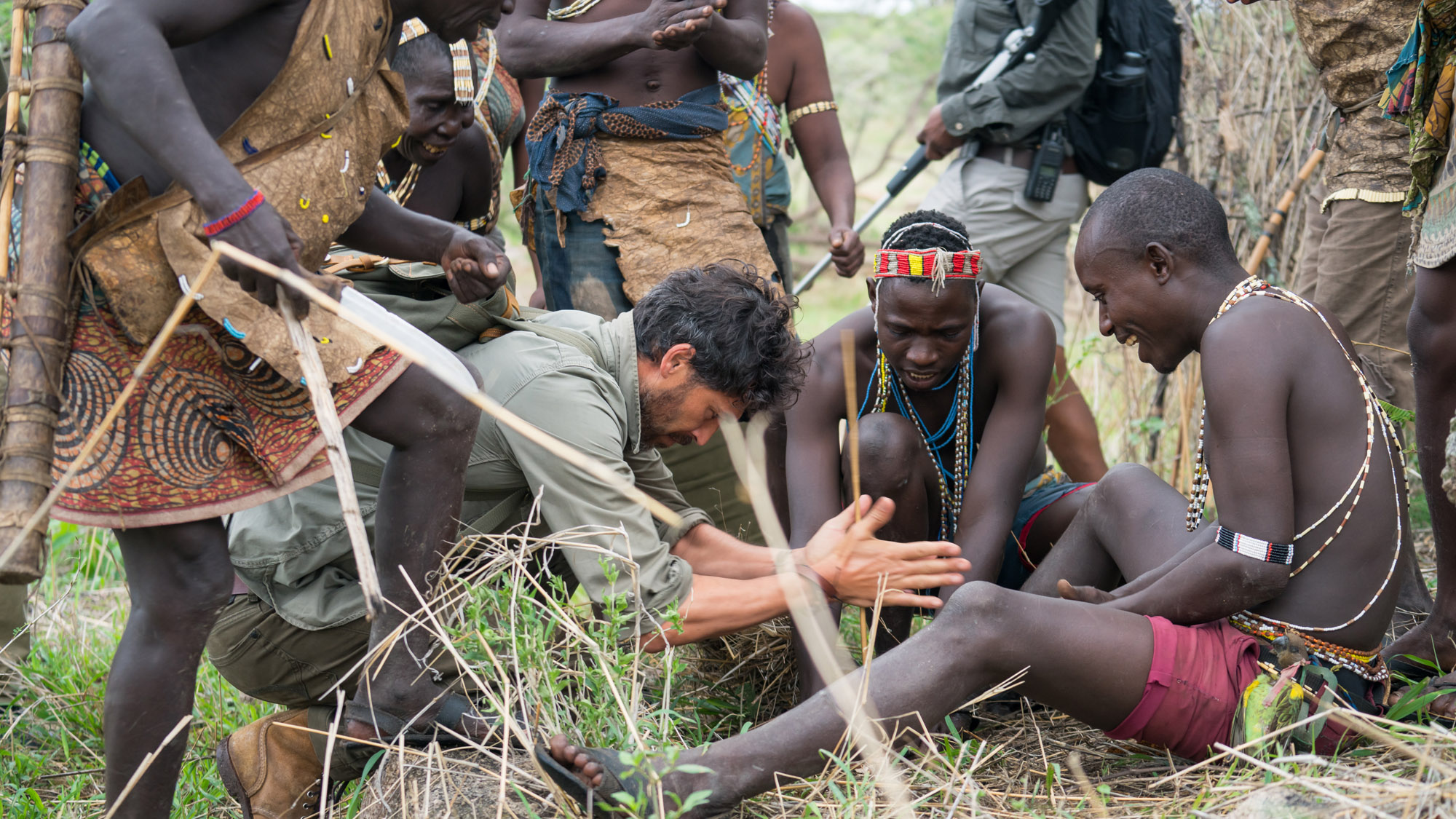
Then there’s the Hadzabe. One of the last remaining hunter-gatherer tribes in Africa, they’ve lived around Lake Eyasi — a short helicopter flight from the lodge — for tens of thousands of years. A morning spent with them, watching them hunt with handmade bows in the acacia scrub, has a way of quietly rearranging your priorities. It’s not a performance put on for tourists. It’s a way of life that has remained largely unchanged, and being invited into it, even briefly, is a privilege worth the journey alone.
The helicopter deserves its own mention. Mwiba is the only lodge in Tanzania with a permanent helicopter on site, which opens up a level of exploration most safari-goers never access — flights over the Serengeti plains, down into the Rift Valley, across to Lake Eyasi. It turns an already exceptional stay into something that feels almost unreasonably good.
Mwiba recently joined the Auberge Collection alongside sister property Chem Chem, which makes combining the two lodges on a single Tanzania itinerary a seamless and logical exercise. Different ecosystems, complementary experiences, and a level of consistency across both properties that makes planning straightforward.
The honest question with any safari lodge is whether it lives up to what’s written about it. Mwiba does, and then some. It’s the kind of place that doesn’t need to shout about itself. The guests who find it tend to come back — and tend not to tell too many people about it either.


