Makanyi — Small Lodge, Big Conviction

Somewhere in the southern sector of the Timbavati, on a section of reserve so private it shares the land with only a handful of private homes, there’s a lodge that was built entirely on conviction. In 2015, Jessica Gold left London, looked at a piece of the Timbavati, and decided she was going to build something she loved. No corporate backing, no established brand to shelter under. Just a very clear idea of what an exceptional safari lodge should feel like and the willingness to go and make it.

The result, eleven years later, is Makanyi. And it works in a way that’s slightly difficult to explain until you’ve been there.

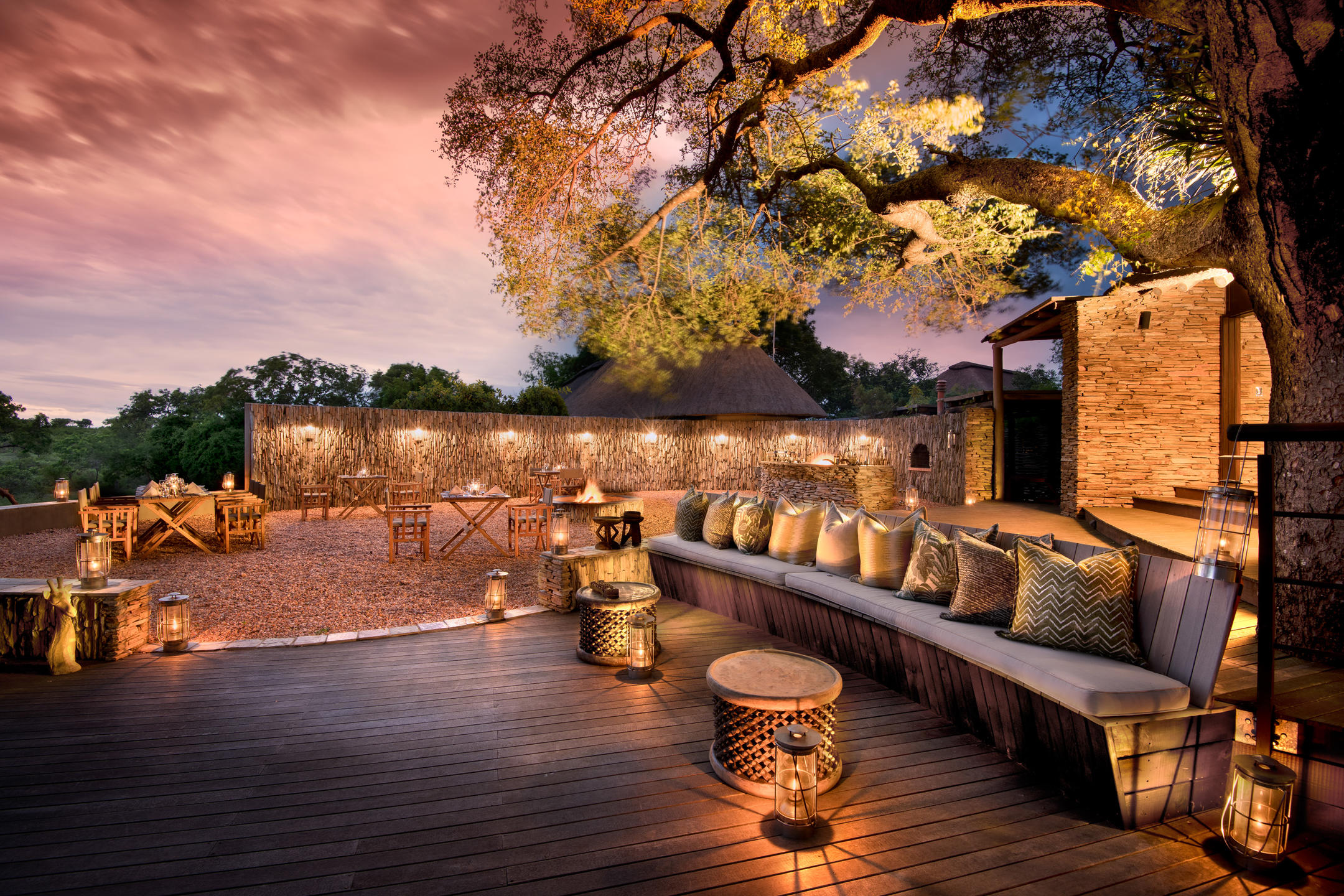
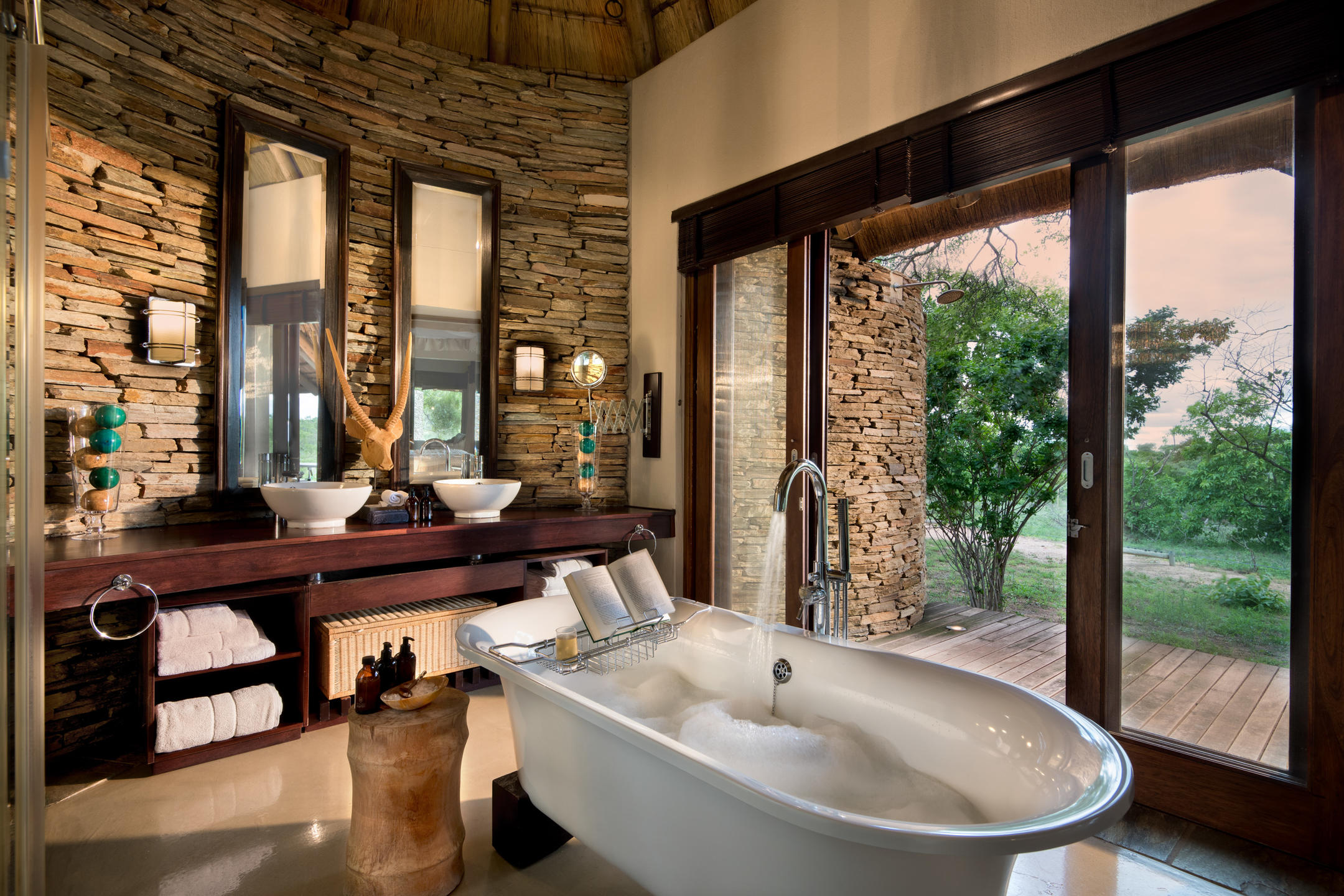
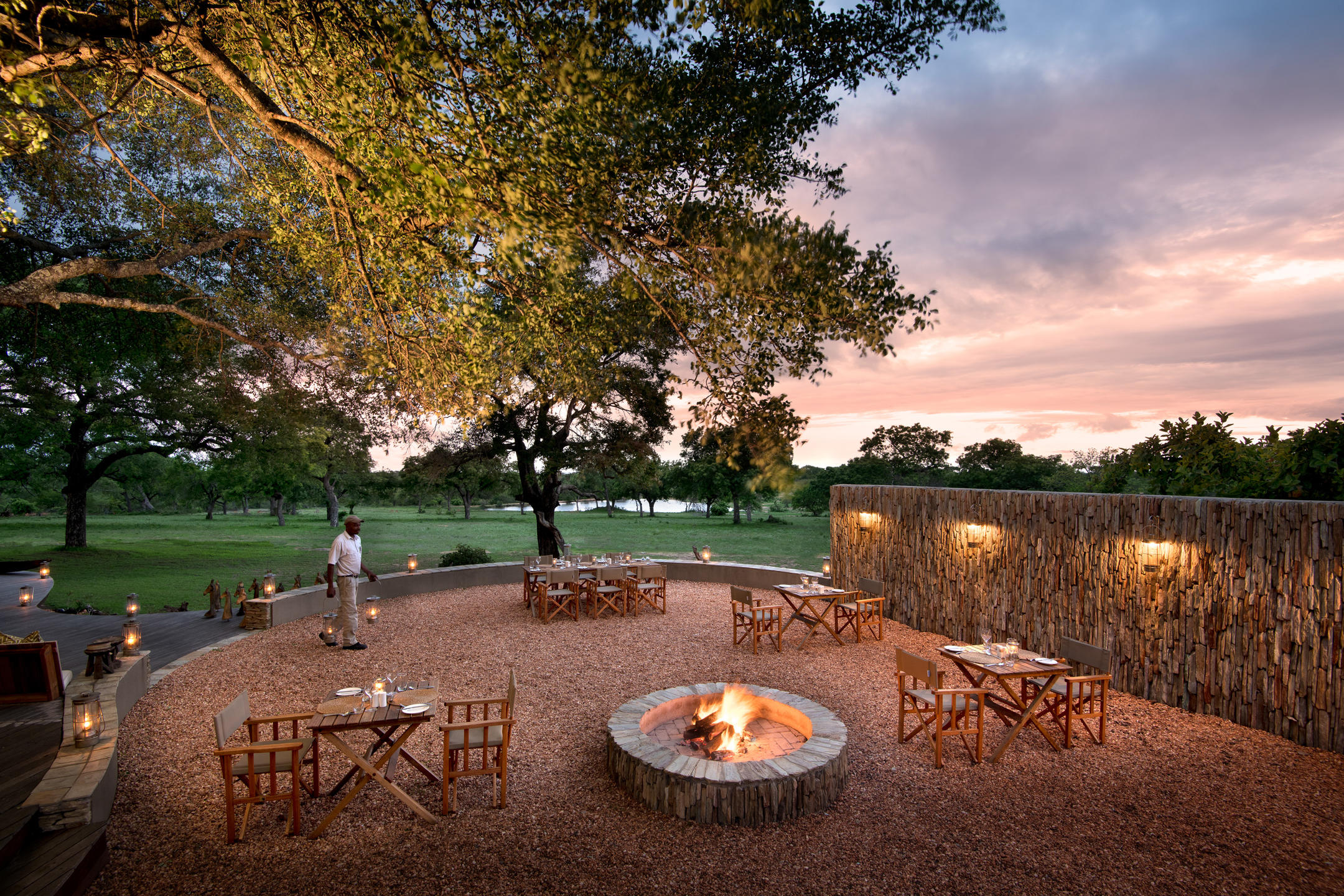
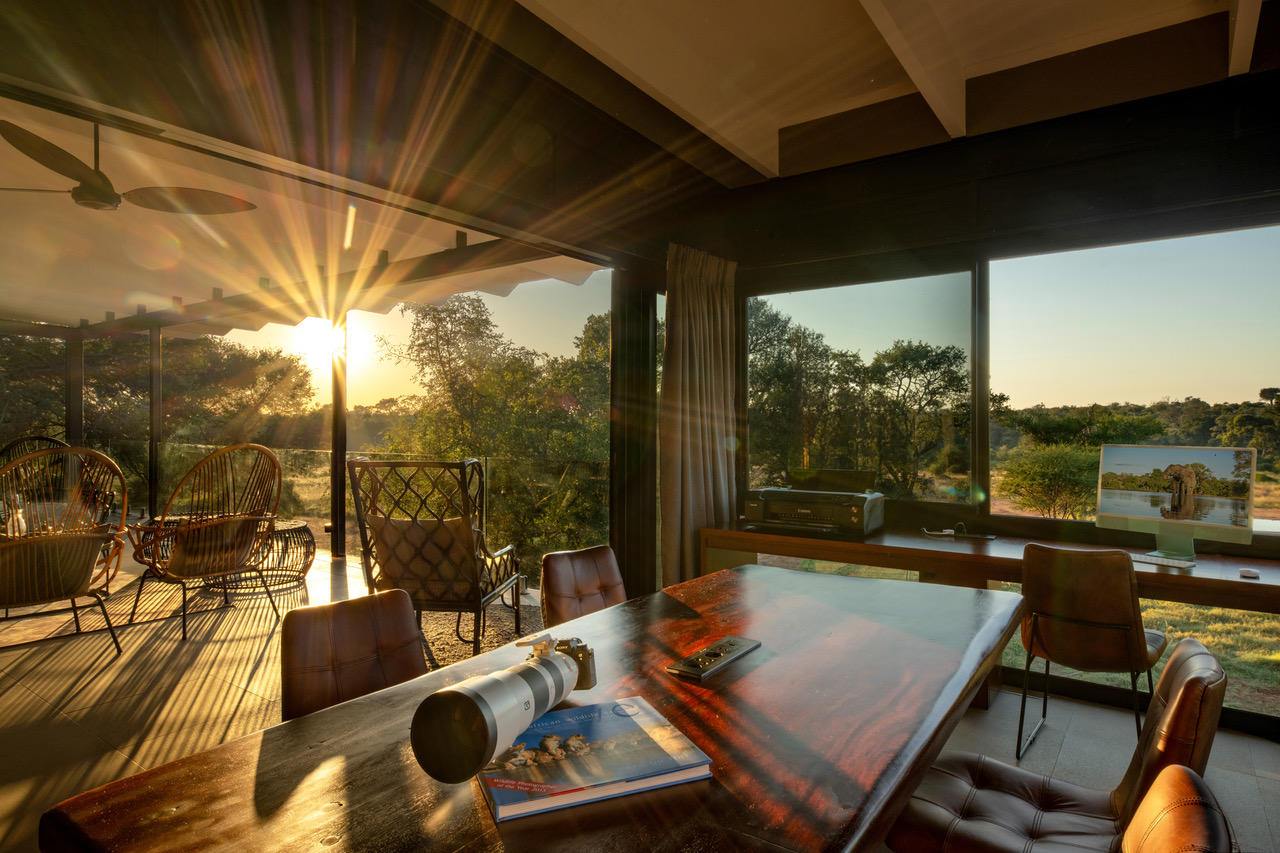
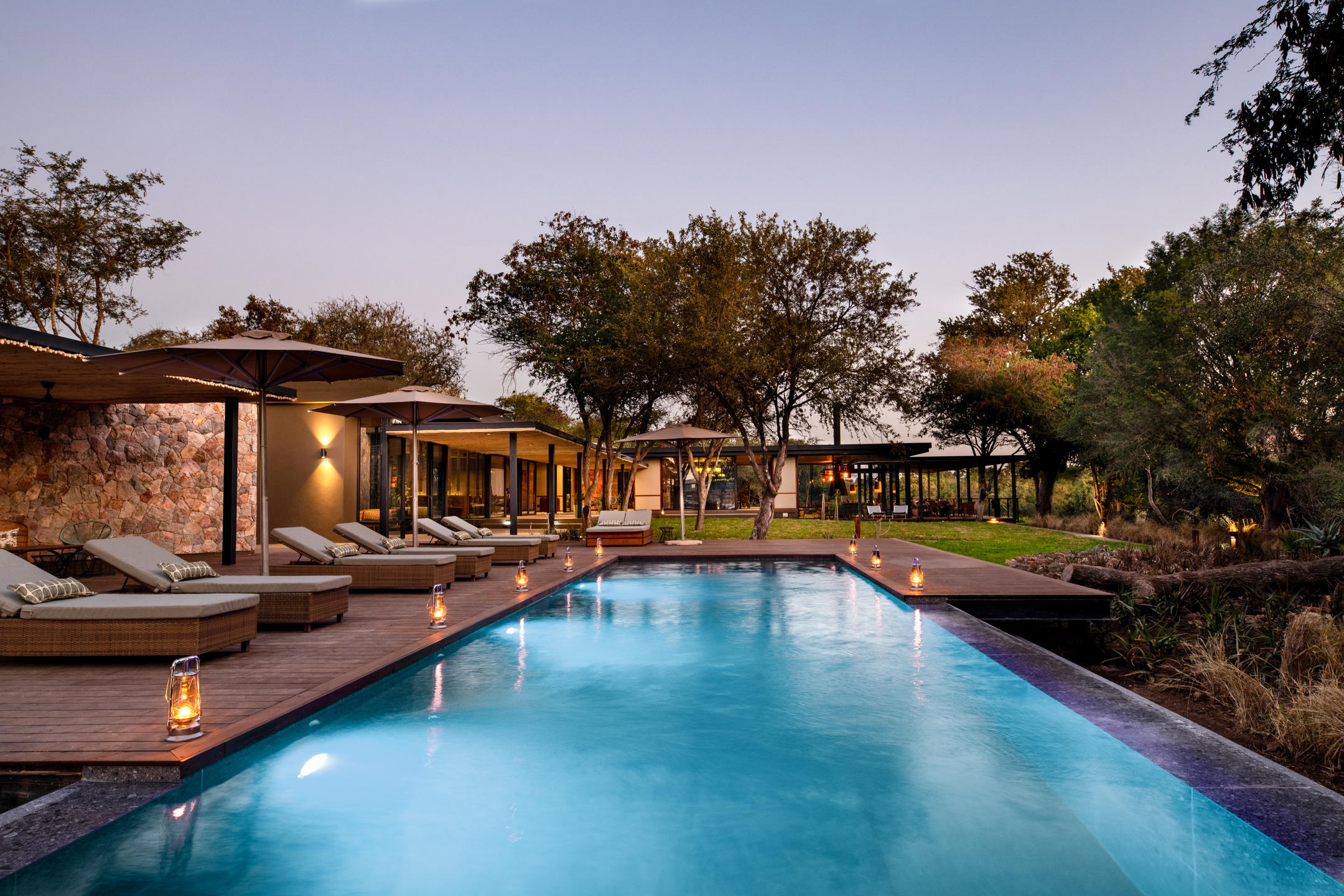
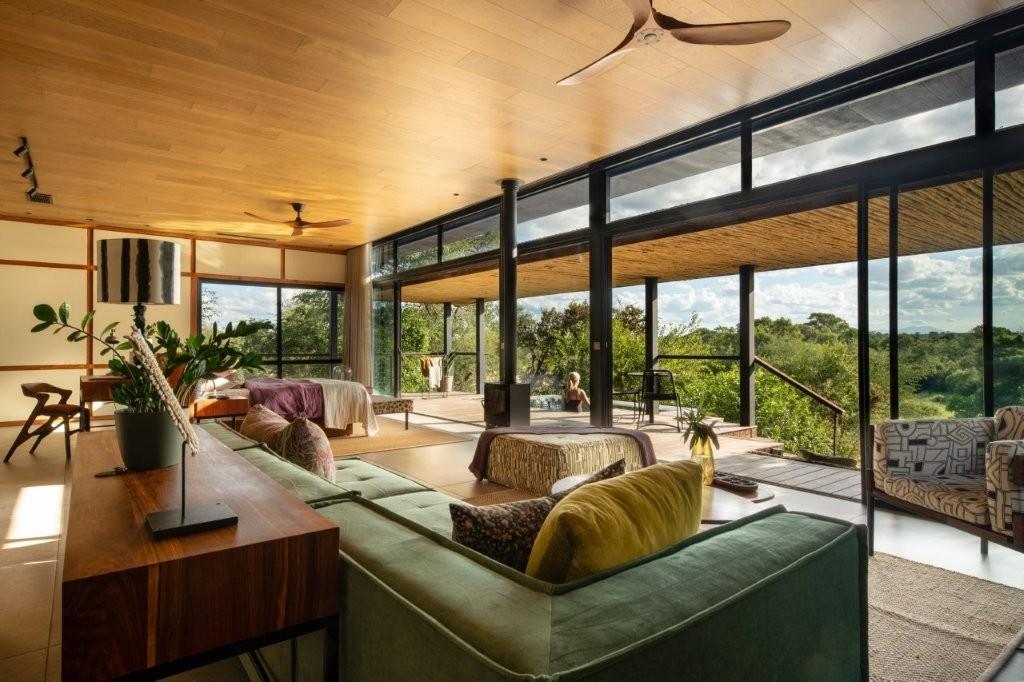
Eight luxury suites built from native wood, thatch and stone, each with a private deck looking out over a dam that serves as a permanent invitation to the wildlife of the reserve. Elephants, lion, leopard, wild dog, the full cast of the Greater Kruger — all seen without another vehicle in sight, because the section of Timbavati that Makanyi sits in is that private. The suites themselves are open-plan, light-filled and unhurried in their design — neutral tones, custom furnishings, gas fireplaces for the cool evenings, freestanding baths that you will absolutely use. Two honeymoon suites with private plunge pools for those who need no further encouragement.

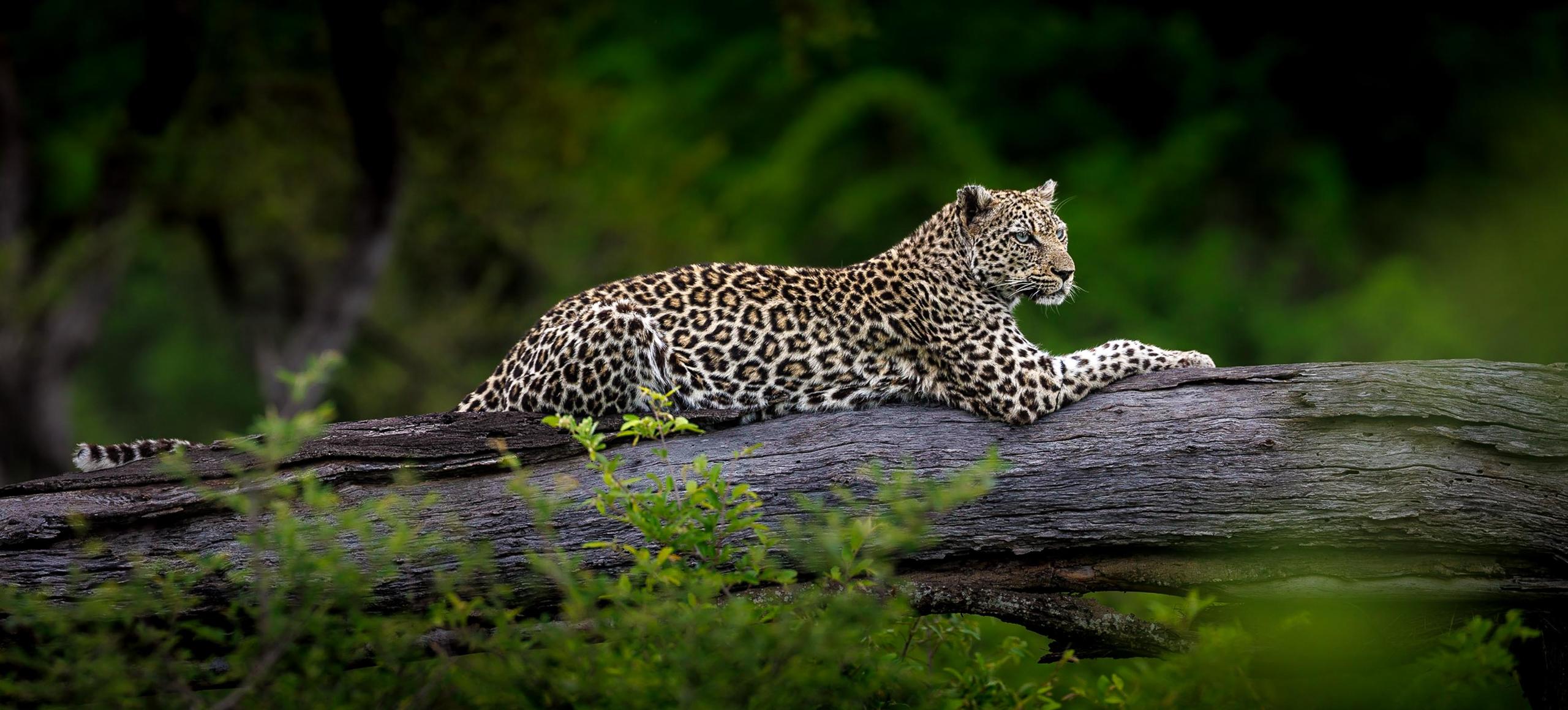
The guiding is the thing that serious safari travellers tend to come away talking about most. Guide Saki and tracker Robert have built a reputation in this part of the Timbavati for finding what other vehicles can’t — wild dog sightings in particular, which is a species that rewards patience and intimate reserve knowledge in equal measure. Off-road access on a private concession means you go where the animal is, not where the track permits. It sounds like a small thing until you’re the vehicle that follows a leopard into thick bush while everyone else watches from the road.

The wine cellar deserves its own mention because at Makanyi it has clearly been taken seriously by someone with strong opinions. South African wines, selected with actual care, served at sundowners that the rangers occasionally upgrade with a wine tasting stop in the bush — a detail that guests describe with a frequency that suggests it has become something of a signature.

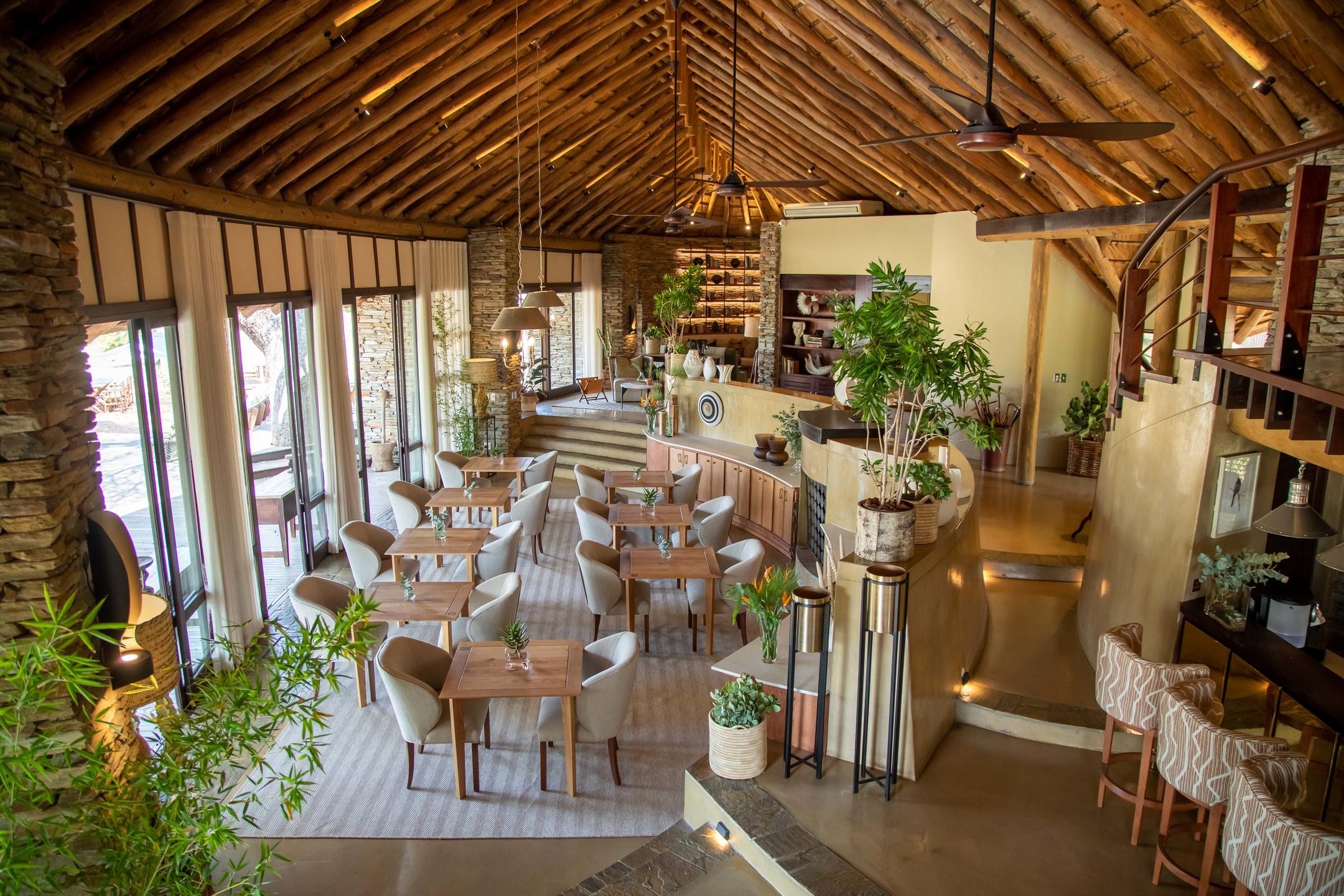
Chef Amos runs a kitchen that has attracted the kind of reviews that lodge kitchens almost never get. Every meal — and guests are specific about this — is fresh, considered and genuinely good. He comes out of the kitchen to talk to guests at every meal, which tells you something about the culture of the place. It’s a lodge where the people who work there are invested in it in a way that tends only to happen when ownership cares.

Makanyi sits in a section of the Timbavati that the reserve itself describes as incomparable. Given what the Timbavati as a whole offers, that’s not nothing.

The Timbavati — The Quiet Side of Kruger

Most people, when they think of a South African safari, think of the Sabi Sand. And fair enough — it’s extraordinary. But there’s a reserve sharing its western border with Kruger that has been quietly going about its business since 1956, with fewer lodges, lower vehicle density, and a backstory that the Sabi Sand simply can’t match.

The Timbavati Private Nature Reserve covers 53,000 hectares of wilderness in Limpopo, sitting unfenced along Kruger’s western boundary. That unfenced border matters. It means animals move freely — elephant, lion, leopard, wild dog — across a combined ecosystem of 400,000 hectares, with no wire to interrupt them and no artificial concentration of wildlife around a lodge waterhole. You find them where they are, which is how it should be.

The name comes from the Xitsonga language: “the place where something sacred came down to Earth from the Heavens.” It’s a dramatic name, but the Timbavati earned it. In 1975, a researcher named Chris McBride was leading a project in the reserve when something happened that had never been recorded before. A lioness gave birth to white cubs. Not albino — leucistic, with pigmented eyes and pawpads and a coat the colour of winter grass in pale light. The world took notice immediately, and not always for the right reasons.

McBride’s book, published in 1977, brought global attention. What followed was less triumphant. White lion cubs began disappearing — captured for zoos, hunting facilities, private collections. The gene carriers were selectively removed from the wild population. By the late 1990s, white lions were effectively extinct in their natural habitat — the very place they had evolved. It took decades of advocacy, led in large part by a documentary researcher named Linda Tucker who had her own remarkable encounter with white lions in 1991, to bring them back. Reintroduction efforts eventually succeeded. Cubs were born again in the Timbavati in 2006, 2008, 2009, and 2011. In 2018, three new white cubs were born to the Birmingham Pride within the reserve. And then, in early 2026, a three-month-old white cub was discovered in a den along the Zebenine Riverbed — the first white lion born in the Timbavati in over a decade. A literal one-in-a-million event, given the recessive gene must be carried by both parents to produce a white cub.

That’s the thing about the Timbavati. It carries its history in a way that very few wild places do.

But the white lions are only part of the story. The reserve is home to exceptional wild dog packs, prolific elephant herds, and the full complement of big cats — all experienced with a fraction of the vehicle pressure you’d encounter in some busier reserves. The landowners who formed the Timbavati Association in 1956 made a deliberate choice to limit the number of lodges operating in the reserve, and that decision has compounded in value ever since. There are only eighteen lodges across 53,000 hectares. The maths speaks for itself.


The lodges themselves — and we’ll profile three of the finest in this series — are not the famous names. They don’t need to be. Kings Camp, Tanda Tula and Makanyi have built their reputations quietly, through exceptional guiding and the kind of personal service that only comes from small, focused operations with something to prove.
This is not the loud, well-marketed side of the Greater Kruger. It is, by some distance, the better one.

Saseka Tented Camp: Where Light Learns to Behave

Some lodges borrow from the bush. Saseka seems to collaborate with it.

Sitting on the banks of the Monwana River in Thornybush, Saseka is one of those rare camps where architecture stops being a backdrop and starts participating in the safari itself. The tents — if one can call them tents without stretching the definition to its upper limit — are floating canopies of patterned shade, soft fabric, and impossibly photogenic angles. It’s as if someone stitched together dappled sunlight and suspended it overhead.

Step inside and you’re met with a design language that’s both bold and quiet. Monochrome palettes soften into warm wood textures; sculptural furniture curves in the same rhythms as the surrounding bushwillows. Your suite feels less like a room and more like a mood — one that shifts subtly throughout the day as the Klaserie light moves across the floor.

But for all its glamour, Saseka doesn’t forget where it is. Just beyond the glass, nyalas graze with the casual entitlement of animals who know they were here first. Elephants drift along the riverbed, pausing occasionally to give you a glance that feels mildly evaluative. The wilderness is close, unavoidable, and deeply grounding.

Game drives around Thornybush offer the classic Lowveld cast: lions on the prowl, leopards draped over the branches they pretend they chose purely for functionality, and rhinos that seem carved from the earth itself. The guiding teams weave expertise with ease — the kind of quiet professionalism that makes sightings feel earned rather than orchestrated.

Evenings at Saseka are a small study in atmosphere. Lantern-lit pathways, the hum of insects, dinner served beneath a sky that feels too generous with its stars. And, of course, that unmistakable sense of being wrapped in design without ever feeling removed from the wild.

Saseka is safari reimagined — an ode to clean lines, good light, and the gentle art of letting the wilderness take centre stage while still offering you a front-row seat.


Ngala Tented Camp: Where Silence Has a Shape

Some camps arrive with a flourish. Ngala Tented Camp doesn’t need to. Tucked beneath a line of ancient river trees along the banks of the Timbavati, it feels less like a lodge and more like something the landscape has been guarding for years — revealed only when you’re ready to notice it.

Ngala has always existed in that sweet spot between wild and minimalist. Canvas suites open directly onto the riverbed, where the daily cast of elephants, nyalas, and the occasional leopard drift past with the nonchalance of residents who pay no attention to human check-in times. The tents themselves are masterclasses in understatement: soft palettes, clean lines, and textures that let the wilderness do most of the talking.

And that’s Ngala’s quiet superpower — it knows when not to speak.

This is a camp that rewards the unhurried. Early mornings begin with the soft groan of branches stretching in the cool air, followed by coffee strong enough to stand up on its own. On game drive, the Timbavati reveals its subtler layers: the flick of a white tail through the thickets, a fresh drag mark across the sand, the unmistakable rasp of a leopard calling from somewhere just beyond the bend. The guides here have a knack for making the bush feel like a story unfolding rather than a checklist being ticked.

Afternoons stretch out in that dreamy, in-between way the Lowveld specialises in. You can sit on your deck and watch the river exhale as the heat deepens, or laze in the pool listening to the wind rehearsing through the jackalberries. Here, even doing nothing feels purposeful.

Evenings are lantern-lit and low tempo. Dinner might be under the fever trees or beside the water’s edge, each setting a reminder that Ngala’s real gift is the way it frames simplicity as luxury. No theatrics, no noise — just a deep, resonant sense of place.

Where some lodges make you feel pampered, Ngala makes you feel restored. The kind of refreshed that comes not from being entertained, but from being allowed to simply exist in a landscape that’s been doing fine for millennia without interruptions.

Ngala Tented Camp is safari distilled — quiet, thoughtful, and all the more powerful because of it.

What Would It Take for a Safari Lodge to Earn a Michelin Key?

Until now, Michelin has mostly told us where to eat, not where to sleep. But that’s changing. The famed guide has unfurled a new rating system for hotels and lodges — the Michelin Key — a sibling to the coveted Michelin Star, and a new yardstick for excellence in stays.

It’s an intriguing idea for the safari world, where barefoot luxury and wilderness don’t always fit neatly into the same tick-box criteria. How do you score a night filled with lion calls against a night filled with thread counts?

Michelin’s inspectors look for five things: architecture and design, consistency of service, personality, value for money, and connection to place. It’s that last one that feels most relevant to safari lodges. Connection to place is the heartbeat of the experience — the sense that the land, the wildlife, and the people aren’t just backdrops, but protagonists in the story.

By those standards, Africa already has its share of Michelin-worthy contenders. The design brilliance of Singita Sabora, the restraint and intimacy of Mara Nyika, the wild purity of Busanga Plains, and the playful luxury of Ulusaba all whisper the same thing: this is excellence defined by soul, not excess.

Of course, no one’s likely to find an inspector with a clipboard crouched beside a termite mound anytime soon. The Michelin Key isn’t just about imported standards — it’s about recognising that the best stays, like the best meals, create something intangible. A mood. A memory. A moment that lingers.

So, what would it take for a safari lodge to earn a Michelin Key? Probably the same things that make the bush unforgettable in the first place: an architecture that listens to its surroundings, service that anticipates without intruding, and a sense of belonging so strong it feels as though the land itself has checked you in.

If that’s the benchmark, Africa’s already set the table. Michelin just needs to find a way to reach it.

Londolozi Earns Three Michelin Keys: Where Connection Is the True Currency

The Michelin Guide has spoken — and Londolozi has joined a rarified circle. In the inaugural list of global lodges recognised for excellence in hospitality, Londolozi has earned Three Michelin Keys, the highest possible rating.

For those unfamiliar, the new system is Michelin’s way of recognising the world’s most extraordinary places to stay — where design, service, character, value, and connection to place combine into something unforgettable. The restaurant world has long had its stars; now the lodging world has its keys. And in Londolozi’s case, the metaphor fits perfectly.

Because a stay here really is about unlocking something — not just a door to your suite, but a door into the wilderness itself. The luxury is evident, of course: the seamless service, the design that whispers rather than shouts, the food that would make even a Parisian inspector pause mid-bite. But it’s the connection that sets Londolozi apart. Connection to land, to community, to guests, and to a philosophy that’s been evolving for almost a century.

You feel it in the quiet professionalism of a tracker reading leopard spoor at dawn. You feel it in the stillness of the river at sunset, when the light folds over the granite outcrops and the bushveld seems to exhale. You feel it in the staff who’ve worked here for generations — living proof that hospitality, when done right, becomes heritage.

Michelin calls the Three-Key rating “an extraordinary stay.” But that hardly covers it. Londolozi doesn’t just offer extraordinary stays; it offers perspective. It reminds guests that luxury isn’t about what’s added, but what’s revealed when everything unnecessary falls away.

Earning Three Keys isn’t just a nod to Londolozi’s excellence — it’s an acknowledgment of its ethos: that true hospitality has always been about belonging. The kind that doesn’t just welcome you for a night, but stays with you long after you’ve left.

Ulusaba: Safari, With a Wink

Most luxury lodges lean on hushed tones and reverence for the wilderness. Ulusaba, Richard Branson’s private slice of the Sabi Sand, does all that — but it also has a twinkle in its eye. It’s safari, yes, but safari that knows how to have a little fun.

The property is split between three lodges: Rock Lodge, perched high on a koppie with views that stretch forever, and Safari Lodge, tucked into the riverine forest where rope bridges link treehouse-style rooms. And then there’s the newest kid on the block: Cliff Lodge; just two ultra-private suites carved into the rock, perfect for families or friends who want the whole “this is OUR patch of Africa” feeling. Private pools, epic decks, and views so good you might forget to go on game drive (don’t worry, the rangers will remind you).
All three come with the sort of playful details Branson is famous for — think surprise champagne stops in the bush and the kind of storytelling that turns an ordinary sundowner into a small event.

Wildlife here is the main draw, of course. Ulusaba sits in the heart of the Sabi Sand, one of the best places on Earth to see leopards. Lions, rhinos, buffalo, and elephants make daily appearances, but it’s the frequency and intimacy of big cat sightings that has made this region legendary. The rangers and trackers here are sharp, and they know how to read the land with the kind of confidence that comes only from decades of experience.

Yet what sets Ulusaba apart is its refusal to take itself too seriously. The service is seamless, but never stiff. Staff banter with guests as though you’re part of the family, and evenings often end with laughter rising into the night alongside the distant roar of a lion. If other lodges are symphonies, Ulusaba is more like jazz: polished, but with a streak of improvisation that keeps it fresh.

For all its playfulness, the lodge doesn’t skimp on indulgence. Rock Lodge has a wine cellar and spa treatments with sweeping views. Safari Lodge offers shaded pools and private decks perfect for doing absolutely nothing. And when the day’s game drive is done, you can expect a dinner that balances serious culinary flair with a sense of occasion.

Ulusaba is proof that luxury can be lighthearted. That you can sip fine wine and watch the sunset, but also laugh when the resident vervet monkeys make a grab for your toast at breakfast. Because the best safaris aren’t just about what you see — they’re about how it all makes you feel. And Ulusaba makes you feel alive, in on the joke, and right at home.

More Than One Million Raised by Iconic Africa for Tracker Academy

We love the word “Synergy” at Iconic Africa; the combination of things being greater than the sum of their parts.

This is essentially what took place at the event we recently hosted at Kruger Untamed Tshokwane River Camp, where over R1 000 000 was raised for the Tracker Academy.

Over 60 friends and business associates from multiple walks of life across South Africa (and even some from as far away as London!) descended upon South Africa’s most iconic National Park for a weekend of tracking, bush immersions, wine tasting and all round fun, and left with far more than they had signed up for; a renewed sense of appreciation for our natural heritage, awe at the depth of indigenous knowledge skills on display and a determination to contribute in whatever way they could to the preservation efforts of our remaining Rhinos.

Out of all our milestones, achievements and relationships at Iconic Africa, there are few things that give us more pride than our continued association with the Tracker Academy.

This inspiring NGO was founded in 2010 by lifelong friends Alex van den Heever and Renias Mhlongo, and trains young men and women in the art of wildlife tracking. In their own words, it empowers its graduates to become ambassadors for the African wildlife conservation industry by bringing authenticity and accuracy to environmental education, wildlife protection, eco-tourism, monitoring and research.

What started as an initiative that simply aimed to keep the dying art of tracking alive has grown exponentially into a critically important feeder for both tourism safaris and broader conservation. Tracking is playing an increasingly valuable role in rhino protection in particular, as essential bush craft has been found to be severely lacking in anti-poaching operatives across the African continent. With that in mind, Tracker Academy founded the Rhino Guardians program in 2022, with the aim of bolstering rhino protection efforts by deploying highly specialised tracking units.
Amos Mzimba, Rhino Guardians’ Head Trainer, spent 27 years as an anti-poaching operative in the Kruger National Park, boasting more than 300 arrests over the course of his career – the highest of any member of his department.
Now he trains young students in the skills they need to effectively to pursue and arrest suspected poachers in the wilderness.

Rounding out the ensemble of tracking royalty that facilitated the event was Innocent Ngwenya – a former student of Tracker Academy on its inaugural course and now its Head Trainer.
Innocent’s story that he regaled the attendees with was one of hope; how he turned a life of hunger and apparent hopelessness into one of meaning, leadership and inspiration for others to draw from.
Using tracking as a powerful metaphor for how well a life can be lived, Innocent was a poignant reminder for all what a powerful ripple effect one person’s journey can have on those he or she comes into contact with.

Evenings were kick-started by a fantastic variety of wines provided by Derek Kilpin of Great Domaines. A few glasses invariably led to fireside mirth and story-telling late into the night. The distant roars of lions would as a not-so-subtle hint as to which direction the tracking efforts should be directed come the (very) early morning, and strong coffee would kickstart the day as bird song started to crescendo in the pre-dawn gloom.

Tracking groups headed in different directions under the lead of Renias, Alex, Amos and Innocent, and never has there been a better representation of the journey and not the arrival mattering than in this pursuit.
The animal at the end of what can be a long hot morning following signs is simply the cherry on top.
It is rather in the tracking process itself that the joy – and ultimately the learning – is to be found; the oft painstaking attention to detail, the awareness of every little bit of information the bush was providing, be it in visual, audio or olfactory form, or sometimes nothing more than a sixth sense that both kept the trackers on the trail and the group safe in a potentially hostile environment of Big 5 animals.

Whether the trailing opportunities were successful or not was actually irrelevant. All who spent time on foot with the four trackers were well aware that they were in the presence of true masters of their craft. That, combined with the utmost humility of all four men, made a deep and lasting impression.


The wild safari soiree on the last night rounded off a stellar long weekend, but the transfer vehicles arrived all too quickly to shuttle everyone back to Skukuza airport and the respective flights home.

We are thrilled to report that thanks to multiple generous donations, over a million rand was raised for Tracker Academy, money which will be used to train the next generation of Rhino Guardians who, as rhino poaching continues to escalate across the continent, are going to play an evermore critical role in protecting the continent’s wildlife resources.

In 2022 we launched our philanthropic arm, the Iconic Africa Foundation, through which we take a portion of every safari that Iconic Africa sells and channel it back into African NGOs, conservation efforts and community development programs. It’s essential to us that we are doing our part to conserve, uplift and protect across this magnificent continent.

Anyone wanting to donate to Tracker Academy and/or Rhino Guardians, please get hold of us through info@iconicafrica.com.

For those interested in a true wilderness immersion, with tracking at the forefront, look no further than Kruger Untamed, who, as well as Tshokwane River Camp where the Iconic Africa event took place, have a second camp further north, adjacent to the Satara grasslands where the highest lion density in the Kruger National Park is to be found.

Please direct enquiries to info@iconicafrica.com.


3 Rules for Wildlife Photography Composition

Wildlife photography can be tricky.
Animals are just that – wild – and don’t always do what you expect. Branches get in your way and if the light goes, it goes. No studio dimmer switch is going to change that.

But by simply sticking to a couple of composition principles you can make sure that at least most of your shots from your safari are usable, even if they aren’t award winning.

Here are three to bear in mind.

1. Rule of Thirds

The rule of thirds is an effective way to frame the elements in your scene so that the final image is more visually captivating. Like most other so-called “rules,” it’s not really a rule at all — more of a guideline.

But if you stick to it with wildlife, more often than not it will leave you with a photograph that’s mor pleasing to the eye.

Put very simply, you want your subject either moving or looking from one third of the photo into the remaining two thirds. If it’s looking left, place it on the right looking into the left hand two thirds of the picture. If it’s looking right, place it on the left, looking into the right hand two thirds.

Have a look at this elephant picture:

The elephant closer tot he camera (the subject) has its head (which is the main point of interest) roughly a third of the way into the frame, moving into the further two thirds. You always want an animal moving or looking into space, and not butting up against the edge of the frame. If we divide the image up into thirds using vertical lines, we get the following:

You can see how it’s not an exact science, but by using these approximate measurements, we get an image that tells more of a story.

The same proportions were used in the following image of a wild dog, but this time, both vertical and horizontal thirds were used:

The four points where the horizontal and vertical gridlines intersect are known as power points, and the more you can place the main subjec tof your image on one of these power points, the ro visually appealing it will be.

2. Central Framing With Symmetry

When an animal is looking straight at you, especially in close up/portrait, go for the central placement:

The rule of thirds doesn’t necessarily apply here as the straight-on image creates a connection and intensity.
Remember, these are guidelines, not rules. If we refer back to the wild dog image above, it’s also looking straight at the camera yet it was placed off to one side. This was mainly to compensate for the body being visible out to the right.

Because the lion in the above image has an even balance of mane on both sides, the symmetrical central framing works.

3. Use Foreground to Create Depth

Photography is ultimately about storytelling, and by simply having a foreground element in frame (which doesn’t have to be in focus), one can give far more context to an image.
Take a look at the following two photographs:

Both were taken to deliberately have people in frame in the foreground, which shows us that the animal/s is/are being viewed in a game drive setting.
There is far more story than a simple picture of two elephants or a leopard walking.

In wildlife photography as in many things, rules are there to be broken, but by keeping the above concepts in mind when on your next safari, we’ll be willing to bet that the percentage of your shots that you really like will be significantly higher.

Get in touch with us through info@iconicafrica.com for more photography tips and tricks…

Lion Sands Tinga: Private Kruger Park

Lion Sands Tinga is nestled on the banks of the Sabie River,  one of the Kruger Park’s most iconic. The softly burbling water flows under enormous jackalberry and fig trees, and provides some of the most scenic game-viewing habitat imaginable. In winter when water resources are scarce, everything has to drink at the river, so a slow meander along the riparian roads will reveal a myriad of delights.

The lodge consists of nine suites as well as the exclusive two-bedroom Hinkwenu Residence.
Each room, blending vintage style with modern luxury, provides stunning views that make you feel as if the outside reserve is simply an extension of your living quarters, ensuring an intimate connection with Africa’s beauty.

The suites are joined by elevated wooden pathways that wind their way through the lodge, also connecting the spa and main lodge area, where a bar lounge, pool, and boma also feature. Here, you can share a delicious glass of some of South Africa’s finest wines, refelct on the day’s sightings, or simply relax in a quiet moment alone, with only the background ambience of the birds as your company.
The suites all feature their own private plunge pool and deck, providing a personal sanctuary where you can bathe in opulence, spend your time bird watching or check on the hippos in the river below.

The Lion Sands Game Reserve is essentially a combination between their Kruger National Park concession where Tinga is found, and their property in the world-famous Sabi Sands; one of the best places in the world to see leopards. Vehicles are allowed to traverse both sections, ensuring full access to the bast sightings.

Lion Sands Tinga Lodge has tailor-made experiences for children aged 6 to 11, so the lodge ensures that every member of the family has the freedom to explore and have fun.
A dedicated playroom, coordinated by a qualified activity leader, offers a range of engaging activities from sports and crafts to baking sessions with the chef. Family game drives, bush orientation, dung tracking, spoor casting, and nature scavenger hunts are just a few of the adventures that families can enjoy together, making every day a new discovery.


Safari experiences are of course the central reason why people visit, and Lion Sands boasts some of the best. Game drives depart the lodge at dawn and then again in mid-afternoon, facilitated by experienced field guides. These drives aim to capture the essence of an African safari as you go in search of the Big Five. Feel how your senses swiftly become attuned to the slightest rustle in the bush. Walking safaris are another great way to explore the landscape; most are conducted after breakfast, as you set out on foot to enjoy a true bush immersion, with your guide and tracker interpreting event eh faintest signs for you.

If it’s more of a relaxation or a spiritual experience that you are after, the our spa provides treatments featuring Africology products, ethically sourced and inspired by traditional African healing practices.
Additionally, for those dreaming of sleeping under the star-laden African sky, Lion Sands offers optional treehouse sleep-outs, which provide an unforgettable night surrounded by the sounds of the wild (activity is at an additional cost).


Between 4 January and 19 December 2025 & 2026, Lion Sands is offering incredible specials.

Pay for 3, Stay for 4, as well as a 50% rate for Honeymooners.

If you are after amazing game viewing, superb opulence and some of the most scenic terrain in the whole of the Kruger National Park, Lion Sands Tinga might be just what you’re looking for.

Get in touch through info@iconicafrica.com to find out more…


A Londolozi Revisit

Londolozi was where it all began for Iconic Africa.

Years ago, around a boma fire, IA directors John Holley and Terri Abadi – ranger and guest – chatted about life, travel, and how through their respective global positions (Johannesburg and Atlanta, Georgia) and experience in the industry, there was an opportunity for a boutique travel company to service both markets simultaneously.

Fast forward just over a decade, and Iconic Africa now has guests from all over the world travelling on luxury safaris throughout the year.


Our team has grown and we now feature an office in Hoedspruit –  the heart of the South African safari industry.

We send guests across the continent on incredible itineraries and are currently looking to expand our offering to Asia and Antarctica.

We link guests with top Private Guides to create a seamless safari and create continuity throughout their African experience.

So it was with great excitement that the team assembled at Londolozi’s most newly refurbished camp, Founders.

At Founders Camp, classic meets modern. This Londolozi signature camp is clean and uncomplicated and really comfortable, leaving nothing forgotten. You will get the feeling of all the comforts of a stylish African home that is ideally situated to provide an insider’s view of the secrets of river life. Classy, grounded and timeless – Londolozi’s Founders Camp represents a safari style that is inviting and restful.

Ten bespoke and varied superior chalets repose in the shade of ancient Ebony and Matumi trees along the banks of the Sand River.

Founders Camp honours the early Londolozi staff, many of them larger-than-life characters whose names have gone on to become legend in the wider guiding and travel industries (one even attended the wedding of Prince Harry & Meghan Markle).
Their legacy continues to this day through an unwavering commitment from all staff to provide an incredible guest experience whilst doing everything possible to conserve this landscape in as natural a state as possible.

Our small Iconic team could sadly only stay for two nights, but as usual, Londolozi delivered at every turn.

Although our visit felt like it was over far too quickly (it’ll do so no matter how long you stay for), we packed so much in that we could have been there for a week.

Dinner in the bush, getting stuck in a dry riverbed, constant laughter, and more stunning wildlife than we could ever have hoped for to point our cameras at; we were truly spoilt during our short stay.


We love the safari industry for how varied it is. Africa is an incredible mosaic of destinations and accompanying experiences.

But for a stunning level of consistency across the board – be it food, rooms, guiding standard, wildlife sightings or just simply having an amazing time – we have no hesitation in putting Londolozi right up there on the podium.

If Founders Camp, or any of the other four amazing camps on this reserve, feature on your to-do list, let’s get chatting…

Get in touch through info@iconicafrica.com, and let’s start planning your dream safari…

Photography Tips & Tricks: Make Your Photos Come Alive

Patience is a virtue, and especially when it comes to wildlife photography.

But it can be far simpler than waiting hours for a lion pride to get up and go hunting, or a leopard leaping up into a tree. It can be as easy as just waiting a few moments for the appropriate head tilt, or for a cloud to move away from the sun. What can add immeasurable value to a photo of an animal – particularly a close-up – is eye-glint. That little sparkle in the eye of a predator can change what would be an otherwise mundane photo into one that leaps off the screen at you (I still find it weird saying “off the screen” instead of ‘off the page”…aaah the digital age).

Over the next few weeks we’ll be sharing some more useful tips like this to incorporate in your wildlife photography, but today we’ll simply be concentrating on eye-glint.

Have a look at the following two cheetah photos…

Cheetah Cubs

In the above photo, I absolutely love the position the sleeping cheetah has taken on its sibling’s forelegs. As cheetah photos go, it’s relatively unique, yet looking at it in the context of this post, I’m very aware that something is lost because of the lack of sparkle in the awake cheetah’s eyes. Cheetahs in general are tough to photograph with good eye-sparkle; their extended brows over their eyes which reduce glare, also hinder photographers trying to catch that elusive glint. The sun needs to be low, the cheetah needs to be looking up, or even a flash needs to be employed.
The photo below is nothing special as far as cheetah photos go (it’s actually of one of the same siblings in the picture above), but the right eye has a sparkle in it, so – for me at least – it is immediately more appealing. The photo was taken just before sunset, so the low light made it much easier to capture the eye-glint.

Cheetah Termite Mound

A close-up of an Elephant’s Eye - Eye glint. Tick.

Elephant Eye Jt - No real eye-glint. Not good.

Leopards and lions are far easier subjects in which to capture that elusive sparkle. Both species look up regularly. Lions scan the skies to follow vultures flying (as do leopards to a lesser extent), and leopards look up into the trees they are thinking of climbing.
All it takes is a bit of patience and ideally a basic understanding of animal behaviour, and you will recognise the moment when it comes.

Professional wildlife photographers will discard photos without eye-glint immediately, almost every time. I’m talking mainly about close-ups here, or at least medium-shots. Obviously one can’t hope for eye-glint in an entire herd of impalas.

Just sit tight; don’t be tempted to push the shutter button because the lion has its head up. Wait a few seconds or minutes, and it will invariably raise its eyes above the horizontal.

That’s your chance.

Is the Sabi Sands THAT Good? Yes!

The Sabi Sand Reserve, adjoining the Kruger National Park, is essentially where the private photographic safari industry started in South Africa.
With Mala Mala (now its own separate entity, but generally referenced as part of the greater reserve) opening its doors in the late 60s, and Londolozi following suit shortly afterwards, the stage was set for the growth of one of the best places in the world to view the Big 5.

Old hunting farms (formerly bankrupt cattle farms) saw the value in converting to an ecotourism model that promoted conservation and shooting wildlife with a camera instead of a gun, and momentum started to build, until by the late 90s the entire area was under wildlife; no hunting of any kind was allowed, and the sensitive approach to game viewing meant that animals – in particular the formerly secretive leopards – relaxed completely in the presence of vehicles.
These days, after multiple generations of peaceful co-habitation between man and beast, incredibly intimate encounters are possible, with whole lion prides strolling past your vehicle as if you were not even there, elephant herds not batting an eyelid whilst their calves frolic in the grass nearby, and all manner of creatures great and small providing an endless stream of fascinating photographic subjects and talking points. Safaris here are not simply a rinse-and-repeat; each drive or walk is a well thought out and superbly curated adventure orchestrated by highly trained professional guides.

Being private land, one can off-road during game drive, which is especially important to maximise viewing potential. If an animal walks through a thicket and out of sight, you can follow…

And the lodges. Oh, the lodges…
One is absolutely spoilt for choice in this department, from one or two very reasonably priced self catering options to the internationally renowned and award-winning household names like Singita and Londolozi.
The thing to remember about the reserve is that lodges aside, the wildlife is ubiquitous; you WILL get great sightings wherever you happen to go. Some lodges do allow for an extended time spent in high profile sightings due to the lower vehicle density in their traversing area, so get in touch with us if that is something you are after. This is pertinent information if you are a photographer…

Supreme comfort is the order of the day in the Sabi Sands when it comes to accommodation. Lodges are crafted to blend into their surroundings, and feel like an extension of their environment, rather than incongruous constructions on the landscape. Elegantly appointed rooms, stunning views – most of which feature regular sightings of big game walking past – and neutral tones subtly maintain an immersive feel long after one has returned from game drive.
Delicious food, extensive wine lists, service of a Michelin star standard… all this and more has long been a hallmark of one of the longest established private game reserves in Africa. Some lodges have been honing their offering for over half a century, and it is evident in the experience they deliver.

We could go on ad nauseam about why the Sabi Sands is amongst the best out there, but we’ll try to summarise it with a few key points:

  • – Big 5 in abundance.
  • – Amongst the best leopard viewing in Africa.
  • – Incredible lodges, and a wide selection thereof.
  • – Some of the best food you’ll ever eat on safari.
  • – Private land means ability to off-road and stay out long after dark if needs be.
  • – Open to Kruger Park means free-flowing wildlife population.
  • – Highly trained, professional guides.
  • – Easy access through charter flights.

There are many superb safari options out there. Some are seasonal. Some are hard to get to. Some are hit-or-miss when it comes to wildlife.

But if you are looking for a destination that ticks pretty much every box when planning the ultimate safari, the Sabi Sands will consistently be on the podium as one of the best on offer.

Get in touch with us through info@iconicafrica.com if the wildest encounters, best lodges and most delicious food is a safari combination you’d be interested in…

Sabi Sabi Fly-In: Ultimate Big 5 Convenience

Sabi Sabi Private Game Reserve, situated in the Sabie Game Reserve in the South-Western section of the Greater Kruger National Park, is a wildlife oasis where you can observe at close quarters the age-old natural relationship between predator and prey.

The accommodation at Sabi Sabi is quite simply stunning. Four completely different lodges dotted about the reserve provide accommodation types for everyone’s taste. Earth Lodge is completely modern; cutting edge architecture merges it with the landscape in an almost subterranean design. It is a breathtakingly original approach to safari lodge design, but those who prefer a throwback to the early days of safari may prefer the other three offerings of Bush Lodge, Little Bush Lodge or Selati Lodge.

Safari at a destination like Sabi Sabi will always go far beyond your expectations. Whilst all visitors arrive in the anticipation of stunning wildlife encounters, delicious meals in a beautiful setting and a comfortable night’s sleep, it is the in-between experiences that ultimately end up as the most trip-defining and memorable.

The shot of Amarula with your coffee, sipped on whilst overlooking an elephant herd at a waterhole. The hyena which comes slinking past while you enjoy a drinks stop under the African stars, or the choir in full foot-stomping harmony around the fire, inviting you to come and dance with them.

These are the moments that settle into your soul, and will stay with you long after safari is over. They are far more than any brochure or website could ever fully capture, and have to be lived to be understood…

Whilst Sabi Sabi is among the best South Africa can offer in terms of safari options, it is the special they are currently offering in conjunction with Federal Air (the local safari carrier) that is really making them a no-brainer for safari vistors, especially those coming in from overseas and looking to have safari as their first stop.

16 hours in the air coupled with hours spent waiting at the airport before you even take off is often met with sighs of despair. When jetlagged, hungry and probably in need of a shower, the last thing you want is to wait even longer before you arrive at your destination.
Jumping on a Federal Air Flight from OR Tambo International (South Africa’s main airport hub) can see you on the ground in the South African bush in less than an hour.
A few minutes road transfer from the international terminal to the private FedAir Lounge sees you waiting in comfort for your Sabi Sabi connection. Then it’s onto the ‘plane, 50 minutes flight, quite possibly some elephants from the air as you come in to land, and straight into your Game Viewer for the short safari drive to the lodge, with the very high probability of encountering wildlife on the way.

Three packages are on offer:

  • Return flights from Johannesburg to Sabi Sabi and a three-night stay
  • One-way flights either to SS from Johannesburg or the other way round, with a three night stay.
  • Flights to Sabi Sabi from Johannesburg and then out of Sabi Sabi to Nelspruit (a great jump-off point for a Mozambique beach adventure) or the other way around (Nelspruit – SS – JHB). This also includes three nights on Safari.

Rates vary depending on which Sabi Sabi Lodge you elect to stay at, so get hold of us through info@iconicafrica.com to enquire about availability and the costs of the respective lodges.

This fly-in rate is on offer until February 2025.

King’s Camp – the Heart of the Timbavati

Set in the northern corner of the Timbavati Private Game Reserve, adjacent and open to the Kruger National Park sits Kings Camp.

This luxury lodge offers the absolute in sophisticated safari experiences promising spectacular wildlife sightings and exceptional African hospitality. The camp boasts breathtaking views over the open savannah and onto an ever active waterhole where you can soak up the sights, sounds and ambiance of the African bush veld.

kingscamp-content-large

At Kings Camp you will enjoy splendid colonial-style, luxury living, where your comfort always comes first. The camp has eight generous Colonial Suites and two magnificent Honeymoon Suites, all equipped with antique Victorian ball-and-claw baths, indoor and outdoor double showers, a well-stocked mini fridge and your own private veranda with a relaxing hammock. These colonial interiors will transport you to a bygone era as you drift away on your king size bed, draped delicately with cascading mosquito nets.

Your Kings Camp memories will most likely be built around some incredible African safari sightings. The crack of dawn welcomes a hive of activity – this is the best time for game viewing. Don’t worry, after your early morning wake-up call you will be treated with some tea, coffee and snacks before you head out on your African adventure in search of untold treasures.

kingscamp-content-01


Your afternoon game drive shall leave after the heat of the day has passed and after some incredible game viewing you will pause for majestic sunset drinks and canapés. As night falls you will slowly start your return to camp and may even get the opportunity to see some of Africa’s most secretive nocturnal animals.

The Timbavati is the home to a wide variety of wildlife: elephant, lion, leopard, rhino and buffalo are among the plethora of mammals on show. There is also an abundance of beautiful birdlife, interesting insects (see if you can count all of the Little Five), reptiles and amphibians. Iconic Africa recommends a guided bush walk, which is especially fascinating for those interested in the flora of the Timbavati. If these do tickle your fancy then allow your expert guide to point out the grasses and trees of the bush, even taking you through the fascinating original traditional and medicinal uses.

Kings Camp boasts a plentiful library, Wellness Centre and Spa in which you can submerge yourself and completely unwind! Or for those more active try the spacious air-conditioned gym, jump on a Helicopter flip or even arrange to fit in a quick 18 holes of golf.

Kings Camp is perfect for family and honeymooners alike! For those chasing the romance of Africa, the Honeymoon Suites have their own private pools with spectacular views and ensure uninterrupted privacy. Families can enjoy the thatched viewing deck overlooking the waterhole, take a refreshing dip in the pool, sip on a cold refreshment and relax through the heat of the day.

kingscamp-content-03

For supreme exclusivity – The Waterbuck Private Camp at Kings Camp is a luxury 4-bedroom villa positioned on the banks of the dry Nhlaralumi River amongst high arching riverine trees. The private villa offers the ultimate exclusive safari retreat: with its breathtaking views, own vehicle and professional game ranger, as well as a private chef and personal butler. This villa is the crescendo in luxurious experiences and is truly fit for Kings!

Kings Camp is just over a five-hour drive from Johannesburg airport. However, Iconic Africa recommends an easy flight to Hoedspruit Airport, connecting you easily to both Johannesburg and Cape Town. Kings Camp also has its own private airstrip for guests who wish to fly directly to the camp. Your visit to Kings Camp will be perfectly complimented with a tour of the glorious Cape Winelands and cosmopolitan Cape Town, or even a voyage to a tropical Mozambican island.

Get in touch through info@iconicafrica.com for rates and availability…