Grootbos: Where the Secret Garden Goes Global

Recognition tends to find those who aren’t chasing it. So it feels fitting that Grootbos Private Nature Reserve, a property defined by restraint and regeneration rather than self-promotion, has just been named 5th in Condé Nast Traveler’s Readers’ Choice Awards for South Africa’s Top 15 Resorts.

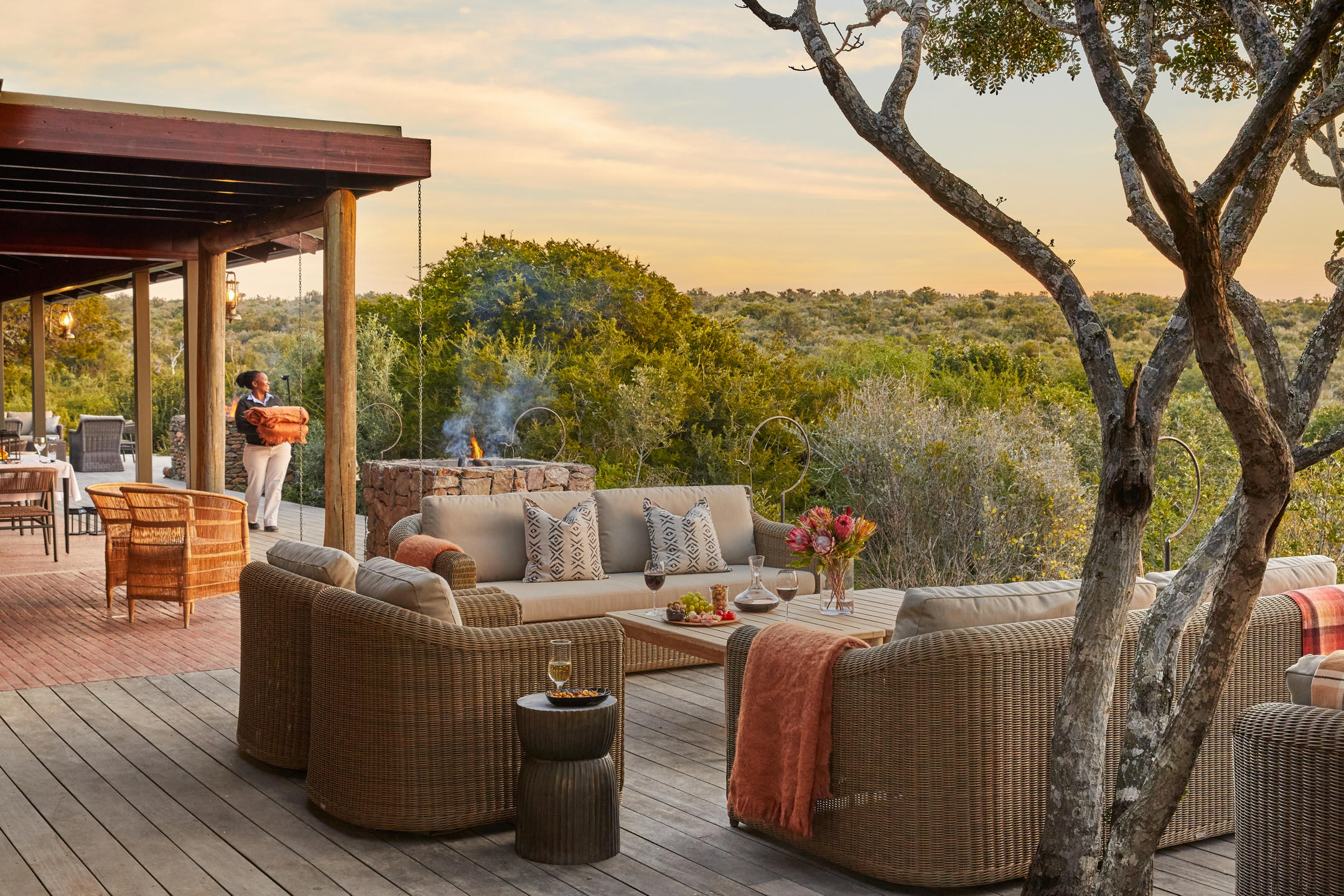
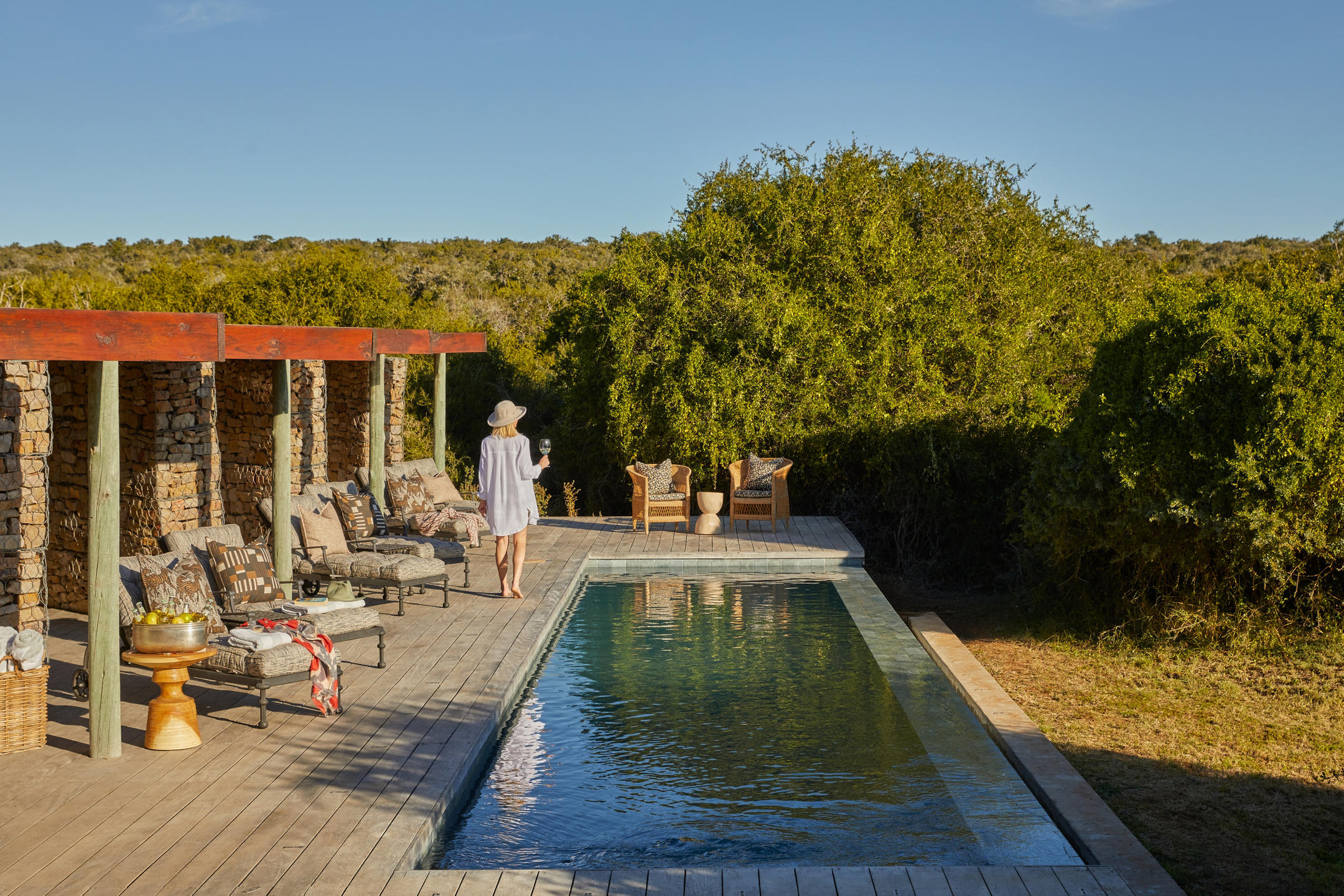
Tucked between mountain and sea near Gansbaai, Grootbos has always felt slightly out of category — too wild to be a vineyard retreat, too elegant to be called an eco-lodge. It’s its own species entirely: a place where the word luxury is defined less by opulence and more by intention.

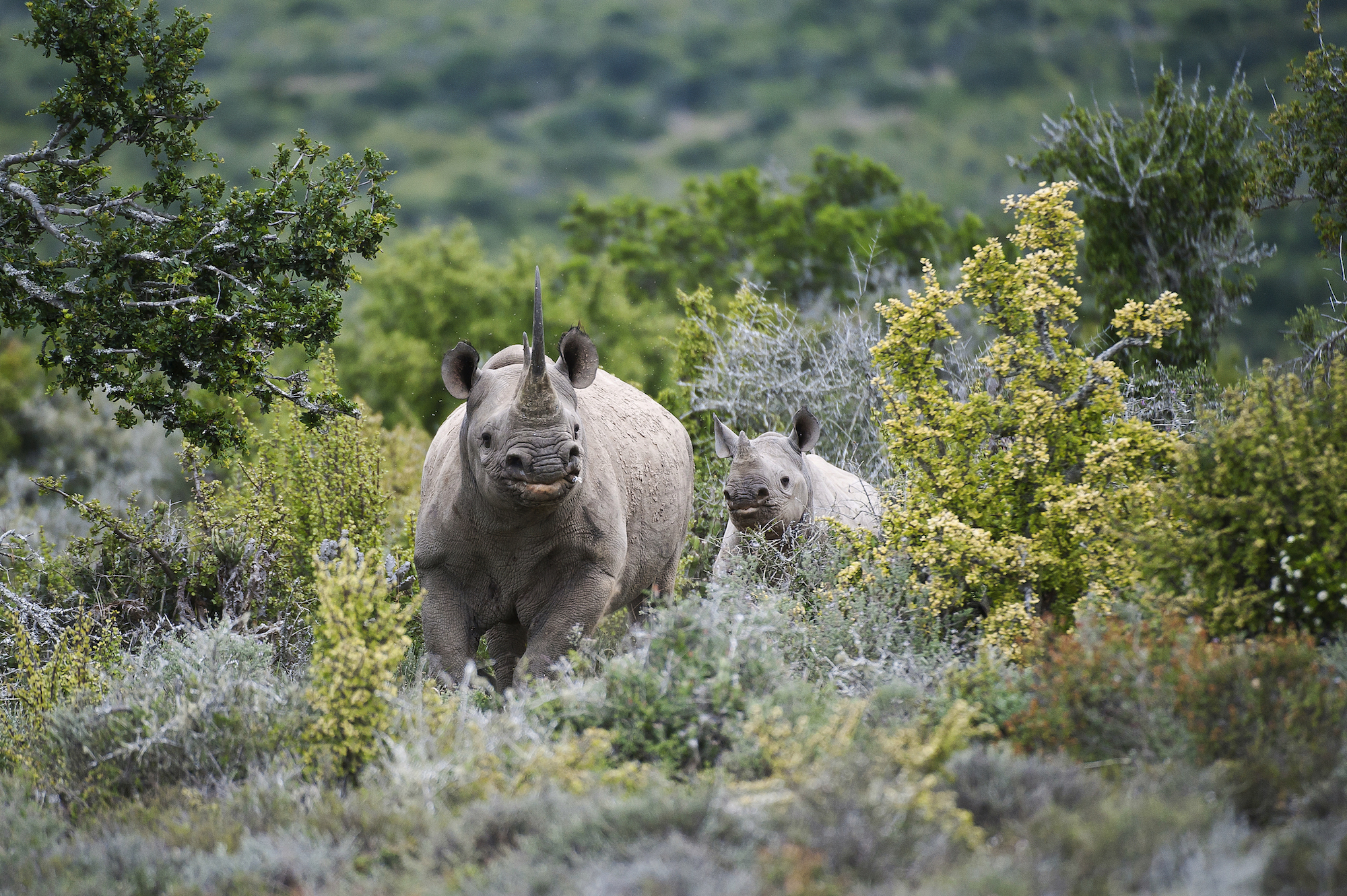
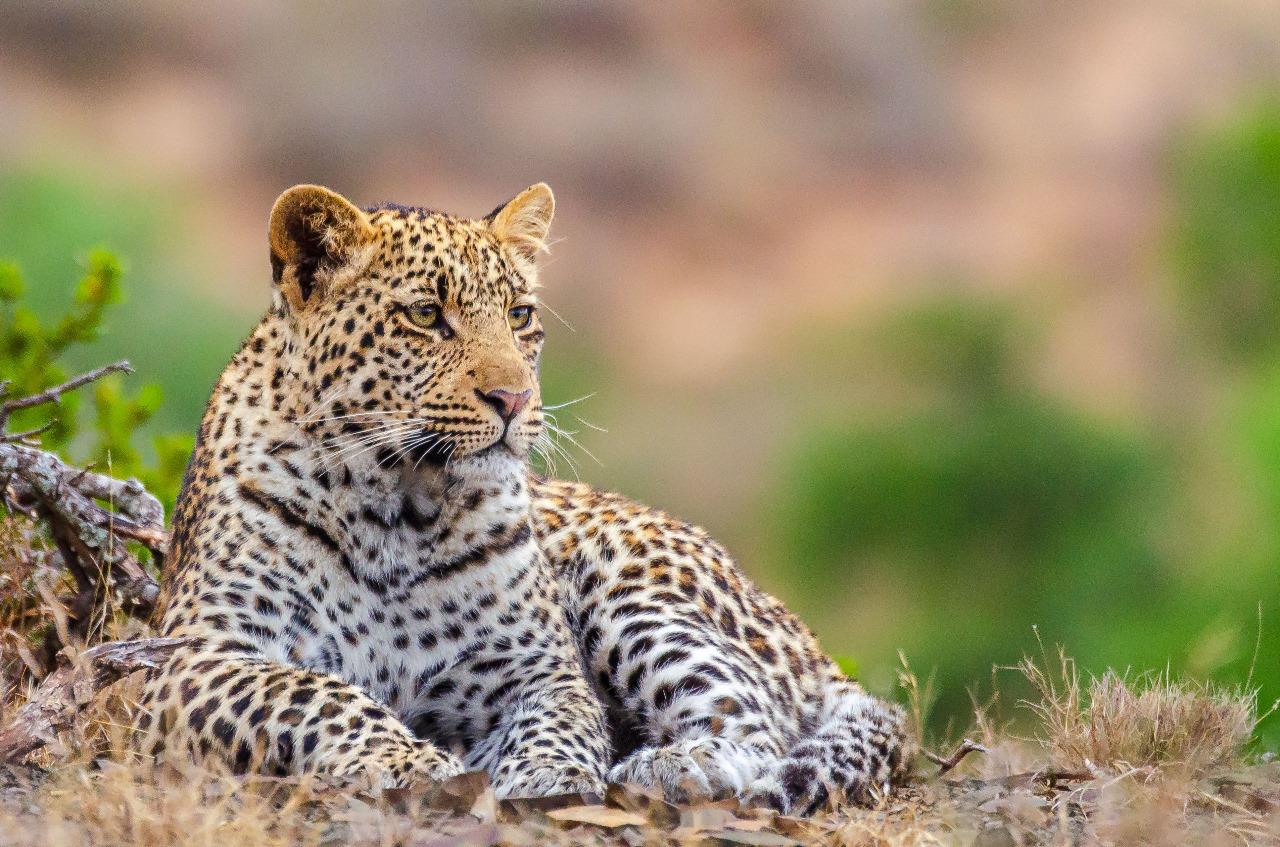
The reserve protects over 2,500 hectares of fynbos, one of the world’s most biodiverse floral kingdoms, and its story has always been as much about what grows outside the rooms as what’s inside them. Suites open onto views where the ocean feels stitched to the sky; the air carries the faint honey scent of proteas; and the architecture — all glass, timber, and understatement — feels designed not to compete, but to frame.

Condé Nast readers have long rewarded beauty, but here they’ve also rewarded purpose. Grootbos runs on solar energy, champions community development through its foundation, and supports local conservation and research projects that ripple well beyond the reserve’s borders. Every stay helps sustain that mission — which might be the most modern definition of luxury we have.

At a time when the world’s finest lodges are being recognised by Michelin, by Condé Nast, by whoever next holds a clipboard of merit, Grootbos’s achievement feels especially resonant. Because what it really celebrates is balance: design and wildness, comfort and conscience, people and place.

To walk through a field of blooming fynbos at dawn, then return to a breakfast plated like fine art, is to understand exactly why Grootbos stands among the best. It’s not just about where you stay — it’s about what stays with you.

What Would It Take for a Safari Lodge to Earn a Michelin Key?

Until now, Michelin has mostly told us where to eat, not where to sleep. But that’s changing. The famed guide has unfurled a new rating system for hotels and lodges — the Michelin Key — a sibling to the coveted Michelin Star, and a new yardstick for excellence in stays.

It’s an intriguing idea for the safari world, where barefoot luxury and wilderness don’t always fit neatly into the same tick-box criteria. How do you score a night filled with lion calls against a night filled with thread counts?

Michelin’s inspectors look for five things: architecture and design, consistency of service, personality, value for money, and connection to place. It’s that last one that feels most relevant to safari lodges. Connection to place is the heartbeat of the experience — the sense that the land, the wildlife, and the people aren’t just backdrops, but protagonists in the story.

By those standards, Africa already has its share of Michelin-worthy contenders. The design brilliance of Singita Sabora, the restraint and intimacy of Mara Nyika, the wild purity of Busanga Plains, and the playful luxury of Ulusaba all whisper the same thing: this is excellence defined by soul, not excess.

Of course, no one’s likely to find an inspector with a clipboard crouched beside a termite mound anytime soon. The Michelin Key isn’t just about imported standards — it’s about recognising that the best stays, like the best meals, create something intangible. A mood. A memory. A moment that lingers.

So, what would it take for a safari lodge to earn a Michelin Key? Probably the same things that make the bush unforgettable in the first place: an architecture that listens to its surroundings, service that anticipates without intruding, and a sense of belonging so strong it feels as though the land itself has checked you in.

If that’s the benchmark, Africa’s already set the table. Michelin just needs to find a way to reach it.

Cape Town’s Culinary Delights

It came as no surprise to us that the readers of Condé Naste Traveller voted for Cape Town as the Best City for Food in the World.

We have long felt confident that the culinary offerings from this most magnificent of destinations right down near Africa’s southern end would measure up to anywhere else on the globe, through an unbeatable combination of pure quality, variety and location, location, location!

From the azure waters of the Atlantic Ocean in summer to a warm fireside in the Franschoek Valley when there’s snow on the mountains in the depths of winter, the sheer range of overall experiences here mean you could try something new 365 days a year and never run out of options.

There’s certainly far more to Cape Town than its dining opportunities, but at Iconic Africa we certainly feel that a visit to this Iconic destination should certainly feature as much variety as possible when it comes to mealtimes, so that end we’ve picked four of our favourites:

Wine Farm Luncheon:

With close to 600 wine farms within 100km of South Africa’s Mother City, you’re spoiled for choice right from the get go.
Thankfully you barely have to go even ten kilometres to be right in amongst some of the best that the country has to offer, with the Constantia area – only about a 20 minute drive from the City centre – featuring many of the vineyards that have become household names; Constantia Glen, Groot Constantia and Steenberg to name a few.
Moving east towards Stellenbosch and Franschhoek, the choices only multiply, and you can sip on a Pinot Noir from Starke-Conde vineyards in Jonkershoek Valley whilst feeling like you might be in a remote hamlet in the Swiss Alps.

For those on a day-trip from Cape Town, we recommend enjoying a lunch out in the Stellenbosch/Franschhoek winelands so as allow enough time for the drive home.

Seaside Dining Overlooking the Atlantic

Again; spoilt for choice.

From fresh oysters at Tintswalo Atlantic to the incredible menu at The Nines in a high-rise in Sea Point, the view out over the ocean from anywhere along Cape Town’s Atlantic seaboard will immediately elevate your enjoyment of your meal by 15%.
Whether it’s humpback whales breaching in Springtime or simply an impressive cargo ship approaching the port, there’s always some sort of drama to be seen out on the sea.

Pizzas in Town

Whether it’s Italian, Thai, Asian Fusion, traditional South African or of course seafood, there’s something for you in Cape Town.
There has been a recent surge in boutique pizza houses, with three that immediately come to mind as our front-runners; Pizza Shed in Bree Street, Lievita near the Waterfront and Novo in Little Mowbray.
All three feature the latest pizza trend in South Africa; puffy-crusted Neapolitan-style variety, with easily identifiable leopard-spot blisters. The original flavours and combinations of toppings at all three restaurants are superb (the pepperoni and hot honey at Pizza Shed is one of our favourites!), and when we are in town we’re always torn between which spot to choose if it’s pizza we feel like!

Anywhere in Nature

The beauty of Cape Town is you never feel too far from being in the wild.
Whether you’re on top of Table Mountain or settling down to a beach picnic within a kilometre of the CBD, you will still feel removed from the hustle and bustle normally associated with a major city.

Cape Farmhouse Beer Garden is just a stone’s throw from Cape Point Nature Reserve. The restaurant at the Upper Cable Station will feed you after either a hike up Platteklip Gorge or a stunning Cablecar ride. Or African Lynx tours – who we make use of for many of our clients – will provide a sumptuous spread wherever you happen to be spending the day out and about.
Dining outside is the real way to enjoy the Cape Town culinary experience – weather dependent of course – and we’ll try to ensure that all of our guests get to enjoy something of Cape Town’s majesty during at least one of their meals.

There are literally thousands – thousands – of dining options for Cape Town visitors, so the choice can be overwhelming. Small local restaurants compete with the more established household names, and we like to think we know about both.
So if you’re booking with us and travelling to Cape Town, let us know what type of cuisine interests you the most, and we’ll take care of the rest…


(Not So) Secret Cape Town

When guests of ours visit Cape Town and talk about their trip after the time, they often refer to how they did the “touristy” things.

Well, we’re here to tell you that the so-called touristy things of Cape Town are just that for very good reason. People don’t visit this breathtaking city to do things they can do anywhere else. No, Cape Town has its specific attractions that make it so special, and it stands to reason that whether making it the centre-point of your stay or simply tailoring onto the beginning or end of your safari, you are going to want to get to the top of Table Mountain, take a drive down the Peninsula, eat at some fine restaurants and indulge yourself in wine country for a couple of days.

Literally millions of people visit South Africa’s Mother City each year, but don’t be fooled by these numbers; there is still plenty of space to do things. Granted, the summer season can see the most popular beaches getting a little crowded, but a good guide will know the places and timings to make sure you have more than enough space to yourself.

The Big Four are essentially Table Mountain, Peninsula Tour (including the Penguins at Boulders Beach), the Winelands and the Waterfront.

Starting with the Waterfront…
It has its perks sure, and there are some amazing hotels all around it, which makes it very convenient for dining at its incredible diversity of restaurants, but the place itself is essentially a large mall. Save your curio shopping for when you are actually on safari, as the artefacts are more likely to be genuine. That’s our main bit of inside intel.
What the Waterfront is best for, we feel, is as a gateway to a whole multitude of Cape Town experiences.


Visting Robben Island (where Nelson Mandela was imprisoned), evening boat cruises, helicopter rides around the peninsula… all are launched from the vicinity of the Waterfont, so for those alone, its worth a visit.

Next, Table Mountain.
Try to hike up if you can, and make a full morning of it. The cold beer at the restaurant on top will be even more delicious after the walk. It can be pretty steep, but the paths are good; all you need to do is take it slow. Then take the Cable Car down. You’ll have earned it.

Inclement weather can sometimes close the cable car down and make a hike a poor idea, but this is generally just a winter thing (May – August), although high winds in summer can occasionally do the same.

The winelands should have at least three days assigned to them. And a driver.
The choices of vineyards are almost endless, so you could stay for a month and still only be scratching the surface. Our recommendation would be to stay at one specific location and visit two to three vineyards a day. One for a lunch and an afternoon of wondering around the grounds, and a second for dinner. Most of the bigger wineries have amazing restaurants associated with them. This is the fine-dining heart of South Africa, so take your time once you get there, and truly savour it.

Finally, the full peninsular tour itself. You’ll want to allow for at least half a day for this, if not more. There are so many quaint stop-offs and secret corners and coves to explore. Have a breakfast in Muizenburg before making your way down to the penguins at Boulders Beach. From there its a short drive to the Cape of Good Hope Nature Reserve, which is a must-see; only 45 minutes from the city centre yet you feel like you’re in the middle of nowhere.


From there head back north on the western side of the peninsula. TAke the time to watch the surfers down at Long Beach and marvel at the engineering feat that is Chapman’s Peak. Maybe enjoy a fish and chips in Hout Bay near the Harbour, before heading over Suikerbossie for the wonderfully picturesque home stretch towards town, past Camps Bay and the upmarket ocean-side suburbs.

We could wax lyrical about the majesty of Cape Town, but we’ll never be able to do it justice. Just remember that “touristy” in the context of the city does not mean gimmicky. It simply means the things everyone wants to experience because theya re so spectacular.

If you are heading all the way to Southern Africa for safari, it’d be a shame not to add on a Cape Town leg…

trust us…

Celebrating 10 Years of Iconic Africa

When Londolozi Ranger John Holley picked up guest Terri Abadi from the Londolozi airstrip to host her and her family for their safari, little did he know that over a decade later they would be business partners in a venture revolving around the ruling passion in both their lives; safari.

Although having moved to Atlanta from Johannesburg in the 90’s, Terri’s love for her home continent of Africa led her to begin her own boutique travel agency in 2013. John, having a solid business pedigree and loving the safari industry himself, was looking to get involved in his own way too, largely with the aim of using travel to help promote and fund conservation initiatives.

John Holley as a young ranger at Londolozi in 2011.

And so in December of 2014, Terri and John joined forces to turn a traditional travel agency into a world-beating online travel platform that showcases the African destinations which best represent Iconic Africa’s values of opulent luxury, world-beating African hospitality, delectable contemporary cuisine and most importantly an authentic commitment to wilderness conservation.


Fast forward ten years, and Iconic Africa has introduced hundreds of guests from across the world to the wonders of Africa.
From the Okavango Delta to Cape Town’s foreshore to the majestic plains of the Serengeti, Iconic has left no stone unturned in their continued search for the best options for their bespoke safaris.
Each guest has a highly experienced travel specialist work through their whole itinerary with them from beginning to end, answering any questions no matter what time of day. Although Iconic works with hundreds of lodges, the preference is and always will be for those that have a heavy focus on community upliftment and conservation initiatives, whilst reducing their environmental impact at the same time through a shift to green energy and systems that reduce their carbon footprint.

Now with an office in the safari town of Hoedspruit, bordering South Africa’s Kruger National Park, Iconic Africa keep their pulse on the latest safari trends, new lodges, flight specials, and anything else that might contribute towards making a guest’s trip that much more memorable.

It’s been an amazing decade of fun, adventure, learning and making safari dreams come true.

Here’s to the next 10…


South Africa: World’s Best Country to Visit

It’s pretty difficult to choose one thing that stands out as brilliant about South Africa, simply because the list of things that make it exceptional is so long.

But now that the country has been crowned “Favourite Country in the World” by readers of The Telegraph we should really delve into a few things that make the Rainbow Nation a must-visit for foreigners…

Affordability

As far as value-for-money goes, South Africa is right up there. The local currency, the Rand, isn’t as strong as it was historically, so Pounds, Euros and the US Dollar go a long way here. Dinner and wine at one of the country’s top restaurants might only set you back $75, and the spectrum of accommodation options is as wide as the imagination. There’s literally something for everybody.

Wildlife

Obviously our favourite part of the equation.
South Africa is one of the world’s top game-viewing destinations, but it is by no means limited to just the Big 5. Its diversity of habitats mean a stunning array of wild creatures, so all you have to decide is what you want to see, and go there. The Kruger Park and surrounds tend to steal the show, but they are just the tip of the iceberg…

Beaches

Along its more than 2550 kilometres of coastline, South Africa has some truly stunning beaches, many, many miles of them remote and without a building in sight. From the harsh Atlantic coastline near the Namibian border round to the warm waters of the Indian Ocean, there are wild experiences to be had, from watching turtles laying their eggs to surfing some of the best waves on the planet.

Scenic Splendour

South Africa really is many worlds in one. Expect stunning coastlines, dramatic mountainscapes, huge areas of untamed bushveld, starkly beautiful semi-deserts, lakes, waterfalls, spectacular canyons, forests and wide plains, plus Cape Town, undeniably one of the most beautiful cities in the world.

Friendly People

The ‘Rainbow Nation’ has 11 official languages. People from all races make up a wonderful array of cultures, and visitors can expect a friendly welcome wherever they go. The hospitality of South Africans is unrivalled, whatever culture they are from.

Excellent Infrastructure

South Africa has excellent major transport networks, good tourist facilities, some of the cleanest drinking water in the world, a great banking system with numerous ATMs countrywide, good accommodation for all pockets, and mouth-watering eating options. Whether you’re a back-packer or coming in on your own private jet, there is something for you

Though South Africa sits at the far end of the continent, it is one of the most accessible of the other African countries featured in the top 20; you can fly to two South African cities (Johannesburg, Cape Town) directly from the UK and from the US, and those coming from Europe arrive free of jet-lag due to a near-identical time-zone.
Your reward for 12 hours in the air is a place of true beauty – Cape Town a supermodel at the foot of Table Mountain, the Garden Route a ribbon of road-trip nirvana, the wineries of Franschhoek and Stellenbosch crafting fine vintages, the landscape thrilling to the peaks and troughs of the Drakensberg range and Motlatse Canyon, Kruger National Park a roaring wildlife zone.

This coronation has been coming.  South Africa was third in this poll in 2017, second in 2018, and now it’s top of the pops.

With Namibia, Botswana and Kenya all featuring in the top 20 Favourite Countries in the World (16th, 10th and 7th respectively), it’s clear that the readers of The Telegraph love the rest of Africa too.

All those countries feature on bespoke itineraries we have created for our guests, so if African Travel is what you’re after get in touch with one of our sales representatives through info@iconicafrica.com, and let’s start planning your trip of a lifetime…


Bushmans Kloof: Peace in the Mountains

Drive north for a couple of hours from Cape Town, passing winelands and then up and over the Piekenierskloof Pass, twisting and turning down towards the town of Citrusdal alongside the Olifants River, you enter the Cederberg foothills. The mountains loom over you to the east, providing an unbroken chain from north to south, presenting a barrier to the country’s interior.
For centuries this mountain fastness was the stronghold of numerous Koi and San tribes – the oldest culture on earth – and to this day, their artwork and dreamscapes adorn caves across the whole range of mountains. One can almost hear their whispers on the wind, reminding us of a forgotten time in our own ancestry.

Cradled by these same mountains, Bushmans Kloof offers a unique wilderness escape in South Africa. This family-owned lodge and ecological oasis is set within a 7500-hectare private reserve, and offers five-star luxury accommodation and inspired South African cuisine. The grandeur of nature is all around you here, and unforgettable days can be spent discovering the wide-open plains, the specialised mountain wildlife and the pristine mountain landscapes. Bushmans Kloof has access to more than 130 ancient rock art sites, some dating back as far as 10,000 years, and visitors can enjoy the unique opportunity of discovering the region’s ancient San culture in the company of experienced local guides.

Bushmans Kloof boasts 16 rooms & suites, plus two fully catered private villas, and during the hot summer months, four separate swimming pools will ensure you main cool and refreshed on even the warmest of days.
Each of the suites and private villas have been individually decorated to offer a one-of-a-kind luxury experience in the Cederberg wilderness. In each room, and throughout the communal lodge spaces, the bespoke collection of art, décor, antiques and heritage furniture pieces has been handpicked to celebrate the history and culture of the region. The beauty doesn’t end when you step in from the wilderness.

Bushmans Kloof is easily accessible from Cape Town, and offers an ideal way to relax at the end or beginning of a safari trip to Africa. Spend some time in the bush, then in the Mother City of Cape Town, and then just over the mountains is the gorgeous paradise of Bushmans Kloof, waiting for you.

You won’t want to leave.

Trust us…

Cape Town and When to Visit

Cape Town (and South Africa) officially became a thing in 1652, when Jan Van Riebeeck landed to found a way station for the Dutch East India Company on its trade route between Holland and the Far East.
The reality is that there was actually a presence on the site before that and the real story of who was there first is somewhat different, but history being what it is (complicated, for the most part), it ultimately depends who you ask, and these days that is the officially recognised date of the founding of what in South Africa is known as the Mother City, and throughout the world is known as one of the most spectacular places to visit.

Regularly voted in as one of the most beautiful cities in the world, Cape Town truly is a special place. Although cities are usually imagined as only buildings and concrete with nature being a very distant concept, Cape Town bucks this trend.
Shadowed by the magnificent beauty of Table Mountain (a World Heritage Site), the great outdoors are a vital part of daily life in this buzzing, energetic city. From the green lungs of the Kirstenbosch botanical gardens (another World Heritage Site; Robben Island is the third in the city) to the electrifying nightlife along the V&A Waterfront, Cape Town is one of the most dramatic and exciting urban locations one can find, and no trip to South Africa is complete without a visit to this tourism hub.

Visitors do however need to be aware of the seasons, and more particularly the different climates that are found at opposite ends of South Africa.

Cape Town features a typical Mediterranean climate; hot dry summers and cold wet winters. Whilst this makes for a superb wine growing region (South African wines are some of the finest in the world), it does mean you need to pack accordingly.
The main safari areas in South Africa on the other hand – that many people combine their visits to Cape Town with – are exactly the opposite; the hot summers are their wet seasons, punctuated by regular thundershowers, and the winters are cool and dry.


Many rate the winter months (we’re talking about the South African winter here, ie. June/July/August) as the best months to visit the game reserves, as cooler temperatures generally result in more activity from the predators in particular. This does mean though that you may encounter rain if you take in a few days in Cape Town, and the stunning beaches may not be quite as appealing as they would be during the summer months. Having said that, perfectly calm clear days are becoming more and more of a feature in a Cape Town winter, so there will almost certainly be an opportunity to dive into the Atlantic Ocean should your trip take you there at that time of year.

Cape Town is really the ultimate versatile destination. If it’s nature and solitude you want, it’s there. If it’s nightlife you’re seeking, no problem. Culture and history? Easy to find.
The stunning location is simply the backdrop to what this magnificent city in the south-western corner of Africa has to offer. And with international travel regulations easing up and more and more visitors flocking in each month, it’s almost as if things are back to normal…
Whatever the tourism situation, the crisp ocean still laps the city’s shores, the tablecloth still surges down towards the city bowl from the cable car station, and Cape Town is as beautiful as it ever has been….

Tour of the Month – Safari and Island Retreat

This month’s tour of the month is the pinnacle of African luxury safaris. Submerge yourself in the binary of Cape Town’s city life with luxurious relaxation and a hive of activity; tick off a majestic wilderness experience from your bucket list, and then surrender yourself to the seaside simplicity as you spend your last days finding peace and serenity on a tropical island. 

The Safari and Island retreat is a wonderful way to experience the highlights of Southern Africa, from the bustling city adjacent to the Atlantic to Africa’s unprecedented wildlife in Londolozi and the hues of blue at Benguerra – all in ultimate comfort and luxury. 

 Cape Cadogan nestled on the northern slopes of Table Mountain offers a perfect base from which to explore the awesome beaches, gastronomy and viticulture of the Cape. 

In between seaside splendour, Londolozi Private Granite Suites offer you discerning and opulent hospitality combined with the world’s best leopard viewing. 

Azura Benguerra, in the cobalt warm waters of the Indian Ocean, offers a new level of fresh sophistication, seclusion and serenity on pristine beaches and unspoilt reefs.

Itinerary:

Cape Cadogan is a 19th century Georgian and Victorian mansion in the leafy suburbs of Table Mountain. The More family’s luxury home away from home, an island of serenity in a city of splendour. The interiors are Bohemian chic with an emphasis on creating an informal atmosphere of sumptuous relaxation. Cape Town is filled with interesting cafés and fantastic restaurants and beautiful beaches to explore.

Londolozi is a family-owned and run lodge at the forefront of luxury safaris and pioneer of ecotourism in South Africa. The three suites in this haven of primal seclusion and contemporary luxury are nestled into the boulders on the banks of the tranquil Sand River. The superbly chic and sumptuous suites are surrounded with glass with expansive private decks and large heated private pools. The culinary experience at Londolozi is one you will not forget – from your morning coffee to your starlit dinner and everything in between. Londolozi boasts some of the world’s best leopard viewing.

Azura Benguerra Island is an eco-friendly, locally built tropical island paradise. The 17 hand-built villas are steps from one of the last stretches of undiscovered beach in the world. Each secluded, spacious haven is nestled in lush gardens with a secluded deck, private pool, beach sala and private access to the balmy Indian Ocean. The food is simple, sophisticated, scrumptious and locally sourced from the ocean and gardens. Benguerra offers you the chance to do to as much or as little as you like – whether it’s a romantic picnic, snorkelling or game fishing there is something for everyone and lots of exquisite sea life to be seen.

For more information about this tour, contact one of our team members here.

Five things to do in Cape Town This Winter

The best time to visit safari Africa depends on what you want to do and see. Most countries’ peak travel season depends on the rainfall and wildlife. If you are planning on visiting South Africa – book some time in the Kruger National Park. The best time to visit is during the dry winter months (April to September). During this time, it is also Cape Town’s slow season (May – August) that brings along some light rain. The best part about visiting Cape Town on your safari trip is that you can come at any time of the year and see so much. While most people head to South Africa for the exceptional wildlife, you can also do some wonderful sightseeing without the long queues and crowds during the U.S. and UK summer.

Cape Town should be on everyone’s travel bucket-list with such iconic attractions. Here are our top five things you can add to your itinerary for a memorable time in the Mother City this winter:

Whale Watching in Hermanus

Plan to include a relaxing stay at Birkenhead House in Hermanus and spend some time spotting some Southern Right Whales in their breeding grounds during the winter months until November. The whales can sometimes get close enough to spray you from their blowhole.

Visit the Winelands

June is the ideal time to visit Stellenbosch and Franschhoek to see the harvest and even taste spectacular local wines and cheese. The sceneries are truly something to behold! Enjoy scrumptious breakfasts, lunches, and dinners in front of the fire and overnight at one of these beautiful destinations. Enquire about a private cellar tour or simply bask in the luscious grounds and mountains surrounding you.

Spend Time in the Kruger National Park

The inland areas are dry during the winter months making vegetation sparse. This is perfect conditions for safari as the animals are easier to spot since they cannot hide amongst the thick, long grass. Your view is likely to be obstructed from the vehicle and the fewer waterholes means that animals will congregate in large numbers – making for exceptional photographs. There is lots of wildlife activity and your chances of spotting all your favourite animals are excellent.

Table Mountain

Take advantage of the short queues and take a cable-car ride up the iconic Table Mountain with 360 degree views. Or for those more adventurous, summit this majestic mountain by foot on one of many hiking paths.

First Thursdays

If you want to take it easy after an exhilarating safari experience and you happen to be in town on the first Thursday of the month – experience Cape Town’s arts and culture scene with dozens of art galleries and cultural events open to the public. The aim is to showcase local artists that you can experience at your own leisure.

Capture Beautiful Photographs at Cape Point

Winter brings with it epic photo opportunities in the Cape. Head down to Cape Point where the two seas meet and see how the clouds, rain, and clear skies come together in a single hour to bring the natural scenery to life and create beautiful backdrops. Spend the day here admiring the fauna and flora and be mesmerised by the towering cliffs that rise from the sea.

Cape Town certainly has something to bring everyone out of hibernation. Whether you’re starting or ending your safari journey in Cape Town, there is a whole world of coffee shops, restaurants and jazz shows waiting for you.

For more on the wonders that await you in the Cape – contact us now. 


A Babymoon Safari for Expecting Parents

For some expecting parents, one of the priorities on the to-do list is planning the ultimate babymoon before the stalk arrives. For some it’s a relaxing weekend getaway and others are ready for a long-haul flight and an action-packed two-week stay in the bush.

This is your chance to unwind properly and enjoy each other’s company undisturbed. Whether it’s a quick trip or an extensive vacation, you could expect to indulge in couple’s massages, gourmet dinners, theatre performances, art galleries, outdoor yoga and not forgetting a memorable game drive that will leave you wanting to return with your little one.


Create a babymoon bucket-list filled with all the activities that won’t be as easy when two becomes three such as turning up the romance in a luxurious honeymoon-worthy villa overlooking a waterhole or lodges that don’t accommodate under 12’s/young rangers.


We’re here to help you plan that final romantic hoorah. If you’re ready to hop on a plane, South Africa is the ideal destination for a pre-baby escape because of its malaria-free game reserves and access to great medical care (just in case). And if you or your better- half are incapable of sitting on a lounger for more than a couple of hours, we’ve incorporated a little bit of adventure for you too…

The best time to experience an unforgettable safari in South Africa is September, when spring is in full force in the Western Cape. You’ll have clear blue skies and temperatures in the early 20s – perfect for exploring and relaxing in the sun.

Begin your babymoon exploring Cape Town where you will find a great balance between fun activities and sophisticated pleasures. This city has everything to offer you, from mocktails on glistening beaches and an incredible city-life to countryside day-trips and time to relax by the pool – which is pretty essential when you’re pregnant. Not only does Cape Town house many great tourist attractions such as Table Mountain and Robben Island , you are centrally located to great smaller towns that are only an hour and a half drive away such as the coastal town of Hermanus and the French-inspired Franschhoek.

Move on to a luxury safari in the malaria-free Madikwe Game Reserve where there is phenomenal game-viewing.  Just 3.5 hours north of Johannesburg and bordering Botswana near Gaborone, this 75 000 hectare reserve is one of South Africa’s largest and finest game reserves. Madikwe Private Game Reserve has become world famous for its Lion and African Wild Dog viewing. The exclusive Madikwe Safari Lodge, Madikwe Hills and Jamala Madikwe are equally famous for their bespoke romantic experiences and have become synonymous with luxury and attention to detail. Here you are ensured a romantic, lavish safari retreat.

You can also add the beautiful Kalahari to your itinerary. Located just south of Botswana’s border, it’s the largest private game reserve in South Africa, yet only allowing 30 guests at a time within its borders. Tswalu Kalahari’s lodges were named together as one of National Geographic’s 24 Unique Lodges of the World!

A new baby brings with it great changes and joy for new parents! Soak up these romantic moments with a luxury babymoon safari.  You know what you seek, whether it’s pristine beaches or a brush with the Big Five, our team is here to help you take advantage of the small pleasures.

Cape Town Uncovered

Cape Town has something which will appeal to all travellers – from honeymooners and romantics to big families. The multifaceted city caters for the more adventurous, as well as the leisurely who prefer beaches and spas. Without question, Cape Town is one of the world’s most spectacular cities resting against the iconic “New 7 natural wonders of the world” member, Table Mountain.

Here are a few interesting things you might not know about the Mother City:

Affectionately known as the Mother City by locals and travellers, this city’s nickname derives from theGreek word ‘metros’ meaning mother – as it was the first metropolitan city in South Africa according to Selwyn Davidowitz, a recognised Cape Town tour guide.

Another nickname you may have come across while planning your vacation to Cape Town is Cape of Storms. This name was given b the famous explorer Bartholomew Dias because of the unpredictable weather of the Atlantic Ocean that used to render ships and sailors forsaken just off our coast.

Did you know that Cape Town’s 2011 census survey indicated that 43.2% of the Western Cape’s population is 25 years or younger… This city is a hotspot for young solo travellers.

The celebrated and legendary Table Mountain which began forming around 280 million years ago witnesses at least two nuptial services a month! What better way to begin a romantic life with your beloved than overlooking candyfloss-clouds cascading down the mountain side.Did you know that the plateau of Table Mountaispans almost 22 000 hectares and claims more flora than the entire British Isles or New Zealand?

The Cape Floral Kingdom – a UNESCO world heritage site – is home to nearly 7000 indigenous plants such as the peninsula snapdragon.

Cape Town boasts the only tobogganing track in Africa…If you enjoy the thrill of downhill sledging then head 25km out of the city centre for a day of adventure at Cool Runnings.

Cape Town has been named one of this year’s top 10 cities in the world for surfing.

Meeting certain safety, security and cleanliness standards, eight Cape Town beaches have been given Blue Flag awards by the Blue Flag Campaign. These beaches include Clifton, Camps Bay, and Llandudno, as well as Muizenberg and False Bay.


Lion’s Head wasn’t name after wild felines roaming the mountain. In fact, around 300 years ago, Dutch settlers named the peak Leeuwen Kop (Lion’s Head) and what’s known as Signal Hill today as Leeuwen Staart (Lion’s Tail) because the two peaks formed what resembled a crouching lion.

The Castle of Good Hope was actually built using stone extracted from Signal Hill.

With an abundance of vineyards, it is undeniable that Cape Town is famous for its beautiful farms and wines – our key export!

For more on where to stay in our exquisite Mother City click here.


Traveller Review – Birkenhead House

Our very own director John Holley has just returned from a magical stay at Birkenhead House. Here’s what he had to say:

What did you think of Birkenhead House? 

“Birkenhead House is without doubt one of the most incredible boutique hotels I have ever visited. Whilst the setting is absolutely spectacular, in the end it was the attention to detail and genuinely friendly and attentive staff who blew us away.”

If you could describe your trip in one word what would it be? 

“Spectacular / picturesque / breath-taking.”


What activities did you get up to on your stay?

“The wine tasting in the Hemel & Aarde Valley is some of the best in South Africa, especially if you enjoy your Pinot Noir and Chardonnay. The Newton Johnson, Hamilton Russel and Creation Wine Farms are all equally impressive and a must visit!

I equally cannot recommend the jog from Birkenhead House along the sea side cliffs towards Hermanus town highly enough. In my mind this along with the Robberg Peninsula and Chapmans Peak runs is most likely one of the most scenic sea side runs in South Africa.”

What was your favourite thing about the hotel?

“The wine list and food was fantastic but it was the care and general energy shown by every staff member that we came in touch with that will be our lasting memory.”


Did you have some delicious wine and food?

“Being in the Hemel & Aarde Valley we tasted some phenomenal wines, perfectly complimented by the fresh and delicious seafood!”

What was your most unforgettable moment?

“An exquisite sunset on the Birkenhead House deck with a glass of Champagne in hand is a moment which any traveller will never forget!”

What was the most surprising thing about your trip? 

“The temperature of the Atlantic Sea took our breath away! Luckily it was a blissful summers day so we negotiated our way through an exhilarating swim.”

Parting words for future travellers? 

“The best boutique luxury hotel in Hermanus is a must visit for so many reasons. Do not make the same mistake we did! Give yourself at least 2 to 3 days to soak up as much time as possible in this special place.”

What would you like to say to the staff at Birkenhead?

“Undoubtedly the best staff I have ever had the pleasure of being hosted by! Thank you once again!”

For more on Birkenhead House and what you can get up to to there, click here. 

Property of the Month – Ellerman House

This month’s property of the month is our most favourite and beautiful boutique hotel, Ellerman House. Perched atop one of Bantry Bay’s cliffs, this palatial residence claims sweeping views of the Atlantic Ocean. An urban retreat in one of Cape Town’s most exclusive suburbs, visitors have immeasurable relaxation and sight-seeing options as they are in walking distance of both Camps Bay and Clifton beaches and a 10 minute drive from the V & A Waterfront and other local attractions. This property is perfect for those wanting complete exclusivity and privacy in the Mother City. Nothing comes close to its location with the dramatic backdrop of Lion’s Head behind it and the twinkling of the ocean that stretches out in front.

Ellerman House not only offers the ultimate in Cape luxury but it is an endless heaven to wine lovers and art fanatics alike. It is the incredible art collection at Ellerman House that truly sets this exemplary hotel apart from the many others on the Cape’s shores. On entrance, you are welcomed by a host of portrait shots, by illustrious local artists such as Irma Stern and Pieter van de Westhuizen. But there’s more… the more modern art is to be found in the hotel’s very own Contemporary Art Gallery.

The second but by no means the lesser of Paul Harris’s loves is showcased in his out-of-this-world Wine Gallery. Have a seat and behold the incredible Terroir Wall. A wall built of copper boxes filled with specific soils from innumerate Cape wine farms, assembled to form an educated map of the Cape Wineland’s Terroir.

The hotel itself is the pinnacle of indulgence. The beautiful rolling grass terraces of which there are 3 will provide the best position to relax with a cocktail and take in the breath-taking African sun set over the sea or watch the whales coming into the bay.


Whether it’s a light lunch by the sky-blue pool, an afternoon snack from the pantry packed with treats or a 3 course culinary extravagance you will no doubt be blown away. The hotel has a synchronicity and seamlessness like no other as it enables guests to walk into the kitchen and chat to the staff about their meals, enabling only the best hospitality.

Last but certainly not least the rooms themselves guarantee luxury at its highest and with eleven rooms, two suites and two 3-bedroom villas there is something for everyone.