What the Land Remembered — Kwandwe Private Game Reserve, South Africa

In the late 1990s, the land that is now Kwandwe was nine farms — ostrich, goat, a patchwork of fencing that had carved the Great Fish River valley into smaller and smaller parcels of agricultural use. It had been farmed for generations. By most practical measures, it had stopped being wild a long time before anyone thought to wonder whether it might become wild again. There is a particular kind of optimism required to look at degraded farmland and see a game reserve, and an even rarer kind required to actually attempt it.
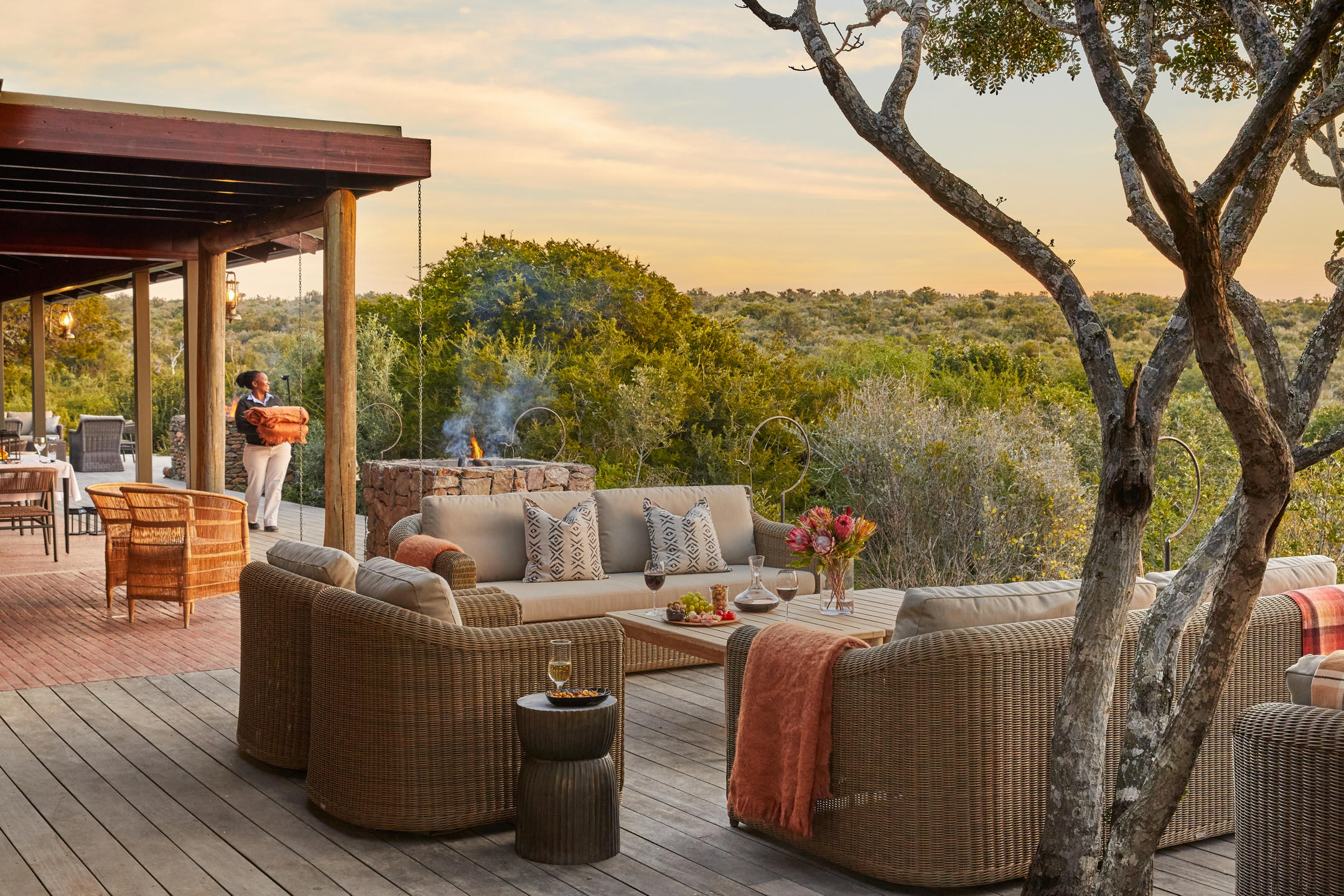
The fences came down first — all of the internal ones, dismantled to let the land begin remembering its own contours. Then came the animals: more than seven thousand of them, reintroduced over the years that followed, species by species, into a landscape that had not carried most of them in living memory. Black rhino arrived in 2000, six individuals purchased at auction and released into thicket that had no idea, yet, what to do with them. Today that population has grown into one of the most significant black rhino strongholds in the Eastern Cape, protected by a dedicated trust and monitored with a rigour that borders on the obsessive — for good reason, given what continues to be at stake for the species across the continent.
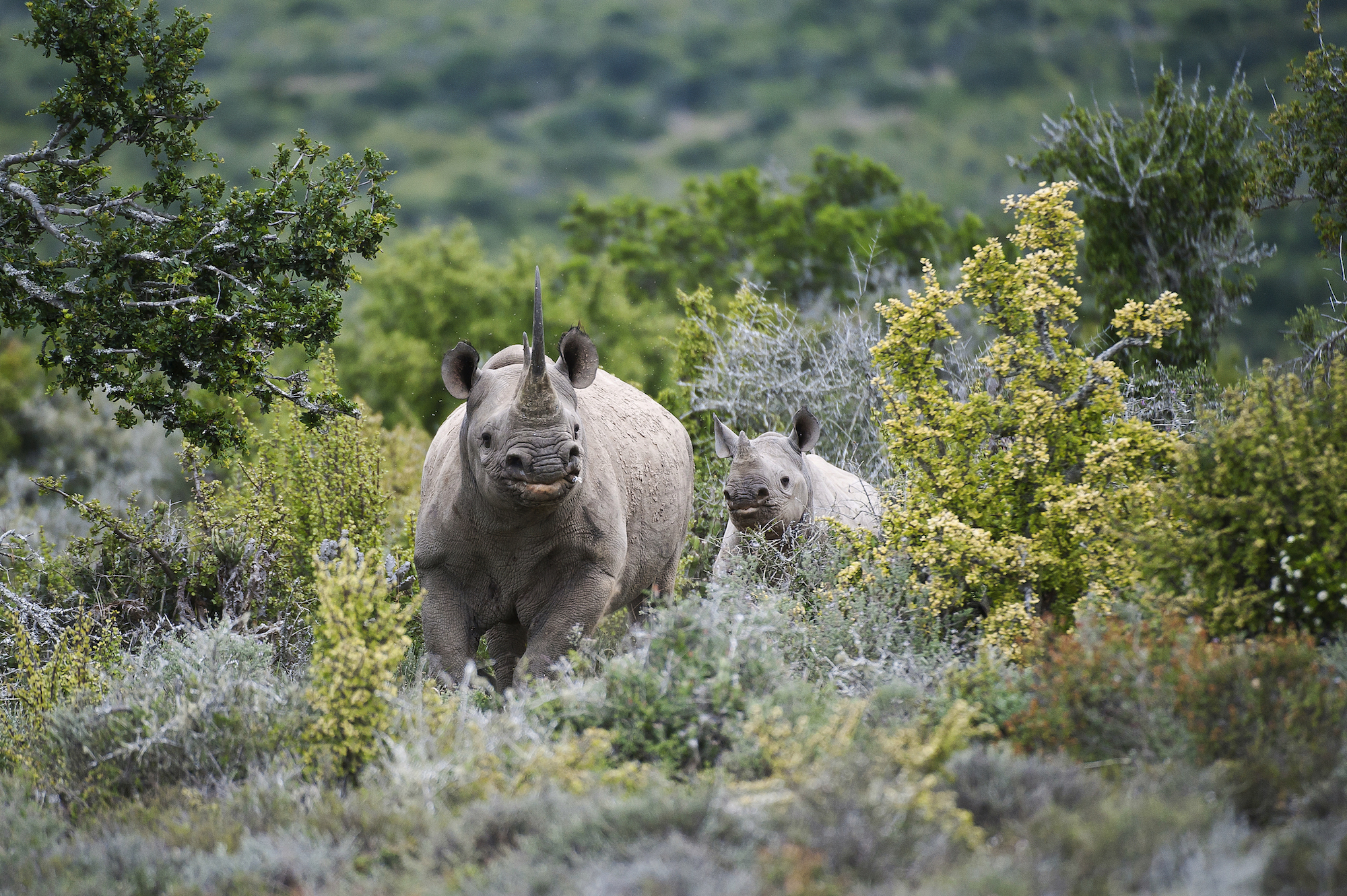
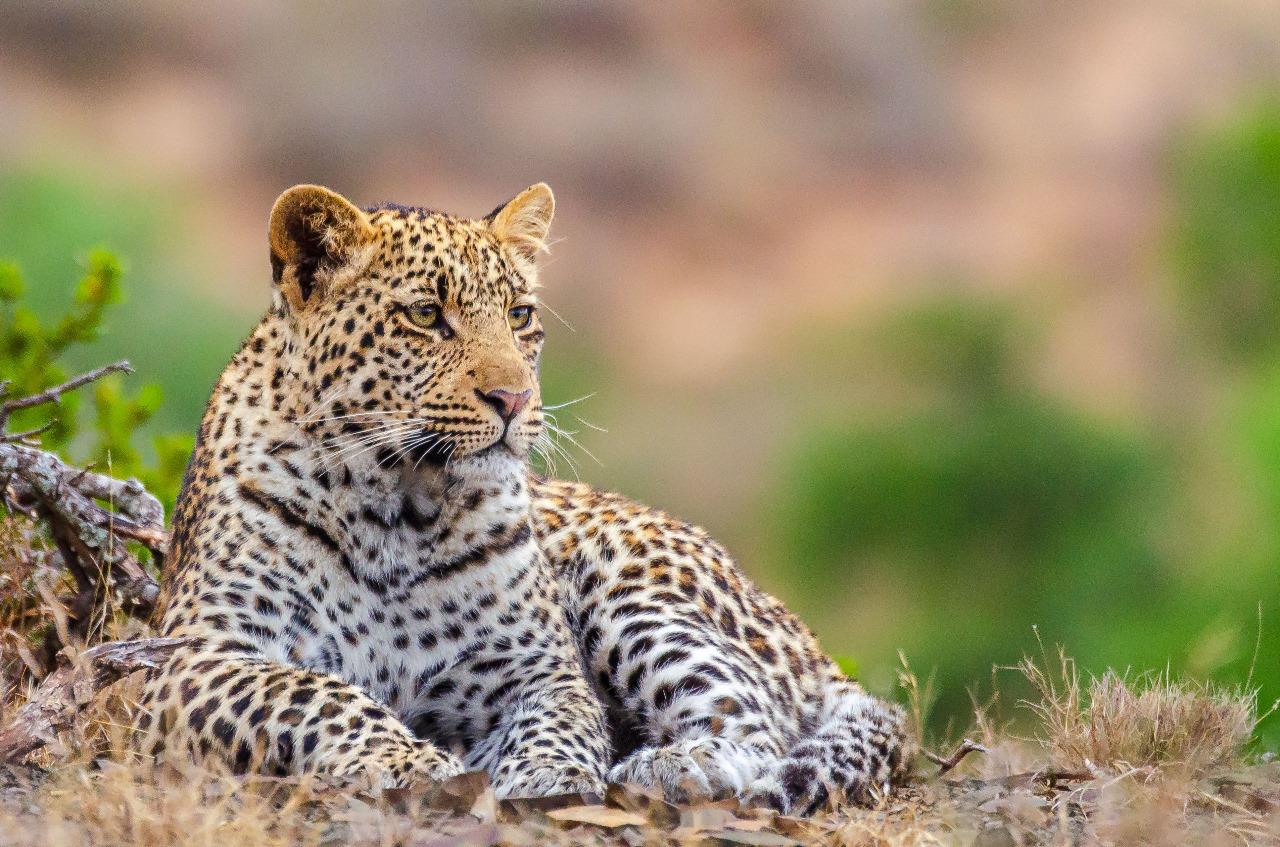
What makes Kwandwe quietly remarkable now, more than two decades on, is how complete the transformation feels on the ground. The Great Fish River valley’s semi-arid thicket is a different kind of beautiful to the classic savanna of the Lowveld — drier, denser, more textured, full of euphorbia and spekboom and the low, twisted growth that Eastern Cape conservationists have spent years learning to value rather than overlook. Lion, cheetah and leopard move through it as though they had never left. Black wildebeest and Cape grysbok graze in clearings that were, within living memory of the reserve’s older staff, planted with lucerne. The blue crane — for which Kwandwe is named, in the local isiXhosa — still nests here, a species so closely tied to this particular stretch of South Africa that its presence functions almost as a verdict on the project as a whole.
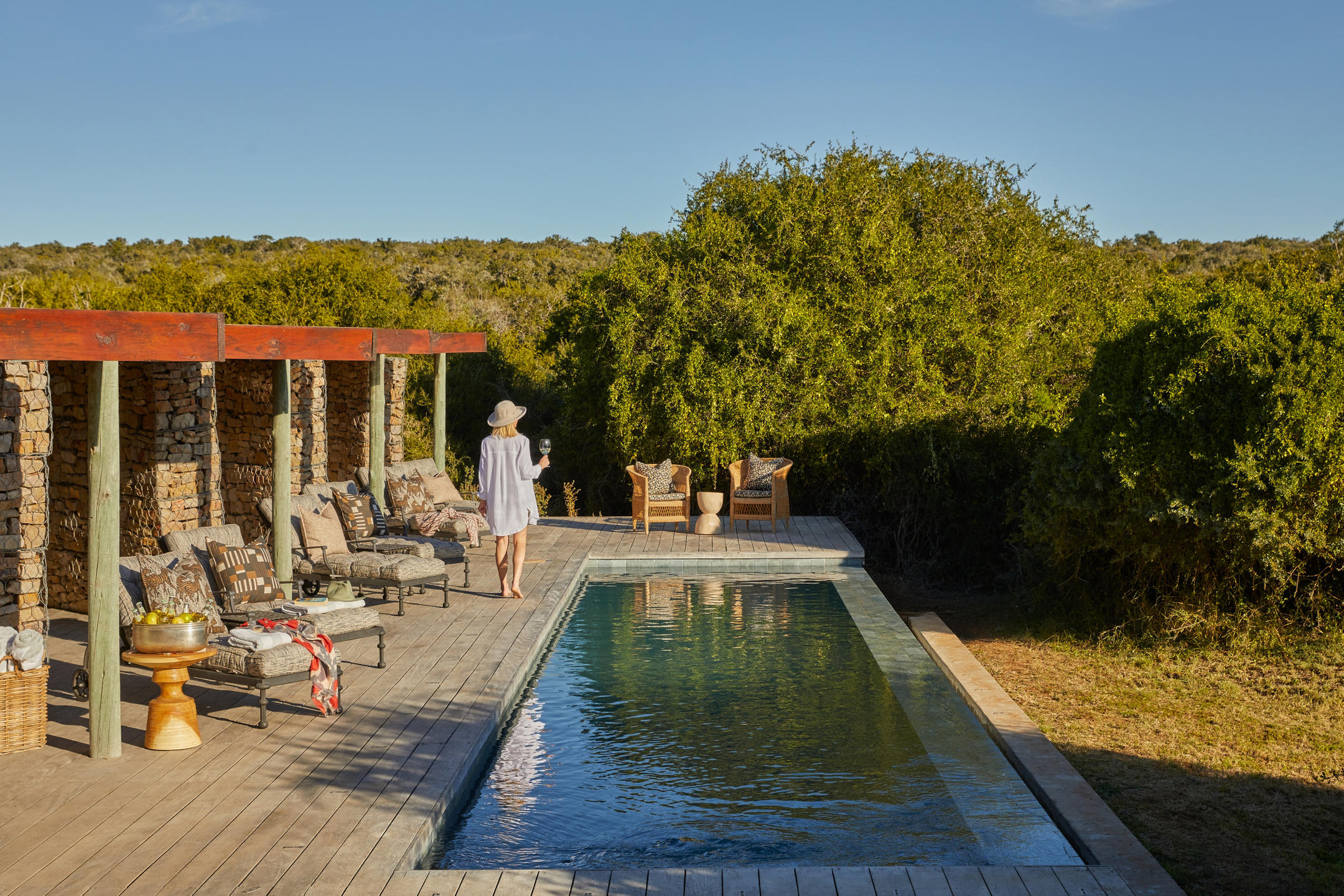
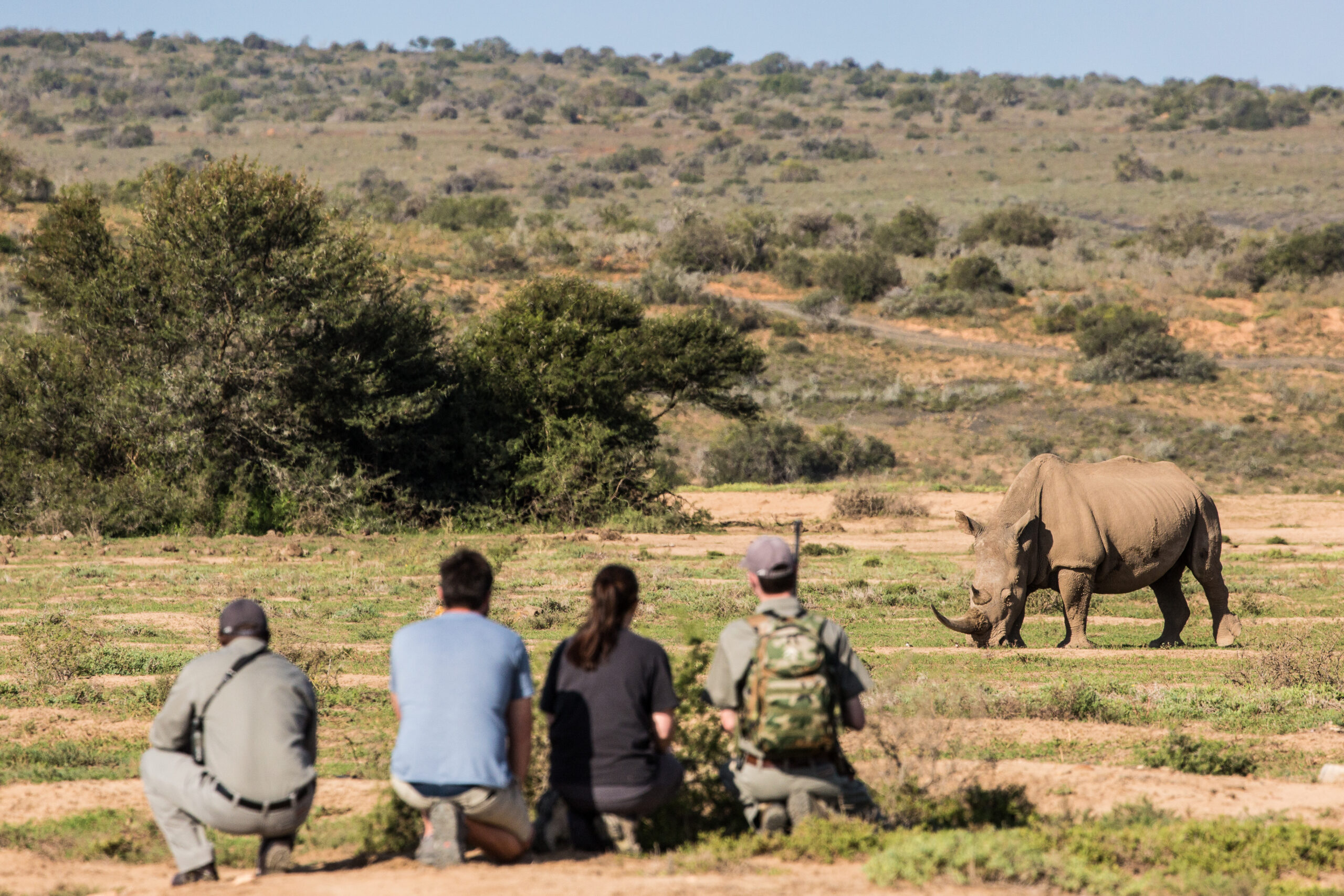
Because Kwandwe is malaria-free, it has become a particular favourite among families and first-time safari travellers wary of the logistics further north — but it would be a mistake to think of that as the headline. The headline is closer to this: an entire ecosystem, talked back into existence by people stubborn enough to believe that land doesn’t permanently forget what it once was. It simply needs, on occasion, to be reminded.

Driving out across Kwandwe at dusk, with the thicket turning copper and a black rhino moving unhurried through a clearing that was farmland within most visitors’ own lifetimes, it is difficult not to wonder what else might be possible, given enough patience and the right kind of stubbornness. The land remembered. The harder question, perhaps, is what else we might convince it to remember.

Best Malaria-Free Safaris

The risks of malaria are lower than they’ve ever been for safari travellers, what with the advancements in prophylactics, the ubiquity of mosquito repellants, mosquito nets and other preventative measures. The fact that it is still out there however, can be a deterrent for some travellers, especially pregnant women or families with young children.
Thankfully, there are some wonderful options for safari in malaria-free areas where the game viewing is plentiful, the accommodation is luxurious, and the safari experience is as good as you’ll find it anywhere on the continent.
Here are four of our favourite malaria-free destinations:

Kwandwe Game Reserve

Eastern Cape, South Africa

Renowned for quality guiding, authentic and diverse experiences, and the thousands of animals and wildlife that call the reserve home, Kwandwe offers a range of meaningful activities and accommodation options to create lifelong memories.

With only 26 rooms spread across the succulent-studded landscape, Kwandwe has one of the highest land-to-guest ratios in South Africa. With both intimate, tranquil lodges and exclusive-use villas, there’s an option to suit families, couples, groups of friends and solo travellers.

Couples can enjoy the tranquility that Great Fish River Lodge and Ecca Lodge offer, where stand-alone suites are privately located away from each other as well as central guest areas.

Families of up to four will love the flexibility that a Family Suite at Ecca Lodge offers, complete with a private safari vehicle.

Kwandwe’s three sole-use safari villas – Fort House, Uplands Homestead and Melton Manor – are ideal for families or small groups of friends looking to enjoy an entirely intimate and exclusive safari experience.

Tswalu Private Reserve

Northern Cape, South Africa

Tswalu is the largest private reserve in South Africa, covering 1200 square kilometres (over 460 square miles). Located on the edge of the southern Kalahari, this vast and remote reserve is a destination in itself, offering the only safari of its kind in an ecologically significant and unique landscape rich in biodiversity.  Their luxury safari camps provide the backdrop to privately guided encounters with diverse wildlife in one of Africa’s last remaining semi-arid wildernesses.

Tswalu’s story is one of restoration, regeneration and hope. Protecting biodiversity and securing habitat for wildlife to thrive has been at the core of this ambitious conservation project for over 25 years. Our mission has always been to restore the Kalahari to itself. Every night a guest spends with them helps to offset the cost of conservation in a privately protected area while positively impacting those who call the Kalahari home.

Madikwe Private Game Reserve

Norhtern Cape, South Africa

Situated on the border with Botswana close to the Kalahari Desert, Madikwe Game Reserve is the fifth-largest game reserve in South Africa. As one of the lesser-known reserves, this hidden gem is regarded as one of the best conservation areas in Africa and offers visitors a Big 5 safari experience over 750km².

Roughly a 4.5 hours drive from Johannesburg and Pretoria, Madikwe offers a number of luxurious lodges as well as community lodges in a malaria- free zone.

The Big 5 are represented in the reserve and you are likely to spot lion, leopard, elephant, rhino or buffalo. During your visit you will also have the rare privilege of possibly seeing highly endangered African wild dog.

In 1994, a small group of six wild dogs were introduced into Madikwe. This founding group has seen a challenging time with rabies outbreaks, territorial clashes and encounters with lions.

Despite the odds, Madikwe now has a thriving wild dog population with three hunting packs roaming the area. They are somewhat accustomed to safari vehicles, offering spectacular photographic opportunities. Madikwe Game Reserve’s conservation efforts to protect the ‘painted dog’ are in place to help conserve this majestic species.

Marataba

Limpopo Province, South Africa

Prepare to be enriched by the sweeping Waterberg Mountain vistas and impressive wildlife diversity, including the Big Five with special sightings of rhino, our signature species.

Maratab’s two luxury lodges cater to both soulful explorations and active family safaris. With game drives, bush walks and a water safari, you’ll get closer to nature than ever before, and our people will take care of your every need.

Game drives, in open safari vehicles, head out each day at sunrise and again in the late afternoon to find Marakele’s many fascinating animals. Get within close range of Africa’s most impressive species, with some surprise stops along the way.

If you have a love for nature, history and culture, you’ll feel right at home at Marataba. Our special retreat lies within a private section of the Marakele Contractual National Park – meaning ‘Place of Sanctuary’ in the local Setswana language – which protects abundant wildlife, San rock art and Iron Age sites. The park itself falls within the greater UNESCO Waterberg Biosphere Reserve and is the only savannah biosphere in the world. You’re literally staying in a piece of profound natural and historical importance – we told you it was special!

This is just a small insight into some of our favourite malaria-free destinations, but there are plenty more to choose from, and not just in South Africa.

Get in touch with us through info@iconicafrica.com if you are looking for a malaria-free safari, as we can tailor-make the perfect itinerary for you.