Saseka Tented Camp: Where Light Learns to Behave

Some lodges borrow from the bush. Saseka seems to collaborate with it.

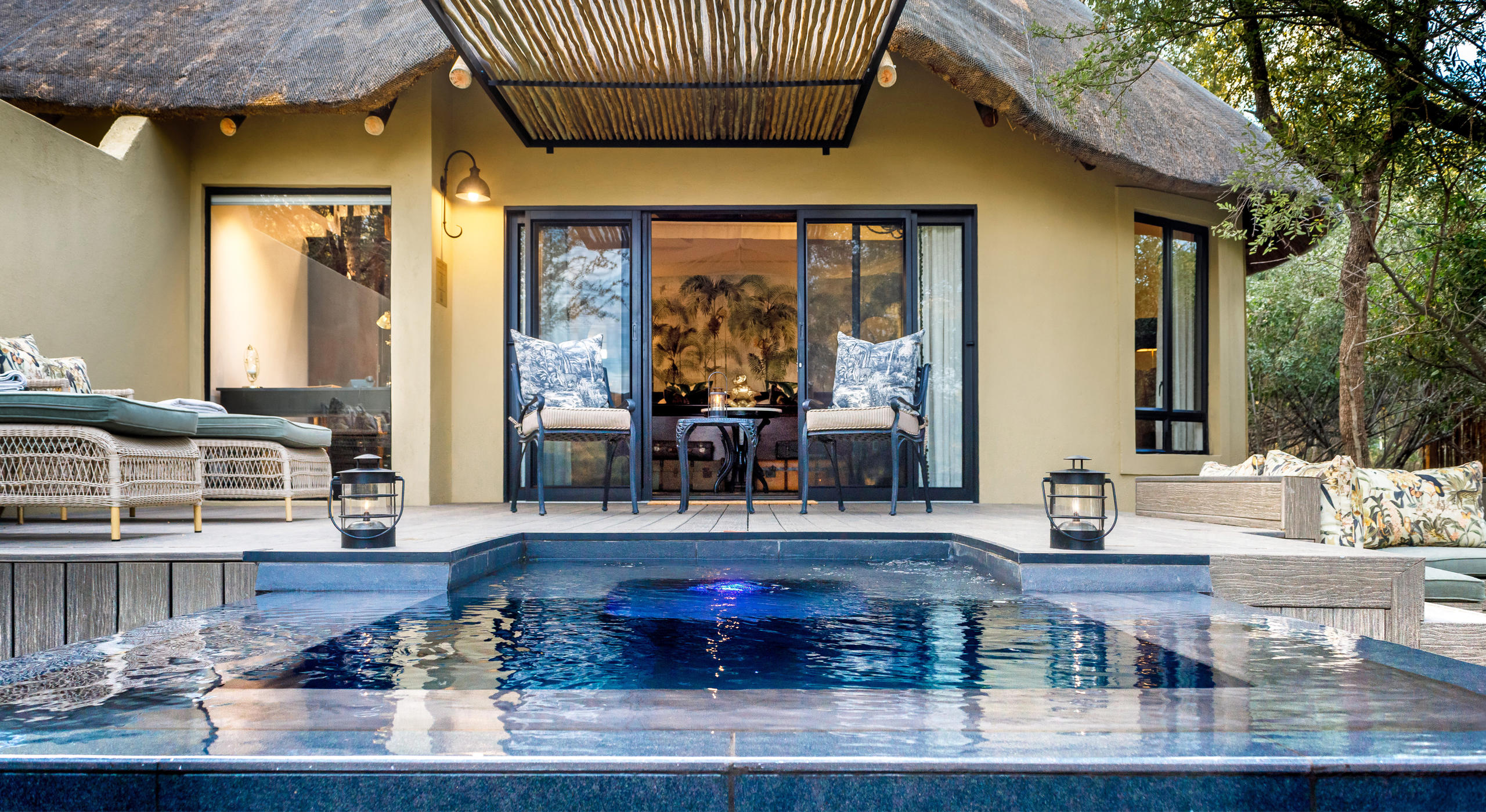
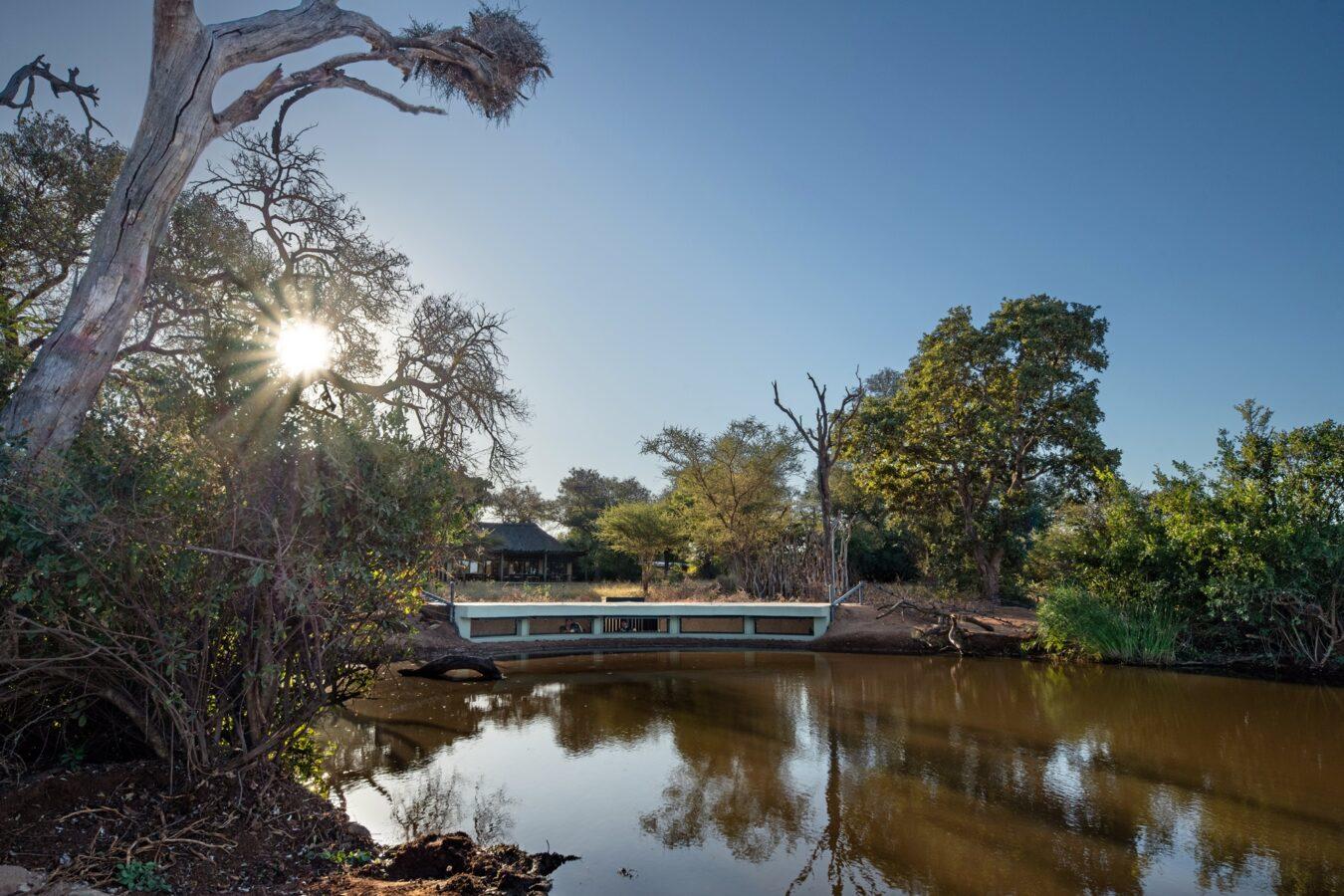
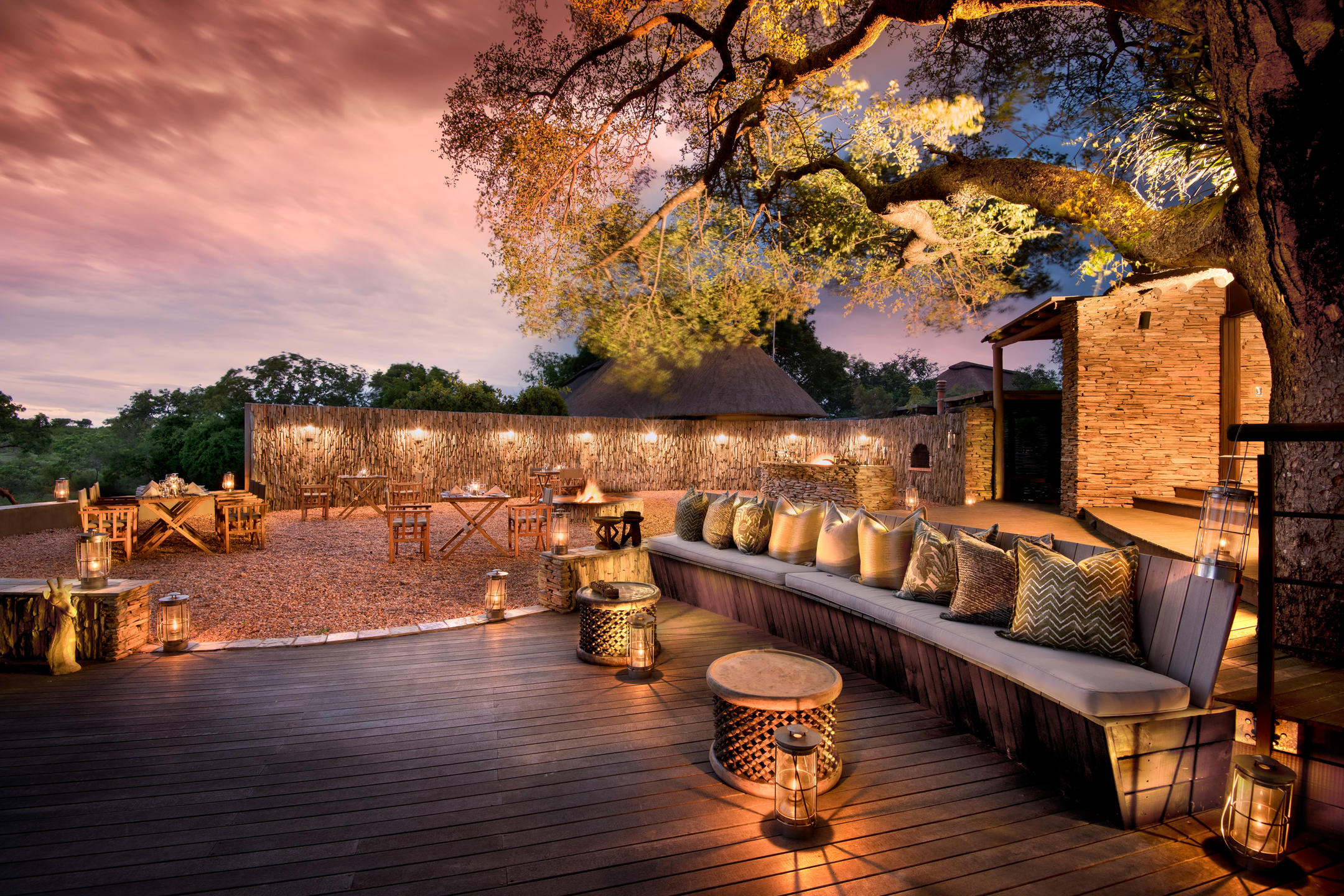
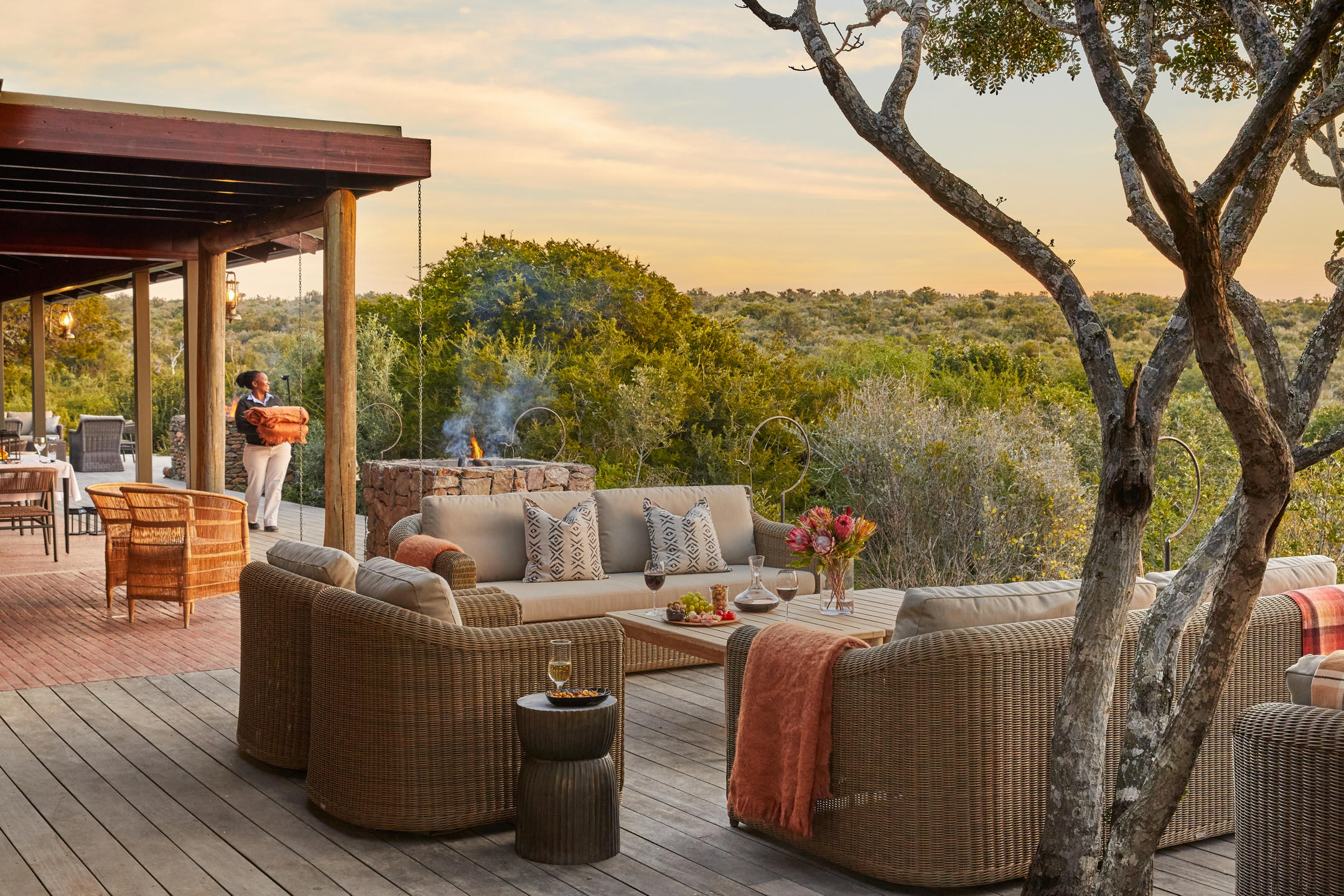
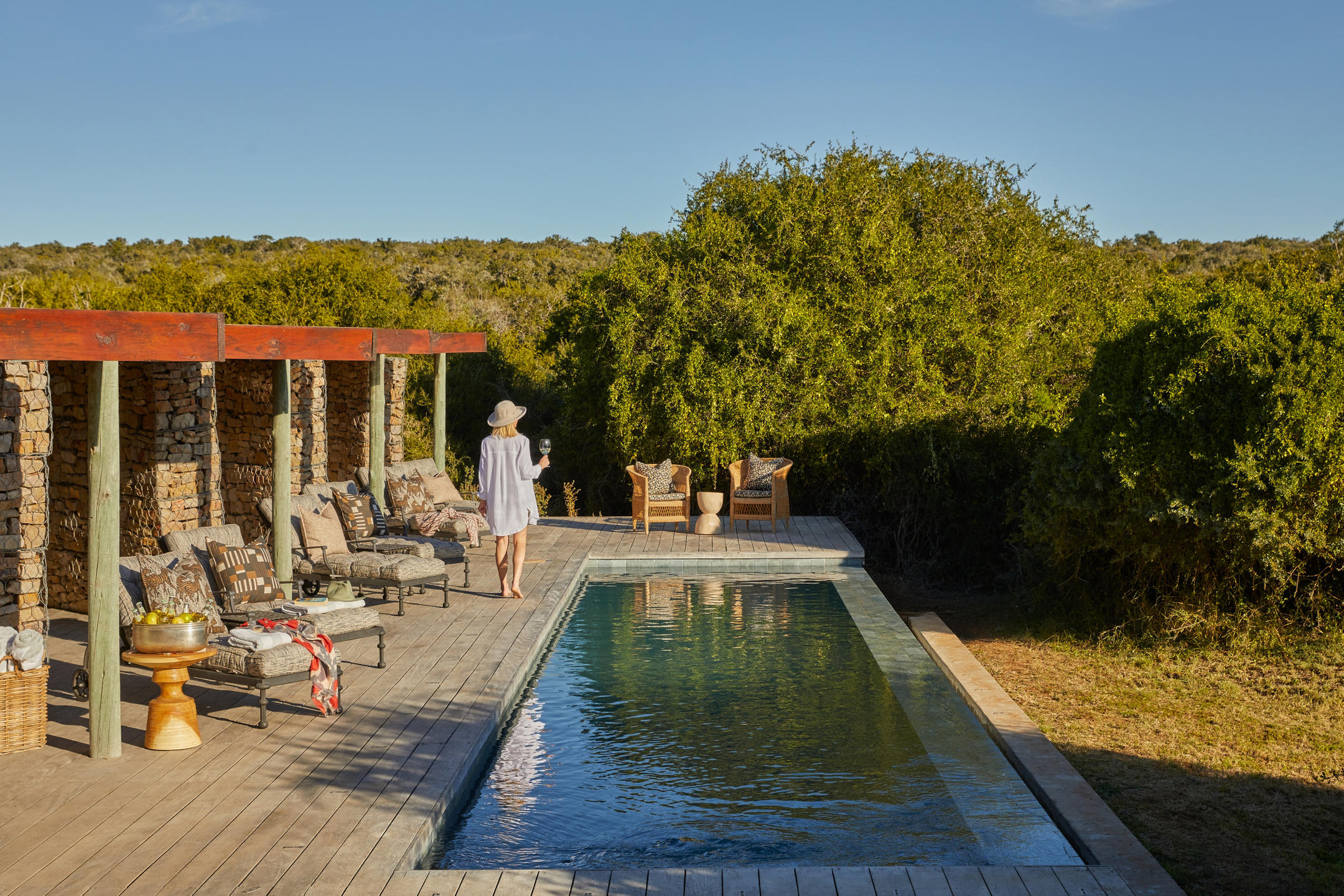
Sitting on the banks of the Monwana River in Thornybush, Saseka is one of those rare camps where architecture stops being a backdrop and starts participating in the safari itself. The tents — if one can call them tents without stretching the definition to its upper limit — are floating canopies of patterned shade, soft fabric, and impossibly photogenic angles. It’s as if someone stitched together dappled sunlight and suspended it overhead.

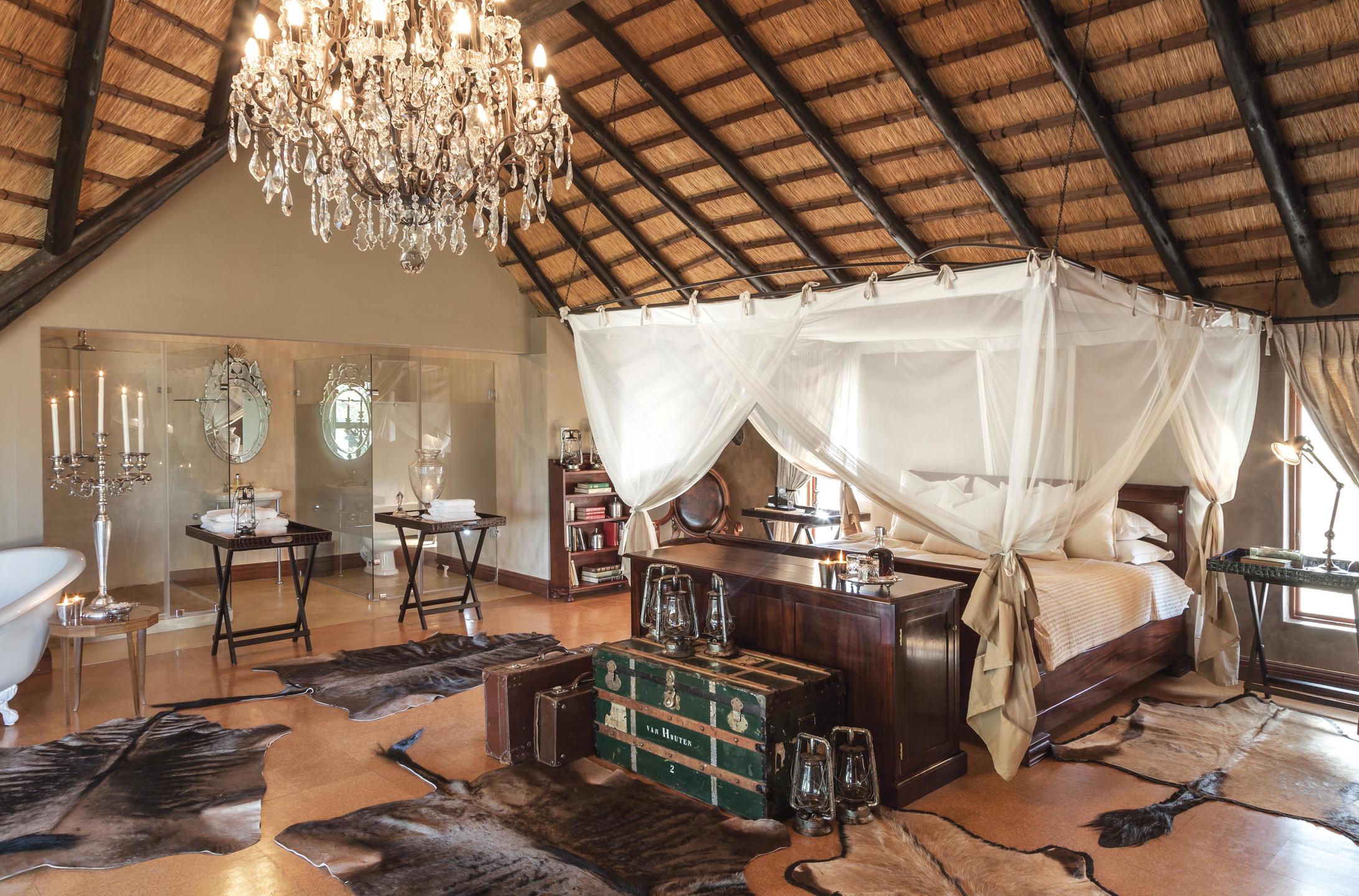
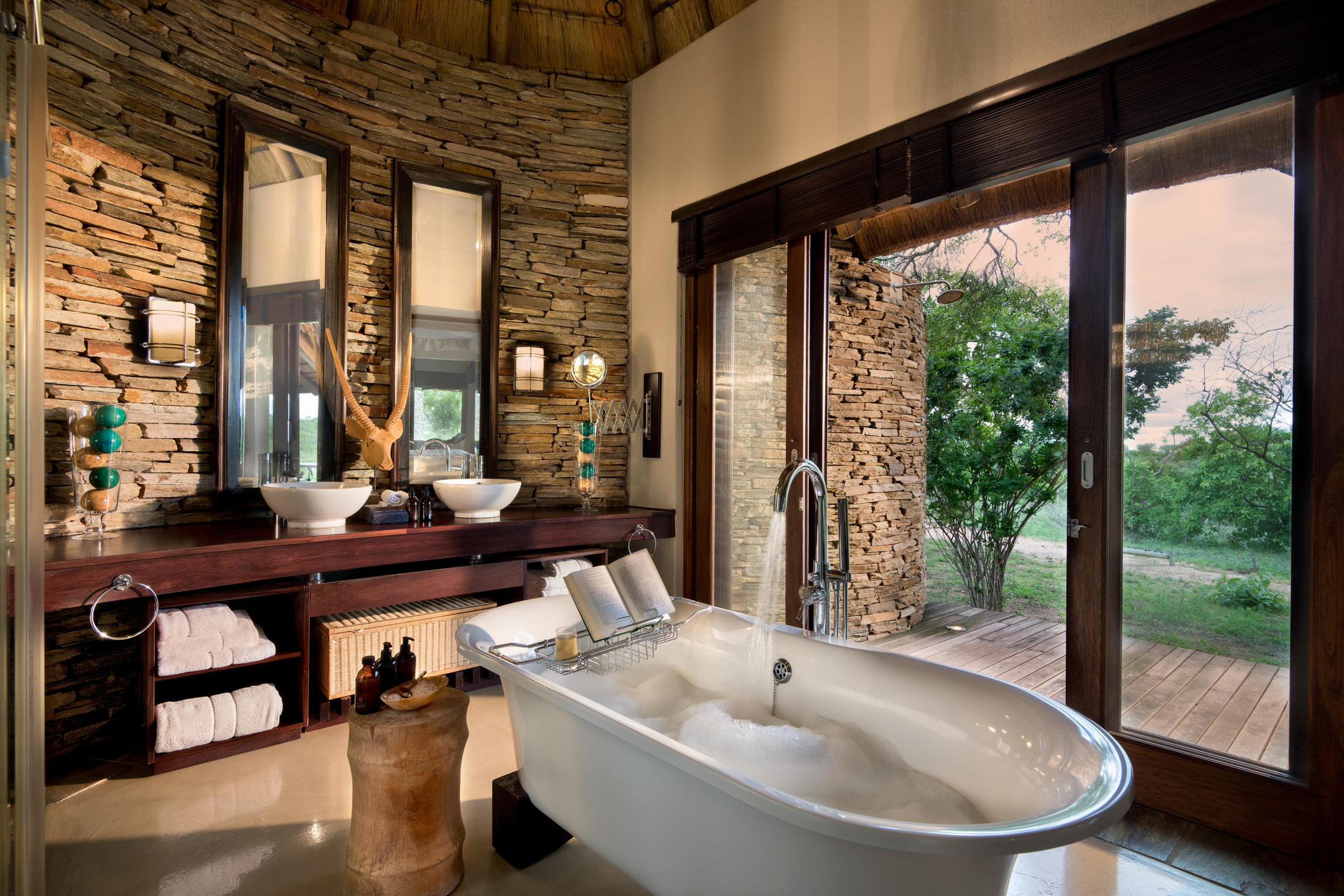
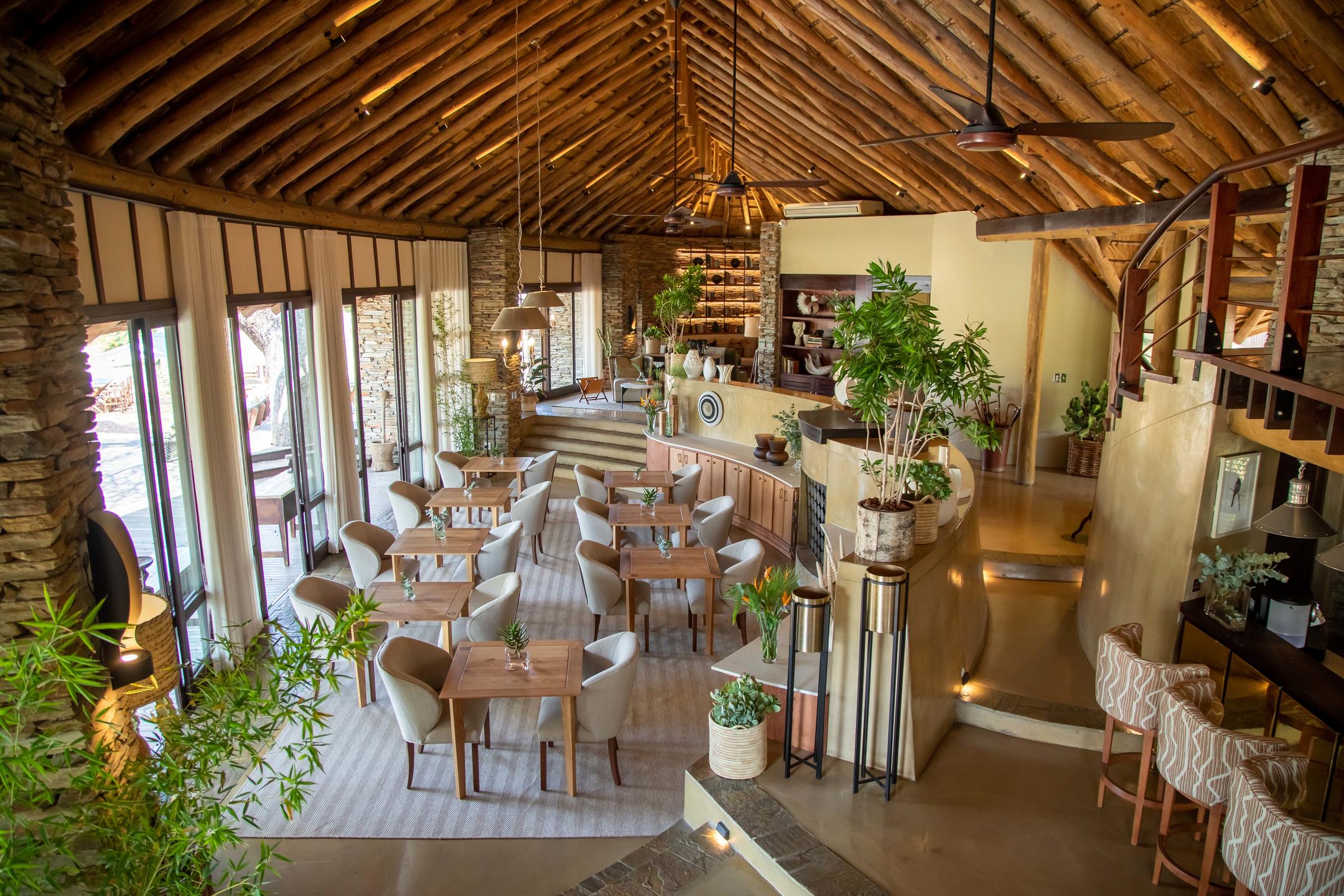
Step inside and you’re met with a design language that’s both bold and quiet. Monochrome palettes soften into warm wood textures; sculptural furniture curves in the same rhythms as the surrounding bushwillows. Your suite feels less like a room and more like a mood — one that shifts subtly throughout the day as the Klaserie light moves across the floor.

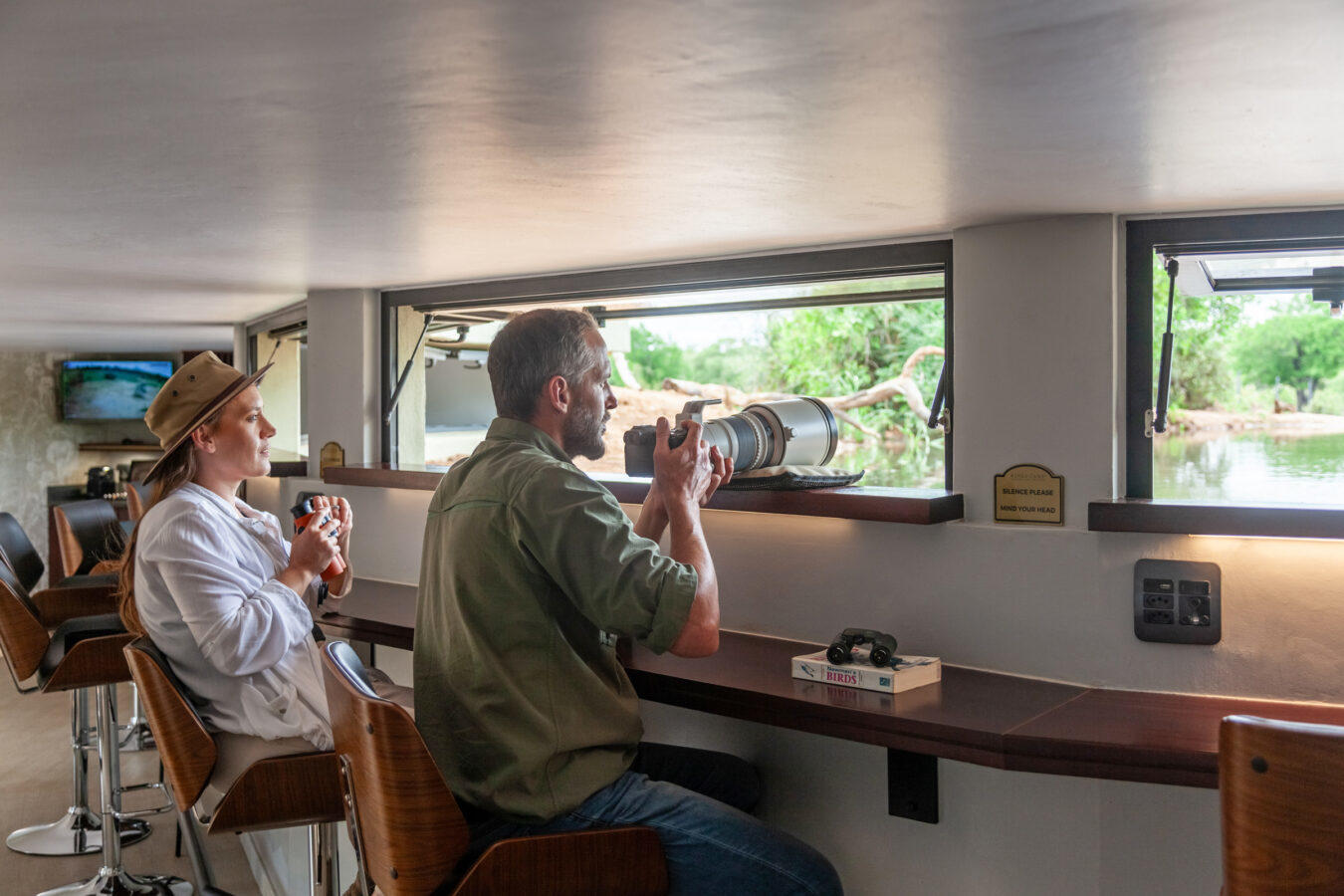
But for all its glamour, Saseka doesn’t forget where it is. Just beyond the glass, nyalas graze with the casual entitlement of animals who know they were here first. Elephants drift along the riverbed, pausing occasionally to give you a glance that feels mildly evaluative. The wilderness is close, unavoidable, and deeply grounding.

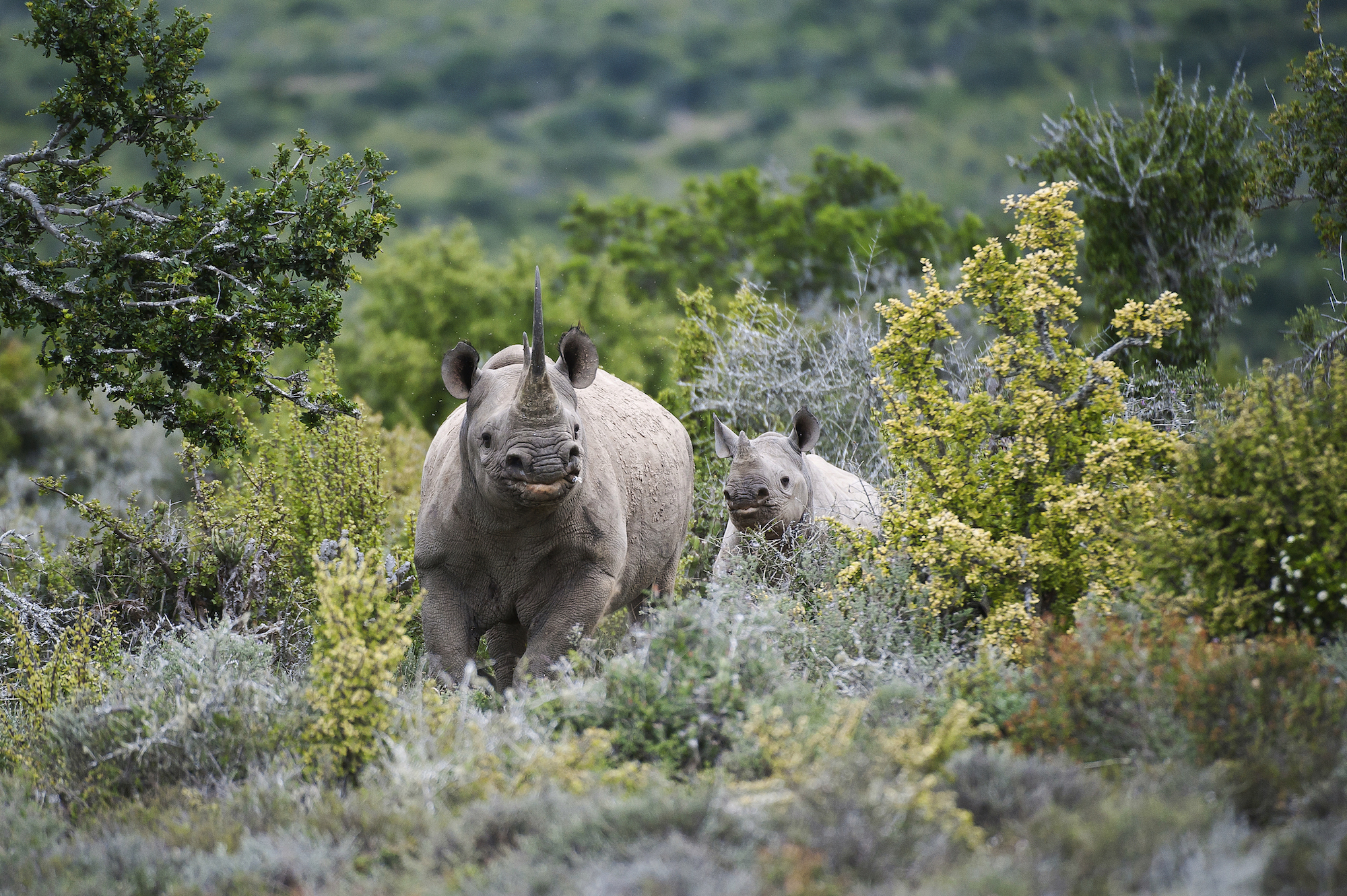
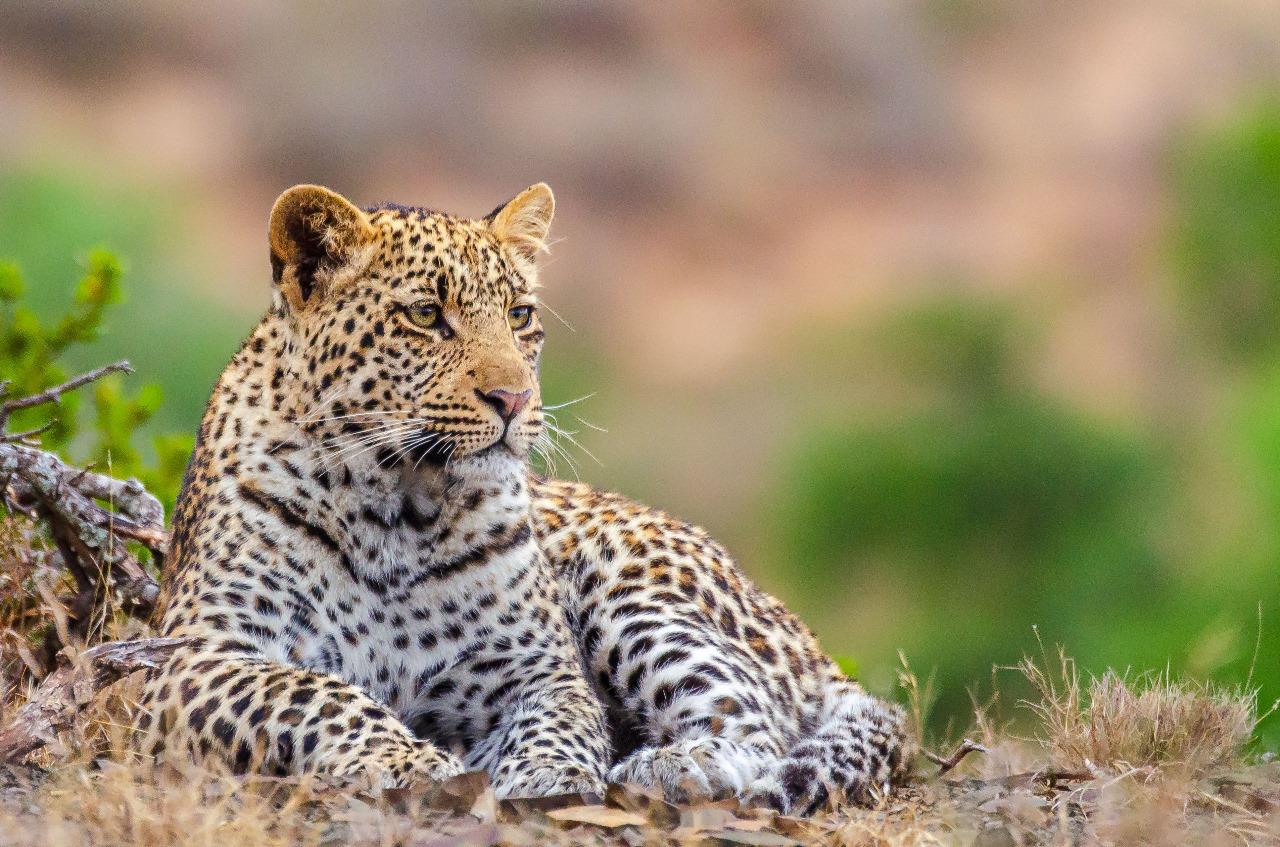
Game drives around Thornybush offer the classic Lowveld cast: lions on the prowl, leopards draped over the branches they pretend they chose purely for functionality, and rhinos that seem carved from the earth itself. The guiding teams weave expertise with ease — the kind of quiet professionalism that makes sightings feel earned rather than orchestrated.

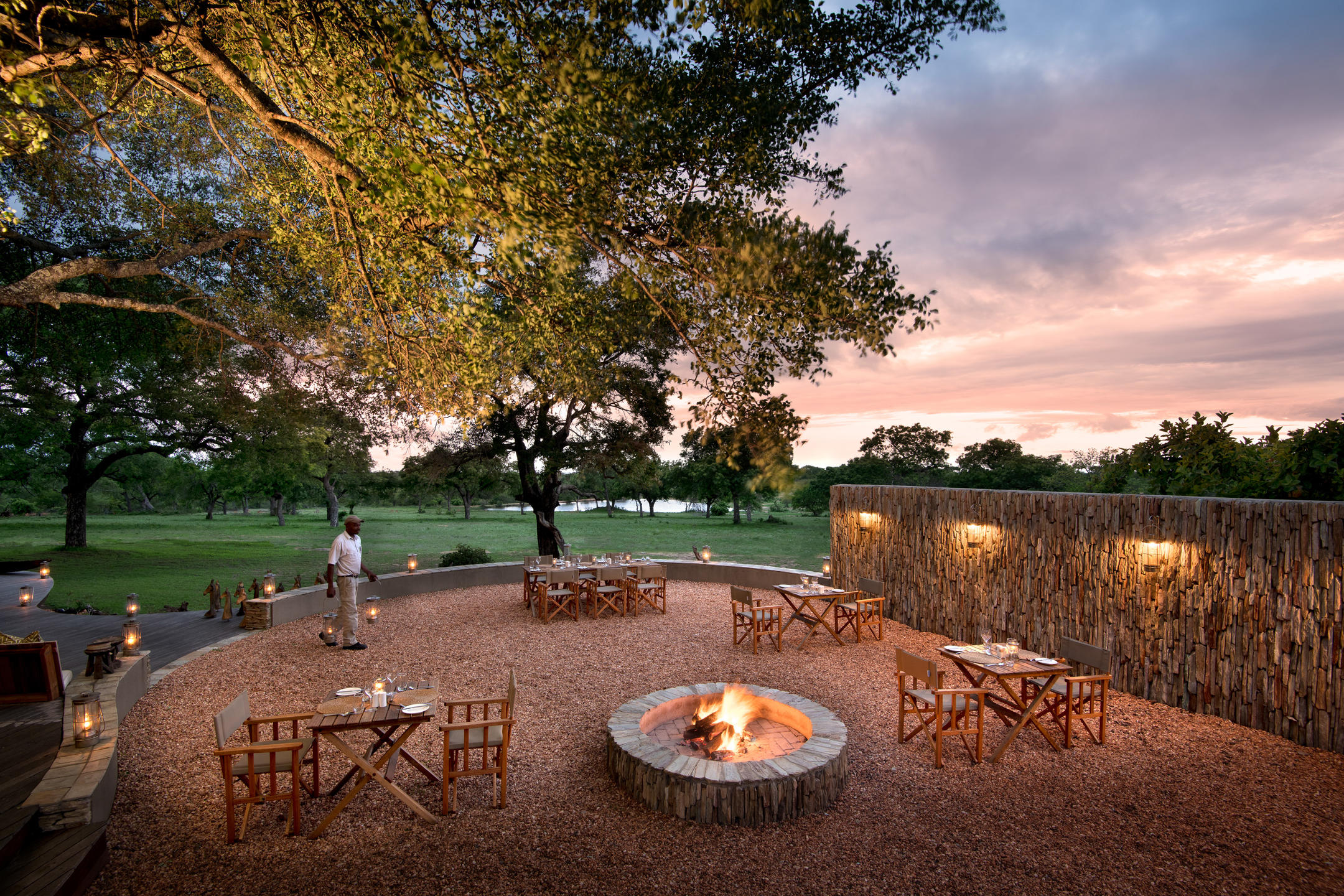
Evenings at Saseka are a small study in atmosphere. Lantern-lit pathways, the hum of insects, dinner served beneath a sky that feels too generous with its stars. And, of course, that unmistakable sense of being wrapped in design without ever feeling removed from the wild.

Saseka is safari reimagined — an ode to clean lines, good light, and the gentle art of letting the wilderness take centre stage while still offering you a front-row seat.


Grootbos: Where the Secret Garden Goes Global

Recognition tends to find those who aren’t chasing it. So it feels fitting that Grootbos Private Nature Reserve, a property defined by restraint and regeneration rather than self-promotion, has just been named 5th in Condé Nast Traveler’s Readers’ Choice Awards for South Africa’s Top 15 Resorts.

Tucked between mountain and sea near Gansbaai, Grootbos has always felt slightly out of category — too wild to be a vineyard retreat, too elegant to be called an eco-lodge. It’s its own species entirely: a place where the word luxury is defined less by opulence and more by intention.

The reserve protects over 2,500 hectares of fynbos, one of the world’s most biodiverse floral kingdoms, and its story has always been as much about what grows outside the rooms as what’s inside them. Suites open onto views where the ocean feels stitched to the sky; the air carries the faint honey scent of proteas; and the architecture — all glass, timber, and understatement — feels designed not to compete, but to frame.

Condé Nast readers have long rewarded beauty, but here they’ve also rewarded purpose. Grootbos runs on solar energy, champions community development through its foundation, and supports local conservation and research projects that ripple well beyond the reserve’s borders. Every stay helps sustain that mission — which might be the most modern definition of luxury we have.

At a time when the world’s finest lodges are being recognised by Michelin, by Condé Nast, by whoever next holds a clipboard of merit, Grootbos’s achievement feels especially resonant. Because what it really celebrates is balance: design and wildness, comfort and conscience, people and place.

To walk through a field of blooming fynbos at dawn, then return to a breakfast plated like fine art, is to understand exactly why Grootbos stands among the best. It’s not just about where you stay — it’s about what stays with you.

Tswalu Kalahari: The Luxury of Isolation

There’s a point somewhere between Upington and eternity where the Kalahari opens up and you start to feel very small. That’s usually the moment you realise you’re getting close to Tswalu.

South Africa’s largest privately protected reserve has never really played by anyone else’s rules. While other lodges might measure their worth in thread count or wine lists, Tswalu deals in something far rarer — space. Here, luxury isn’t about what’s added, but what’s absent: crowds, noise, clutter, deadlines. The silence is a currency all its own.

The new Loapi Camp, Tswalu’s most recent addition, continues this philosophy of elegant restraint — a collection of glass-fronted safari homes scattered like mirages across the dunes. Everything is deliberate yet unforced: natural materials, clean lines, textures that echo the desert itself. It’s architecture designed to defer to the landscape, not dominate it.

But what sets Tswalu apart isn’t just the design — it’s the depth of experience. Tracking pangolins under starlight with researchers. Following a coalition of cheetahs through the ochre grass. Sharing a breakfast of Kalahari truffles and poached eggs while the horizon hums with heat. The encounters here feel less like safaris and more like quiet collaborations with the wild.

Condé Nast’s readers regularly place Tswalu among Africa’s finest, yet its real brilliance is how little it seems to care about that. This is a place that hums to its own frequency — one of patience, purpose, and deep respect.

In a year when Michelin Keys and global accolades are reshaping how we define excellence, Tswalu stands as a gentle reminder: true luxury isn’t found in perfection, but in perspective. It’s the feeling of being utterly alone, yet completely connected — to the land, to the moment, to something far older than both.

Kruger Untamed: Private Walking Freedom

To have the freedom to explore South Africa’s most iconic national park, outside of normal operating hours and on foot if walking safaris are your thing, is a luxury almost without price.
Kruger Untamed is about more than just a safari – it’s a profound reconnection with the wild. In their camps, nature is not curated or controlled but encountered on its own terms. They exist to preserve the art of true exploration, honour the wisdom of indigenous trackers, and offer an unfiltered experience that leaves no trace on the land but a lasting impact on those who walk it.

With just 15 comfortably appointed safari tents each, Satara Plains Camp and Tshokwane River Camp both hark back to the golden age of safari, with nods to the early bush camps of old, touching the earth lightly and leaving no trace behind when camps close at the end of the season. So well do Kruger Untamed manage their impact that they have received not one but seven 100% scores in their environmental impact audits, a first in the history of the Kruger National Park.
Perfect for those seeking authentic wilderness experiences, the camps can be expanded to 30 tents each to accommodate groups and special events on an exclusive use basis in the heart of one of the world’s most prolific wildlife destinations.

Kruger Untamed offers the chance to connect with the soul of Kruger, redefining the meaning of remote in secret sanctuaries where untouched landscapes beckon and wild Africa awaits, far from the madding crowds and bustle of life in the concrete jungles of our towns and cities. Through expertly guided game drives, walking safaris and wilderness experiences, and the magic of sleeping under canvas with the lions roar in the night a constant reminder of your setting in the wilds, their safaris will change the way you view the world and open your mind to the importance of protecting the last precious wilderness areas and the incredible wild fauna and flora that call them home.

In an enviable location near the iconic Tshokwane picnic spot in the heart of the Kruger National Park’s central region, easily accessible via Skukuza, Tshokwane River Camp is set on the seasonal Ripape River which is dry during the winter months. The game viewing in this area is outstanding all year round, with a wealth of antelope drawing in Kruger’s rapacious predators, including lion, cheetah, leopard, painted wolves (African wild dog) and spotted hyena.

Kruger Untamed has a rich legacy, founded in the traditions and culture of the Shangaan people who have a deep and intimate relationship with the wilderness that is the Kruger National Park and the surrounding private game reserves that together make up the Greater Kruger region.

Master trackers and incredible guides with a wealth of knowledge and generational wisdom handed down over the ages, the Shangaan are inspirational and at Kruger Untamed they honour the phenomenal impact they have had on the eco-tourism world, and the role they play as ambassadors for the Kruger wilderness.

The majority of the staff come from the local communities around the Kruger and are happy to share their culture and the stories of their past with our guests. Indeed, it’s the people who make Kruger Untamed what it is and who have brought their dream of offering unique, authentic safari experiences in one of the world’s most sought after wildlife destinations to life.

If unfettered access to one of the Kruger National Park’s most game rich areas is what you seek, get in touch with us through info@iconicafrica.com, and let’s start the conversation…

Best Malaria-Free Safaris

The risks of malaria are lower than they’ve ever been for safari travellers, what with the advancements in prophylactics, the ubiquity of mosquito repellants, mosquito nets and other preventative measures. The fact that it is still out there however, can be a deterrent for some travellers, especially pregnant women or families with young children.
Thankfully, there are some wonderful options for safari in malaria-free areas where the game viewing is plentiful, the accommodation is luxurious, and the safari experience is as good as you’ll find it anywhere on the continent.
Here are four of our favourite malaria-free destinations:

Kwandwe Game Reserve

Eastern Cape, South Africa

Renowned for quality guiding, authentic and diverse experiences, and the thousands of animals and wildlife that call the reserve home, Kwandwe offers a range of meaningful activities and accommodation options to create lifelong memories.

With only 26 rooms spread across the succulent-studded landscape, Kwandwe has one of the highest land-to-guest ratios in South Africa. With both intimate, tranquil lodges and exclusive-use villas, there’s an option to suit families, couples, groups of friends and solo travellers.

Couples can enjoy the tranquility that Great Fish River Lodge and Ecca Lodge offer, where stand-alone suites are privately located away from each other as well as central guest areas.

Families of up to four will love the flexibility that a Family Suite at Ecca Lodge offers, complete with a private safari vehicle.

Kwandwe’s three sole-use safari villas – Fort House, Uplands Homestead and Melton Manor – are ideal for families or small groups of friends looking to enjoy an entirely intimate and exclusive safari experience.

Tswalu Private Reserve

Northern Cape, South Africa

Tswalu is the largest private reserve in South Africa, covering 1200 square kilometres (over 460 square miles). Located on the edge of the southern Kalahari, this vast and remote reserve is a destination in itself, offering the only safari of its kind in an ecologically significant and unique landscape rich in biodiversity.  Their luxury safari camps provide the backdrop to privately guided encounters with diverse wildlife in one of Africa’s last remaining semi-arid wildernesses.

Tswalu’s story is one of restoration, regeneration and hope. Protecting biodiversity and securing habitat for wildlife to thrive has been at the core of this ambitious conservation project for over 25 years. Our mission has always been to restore the Kalahari to itself. Every night a guest spends with them helps to offset the cost of conservation in a privately protected area while positively impacting those who call the Kalahari home.

Madikwe Private Game Reserve

Norhtern Cape, South Africa

Situated on the border with Botswana close to the Kalahari Desert, Madikwe Game Reserve is the fifth-largest game reserve in South Africa. As one of the lesser-known reserves, this hidden gem is regarded as one of the best conservation areas in Africa and offers visitors a Big 5 safari experience over 750km².

Roughly a 4.5 hours drive from Johannesburg and Pretoria, Madikwe offers a number of luxurious lodges as well as community lodges in a malaria- free zone.

The Big 5 are represented in the reserve and you are likely to spot lion, leopard, elephant, rhino or buffalo. During your visit you will also have the rare privilege of possibly seeing highly endangered African wild dog.

In 1994, a small group of six wild dogs were introduced into Madikwe. This founding group has seen a challenging time with rabies outbreaks, territorial clashes and encounters with lions.

Despite the odds, Madikwe now has a thriving wild dog population with three hunting packs roaming the area. They are somewhat accustomed to safari vehicles, offering spectacular photographic opportunities. Madikwe Game Reserve’s conservation efforts to protect the ‘painted dog’ are in place to help conserve this majestic species.

Marataba

Limpopo Province, South Africa

Prepare to be enriched by the sweeping Waterberg Mountain vistas and impressive wildlife diversity, including the Big Five with special sightings of rhino, our signature species.

Maratab’s two luxury lodges cater to both soulful explorations and active family safaris. With game drives, bush walks and a water safari, you’ll get closer to nature than ever before, and our people will take care of your every need.

Game drives, in open safari vehicles, head out each day at sunrise and again in the late afternoon to find Marakele’s many fascinating animals. Get within close range of Africa’s most impressive species, with some surprise stops along the way.

If you have a love for nature, history and culture, you’ll feel right at home at Marataba. Our special retreat lies within a private section of the Marakele Contractual National Park – meaning ‘Place of Sanctuary’ in the local Setswana language – which protects abundant wildlife, San rock art and Iron Age sites. The park itself falls within the greater UNESCO Waterberg Biosphere Reserve and is the only savannah biosphere in the world. You’re literally staying in a piece of profound natural and historical importance – we told you it was special!

This is just a small insight into some of our favourite malaria-free destinations, but there are plenty more to choose from, and not just in South Africa.

Get in touch with us through info@iconicafrica.com if you are looking for a malaria-free safari, as we can tailor-make the perfect itinerary for you.

GweGwe Beach Lodge: the Wildest Coast

If your idea of paradise involves unspoiled landscapes, pristine coastlines, and a symphony of nature’s wonders, then pack your bags and set your compass to GweGwe Beach Lodge in the Mkambati Nature Reserve. A hidden gem along South Africa’s Wild Coast, this is where luxury and adventure merge into an amazing fusion of beach activities and opulent lodge. There are not many places in the world you can watch wildlife on land and offshore at the same time.

You’ll feel miles from civilisation, yet have comforts like as wood-burning fires and South Africa’s top wines waiting after a day of epic adventures like paddleboarding to hidden waterfalls and rock scrambling through gorges.

The main lounge has floor-to-ceiling glass windows, and a roaring fire illuminates a huge mural representing a timeline of the area from the last hundred millenia. The ambient sound is the constant wash of waves on the shoreline. Whales breach out in the bay and dolphins explore close to the backline of the breakers. Guests gather for an evening under the stars as the sun dips slowly down in the west.

GweGwe Lodge is the ultimate combination of wilderness and luxury. Activities are almost endless: swim, hike, cycle, snorkel, kayak, SUP, spa, hot tub, game watch. It will be almost impossible to fit it all in during your stay.

Nine spacious rooms all have front-row views of the ocean. Rooms are so close to the water you can feel the mist of waves as you sit reading in your hammock. At low tide, one can walk a few hundred feet down to the tide pools.

The reed-like ceiling, sea foam green and turquoise bedding, and rammed earth-inspired walls channel a chic beach retreat. The shower heads in both the indoor and outdoor shower areas provide a truly luxurious shower. Rooms one and two are closest to the main lodge and access to the beach, but the others aren’t farther than a 10-minute walk from the pristine sands.


The lodge has an impressive wine cellar exclusively devoted to local vineyards. Meals are wonderfully varied; one lunch might be a picnic of grilled chicken wraps and beef skewers, the nexxt a buffet of  mini grilled sliders, roasted pumpkin and avocado salad, and pizzas cooked in the wood-fired pizza oven (a hit with kids). Teatime is full of delicacies but more often than not you’ll find yourself out on some adventure or another. Dinners on outdoor tables facing the ocean are superb (weather permitting). Rooms are well stocked with drinks and snacks, and it’s a simple matter to get a bottle of wine sent down..

Mkambati is an unspoiled natural wonderland of diverse ecosystems ranging from coastal forests and grasslands to mangroves. It’s found in the heart of the Maputaland-Pondoland region, one of South Africa’s three biodiversity hotspots. Because there is no dangerous game in the reserve, guests can hike, trail run or mountain bike without a guide and spot zebra or eland grazing. The reserve fronts a marine protected area world-renowned for its sardine run each June and July, and the surrounding beaches are riddled with tidal pools full of weird and fascinating sea creatures. The waterfalls are some of the most dramatic on the planet – some of them flow right into the sea – and adventurous guests can explore them up close via a kayak or paddleboard.

The ecosystem is so tailor-made for exploration that jumping in a vehicle is almost the last thing guests will want to do.
The excellent guides are wonderful at encouraging all manner of activities that involve self-locomotion, like kayaking, snorkelling or nature walks, and for those who seek a bit of additional fitness after or between activities, there is a fantastic gym on site.

For couples, those who seek adventure or families with kids who like to roam, GweGwe Beach Lodge is absolutely ideal.

This stretch of coastline that is as untamed as it is beautiful; between the dramatic cliffs, tumbling waterfalls, pockets of dense swamp forest and crystal-clear waters, there’s so much to see and do that at the end of each day you will be fast asleep within seconds of your head hitting the pillow, lulled to sleep by the soft wash of the Indian Ocean.

Get in touch with us through info@iconicafrica.com to find out more, and especially how to combine GweGwe Lodge with your broader safari itinerary…

Photography Tips & Tricks: What to Look for When Photographing Predators

Paw, Tail, Ears, Eyes.

That’s it. The Magic Formula.

When photographing big cats – but not just them, not by any means – there are a few boxes to tick to really make the photo pop. We’re thinking broad picture now, zooming out and looking at the whole animal, and more specifically as it’s walking.

That is the key word here: “walking”. Some of these pointers apply in other situations, but all four are only really applicable when the animal is walking and its full body is visible.

Now, I only learnt this whole quadfecta (whats one up from a trifecta?) late in the game, but it makes so much more sense now why some photos are more eye-catching than others.

Have a look at this picture of a lioness seemingly approaching the vehicle (she had seen an antelope in the thicket on the far side):

Ntsevu Lioness Stalk

Her expression is fairly intent, and it’s hard to tear your eyes away. But WHY is it an appealing photo?
Let’s go through it according to the formula:

Eyes: Both open. Pupils Visible. Eye glint.
Ears: Both pointed forward. Crucial.
Paw: Raised, implying movement and therefore heightening the sense of anticipation in the photo.
Tail: Visible, ideally in mid-flick or movement.

It’s tricky to get all four lined up at the same time, but that’s exactly why it’s so much harder to capture a truly eye-catching image.
The following photo of lionesses walking down a road illustrates it nicely:

As one goes back down the line however, the lionesses don’t quite make the cut. The second one is almost there, but her right ear is twisted slightly backwards, so we have to be brutal and disqualify her.
The third female has her ears back, her eyes closed and her tail isn’t visible, so she’s a massive sub-par for the course.

It’s the same for this leopard photo:

Mashaba Leopard

We can’t make an animal do what we want, but just remember the above four things to look for when photographing wildlife on the move; put your camera on high frame-rate and take a few more pictures and hope for the best.
And when browsing through your images in Lightroom after the event, you’ll now know which ones to look for…

Is the Sabi Sands THAT Good? Yes!

The Sabi Sand Reserve, adjoining the Kruger National Park, is essentially where the private photographic safari industry started in South Africa.
With Mala Mala (now its own separate entity, but generally referenced as part of the greater reserve) opening its doors in the late 60s, and Londolozi following suit shortly afterwards, the stage was set for the growth of one of the best places in the world to view the Big 5.

Old hunting farms (formerly bankrupt cattle farms) saw the value in converting to an ecotourism model that promoted conservation and shooting wildlife with a camera instead of a gun, and momentum started to build, until by the late 90s the entire area was under wildlife; no hunting of any kind was allowed, and the sensitive approach to game viewing meant that animals – in particular the formerly secretive leopards – relaxed completely in the presence of vehicles.
These days, after multiple generations of peaceful co-habitation between man and beast, incredibly intimate encounters are possible, with whole lion prides strolling past your vehicle as if you were not even there, elephant herds not batting an eyelid whilst their calves frolic in the grass nearby, and all manner of creatures great and small providing an endless stream of fascinating photographic subjects and talking points. Safaris here are not simply a rinse-and-repeat; each drive or walk is a well thought out and superbly curated adventure orchestrated by highly trained professional guides.

Being private land, one can off-road during game drive, which is especially important to maximise viewing potential. If an animal walks through a thicket and out of sight, you can follow…

And the lodges. Oh, the lodges…
One is absolutely spoilt for choice in this department, from one or two very reasonably priced self catering options to the internationally renowned and award-winning household names like Singita and Londolozi.
The thing to remember about the reserve is that lodges aside, the wildlife is ubiquitous; you WILL get great sightings wherever you happen to go. Some lodges do allow for an extended time spent in high profile sightings due to the lower vehicle density in their traversing area, so get in touch with us if that is something you are after. This is pertinent information if you are a photographer…

Supreme comfort is the order of the day in the Sabi Sands when it comes to accommodation. Lodges are crafted to blend into their surroundings, and feel like an extension of their environment, rather than incongruous constructions on the landscape. Elegantly appointed rooms, stunning views – most of which feature regular sightings of big game walking past – and neutral tones subtly maintain an immersive feel long after one has returned from game drive.
Delicious food, extensive wine lists, service of a Michelin star standard… all this and more has long been a hallmark of one of the longest established private game reserves in Africa. Some lodges have been honing their offering for over half a century, and it is evident in the experience they deliver.

We could go on ad nauseam about why the Sabi Sands is amongst the best out there, but we’ll try to summarise it with a few key points:

  • – Big 5 in abundance.
  • – Amongst the best leopard viewing in Africa.
  • – Incredible lodges, and a wide selection thereof.
  • – Some of the best food you’ll ever eat on safari.
  • – Private land means ability to off-road and stay out long after dark if needs be.
  • – Open to Kruger Park means free-flowing wildlife population.
  • – Highly trained, professional guides.
  • – Easy access through charter flights.

There are many superb safari options out there. Some are seasonal. Some are hard to get to. Some are hit-or-miss when it comes to wildlife.

But if you are looking for a destination that ticks pretty much every box when planning the ultimate safari, the Sabi Sands will consistently be on the podium as one of the best on offer.

Get in touch with us through info@iconicafrica.com if the wildest encounters, best lodges and most delicious food is a safari combination you’d be interested in…

(Not So) Secret Cape Town

When guests of ours visit Cape Town and talk about their trip after the time, they often refer to how they did the “touristy” things.

Well, we’re here to tell you that the so-called touristy things of Cape Town are just that for very good reason. People don’t visit this breathtaking city to do things they can do anywhere else. No, Cape Town has its specific attractions that make it so special, and it stands to reason that whether making it the centre-point of your stay or simply tailoring onto the beginning or end of your safari, you are going to want to get to the top of Table Mountain, take a drive down the Peninsula, eat at some fine restaurants and indulge yourself in wine country for a couple of days.

Literally millions of people visit South Africa’s Mother City each year, but don’t be fooled by these numbers; there is still plenty of space to do things. Granted, the summer season can see the most popular beaches getting a little crowded, but a good guide will know the places and timings to make sure you have more than enough space to yourself.

The Big Four are essentially Table Mountain, Peninsula Tour (including the Penguins at Boulders Beach), the Winelands and the Waterfront.

Starting with the Waterfront…
It has its perks sure, and there are some amazing hotels all around it, which makes it very convenient for dining at its incredible diversity of restaurants, but the place itself is essentially a large mall. Save your curio shopping for when you are actually on safari, as the artefacts are more likely to be genuine. That’s our main bit of inside intel.
What the Waterfront is best for, we feel, is as a gateway to a whole multitude of Cape Town experiences.


Visting Robben Island (where Nelson Mandela was imprisoned), evening boat cruises, helicopter rides around the peninsula… all are launched from the vicinity of the Waterfont, so for those alone, its worth a visit.

Next, Table Mountain.
Try to hike up if you can, and make a full morning of it. The cold beer at the restaurant on top will be even more delicious after the walk. It can be pretty steep, but the paths are good; all you need to do is take it slow. Then take the Cable Car down. You’ll have earned it.

Inclement weather can sometimes close the cable car down and make a hike a poor idea, but this is generally just a winter thing (May – August), although high winds in summer can occasionally do the same.

The winelands should have at least three days assigned to them. And a driver.
The choices of vineyards are almost endless, so you could stay for a month and still only be scratching the surface. Our recommendation would be to stay at one specific location and visit two to three vineyards a day. One for a lunch and an afternoon of wondering around the grounds, and a second for dinner. Most of the bigger wineries have amazing restaurants associated with them. This is the fine-dining heart of South Africa, so take your time once you get there, and truly savour it.

Finally, the full peninsular tour itself. You’ll want to allow for at least half a day for this, if not more. There are so many quaint stop-offs and secret corners and coves to explore. Have a breakfast in Muizenburg before making your way down to the penguins at Boulders Beach. From there its a short drive to the Cape of Good Hope Nature Reserve, which is a must-see; only 45 minutes from the city centre yet you feel like you’re in the middle of nowhere.


From there head back north on the western side of the peninsula. TAke the time to watch the surfers down at Long Beach and marvel at the engineering feat that is Chapman’s Peak. Maybe enjoy a fish and chips in Hout Bay near the Harbour, before heading over Suikerbossie for the wonderfully picturesque home stretch towards town, past Camps Bay and the upmarket ocean-side suburbs.

We could wax lyrical about the majesty of Cape Town, but we’ll never be able to do it justice. Just remember that “touristy” in the context of the city does not mean gimmicky. It simply means the things everyone wants to experience because theya re so spectacular.

If you are heading all the way to Southern Africa for safari, it’d be a shame not to add on a Cape Town leg…

trust us…

Kids on Safari: Where to Go, What to Do?

If you want to truly open your eyes to the wonders of nature, take your kids on safari.

There is a stunning curiosity that is innate in children, but tends to fade as we get older; a curiosity that is wide open to possibility, and a curiosity in all things, whether great or small.
The intricacies of natural ecosystems are dependent on all their inhabitants, not just the big furry things that most of us want to take photos of, and this curiosity of your kids will expose it to you in the most wonderful way.

Whether it be moulding a lion’s track out of plaster of Paris or understanding the egg case of a praying mantis, the unending ways in which kids’ interests are piqued on safari makes sure that it is one of the most stimulating trips they will ever take.

Most lodges in Africa insist upon a minimum age of 6 to bring kids on safari, with some increasing that to 12. If 6 is the number, then for the most part the lodge will also insist that you pay extra for a private vehicle, which, while being slightly more expensive, does ensure that your safari is run at your own pace, and guests not related to your group won’t be impacted in any way, or vice versa.
Private safari villas are on the rise for those for whom privacy and creature comforts are the focus. This means safari villas with their own guides, vehicles, chefs and sometimes spas. These will almost always be separate from, but associated with, a wider lodge. There’s also the possibility of exclusive-use booking of micro-camps. With these setups, it may be possible to flout the minimum age policy.

A game drive with children is likely to be far more inclusive of a wider range of senses. Nibble this delicious wild berry, feel the texture of the bark of this ancient leadwood tree, get down to eye level with this marching ant column… the longer gaps between the sightings of larger game are done away with as everything is explored, and children will find that the natural world is as broad as their imaginations.

Our favourite places to safari with kids are:

Londolozi, South Africa:

With their long-established Cubs Den Program, Londolozi has decades of experience in making young kids feel right at home in the bush. A dedicated

In the words of former Londolozi Ranger (and father of two) Tom Imrie:

A Children’s Safari Program is often set out with the intention of keeping little ones busy while the parents relax. It has a fairly rigid timetable and is usually unchanged from season to season, year to year. A Children’s Philosophy embraces the fact that each child is unique and he or she has a different departure point to fun. Our philosophy therefore promises that while the parents relax we’ll find that departure point for your children and maximize their enjoyment in this exciting environment. This philosophy comes, as you can see, from Londolozi’s nearly 100 year history and experience of five generations in the bush.

Londolozi has long perfected the art of the Family Safari. Family Land Rovers can stop often for kids to jump out and utilize their senses. Touching, feeling, smelling, throwing – it all comes into the mix and we recognize that a four hour game drive can be a long time for a child to sit still. We believe it is essential to get the little ones off the vehicle as often as possible, even if it’s just to identify tracks.

Jack’s Camp, Botswana:

With its open grasslands and seemingly endless salt pans that stretch to the horizon, Jack’s Camp is a place where the imagination can stretch…

Whilst the safari activities here are meant for anyone and everyone, many of them are of special interest to younger minds, who are able to appreciate things in a different way to adults.
Walking with the San Bushmen, sitting with the local meerkat colony as they get foraging into the morning, or cruising on a quad bike across the desert sands (for the slightly older kids on safari); all are slightly out of the normal approach to safaris, but offer such diversity of experience as to make a stay at Jack’s Camp a continual wealth of stimulation.

Kids will end the day  in blissful exhaustion after all they’ve seen and done…

Singita Serengeti House, Grumeti Reserve, Tanzania:

The Great Wildebeest Migration is one of Nature’s great spectacles. Singita Serengeti House’s enviable perch in the private Grumeti Reserve provides some of the best seats in the area to watch thousands upon thousands of wildebeest, zebra and other plains game journey in search of better grazing. Not only will you and your family be able to see this natural phenomenon first hand, you’ll also have exclusive use of the luxury house – including private onsite staff, a private safari vehicle and dedicated guide.

The Migration isn’t the only entertainment on the cards. Family bonding can take place over a match of tennis, watching a movie in the media room, or taking a dip in the 25-metre infinity swimming pool. Serengeti House also has a Mini Rangers course that’s sure to delight children of all ages. Young explorers will have the opportunity to learn how to track animals, dabble in some astronomy, upskill in bush survival techniques, put their knowledge to the test in nature quizzes, and participate in a whole host of fun competitions.

Safari doesn’t have to be for the rugged explorer anymore (although there are certainly still places that call for this kind of adventurer). It is becoming a more and more refined experience for the whole family. All-inclusive, interpretive, and deeply fulfilling, it promises to bond people together like few other journeys can or will.

If you are wondering whether or not taking your kids with you on safari is the right move, it almost certainly is.

Get hold of us through info@iconicafrica.com to find out about more amazing safari options at which you can open your children’s eyes to the magic of this wonderful world…

Lodges of Legacy

Dotted amongst the myriad of safari offerings out there are a few camps who have truly stood the test of time.
Tracing their roots back to the early days of safari in their particular areas of operation, these gems have refined their offerings to the utmost degree, understanding their environments and their guests’ needs superbly. Some offer luxury, some offer a quaint rustic charm, but all of them are steeped in history and have already left a legacy within their chosen corner.

Here are three of our favourites, from South Africa, Kenya and Botswana…

Londolozi

Family-run Londolozi has been around since 1926, although technically only as a commercial safari operation since the early 70’s.

Bought by the Varty family as a bankrupt cattle farm almost 100 years ago, the land was slowly regenerated and rewilded, until it turned into the thriving ecosystem guests enjoy today, with some of the best wildlife viewing on the planet, the highest density of leopards yet recorded in Africa, and a percentage of repeat guests that most lodges only dream about, so loyal to this unique brand do its visitors become.

With its progressive approach to the safari space, Londolozi has been at the forefront of many innovations in the industry, setting the tone for how the bush can – and should – be so much more than simply a place to view animals. Instead, they have recognized it as a place of healing and connection, and this ethos has tailored their whole safari and lodge offering to reflect that.

Londolozi was the training ground for many big names across the industry. The head of Kruger Park anti-poaching, a world authority on the Okavango Delta, CEOs of big lodge portfolios, award-winning wildlife cameramen, internationally-renowned public speakers… all former rangers at Londolozi who have gone on and continue to go on to shape the industry across the continent.

The legacy of Londolozi has not only been the mark it has left on the many guests who have passed through its gates, but the ripple effect out across African safaris in general…

Cottar’s 1920 Camp

The award-winning Cottar’s 1920s Camp is situated in the 7608-acre private Olderkesi Conservancy bordering the famous ‘seventh’ natural wonder of the world, the Maasai Mara in Kenya and the Tanzania Serengeti game reserve. Owned and managed by the oldest established and continuing safari family in Africa it extends an era of luxury and quality and returns to the original spirit and essence of ‘safari’.

Cottar’s Safari Service was founded in 1919, which means over 100 years of experience in the industry.

The Cottar family was renowned amongst the British administration for being rebellious and anti-establishment, preferring long stints with African tribes in wildest Africa. The Cottars’ were the first to import American vehicles for safaris, the first to reach new areas such as Lake Paradise, the first to obtain never before seen wildlife footage. In this family it was normal to have lions, leopards, wild dogs and chimpanzees as family pets. Mike’s son Glen, with his wife Pat, continued the family business and pioneered hunting and explorations expeditions into remote parts of Kenya, Tanzania, Uganda, Sudan, Zaire and Botswana.

Having established and run photographic safari camps since their first one erected in Tsavo National Park in the 60s, the Cottars’ legacy has long been established, only furthered by the building of Cottar’s 1920 Lodge in the 1990s by Calvin Cottar, the great-grandson of Charles Cottar, who founded the business all those years ago.

The camp itself provides the romance of safari under cream canvas tents, the style of the bygone era of the twenties, while at the same time supplying the amenities required by today’s modern world travellers. It has two main mess tent areas for fine dining, drinking, reading and relaxing, and an amazing pool and spa where guests can relax after a game drive. Guests can also enjoy a traditional canvas safari bath, a genuinely unique way of bathing specifically set up on the tent’s verandah, with views out over the plains. The location of the camp provides easy access for day and night wildlife drives in the Maasai Mara National Reserve and the Olderkesi Conservancy, wildlife walks, and cultural interactions with the Maasai community.

The professional guiding team that will handle your safari rank among the most qualified in Africa.

Nxamaseri Island Lodge

Nxamaseri Island Lodge is one of the oldest camps in the Okavango Delta. It was established in the early 1980s by PJ and Barney Bestelink. PJ, an experienced guide, spent months exploring the permanent water channels of the delta in search of a perfect location for his home and camp. He favoured the Nxamaseri Channel for its beauty and seclusion, and eventually elected to build his lodge on a large shady island hidden in the Nxamaseri waterways.

The lodge is best summed up in the video below:


These are just three of our favourite picks, each offering their own unique insight into the wild ways of Africa.

Get in touch with us through info@iconicafrica.com to find out about some other gems who have left their indelible mark on the industry…

Celebrating 10 Years of Iconic Africa

When Londolozi Ranger John Holley picked up guest Terri Abadi from the Londolozi airstrip to host her and her family for their safari, little did he know that over a decade later they would be business partners in a venture revolving around the ruling passion in both their lives; safari.

Although having moved to Atlanta from Johannesburg in the 90’s, Terri’s love for her home continent of Africa led her to begin her own boutique travel agency in 2013. John, having a solid business pedigree and loving the safari industry himself, was looking to get involved in his own way too, largely with the aim of using travel to help promote and fund conservation initiatives.

John Holley as a young ranger at Londolozi in 2011.

And so in December of 2014, Terri and John joined forces to turn a traditional travel agency into a world-beating online travel platform that showcases the African destinations which best represent Iconic Africa’s values of opulent luxury, world-beating African hospitality, delectable contemporary cuisine and most importantly an authentic commitment to wilderness conservation.


Fast forward ten years, and Iconic Africa has introduced hundreds of guests from across the world to the wonders of Africa.
From the Okavango Delta to Cape Town’s foreshore to the majestic plains of the Serengeti, Iconic has left no stone unturned in their continued search for the best options for their bespoke safaris.
Each guest has a highly experienced travel specialist work through their whole itinerary with them from beginning to end, answering any questions no matter what time of day. Although Iconic works with hundreds of lodges, the preference is and always will be for those that have a heavy focus on community upliftment and conservation initiatives, whilst reducing their environmental impact at the same time through a shift to green energy and systems that reduce their carbon footprint.

Now with an office in the safari town of Hoedspruit, bordering South Africa’s Kruger National Park, Iconic Africa keep their pulse on the latest safari trends, new lodges, flight specials, and anything else that might contribute towards making a guest’s trip that much more memorable.

It’s been an amazing decade of fun, adventure, learning and making safari dreams come true.

Here’s to the next 10…


Where to Safari This Winter

(Note: Winter in this post refers to the Southern Hemisphere winter; roughly May through to September)

The word “winter” doesn’t always conjour up exciting images of travel. More like pictures of cold, overcast days, likely some rain, not much happening, everyone sitting indoors reading a book.
Yet for those who know safari, winter sends ripples of excitement up and down their skin. It’s a time of clear skies in the southern hemisphere safari circuit, jackets and beanies at night, and action, action, action from the wildlife!

Ultimately winter is about water.

It’s the dry season over most of the African safari circuit, so any surface water becomes of prime importance in wildlife movement, be it in the form of a river, a pan left over from the rains or even an artificially pumped damn.

Almost all wildlife needs to drink every day, and so understanding what ecosystems have what water availability at different times of the year will certainly aid you in planning a world-class safari.

Here are three areas we absolutely love when the winter months settle in…

The Okavango Delta, Botswana

The Okavango can seem quite topsy-turvy when it comes to water, in that when the rains have stopped, the water levels rise. This is because the rain that feeds the Delta’s annual inundation don’t fall locally, but far away in the Angolan highlands. It takes these rains a good few months to flow downstream, so it is only in May that they are properly reaching the Delta itself, and the channels start to spill over into the floodplains.

The rains are quite variable which means the inundation itself is variable, but for those who are interested in water-based activities like dugout canoe excursions, fishing trips or water transfers between camps, winter is the time for you.

It’s also a fascinating time to see how the local wildlife adapts to very different conditions.
Elephants swim across channels to reach better grazing, lions use the waterways to hunt buffalo, chasing the big bovines into the deeper water to slow them down, then moving in en masse to finish the job, and everywhere you look you see shimmering signs of life-sustaining water.
There is magic to be found in the Okavango all year round, but to truly understand the ecosystem, the months of flood are our favourite.

Hwange National Park, Zimbabwe

The south-eastern corner of this, one of Africa’s oldest national parks, is particularly productive. The Wilderness-run Linkwasha concession boasts four stunning camps – Makololo, Little Makololo, Davison’s and Linkwasha Camp itself – all of which offer exclusive access to some of the best game-viewing the dry season can offer south of the Zambezi.
The closest permanent water is the Zambezi River, over 100 kilometres to the north, so Hwange choose to maintain some surface water through a series of pumped waterholes, evenly spaced across the reserve.

This prevents the wildlife – most notably elephants – dispersing outside of the park and into neighbouring community lands. Prime game viewing is therefore maintained for visitors and human-wildlife conflict in buffer zones is mitigated against.

The dry season also means shorter grass, so spotting animals is easier, and there is far less vegetation to get in the way of a potentially award-winning photo.

Things can get chilly though, here in what is essentially still part of the Kalahari basin, so make sure to bring a warm jacket to protect against the chill of the evening. Upon return to camp you’ll be greeted by a warm drink or a crisp glass of wine, and can gather round the fireside as the hyenas start to call.
Then it’ll be back out again before sunrise, checking the waterholes to see what has happened during the evening.

Hwange in the dry season is not to be missed!

North-west Namibia

The rolling gravel plains, stark mountains and seemingly barren wilderness of north-west Namibia may appear to be lifeless, but in fact is one of the most fascinating ecosystems on the planet.

Desert-adapted black-rhino, desert elephants, lions who almost never drink, giraffes that stand alone in an area that looks somewhat like the surface of Mars… all these and much, much more are to be found here, somehow eking out an existence where it hardly ever rains.

Given that water is still necessary for life, animals must still drink, and secreted in this vast wilderness are secret springs and seepages that the animals know of. Visit any one of them and you will find a myriad of tracks showing all kind of visitors; hyenas and kudus and mongoose and jackals and the elephants themselves.
Ancient pathways lead many kilometres between these hidden lifesprings, but the ancient knowledge the wildlife possesses leads them unfailingly to these points.

A number of stunning camps are tucked away in remote valleys in the wildlife concessions here, which allow unfettered access to this, one of the most remarkable ecosystems in the world. The winter months mean cooler temperatures in an area that can be scorchingly hot in summer, and clear skies and a panoply of stars come standard.


Both the Damaraland region and Kaokaveld to the north are cut through by ephemeral rivers that wind their sandy way down to the harsh but appropriately named Skeleton Coast, and theses river systems serve almost as oases, harbouring subterranean water for much of the year, which the elephants know to dig for, and the giant pachyderms can often be found along the watercourses as a result.
Seeing a herd emerge from a riverbed onto the gravel plains in a landscape that you would never imagine could support such creatures, is a sight you will never forget.

The southern hemisphere Winter is a magical time to be on safari, and we feel strongly that the three areas above will offer some of the most spectacular experiences out there.

If you want to know more about what’s available, reach out on info@iconicafrica.com, and let’s start planning your winter journey to Africa…

Disconnect to Reconnect

An African sunset makes you feel at peace.

There are few things on earth that can bring such a level of contentment into your life in one moment. It doesn’t matter what other stresses might be going on back home; mortgage, bills, business deals, impending board meetings… in that brief period of time, surrounded by beauty, likely with gin and tonic in hand and the sound of the African Bush shifting from day mode to night, everything seems right with the world…

Look around at who you’re with…

Wife, kids, friends… The ranger who you have bonded with so quickly over the course of your safari, he or she almost feels like an extension of your family…
The company is stellar, the view amazing. The fact that you haven’t read an email in hours, even better.

The feeling you have is one that may have been missing for a good long while. It’s the feeling of you as you were meant to be.
The authentic self can most easily be found in nature, far from any screens, wifi, advertising or media of any sort. This is where you can rekindle relationships, be at your most vulnerable and honest, and realise things about yourself that it took removing yourself completely from your normal environment to discover…

At Iconic Africa, we pride ourselves in the experiences we craft for our guests. We tailor-make itineraries that we know will reconnect people with the versions of themselves that they were meant to be. Through immersions in other cultures, deep dives into the ways of the wild and journeys into wildernesses most can only dream of, we seek to reawaken parts of peoples souls that have long lain dormant.
And through disconnecting from the fast-paced world that most of us inhabit, by switching off phones and leaving an ‘out-of-office’ response on our email, we get that much closer to true authenticity.

To quote J.R.R. Tolkein –

The world isn’t in your books or maps… It’s out there…

We’ve been out there in Africa and we’ve seen it. We encourage you with all our hearts to do the same…


‘Phones in the Bush: Dos and Don’ts

(Disclaimer: We know not everyone is on an iPhone specifically, so if we use the term iPhone we are meaning it generically – it can be both iPhone or Android)

Phones rule our lives these days.
From communication to social media to direction finding to taking photographs – you name it, they’ve got it.
But whilst these seemingly indispensable little gadgets can be exceptionally convenient in an urban environment, they have the potential to distract you from the real beauty of your safari, so we thought we’d run through a couple of Do’s and Don’ts that might help you know when or when not to pull your phone out of your pocket..

Do: Have your phone with you

We are torn when it comes to the above, since we are very much in favour of the fully disconnected bush immersion, but given that not everyone will have a mirrorless camera and big lens with them, a phone is a fantastic way of capturing images of your safari, and with camera technology improving almost daily, one can have some stunning photos to take home, but…

Don’t: Have it connected to the network

Rid yourself of messages, emails, newsfeeds or anything that might cause you to be looking needlessly at your screen, at least until you’re back at the lodge. Who knows; that split-second when you glance down to check your inbox might have been when the leopard appeared briefly in your peripheral, but you missed it. Have your phone with you, but leave the signal for after drive.

Do: Take photos

Don’t: Post them straight away

You want the record of your safari. You want to be able tho show people what you saw, what it did, how quickly the leopard climbed the tree, how close the elephants came to your safari vehicle… But there’s no need to post any of the content you capture until you’re back in your room (many safari lodges only provide wifi in the rooms, and not on deck – this encourages guests to be off their phones and present).
Posting takes time; picking the right filter, cropping, editing, maybe selecting a nice song for a reel.. all this serves to do is distract further from the magic of what’s around you. Take the photo, record the video, but once you’ve got it, put the phone away again. Save the posting for later…

Do: Use reference apps.

Don’t: Forget to ask your ranger first.

There is an untold number of apps out there providing detailed information from anything from tree longevity to frog mating calls. Most places in the world have some sot of reference for that particular area.
The Roberts’ Bird App for Southern Africa is amazingly detailed and provides a wealth of information on bird plumage, calls, distribution, mating habits and everything else that go with their life history.
Star apps can help you identify individual constellations at any time of the year. There are many wonderfully useful tools that are highly applicable in the African bush.

However, too-heavy a reliance on these apps does exactly what we’re constantly trying to discourage when out there: screen-time.

Don’t forget that your ranger (and/or tracker) are highly qualified guides into this world, and they are there for a reason. They will know the answer to most questions you might throw at them.
If the whole vehicle is stuck identifying a specific bird, by all means delve into the app, but see how fun it is trying to work it out with your guide to work it out beforehand…

Do: Keep the phone in your pocket

Don’t: Keep it on the seat next to you

We’ll end here so that we don’t end up sounding like we’re completely against the use of phones in the bush, but the best way to not be distracted by something is to limit your exposure to it. Out of sight, out of mind is very applicable in this case, and by simply keeping the phone in your seat pocket or in the pocket of your pants, you won’t be wondering who tried to call you or how many likes your latest post got. You will be left to bask in the magnificence of nature all around you, soaking in every glorious moment.

More and more phones are becoming a part of being in the bush, whether to photograph, reference or (and hopefully not) find your way home.

We’re simply saying to remember why you journeyed there in the first place; it wasn’t to look at a screen…