
In the 1970s, a game ranger named Norman Carr kept a rainy-season camp on a ridge above the Luangwa River, named after the snuffbox tree that grew there in abundance. Carr is the reason the walking safari exists at all — he pioneered it here in the Luangwa Valley decades earlier, having persuaded a local chief to set aside tribal land as a game reserve, and having decided, somewhat radically for the time, that the best way to understand this landscape was to get out of the vehicle entirely and let it happen at eye level. He called the place Chinzombo. It was never meant to be permanent. It became, eventually, something close to legend.
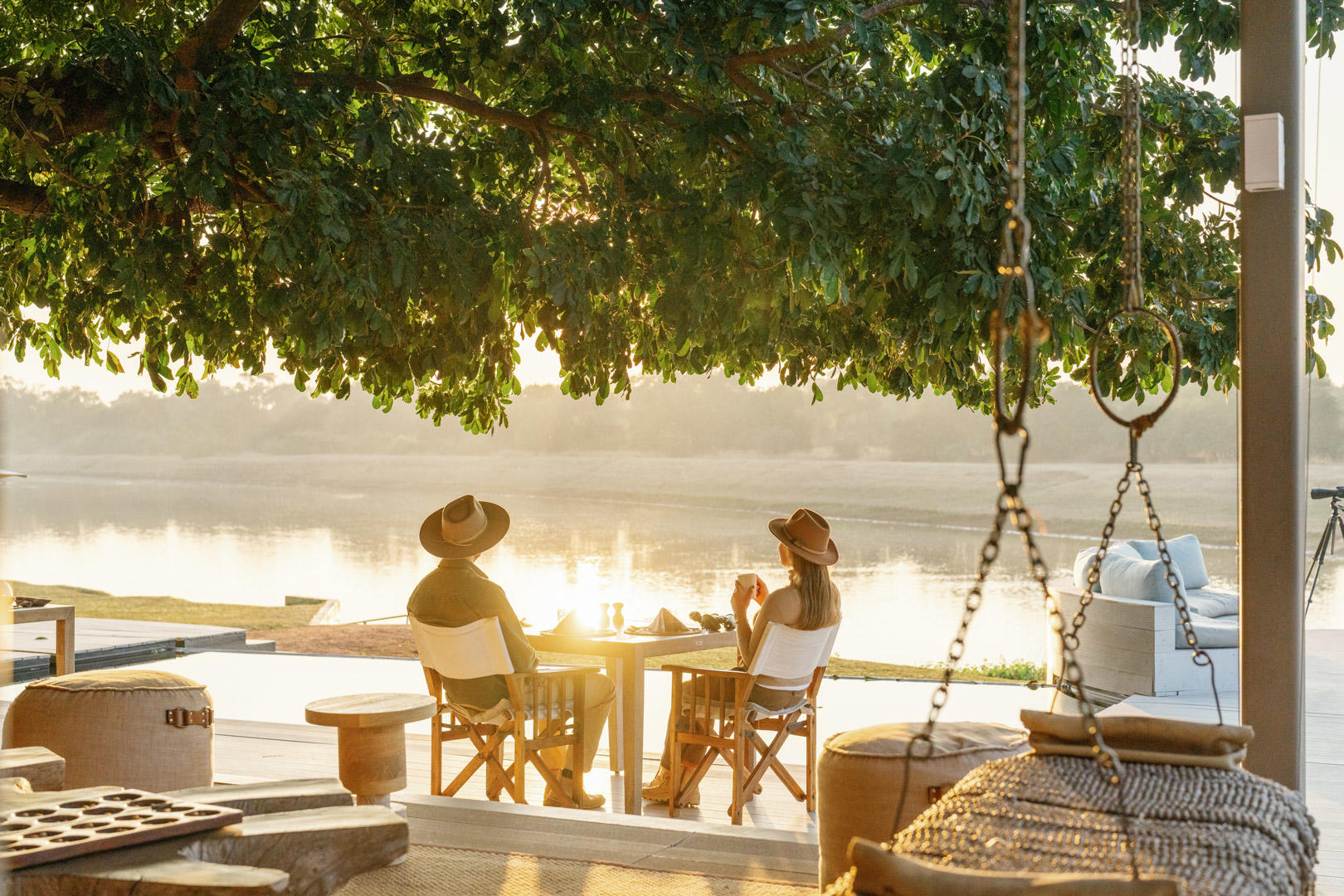
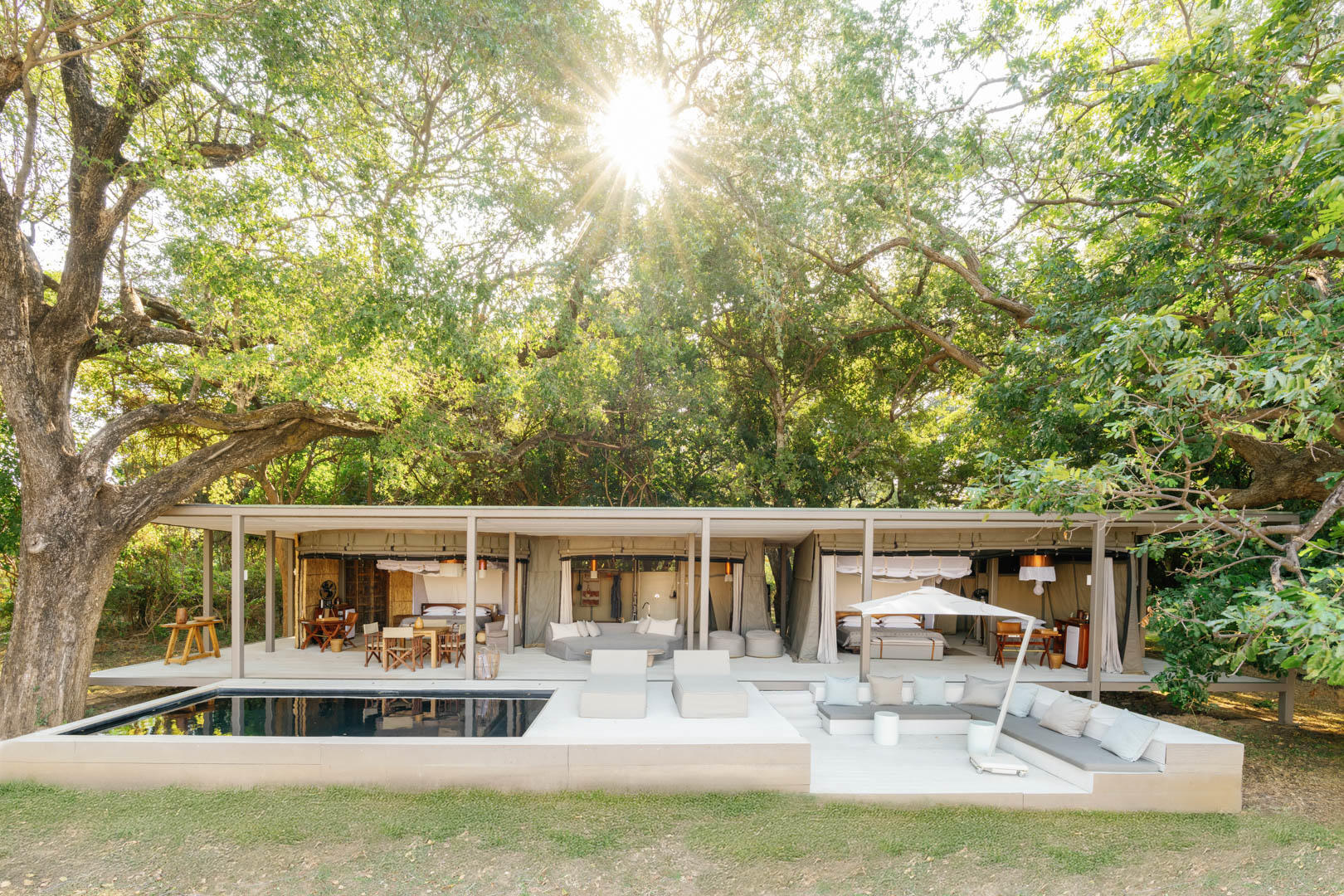
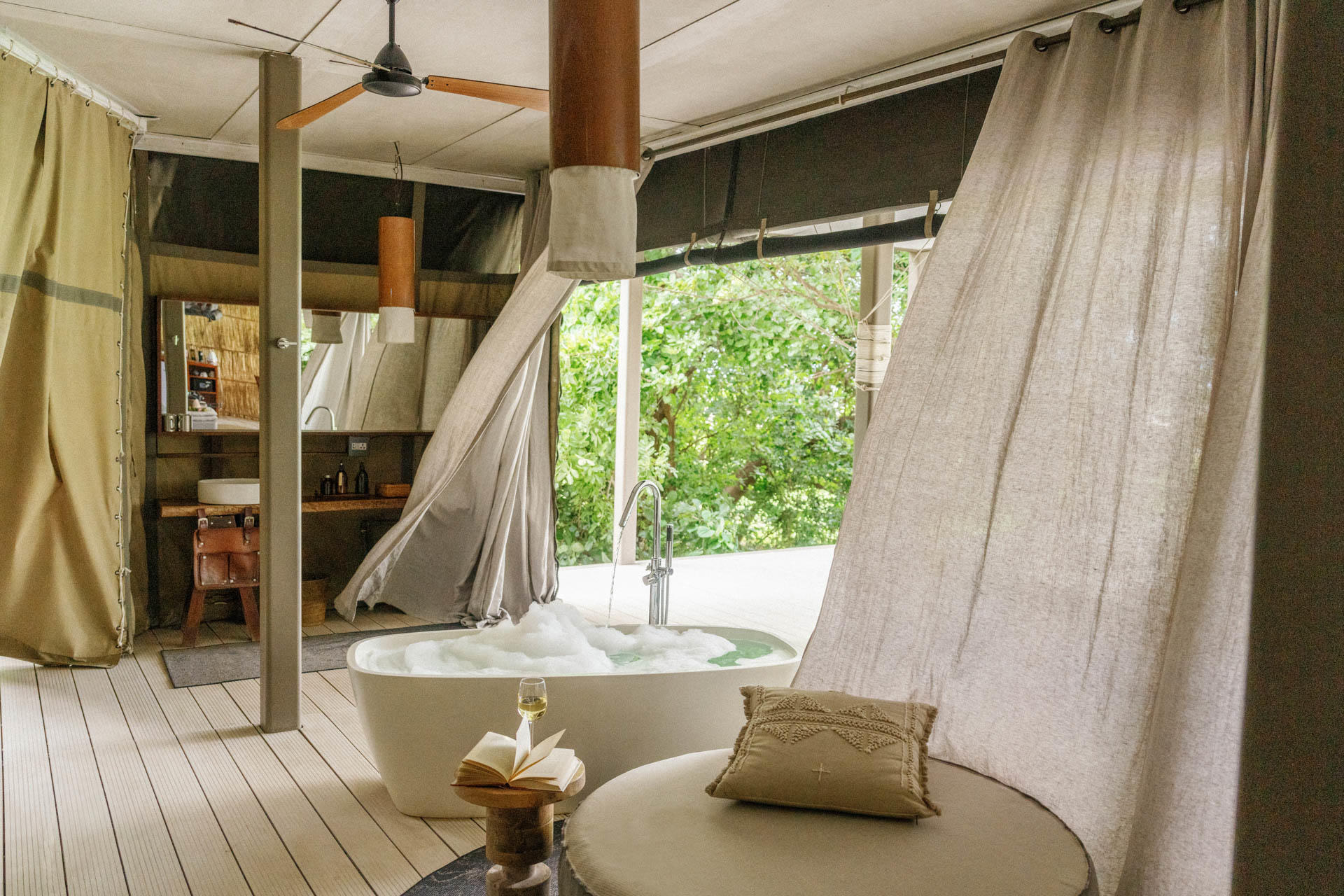
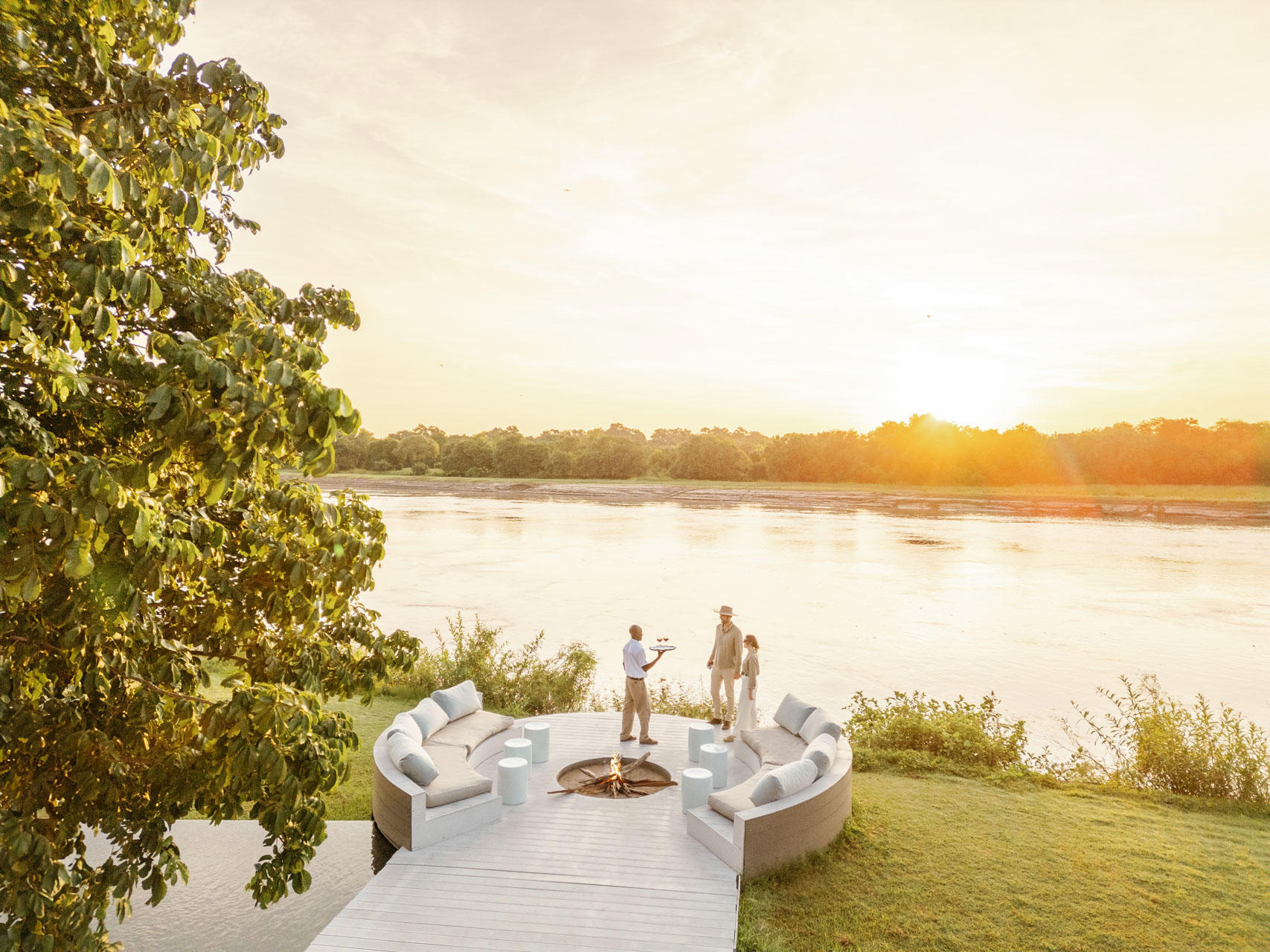
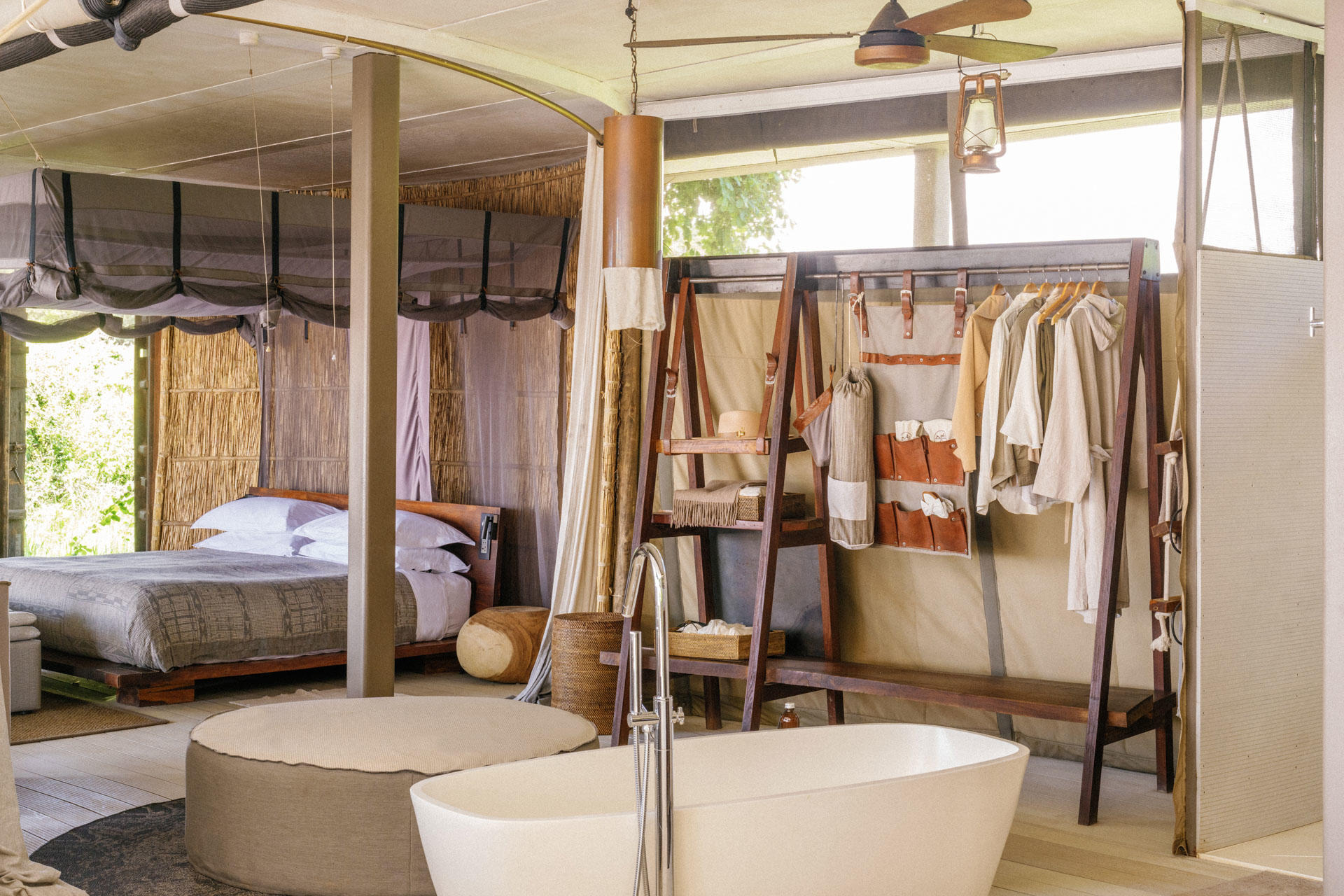
The camp that carries his name today is not a recreation. It is something more interesting: a continuation, built on the same stretch of river, that has taken everything Carr believed about this valley — that walking is more honest than driving, that wildlife deserves attention rather than spectacle, that the Luangwa rewards patience above all else — and rebuilt it for a different era, with rather better plumbing. Six tented suites rest beneath a canopy of ancient trees on the riverbank, each one designed with enough restraint that the view does most of the talking. There are private pools and soaking tubs angled toward the water, but the architecture seems almost apologetic about its own comfort, as though aware that the real luxury here was always going to be the bush itself.
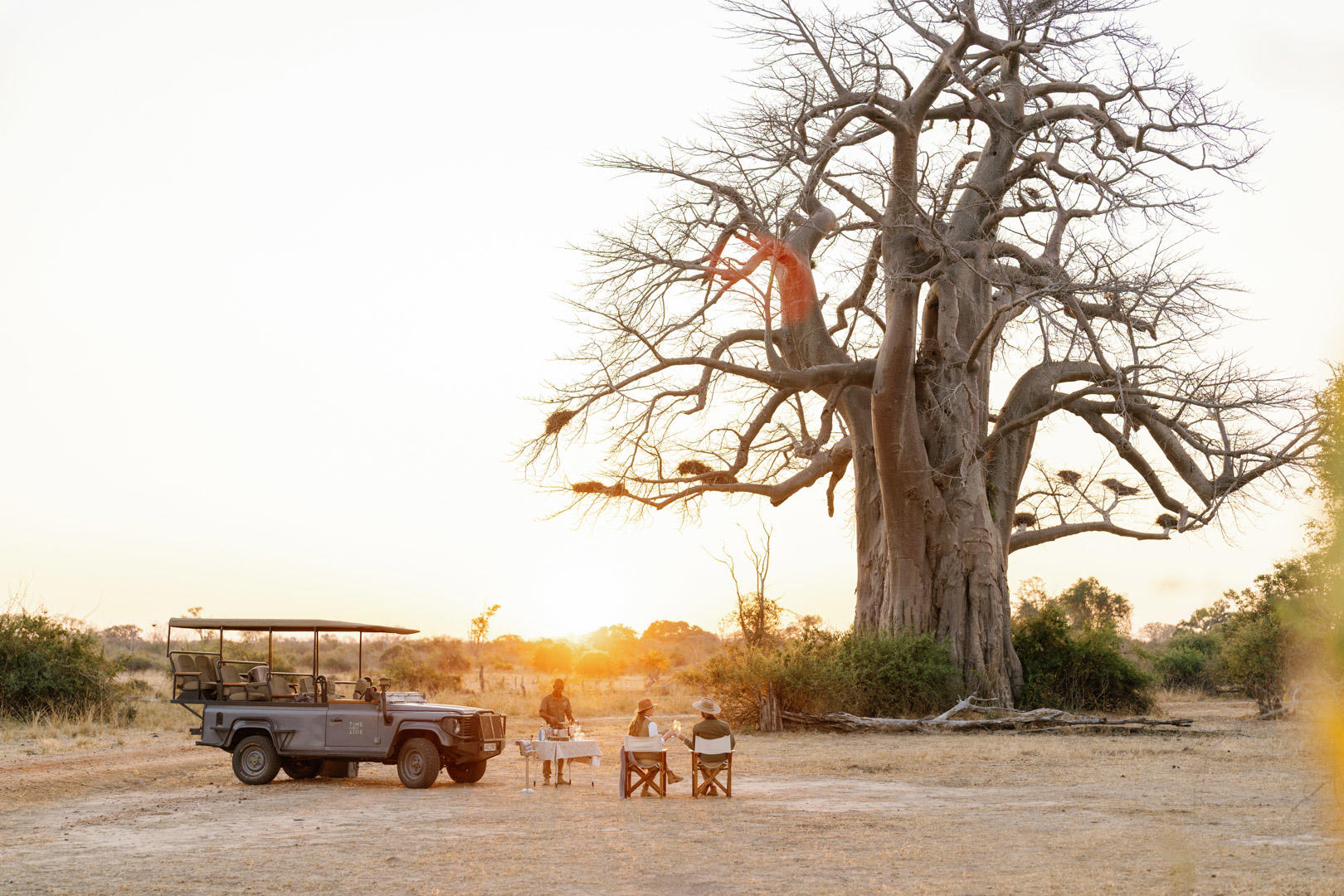
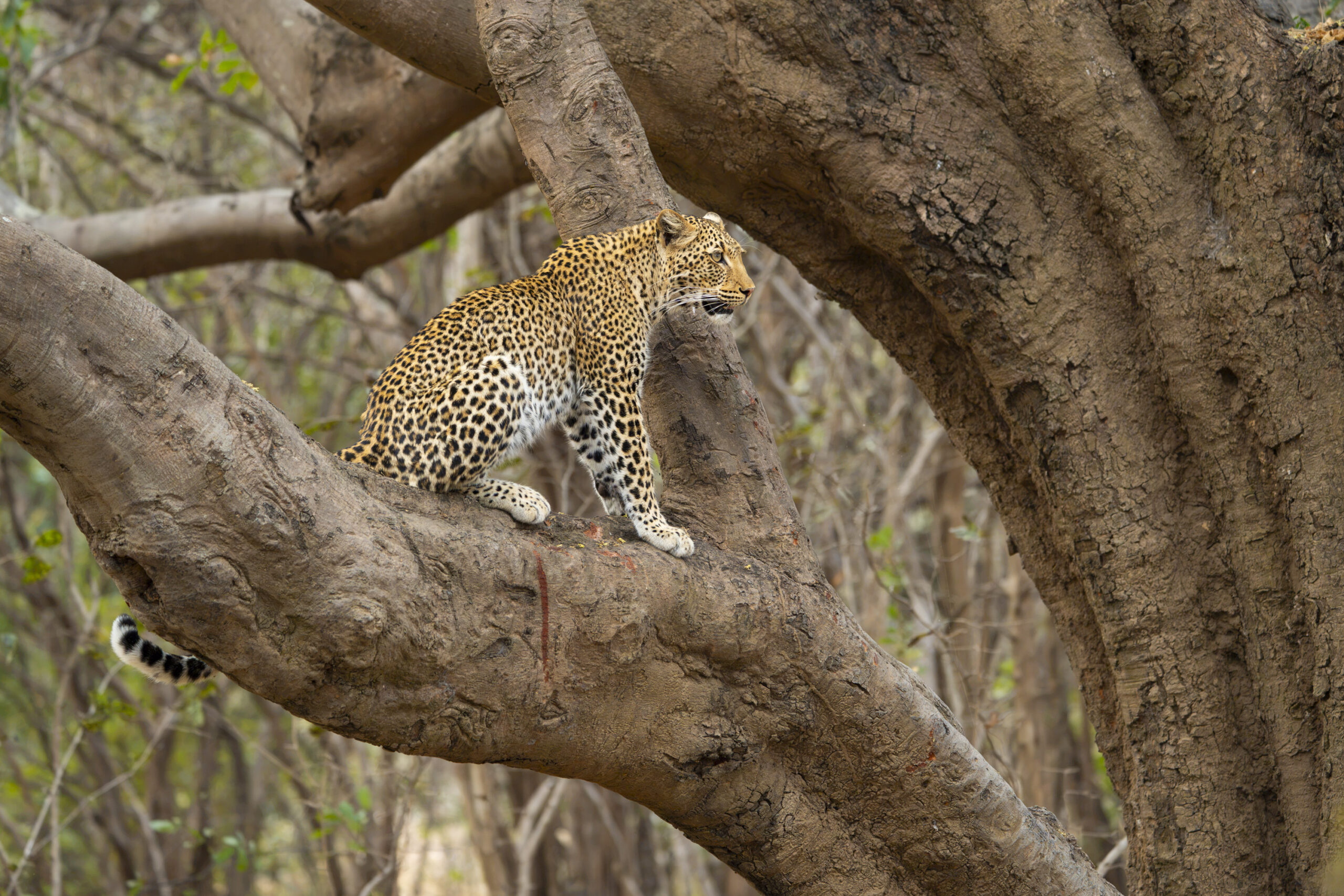
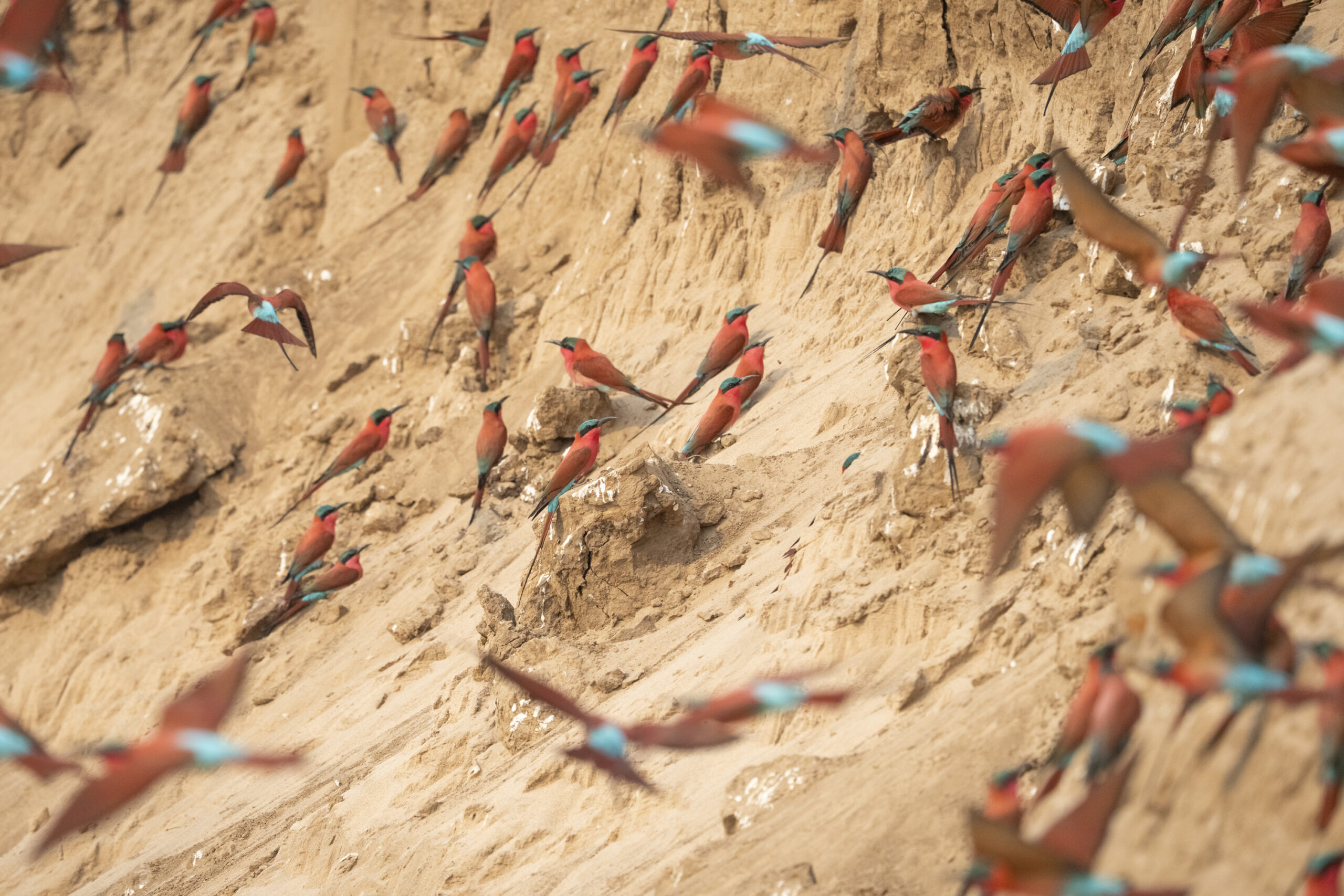
South Luangwa has long been called the Valley of the Leopard, and the reputation holds. The riverine thicket that lines the Luangwa is some of the most reliable leopard country left on the continent, and Chinzombo’s guides — many of them trained in a tradition that traces directly back to Carr’s original walking trails — read it with a fluency that turns a quiet afternoon into something extraordinary without anyone quite noticing the shift. Game drives cover the wider floodplain, thick with hippo and elephant and the kind of birdlife that makes ornithologists go quiet mid-sentence, while access by boat opens up stretches of river that the vehicles can never reach.
What lingers, though, isn’t really the leopards or the river or even the six beautifully unfussy tents. It’s the sense of being inside an idea that someone else had first, decades ago, in a much rougher version of this exact spot — and that the idea turned out to be right. Carr believed wildlife tourism could fund its own conservation, long before anyone had a name for that. He believed the Luangwa deserved to be walked, not just photographed through glass. Chinzombo, for all its polish, still operates on that same quiet conviction.
Some places improve with age. Fewer of them manage to keep their founder’s argument intact while doing it. Chinzombo, somehow, has done both — which may be the truest kind of tribute a landscape can pay to the person who first understood it.