&Beyond Suyian — The Kenya Almost Nobody Knows

Most people who go on safari in Kenya go to the Mara. And the Mara deserves its reputation — the migration, the lions, the sheer volume of wildlife on those open plains. But there’s a version of Kenya that sits north of all that, quieter and considerably less visited, where the landscape shifts into something altogether different. Rocky outcrops, granite kopjes, dry sweeping valleys, and a conservancy so large that 44,000 acres of it belongs entirely to Suyian. &Beyond opened their lodge here in mid-2025, and it’s already one of the more interesting things to happen to Kenyan safari in recent memory.
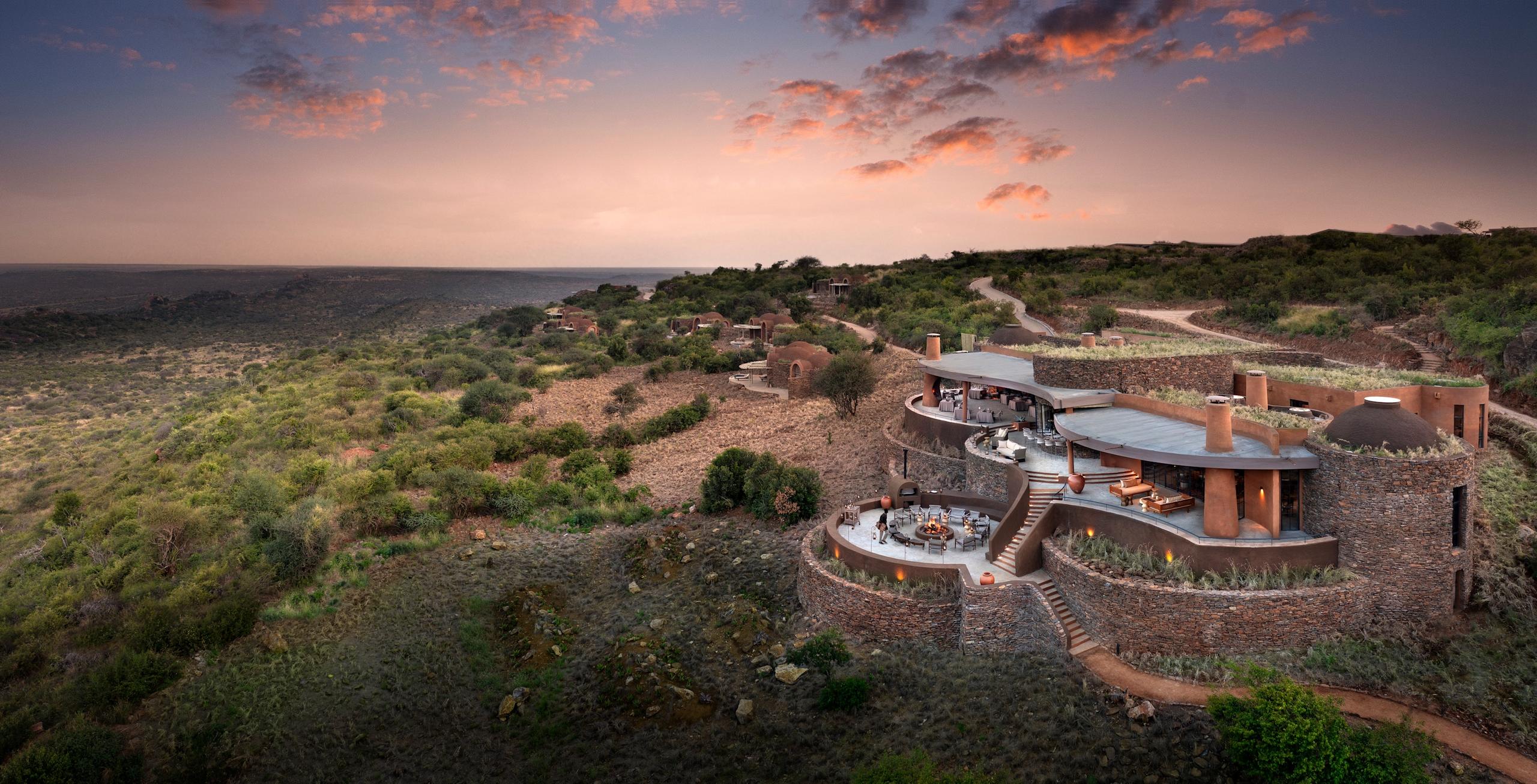
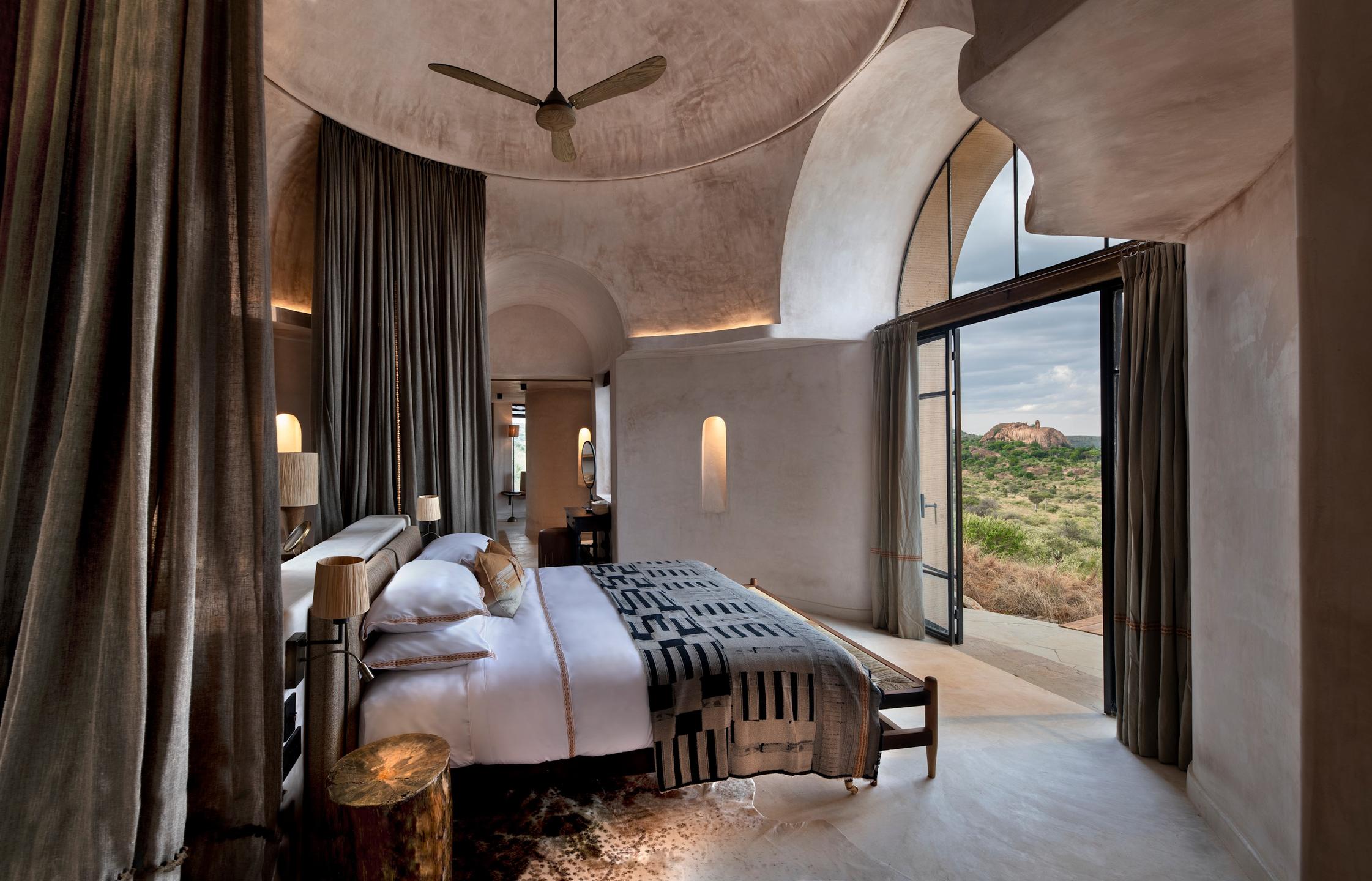
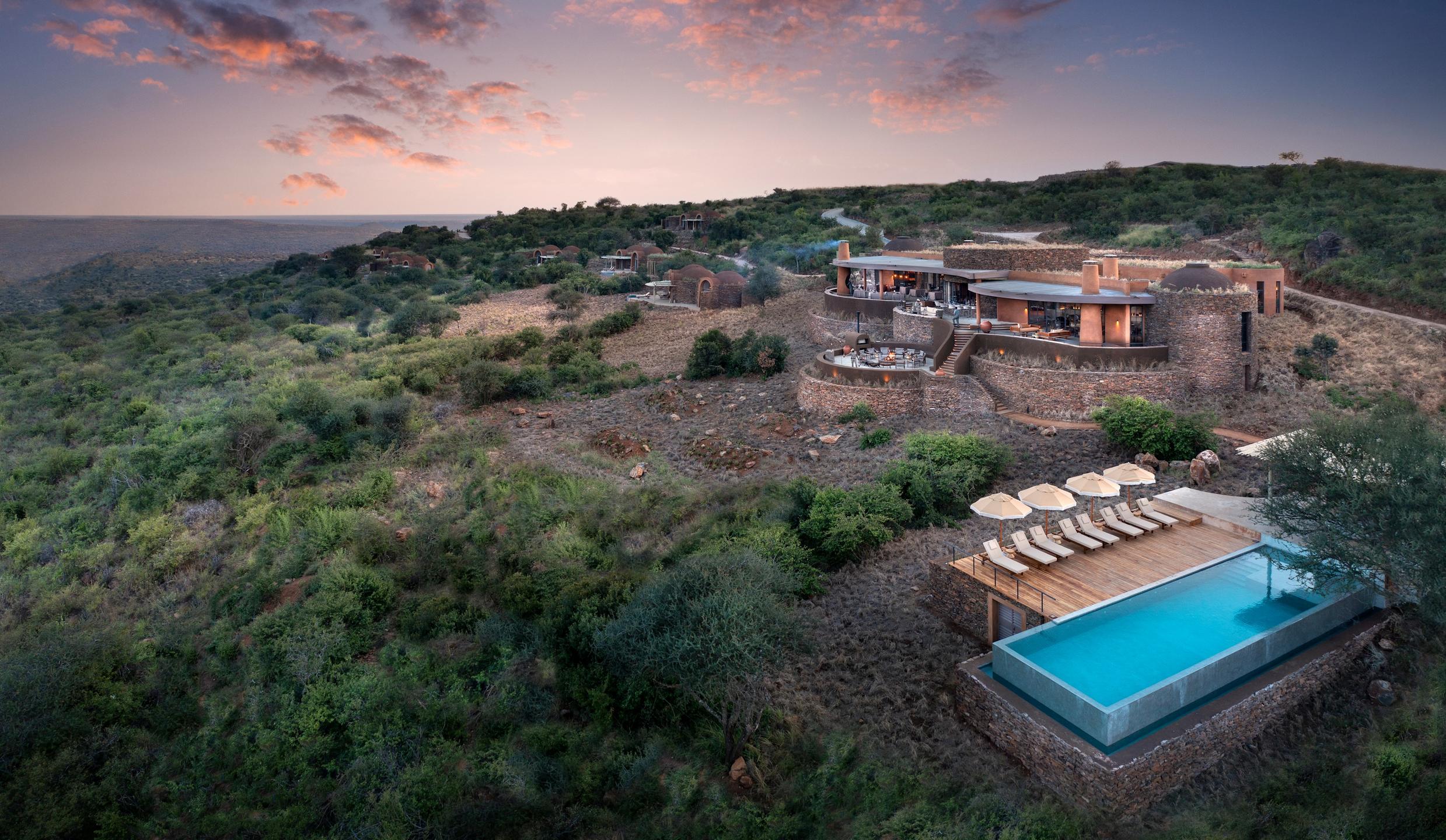
The lodge itself is striking. Low-slung domed structures tucked into the escarpment, their rounded forms and planted roofs drawn directly from the surrounding granite. Fourteen suites, each with a plunge pool, outdoor shower, and fireplace — useful at this altitude, where the evenings cool faster than guests expect. The interiors carry a philosophy &Beyond calls Afro Wabi-Sabi: natural materials, mottled textures, subtle references to the semi-nomadic Samburu culture that has shaped this landscape for generations. Someone has thought carefully about every surface, and it shows.
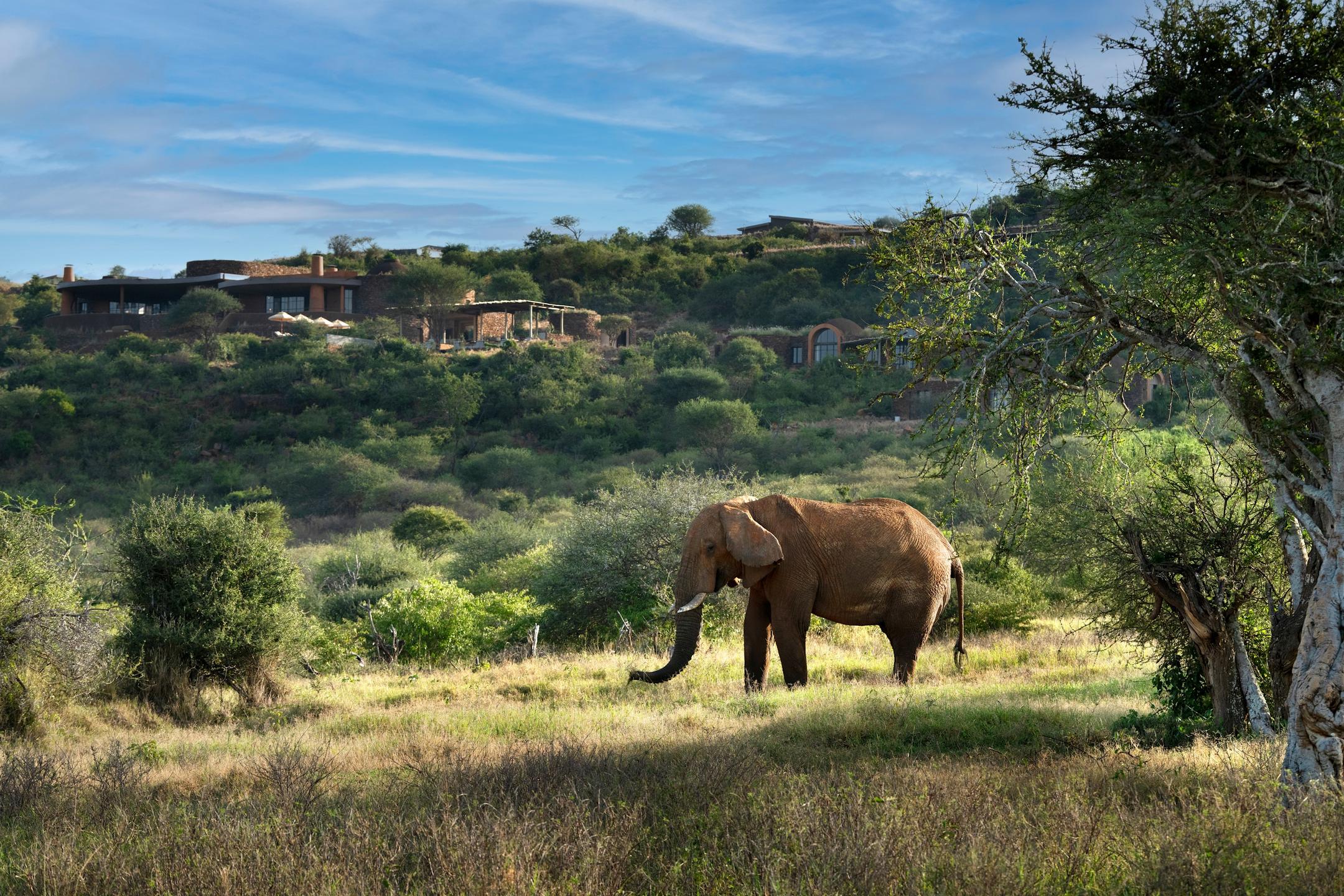
The wildlife at Suyian is not the Mara. There are no wildebeest thundering past in their hundreds of thousands, and anyone arriving with a Big Five checklist and a tight schedule will need to recalibrate. What Suyian offers instead is rarer and, for the right traveller, considerably more compelling. Grevy’s zebra, reticulated giraffe, gerenuk, African wild dog, and the animal that has become something of a symbol for the conservancy — the melanistic leopard. Black leopards are among the most elusive cats on the continent. The neighbouring conservancy is famous for one named Giza. Suyian has its own. The odds of seeing one are never guaranteed, but the fact that they’re here at all says something important about the quality of the wilderness.
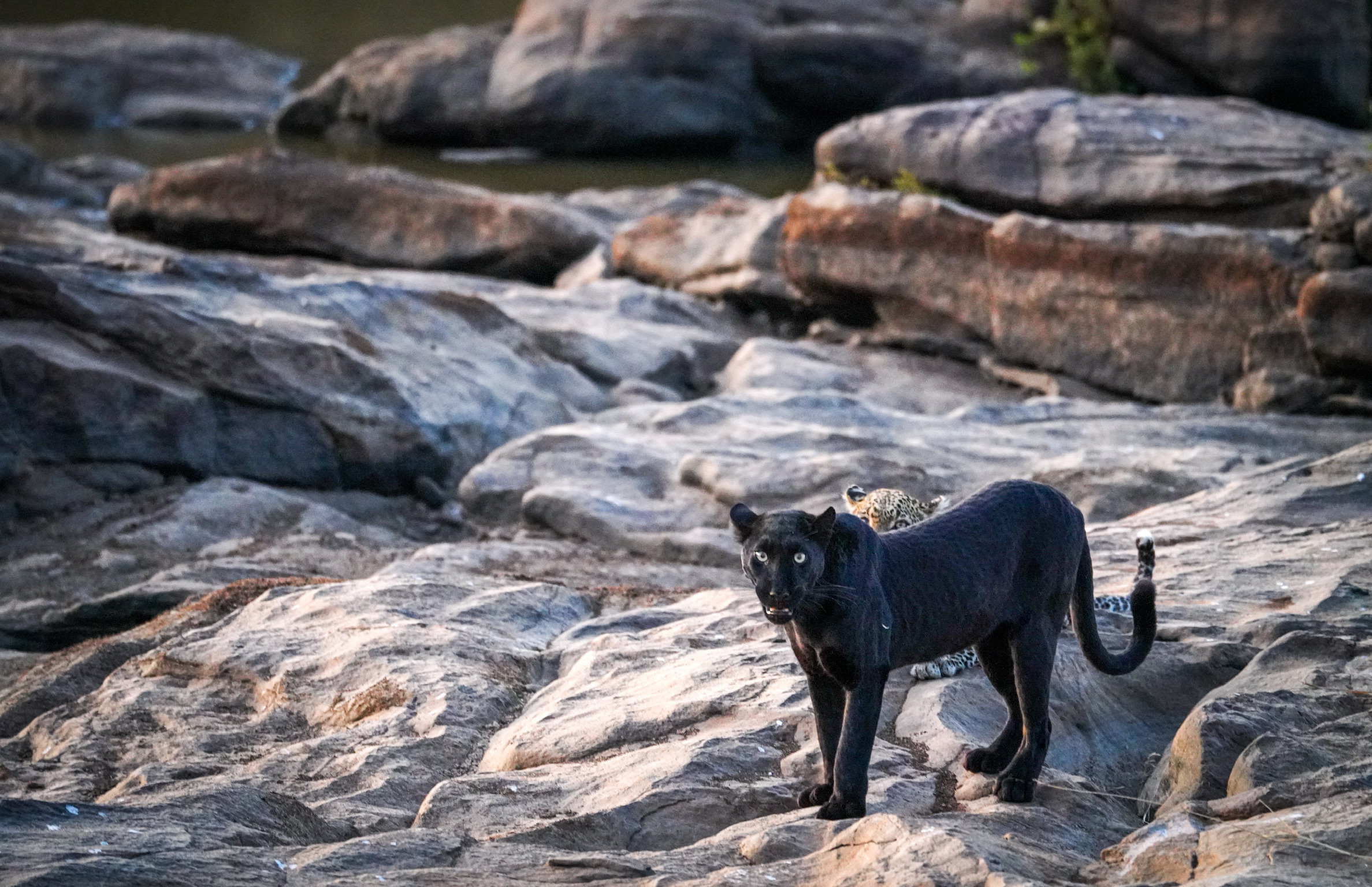
The activities lean into what makes Laikipia genuinely different. Camelback safaris trace routes across the conservancy that have been walked by Samburu herders for centuries. Horse riding is available for those who prefer their wildlife encounters at a slower, quieter pace — animals tend to behave differently around horses than vehicles, and the sightings reflect that. Walking safaris, night drives, visits to the working ranch that still runs alongside the conservation operation — Suyian is a working landscape, not a sealed-off reserve, and that gives it a layered, lived-in quality that is increasingly rare.
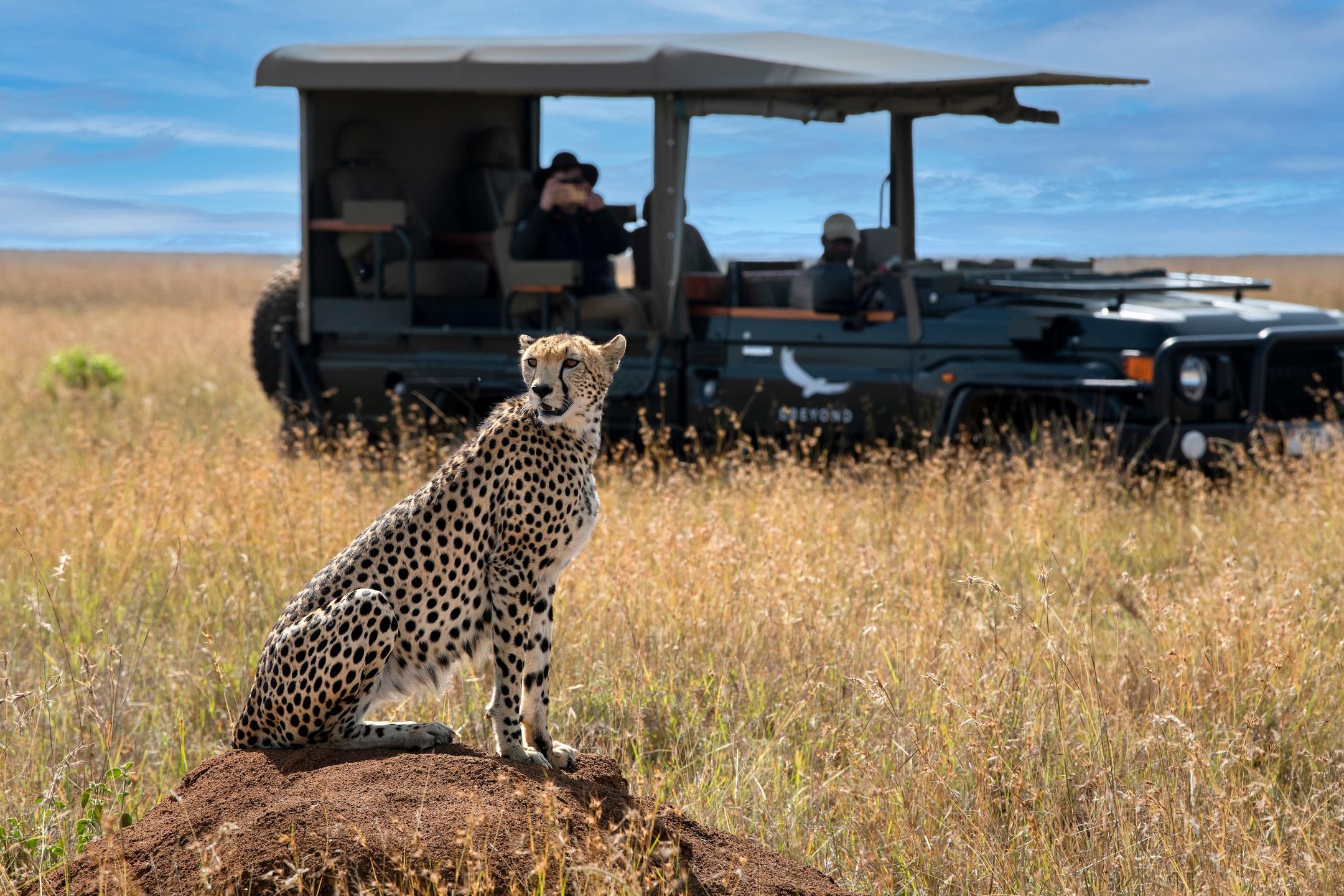
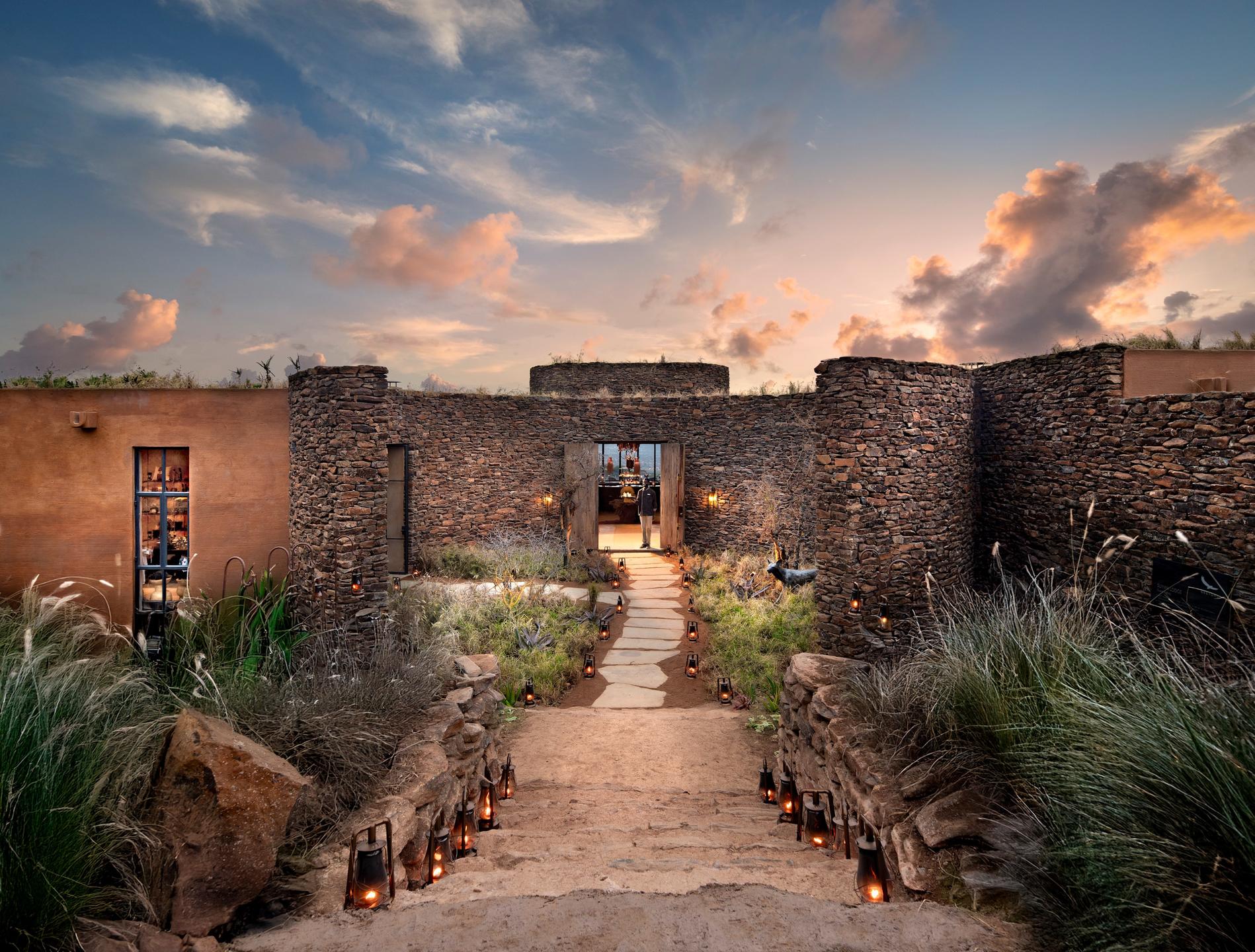
Suyian is a young property. It opened less than a year ago, but the architecture and food have drawn consistent praise. The wildlife, by its own nature, is unpredictable. This is a lodge for people who understand that the best safari experiences are not always the ones with the most animals — sometimes they’re the ones that take you somewhere genuinely new.

Laikipia has been on the radar of serious safari travellers for years. Suyian has given it a front door worthy of what lies behind it.

The Beautiful Darkness: Black Leopards of Laikipia

In the heart of Kenya lies Laikipia County, slap bang on the Equator and one of 47 counties in the country.
The county encompasses the high, dry Laikipia Plateau, a wilderness of thornscrub, rocky outcrops, valleys and rivers, with Mount Kenya rising imposingly in the distance to the south-east, just beyond Laikipia’s borders.

Over the last few years, this previously unobtrusive part of Kenya has crept into safari prominence. Not because of its wonderful wildlife density and diversity, but because of a very special population of leopards roaming its hills; melanistic ones.

Although long known about by the locals, they were essentially ghosts in the night; glimpsed from afar by a villager tending his flocks or heard calling in the distance, passing themselves off as one of their spotted cousins. It was not until Will Burrard-Lucas famously camera-trapped an individual in 2018 that a spotlight was finally shone on the region and the unique gene pool it contained.

Local researchers have shown that approximately 10 melanistic leopards (or black panthers, if you will) roam the greater Laikipia region, but it is one individual that has captured the world’s attention with her relaxed demeanour and accessible territory; Giza Mrembo – the Beautiful Darkness in Swahili.

This young female was first seen fleetingly as a young cub around four years ago, but as her mother is quite relaxed around vehicles, Giza herself become habituated within 18 months, and these days is completely relaxed around game viewing vehicles.

Photographic opportunities are plentiful as a result, but it is certainly not just the chance of seeing a black leopard in the wild that one visits this area for.

Elephants make their stately way through the acacia trees and dik-diks (one of the world’s smallest antelopes) peer out from almost every bush. These diminutive ungulates are the main food source of Laikipiia’s leopard population, and their importance in the ecosystem cannot be overstated. The striking vulturine guineafowl is a common feature in the area as well.

Safari options in the immediate area are varied, but the best option if one wants to stand a good chance of viewing and photographing Giza, is one of the Laikipia Wilderness Offerings; River Camp, Wilderness Camp itself, or the newly established Palm Camp, found a little bit upstream on the Ewaso Narok River.

Wilderness Camp, perched up on a hillside, overlooks the whole stunning vista. Giza – and other leopards – are spotted consistently from the hillside above the camp, and a beautiful lookout deck is perched on top of the hill from which some of the most spectacular sunsets in Africa can be observed.
River Camp sits down below and its guests are lulled to sleep by the bubbling of river water over the rocks. Elephants regularly come to drink at a culvert opposite Room 5.

Venture a few kilometres upstream and you find Palm Camp, Laikipia Wilderness’s newest offering, only opened in the second half of 2024. The simple yet elegant rooms stay cool even on the hottest days thanks to their intricately woven palm-frond roofs.

Cuisine at the camps is simple and delicious; coffee and muffins on morning drive with the occasional bush breakfast if you are to be out long. Brunch is a wonderful mix of whatever the chef may feel like on the day, dinners are a similar selection of local and international flavours. Mealtimes are completely up to you, depending on the safari schedule you have discussed with your guide.

The guides at the camps are very experienced. They operate in an incredibly nuanced environment, and believe us, they know how to find leopards, particularly Giza the black panther. Well versed in her habits, they have a knack of being in the right place at the right camp.

Laikipia is well and truly on the map for its black leopard sightings these days, but there is far, far more to it than one cat. A whole world awaits discovery in a beautiful, diverse and remote landscape.

If it is true bucket-list stuff that you are after, look no further. The black leopard of Laikipia will truly take your breath away, as will the rest of it…