Our Year in 12 Snapshots

“ A picture is worth a thousand words.”

Here is our year in 12 pictures.  It was incredibly hard to choose but we hope you enjoy them and agree that they certainly speak for themselves. Thank you for being a part of our 2015!

76-MALE-LION-WITH-BLOOD-OF-YOUNG-HIPPOPOTAMUS-SABI-SAND-RESERVE-SOUTH-AFRICAPhoto by Craig Hayman “Lion in the Kruger”

leopard-cubs-LONDOZLeopard & Cubs at Londolozi

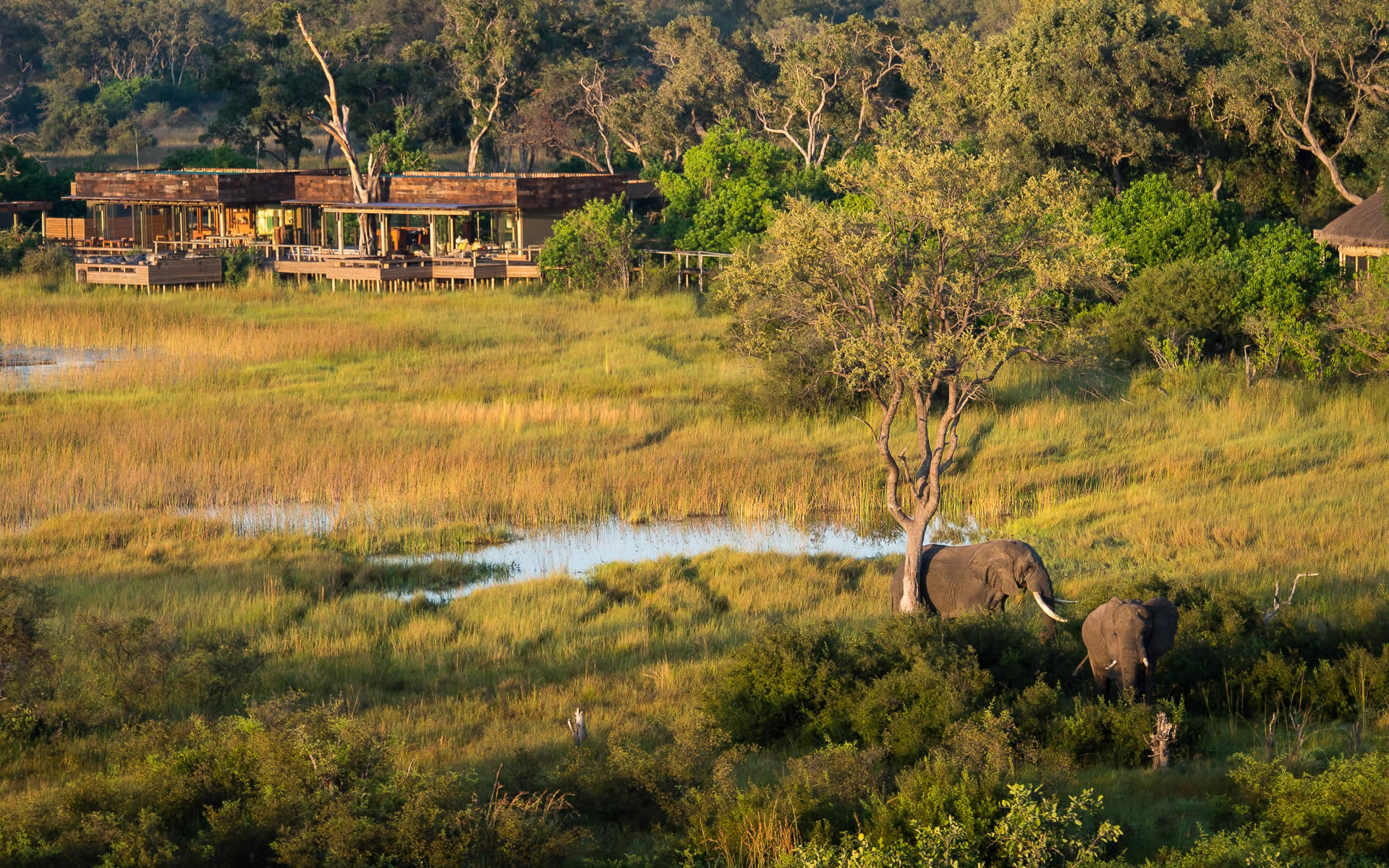
BOTS SELINDASelinda, Botswana

royalchundu-content-04-1024x432 ZMABIARoyal Chundu, Zambia

sa3landscapes-1024x640Cape Grace, Cape Town.

MARTABA JOHNPhoto by John Holley. Marataba.

royalromance-banner-04-1024x640Victoria Falls

kopano-banner-03-1024x640Lion and Cubs, Kopano Madikwe.

JOHN-AND-KIDSPhoto by Terri Abadi. Londolozi.

BENGUERRA MOZAMBenguerra Mozambique.

389188_10151746046965171_878799313_nPhoto by Craig Hayman. Leopard in the Kruger.

DSC_0434Photo by Graham Wood. Londolozi.


MERRY CHRISTMAS

It’s that wonderful time of year again. The sunshine is here to stay, as are the afternoon thunderstorms that clear quickly, leaving a warm, earthy, African smell in the air. The land, its people and its animals are very grateful for the rain and celebrate it daily! We still need lots more … but we have faith that it will come.

It’s been an awesome year for us and we hope you have enjoyed being a part of our journey. Thanks to all of you who have travelled with us this year. We hope to share much more of our beautiful continent with you in the future.

With best wishes from all of us at Iconic Africa for a fun festive season! May it be filled with:

happiness

founders-banner-03

love

sa6animals-1024x640

peace

trees 6

family & friends

lelapa-banner-03

and many African sunsets!

lionsands-banner-04


The Day of Reconciliation

“Reconciliation means working together to correct the legacy of past injustice.” Nelson Mandela

Today is the Day of Reconciliation. A day that we as South African’s need to take heed of and be thankful for the nation that we are today. It came into effect in 1994 after the end of apartheid with the intention of fostering reconciliation, national unity and a democratic South Africa.

Happy Reconciliation Day to our fellow South Africans, may we all walk towards tomorrow together and remain today and always #proudlysouthafrican

lelapa-banner-03


5 African FAQ’S

Your once in a lifetime African safari is booked and you are counting down the days! In the meantime you have a few questions about your upcoming adventure.

Africa is a new and exciting place but let’s face it it, it is slightly different form the rest of the world and so… its OK to have some questions on your mind.

We have put together 5 basic questions that travellers often ask us and a few things that we think will help you below:

MN-10

What clothes do I wear on safari?

Informal and casual dress is best as it can get very hot. However, smart casual clothes are recommended for evenings in some of Africa’s top lodges. On safari, neutral colours like khaki, olive green and navy are ideal for tops, shorts and trousers.

Here are a few things to start your list:

Trousers (neutral colours)

Shorts (neutral colours)

T-shirts (neutral colours)

Long sleeved t-shirt or turtleneck (neutral colours)

Short sleeved shirts or blouses (neutral colours)

Long sleeved shirt or blouse (neutral colours)

Cardigan/pullover

Scarf/Pashmina

Shoes (closed walking and sandals)

Click here for the rest of Iconic Africa’s special safari packing list!

zarafa-content-02

What precautions do I need to take?

It is important to ensure that you speak to your doctor and  have the right vaccinations for travel to Africa before you set off on your trip. The vaccinations normally recommended for every country are: hepatitis A + B, typhoid and diphtheria. Additionally, malaria is endemic so we strongly advise you to take malaria prophylactics. The only exception to this rule is parts of South Africa. These include Madikwe and the game lodges around Port Elizabeth. Travel clinics can sometimes have long waiting lists so make sure you get it done sooner rather than later.

GP-selinda-explorers-landscape-12-15

Can I charge my phone/ipad/laptop/camera?

The mains electricity supply in virtually all lodges is 240 volts, 50 cycles, with 3-prong rounded plugs. All camps will be able to help you with the charging of your electronic devices.

GP-selinda-explorers-camp-14-24

Should I be worried about safety?

No, there really isn’t reason to worry and if there was we wouldn’t have that destination available on our site. We also make sure that we constantly receive regular updates from the Foreign Office on all the countries where we operate so we would let you know long in advance.

lelapa-banner-03

Is the water safe to drink?

Most locals do drink the water but we would always advise our guests to drink bottled water throughout their stay in Africa. If you have any queries about this on your trip, just speak to your lodge managers and they will be able to advise you.

If you have any other queries at all please let us know and we will be sure to help you in no time.

10 Quick Tips on Wildlife Photo Editing

We had a chat to James Tyrrell, friend of Iconic Africa, ranger at Londolozi and budding wildlife photographer who took us through 10 quick tips on editing wildlife pictures.

Let’s not over complicate things… the objective here is simple! You want to recreate exactly what was in front of you at the time you pressed the shutter button so here are some helpful tips on how to do this:

  1. Lightroom is great for photo editing and is generally quicker and simpler than Photoshop
  2. When post-processing wildlife photographs the key is to keep as natural a look to the picture as possible.
  3. The best photos always tell a good story (this is ultimately what you want your photos to do!)
  4. Increasing vibrance and saturation a touch are generally a must when editing RAW images, but one has to be careful not to overdo it.
  5. With elephant or rhino, the detail in their skin is a wonderful thing to try and emphasize in a photo, so it’s often good to up the sharpness and clarity a little.
  6. Try to get your subject (animal) to pop a little more, which you can do by sharpening or lightening the subject slightly.
  7. When taking a full-body image of an animal try not to cut off the feet, tail, the horns or any other part of the body!
  8. In photos of big cats, whiskers are generally where you want to check if the image is sharp enough or not.
  9. With action photos, let the action speak for itself as any over-editing will detract from what’s happening.
  10. With evening pictures you want to keep colours as natural as possible while still emphasizing the warm glow of the sunset.

We hope these tips help even just a little! For a very basic introduction to Lightroom have a look at this easy-to-follow tutorial done by Londolozi.


7 Things to be Thankful for as Africans

“I am an African not because I was born in Africa but because Africa was born in me.” Kwame Nkrumah

The African continent holds a very special place in our hearts and today is the day to give thanks for all those things that make living and visiting Africa so incredible.

To those who have never been… we wish that you will visit in the not too distant future and that you will come to know and love this amazing place.

In the meantime & in the spirit of thanksgiving here are 7 things we (as African’s) are grateful for:

1.Our People

Special conversations, shared laughs and smiles are parts of every day in Africa. The warmth, humility and courage of its people is overwhelming and infectious!

wetu-benguerra-prop-12

2.Our Sunrises and Sunsets

Only the best and most beautiful you could ever imagine. The sky lights up with a thousand splendid colours and imprints on your memory forever.

lionsands-banner-04-810


3.Our Wildlife

The variety and quantity of wildlife that we share the continent with is sometimes unbelievable. It is an honour to experience these majestic creatures.

madikwe-content-04


4.Our Food

Always prepared with the utmost care the taste sensations and culinary journeys we are exposed to on a daily basis are out of this world!

wetu-lares-content-04-700x300

5.Our Culture

This colourful land is bursting with characters, cultures, religions and beliefs aplenty. There is so much to see, to learn and to understand.

bots-banner-05

6. Our Landscapes

From savannahs, to mountains, to forests, to beaches to deserts we have it all and it’s ever changing and always takes your breath away.

wetu-royalchundu-vicfalls-banner2

7. Our Freedom

Nowhere else will you experience space like in Africa. The middle of nowhere is a real place here and a feeling experienced often on this endless continent!

cover-shots-7-198


From all of us at Iconic Africa, Happy Thanksgiving!


5 Great Travel Apps

“To travel is to live.” Hans Christian Anderson

In today’s technological world there are so many great applications that can help make travel just that much easier and more enjoyable.

Travellers to Africa generally feel more content and more relaxed when everything is under control so we have put together a brief list of some awesome travel apps. We hope that they come in use at some stage in your travels.

1. City Guides

City Guides and Offline Maps by Stay.com lets you explore new travel destinations and make plans on where you are going to go and what you are going to do!

Available on: Android, iOS

africafamily-itinerary-01

2. Converter Plus

Converter Plus converts much more than just money. For example if you need to convert Celsius to Fahrenheit, or kilos to pounds, Converter Plus can do that, too. Great when visiting a country that uses different currency and metric system to your own.

Available on: iOS

kopano-banner-043. Evernote

This note-taking app Evernote is fantastic for making notes about practically anything, including travel itineraries. Evernote can keep a copy of important travel information offline. If you’ve backed up a copy of the important details to Evernote, which you can do by simply forwarding emails, you’ll have everything you need.

Available on: Android, iOS, Mac, Web, Windows, Windows Phone

birkenhead-banner-02

4. Expedia

Expedia has been long known as a travel search, information, and booking website, but its mobile app is good too and lets you book car rentals and search for activities in travel destinations around the world.

Available on: Android, iOS, Windows Phone, Web

quilalea-content-03

5. Google Maps

Google Maps is imperative when driving in a new country. Google Maps provides step-by-step directions and detects delays up ahead, such as traffic and accidents. The app automatically offers a quicker route. It’s a great in-car GPS navigation system, right from your phone.

Available on: Android, iOS, Web

riverlodge-content-01

Next time you travel try and use one of these new apps… you will be surprised by just how helpful they can be! If you have any other questions particularly about travelling to Africa please do let us know and we will be sure to help you in any way we can!


Top 10 African Quotes

There are times in our lives when we need just a little bit of help or direction. It is then that we turn to friends, family and philosophers. In Africa we turn to the wisdom of our ancestors…

vicfallshotel-banner-02

There is more to Africa than its breathtaking beauty. In fact the continent is full of very rich cultures and great wisdom. This wisdom can be found in its extensive collection of quotes and proverbs which come directly from centuries of ancestors and storytelling. Many African proverbs are strongly tied to the earth and animals, conveying lessons of life, learning, wisdom, community, family, and love often illustrated through simple daily activities.

bots-banner-04

Here’s a list of some of our favourite African proverbs. We hope that these will provide you with some hearty African wisdom to inspire and carry with you today.

  1. If you are filled with pride, then you will have no room for wisdom. ~ African proverb
  1. To get lost is to learn the way. ~ African proverb
  1. What you learn is what you die with. ~ African proverb
  1. Travelling is learning. ~Kenyan Proverb
  1. It takes a village to raise a child. ~ African proverb
  1. Cross the river in a crowd and the crocodile won’t eat you. ~ African proverb
  1. A family is like a forest, when you are outside it is dense, when you are inside you see that each tree has its place. ~ African Proverb
  1. A friend is someone you share the path with. ~ African proverb
  1. Where there is love there is no darkness. ~Burundian proverb

10. It is crooked wood that shows the best sculptor. – African proverb

lionsands-banner-04

Come to Africa, visit our beautiful continent and learn from our people. They know and have experienced more than you could ever imagine.


Interview with Wildlife Photographer, Craig Hayman (Part 2)

Here are 2 more of his incredible photographs and part 2 of our chat to lovely old friend and up-and-coming wildlife photographer Craig Hayman:232+MAMMATUS+CLOUDS,+SABI+SAND+RESERVE,+SOUTH+AFRICAPhoto by Craig Hayman

Craig: “The onset of summer in South Africa’s Kruger National Park brings overwhelming relief after the long dry months of winter. Rain comes suddenly, the earth trembling in anticipation, licked dry by the hot breath of heat haze. This image was captured moments before the storm broke, the sky heaving under remarkable mammatus clouds that looked more like the underside of the ocean than the belly of the sky. In order to shoot the sky’s tones against a foreground of trees, I lay flat on the ground, pushing the camera’s ISO high to allow a long enough hand held exposure. Minutes after the photograph was taken I was drenched, but it was worth it.”

245+MOUSTACHED+GUENON+WITH+BOY,+LOANGO+NATIONAL+PARK,+GABON

Photo by Craig Hayman

Craig: “In a remote coastal village in Gabon adjacent to Loango National Park, a young boy cradles a moustached guenon monkey. In his other hand he holds a knife. The boy tells me that the monkey is an orphan, and that he is raising it. The killing of animals for bushmeat is commonplace in central Africa, and primates are particularly vulnerable. Sometimes the young of these animals are kept as pets or for trade. The practice of killing wild animals to eat is an ancient and culturally significant part of life in this region, however the practice of capturing animals to trade is a new and far more sinister threat. The monkey’s vulnerability is apparent, his future dependent on the boy’s benevolence. To me this represented the bigger picture in the region. The ongoing preservation of wildlife and wilderness in the region is now in the hands of humans, who must ensure that remaining wilderness is left intact.”

 What made you move to Australia?

Craig: “I wanted to pursue a career in architecture and sustainability, and so after leaving the bush I moved to Sydney to complete a two year masters degree in sustainable design at Sydney University. I love it here. I connect naturally with the openness of the people, the relaxed lifestyle, and the beauty of the city. I get to catch a boat to work every day!”

Craig: “I feel now that I have two homes, one being South Africa, and the other being Australia. I haven’t started supporting the Wallabies against the Springboks yet though.”

How often do you come home?

Craig: “I’ve been back to South Africa a couple of times in the last few years. I’m due for a trip back soon, there is a big road trip I would love to do.”

Do you miss Africa?

Craig: “Every day. Australia is beautiful, and I’m very happy in Sydney, but I miss the rawness and the complexity and the access to wilderness that Africa offers. I do plan to live in Africa again.”

What made you decide to publish a book?

Craig: “I was quite fortunate that the opportunity came to me quite by accident. I never sought out a publisher, and I think if I had actively looked to publish a book the process would have been more difficult. I’ve had an interesting and diverse life thus far, and carrying a camera has allowed to record and share this. I’m glad that I’ve had the opportunity to record some part of it in print.”

What is the book about?

Craig: “Wildlife in Pictures is a wildlife photographic coffee table book from the unique perspective of a conservationist and safari guide. It is the result of thousands of hours in the field, drawing upon intimate knowledge of the subject area and species, and an earnest commitment to the preservation of wilderness.”

Craig: “In 320 pages the book leads the reader on a journey through the grasslands, forests, mountains, deserts, rivers and coastlines of Africa and India, pairing spectacular images of animals and natural landscapes with fascinating stories and written insight to add new meaning to these striking photographs. The book includes many rare images from Gabon, in equatorial west Africa, revealing subjects and areas scarcely seen by outside eyes.”

Where are your books available for purchase? 

Craig: “Wildlife in Pictures is available worldwide in good bookstores and online.”

What is next for Craig Hayman?

Craig: “I’m really enjoying where I am now in life and my career. I’m learning a lot, Sydney is an inspiring place for both design and photography, and I’m surrounded by people who bring out the best in me. Longer term, I do have ambitions of living somewhere a little wilder, it could be Africa, India, or elsewhere. I have a few more photographic projects I’m working on. Hopefully “Wildlife in Pictures’ does well and there’s an opportunity for some of this new work to appear in print.”

Lastly, if you had one tip for budding wildlife photographers what would it be?

Craig: “Make sure your passion for photography motivates you to get out and explore, if it becomes a chore, change things up. Find friends to take photos with, you can learn a lot from working collaboratively. My other key advice is to back up your files properly, I lost more than half of my image library when a computer and two hard drives failed in quick succession.”

Thank you Craig – for your time, for your tips and for being such an inspiration to us. For more on Craig Hayman click here.


Interview with Wildlife Photographer, Craig Hayman (Part 1)

Iconic Africa recently had the privilege of chatting to an old friend who has since become a global phenomenon in the wildlife photography world.

Craig Hayman, South African born wildlife photographer is certainly turning heads and has just published his first book: Wildlife in Pictures. We chatted with Craig to find out more about his incredible journey, how he came to taking these exquisite pictures and the story behind each one.

76+MALE+LION+WITH+BLOOD+OF+YOUNG+HIPPOPOTAMUS,+SABI+SAND+RESERVE,+SOUTH+AFRICAPhoto by Craig Hayman.

Craig: “Images of lions often focus on beauty and nobility. The reality of the species is very different. Wild lions are often haggard, battle-scarred and anything but regal. This image shows a male in the twilight of his reign over a territory in South Africa’s Kruger National Park, his mane knotted with congealed blood, his head bowed. Soon after this image was taken, this male and his coalition of brothers were ousted from their territory by younger males in a violent battle that ended in multiple deaths and in cannibalism, a fate not atypical of his species.”

389188_10151746046965171_878799313_nPhoto by Craig Hayman.

Craig: “It was mid-winter in South Africa’s Kruger National Park, and the temperature was near freezing, my bated breath forming tight clouds of vapour. By following tracks we had found a female leopard before dawn in a broad sandy riverbed. As soon as the sun rose, the leopard moved into the only shaft of warm light, as if under instruction by a photographic director. This sighting was particularly significant for me because I had suspected that this particular female leopard was dead, having not seen her for several months, but instead of death, new life. She was looking back over her shoulder at her new cub, calling softly for him to join her.”


226 RED-CAPPED MANGABEY FEELS RAINDROP, LOANGO NATIONAL PARK, GABONPhoto by Craig Hayman

Craig: “I was sleeping in a tent on an isolated beach in Gabon’s Loango National Park when I was woken by a raucous troop of red-capped mangabey monkeys. In the predawn light they were highly active and very vocal, however one mangabey remained motionless, his head raised to the sky. He extended his hand, cupped, as if to hold or catch something. At that moment I became aware of heavy irregular raindrops falling. This silent gesture, so human-like, held more power over me than the rest of the troop combined.”

Q&A with Craig (Part 1)

Where did you grow up?

Craig: “I grew up in Durban, South Africa, and attended university in Cape Town.”

Where did your passion for nature come from?

Craig: “I grew up in a family that revered nature. My father is a keen naturalist, my mother was trained as an artist and loves to paint and draw elephants in particular. South Africa is a wonderfully biodiverse country, and I’m very glad that my parents exposed me to so much of its beauty during my youth.”

Did you always know that you wanted to be a wildlife photographer?

Craig: “As a child I expressed a strong desire to be a game ranger (a safari guide) ‘when I grew up’. Photography came later. I never planned to publish a book, but I’ve always enjoyed having a creative outlet, whether through writing, illustration or photography.”

What did you study?

Craig: “I trained as an architect at the University of Cape Town. After completing my season as a photographic safari guide, I completed a masters degree in Sustainable Design at the University of Sydney. My father is an architect. Many architects are keen photographers. From an architectural education I learned to work with and appreciate light, I developed a strong sense of composition, and the ability to balance visual complexity and simplicity.”

What made you want to become a game ranger?

Craig: “My parents introduced me to the bush as soon as I could walk. As a child I loved the smells, the sounds, the anticipation of the unknown. I was fortunate to spend time in nature during a formative period of my youth, and this has continued to shape my values in life. A big part of safari guiding is the human aspect, and I’m fortunate that I love people.”

Where did you work as a game ranger and how long?

Craig: “I trained as a ranger for AndBeyond at Phinda Private Game Reserve in Maputaland, South Africa. I spent 2 years at Phinda, first at Mountain Lodge and Rock Lodge, and later at the African Homestead. I then spent a year at Exeter in the Sabi Sand Reserve in the Greater Kruger National Park. After Exeter I took a role training guides for the Smithsonian in Gabon, in equatorial west Africa, before moving to Sydney.”

 What did you love most about your work?

Craig: “What I love most about photographing the natural world is that it motivates me to do more, and see more. Memorable wildlife and landscape images are created in striking light and in beautiful surroundings. The desire to create quality images necessitates being in dramatic landscapes at dawn, or under full moon, or as a storm approaches. Whether I am sharing these moments or experiencing them alone, having a camera in my hand has been the catalyst for many treasured moments.”

 Which is your favourite area (I.e. Kruger, Phinda, etc)

Craig: “Now that I have been exposed to a diverse range of natural ecosystems, what I value most is true wilderness: large tracts of land with minimal human presence. Loango and Moukalaba-Doudou National Parks in Gabon are particularly special to me. In Gabon I experienced a degree of wildness that I no longer thought existed, seeing animals that had seldom if ever encountered humans, and exploring landscapes that were largely unmapped.”

Craig: “Other special areas for me include Corbett National Park in India, the Namib Desert in Namibia, and the South Island of New Zealand.”

Where did your love for photography come from?

Craig: “My father was a keen amateur photographer. As a guide, I was surrounded by enthusiastic photographers, some of whom produce excellent work. It was a great environment in which to learn. I never had any formal photographic training (except a short course in the USA, after my guiding days were complete). My father taught me the basics, the rest I learned from trial and error, and from looking at the work of photographers I admired, like Mike Nichols, Steve McCurry and Peter Beard.”

Have you ever had any dangerous encounters with your camera?

Craig: “A silverback gorilla once covered me with fetid showers of his dung and urine, in a defiant show of bravado. I submitted to his display of dominance. On one occasion I was forced into the ocean by elephants at full moon, and another time climbed a tree to avoid a grumpy rhinoceros. There was never an occasion where I genuinely feared for my life, but certainly a few experiences that made me feel alive.”

Thank you Craig for taking the time out to chat to us and for sharing your incredible pictures. Stay tuned for Part 2.


Typical South African Words – A Translation

Whether its chatting around the campfire, on a game drive or at the dinner table there are some South African words and expressions that you may not have heard before. Let’s face it… South Africa is an exquisite holiday destination but with such a colourful nation comes an amalgamation of intriguing languages and words!

zarafa-banner-03

There are eleven official languages of South Africa: Afrikaans, English, Ndebele, Northern Sotho, Sotho Swazi, Tsonga, Tswana, Venda, Xhosa and Zulu. A lot of everyday words derive from these different languages and so to travellers are foreign and often may cause confusion. So, to avoid any of that we have put together a brief list of the words that travellers are most likely to hear with a simple translation. We hope it helps you on your next visit!

pioneer-content-side

bakkie – a utility truck or pick-up truck

boerewors – popular type of sausage in South Africa (farmer-sausage)

eish! – an interjection expressing resignation

gogo – grandmother, elderly woman

howzit –greeting of “hello” rather than “how are you?”

ja-nee – literally “yes-no”, an expression of positive confirmation

jol – to have fun, to party

laaitie, lighty – a younger person, esp. a younger male such as a younger brother or son

lank – lots/a lot

lekker – nice, good, great

mielie – millet, corn, maize

muti– medicine

Mzansi – South Africa

nogal – of all things. Term expressing a measure of surprise

nooit – never, no way, unbelievable!

oom – an older man of authority, commonly in reference to an older man/uncle

pap – traditional maize porridge similar to grits

plaas – farm

sangoma – traditional healer

shongololo– millipede

skraal – very hungry, thin

skrik – fright

slaptjips – cooked chips (usually soft, oily and soaked in vinegar)

sosatie – a kebab on a skewer

spaza – an informal trading-post/convenience store found in townships and rural areas

Stoep – porch, verandah

tekkies – sneakers

trek – to move or pull

ubuntu – compassion or kindness, humanity

vellies – veldskoene, traditional Afrikaans outdoors shoes made from hide

yebo – Zulu meaning yes

If there are any other words you have heard that you aren’t sure of please let us know. We will translate for you in no time!


Five Must-Eats in South Africa

“If more of us valued food and cheer and song above hoarded gold, it would be a merrier world.”

J.R.R. Tolkien

Make sure on your next trip to South Africa you make the most of it by snacking on all 5 of the below treats:

1.Venison in the bushveld

Safaris are not only an incredible adventure for the whole family but they also will no doubt surprise you with some unforgettable feasts. South Africa is well known for its incredible meat and more specifically its venison (game meat) is the best in the world. It is not only unique in taste but its healthy too.

vumbura-plains-41-44

2. Cape Malay Cuisine

The local Cape Malay cuisine is as colourful as the rainbow nation itself and never ceases to delight. The slightly sweeter curries, boboties and even deep fried koeksisters will wow your taste buds and have you begging for more.

luxsafariclassic-itinerary-01

3. Wine in the Winelands

Need we say more? The Cape Winelands is by all means sensory overload. Not only is it breathtakingly beautiful, the food decadent and delicious but the wine to die for. The Cape wine route is in fact one of the longest and most popular in the world.

Vista02

4. Biltong

Biltong and droëwors are two unique savoury meat treats that are now not only famous in South Africa but most definitely beyond its borders too. Make sure you have some on you at sunset, it goes perfectly with both beers and G’s and T’s. The best sundowner snack possible.

wetu-singita-boulders-11

5. Seafood

The Cape is home to a wide variety of seafood: lobster, yellow tail, calamari prawns, you name it… we have it… and lots of it! Sit along the beachfront with fresh line-fish and an ice-cold glass of Sauvignon Blanc and your life will be complete.

cvc-2


African Honeymoon Deluxe

“Every great love starts with a great story.” Nicholas Sparks

Why not start yours in Africa? Africa is one of the world’s greatest honeymoon destinations; offering the most romantic luxury safaris, heavenly beach hideaways, fine dining splendour and a magnitude of once-in-a-lifetime experiences!

“Live in the sunshine.
Swim in the sea.
Drink the wild air.” Emerson

Taking Emerson’s simple yet sincere advice we suggest a combination of the following for an unforgettable and extraordinary honeymoon. Click here: African Luxury Honeymoon for an in depth look. The link includes our interactive map, videos and images of some of Africa’s most exquisite destinations!

Kruger

Spectacular Safaris

Whether you choose The Kruger National Park, Madikwe or Botswana you and your loved one can expect a truly romantic retreat.

The magic of the African bushveld touches all that visit it, an indescribable feeling and the perfect backdrop to begin a life of wedded bliss. From relaxing in your own private plunge pool, to sipping a superb sunset cocktail while watching elephants at the waterhole, to a sumptuous, 5-star dining experience and large lavish lodges… you cannot go wrong. Sit back, relax and let the exquisite African luxury engulf and spoil you.

Iconic Africa recommends the private reserves of the Sabi Sands, Timbavati Game Reserve, Thornybush and Singita’s concessions, all set within the park. These private preservation areas are notorious for their Big 5 sightings, and the definitive luxury safari style. In true African fashion these lodges go above and beyond for honeymooners, so we have no doubt an adventure here will surpass your wildest expectations!

Singita Kruger

Beautiful Beaches

Whether you choose Mozambique or Cape Town the pristine beauty and breath-taking sunsets at these incredible destinations will have you begging to stay for longer.

Mozambique is a complete sensory overload of beauty, wilderness, culture and flavour flanked by 2400kms of silky white beaches. Dotted along the astonishing coastline, little pieces of African paradise have floated out into the azure Indian Ocean to create the last remaining wild island paradises in the world. Azura Benguerra and Azura Quilalea are the best possible places to experience the abundance, luxury and seclusion of an authentic, superlative, tropical island honeymoon.

 Cape Town also offers stunning beaches and is the very destination where awe-inspiring nature, gourmet Cape cuisine, exceptional service and ultimate indulgence meet in glorious harmony on the edge of Africa. From sweeping ocean views, pristine white beaches, mountain walks, whale watching, sun tanning and spa treatments need we say more?

Mozambique

Wistful Winelands

For the wine-lovers and foodies out there… there is no better setting than Franschhoek, which literally blooms romance and is without a doubt one of the most beautiful villages in the world. Drive across rugged mountain passes, down lightly down age-old cobbled driveways and through century old vineyards and gently make your way into the Cape Dutch style manor houses that are typical in the culinary capital of the Western Cape.

The Cape Winelands epitomises luxury and relaxation and romance. Although the area is steeped in tradition it is also a vibrant hub for fine wining and dining. Whether you are looking to simply slow down and take in the countryside ambiance, or perhaps a cultural journey visiting galleries, historical monuments and time-honoured wine estates. Whether you want to taste some of the region’s finest bubbles, sample the local treats or simply wander through the vineyards holding the hand of your loved one… the Cape Winelands has endless experiences on offer.

Winelands - La Residence

Captivating Cape Town

Without question one of the world’s most spectacular cities, Cape Town was recently voted the 2014, World Design Capital.  Despite being South Africa’s oldest city, Cape Town has managed to retain its traditional charm whilst developing its cosmopolitan lifestyle. This combination ensures a wealth of experiences for tourists and locals’ a-like. Cape Town is undoubtedly a destination in itself but also the honeymooner’s gateway to the African continent.

Cape Town has an allure and a heartbeat that cannot be experienced alone… it is a city for couples. Honeymooners will fall further in love not only with each other but also with the idyllic views and white sanded beaches, incredible food on offer and breathtaking views no matter where in the city you are.

Cape Town - Twelve Apostles

Africa is the continent of safari, wilderness, and adventurous escapades but infused into all of this is an unmistakable and ancient romance. Contact Iconic Africa now to combine the perfect mix of beauty, wilderness and adventure into a honeymoon your loved one will remember forever.


Sensational South African Spas

Being busy and living a hectic lifestyle is seriously overrated… its time we all slow down, go on holiday and relax!

What better way to do this than with a decadent visit to South Africa and a tour of three of its top spas. I know I’d take time off work to do this in a heartbeat!

One and Only Spa (Cape Town)

Rising proud, seven storeys above the magnificent canals of the Victoria & Alfred Waterfront is the iconic One & Only Hotel. The name certainly speaks for itself, as it really and truly is a wonder to behold, an exquisite marina rise on its very own private island.

 In the heart of a bustling city, One&Only Spa Cape Town is an oasis of serenity… a perfect escape for a day of pampered rejuvenation and total wellbeing. Defining personal service and quiet indulgence, the 12 treatment rooms embrace local African influences combined with contemporary design. The lushly landscaped Spa Island also offers a scenic relaxation room, sauna and steam facilities, singles and couples treatment villas, vitality pools and a full-service salon.

one and only

Twelve Apostles Hotel and Spa (Cape Town)

Nestled into the mountainside on one of the Cape’s most breath-taking coastal routes, abides the majestic Twelve Apostles Hotel. Only 10 minutes from the CBD, yet boasting infinite views of the sparkling Atlantic Ocean, the expansive Table Mountain National Park and the actual mountain peaks, the location of this hotel is unfathomable.

With its peaceful indoor treatment rooms, outdoor mountain gazebos, hydrotheraphy pools, rain showers, tranquillity lounge and healthy buffet the Twelve Apostles Spa makes for nothing short of a heavenly retreat.

twelve apostles

Del Air Graff Spa (Franschhoek)

High up on the Helshoogte Mountain Pass (linking Stellenbosch to Franschhoek,) exists a wine enthusiast, diamond lover, foodie and art fanatics dream. Delaire Graff Estate has made the impossible possible. It has fused all the world’s finest treasures into an eloquently opulent experience just waiting for you to visit.

The spa is your ultimate escape and a place to revitalise body and mind. With a range of innovative beauty treatments, elegant suites, an infinity pool and expert therapists you will unwind and be smiling in seconds.

delaire

Should any of the above tickle your fancy… please let us know and we will have the African retreat of a lifetime booked for you in seconds.


3 Family Friendly Safaris

“To my mind, the greatest reward and luxury of travel is to be able to experience everyday things as if for the first time, to be in a position in which almost nothing is so familiar it is taken for granted.” – Bill Bryson

To be able to do this kind of travel, to let go of the world and have new experiences with the whole family is a wonderful gift to give your children. To take them on an African safari is the greatest gift!

Many luxury African safari destinations are specially equipped and staffed to delight the modern family with adventure and fun in complete safety and extravagance.

Here are 3 particularly family friendly safari destinations that we highly recommend:

LELAPA

Lelapa meaning family in the local language of Setswana, is another of the pioneering. Situated in the malaria free Madikwe Game Reserve and with a more extensive children’s safari than any other luxury camp, Lelapa is the ideal destination for a family safari. While parents are catching forty winks or luxuriating in spa treatment, children are entertained in the Eco House or nature beyond. The Lelapa suites are indulgent havens that blend beautifully into the vastness of the surrounding woodland. The enormous lounge, bedroom and bathroom areas are all glass-fronted and allow unimpeded views of the African wilds beyond where you may see herds of elephant picking at the leaves as they amble slowly by. The suites can accommodate up to two children on a double sleeper couch. The secluded deck with private plunge pool is an excellent place for you and your family to cool off in the heat. On colder nights, you might like to sit by the fire in the sumptuous lounge and enjoy dinner in your suite, the full moon lighting the plains in gentle blue, a lion calling in the distance.

lelapa

LONDOLOZI

Londolozi Pioneer Camp nurtures the essence of generations of pioneering family spirit and offers the ultimate luxury Relais and Chateaux safari experience. Set on the wildlife-rich banks of the Sand River, the camp has access to over 16 000 hectares of pristine wilderness within The Sabi Sand Private Game Reserve neighbouring South Africa’s world renowned Kruger National Park.

Pioneer camp is designed as an exclusive safari homestead which makes it ideal for families and small groups. Pioneer Camp is the most secluded of Londolozi’s five camps; its expansive deck is shaded by wise old Jackalberry Pioneers, an interactive open-plan kitchen, and enclosed lavish lounge gives guests the freedom to savour their private safari experience. Should you seek company or the like then a serene stroll by footpath leads the way to the Londolozi yoga deck, fitness centre, Londolozi Living gift shop and Londolozi Life massage haven.

For years Pioneer Camp has been the holiday of choice for Terri Abadi (founder of Iconic Africa) and her family. Terri has travelled Africa extensively and yet year on year she is adamant Pioneer Camp is the place she wants to return to over and over again. Each trip is unique, each trip delivers, each trip a lifetime of memories for her and her family.

londos

SINGITA

Singita Castleton Camp holds a place most dear to Iconic Africa. If you scroll through the tattered original “visitors” book kept at Castleton Camp back in 1986 you will find my then 7 year old sisters entry which reads “Thanks very much, this is definitely a 5 star experience!” followed by my entry reading “Thankth very much. I liked the chocolate.” Perhaps we at Iconic Africa are slightly biased BUT what could be more perfect than spending a week with 11 of your closest family and friends in your own exclusive-use luxury villa, in the heart of the world renowned Sabi Sands Private Game reserve. Castleton Camp allows you this rare treasure: to spend uninterrupted time in the lap of luxury with those most dear to you, away from the distractions of “life” .

Steeped in history, Castleton Camp is the original family home of Singita’s founder Luke Bailes’ grandfather built in the mid 1900’s. The newly refurbished family residence has since been converted into a stonewalled homestead characterised by it spacious patio and graceful lounge. This central homestead is adjoined by six sumptuous luxury cottages which allow you the option to retreat to the privacy of your luxury cottage or stay in the company of your friends and family.

The perfect combination of a contemporary luxury safari with an element of traditional family living! singita

Looking for the ultimate family getaway why not add in One and Only and Tongabezi for the complete African experience? See full itinerary here.